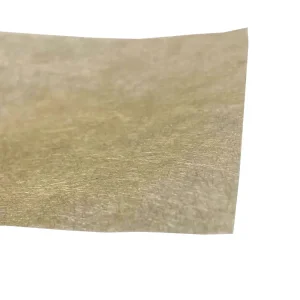
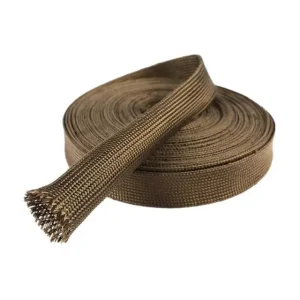
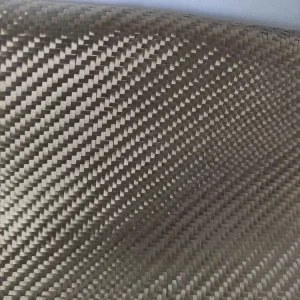
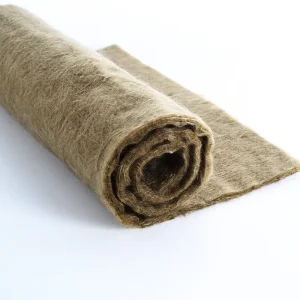
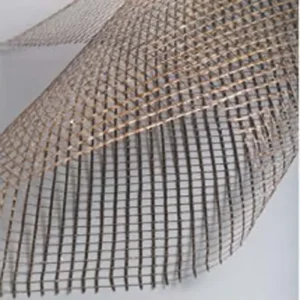
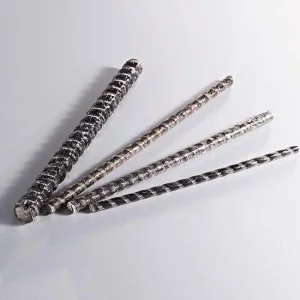
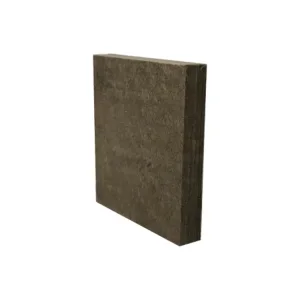
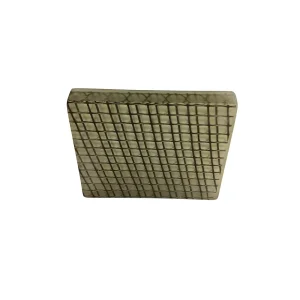
In the evolving landscape of advanced material science, Non-Woven Basalt Mat has emerged as a critical component for industries seeking a balance between high performance and ecological sustainability. Derived from volcanic rock, basalt fibers are 100% natural, inorganic, and offer technical advantages that surpass traditional E-glass and even rival carbon fiber in specific thermal applications.
Global demand for Wholesale Non Woven Basalt Mats is currently driven by the urgent need for decarbonization in construction and the rigorous safety standards in the electric vehicle (EV) battery sector. Unlike glass fiber, basalt does not lose its structural integrity at high temperatures, and unlike carbon fiber, it provides excellent chemical resistance at a fraction of the cost.
Stable performance from -260°C to +700°C. Non-woven mats serve as the ultimate fire barrier in high-risk industrial environments.
Highly resistant to acids, alkalis, and salts, making it the preferred choice for petrochemical reinforcement and marine engineering.
A single-component material with no chemical additives during the melting process. Fully recyclable and non-toxic.
The global basalt fiber market is witnessing a seismic shift. While Russia and Europe historically led research, China has become the global hub for large-scale industrialization and factory efficiency. As a leading manufacturer based in Jiujiang, Jiangxi, China Beihai (founded in 2015) epitomizes this growth. We integrate high-tech R&D with advanced furnace technology to ensure that "Wholesale" doesn't just mean quantity, but consistent high-fidelity quality.
The efficiency of a Chinese basalt mat factory lies in the Vertical Integration of the Supply Chain. We don't just process fibers; we manufacture the production equipment. This allows for precise control over fiber diameter consistency—a critical factor for the uniformity of surfacing tissue mats. For global procurement officers, this translates to lower lead times and superior cost-to-performance ratios (ROI).
Used in Thermal Runaway Mitigation for EV battery packs. Basalt mats act as a heat shield that prevents fire spread between cells, providing vital safety increments for modern mobility.
Basalt non-woven tissues are used in the manufacture of spacecraft shell materials and thermal protection systems due to their lightweight and electromagnetic transparency.
Reinforcing concrete in bridges and piers. Unlike steel, basalt fiber doesn't rust, extending the lifespan of coastal structures by decades in high-salinity environments.
Acoustic insulation in skyscrapers. Our needled mats provide superior sound dampening without the respiratory risks associated with glass wool.
Corrosion-resistant surfacing for underground storage tanks and pipes. Basalt mats ensure a resin-rich surface that prevents chemical leaching.
Ship hull reinforcement and offshore platform protection. Resistance to UV and saltwater makes it the ultimate "blue economy" material.
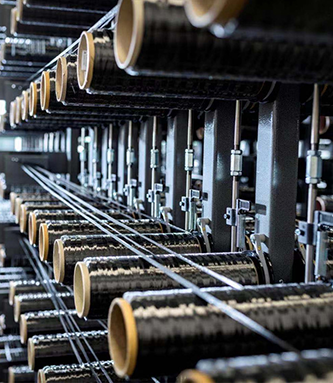
China Beihai is founded in 2015 and located in Jiujiang, Jiangxi Province. China Beihai is a high-tech enterprise focusing on the research, development, production and sales of high-performance basalt continuous fiber and its production equipment manufacturing, as well as a leading enterprise in the domestic basalt fiber industry.
Our commitment to innovation and excellence ensures that we deliver high-quality, sustainable solutions for industries such as construction, geotechnical engineering, and high-tech manufacturing.

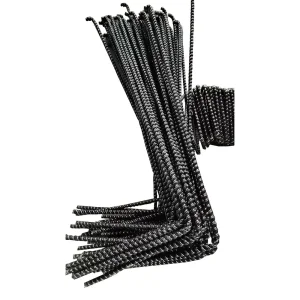
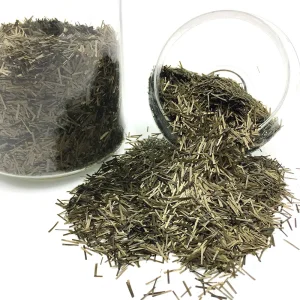
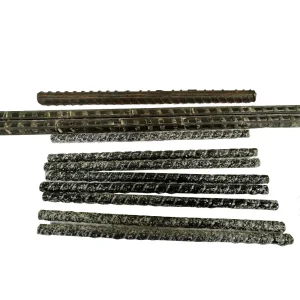
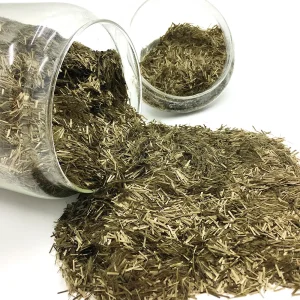
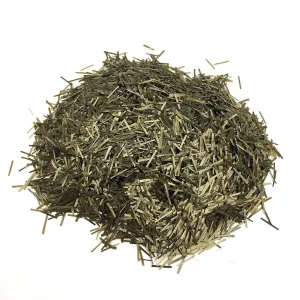
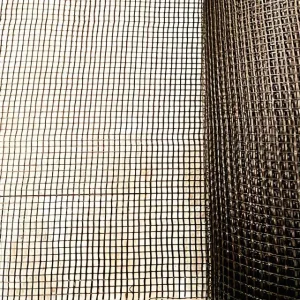
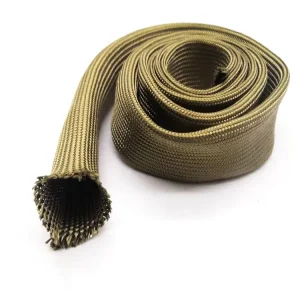
We specialize in basalt fiber mat (chopped strand mat, cloth), roving, yarn, chopped strands, and specialized products like basalt FRP rebar, sleeves, and tapes.

We deliver sustainable solutions for infrastructure and manufacturing. Our fine process control ensures our materials withstand the harshest environmental conditions.

Choosing China Beihai means reliability. Our dedication to industry expertise and "best-in-class" quality makes us a thought leader in the basalt fiber world.
The next decade of basalt fiber growth will be defined by Circular Economy integration. As a "one-material" solution (100% rock), basalt mats are easier to recycle than multi-material composites. Major procurement entities in Europe and North America are now prioritizing "Environmental Product Declarations" (EPD), where basalt fiber scores significantly higher than carbon fiber (due to its lower energy consumption during production).
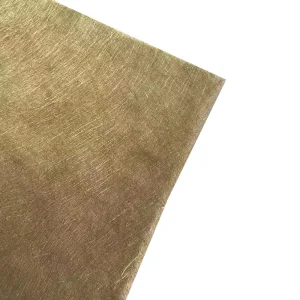
Basalt Surfacing Tissue is a very thin, non-woven sheet used primarily for achieving a smooth, resin-rich finish on FRP parts. A Needled Mat is a thicker, denser material made by mechanical bonding, used for thermal and acoustic insulation.
Yes, absolutely. Basalt fiber is a safe, non-carcinogenic alternative to asbestos. It offers superior thermal protection without the health risks, making it ideal for fireproof fabrics and high-temperature sleeves.
Basalt fiber has significantly higher alkali resistance than E-glass. While E-glass can degrade in alkaline environments (like concrete), basalt maintains its structural integrity, making it the only viable mineral fiber for long-term concrete reinforcement.
Typically, China Beihai maintains a lead time of 15-30 days depending on the customization (GSM, width, and binder type). Our Jiujiang facility is optimized for high-volume export demand.
Yes, it is non-conductive and non-magnetic. This makes it perfect for applications near sensitive electronics, MRI rooms, or aerospace communication equipment where carbon fiber or steel would cause interference.
As drones slice through the sky to monitor wildfires, and intelligent robots execute repetitive tasks with precision, the efficient operation of this smart equipment is often underpinned by the "hardcore support" of basalt fiber composites. Our research team has made it possible to use basalt fibers in the manufacture of spacecraft shell materials and high-temperature-resistant components.
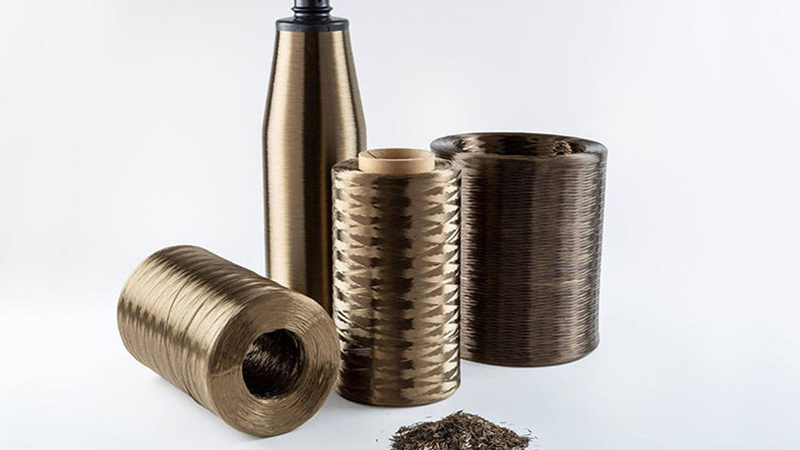
The trend of lightweight automobile materials and high-performance structural reinforcement is here. We are at the forefront of this revolution.
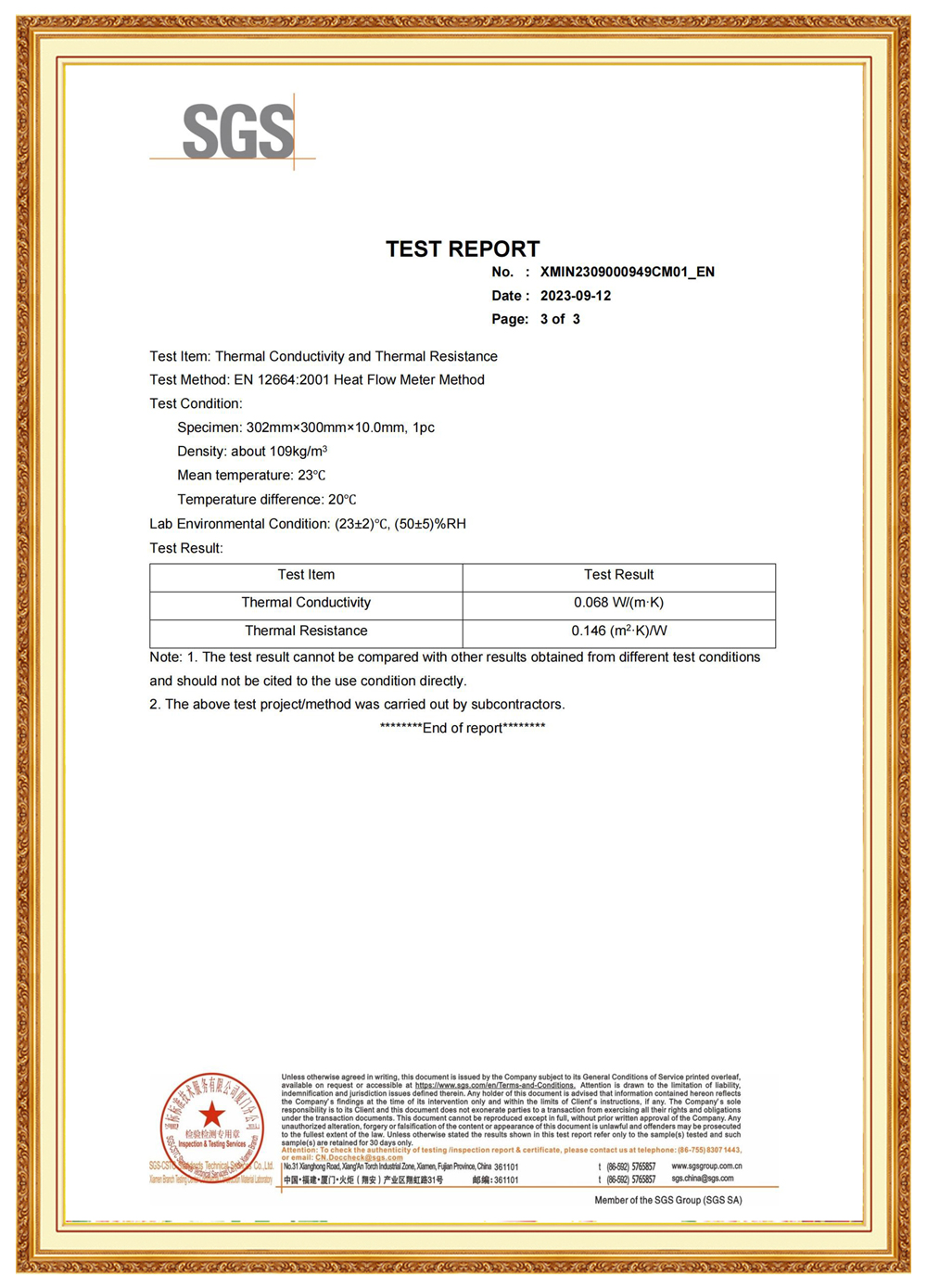
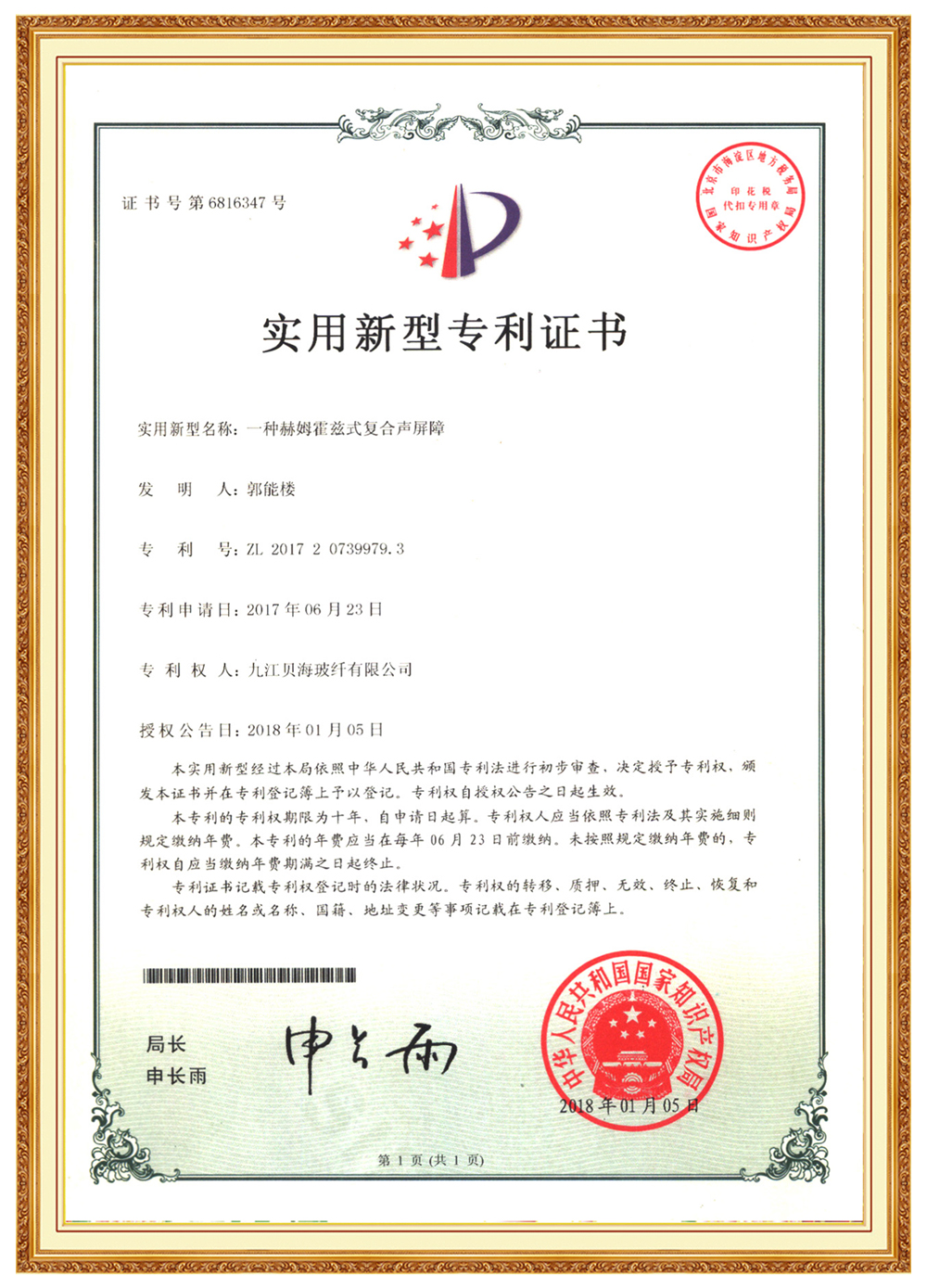
Complying with international standards for quality and environmental management.
 Beihai Fiberglass