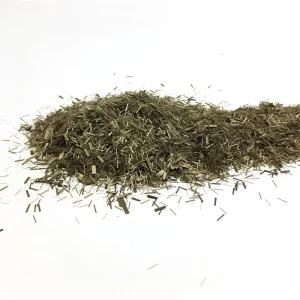
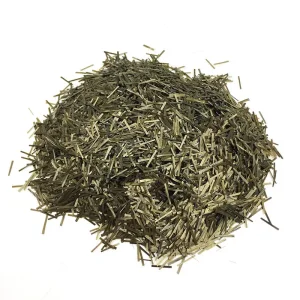
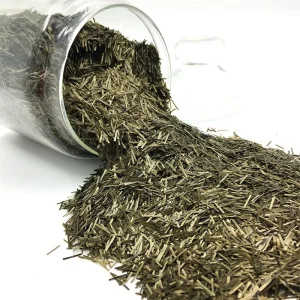
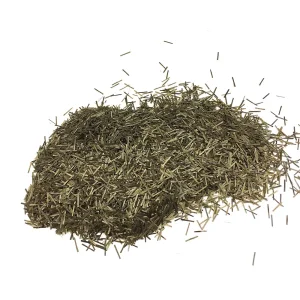
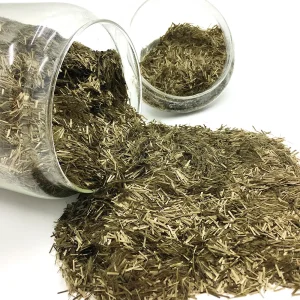
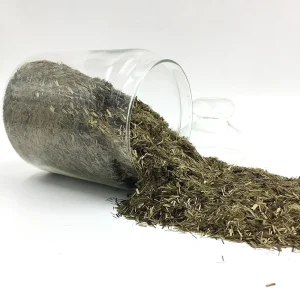
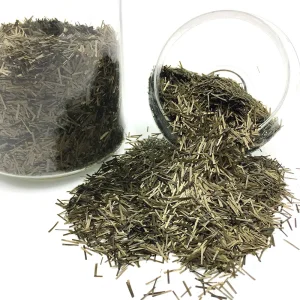
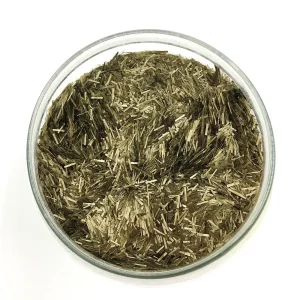
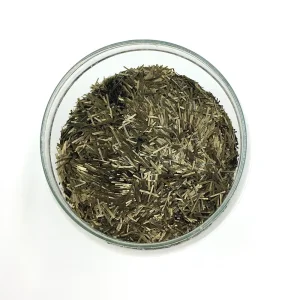
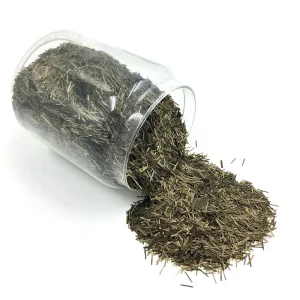
Highly engineered industrial fibers customized for Pakistan's specific environmental, climatic, and industrial reinforcement challenges.
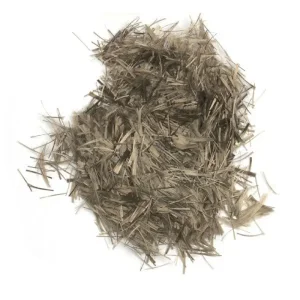
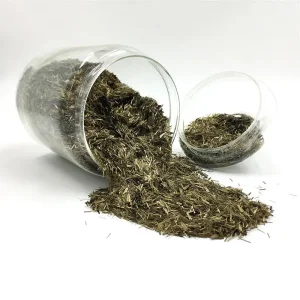
As Pakistan marches forward with massive nation-building projects under the China-Pakistan Economic Corridor (CPEC), the demands placed on modern structural design have escalated. The geographical diversity of Pakistan—ranging from the high-temperature arid terrains of Sindh and Balochistan to the coastal moisture challenges of Karachi and Gwadar Port, up to the seismically active northern zones of Khyber Pakhtunkhwa and Gilgit-Baltistan—creates severe operational challenges for traditional concrete and asphalt reinforcement solutions. Traditional materials such as carbon steel rebar and synthetic polymer fibers are rapidly proving inadequate in extreme conditions, suffering from accelerated corrosion, thermal cracking, and chemical degradation.
This is where the technological superiority of Basalt Fiber Chopped Strands (BFCS) enters the picture. Derived from 100% natural volcanic basalt rock through advanced high-temperature extrusion processes, basalt fiber represents the next leap forward in green composite engineering. Unlike steel, which corrodes under the saline exposure of Pakistan's coastal areas, and unlike glass fiber, which deteriorates in the highly alkaline environments of hydrating cement, basalt fiber maintains absolute chemical inertness and structural integrity. For Pakistani cement manufacturers, heavy civil construction contractors, and structural engineers, adopting basalt chopped strands is not just a technological upgrade—it is a critical requirement for securing a lifetime of over 100 years for crucial state infrastructure.
To fully understand the *Information Gain* provided by basalt fiber chopped strands, it is critical to compare its physical and chemical kinetics directly with E-Glass, Polypropylene (PP), and Steel Fibers when embedded within Pakistan's standard construction practices:
A Globally Recognized Pioneer in Continuous Basalt Fiber Manufacturing & High-Performance Composites Technology.
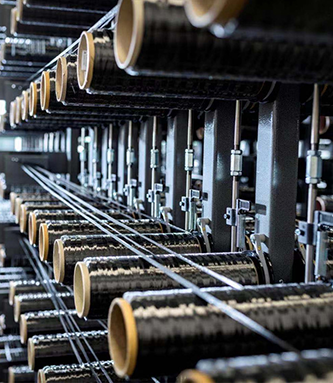
Founded in 2015 and located in the industrial heart of Jiujiang, Jiangxi Province, China Beihai is a high-tech enterprise focusing on the research, development, production, and sales of high-performance basalt continuous fiber and its specialized production equipment manufacturing. As a dominant leader in the global basalt fiber industry, we maintain state-of-the-art furnace systems that melt natural volcanic rock at 1450°C, drawing ultra-fine filaments of 9 to 22 micrometers with absolute precision.
Our deep engineering integration allows us to supply massive infrastructure works across Asia, the Middle East, and specifically, the key arterial transport pathways of Pakistan. By providing direct-to-factory commercial pricing and premium engineering support, China Beihai ensures that local projects in Pakistan receive premium quality materials that strictly match international ASTM, EN, and ISO testing protocols.
Partner With UsDiscover why global engineering firms choose China Beihai for their basalt composite needs.
At China Beihai group, we specialize in the production of a wide range of products including basalt fiber mat (Basalt fiber chopped strand mat, Basalt fiber cloth), basalt fiber roving, basalt fiber yarn, basalt fiber chopped strands, and basalt fiber products (Basalt Fiber rebar, basalt fiber sleeves and tape). Our products are designed to meet the diverse needs of various industries, providing high-quality solutions for our customers.
At China Beihai group, we are dedicated to the production of a wide array of basalt-based products, ranging from basalt fiber mat, fabric, and roving to chopped strand and specialized construction materials. Our focus is on delivering high-quality, sustainable solutions for industries such as construction, geotechnical engineering, and manufacturing. With a commitment to innovation and excellence, we strive to cater to the unique requirements of our clients.
Choosing to work with China Beihai means partnering with a leading manufacturer of basalt products. Our commitment to quality, innovation, and sustainability sets us apart, ensuring our customers receive best-in-class solutions. Reliability and customer satisfaction, we offer a wide range of high-quality basalt materials and construction products, backed by our dedication to excellence and industry expertise.
The performance of Basalt Fiber Chopped Strands is heavily dictated by the molecular composition of the parent rock and the chemistry of the sizing agent applied to the fiber surface. In our modern manufacturing facilities, we select raw basalt deposits characterized by a silicon dioxide (SiO2) concentration exceeding 56% and aluminum oxide (Al2O3) content of 15% or more. This chemical footprint directly increases the mechanical resistance and hydrolytic resilience of the extruded filaments.
One of the most critical breakthroughs from the China Beihai engineering team is our matrix-specific sizing optimization. Basalt fiber is naturally hydrophilic, which means untreated fibers do not bond easily with organic polymer resins. To solve this, we chemically bond tailor-made coupling agents to the fiber surface during filament drawing:
Engineered applications that drive performance, structural resilience, and cost reduction across major industrial sectors.
Our basalt products have diverse applications in the field of house construction. Embedded inside concrete overlays, they prevent structural micro-cracks, control drying shrinkage, and provide seismic shock absorption in high-density residential layouts across Lahore and Islamabad.
In the high-performance aerospace and automotive field, basalt continuous fibers are ideal for manufacturing light structural brackets, engine heat shields, and soundproof panels due to their superior fire-retardant chemistry and light specific gravity.
Concrete infused with our high-tensile basalt chopped strands offers extreme longevity in hydraulic dams, bridge decks, and spillways. It mitigates water seepage, enhances resistance against high-flow mechanical abrasion, and avoids the chemical swelling associated with internal steel rust.
Marine structures are constantly attacked by aggressive chloride ions present in sea waves, causing traditional steel rebar to rust, swell, and spall concrete within decades. Integrating China Beihai Basalt Chopped Strands and Basalt Rebar ensures complete resistance to sea salt spray and saltwater immersion. This maximizes the operational lifespan of cargo piers, breakwaters, and seawalls along the Arabian Sea.
Heavy axle load vehicles moving on the Indus Highway and Karakoram Highway encounter vast temperature fluctuations, leading to structural deformation ("rutting") and thermal fatigue cracking in asphalt pavements. Incorporating our custom-treated basalt chopped strands directly into asphalt mixtures reinforces the binder matrix, doubling the dynamic stability and fatigue life of national transit networks.
Purchasing high-performance mineral components globally requires absolute logistical transparency, premium quality certifications, and structured transit protocols. China Beihai has established a highly optimized trade corridor connecting our modern production plant in Jiujiang directly with major industrial distribution centers across Pakistan, including Karachi, Lahore, Faisalabad, and Islamabad.
Our facilities are fully certified under ISO 9001:2015 and ISO 14001:2015. Every single production batch of basalt chopped strands is accompanied by a Factory Test Certificate (MTC) detailing absolute diameter density, moisture content under 0.1%, and sizing uniformity matching ASTM C1666 standards.
Considering Pakistan's variable tropical environment, transit humidity can easily deteriorate unprotected fiber properties. We package our chopped strands in heavy-duty, multi-layered moisture-proof composite paper bags or big-bags (FIBC) lined with polyethylene barrier sheets, protecting the structural integrity from factory gate to job site.
Leveraging the maritime silk road and direct land transportation pathways, we offer flexible shipping modes. Customers can select from bulk sea freight containers arriving at Karachi Port or Gwadar, or expedited shipping overland through the Khunjerab Pass for Northern Pakistan projects, minimizing transit lead times down to 15-20 days.
We verify every step of our manufacturing with third-party testing agencies and strictly adhere to international engineering codes to give procurement teams ultimate peace of mind.
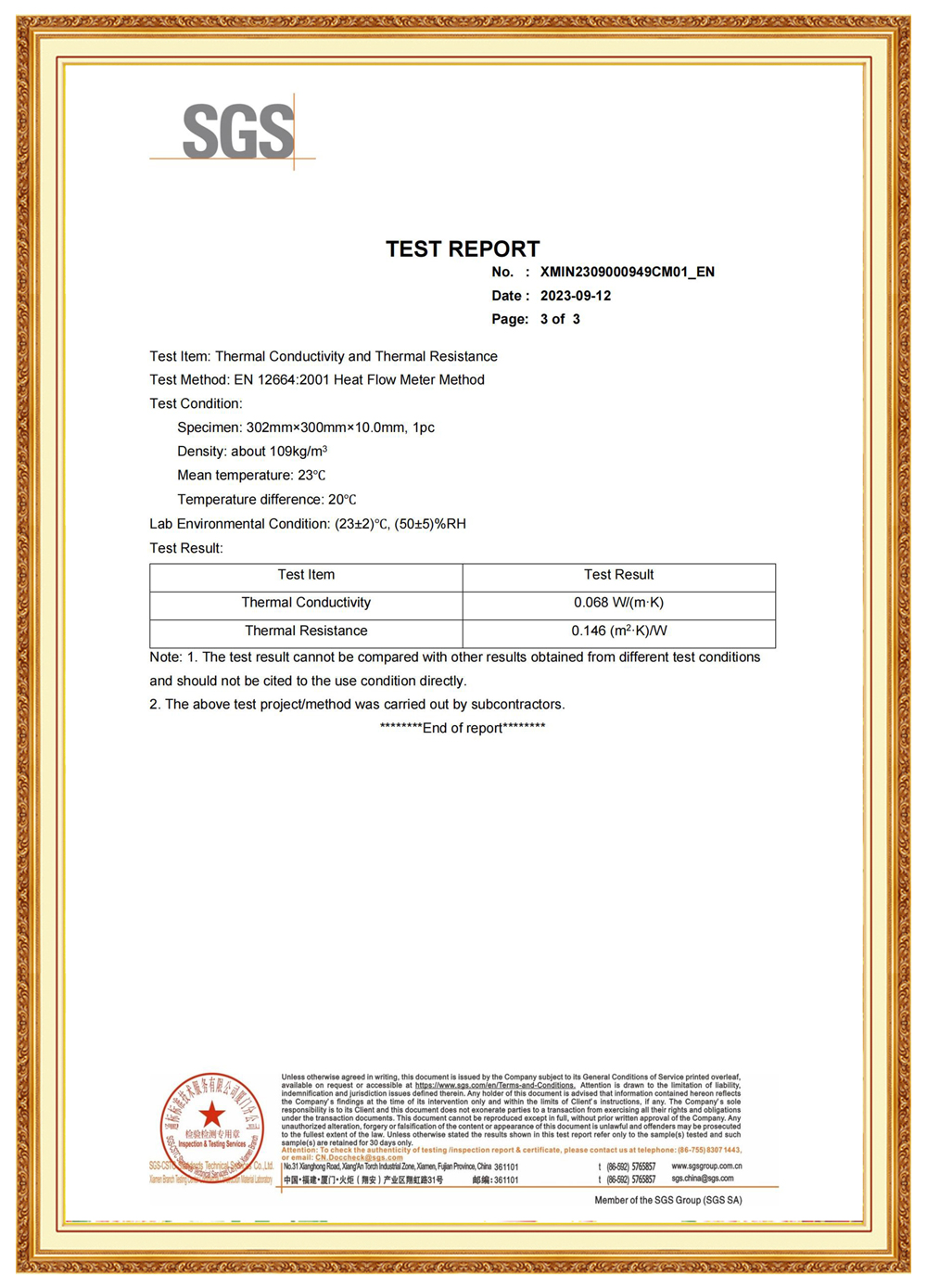
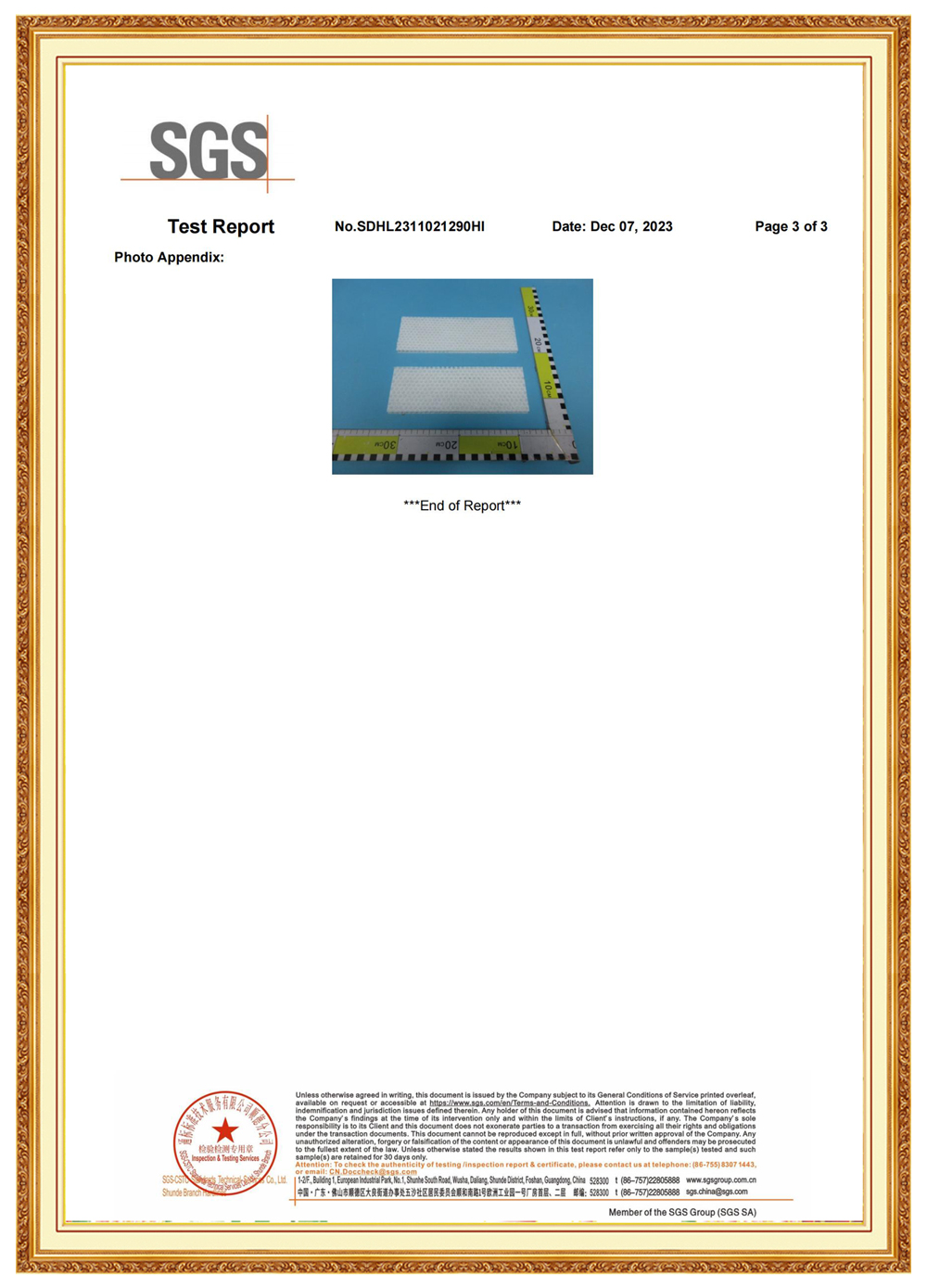
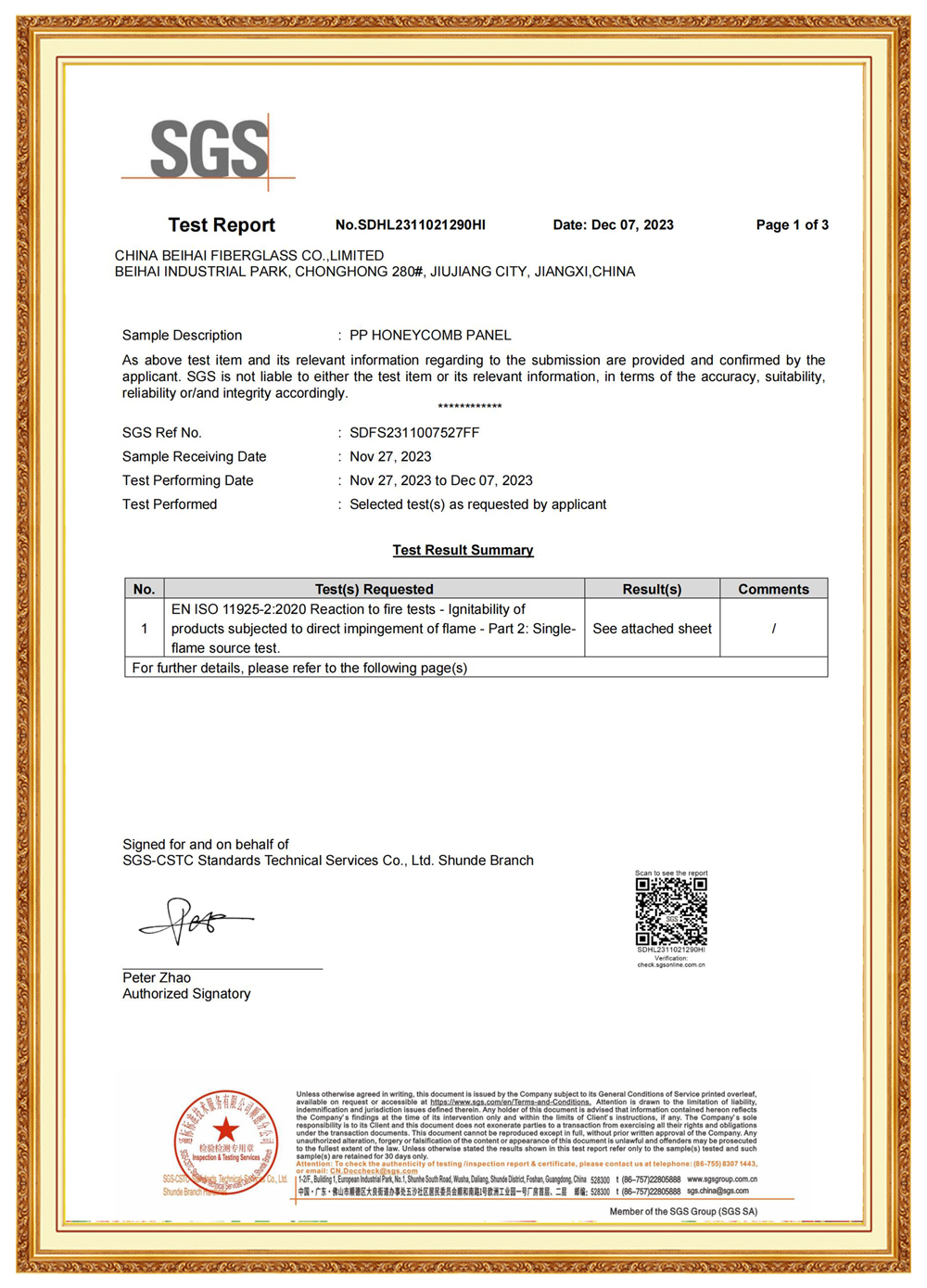
In response to international sustainability targets and Pakistan’s national green energy agendas, China Beihai has mapped out a decade-long technology transition roadmap. Unlike synthetic fibers made from fossil-fuel derivatives, basalt fiber is naturally inert, completely recyclable, and has a dramatically lower cradle-to-gate carbon footprint.
Launching specialized anti-crystallization sizing agents targeting the high-saline and heavily alkaline water systems in Sindh province, protecting concrete overlays from sulfate attacks and internal moisture stress.
Establishing localized distribution centers within Karachi Free Zone to enable immediate regional dispatch of high-volume chopped strands, eliminating long transit wait times for local Pakistani construction consortia.
Transitioning our global smelting furnaces to clean, green hydrogen fuel sources, reducing the carbon intensity of Beihai basalt fibers to zero, helping Pakistani infrastructural projects gain massive carbon credits under global ESG standards.
Explore our highly-specialized range of basalt fibers and composite materials configured for local environmental and structural specifications.
In-depth responses to direct structural, logistical, and processing questions concerning Basalt Fiber Chopped Strands deployment in Pakistan.
Get a direct-to-factory wholesale quote and comprehensive chemical compatibility testing sheets today.
 Beihai Fiberglass