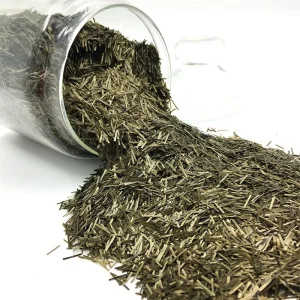
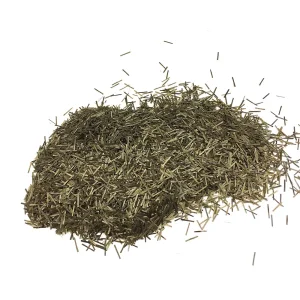
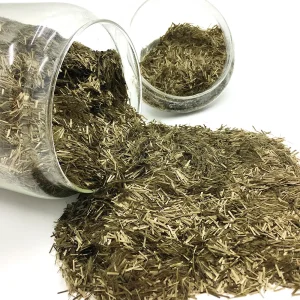
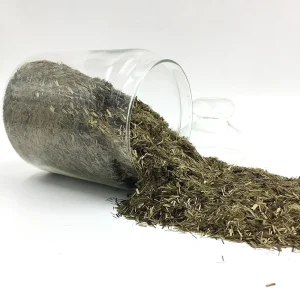
In the contemporary landscape of global structural engineering and advanced materials, the search for sustainable, high-performance reinforcement agents has accelerated. Basalt Fiber Chopped Strands have emerged as a premier disruptive technology, replacing traditional steel, E-glass, and synthetic fibers across an array of demanding industrial sectors. This whitepaper provides a comprehensive analysis of basalt fiber chopped strands, specifically optimized for the South African market.
South Africa, as the industrial powerhouse of the African continent, stands at a critical juncture of infrastructure regeneration, mining modernization, and sustainable automotive/energy transition. With massive civil engineering initiatives driven by the South African National Roads Agency (SANRAL) and the national push toward renewable energy installations in the Northern Cape, structural integrity under extreme thermal, saline, and mechanical stress is paramount. This paper delineates how China Beihai’s premium-grade continuous basalt fiber technology provides South African civil contractors, composite manufacturers, and industrial suppliers with an unparalleled Information Gain (IG) and operational competitive edge.
Basalt fiber is an inorganic mineral fiber manufactured directly from volcanic basalt rock through a single-component melt process. Unlike E-glass, which relies on a complex mixture of silica, alumina, and borosilicates with chemical additives, basalt fiber is intrinsically pure, representing a major leap forward in eco-friendly material sciences.
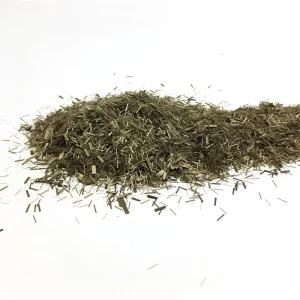
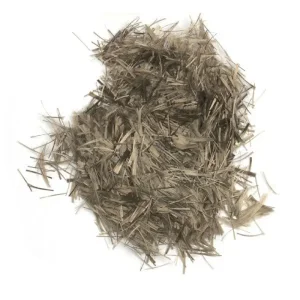
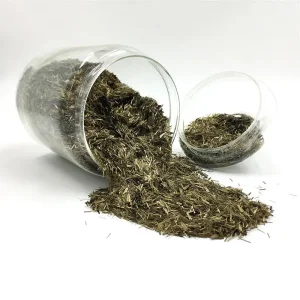
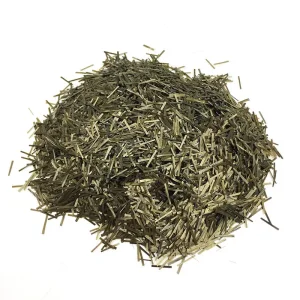
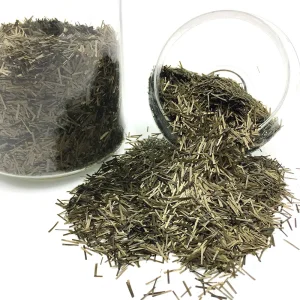
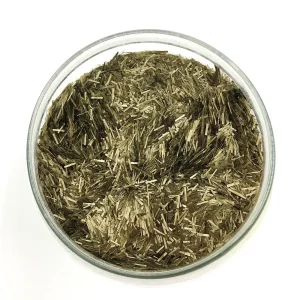
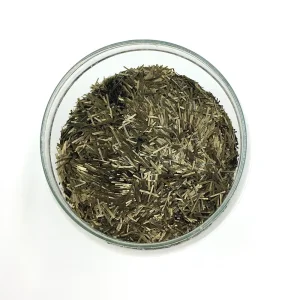
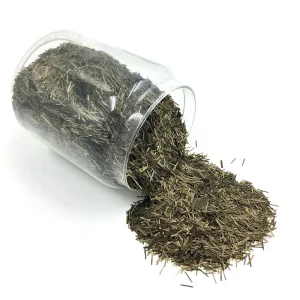
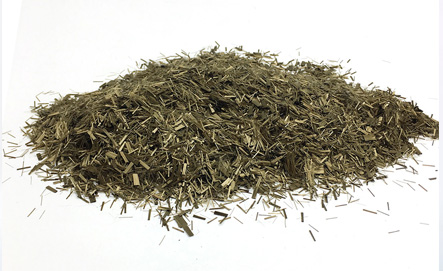
During the extrusion process, high-performance silane-based sizing formulations are applied to the filament surfaces. These sizing agents are critical, as they dictate the chemical compatibility and interfacial shear strength (IFSS) between the basalt strands and the target matrices—whether cementitious binders, thermoplastic resins (PA, PP, PC), or thermosetting polymers (Epoxy, Polyester, Vinyl Ester). The continuous roving is then chopped into precise lengths (typically 3mm, 6mm, 12mm, 18mm, or 24mm) to create Basalt Fiber Chopped Strands with outstanding dispersion characteristics.
South Africa presents unique geographic, climatological, and economic conditions that demand exceptionally durable engineering materials:
| Property / Metric | Basalt Fiber (China Beihai) | E-Glass Fiber | Carbon Fiber | Polypropylene (PP) Fiber |
|---|---|---|---|---|
| Tensile Strength (MPa) | 3000 - 4800 | 2400 - 3400 | 3500 - 6000 | 300 - 700 |
| Elastic Modulus (GPa) | 89 - 110 | 72 - 76 | 230 - 600 | 3.5 - 10 |
| Density (g/cm³) | 2.63 - 2.80 | 2.54 - 2.60 | 1.75 - 2.00 | 0.91 |
| Operating Temp Range (°C) | -260 to +650 | -60 to +380 | -50 to +1150 | -10 to +100 |
| Alkali & Acid Resistance | Excellent / Highly Stable | Moderate / Low | Excellent | Good / Inert |
| Ecological Footprint | Extremely Low (100% Natural) | Medium | High (Energy Intensive) | High (Petrochemical Base) |
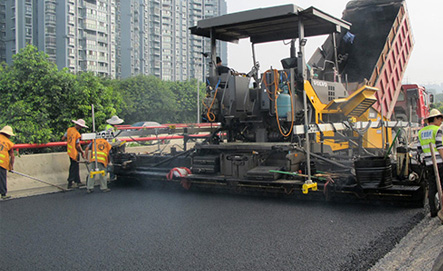
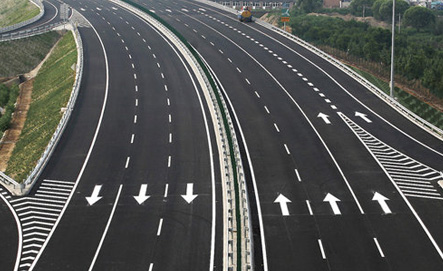
Under the current SANRAL road infrastructure development frameworks, increasing the service life of hot-mix asphalt (HMA) is a priority. Adding China Beihai's Custom Basalt Chopped Fiber for Asphalt Road significantly enhances the interlocking grid structure of the aggregate mix. The high elastic modulus of basalt acts as a stress-dispersing network, preventing low-temperature cracking and mitigating high-temperature rutting. This is particularly crucial for steep topography climbs like the Town Hill section on the N3 near Pietermaritzburg, which experiences constant heavy vehicle braking.
Reinforced concrete structures in Transnet-managed ports (e.g., Port of Durban, Coega, and Cape Town Harbor) are exposed to constant seawater splash zones. China Beihai’s alkali-resistant basalt chopped strands, mixed directly into concrete at a dosage of 3.0 to 5.0 kg/m³, block the capillary pores within the cement matrix. This prevents chloride ions from penetrating, protecting internal structural members and ensuring a service life exceeding 100 years without expensive cathodic protection systems.
In deep gold and platinum mining operations across North West and Limpopo provinces, dynamic rock loading is a persistent hazard. Spraying shotcrete reinforced with high-tensile basalt chopped strands provides exceptional toughness and energy absorption (Joules rating). Because basalt fiber does not rust, the structural integrity of the mine tunnels remains uncompromised by humid, acidic underground water, dramatically reducing maintenance costs and protecting underground mine workers.
China Beihai, established in 2015 and headquartered in the high-tech industrial zone of Jiujiang, Jiangxi Province, is an industry-leading global manufacturer of continuous basalt fiber. Through extensive investment in continuous melt furnace technology and advanced sizing chemistry, China Beihai offers South African buyers a steady, scalable supply of high-performance materials:
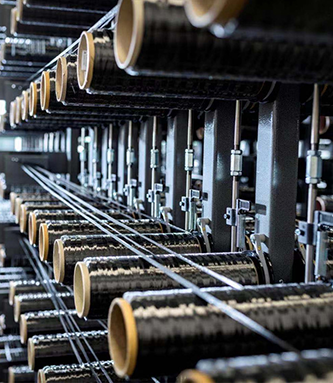
China Beihai, founded in 2015 and located in Jiujiang, Jiangxi Province, is a high-tech enterprise focusing on the research, development, production, and sales of high-performance basalt continuous fiber and its production equipment. As a leading enterprise in the global basalt fiber industry, we are dedicated to pushing the boundaries of material engineering and structural durability.
Our products are designed to meet the diverse needs of various industries, providing high-quality, sustainable solutions for customers across South Africa, Europe, North America, and beyond.
We specialize in the production of a wide range of basalt-based products, including basalt fiber mat (chopped strand mat, basalt fiber cloth), basalt fiber roving, basalt fiber yarn, basalt fiber chopped strands, basalt fiber rebar, basalt fiber sleeves, and tape.
We focus on delivering high-quality, sustainable solutions for industries such as construction, geotechnical engineering, and high-performance composites. With a commitment to innovation, we customize chemical sizing to align with local South African aggregates.
Partnering with China Beihai means securing access to a leading manufacturer. Our commitment to strict quality control, continuous manufacturing scale, and reliable export logistics ensures your South African engineering projects are delivered on time, within spec.
Basalt fiber is ideal for your engineering projects. Its high tensile strength, extreme acid and alkali corrosion resistance, and lightweight properties allow it to solve complex structural challenges.
As a high-strength alternative to traditional steel bars, basalt fiber rebar is widely utilized to reinforce concrete structures. Its corrosion-free properties make it ideal for marine infrastructure, chemical storage plants, and heavy-duty highway slabs across South Africa.
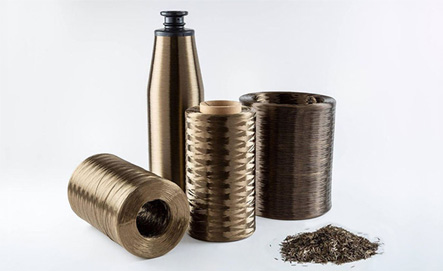
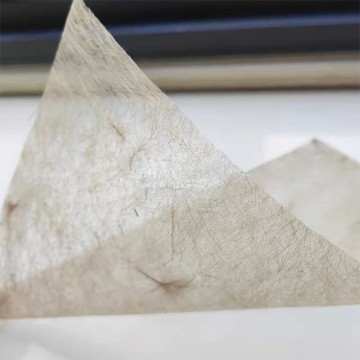
Non-woven thin sheet engineered to provide a smooth, resin-rich surface layer for fiber-reinforced plastic composites.
Request Quote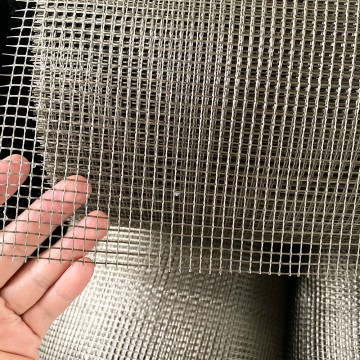
Superior reinforcement solution for concrete and plaster applications where extreme alkali resistance is required.
Request Quote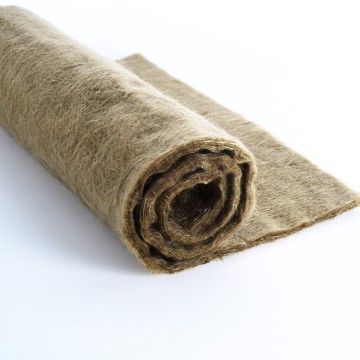
High-density insulation material manufactured by mechanically bonding continuous basalt fibers without chemical binders.
Request Quote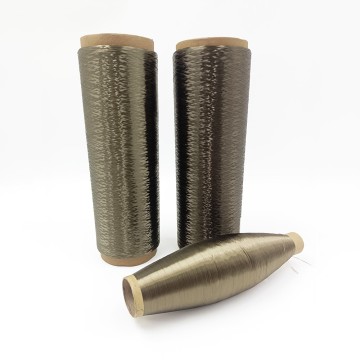
Engineered by twisting multiple continuous filaments to enhance mechanical strength and processability.
Request QuoteProviding micro-reinforcement in thin mortars, render coatings, and floor screeds to completely eliminate shrinkage cracking.
Massively enhancing tensile capability, fatigue life, and chemical resistance against coastal soils and industrial runoff.
Perfect for compounding high-strength engineering plastics, lowering overall vehicle weight, and improving thermal resistance.
Providing total structural protection for pipe wrapping, tanks, and containment zones exposed to aggressive acid solutions.
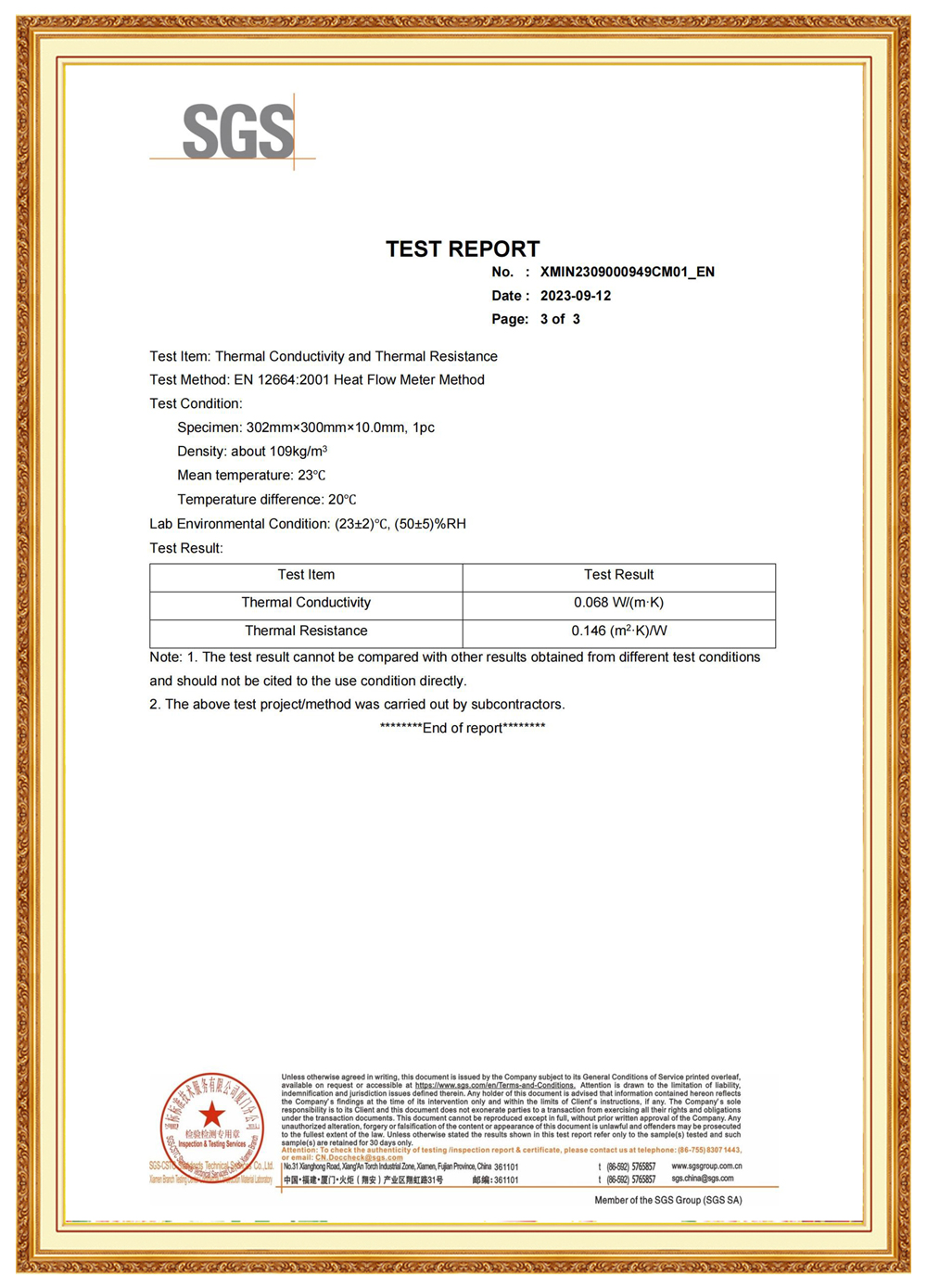
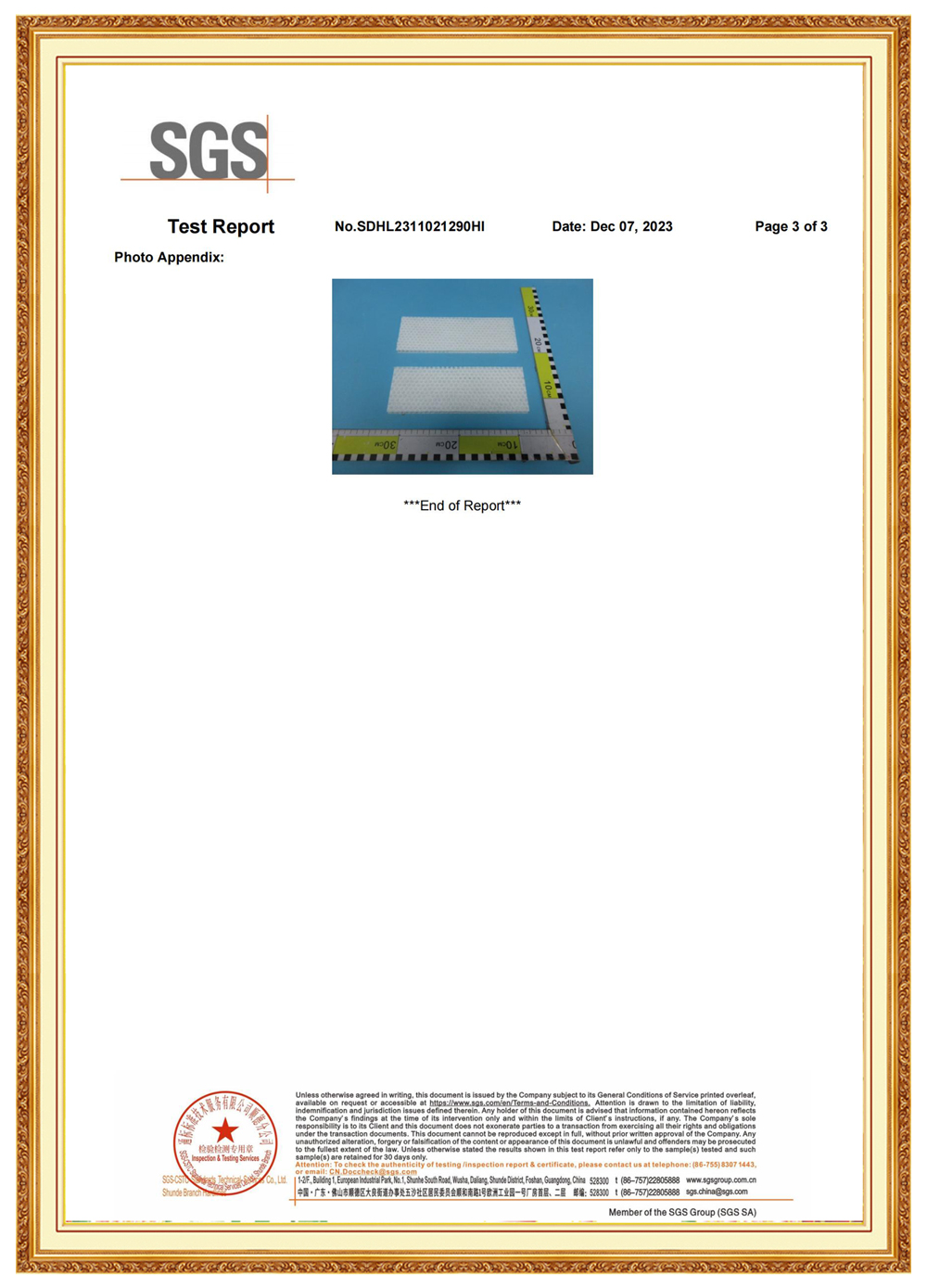
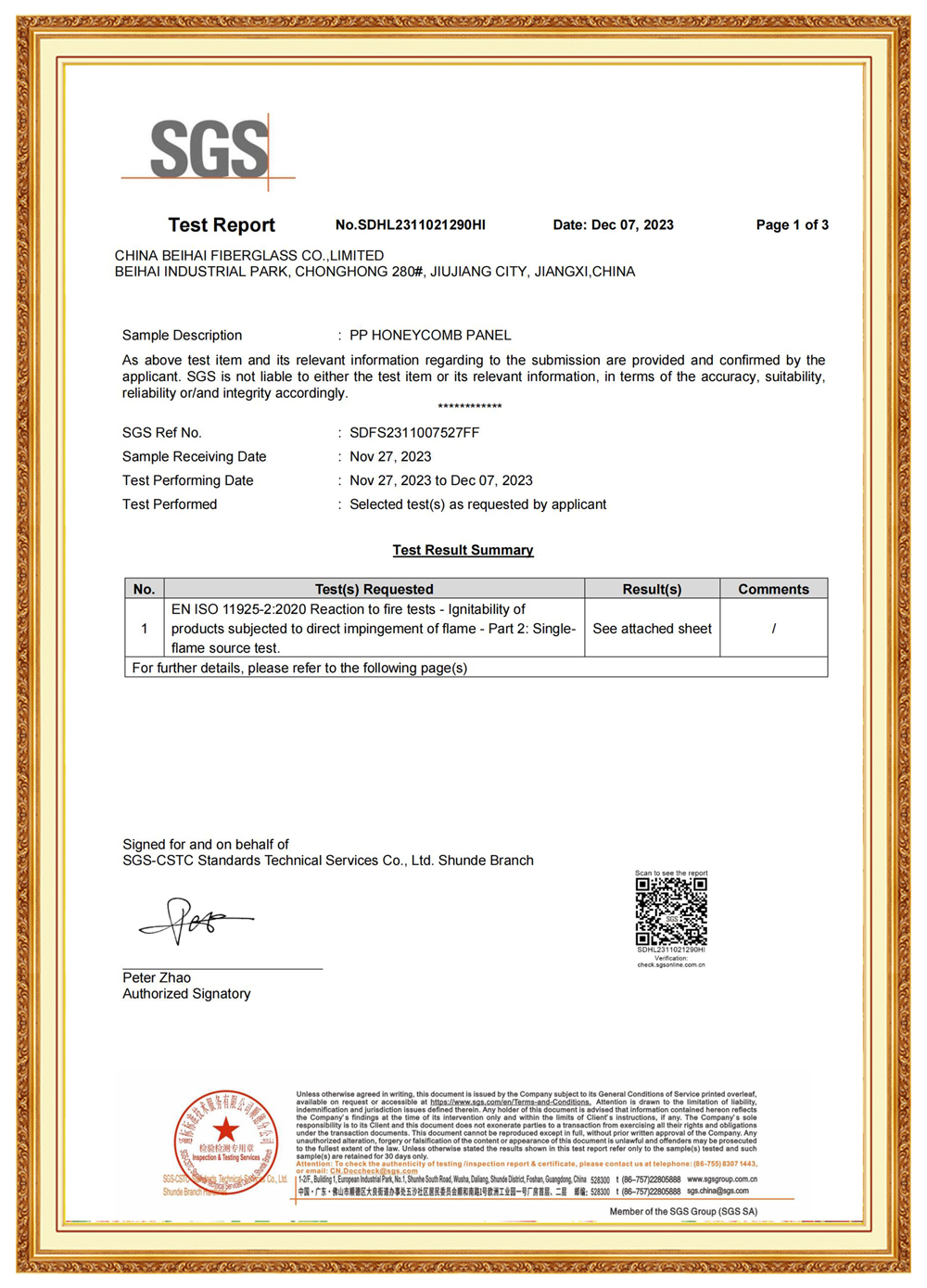
As drone technology monitors wildfires across vast African savannahs, and industrial robots optimize processing floors, the demand for lightweight, high-temperature, and wear-resistant composites has surged. China Beihai’s premium basalt continuous fibers provide the foundation for this technological shift.
"Basalt fiber's unique crystalline structure allows it to withstand extreme operating zones that cause carbon or glass fiber structures to crack or melt. Our technical teams are leading this transition, delivering specialized solutions to partners across Africa."

Get in touch with China Beihai's technical team today to receive detailed technical datasheets, certified test reports, and customized wholesale pricing for the South African market.
 Beihai Fiberglass