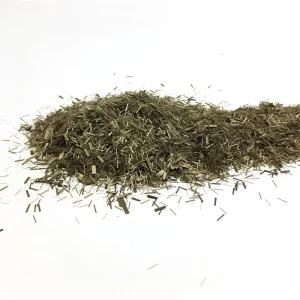
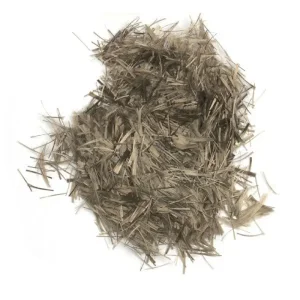
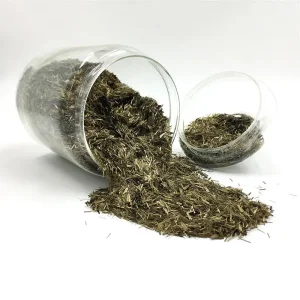
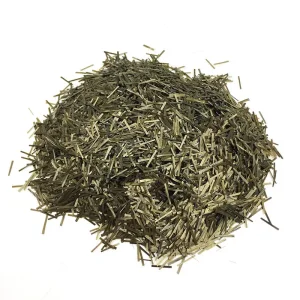
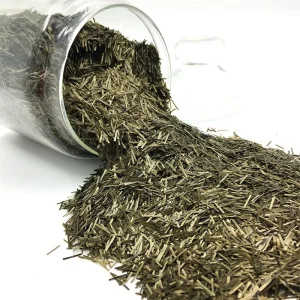
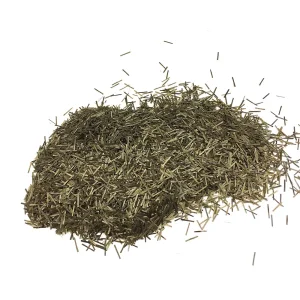
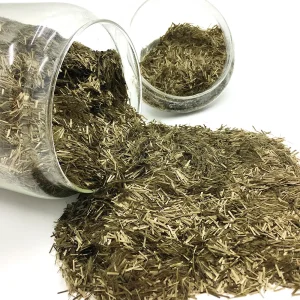
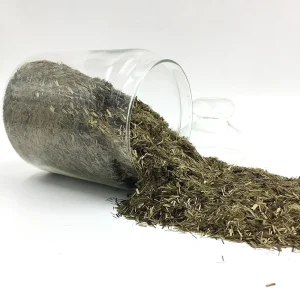
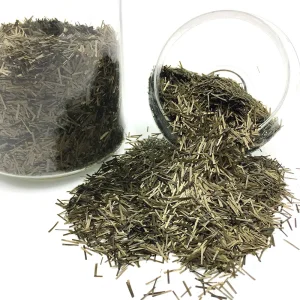
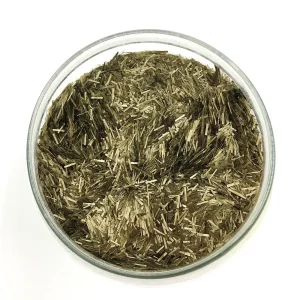
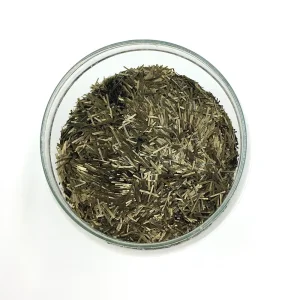
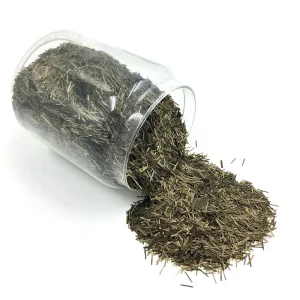
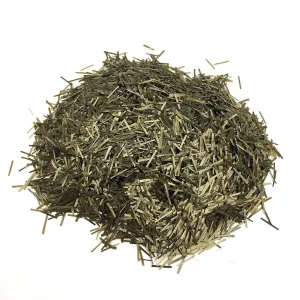
In the global quest for sustainable and resilient construction materials, Basalt Fiber Chopped Strands have emerged as the "Green Material of the 21st Century." Unlike glass fiber, basalt fiber is derived from natural volcanic rock through a single-component melting process, making it 100% inert and eco-friendly.
Globally, industries are shifting from traditional steel reinforcement to basalt due to its non-corrosive nature, specifically in marine and high-salinity environments. With a tensile strength significantly higher than E-glass and a thermal range from -260°C to +700°C, it is the material of choice for aerospace, automotive, and civil engineering.
Oman, with its vast coastal lines and ambitious infrastructure projects in Muscat, Duqm, and Salalah, faces unique engineering challenges: extreme heat, high humidity, and salt-laden air. Traditional steel reinforcement often suffers from premature degradation due to chloride-induced corrosion.
Our Basalt Fiber Chopped Strands provide a localized solution for the Oman Vision 2040 strategy, ensuring that new highways, ports, and skyscrapers are built to last for over 100 years with minimal maintenance.
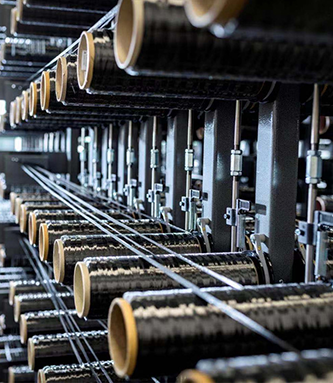
China Beihai was founded in 2015 and is located in Jiujiang, Jiangxi Province. As a high-tech enterprise, we focus on the research, development, production, and sales of high-performance basalt continuous fiber and specialized production equipment.
We are a leading enterprise in the basalt fiber industry, providing end-to-end solutions from raw fiber to complex composite applications. Our expertise ensures that every batch of chopped strands meets the rigorous demands of international engineering standards.
 Diverse Product Range: We offer basalt fiber mats, roving, yarn, chopped strands, rebar, and specialized tapes tailored for heavy industry.
 Sustainable Solutions: Dedicated to delivering eco-friendly materials for geotechnical engineering and sustainable manufacturing.
 Reliability & Expertise: Partnering with us means accessing best-in-class basalt technology backed by a decade of innovation.
Integration of chopped strands in asphalt mixes to prevent "rutting" and thermal cracking under Oman's intense summer sun (50°C+).
Reinforcing marine concrete structures and quay walls to resist sulfate and chloride attacks from the Arabian Sea.
Utilizing basalt fiber for insulating pipes and reinforcing friction materials in heavy machinery operating in the desert.
Basalt fiber isn't just a product; it's a comprehensive engineering solution. By incorporating Basalt Fiber Chopped Strands into various matrices, we solve high-level industrial problems:
The future of basalt fiber lies in Nanotechnology and Hybridization. Our technical roadmap for the Oman market includes:
Corrosion Proof
Stronger than Steel
Heat Resistance
We understand that Omani projects require strict adherence to international and local standards. Our products are fully compliant with:
Our Logistics Hub provides efficient shipping to Port Sultan Qaboos and Port of Salalah, ensuring just-in-time delivery for large-scale infrastructure projects.
Basalt fiber offers better alkali resistance, which is critical for Omani concrete, and higher thermal stability, making it superior in the GCC region's heat.
While the initial material cost may be higher, the "Total Life Cycle Cost" is significantly lower because it eliminates the need for expensive anti-corrosion treatments and long-term maintenance.
Generally, for crack control and structural enhancement, dosages range from 2kg to 5kg per cubic meter, depending on project specifications.
Yes, they are excellent for reinforcing recycled thermoplastics, providing high mechanical strength for eco-friendly Omani manufacturing initiatives.
 Beihai Fiberglass