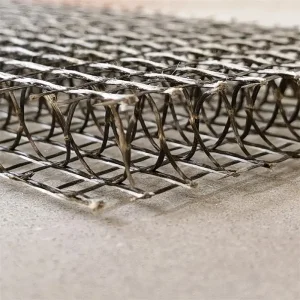
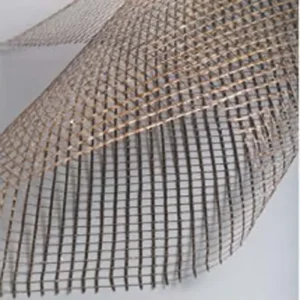
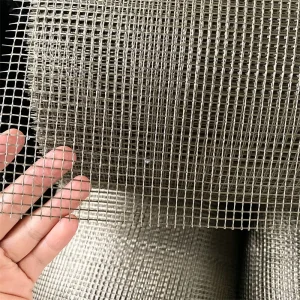
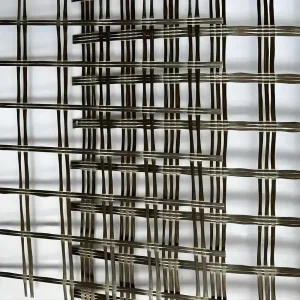
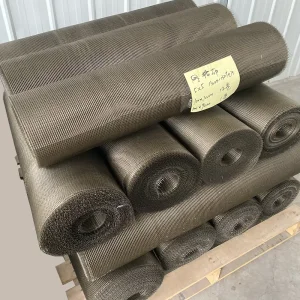
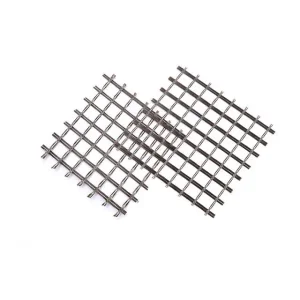
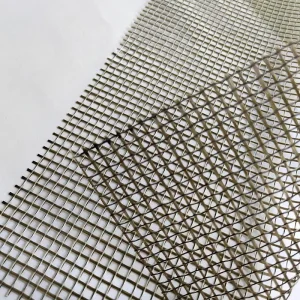
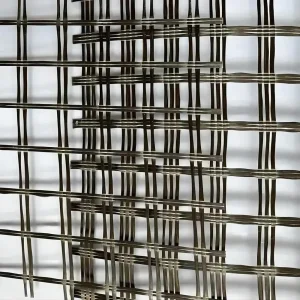
South Korea’s construction and industrial sectors are undergoing a radical shift toward "Smart Construction 2025." As a specialized Basalt Fiber Mesh Manufacturer catering to the Korean market, we recognize the critical demand for materials that survive the peninsula's unique climatic and seismic challenges.
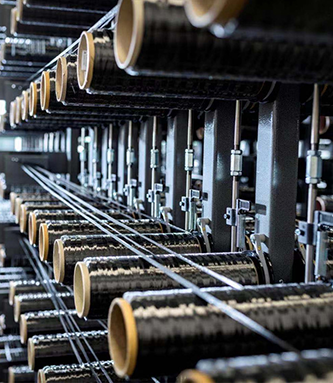
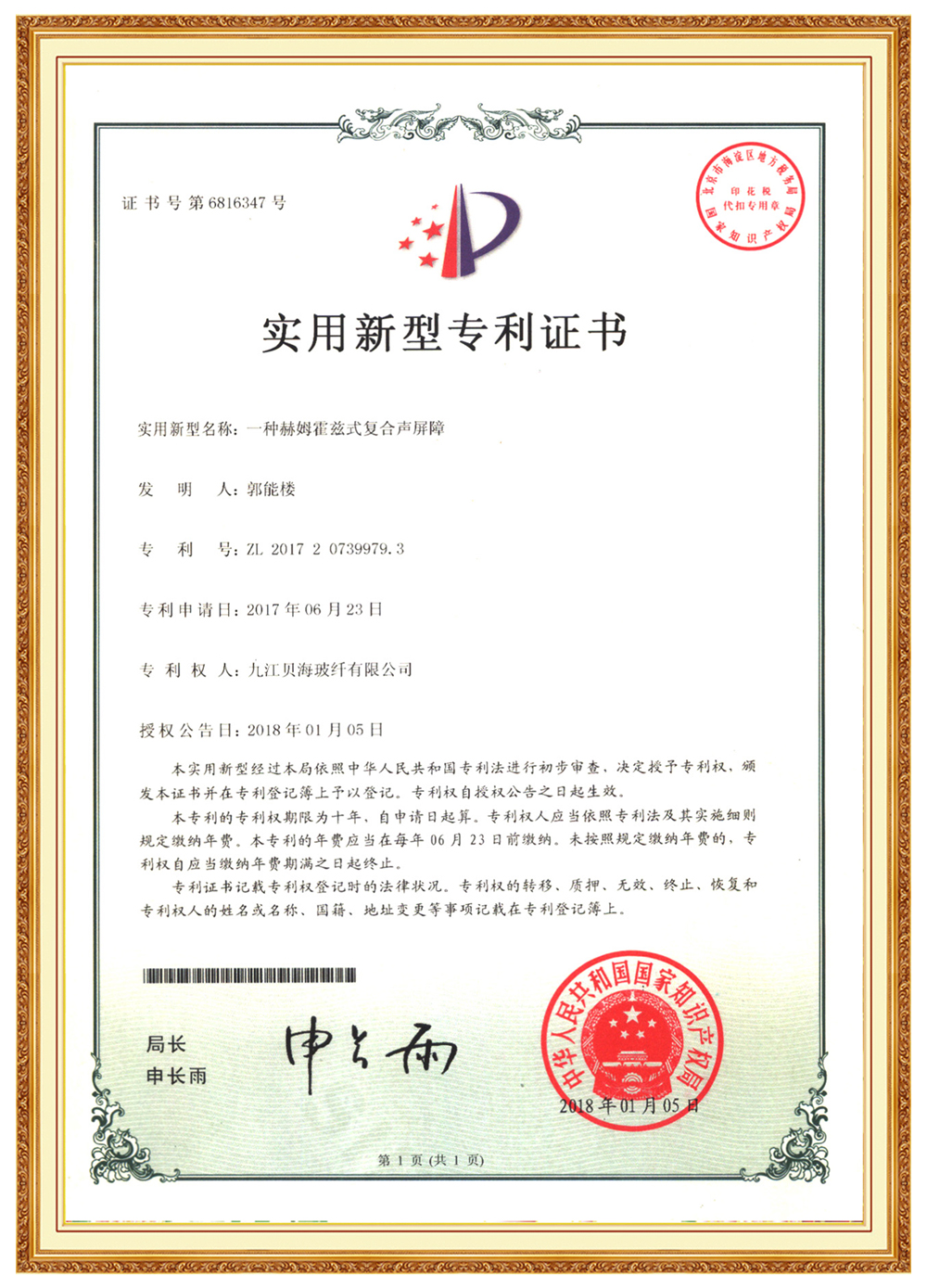
China Beihai is founded in 2015 and is a high-tech enterprise focusing on the research, development, production, and sales of high-performance basalt continuous fiber. As a leading enterprise in the domestic basalt fiber industry, we have established a strong presence in the Korean industrial supply chain, providing localized support for major engineering firms in Seoul, Busan, and Daegu.
Our commitment to the Korean market involves adhering to strict KS (Korean Industrial Standards) and providing 24/7 technical consultation for complex infrastructure projects.
Download Corporate BrochureYears Experience
Tons Annual Output
*Data based on standardized testing (ISO 2113). Basalt fiber provides the best cost-to-performance ratio for Korean civil engineering.

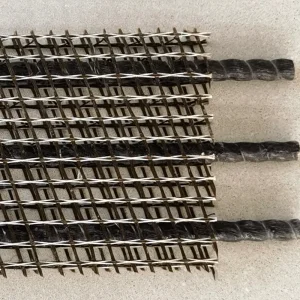
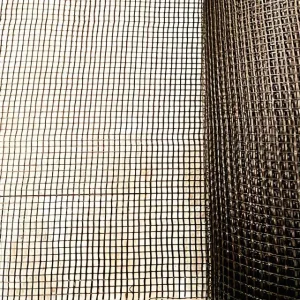
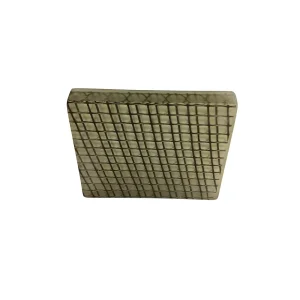
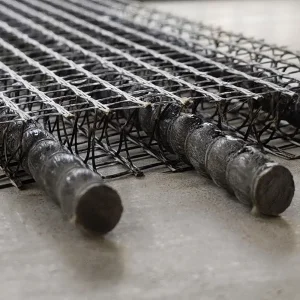
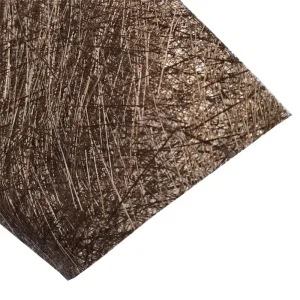
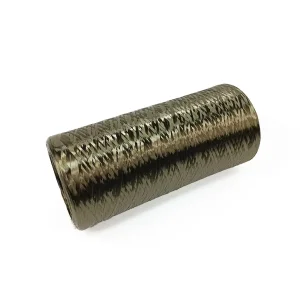
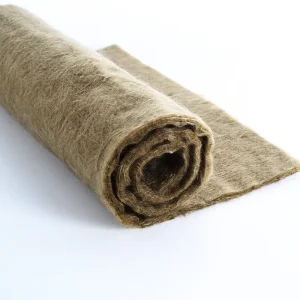
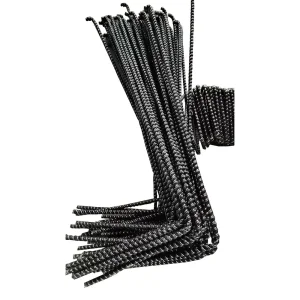
Production of a wide range of basalt fiber mat (chopped strand mat, cloth), roving, yarn, and specialized reinforced rebars for the Korean electronics and construction industries.

Delivering high-quality, sustainable solutions for geotechnical engineering and manufacturing, with a focus on innovation and excellence to cater to unique client requirements.

As a thought leader and reliable supplier, we offer best-in-class solutions backed by industry expertise, ensuring reliability and customer satisfaction for all basalt needs.
Full support for K-RE100 initiatives and compliance with South Korea's environmental regulations for non-toxic, non-combustible construction materials.
Reinforcing high-rise residential buildings in Seoul to prevent wall cracking and improve fire safety.
Basalt mesh used in concrete pavement to reduce maintenance costs on the Gyeongbu Expressway.

Lightweight basalt composites for thermal shields in Hyundai/Kia electric vehicle platforms.
Non-corrosive reinforcement for storage tanks and chemical transport pipes.
Basalt fiber is ideal for your engineering projects in South Korea. Its high strength, corrosion resistance, and lightweight properties allow it to easily solve a variety of structural challenges. In buildings, bridges, and tunnels across the peninsula, basalt fibers demonstrate outstanding performance, extending structural life and reducing long-term maintenance costs.
Korea's mountainous terrain necessitates extensive tunneling (e.g., Great Train eXpress - GTX projects). Traditional steel reinforcement is heavy and prone to humidity-induced rust. Our Basalt Fiber Mesh for Tunnel Reinforcement provides a 100-year service life with zero rust risk, even in high-moisture subterranean environments. This aligns with the "Safety Korea" initiative by reducing the risk of concrete spalling.
Request Tunnel Engineering Case StudiesOur engineering team can design basalt mesh specifications to meet your exact structural requirements.
Send Inquiry NowAs South Korea pivots toward a hydrogen economy and offshore wind energy, the role of basalt fiber is set to expand beyond construction. Our research team is currently developing Basalt FRP Hydrogen Storage Tanks and Turbine Blade Reinforcements. These next-generation applications leverage basalt’s non-conductive and non-magnetic properties.
By partnering with us, you are not just buying a mesh; you are investing in a sustainable technical partnership that aligns with the K-Green New Deal.
 Beihai Fiberglass