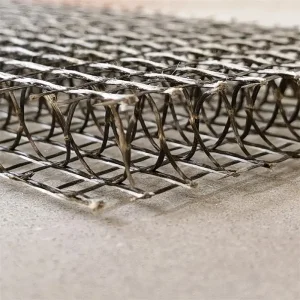
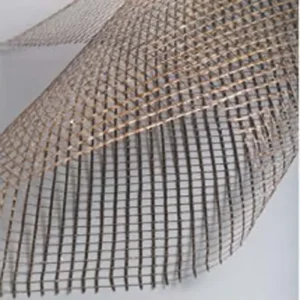
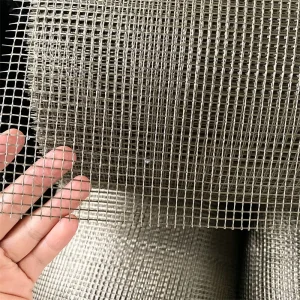
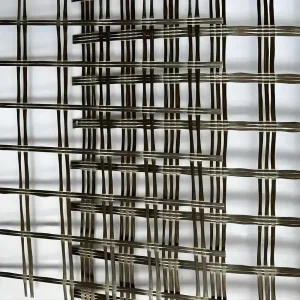
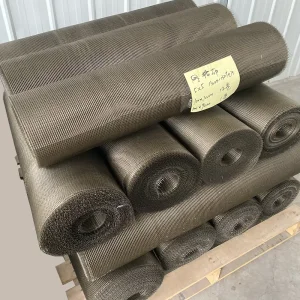
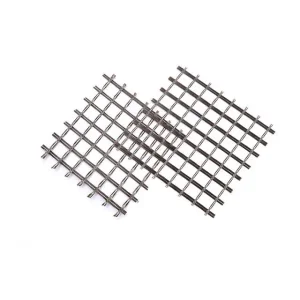
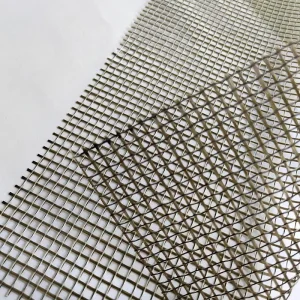
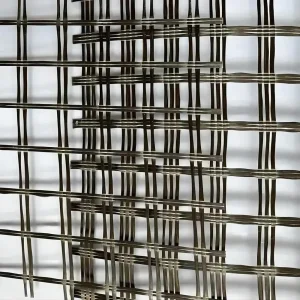
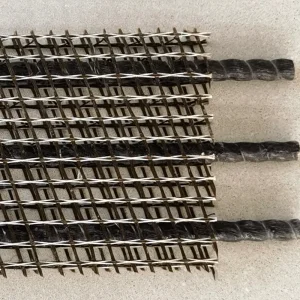
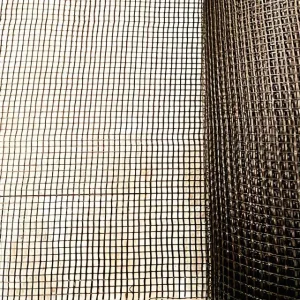
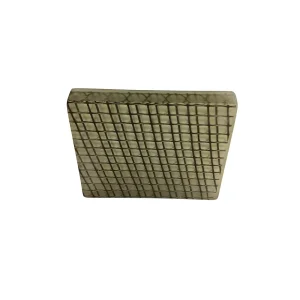
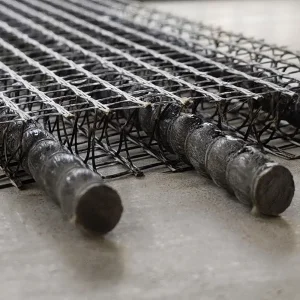
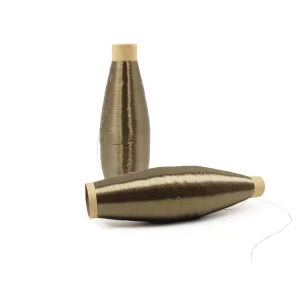
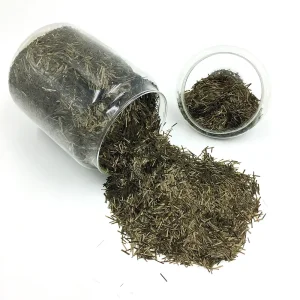
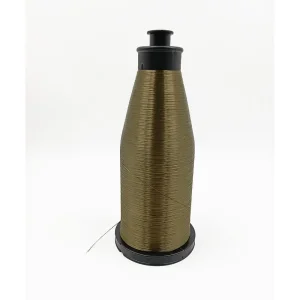
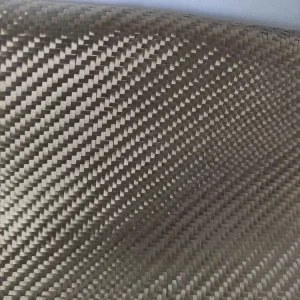
As the "Grand Paris Express" expands and France leads the charge in sustainable urban development, construction materials are undergoing a revolutionary shift. Basalt Fiber Mesh (BFM) has emerged as the preferred alternative to traditional steel reinforcement and alkali-resistant glass fibers across the Île-de-France region.
Paris, with its unique blend of Haussmannian historical preservation and futuristic architectural projects like those in La Défense, requires materials that offer zero corrosion, high thermal stability, and a minimal carbon footprint. As a leading Basalt Fiber Mesh Supplier, we recognize the stringent requirements of the French construction industry (RT2020/RE2020), where life-cycle assessment (LCA) and durability are paramount.
From reinforcing the shotcrete in tunnel linings for the new Metro lines to historical facade restoration in the Latin Quarter, basalt mesh provides the tensile strength needed without the risk of rust-induced cracking.
Basalt is 100% natural and volcanic. Its manufacturing process emits significantly less CO2 than steel production, aligning perfectly with the Paris Climate Agreement and local environmental regulations.
With an operating temperature range from -260°C to +700°C and inherent resistance to acids and alkalis, basalt fiber ensures the structural integrity of Paris's infrastructure for decades.
Demand Increase in EU
Corrosion Proof
Lighter than Steel
Compliant Materials
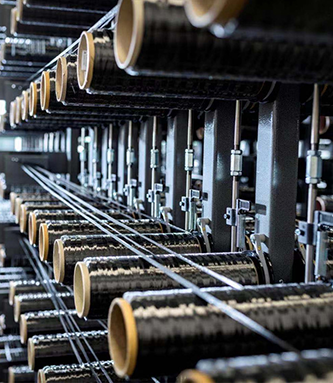
Founded in 2015 and headquartered in the industrial hub of Jiujiang, Jiangxi Province, China Beihai is a high-tech titan in the basalt fiber industry. We specialize in the full vertical integration of basalt continuous fiber production—from raw volcanic rock melting to the manufacturing of complex 3D meshes and geogrids.
"Our mission is to bridge the gap between high-end material science and practical infrastructure solutions. For the Paris market, we provide the scalability and quality control that European contractors demand."

At China Beihai group, we specialize in the production of a wide range of products including basalt fiber mat (chopped strand mat, cloth), basalt fiber roving, basalt fiber yarn, chopped strands, and specialized products like basalt fiber rebar, sleeves, and tape. Our solutions are designed to meet diverse industrial needs with precision.

We are dedicated to delivering sustainable solutions for industries such as construction, geotechnical engineering, and high-tech manufacturing. With a commitment to innovation, we provide high-quality basalt-derived materials that ensure long-term durability and structural safety in global markets, including France.

Choosing China Beihai means partnering with an industry leader. Our commitment to excellence, innovation, and reliability sets us apart. We provide best-in-class solutions backed by deep technical expertise and a robust supply chain that guarantees timely delivery for large-scale European projects.
The global construction industry is moving away from energy-intensive steel. In Paris, where environmental regulations are among the strictest in the world, the demand for Basalt Fiber Mesh is driven by the need for maintenance-free structures. Unlike fiberglass, basalt is naturally resistant to the alkaline environment of concrete (pH 12.5-13.5) without requiring expensive coatings.
As the largest producer of basalt fiber globally, China offers an unparalleled balance of cost-efficiency and technical R&D. China Beihai's facilities utilize advanced furnace technology to ensure fiber consistency, which is vital for the safety-critical applications required by French engineering firms. By sourcing directly from our factory, Paris-based suppliers can reduce procurement costs by 30-40% compared to local European boutique manufacturers.

Thin-layer plastering and wall reinforcement for Paris apartments.

Lightweight components for the aerospace sector in Toulouse and Paris.

Increasing crack resistance in high-performance concrete (HPC).

Protecting bridge piers along the Seine from chemical corrosion.
Basalt fiber is inherently alkali-resistant. In concrete applications, glass fiber (unless specially treated and expensive) will degrade over time due to the alkaline nature of cement. Basalt maintains its structural integrity indefinitely.
The RE2020 regulation focuses on the carbon footprint of buildings. Basalt fiber manufacturing uses natural volcanic rock and requires less energy than steel smelting, significantly lowering the "Embodied Carbon" of the structure.
Yes, China Beihai Group manages global logistics. We handle bulk shipping to the Port of Le Havre or directly to Paris logistics hubs, ensuring all EU import documentation and quality certifications (ISO/CE) are provided.
Absolutely. Because it is non-corrosive and can be applied in very thin layers, it is perfect for strengthening ancient stone and masonry structures without the bulk or risk of "rust bursting" associated with steel.
 Beihai Fiberglass