Sustainable Reinforcement Solutions for Seismic Resilience and Coastal Infrastructure: A Strategic Technical Whitepaper
Send Inquiry NowIn the evolving landscape of Northern California’s construction sector, specifically within the San Francisco market, the demand for advanced composite materials has reached a critical inflection point. As a city defined by its proximity to the San Andreas and Hayward faults, San Francisco mandates structural reinforcement materials that offer not just strength, but superior ductility and fatigue resistance.
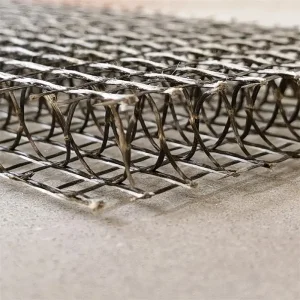
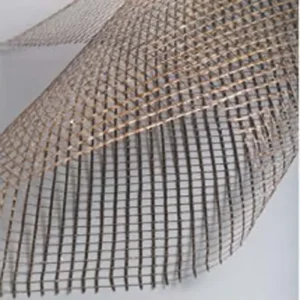
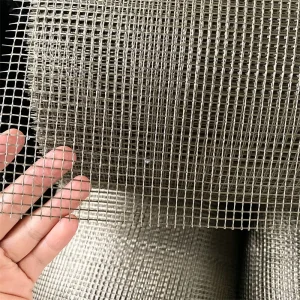
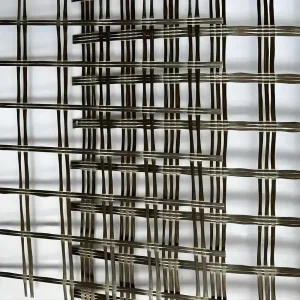
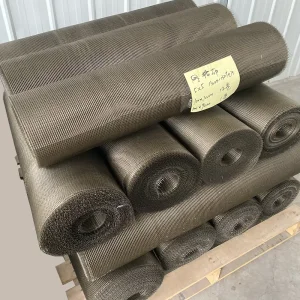
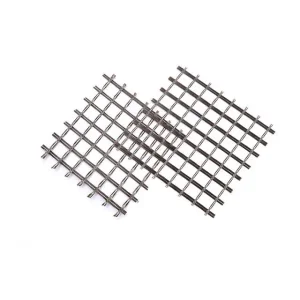
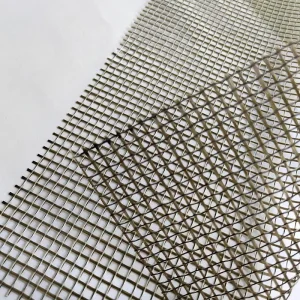
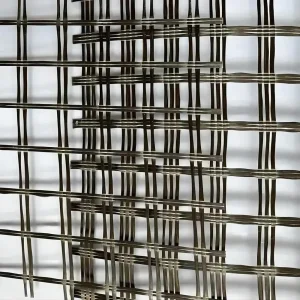
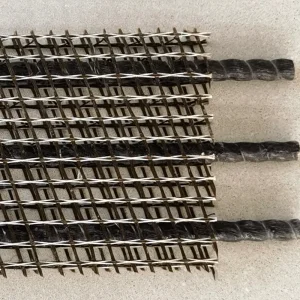
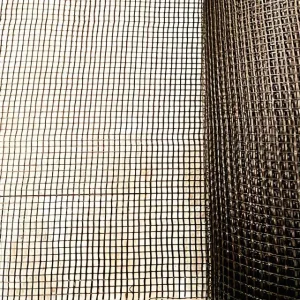
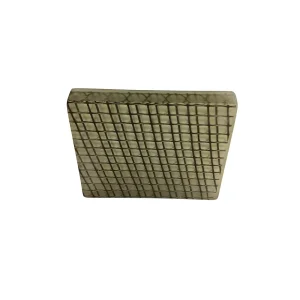
Basalt Fiber Mesh (BFM) has emerged as the premier alternative to traditional carbon steel and E-glass. Unlike steel, which is prone to corrosion in the saline environments of the Embarcadero and coastal Bay Area districts, basalt fiber is naturally inert. For San Francisco engineers, this translates to reduced maintenance for piers, bridges, and sea walls. Furthermore, with California’s Title 24 energy standards becoming increasingly stringent, the low thermal conductivity of basalt fiber mesh makes it an essential component for high-performance building envelopes in Silicon Valley’s sustainable architecture.
Globally, the Basalt Fiber market is projected to grow at a CAGR of 12.5% through 2030. This growth is driven by the AEC (Architecture, Engineering, and Construction) industry’s decarbonization goals. Basalt fiber is manufactured through a single-stage process: melting volcanic rock at approximately 1450°C. Unlike carbon fiber, which requires complex chemical precursors, basalt fiber is a 100% natural mineral product.
In Europe, basalt fiber is already standard for bridge deck reinforcement. In the Asian market, particularly in high-speed rail infrastructure, the material’s electromagnetic neutrality is leveraged to prevent interference with signaling systems—a feature now being explored for San Francisco’s BART (Bay Area Rapid Transit) upgrades and autonomous vehicle infrastructure.
As a leading Basalt Fiber Mesh factory, China Beihai represents the pinnacle of industrial efficiency. The competitive advantage of Chinese factories in this sector is built on three pillars:
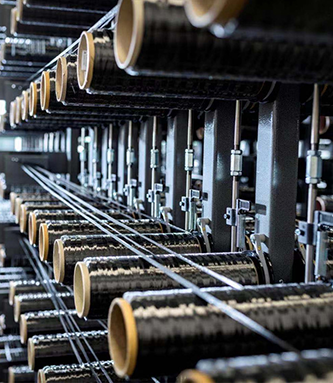
China Beihai was founded in 2015 and is located in Jiujiang, Jiangxi Province. As a high-tech enterprise focusing on the research, development, production, and sales of high-performance basalt continuous fiber, we are a leading enterprise in the domestic basalt fiber industry. We specialize in providing the San Francisco market with high-grade solutions that bridge the gap between volcanic raw materials and modern engineering marvels.
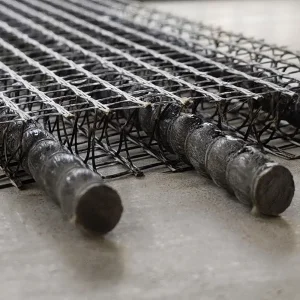
View More InformationAt China Beihai group, we specialize in the production of a wide range of products including basalt fiber mat (Basalt fiber chopped strand mat, Basalt fiber cloth), basalt fiber roving, basalt fiber yarn, basalt fiber chopped strands, and basalt fiber products (Basalt Fiber rebar, basalt fiber sleeves and tape).
We are dedicated to delivering high-quality, sustainable solutions for industries such as construction, geotechnical engineering, and manufacturing. Our focus is on the unique requirements of the San Francisco Bay Area, offering basalt-derived products optimized for local conditions.
Choosing China Beihai means partnering with a leader in innovation. Our commitment to sustainability and best-in-class solutions sets us apart, ensuring reliability for your diverse infrastructural needs in California and beyond.
The next decade of Basalt Fiber Mesh production will be defined by "Smart Reinforcement." At our factories, we are currently testing the integration of Fiber Optic Sensors within our basalt mesh. This allows San Francisco building managers to receive real-time data on structural strain and health—a revolutionary step for post-earthquake safety assessments.
Furthermore, the trend toward 3D Concrete Printing (3DCP) in the Bay Area’s housing market requires a reinforcement that can be extruded. Basalt chopped strands and fine meshes are proving to be the ideal companion for robotic construction due to their ease of mixing and non-corrosive nature.
A: Steel corrodes when exposed to salt air and water, leading to "concrete cancer." Basalt fiber is naturally resistant to corrosion, chemicals, and alkali, extending the lifespan of San Francisco’s coastal infrastructure by decades.
A: Yes, Basalt Fiber has a high strength-to-weight ratio and excellent energy absorption characteristics, making it ideal for seismic reinforcement under California’s strict engineering guidelines.
A: Our basalt products maintain integrity from -260°C up to 700°C (with a melting point of 1450°C), making them far more fire-resistant than E-glass or carbon fiber.
A: Absolutely. We offer custom grid sizes, roll widths, and tensile strengths tailored to the specific engineering blueprints of our clients in the San Francisco market.
Procurement officers for global construction firms are increasingly shifting toward "Direct-from-Factory" models to mitigate supply chain risks. By sourcing from a specialized basalt fiber mesh manufacturer like China Beihai, enterprises in San Francisco can bypass middle-market markups and gain direct access to R&D data and quality control certifications. Our facility ensures every roll of mesh is tested for tensile modulus and alkali resistance before shipment to the US west coast.
 Beihai Fiberglass