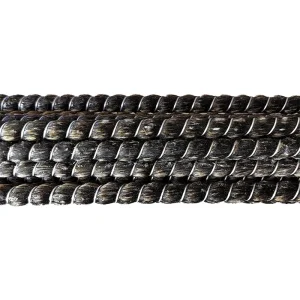
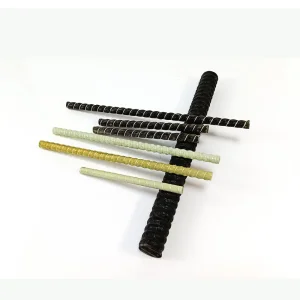
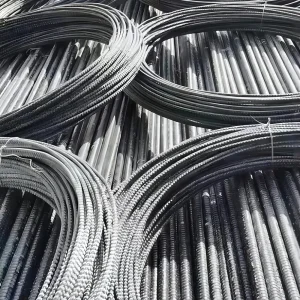
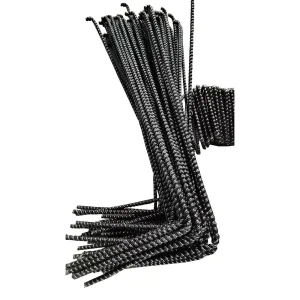
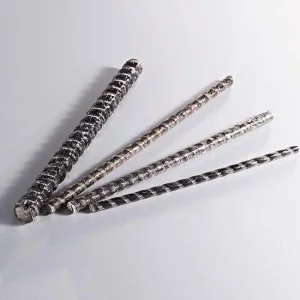
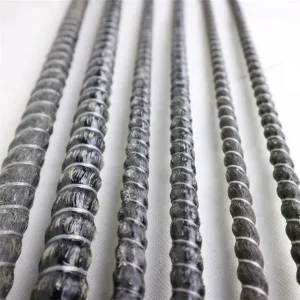
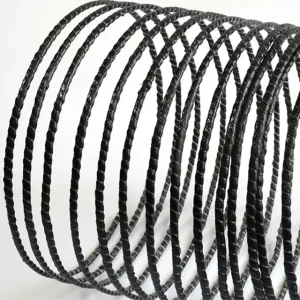
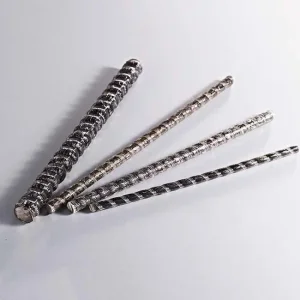
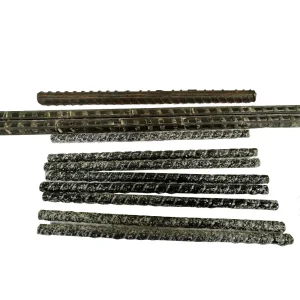
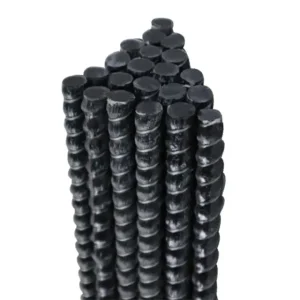
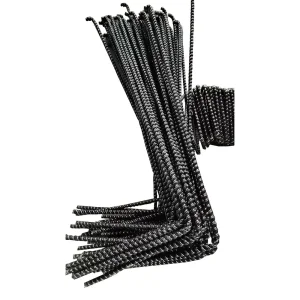
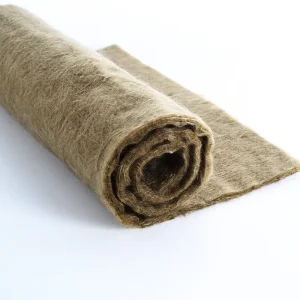
Sydney's unique geography—characterized by high humidity, salt-laden coastal breezes, and intensive urban development—creates a relentless corrosive environment for traditional steel-reinforced concrete. Conventional steel rebar is susceptible to oxidation, leading to spalling, cracking, and structural failure. Our Basalt Fiber Reinforced Polymer (BFRP) rebar acts as an inert reinforcement solution, offering total immunity to chloride ions, making it the definitive choice for Sydney's sea-wall, tunnel, and marine infrastructure projects.
Global demand is shifting toward sustainable, lightweight, and high-tensile strength construction materials. Corporations and government bodies are moving away from maintenance-heavy traditional materials. Our factory-to-site model ensures that Sydney-based projects receive direct, high-grade basalt solutions that reduce long-term maintenance cycles by up to 50% compared to epoxy-coated steel.
Our production adheres to international standards (ISO/ASTM) and aligns with local engineering compliance requirements. Our technical roadmap focuses on "Carbon-Neutral Reinforcement." We invest in continuous fiber production that consumes less energy than steel manufacturing, providing Sydney developers with a distinct E-E-A-T advantage: combining technical superiority (high tensile strength) with ecological responsibility (low carbon footprint).
Basalt is chemically inert. Unlike steel, it does not corrode when exposed to chlorides, salt spray, or alkali conditions common in Sydney’s harbor-side construction, ensuring longevity without requiring protective concrete cover increases.
Yes. As a leading manufacturer, we provide full material certifications, tensile strength reports, and chemical resistance data that align with global construction codes used in major Australian infrastructure projects.
We provide comprehensive logistics support, managing the shipment of our basalt products from our factory to your site in Sydney, ensuring efficient lead times and safe handling of composite materials.
 Beihai Fiberglass