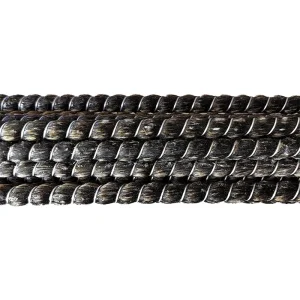
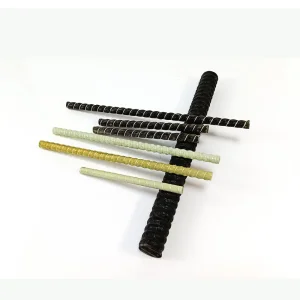
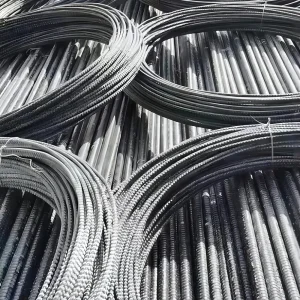
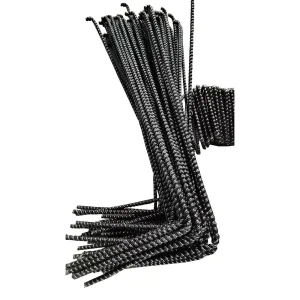
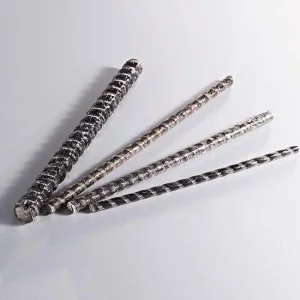
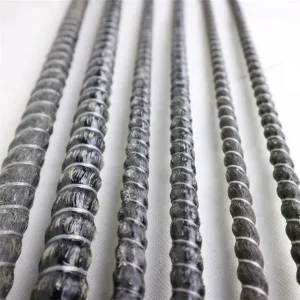
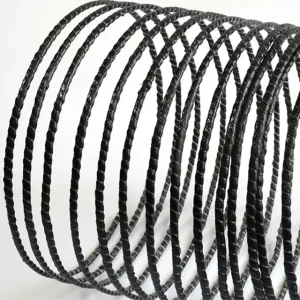
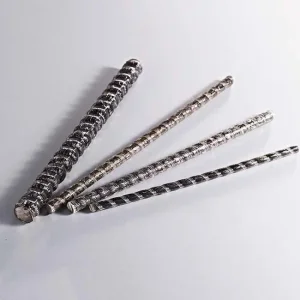
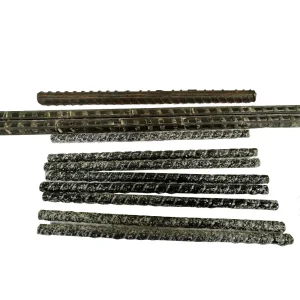
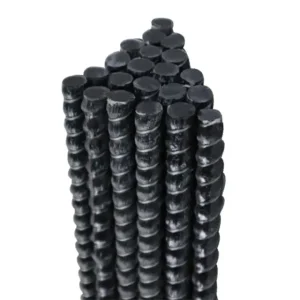
Argentina’s civil engineering sector is undergoing a massive transformation. From the harsh saline conditions of coastal infrastructure to the seismic activity of the Andean regions, traditional steel rebar is facing its limitations—specifically corrosion and heavy maintenance costs. Our basalt fiber rebar offers a high-strength, non-corrosive, and lightweight alternative that is redefining structural integrity for Argentine developers.
We leverage advanced "Industry 4.0" manufacturing processes. By integrating automated pultrusion lines and rigorous AI-driven quality inspection, we ensure that every meter of rebar shipped to Argentina meets international ISO 9001 and ASTM standards. Our supply chain is designed to be resilient, minimizing lead times and providing global logistics support to ensure your projects never stall.
Looking ahead, we are investing in R&D for "Smart Infrastructure"—embedding sensor capabilities into basalt reinforcement. We aim to support Argentina’s long-term sustainable growth by reducing the carbon footprint of construction projects through the use of environmentally friendly, energy-efficient manufacturing cycles.
Discuss Your Project with Our EngineersWe provide full technical documentation, mill test certificates, and compliance papers to ensure smooth customs clearance in Argentina.
While initial costs are competitive, our true value lies in the reduction of repair and maintenance cycles for your bridges and roads.
With experience in shipping to South America, we handle the complexities of maritime freight and port-to-port delivery logistics.
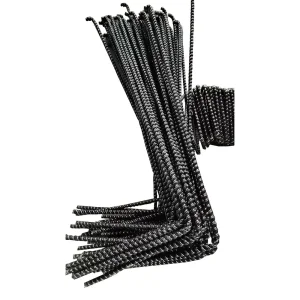
A: We utilize robust, moisture-proof export packaging that ensures the integrity of the material during maritime shipping. Each bundle is reinforced to prevent bending or damage during handling.
A: Absolutely. As a direct manufacturer, we offer custom diameter and tensile specifications tailored to your engineering project requirements.
A: While the upfront material cost of basalt may differ, the "Total Cost of Ownership" is significantly lower due to superior durability, lack of maintenance, and lower transport costs (as it is much lighter than steel).
 Beihai Fiberglass