Sustainable, High-Strength, Non-Corrosive Reinforcement Solutions for South Korea's Infrastructure
Engineered for Seoul's specialized construction environment
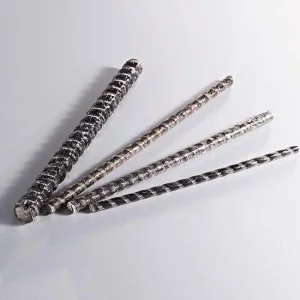
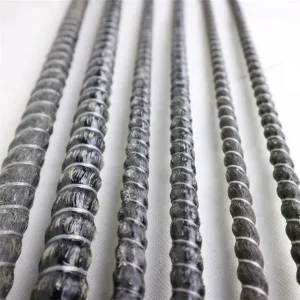
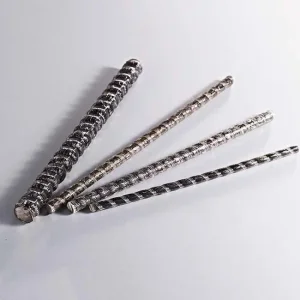
The Seoul metropolitan area is undergoing a seismic shift in construction methodology. As South Korea moves towards its "2050 Carbon Neutrality" goal, the demand for sustainable, high-performance materials like Basalt Fiber Reinforced Polymer (BFRP) rebar has surged. In Seoul’s dense urban landscape—characterized by aging subway networks, Han River bridge expansions, and high-tech smart city initiatives—traditional steel rebar often falls short due to corrosion and heavy maintenance cycles.
Seoul's numerous bridges and tunnels face severe chloride exposure from de-icing salts during harsh winters. Basalt rebar offers a zero-corrosion solution, extending the lifespan of Han River structures by over 100 years.
With Seoul's massive subway grid, non-conductive materials are essential. Basalt fiber's electromagnetic transparency makes it the primary choice for MRI rooms in Seoul’s leading hospitals (like SNUH) and power stations.
K-Construction giants are increasingly adopting "Green-Cert" materials. Basalt rebar has a carbon footprint 70% lower than steel, aligning perfectly with South Korea's ESG investment trends.
Leading the Global Basalt Revolution from the Heartland of Production
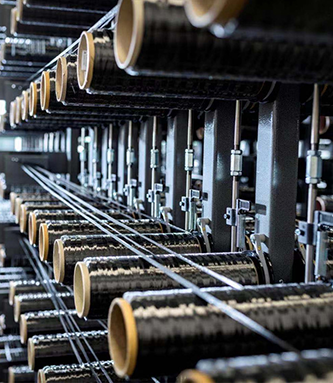
China Beihai is founded in 2015 and located in Jiujiang, Jiangxi Province. China Beihai is a high-tech enterprise focusing on the research, development, production and sales of high-performance basalt continuous fiber and its production equipment manufacturing, as well as a leading enterprise in the domestic basalt fiber industry.
Our presence in the Seoul market is established through partnerships with major Korean engineering firms. We specialize in providing tailored solutions that meet the rigorous KS (Korean Industrial Standards).
Explore Our Factory CapabilitiesWhy Seoul's Top Engineers are Switching to Basalt
| Property | Basalt Rebar (BFRP) | Stainless Steel | Carbon Steel (Traditional) |
|---|---|---|---|
| Tensile Strength | 1100 - 1500 MPa | 500 - 900 MPa | 400 - 600 MPa |
| Density (Weight) | 1.9 - 2.1 g/cm³ (Light) | 7.85 g/cm³ (Heavy) | 7.85 g/cm³ (Heavy) |
| Corrosion Resistance | Absolute (Acid/Alkali) | High | Low (Rusts easily) |
| Conductivity | Non-Conductive | Conductive | Conductive |
| Thermal Expansion | Matches Concrete | Different | Similar |
Thermal Synergy: One of the most critical factors for Seoul's temperature fluctuations (from -15°C in winter to 35°C in summer) is the Coefficient of Thermal Expansion (CTE). Basalt rebar has a CTE nearly identical to concrete, meaning it won't cause internal stress cracks during seasonal cycles—a common failure point in Han River bridges reinforced with traditional steel.
From the Lotte World Tower to Seoul's Coastal Defense

Basalt's lightweight nature reduces the dead load of skyscrapers by 20%, allowing for thinner floor slabs and higher efficiency in landmark buildings.

High impact resistance protects bridge abutments from vehicle collisions and provides long-term durability against the constant flow of the river.

Basalt-added concrete increases crack resistance and workability, essential for Seoul's rapid "Smart City" redevelopment projects.

Impervious to salt-water erosion, making it the premier material for seawalls, docks, and coastal defense systems in the nearby Gyeonggi-do coastal areas.
Shipping from our factory in Jiujiang to Incheon Port takes only 3-5 days. This rapid supply chain is crucial for Seoul's fast-paced construction timelines.
By leveraging China's advanced basalt smelting technology, we offer premium BFRP products at 30-40% lower cost than domestic Korean alternatives without compromising quality.
We provide OEM/ODM services tailored to specific Korean engineering blueprints, including custom lengths, diameters, and resin coatings.
Expert answers for procurement directors and structural engineers
Yes, China Beihai's basalt rebar is tested according to ASTM D7957 and ISO standards, which are fully compatible with the material safety requirements specified in the Seoul Construction Code and KDS for composite reinforcements.
While the initial material cost is slightly higher than carbon steel, it is highly competitive with epoxy-coated rebar and significantly cheaper than stainless steel. More importantly, when calculating the "Total Cost of Ownership" (TCO) over 50 years, basalt rebar reduces maintenance costs by over 80%.
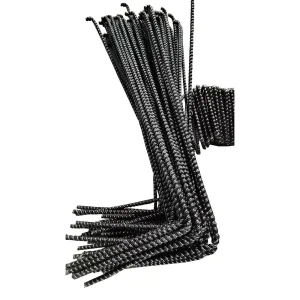
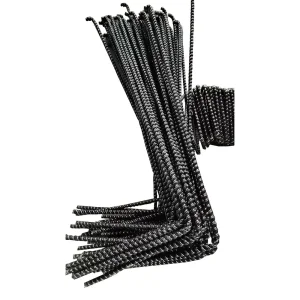
FRP materials, including basalt, are thermoset composites and cannot be bent on-site after curing. We provide custom-bent shapes (stirrups, corners) fabricated in our factory according to your project's specific Revit or CAD models.
Our basalt fibers are treated with a special alkali-resistant sizing and high-quality epoxy resin. Accelerated aging tests indicate a functional lifespan exceeding 100 years in typical Seoul infrastructure environments.
Comprehensive catalog for large-scale procurement
Get a technical consultation and competitive wholesale pricing from China's leading Basalt manufacturer.
Send Inquiry Now Beihai Fiberglass