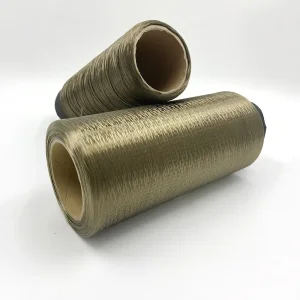
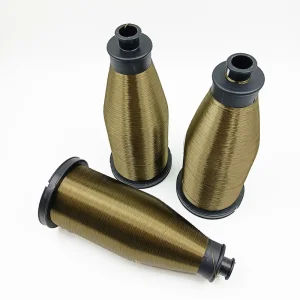
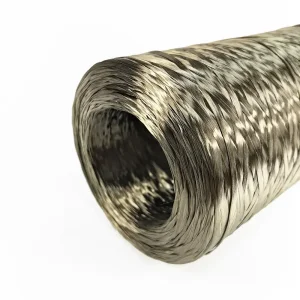
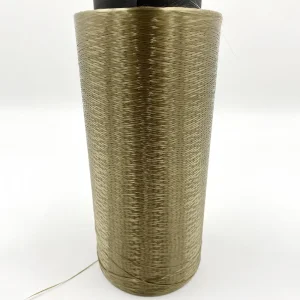
As the global manufacturing landscape shifts toward sustainability and lightweight high-performance materials, 1200 Tex Basalt Roving has emerged as a critical "Green Material of the 21st Century." Derived from natural volcanic rock through high-temperature melting and rapid drawing, it offers a unique combination of chemical stability, thermal resistance, and mechanical strength that far exceeds traditional E-glass fibers.
The global basalt fiber market is currently experiencing a compound annual growth rate (CAGR) of over 12%. Europe and North America are leading the demand for 1200 Tex roving, particularly in automotive lightweighting and wind energy sectors. However, the supply side is heavily concentrated in regions with rich volcanic resources and advanced thermal drawing technologies. 1200 Tex (Linear Density) is specifically favored for pultrusion, filament winding, and weaving due to its optimal balance between handling flexibility and structural integrity.
China Beihai, founded in 2015 and based in Jiujiang, Jiangxi, represents the pinnacle of Chinese basalt fiber manufacturing efficiency. The competitive advantage of a Chinese 1200 Tex basalt roving factory lies in three pillars:
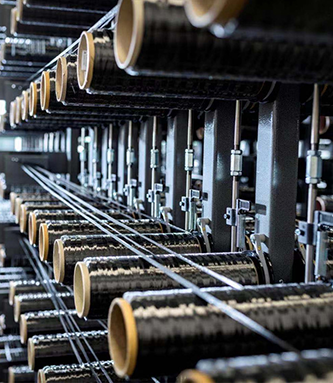
China Beihai is a high-tech enterprise focusing on the research, development, production and sales of high-performance basalt continuous fiber. As a leading enterprise in the domestic industry, we don't just sell products; we provide engineering solutions. Our 1200 Tex roving is the result of years of material science innovation, designed to replace steel in corrosive environments and glass fiber in high-stress applications.
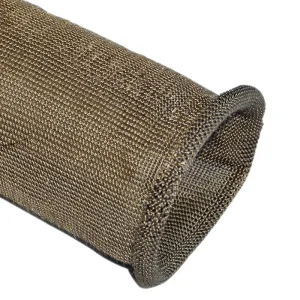
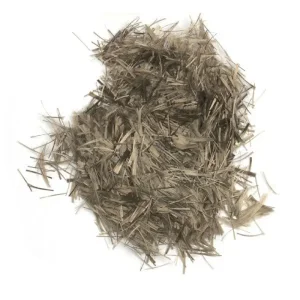
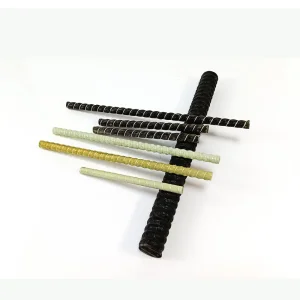
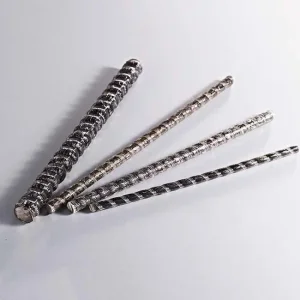
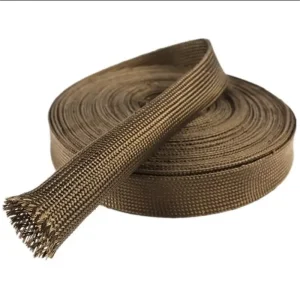
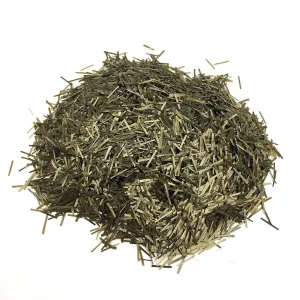
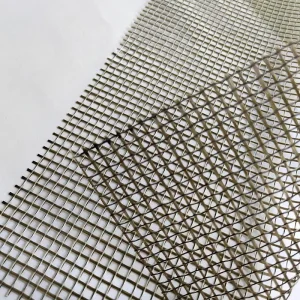
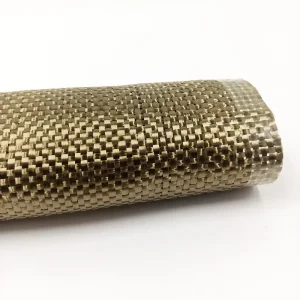
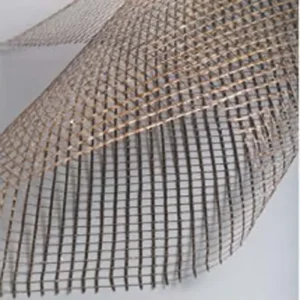
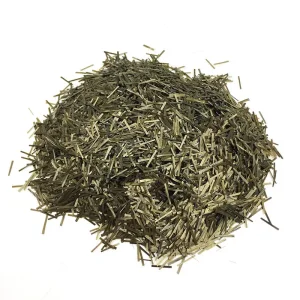
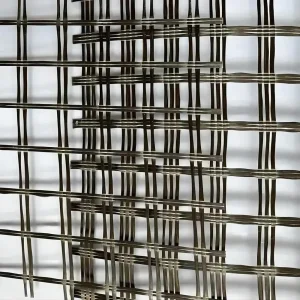
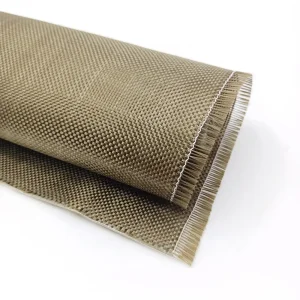
Comprehensive range of basalt solutions including mat, roving, yarn, chopped strands, rebar, and specialized sleeves. Every product is engineered for durability.
We solve structural challenges in geotechnical engineering, aerospace, and construction by delivering sustainable basalt-derived products with precision sizing.
Partnering with China Beihai means access to ISO-certified quality, innovation in fiber surface treatment, and a reliable global logistics network.








The future of basalt fiber is moving towards Hybridization and Smart Composites. Researchers are increasingly combining 1200 Tex basalt roving with carbon fiber to create "Cost-Performance Optimized" composites that offer 80% of carbon fiber's performance at 40% of the cost. Additionally, the development of bio-based resins to pair with basalt fiber is creating a 100% recyclable structural material, meeting the stringent ESG (Environmental, Social, and Governance) requirements of global enterprises.
For international buyers, procuring from a China 1200 Tex basalt roving factory requires focus on Sizing Compatibility. It is essential to specify whether the roving is for Epoxy (EP), Vinyl Ester (VE), or Thermoplastic (TP) systems. Quality assurance should include testing for moisture content (typically <0.1%) and breaking strength (N/tex > 0.45). Factories that offer Customized Sizing like China Beihai provide a significant advantage in reducing manufacturing defect rates.
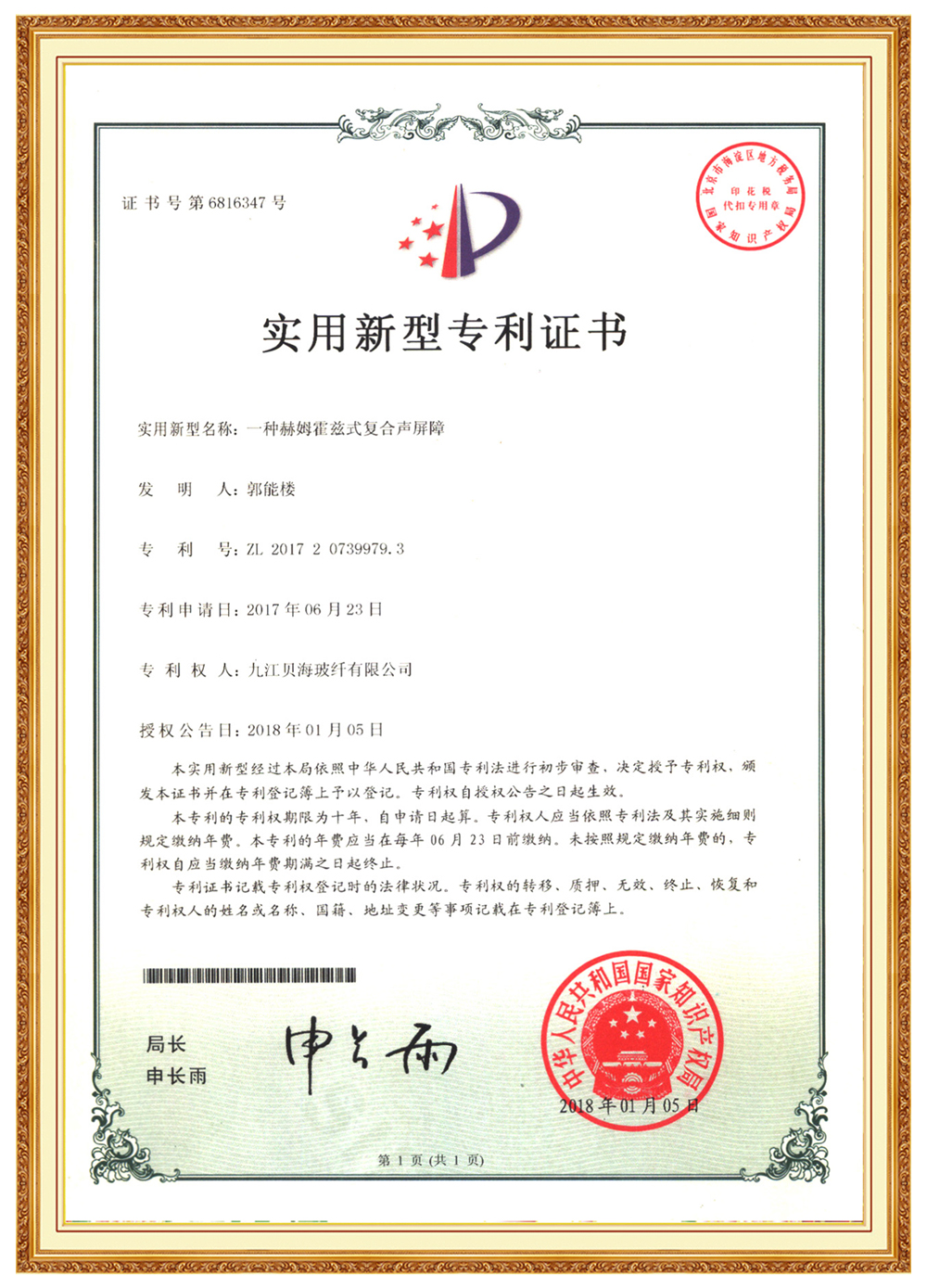
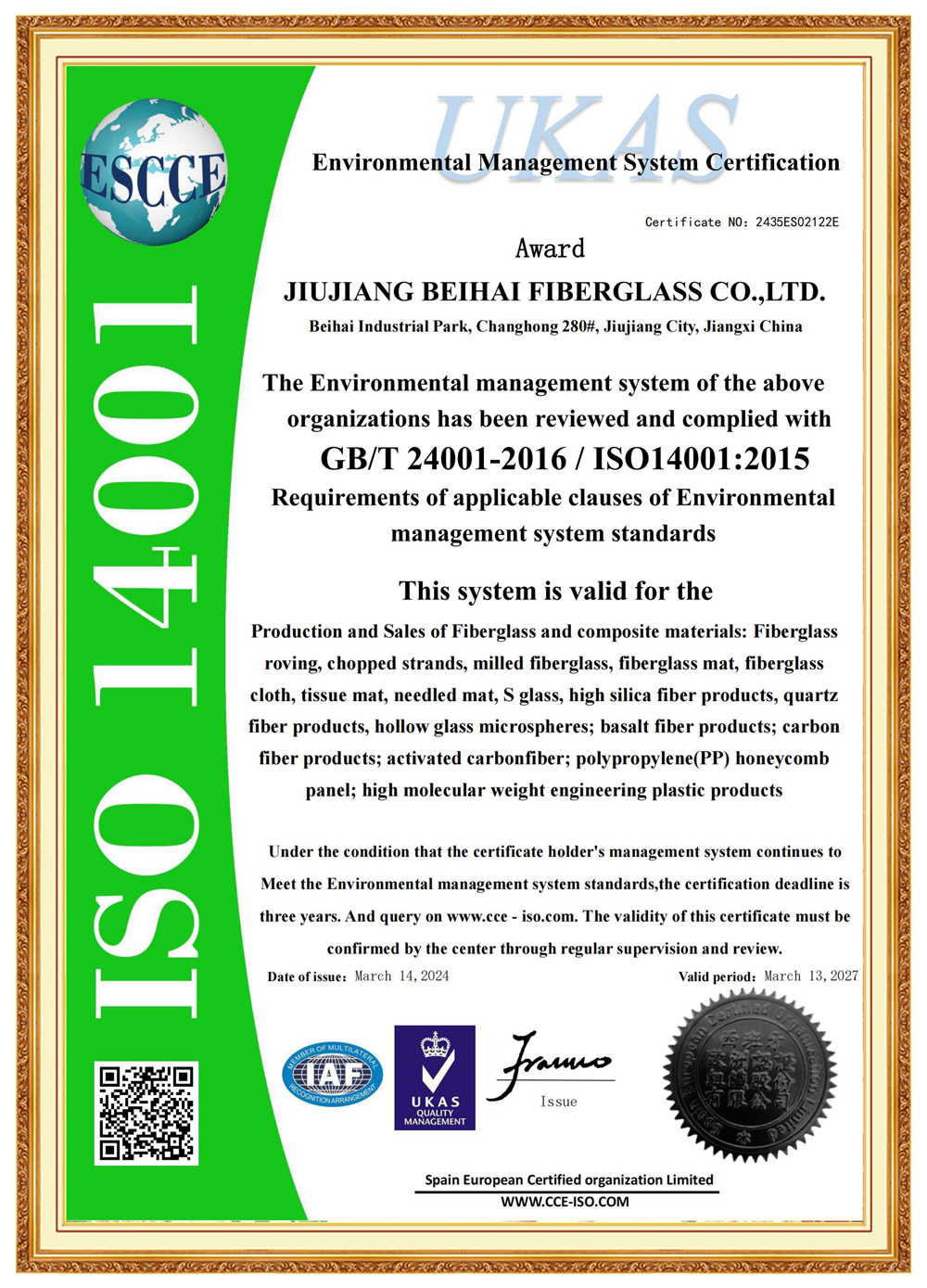
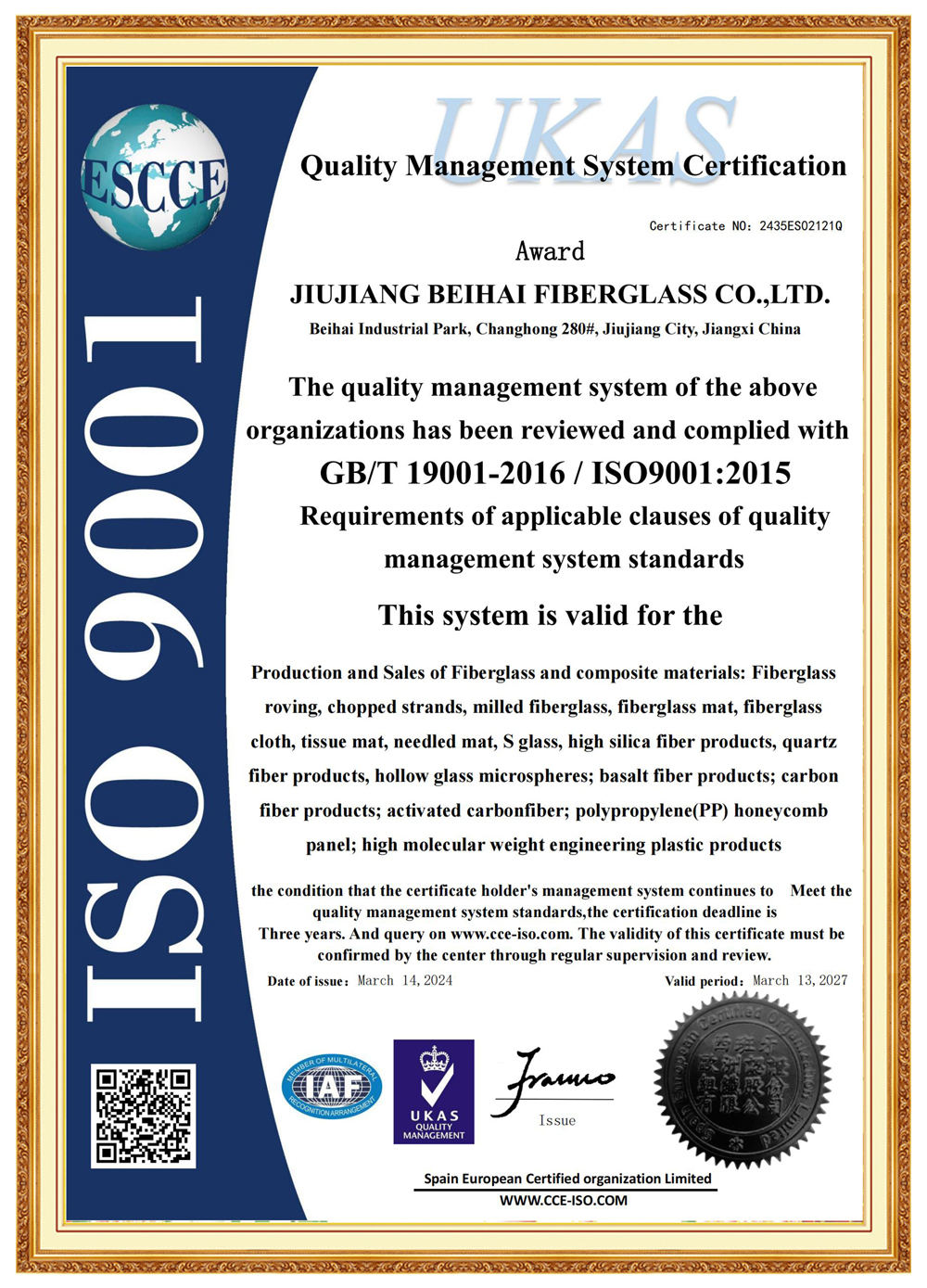
 Beihai Fiberglass