Explore our certified range of high-tensile basalt rebars, meshes, woven fabrics, and custom needle mats manufactured to withstand extreme environments.
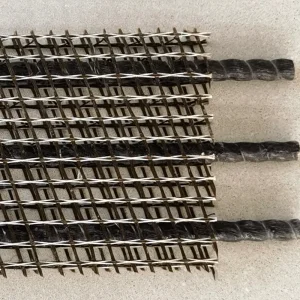
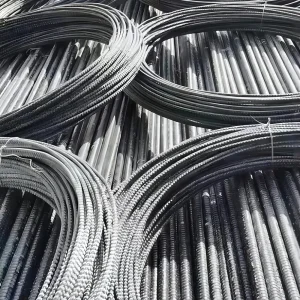
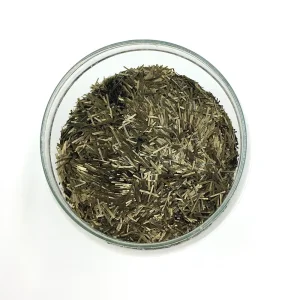
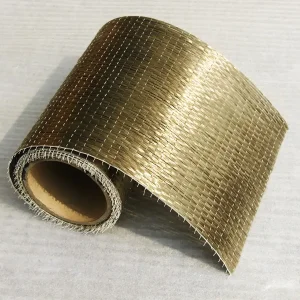
China Beihai, founded in 2015 and strategically located in Jiujiang, Jiangxi Province, is a national high-tech enterprise dedicated to the research, development, scale production, and sales of high-performance continuous basalt fiber products and processing equipment.
Our state-of-the-art facility integrates advanced electrical heating furnaces and proprietary melt-extraction technologies. We supply high-modulus, lightweight, and chemically inert building blocks directly to critical infrastructure, defense, aerospace, and petrochemical pipelines globally.
By executing strict control over raw mineral selection—ensuring optimal percentages of Silica (SiO₂), Alumina (Al₂O₃), and iron oxides—we produce fibers that easily surpass traditional glass and steel materials in chemical resilience, structural density, and extreme heat resistance.
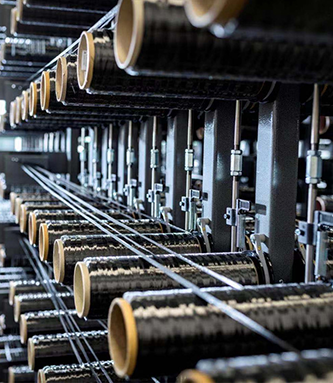
Our capacity enables us to fulfill global structural reinforcement orders, ensuring top-tier mechanical performance at optimal scale.

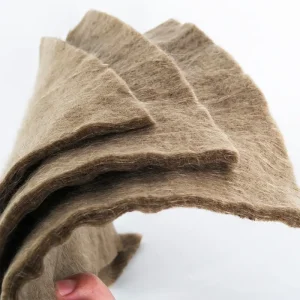
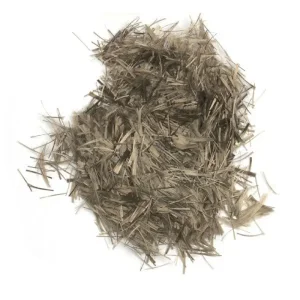
At China Beihai Group, we specialize in manufacturing a comprehensive basalt ecosystem. From dry chopped strand mats, surface tissues, and multi-end rovings to composite rebars, unidirectional woven structural fabrics, and high-density heat insulation needle felts.

We process pure basalt rocks through high-temperature induction melting (1450°C) to yield continuous filaments. We then convert these fibers into sustainable structural solutions for geotechnical engineering, road repairs, civil construction, and automotive insulation.

Partnering with China Beihai ensures access to advanced furnace controls, stable raw material pricing, and customized sizing formulations compatible with epoxy, vinyl ester, and polyurethane resins. We deliver reliability backed by international quality certifications.
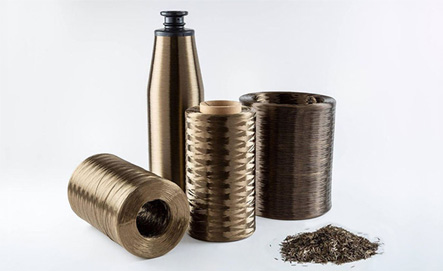
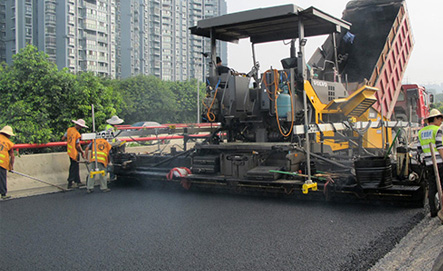
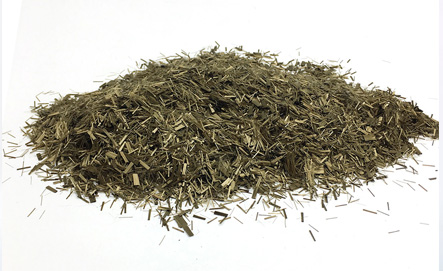
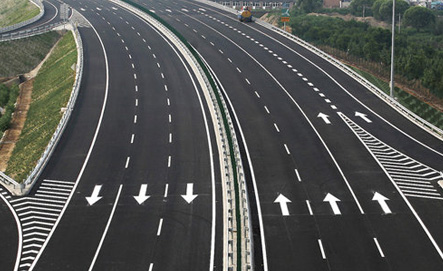
Continuous Basalt Fiber (CBF) is rapidly emerging as a structural imperative. As nations enforce green building standards and require infrastructure with 100-year lifespans, traditional materials like structural steel and carbon composites present challenges in corrosion, high cost, or heavy carbon footprints.
Basalt rocks, of volcanic origin, are abundant and completely natural. By melting rock without chemical additives, we produce fibers that exhibit tensile strengths up to 4800 MPa, a density identical to glass, and a chemical resilience that prevents structural degradation when exposed to concrete's alkaline environment.
The Cost-Benefit Threshold: While carbon fiber remains expensive, and fiberglass degrades in basic solutions, basalt fiber offers the ideal middle-ground: exceptional mechanical parameters and cost-effective scaling.
Our facilities in Jiangxi Province leverage three critical cost-efficiency vectors:
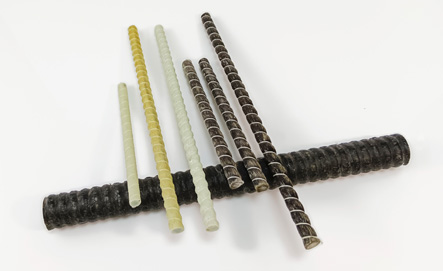
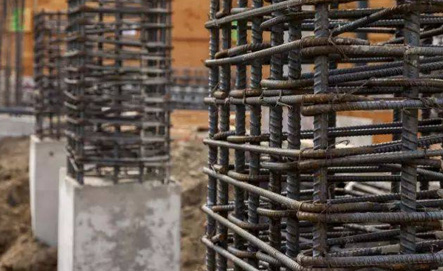
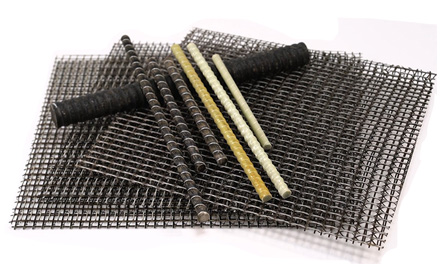
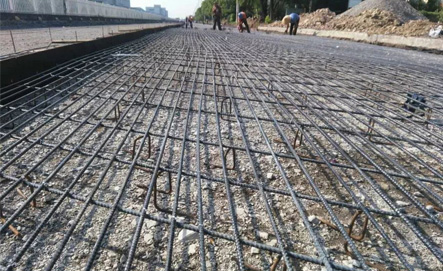
Our continuous basalt fiber materials deliver proven structural performance across diverse industries.

Ideal for wall insulation, crack-resistant dry mortars, and high-modulus concrete reinforcement.

High-strength components, acoustic panel backings, and aircraft wing internal linings.

Thermal barrier panels, structural engine shielding, and exhaust duct insulation.

Substitutes steel rebar to prevent spalling, concrete corrosion, and rust discoloration.

Underbody heat shield plates, engine isolation wraps, and impact-resistant bumpers.

Wraps support structures to protect against sea spray, chemical runoff, and high-impact currents.

Reinforcement for pipelines, acid storage reservoirs, and offshore drilling platforms.

Hull protection mats and internal insulation panels resistant to saltwater corrosion.
Continuous Basalt Fiber (CBF) features high chemical resistance and exceptional thermal stability, outperforming traditional glass fibers.
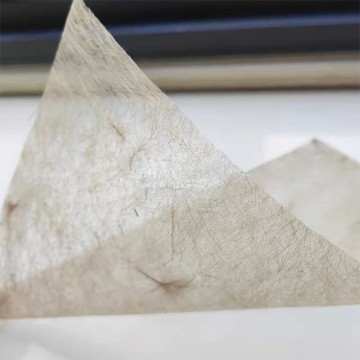
Engineered surfacing tissue providing a smooth, resin-rich corrosion barrier for composite reinforcement.
Read More →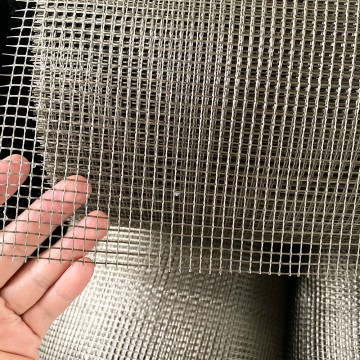
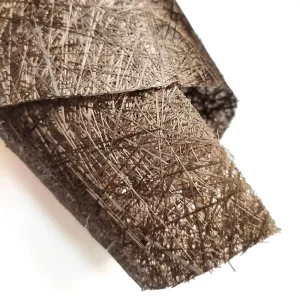
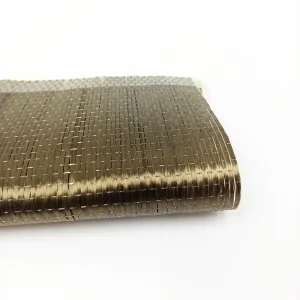
Reinforcement grid for plastering and concrete structures, offering high alkaline stability.
Read More →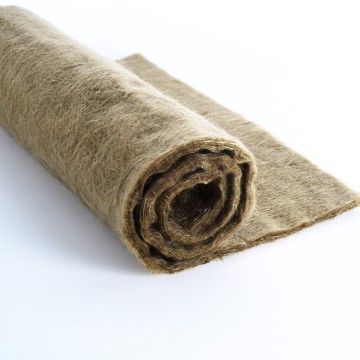
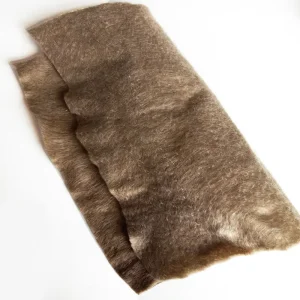
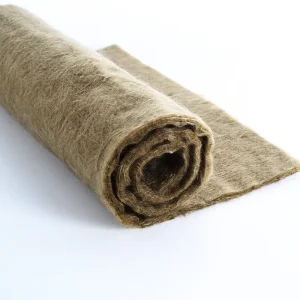
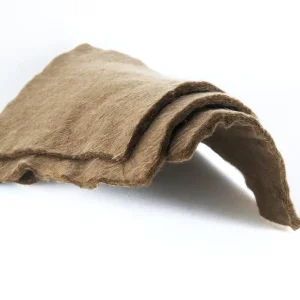
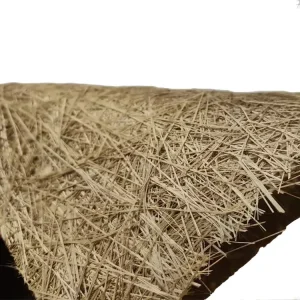
Manufactured without chemical binders, this mat provides excellent thermal and acoustic insulation.
Read More →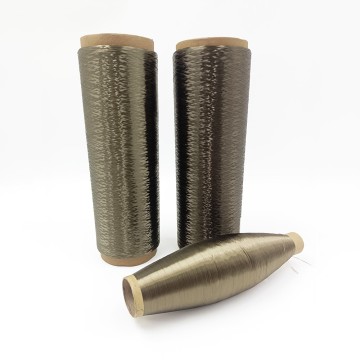
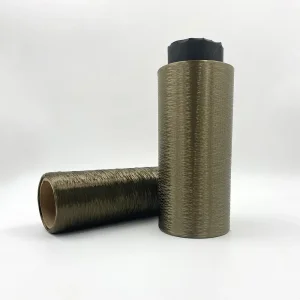
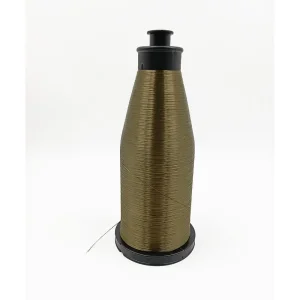
Engineered for high mechanical stability during braiding, twisting, and composite fabrication.
Read More →For procurement directors and design engineers sourcing basalt fiber components, verifying mechanical compliance is critical. We recommend validating key performance metrics:
Continuous Basalt Fiber: Sparking a Materials Revolution
As smart robotics and aerospace technology require lighter, more resilient materials, basalt fiber has emerged as a key solution. By providing high thermal resistance and mechanical strength, it serves as a critical structural component in high-temperature industrial environments.
Read Complete Report →The transition toward green infrastructure drives several core trends:
Many regions now restrict standard glass fibers due to high carbon footprints. Basalt fiber is an eco-friendly composite material that features minimal carbon generation during production.
Standard steel rebar corrodes when exposed to salt water. Basalt fiber rebar eliminates this issue, protecting coastal bridges, sea walls, and offshore docks from structural degradation.
High-tensile basalt fiber mesh is increasingly used to reinforce historical buildings, highways, and bridges, providing structural support without adding excess weight.
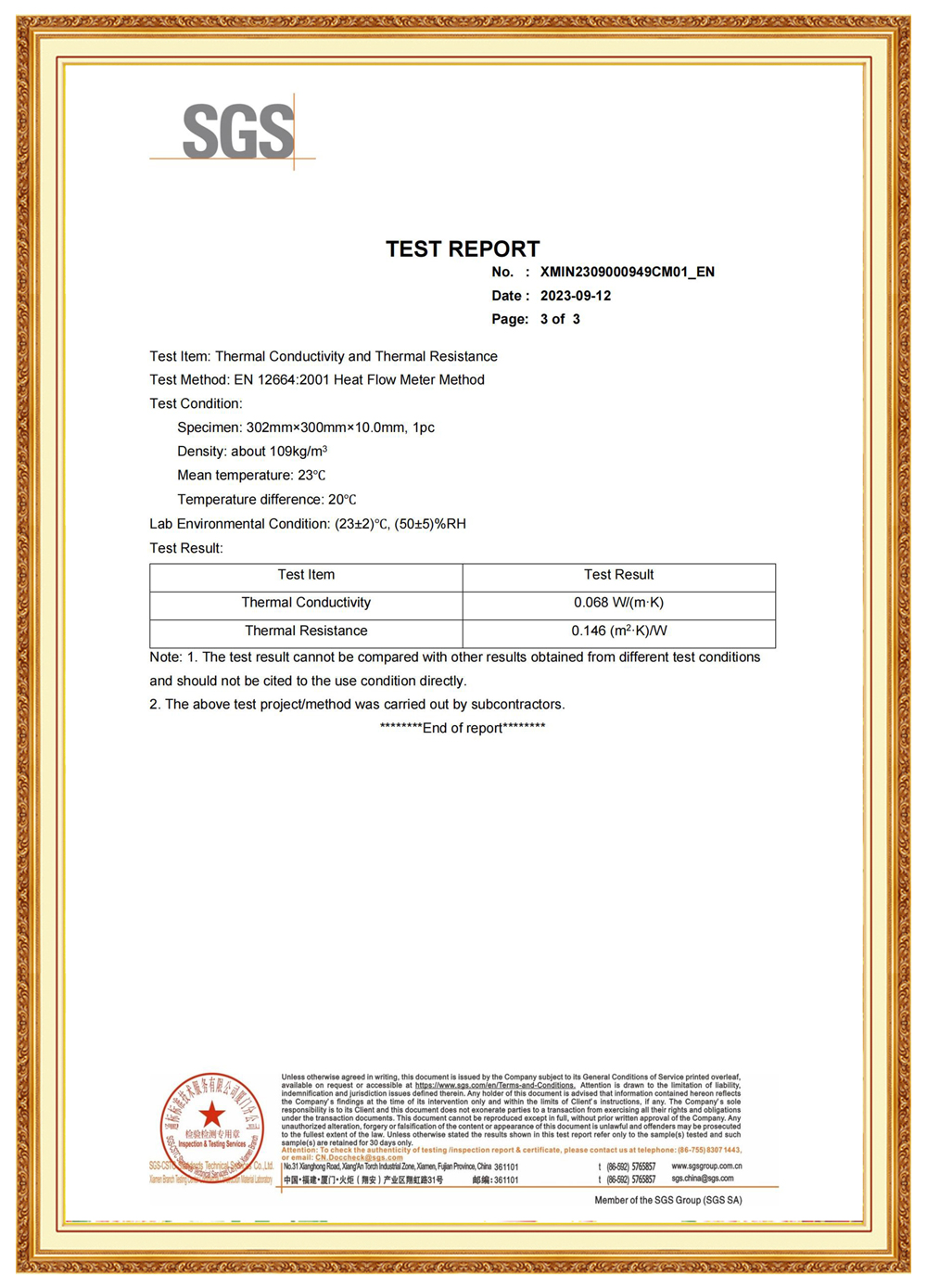
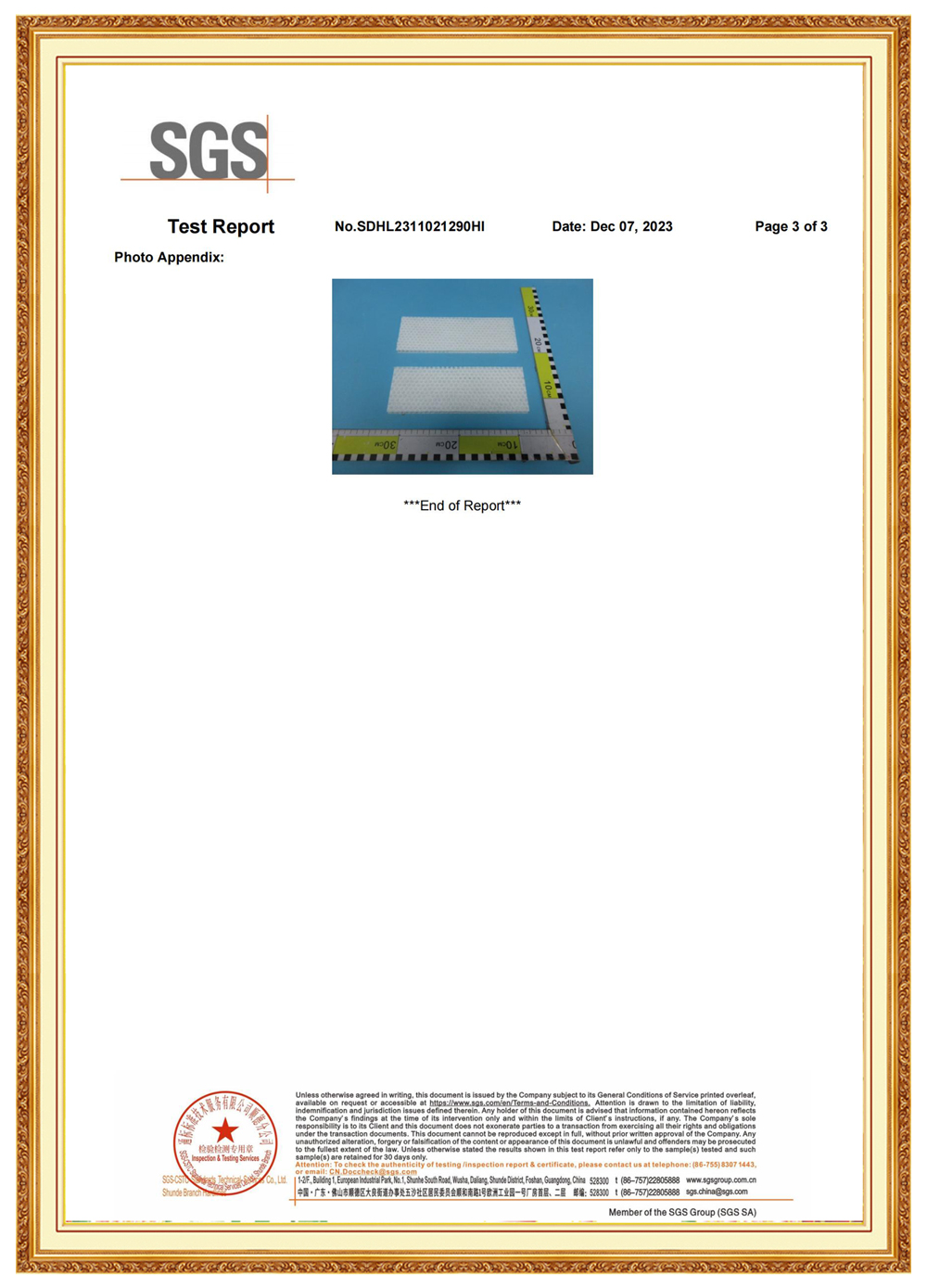
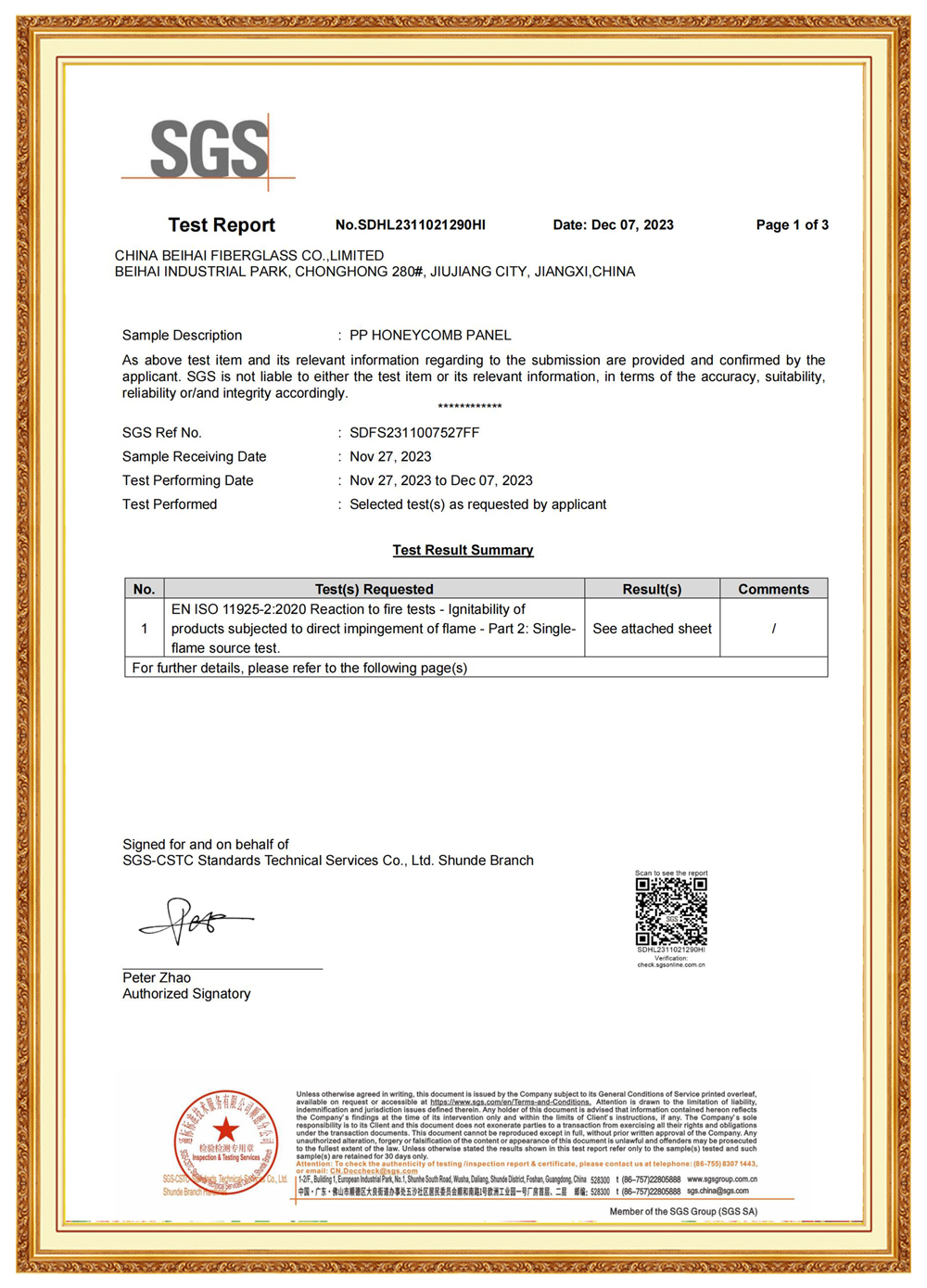
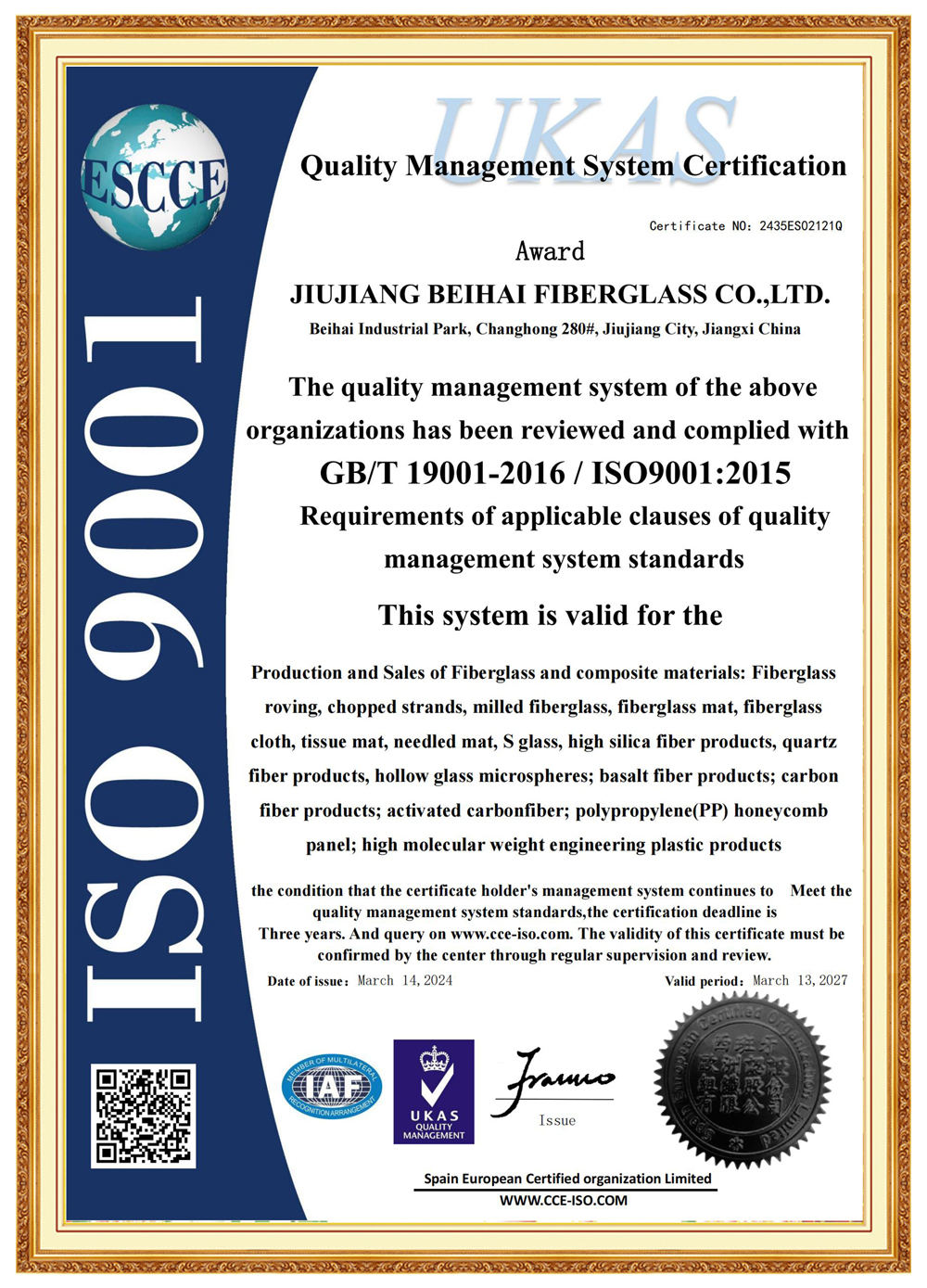
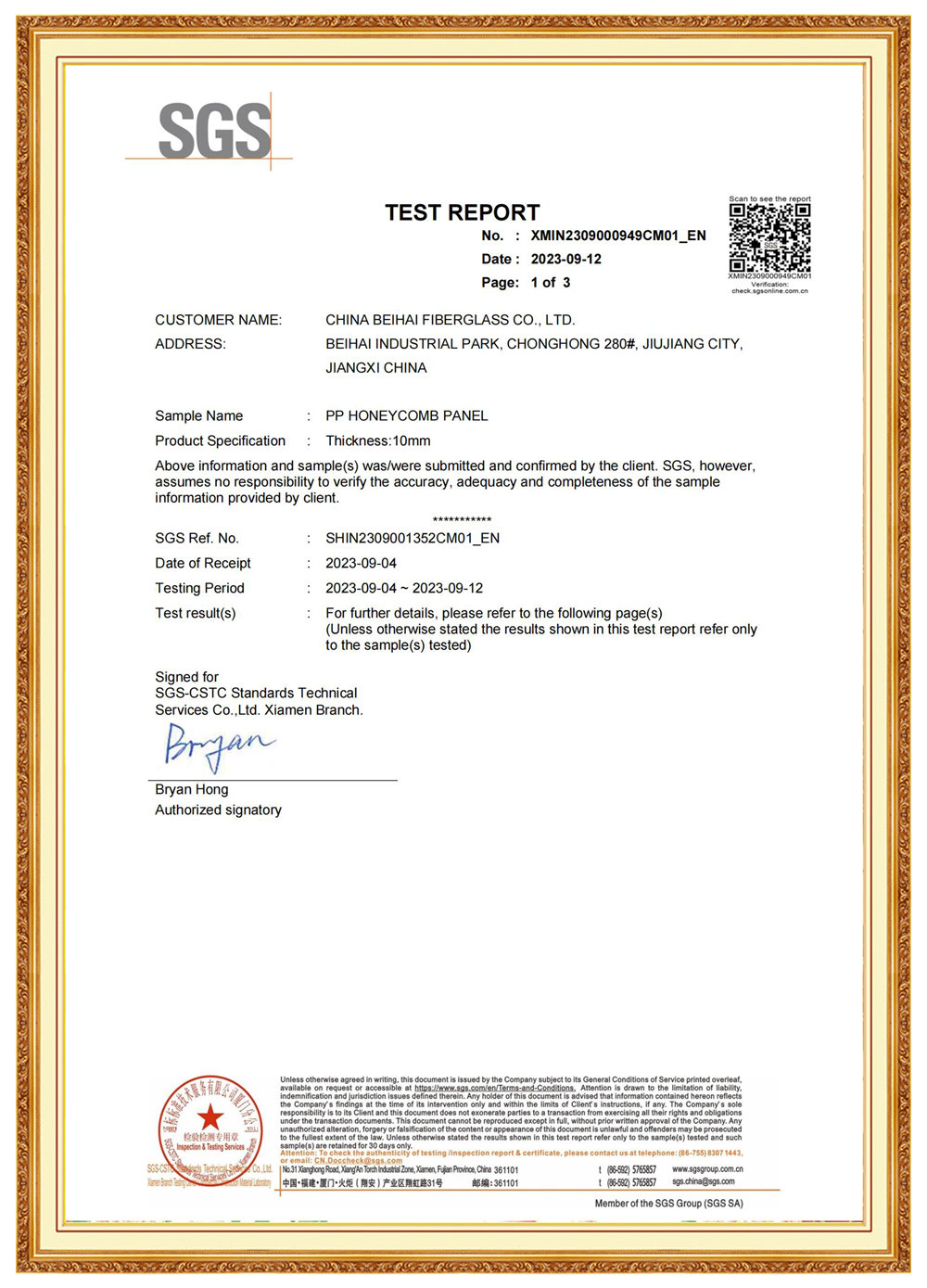
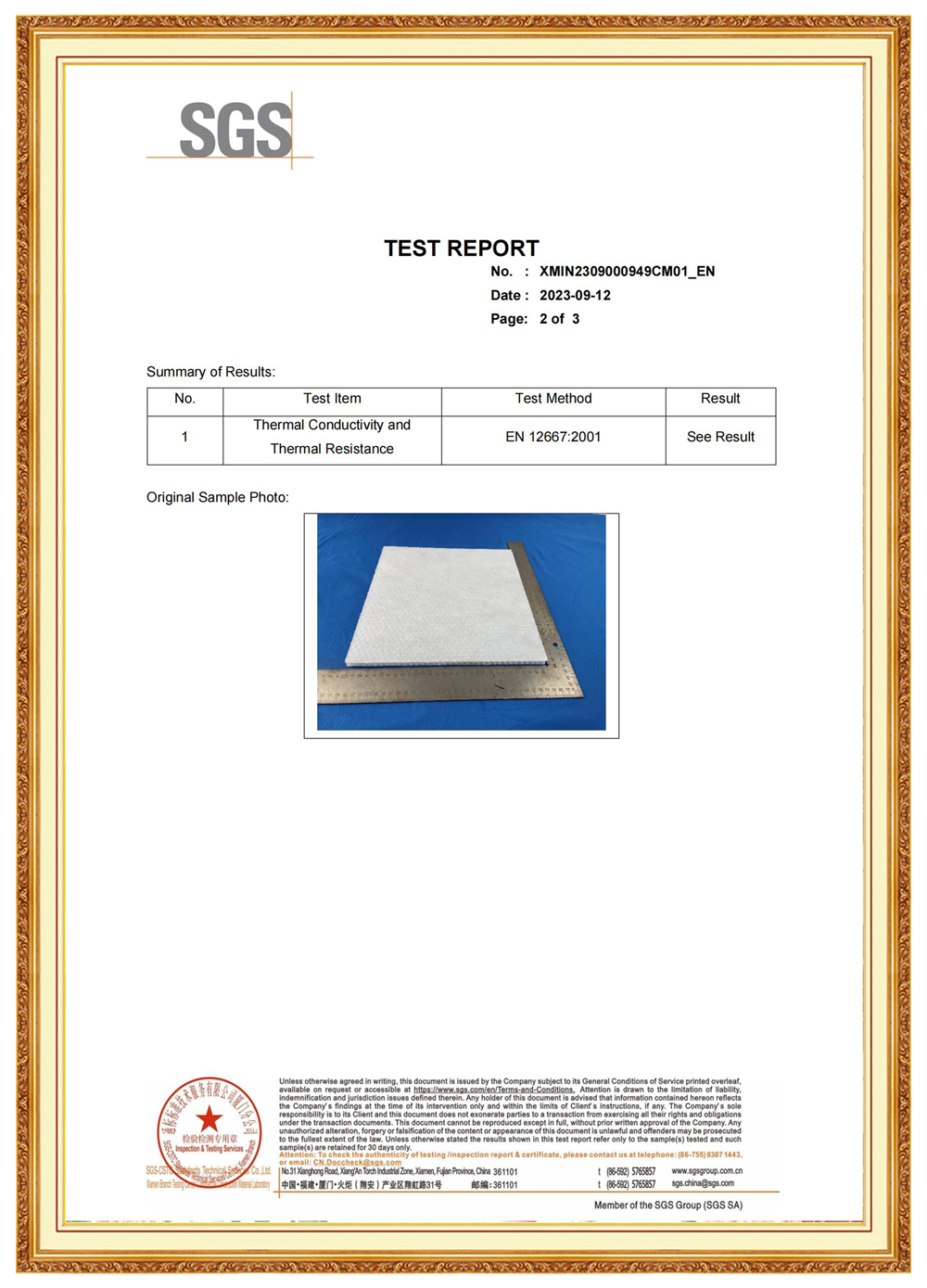
Our manufacturing processes comply with strict international standards, ensuring consistent performance for every production run.
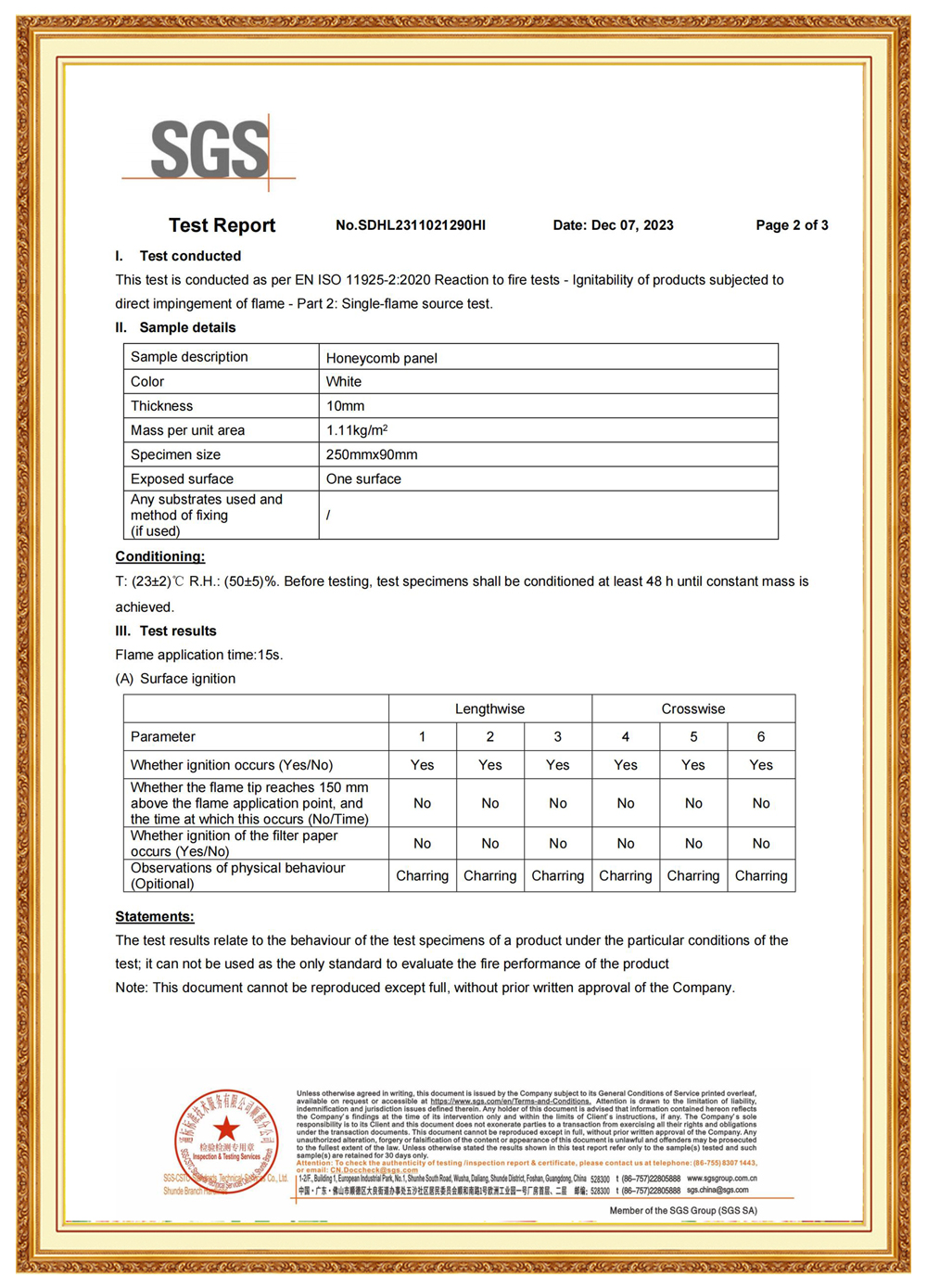
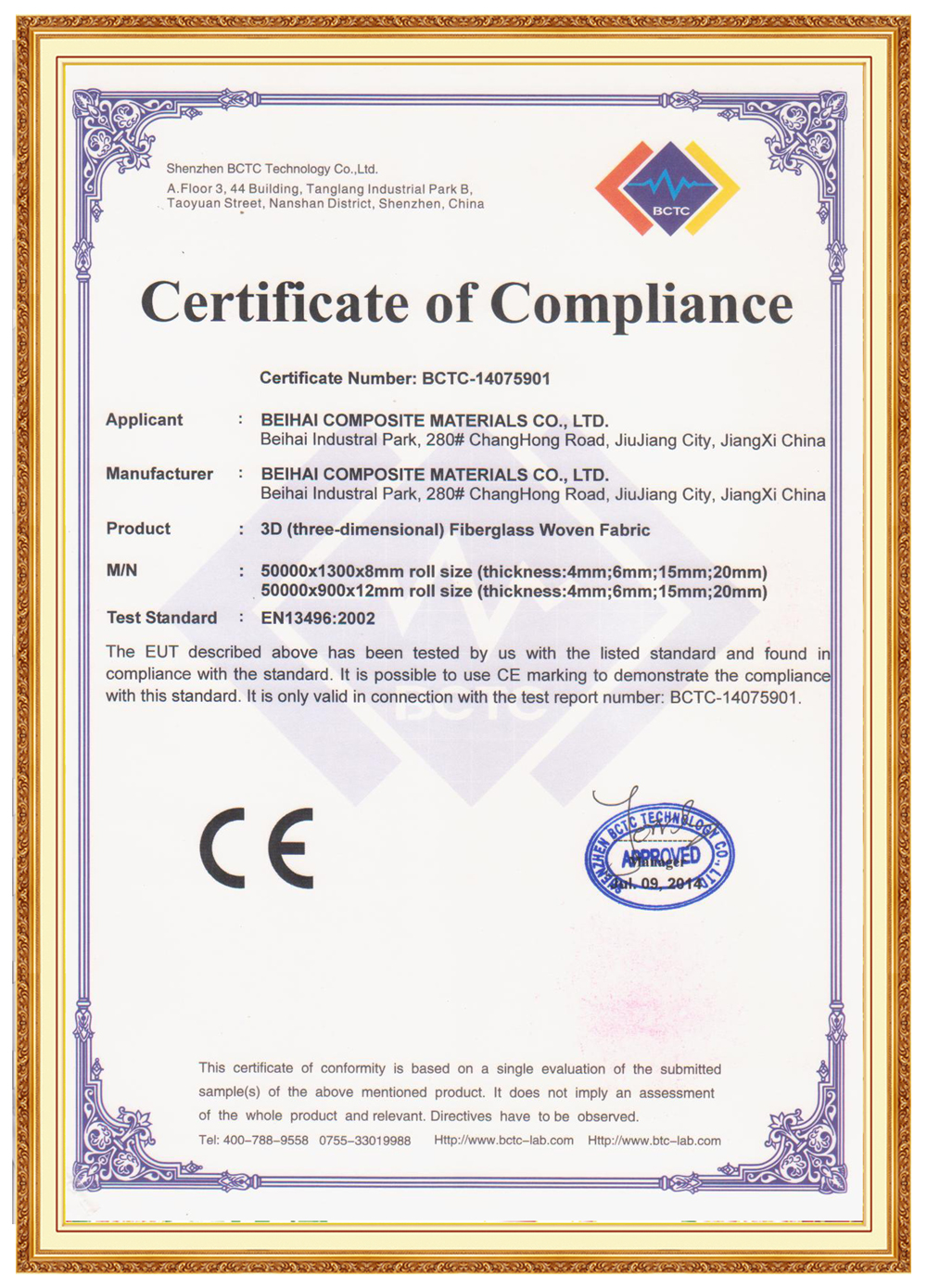
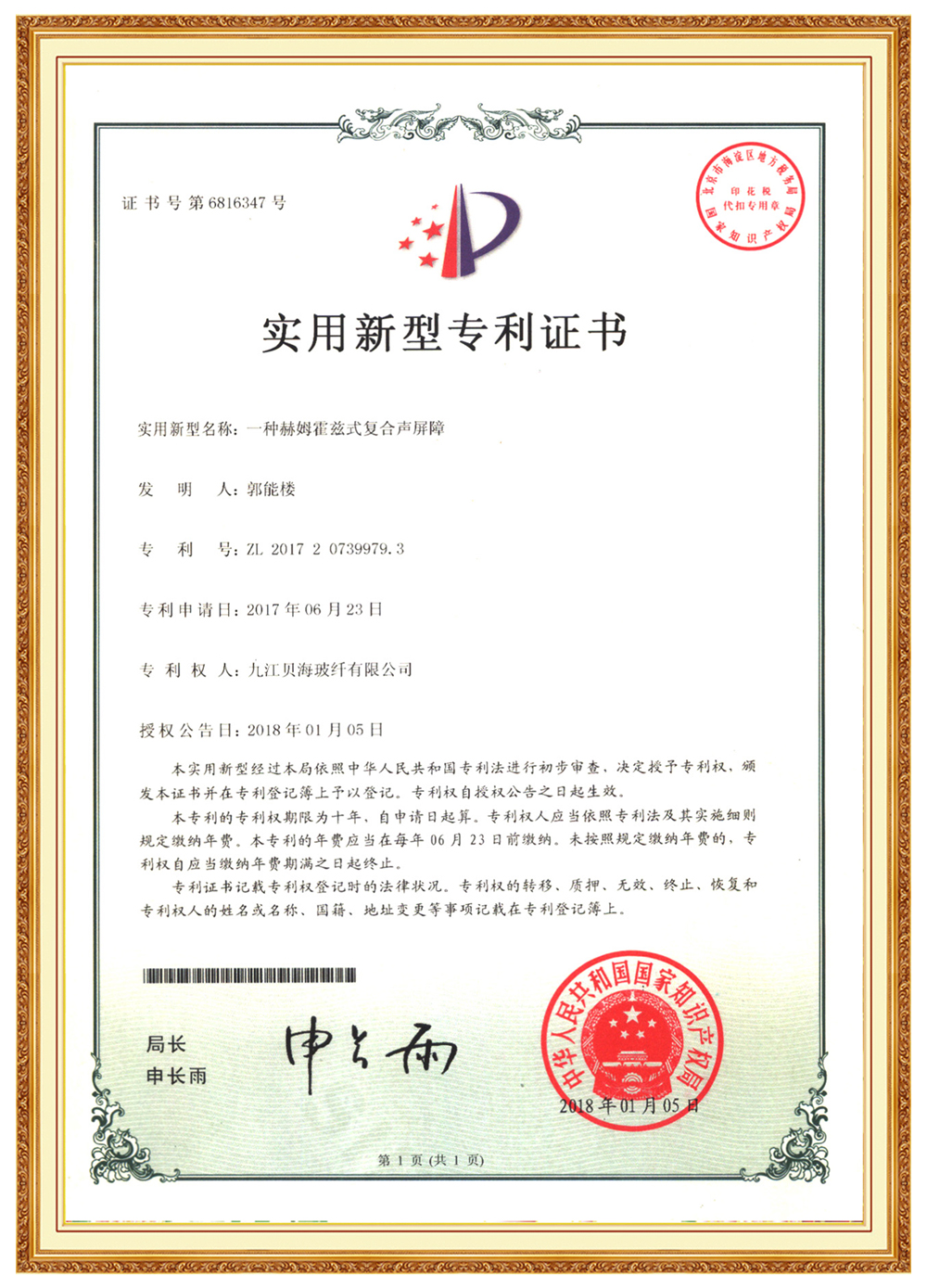
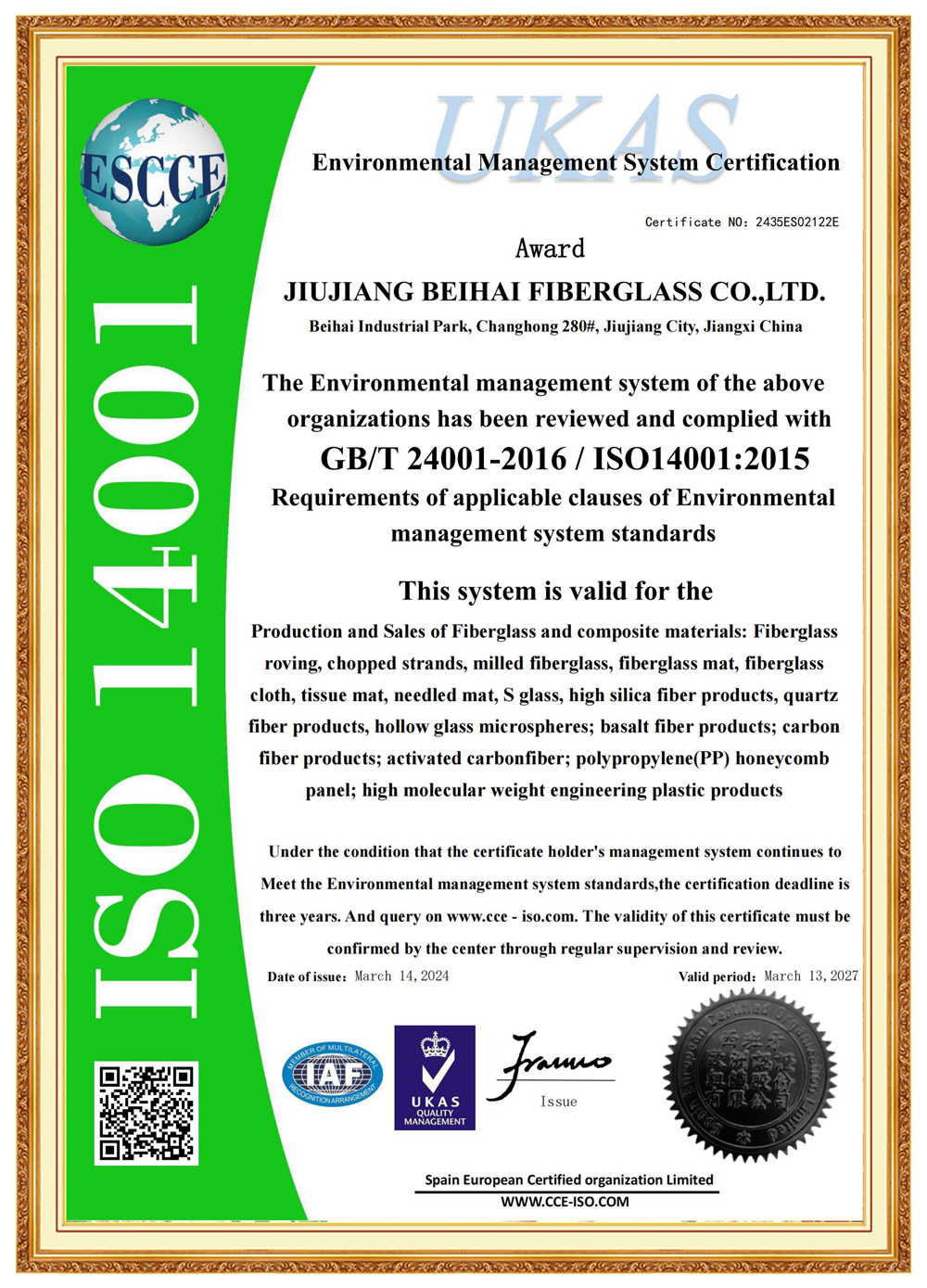
Key technical answers for civil design engineers and global procurement managers.
Basalt fiber features superior tensile strength (up to 4800 MPa compared to fiberglass's 2500-3000 MPa) and a 15% higher elastic modulus. Additionally, basalt fiber is highly resistant to acids and alkaline environments, preventing the structural degradation that glass fiber experiences when embedded in alkaline concrete.
Yes, basalt fiber rebar is completely inert and does not rust. When exposed to ocean currents, moisture, or road salts, it prevents concrete cracking and spalling, reducing maintenance costs for bridge piers and sea walls.
Our high-density needled mats function reliably in environments ranging from -260°C to +700°C. With a melting temperature of 1450°C, they provide excellent fire protection and thermal insulation for automotive engine compartments and aerospace bulkheads.
We extract high-quality basalt ore from verified volcanic quarries. Our laboratory tests every batch to ensure the silica content remains between 48% and 53%, keeping the melt temperature consistent and maintaining structural uniformity during filament drawing.
Yes, we formulate custom sizings to optimize compatibility with specific matrix resins, including epoxy, vinylester, polyester, and phenolic bases, ensuring excellent mechanical adhesion.
For standard configurations (such as standard roving and needles mats), we ship within 14-21 days of deposit confirmation. Custom composites or tailored weaves are scheduled based on manufacturing capacity.
Our complete collection of high-temperature felts, corrosion-protection tissues, and high-performance yarns.
 Beihai Fiberglass