Engineered high-tensile structural and chemical resistant materials directly from source Chinese mines
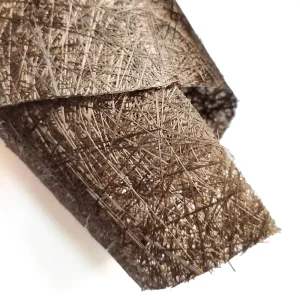
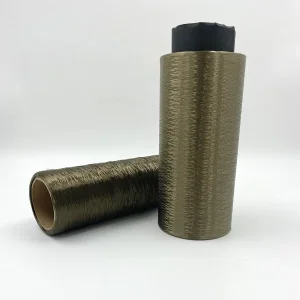
Continuous basalt fiber (CBF) is widely acknowledged in modern material science as a premier green industrial material of the 21st century. Drawn directly from volcanic rock melts (mainly consisting of plagioclase, pyroxene, and olivine) at extreme temperatures reaching 1450°C to 1500°C, basalt continuous fiber exhibits mechanical attributes that significantly eclipse traditional glass fiber (E-glass) while providing a cost-effective, environmentally friendly alternative to high-cost carbon fibers.
Unlike compound structural polymers, the manufacturing process of continuous basalt fiber involves no chemicals or hazardous additives. China Beihai Group, founded in 2015 and based in Jiujiang, Jiangxi Province, has optimized the manufacturing pathway of high-purity basalt and andesite raw materials to establish massive high-throughput production lines. This allows us to supply structural components that show high elasticity, excellent resistance to corrosive chemical media, extreme thermal stability, and long-term durability.
Our specialized geological sourcing enables us to yield basalt materials with optimal silica-alumina ratios ($SiO_2 + Al_2O_3$ ranging between 60% and 68%), ensuring superior continuous filament drawing stability. This material integrity is vital for mission-critical sectors such as bridge concrete reinforcements, subsea oil pipelines, clean energy vehicle parts, and structural aerospace components.
As a domestic high-tech continuous fiber powerhouse, China Beihai is committed to advanced continuous furnace technologies. Our research focuses on precise thermal curve engineering, multi-tip platinum-rhodium alloy bushing designs, and eco-friendly chemical coupling sizing agents that optimize fiberglass-resin matrices.
Understanding the unique petrochemical parameters that distinguish Andesite and Basalt continuous fibers
The properties of basalt continuous fibers are highly dependent on the volcanic deposits from which the mineral raw materials are extracted. Geologically, basalt is an aphanitic igneous rock characterized by low silica content ($SiO_2$ typically between 45% and 52%) and high calcium, iron, and magnesium oxide levels. Andesite, on the other hand, represents an intermediate composition (52% to 63% $SiO_2$).
By strategically blending select andesitic minerals with volcanic basalt, modern factories can precisely control the viscosity and liquidus temperature curves of the melt. This ensures that the molten stone maintains perfect rheological flow characteristics as it exits the multi-tip bushings, resulting in ultra-fine basalt filaments with uniform diameters (typically ranging from 9µm to 22µm).
On a global scale, the demand for basalt continuous fiber has surged as structural engineers search for viable alternatives to carbon steel, which is prone to rust, and polymer composites, which can be vulnerable to high temperatures. From high-strength roadbed geotextiles and reinforced basalt rebar for marine foundations to fireproof insulation wraps, continuous basalt fiber provides outstanding chemical inertia, thermal stability, and physical resilience.
| Physical Property | Continuous Basalt Fiber (CBF) | E-Glass Fiber | Carbon Fiber (Standard) |
|---|---|---|---|
| Density (g/cm³) | 2.63 - 2.80 | 2.54 - 2.60 | 1.75 - 1.80 |
| Tensile Strength (MPa) | 3000 - 4800 | 2000 - 3500 | 3500 - 6000 |
| Elastic Modulus (GPa) | 85 - 115 | 72 - 76 | 230 - 600 |
| Elongation at Break (%) | 3.1 - 3.2 | 4.5 - 4.8 | 0.5 - 2.0 |
| Service Temperature Limit (°C) | -260 to +700 | -60 to +380 | Up to +650 (Inert) |
| Alkali & Acid Resistance | Excellent (High Retention) | Moderate / Poor | Highly Resistant |
Next-generation engineering systems, chemical advancements, and sustainable structural composite goals
By blending geological basalt and andesite volcanic reserves, we engineer melt dynamics to prevent crystallization, yielding uniform continuous filaments.
Specialized organosilicon and polyurethane-based sizing formulas isolate the core fiber filaments, preventing deterioration in highly alkaline concrete environments.
Our production facilities utilize modern electric-melting continuous pool-fire furnaces, reducing structural carbon footprints compared to traditional fiberglass plants.
Providing specialized systems across structural, civil, thermal, marine, and high-tech industries

Our basalt products have diverse applications in the field of house construction, concrete lintels, reinforcing grids, and interior masonry.

In the aerospace field, basalt fibers are ideal for manufacturing aircraft wings, acoustic liners, and thermal cabin linings.

Through fine process control and surface treatment technologies, we enable basalt fiber utilization in spacecraft shells and thermal protection systems.

Basalt-added concrete offers increased tensile strength, durability, crack resistance, chemical resistance, and improved structural workability.

Meeting the weight-reduction demands of automotive OEMs, our composite continuous fibers reinforce interior substrates, muffler wraps, and brake pads.

High structural impact strength and corrosion resistance make basalt fiber perfect for shielding bridge abutments from chemical salts and mechanical loads.

The chemical resistance of basalt continuous fiber provides unique structural advantages for underground fuel lines and chemical storage tanks.

Continuous basalt fiber resists marine environments, preventing structural degradation from saltwater exposure and bio-fouling agents.
China Beihai: The Leading Enterprise in high-performance continuous basalt fiber production since 2015

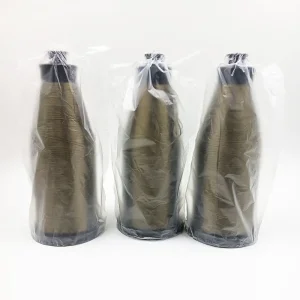
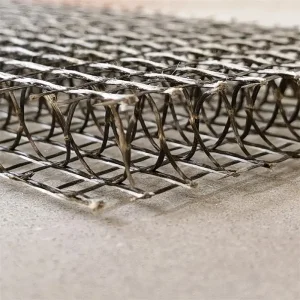
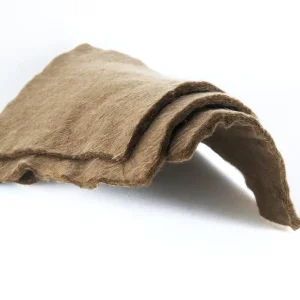
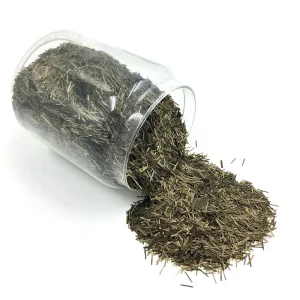
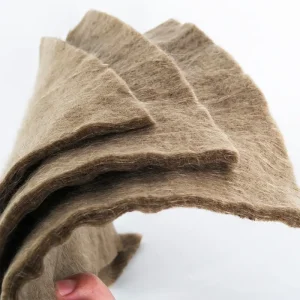
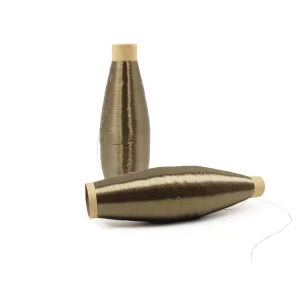
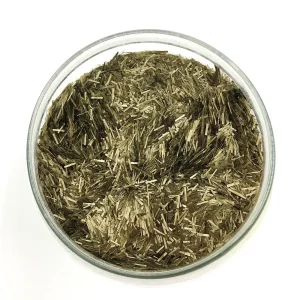
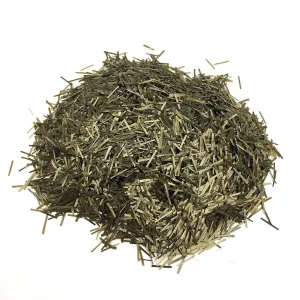
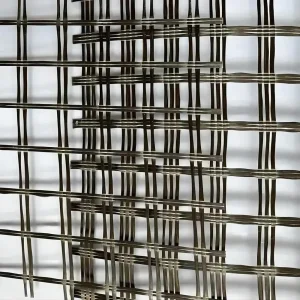
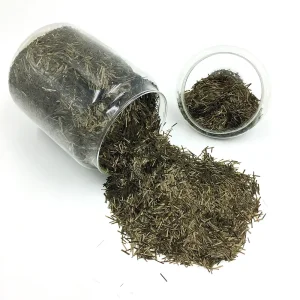
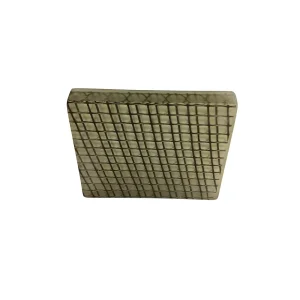
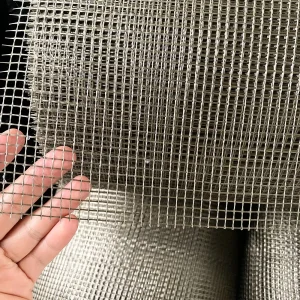
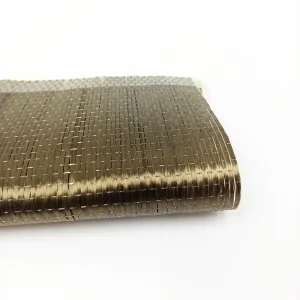
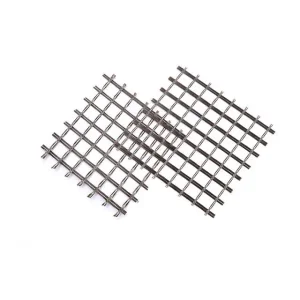
We specialize in producing basalt fiber mats (chopped strand mats, fabrics), basalt fiber roving, basalt fiber yarn, chopped strands, and specialized products like basalt fiber rebar, sleeves, and tape designed to meet diverse industrial needs.

We focus on delivering high-quality, sustainable solutions for construction, geotechnical engineering, and industrial manufacturing, serving clients globally with a comprehensive selection of basalt-derived products.

Our commitment to quality, innovation, and sustainability sets us apart. We provide reliable basalt materials and construction products backed by deep industry expertise and a forward-thinking partnership model.
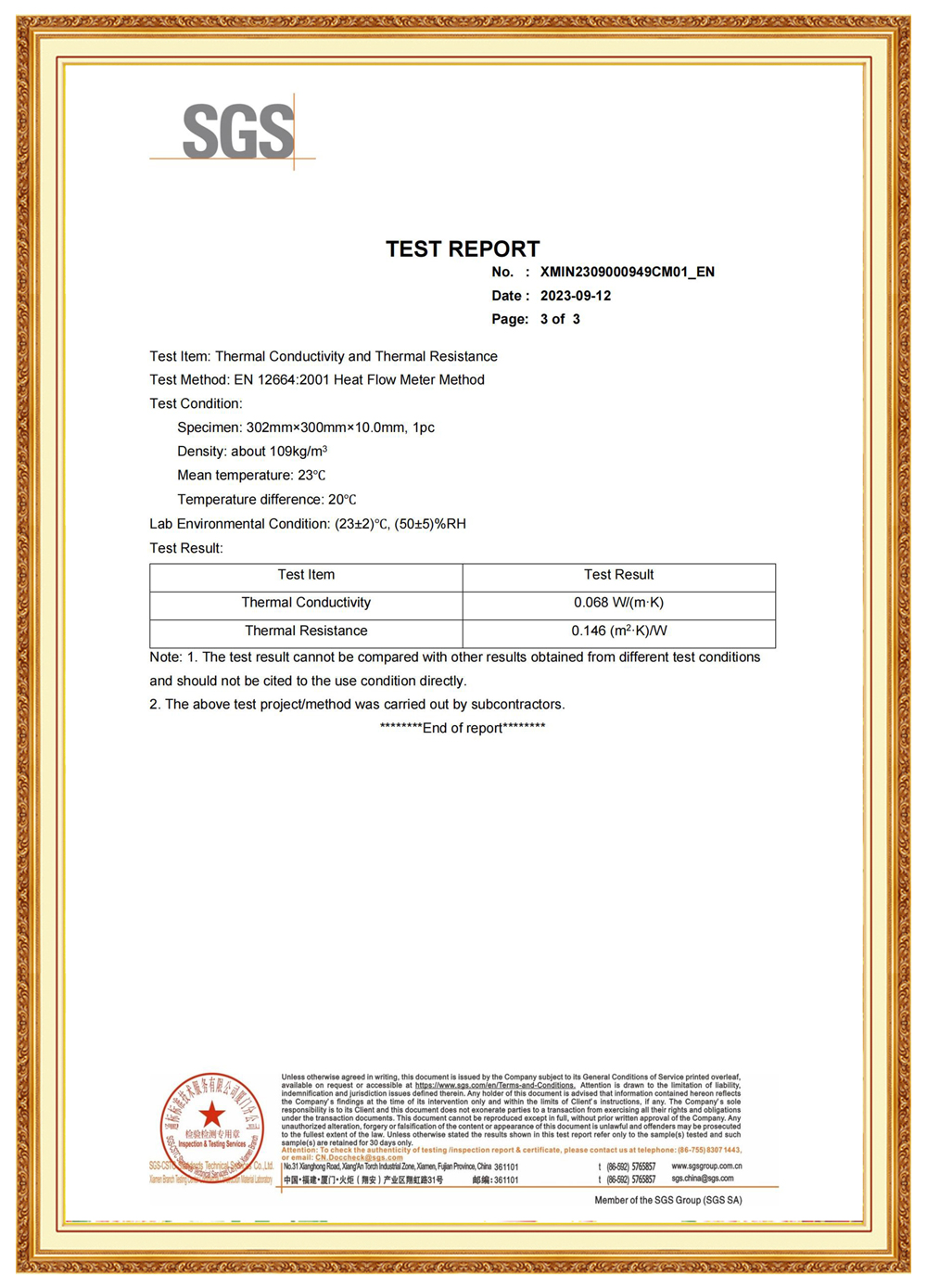
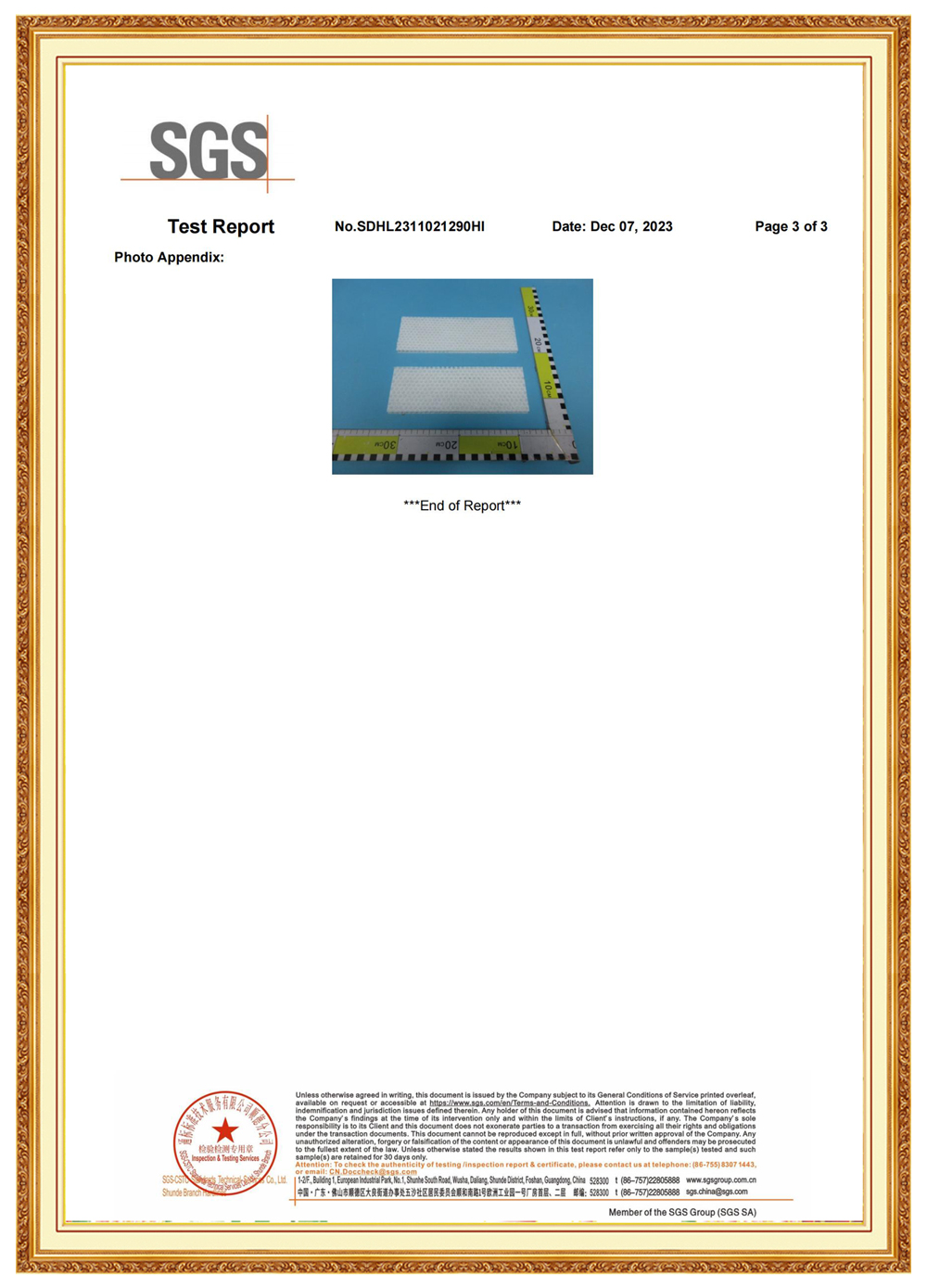
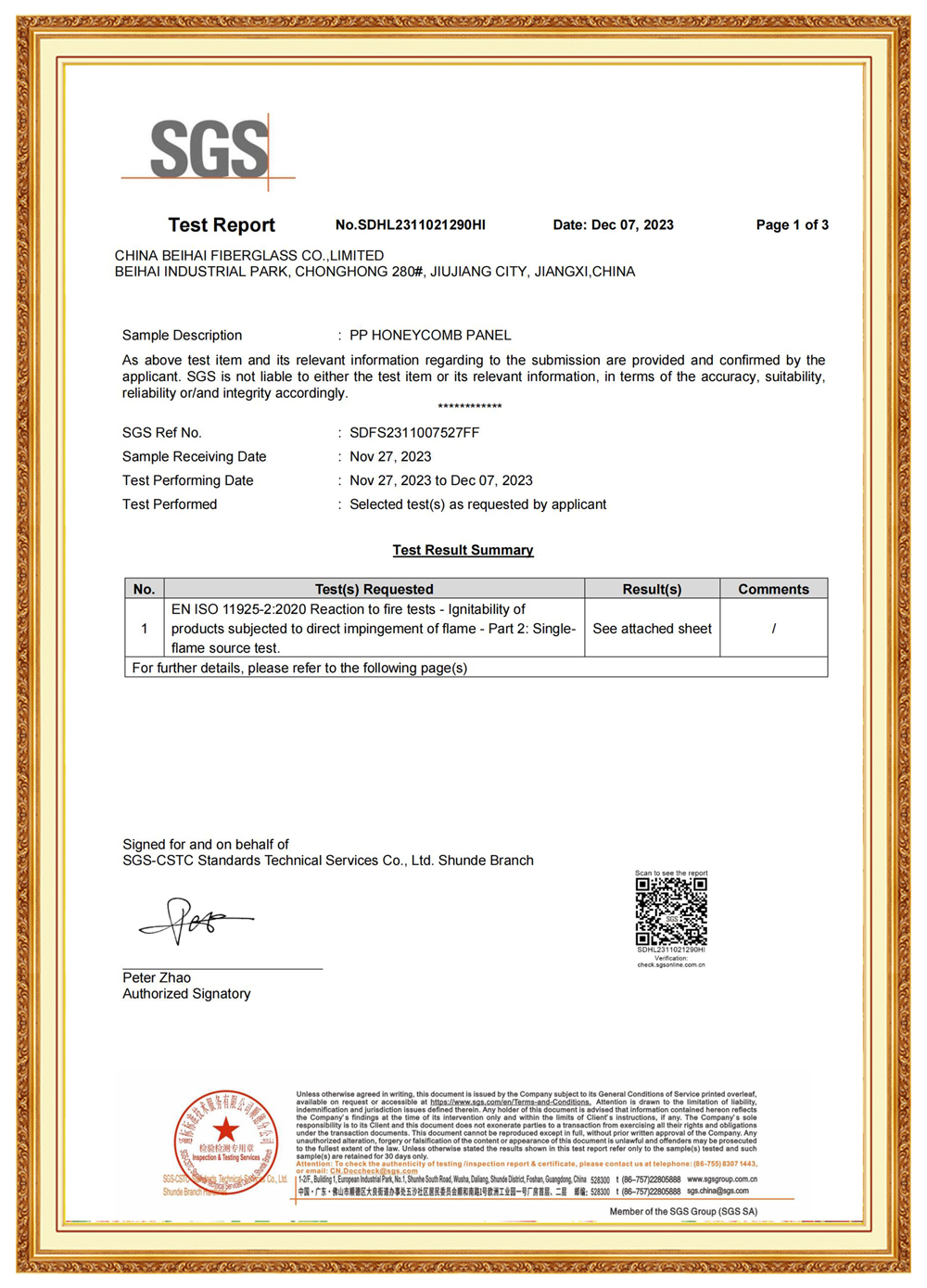
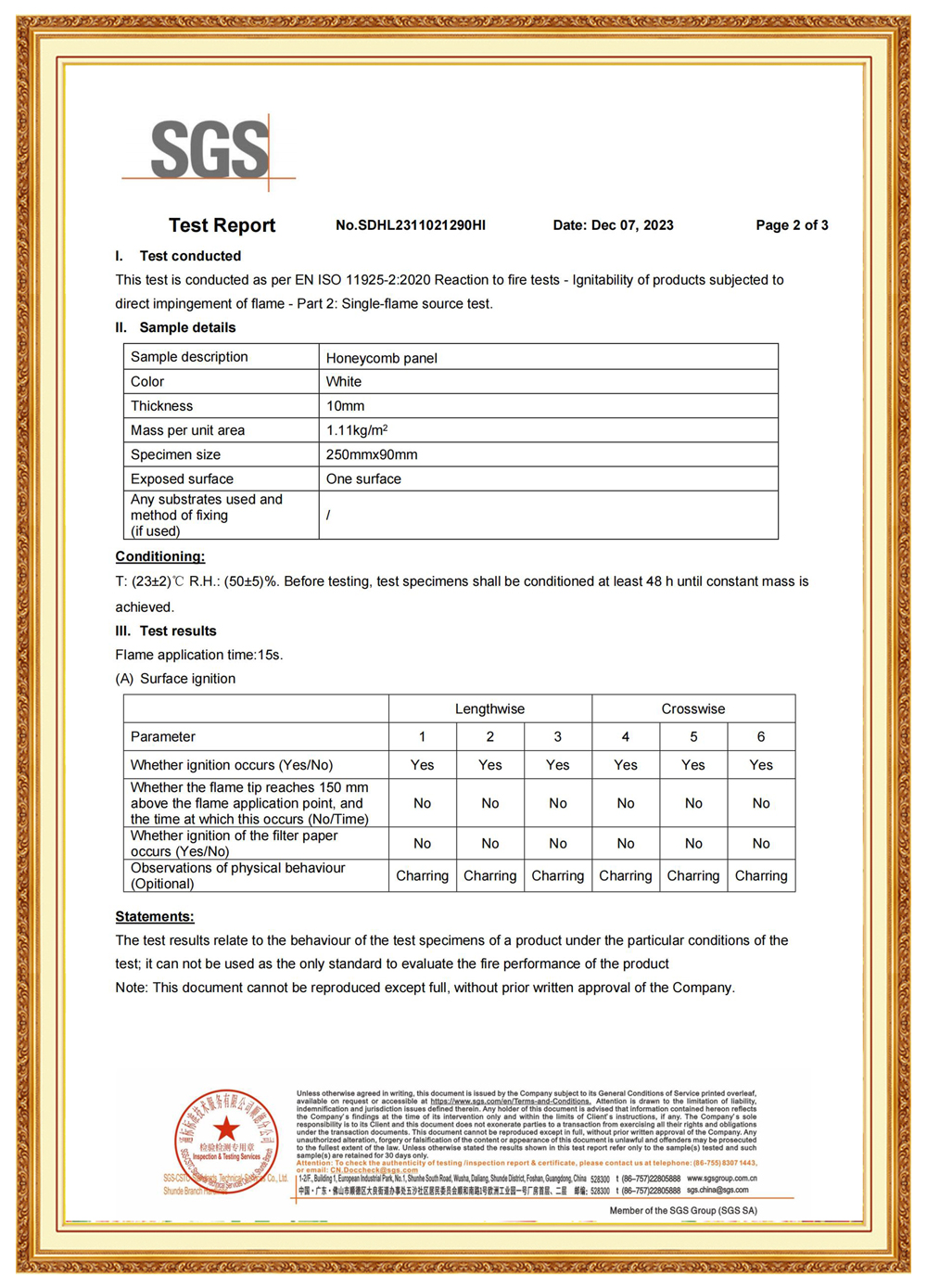
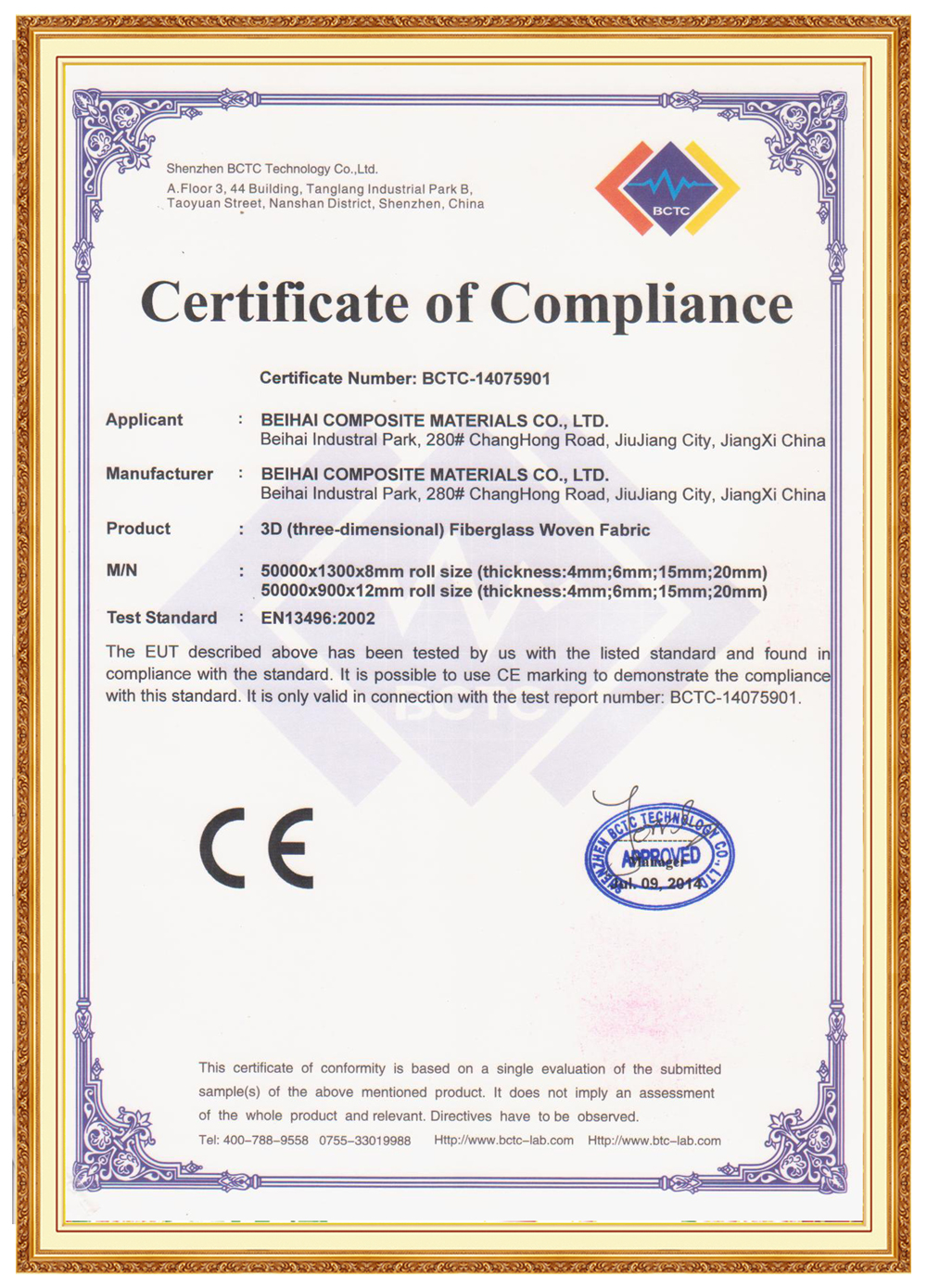
Stay updated on continuous basalt fiber technological breakthroughs and global project cases

As drones monitor wildfires and intelligent robots execute precise tasks on factory floors, the efficient operation of smart equipment is supported by advanced composite materials like basalt fiber.
Read More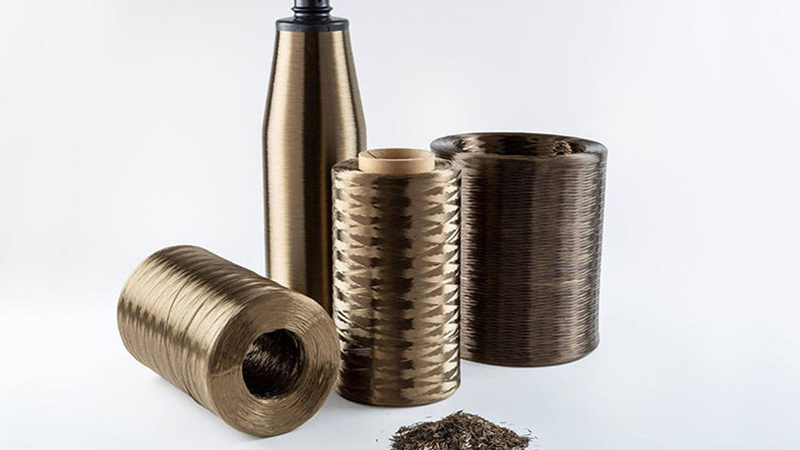
Our engineering team has implemented thermal systems that lower energy requirements while increasing multi-tip bushing throughput to ensure consistent product supply.
Read More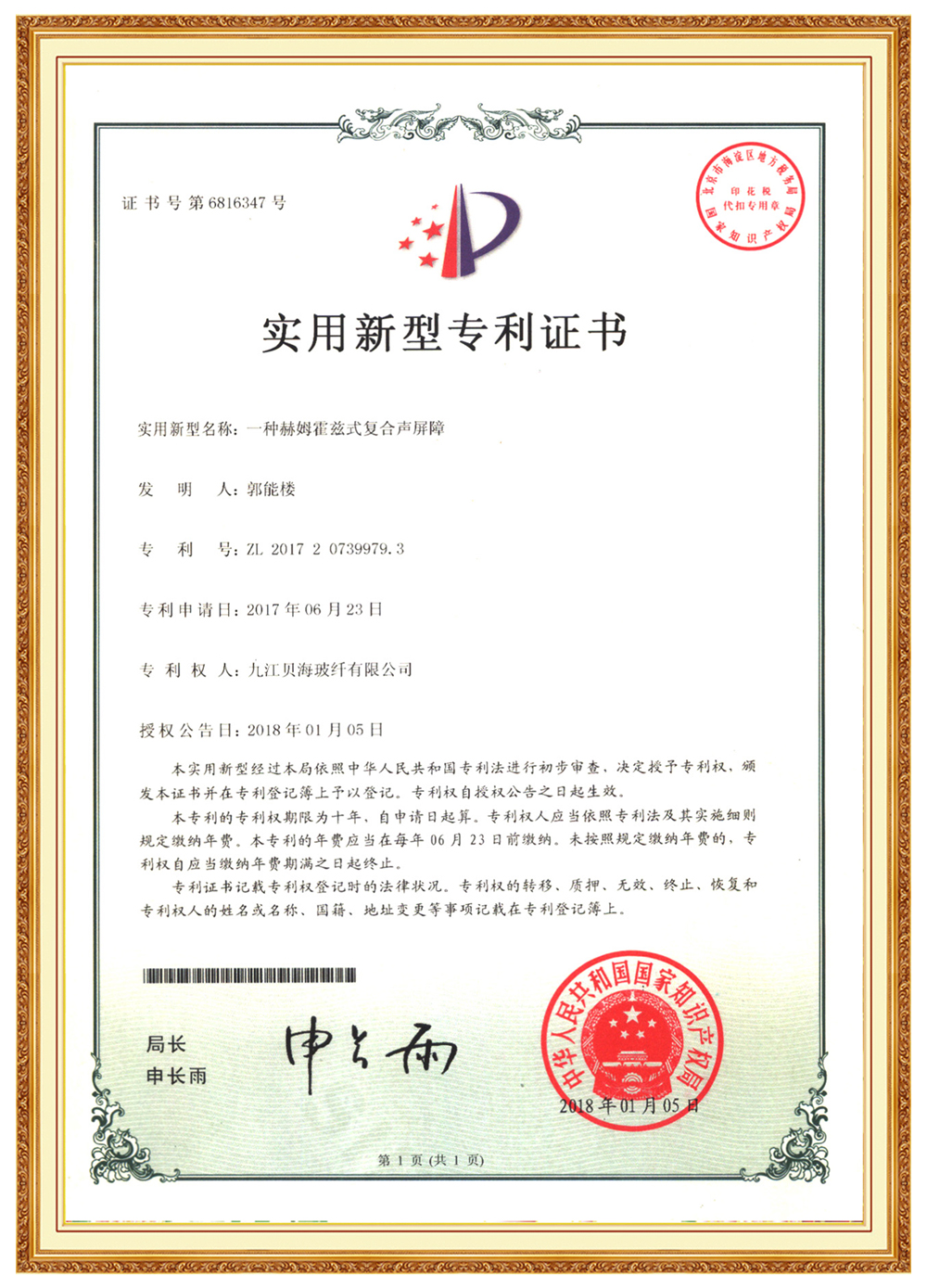
New structural reports show that basalt fiber reinforced concrete structures maintain high strength and resist cracking after years of saltwater exposure.
Read MoreAddressing engineering, chemical, and application inquiries regarding andesite basalt continuous fibers
Premium high-density needled mats, composite rovings, and specialized construction meshes
 Beihai Fiberglass