In the realm of modern engineering, high-performance composites are undergoing a fundamental ecological and structural revolution. For decades, industries have relied on E-glass and carbon fibers to resolve issues regarding weight, tensile threshold, and architectural integrity. However, as global standards shift toward extreme temperature tolerances, chemical inertness, and ecological sustainability, Basalt Fiber Chopped Strands have emerged as the definitive material science answer.
Extracted directly from pure, unadulterated volcanic basalt rock through a single-component melt process, basalt fiber represents a 100% natural, inorganic compound. The mineral properties of basalt endow it with high thermal resistance, chemical durability in high alkaline environments, and unparalleled mechanical properties. This comprehensive whitepaper, backed by China Beihai Group's specialized manufacturing legacy since 2015, explores how basalt fiber chopped strands are shaping structural engineering across the globe.
By blending state-of-the-art mineral chemistry with Industry 4.0 production environments, Chinese manufacturers are bridging the gap between custom high-tensile requirements and massive global supply-chain scalability.
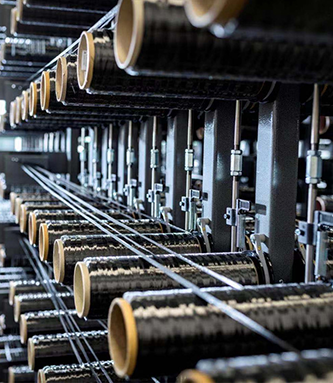
A rigorous comparative analysis demonstrates the sheer performance dominance of Basalt Fiber. The following comparative data illustrates basalt fiber's capacity to deliver superior tensile modulus and temperature tolerances compared to standard reinforcement materials.
| Performance Metric | Basalt Fiber Chopped Strands | E-Glass Fiber | Carbon Fiber (Standard Modulus) |
|---|---|---|---|
| Tensile Strength (MPa) | 3,000 - 4,800 | 1,500 - 2,500 | 3,500 - 6,000 |
| Elastic Modulus (GPa) | 85 - 110 | 69 - 76 | 230 - 250 |
| Density (g/cm³) | 2.63 - 2.80 | 2.54 - 2.60 | 1.75 - 1.80 |
| Service Temp. Window (°C) | -260°C to +700°C | -60°C to +380°C | Up to +450°C (Non-inert) |
| Alkali & Acid Resistance | Excellent (Highly Stable) | Poor (Requires Complex Sizing) | Excellent |
| Environmental Impact | Low (100% Volcanic Rock, Eco-Friendly) | Medium (Synthetic Chemical Additives) | High Carbon Footprint & Energy Intensity |
As demonstrated above, basalt fiber represents the middle-to-high ground that combines the extreme strength qualities of carbon fiber with a price point and chemical resilience profile vastly superior to E-glass, providing significant economic and performance efficiency.
Procurement officers within multinational infrastructure conglomerates, aerospace consortiums, and civil engineering companies are highly concerned with two primary criteria: long-term structural durability and supply-chain reliability.
Industrial composites rely heavily on the interfacial bond between the structural fiber and matrix resins (epoxies, vinyl esters, and concrete cementitious bases). Basalt chopped strands are engineered with custom silane sizing treatments, ensuring optimal mechanical interlocking and preventing interfacial delamination under dynamic stress cycles.
In municipal concrete pavements and offshore marine structural walls, exposure to aggressive alkaline concrete pore solutions and saline marine environments rapidly degrades steel rebar and synthetic glass materials. Sourcing high-quality basalt chopped strands provides permanent resistance to rust, alkaline environments, and acid attack.
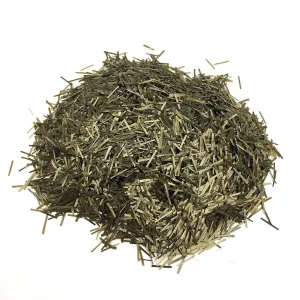
Uneven filament distributions in wholesale chopped strands result in structural weak points. China Beihai Group ensures incredibly tight tolerances for chopped strand diameter ranges (9µm to 22µm) and cut lengths (3mm to 50mm), providing homogeneous distribution throughout polymer matrices or dry concrete mixes.

Global logistics bottlenecks, fluctuating raw material costs, and stringent emission policies require global buyers to partner with technologically advanced, secure, and resilient manufacturers. Founded in 2015 and nested in the high-tech hub of Jiujiang, Jiangxi Province, China Beihai Group has built an advanced production network designed for high-volume supply chain resilience.
Our manufacturing philosophy relies on three core tenets of modern Factory 4.0 infrastructure:
This levels-of-magnitude leap in raw material quality and capacity guarantees that China Beihai Group can deliver bulk orders to North America, Europe, and the Middle East with zero delay, mitigating geopolitical and pricing risks.
Basalt fiber chopped strands have proven to be exceptionally versatile structural components. Across critical global industries, their application directly corresponds to enhanced lifecycle longevity and reduced carbon footprints.

By blending basalt chopped strands into dry-mix concrete, builders reduce shrinkage cracking, increase load-bearing capacities, and eliminate the risk of corrosion within severe coastal atmospheric environments.

Used to construct high-temperature thermal barrier shields, aerospace cabin acoustic panels, and critical structural composites where weight reduction and high fire-retardant properties are critical parameters.

In highly trafficked expressways and bridge deck overlays, basalt fiber chopped strands counteract high shear stresses, stopping micro-cracks before they propagate into deep structural failures.

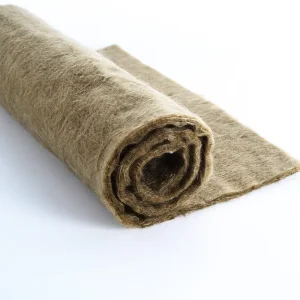
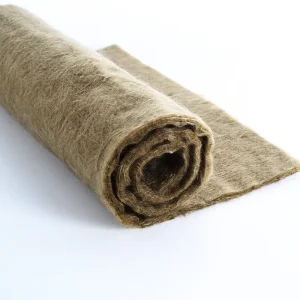
Automobile manufacturers utilize basalt needle felts and chopped strands within brake pad linings and under-the-hood structural shielding due to outstanding friction-stability and sound dampening capacities.

Applying high-strength basalt overlays protects bridge abutments and foundation pillars against catastrophic vehicular impact, hydraulic abrasion, and thermal shocks.

With massive structural stability against aggressive chemicals, sulfurous compounds, and severe acids, basalt-reinforced storage units boast operational lifespans exceeding steel by up to 300%.
Discover our specialized product array, designed specifically for challenging dynamic environments. These hot products represent high structural innovation across international engineering networks.
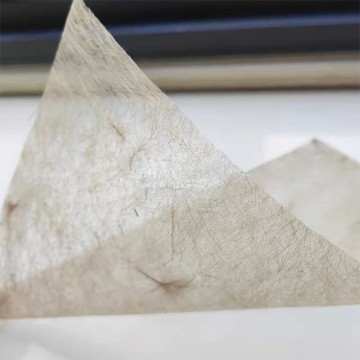
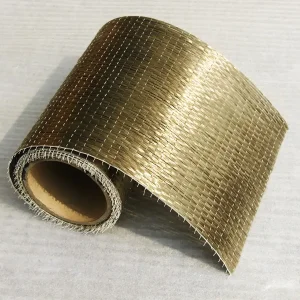
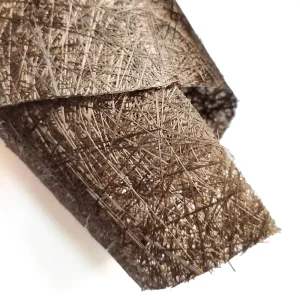
Engineered as a thin, non-woven membrane ideal for delivering a resin-rich, smooth, and aesthetic structural layer for FRP components.
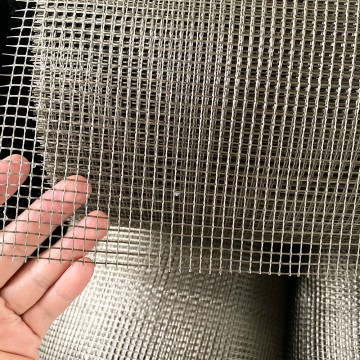
Specifically treated to resist the aggressive alkaline nature of structural plaster and high-density interior/exterior cement installations.
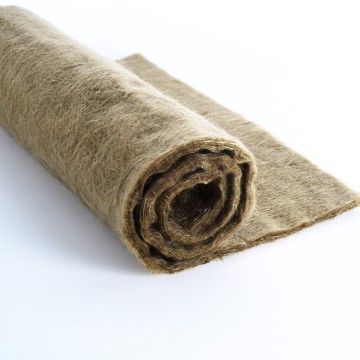
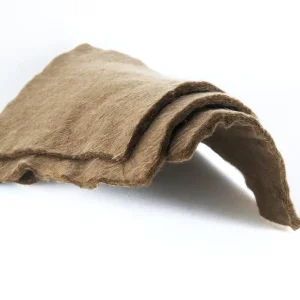
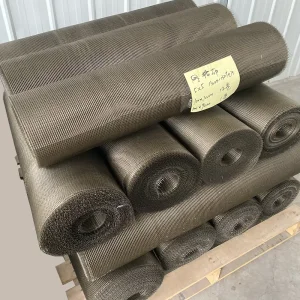
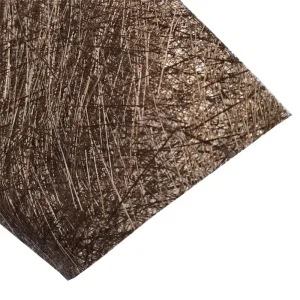
Manufactured without chemical binders by mechanically locking continuous fibers, providing ultimate thermal barrier limits.
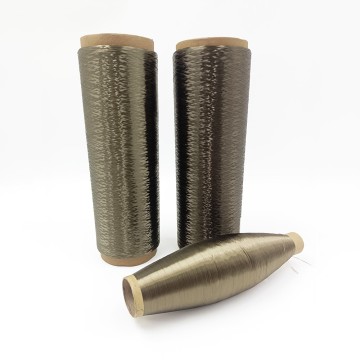
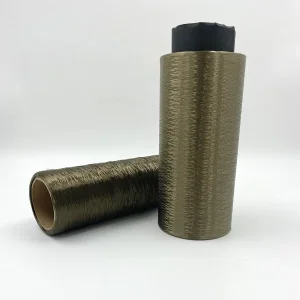
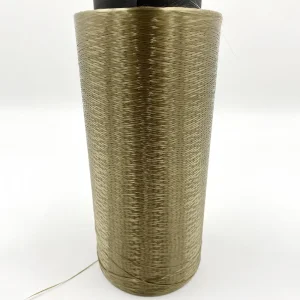
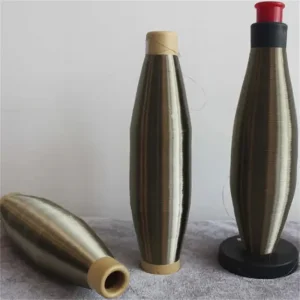
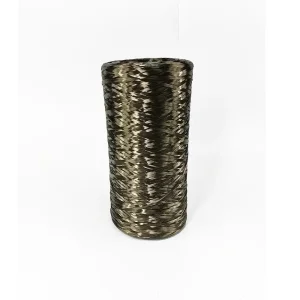
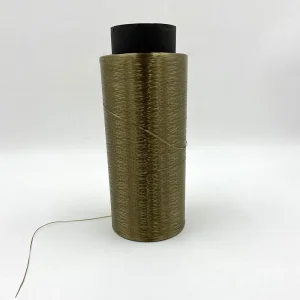
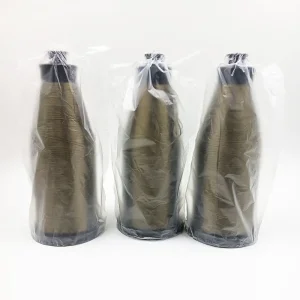
Composed of twisted continuous filaments to enhance weave processing stability for custom insulation wraps and high-tensile cords.
A critical point of failure in composite engineering is not the fiber itself, but the failure of the interface between the matrix and the reinforcement. At China Beihai Group, our R&D focus is centered on optimizing interfacial shear strength (IFSS). The basalt fiber surface is naturally hydrophilic, while organic resins like epoxy, vinyl ester, and polyurethane are hydrophobic. To overcome this, our chopped strands utilize highly advanced organofunctional silane coupling agents.
During the rapid cooling process immediately after filament extrusion, an extremely thin chemical layer of custom-formulated sizing is applied. These molecules feature dual-reactive ends. One end bonds covalently with the inorganic silica molecules on the basalt fiber surface, while the other end contains active polymer groups (such as epoxy, amine, or vinyl) designed to crosslink directly into the resin matrix during curing. This chemical bonding guarantees that tensile loads are distributed evenly throughout the entire composite material, dramatically increasing fatigue threshold limits under cyclic structural stresses.
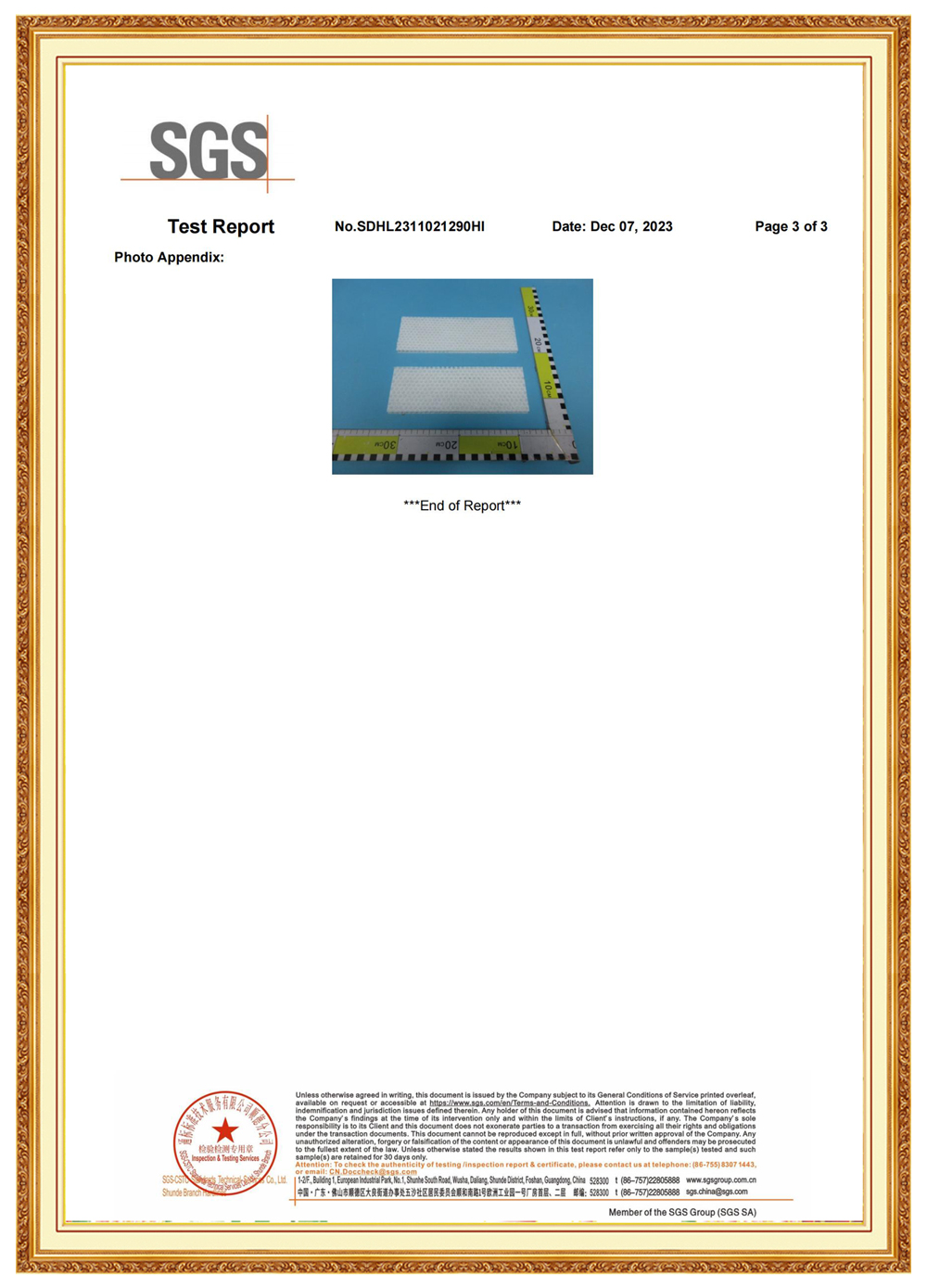
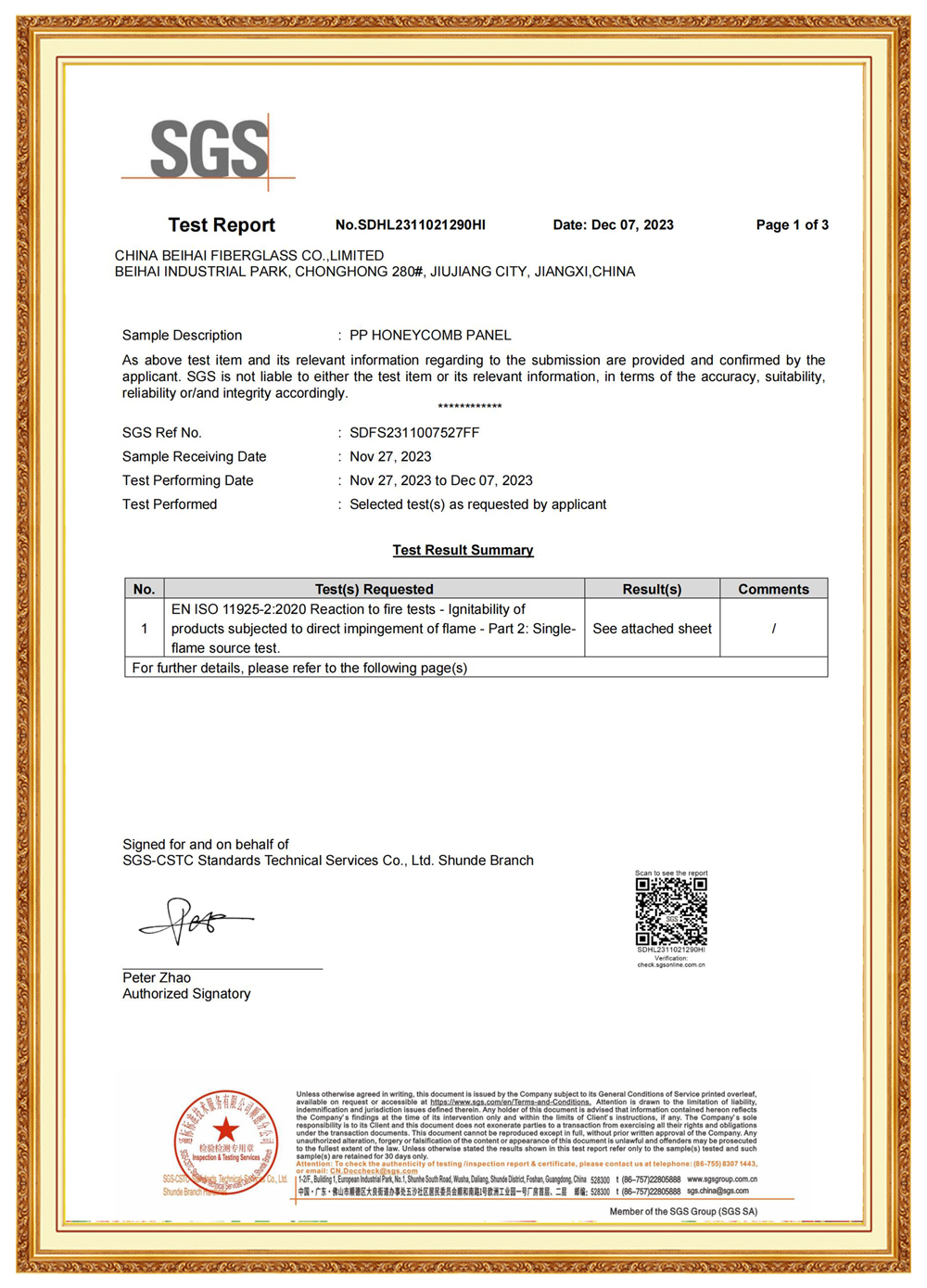
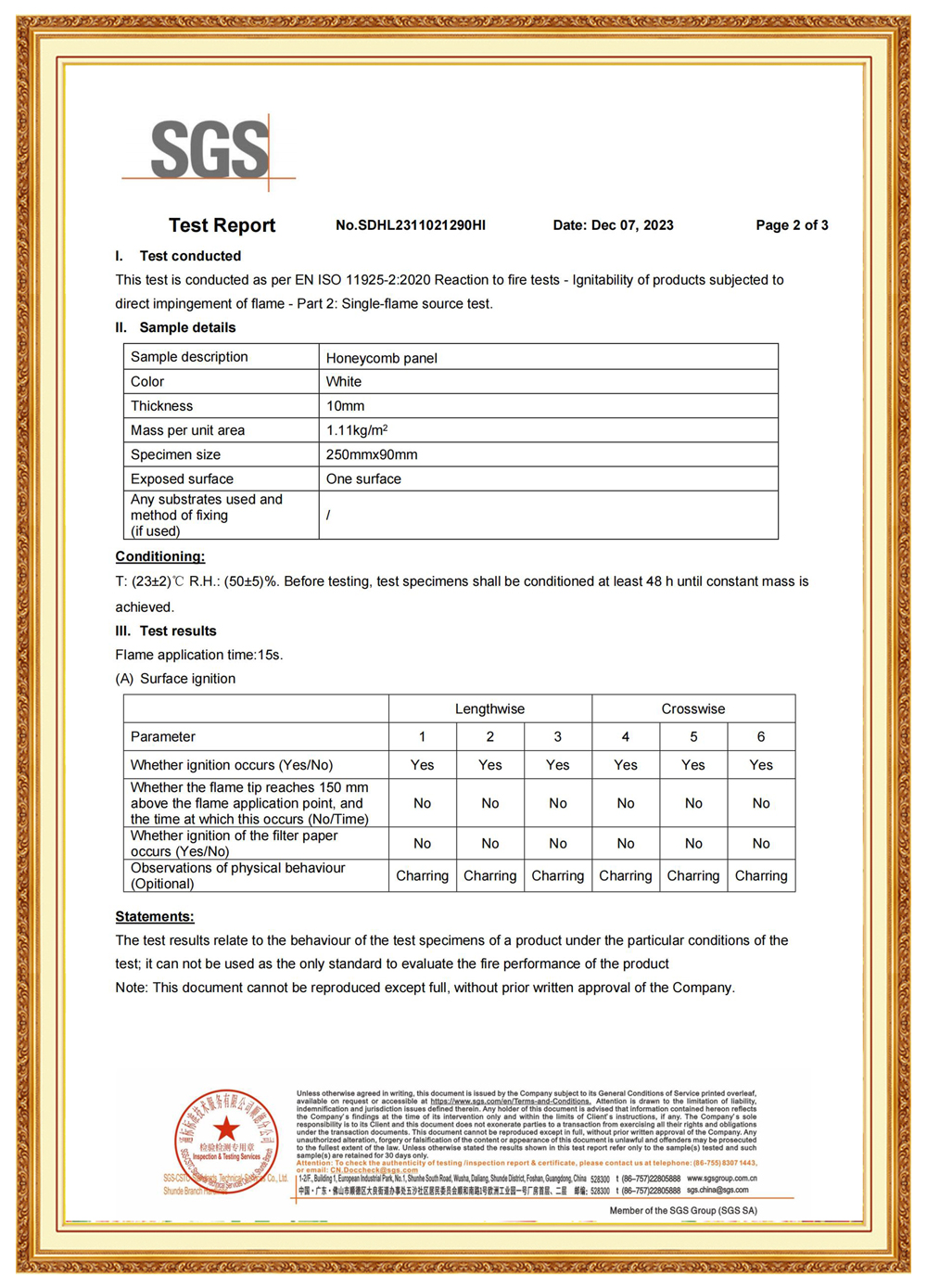
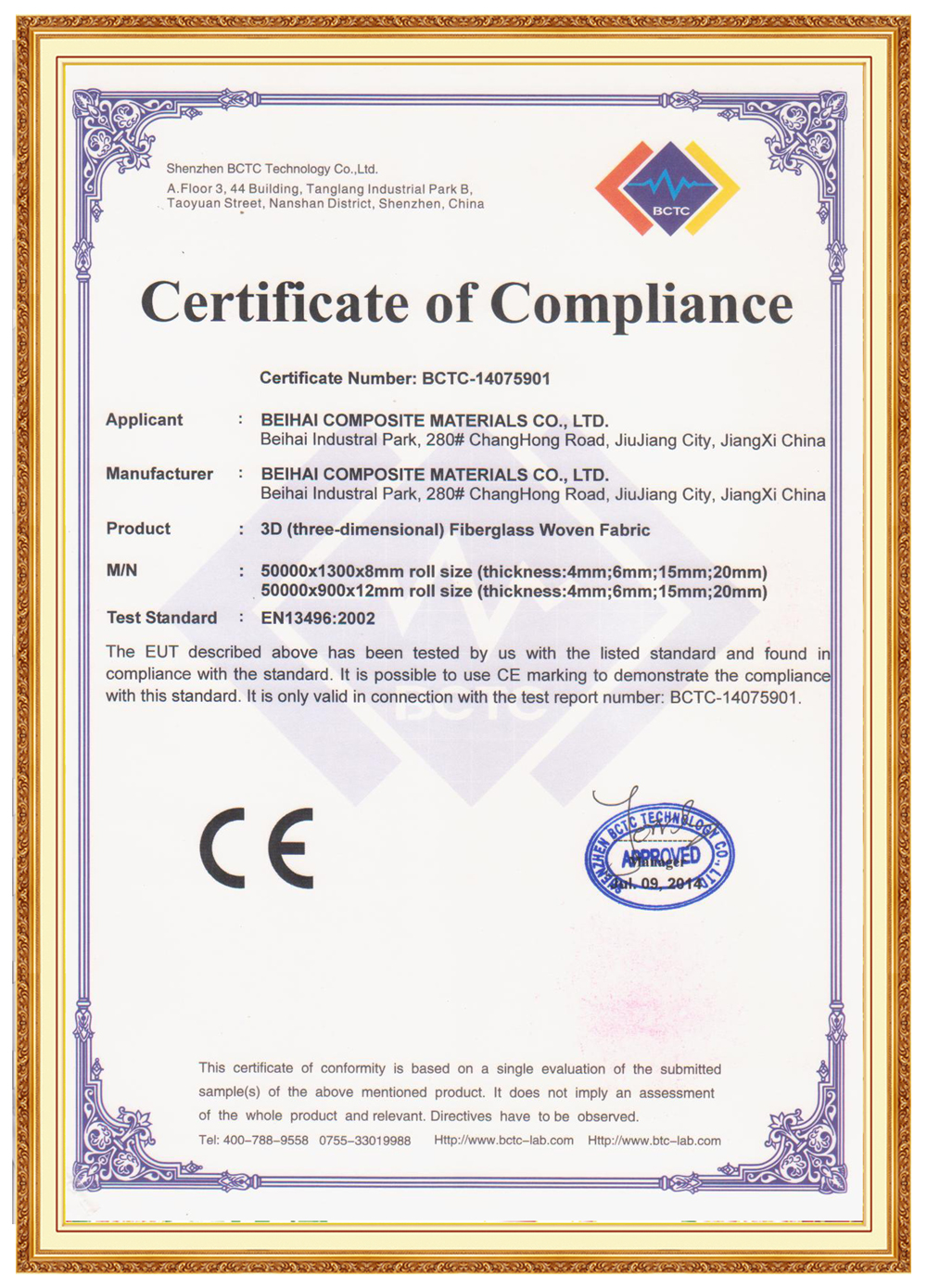
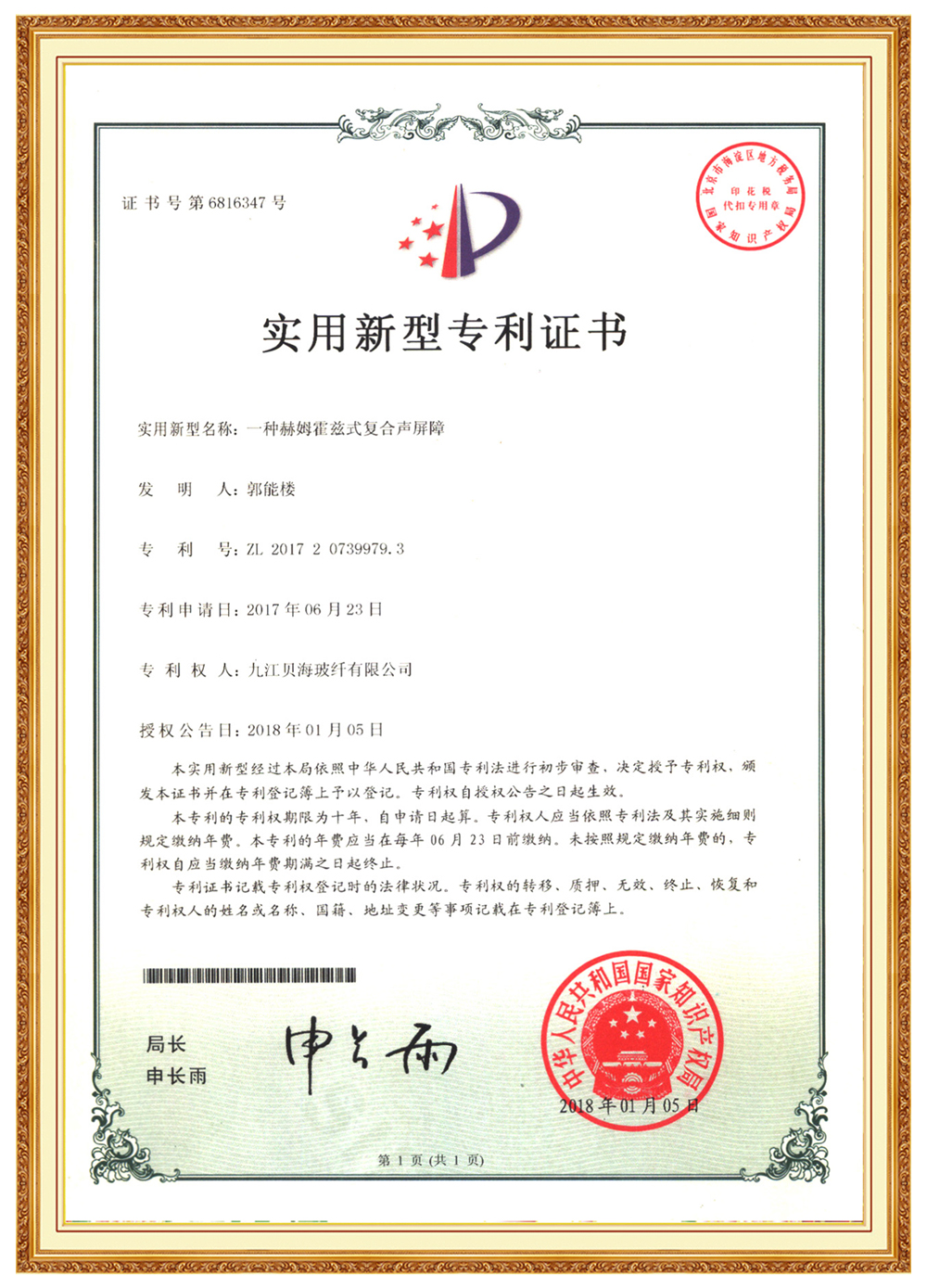
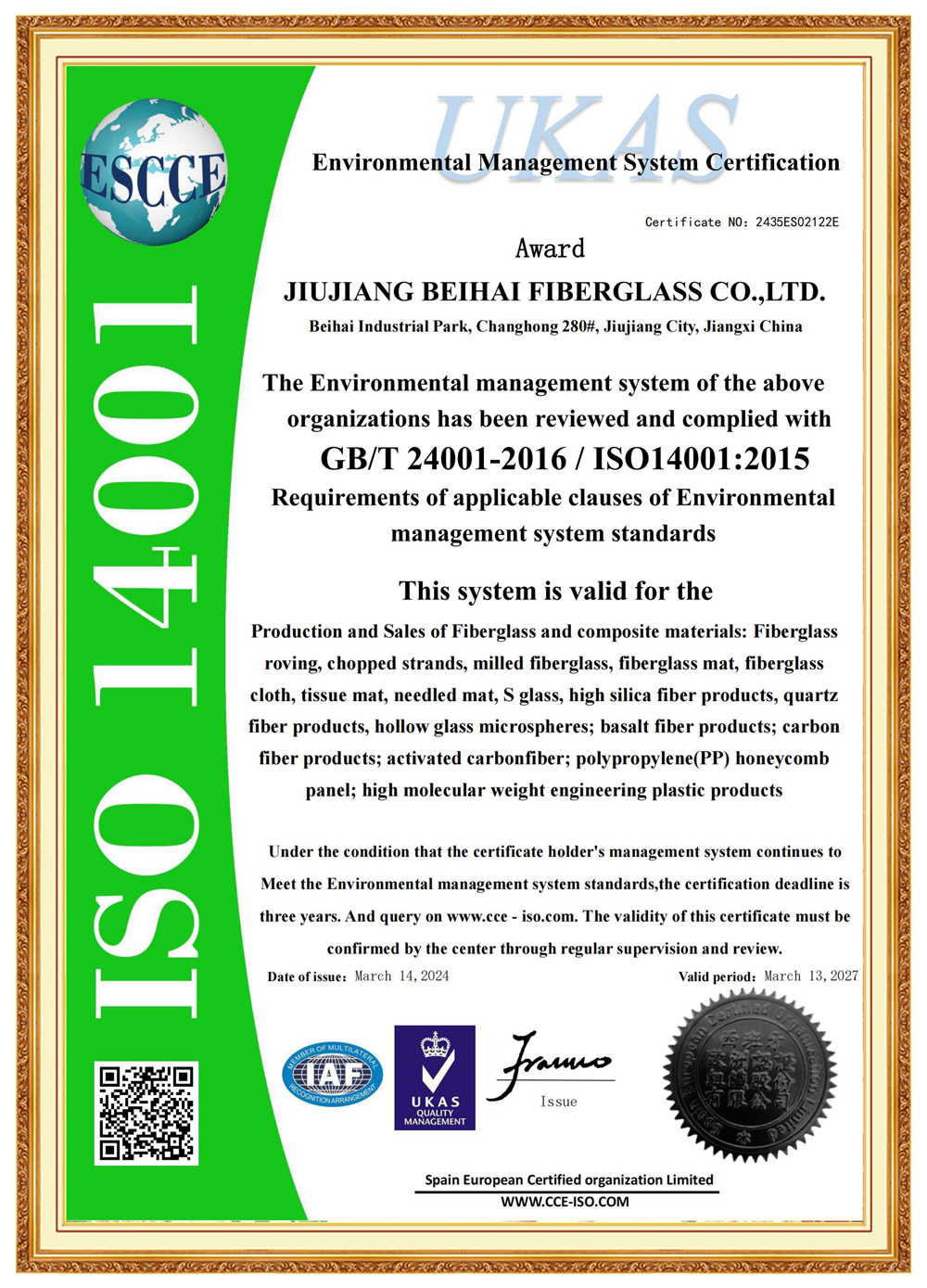
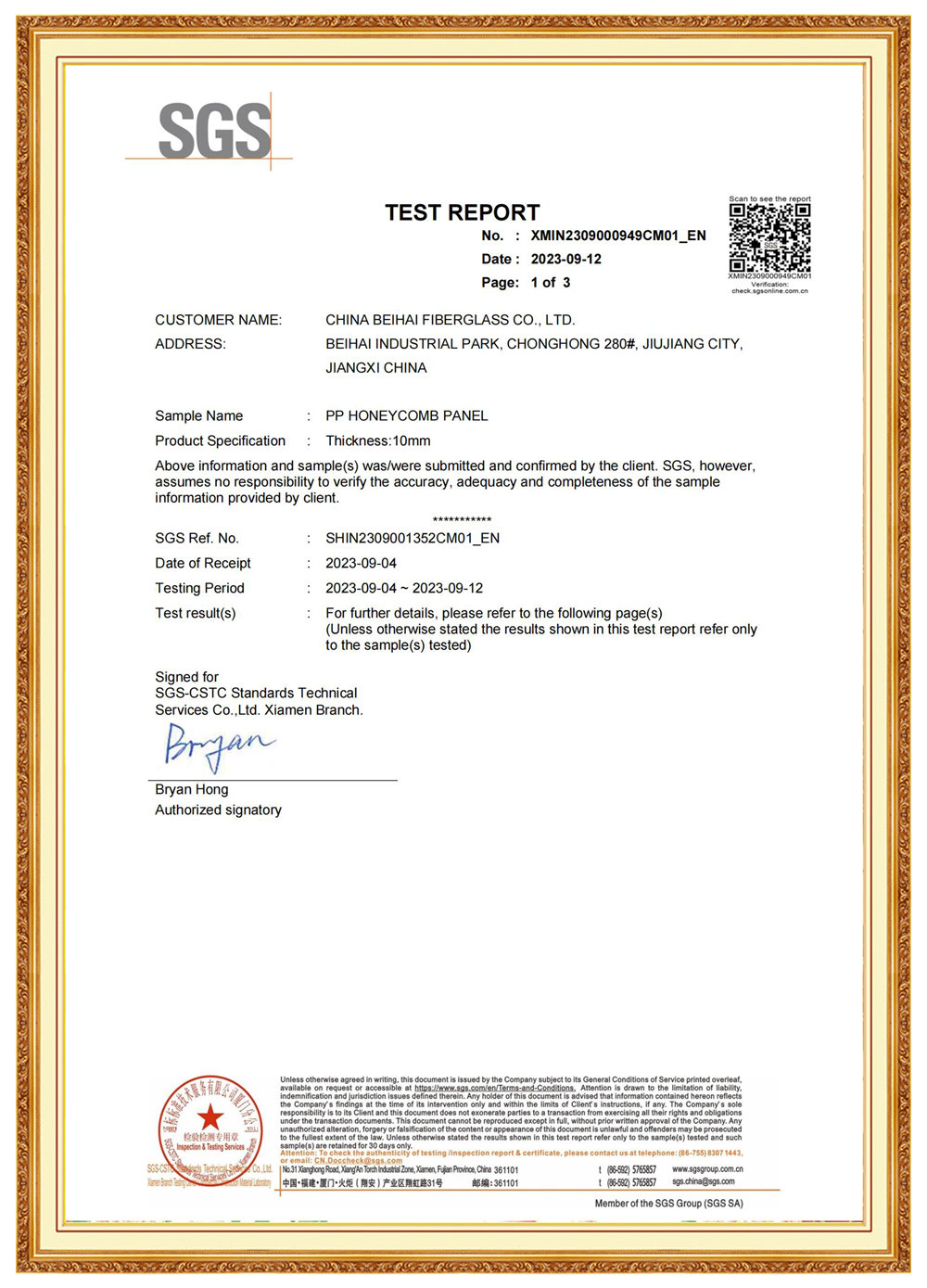
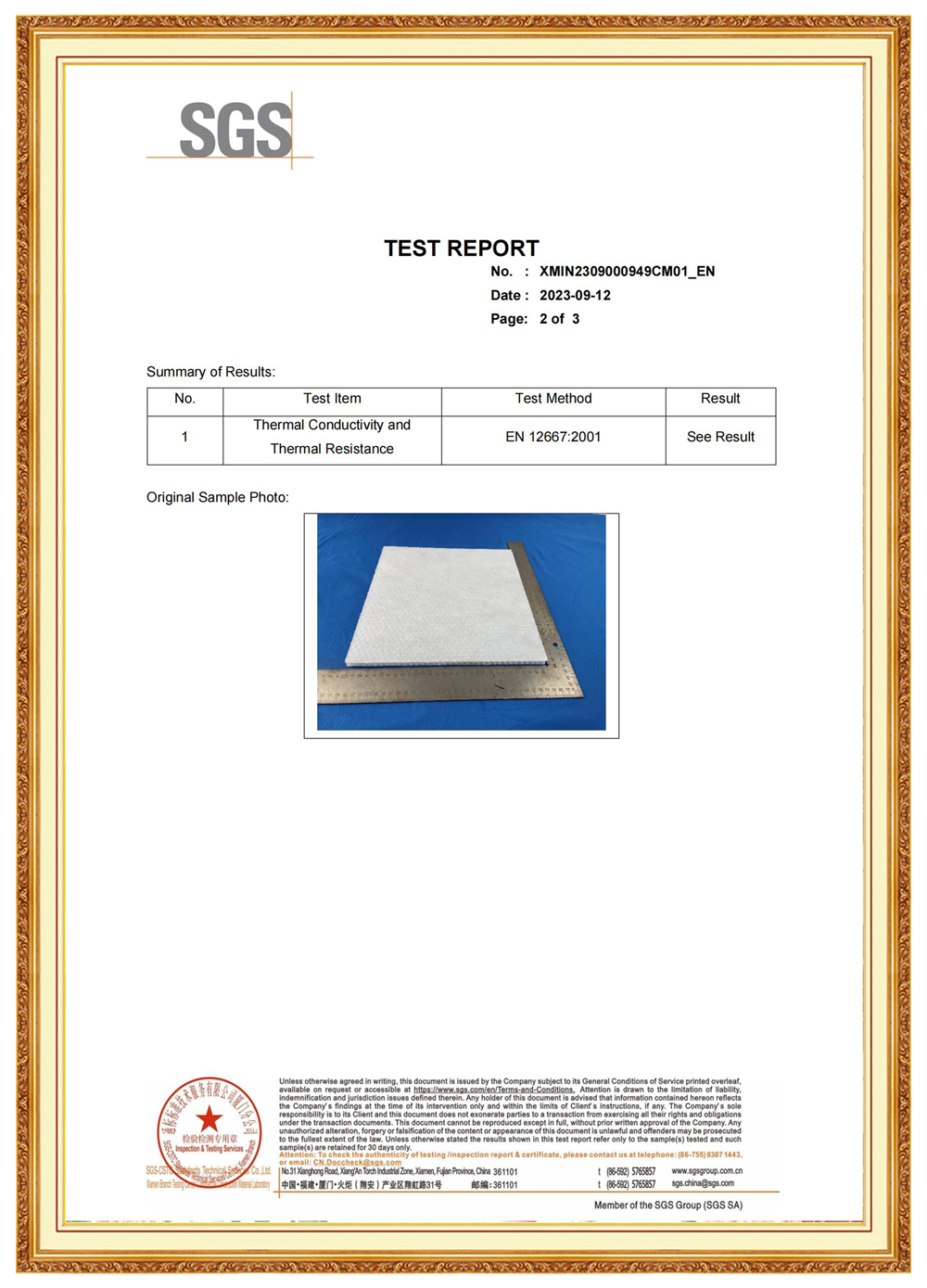
Reliability requires strict testing. Every shipment leaving China Beihai Group is subject to meticulous mechanical testing to ensure compliance with ASTM, ISO, and domestic Chinese industrial standards. This transparent approach has allowed us to secure trusted quality credentials across diverse global markets.
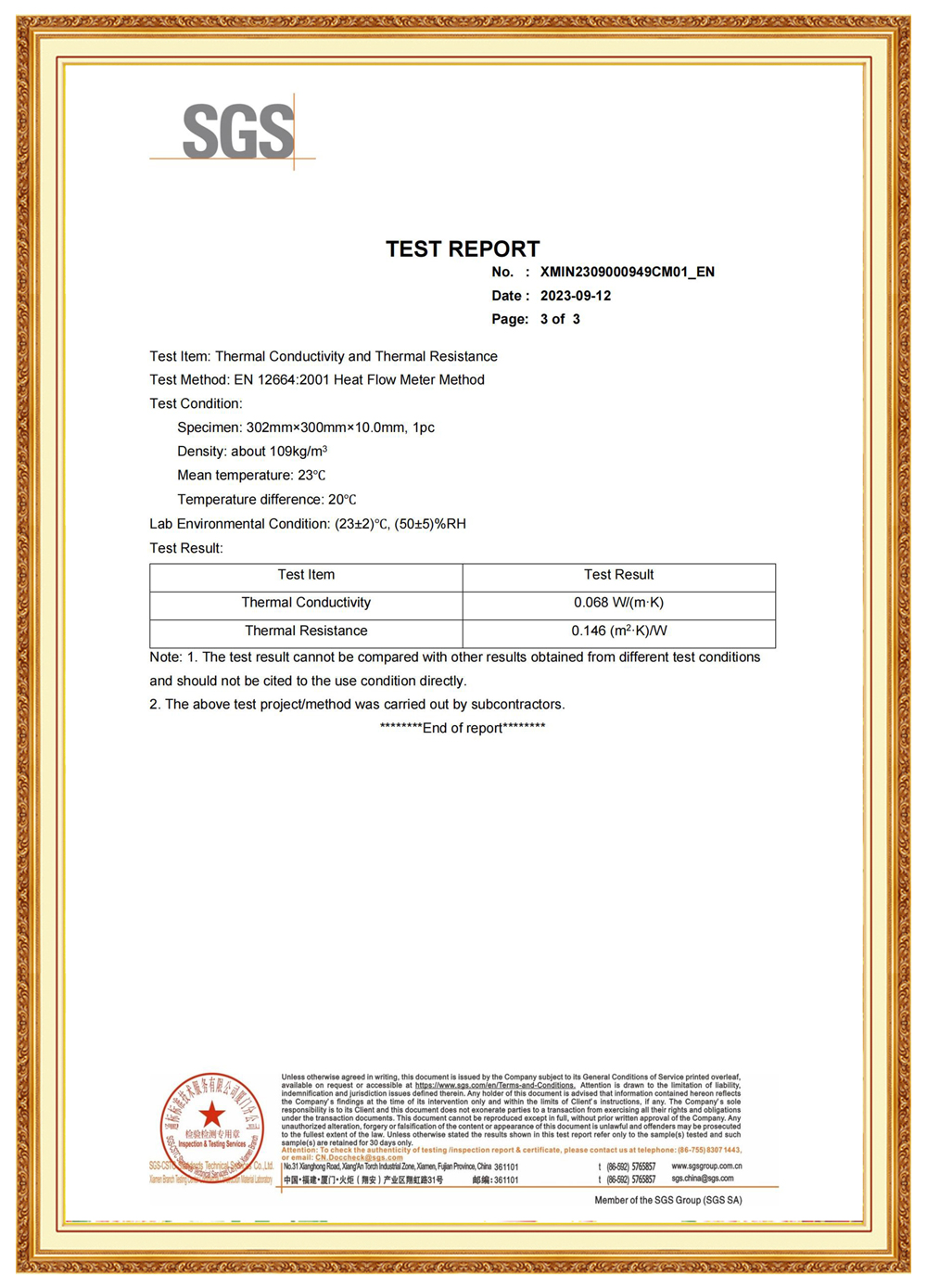

As drones slice through the sky to monitor wildfires, and intelligent robots execute repetitive tasks with precision on the factory floor, the efficient operation of this smart equipment is often underpinned by a "hardcore support". Lightweight, electro-magnetically transparent, and ultra-high-tensile composite shells have become a requirement. Today, basalt fiber has emerged as the definitive material for high-end robotic housing and defense drones.
By blending the extreme lightweight characteristics of custom basalt strands with advanced thermoforming techniques, aerospace engineers have created structural casings that not only protect sensitive electronic equipment from electromagnetic noise but also provide outstanding structural durability during intense high-speed operations.

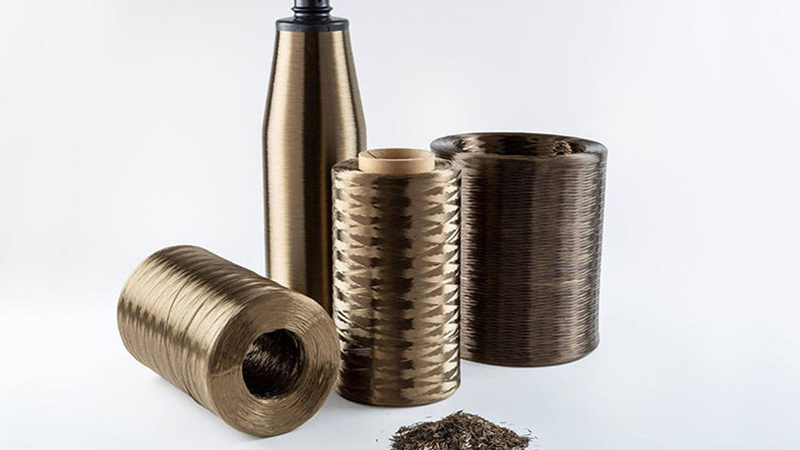
Understand the critical variables when sourcing basalt fiber chopped strands directly from China Beihai Group.
 Beihai Fiberglass