Engineered for High-Tensile Reinforcement and Thermal Stability
Strategic Insights into Material Science and Market Dynamics
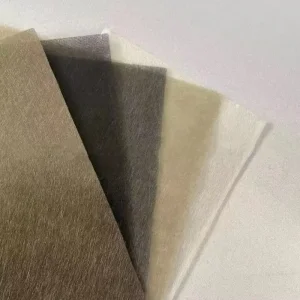
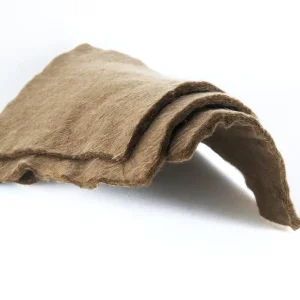
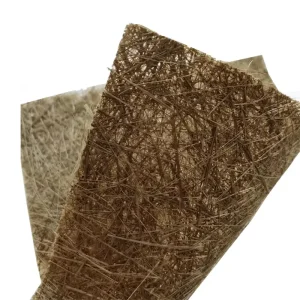
The global industrial landscape is witnessing a paradigm shift from traditional reinforcement materials like E-glass and carbon fiber toward Continuous Basalt Fiber (CBF). As a 100% natural, inorganic fiber derived from volcanic rock, Basalt Fiber Veil represents the pinnacle of sustainable high-performance materials. In 2024 and looking toward 2025, the demand for basalt fiber surfacing tissue and non-woven mats has surged, driven by the need for superior chemical resistance, fire retardancy, and electromagnetic neutrality.
Unlike glass fiber, basalt fiber possesses inherent resistance to alkaline environments, making it the "Gold Standard" for concrete reinforcement and marine engineering. Furthermore, its thermal operating range—from -260°C to +700°C—provides an information increment for engineers seeking solutions in aerospace and high-heat industrial filtration where glass fiber fails and carbon fiber is cost-prohibitive.
Currently, the global basalt fiber market is bifurcated into high-end aerospace applications and mass-market construction materials. European and North American markets are increasingly integrating basalt mats into automotive lightweighting and green building certifications (LEED). However, the bottleneck for global adoption has traditionally been "scale vs. cost"—a challenge that China's manufacturing sector has uniquely solved.
Leading the World in Basalt Fiber Production Volume and R&D
China's basalt fiber industry, led by clusters in Jiangxi and Sichuan, has achieved "vertical integration." Factories like China Beihai utilize advanced furnace technology that reduces energy consumption by 25% compared to legacy Russian or European designs. This efficiency allows for the production of highly uniform basalt fiber veils that meet rigorous international standards while remaining commercially viable for large-scale infrastructure projects.
From Civil Engineering to Deep-Sea Exploration
Used in bridge deck overlays and road reinforcement to prevent cracking and corrosion from de-icing salts.
Basalt's zero-corrosion property makes it ideal for ship hulls, docks, and offshore wind turbine blades.
Non-woven basalt mats serve as thermal shields for exhaust systems and lightweight interior substrates.
Fireproof basalt veils are critical for cabin insulation and engine compartment heat barriers.
Resistance to acids and alkalis allows basalt veils to be used in pipe wrapping and chemical storage tank linings.
High dielectric strength and low moisture absorption make it a superior alternative to E-glass in PCBs.
A High-Tech Enterprise Focusing on Performance & Reliability
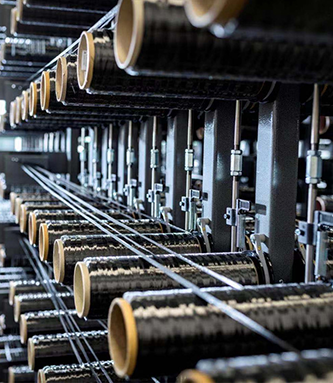
China Beihai is founded in 2015 and located in Jiujiang, Jiangxi Province. As a leading enterprise in the domestic basalt fiber industry, we focus on the research, development, and production of high-performance basalt continuous fiber and specialized production equipment.
Our Core Mission: To provide sustainable, basalt-derived solutions for global industries, ensuring that volcanic rock's infinite potential is harnessed for modern engineering.
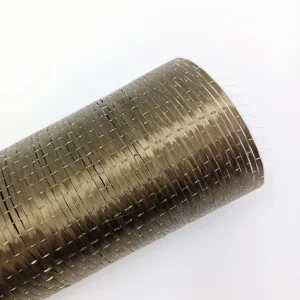
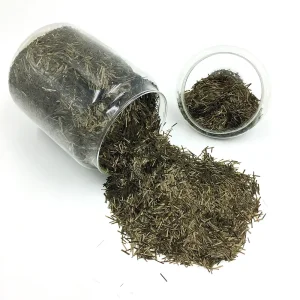
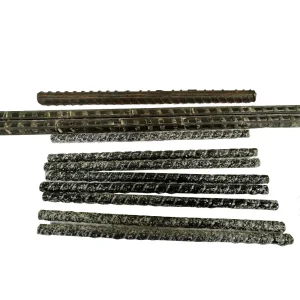
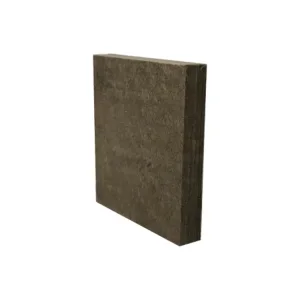
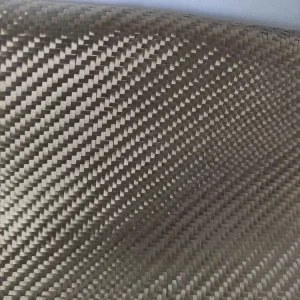
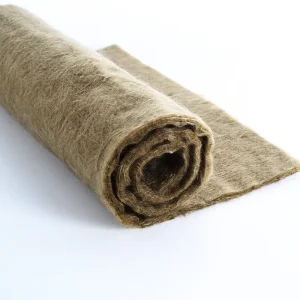
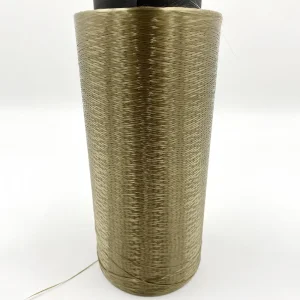
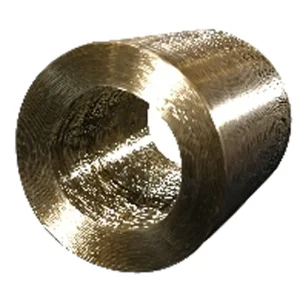
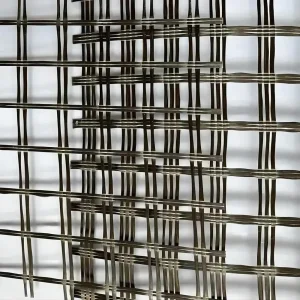
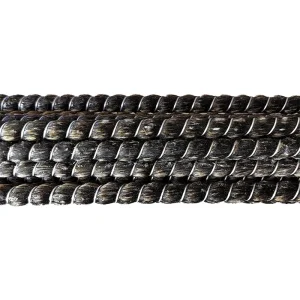
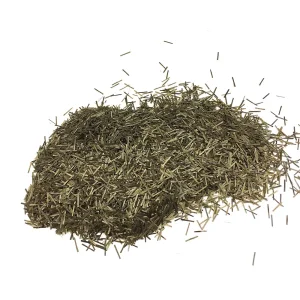
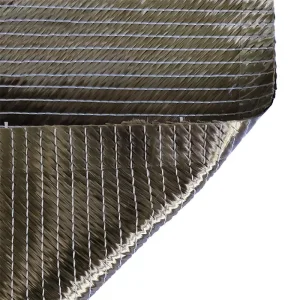
Basalt fiber mat (chopped strand mat, cloth), roving, yarn, chopped strands, rebar, sleeves, and tape. Our products are designed to meet diverse industrial needs with high-quality standards.
We deliver sustainable solutions for construction, geotechnical engineering, and manufacturing. Innovation and excellence are at our core, catering to unique client requirements globally.
Partnering with China Beihai means reliability. Backed by industry expertise, we offer best-in-class materials and construction products to forward-thinking partners.
Forecasting the Future of Sustainable Reinforcement
Expert Answers on Basalt Fiber Veil Selection and Application
Basalt fiber veil offers superior thermal stability (up to 700°C) and significantly higher alkali resistance compared to E-glass. This makes it suitable for concrete reinforcement and high-temperature filtration where glass fiber degrades.
Leading manufacturers like China Beihai implement ISO 9001 quality management systems and provide third-party testing reports (SGS/CE). We use automated tension control and uniform binder distribution to ensure consistent mat density for international standards.
Yes. Basalt fiber veils are treated with specialized silane-based sizing agents that ensure excellent compatibility and interlaminar shear strength with epoxy, vinyl ester, and polyester resin systems.
Absolutely. It is a single-component material (100% rock) produced without harmful additives. It is fully recyclable and requires less energy to produce than carbon fiber, aligning with global ESG goals.
Explore our full range of 2025 high-performance materials
As a leading China Basalt Fiber manufacturer, China Beihai Group remains committed to pushing the boundaries of material science. Our basalt fiber veils and surfacing mats are more than just raw materials; they are the foundation for a safer, more durable, and environmentally sustainable industrial future. Whether you are reinforcing a highway in North America, manufacturing aircraft components in Europe, or protecting petrochemical pipelines in the Middle East, our volcanic rock solutions provide the ultimate competitive edge.
For procurement inquiries or technical specifications, contact our engineering team to discover how our basalt products can solve your most complex structural challenges.
 Beihai Fiberglass