Engineered volcanic igneous silicate compounds optimized for deep infrastructural reinforcement, heavy chemical proofing, and localized high-density thermal containment systems.
Founded in 2015 and strategically headquartered within the technological industrial corridor of Jiujiang, Jiangxi Province, China Beihai operates as an elite, high-tech engineering group exclusively focused on the deep synthesis, fundamental mineral research, structural deployment, and manufacturing automation of high-performance continuous basalt fiber (CBF) systems.
As an industry leader in domestic and international basalt composite frameworks, the group masterfully links geological extractive control with high-precision downstream engineering outputs. Our comprehensive technical facilities supply critical operations with standardized green structural components designed for extreme environments.
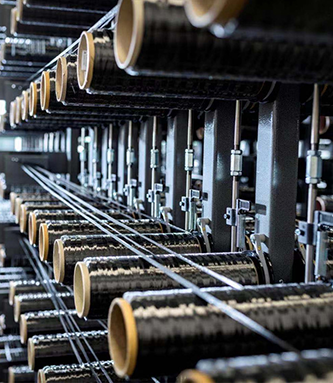
An authoritative technical evaluation detailing the geological derivation, structural physics, and thermodynamic parameters of continuous basalt rock filaments.
Continuous Basalt Fiber (CBF) is synthesized directly from selective volcanic tholeiitic basalt rock ore, carefully mined from stable cratons. The raw petro-matrix is mechanically crushed and melted in platinum-rhodium bushing furnaces at temperatures hitting 1450°C to 1600°C without structural chemical modifications. The emergent compound features a tightly cross-linked network of SiO2, Al2O3, Fe2O3, FeO, CaO, and MgO, rendering it completely inert to aggressive enzymatic or environmental decay mechanisms.
Exhibiting a specific tensile strength significantly exceeding conventional E-glass systems and competing directly with mid-tier structural carbon-polymeric fiber links, basalt fiber demonstrates an ultimate elastic modulus ranging between 85 GPa and 110 GPa. It features completely omnidirectional load dissipation properties, minimal structural elongation under stress (<3.1%), and a lightweight profile that reduces dead-load constants in deep geotechnical engineering systems.
The basalt rock configuration delivers superior long-term thermal resistance, maintaining structural shape across a massive operating range of -260°C to +700°C (with brief spikes reaching +900°C). Unlike organic polymers or ferrous metals, it is immune to intense moisture, alkaline environments, salt water, and chemical acids. This makes it an ideal core material for maritime infrastructure, deep-sea piping, and industrial fireproofing.
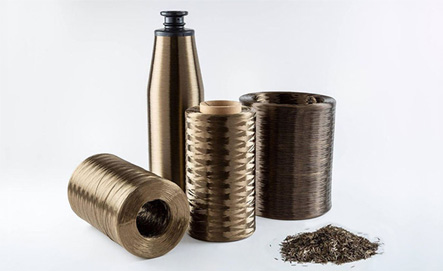
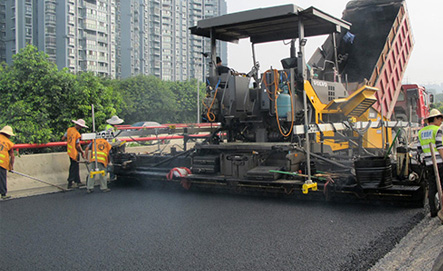
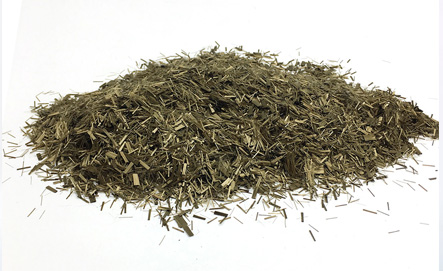
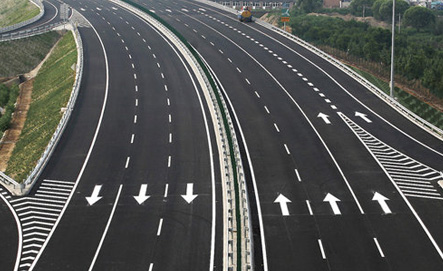
At China Beihai Group, we utilize high-precision industrial processing routines to transform raw basalt ore into ready-to-deploy architectural materials. Our structural offerings address critical challenges across the entire lifecycle of civil engineering projects.
By using direct electric-arc furnace melters coupled with computerized micro-bushing systems, our manufacturing facility yields fibers with highly uniform filament diameters (9µm to 22µm). These filaments are then treated with specialized silane coupling agents to ensure seamless integration into polymer, cementitious, or epoxy matrix systems.
A data-driven macro analysis evaluating procurement channels, environmental compliance mandates, and shifting demands across international industrial sectors.
Global procurement teams across Europe, North America, and the Asia-Pacific region are rapidly transitioning away from high-emission E-glass and carbon fiber systems. Because basalt fiber is processed entirely from single-ingredient volcanic rock using clean electrical heating, its lifecycle carbon footprint is significantly lower than synthetic alternatives. This aligns directly with strict Scope 3 industrial carbon targets and green building certifications.
Traditional steel rebar failure due to chloride penetration remains a leading cause of premature bridge and coastal highway degradation globally. Purchasing vectors show a sharp increase in the adoption of Basalt Fiber Reinforced Polymers (BFRP). These materials provide total resistance to electrochemical corrosion, eliminating the need for expensive epoxy coatings or cathodic protection systems.
International OEMs are moving away from multi-source supply chains toward consolidated manufacturers that can provide raw roving, secondary textiles, and ready-to-use structural components simultaneously. China Beihai stabilizes long-term supply agreements by offering fully integrated production lines—supplying everything from raw basalt yarn to advanced custom-molded reinforcement structures.
High-tensile, non-ferrous composite reinforcement solutions engineered to replace traditional steel in demanding concrete construction environments.
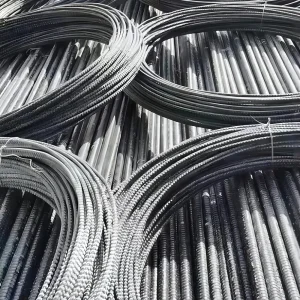
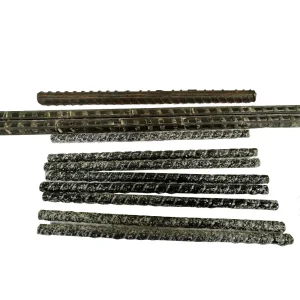
Our high-strength structural rebar serves as a premium, lightweight alternative to standard carbon steel rebar. It is engineered to deliver reliable tensile reinforcement for major infrastructure concrete projects including marine seawalls, bridge decks, highway barriers, and industrial slabs.
By blending ultra-pure continuous basalt filaments with advanced thermosetting resins through a automated pultrusion process, we produce a reinforcement element with a tensile strength up to three times that of conventional steel, at only a quarter of the structural mass.
Review Structural Spec Matrix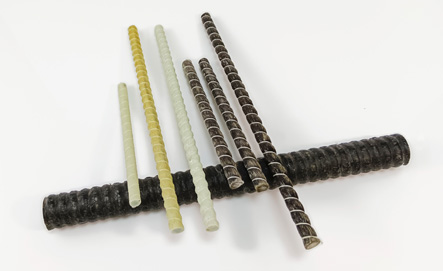
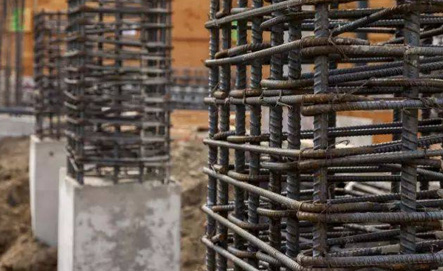
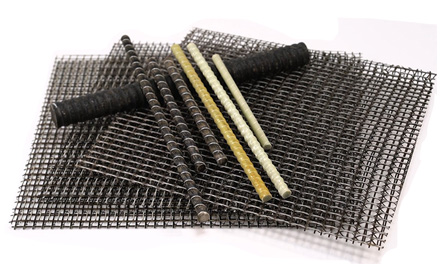
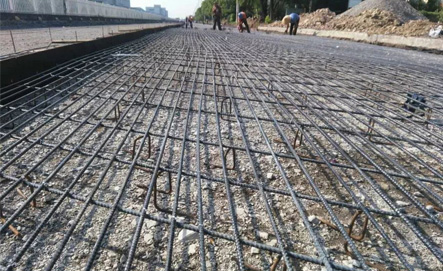
Deploying targeted basalt rock products across demanding industrial applications to solve complex engineering challenges.
Improves thin-layer concrete mortars and heavy foundations by providing excellent crack resistance, preventing moisture ingress, and maximizing structural lifespans.
Used to construct high-strength engine covers, internal fire shields, and lightweight structural components that require extreme thermal stability.
Provides highly reliable, lightweight protective structures capable of withstanding ballistic impacts and high thermal shock conditions.
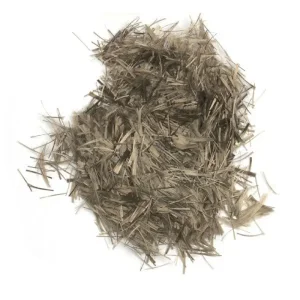
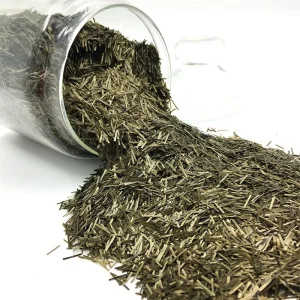
Directly introduces chopped basalt strands into concrete mixes to increase flexural thresholds and protect structures against seismic loading.
Replaces heavy steel body frames and brake pad assemblies with lightweight basalt composites, improving fuel efficiency and safety profiles.
Wraps marine piles and highway bridge supports in high-tensile basalt jackets to provide complete protection against salt-water corrosion.
Used to line chemical storage tanks and raw oil transport conduits, preventing leakage and structural failure from exposure to aggressive acids.
Utilized in ship hull reinforcement, offshore drilling platforms, and marine bulkheads to prevent degradation from continuous wave impacts.
A closer look at our specialized basalt configurations designed to meet specific engineering criteria across global heavy industries.
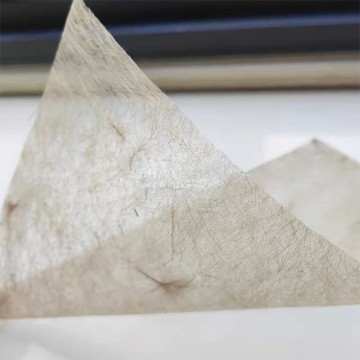
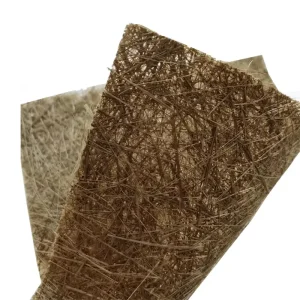
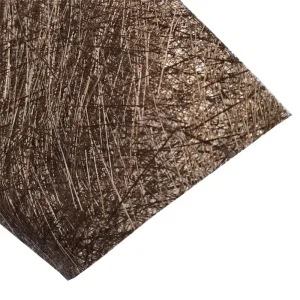
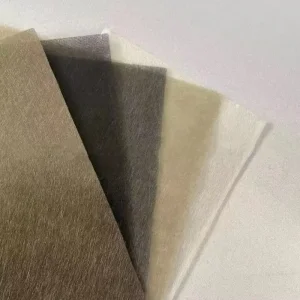
Non-woven thin sheets engineered to deliver smooth, resin-rich surface layers for fiber-reinforced plastics.
Analyze Matrix Spec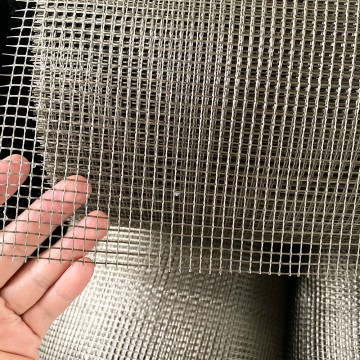
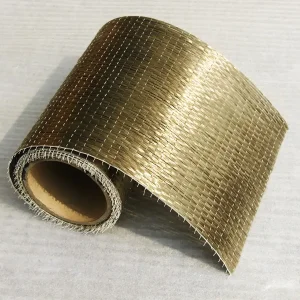
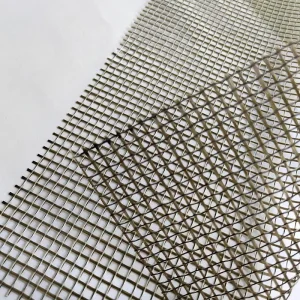
High-performance structural reinforcement grid optimized for concrete overlay and external wall plastering layers.
Analyze Matrix Spec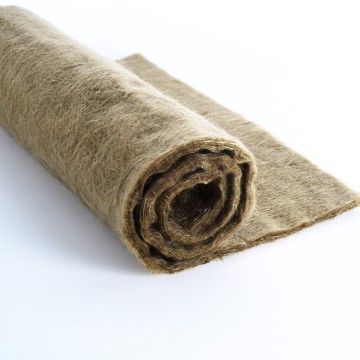
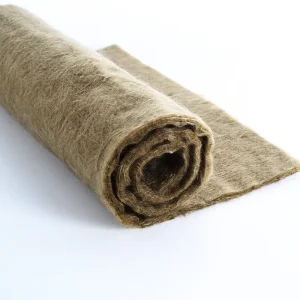
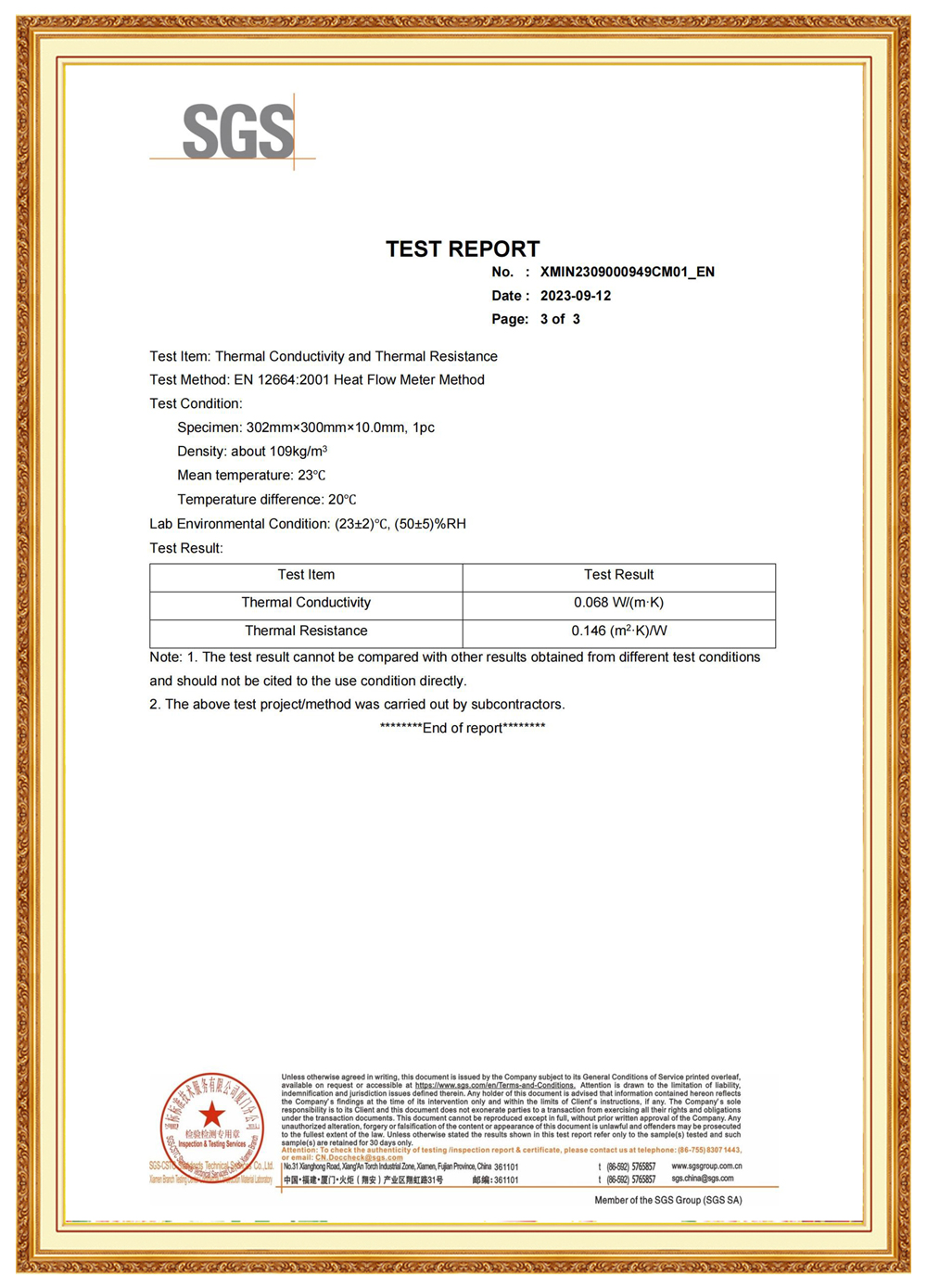
High-density, chemical-free insulation blankets manufactured via mechanical bonding of continuous filaments.
Analyze Matrix Spec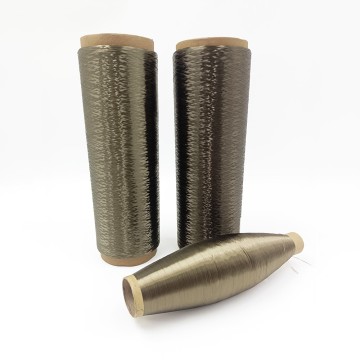
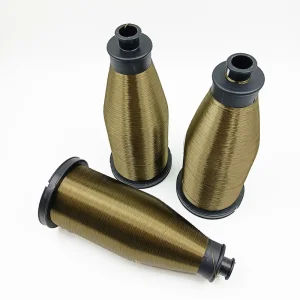
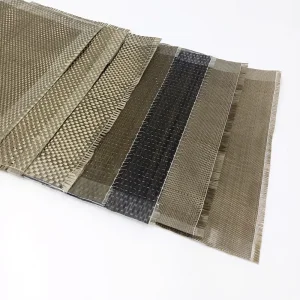
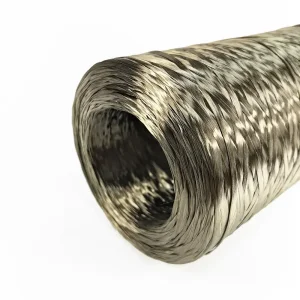
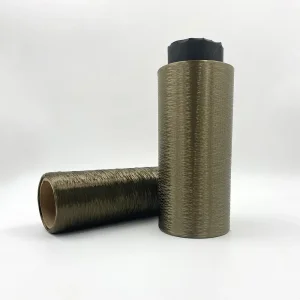
Engineered multi-filament structural yarns designed to maximize tensile capacity and processing stability during winding.
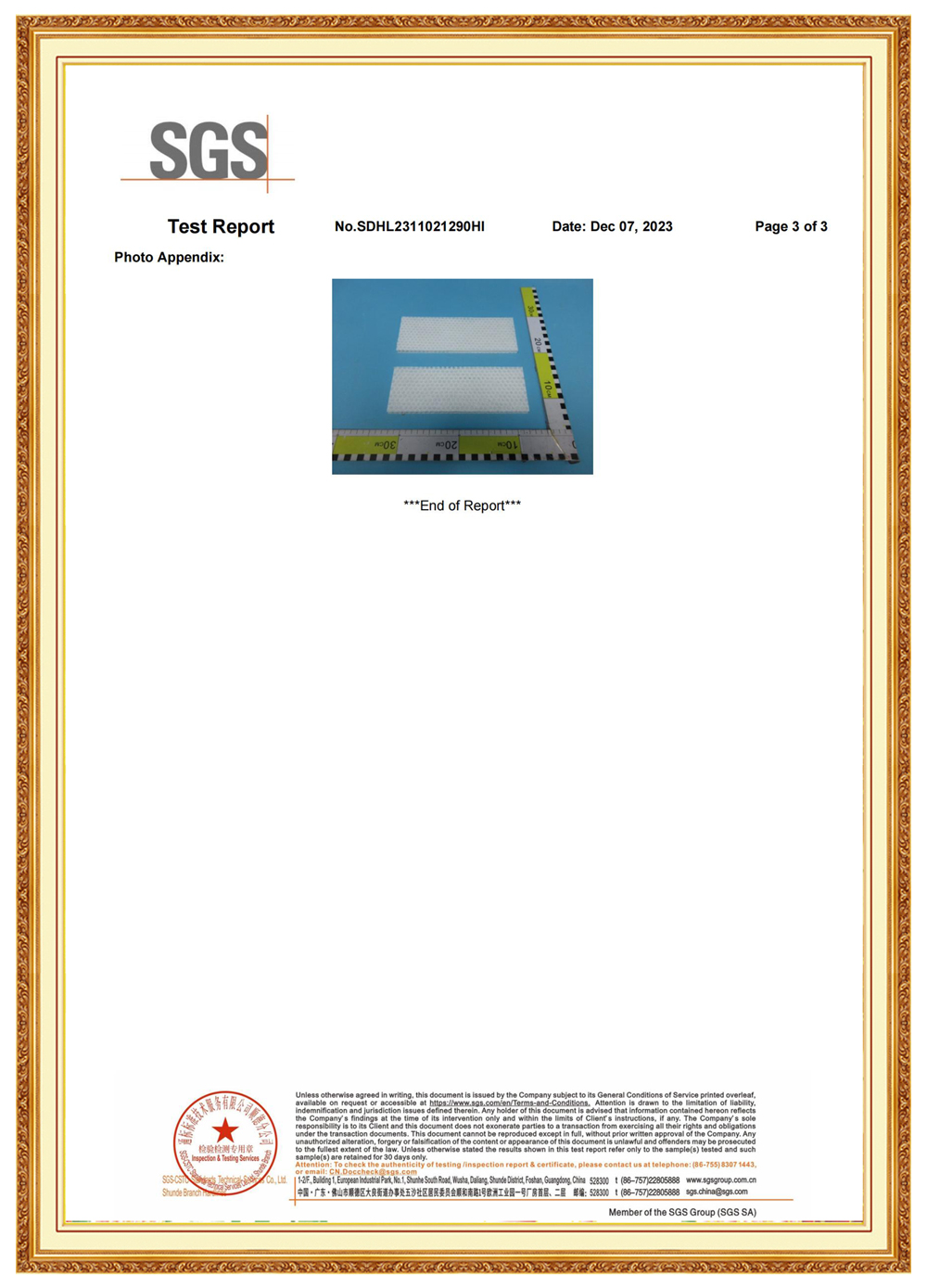
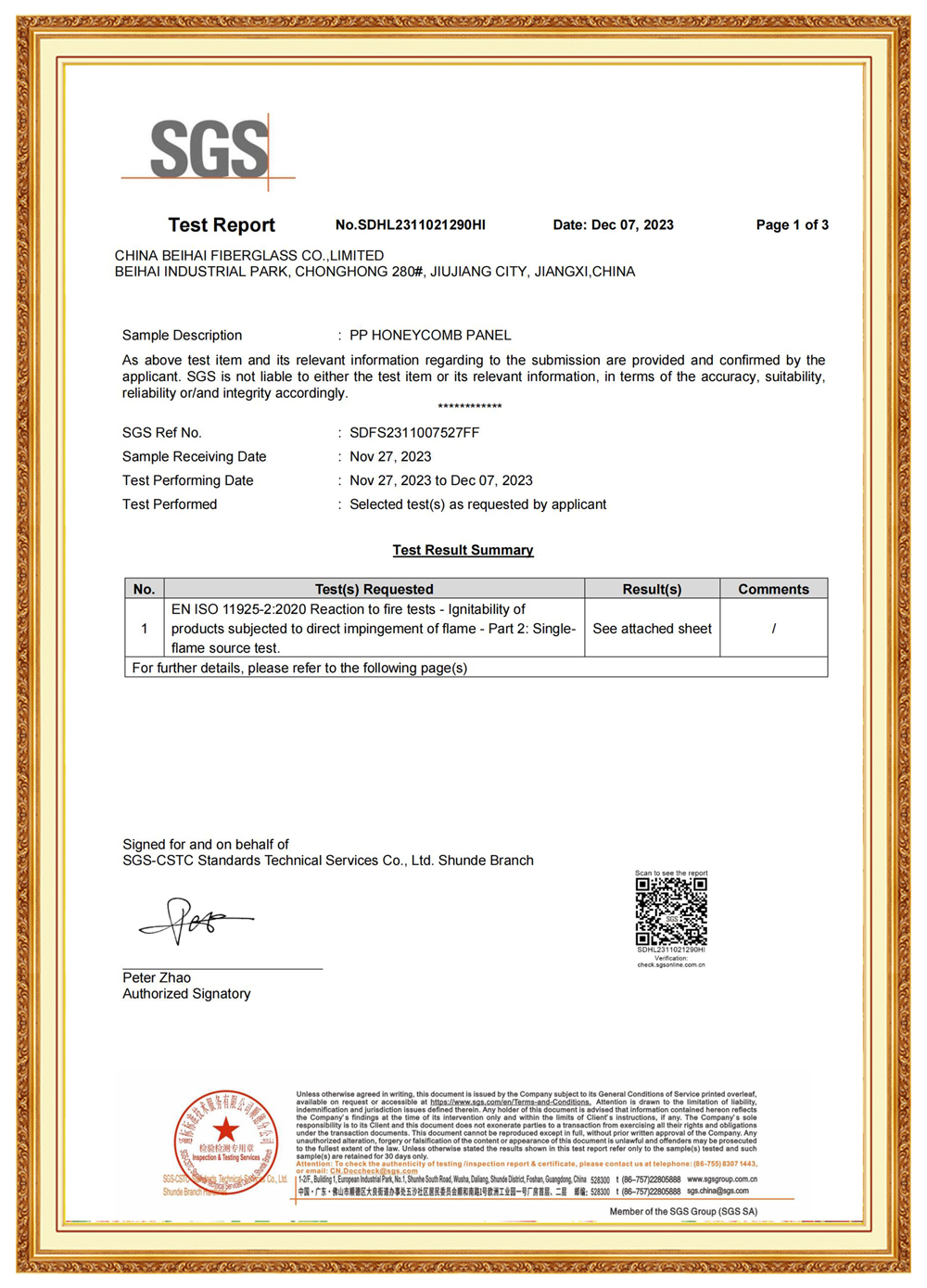
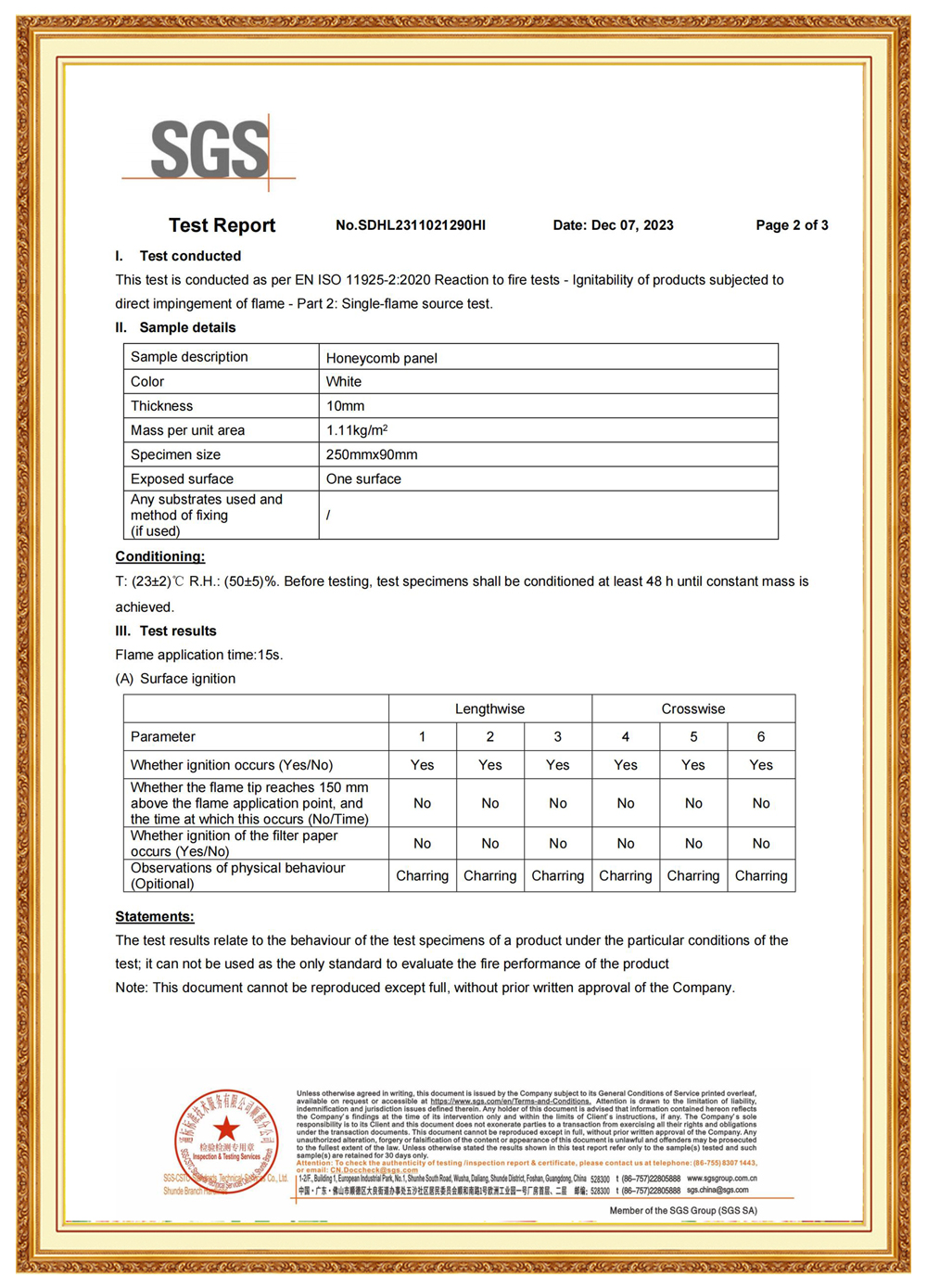
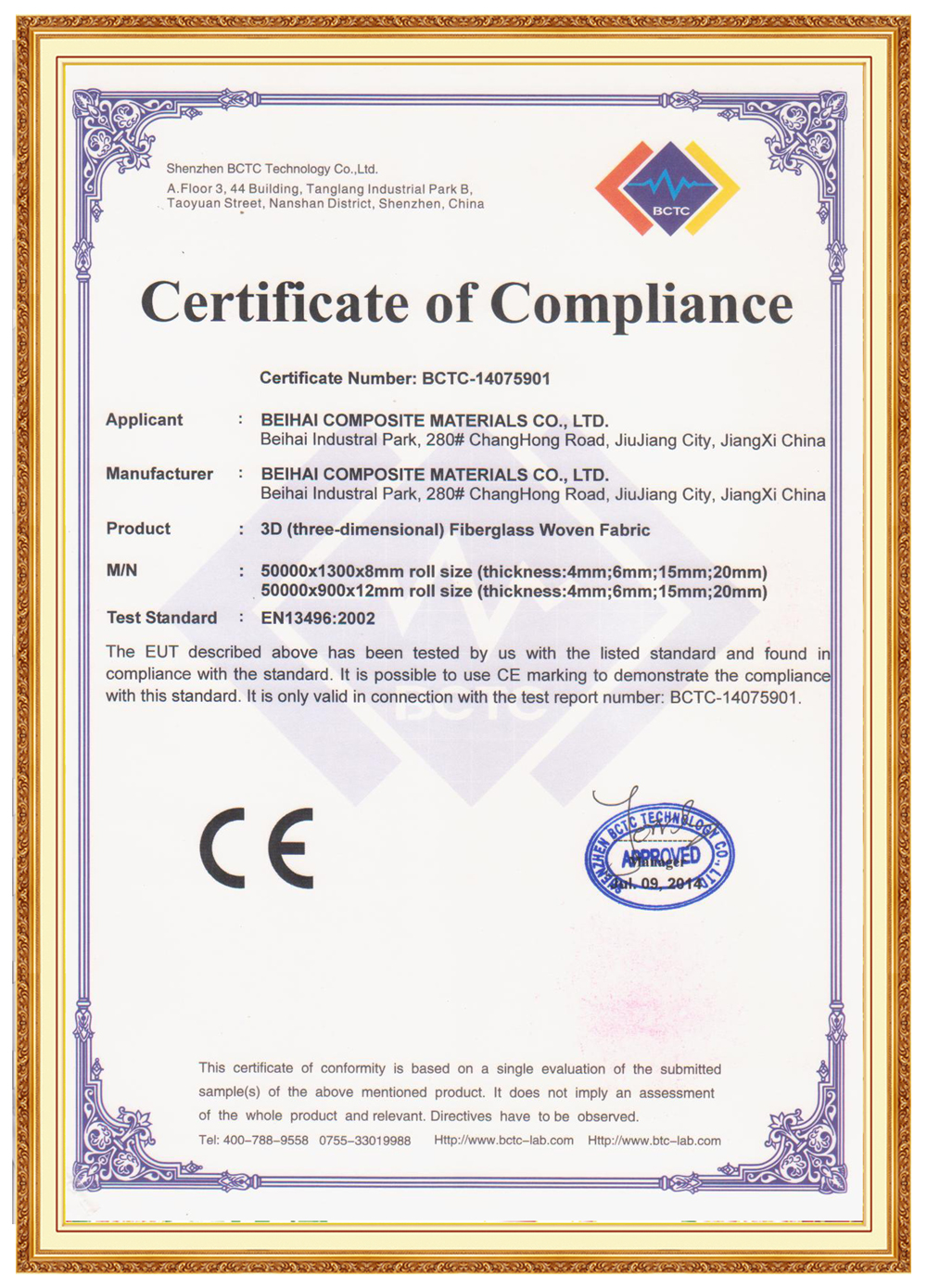
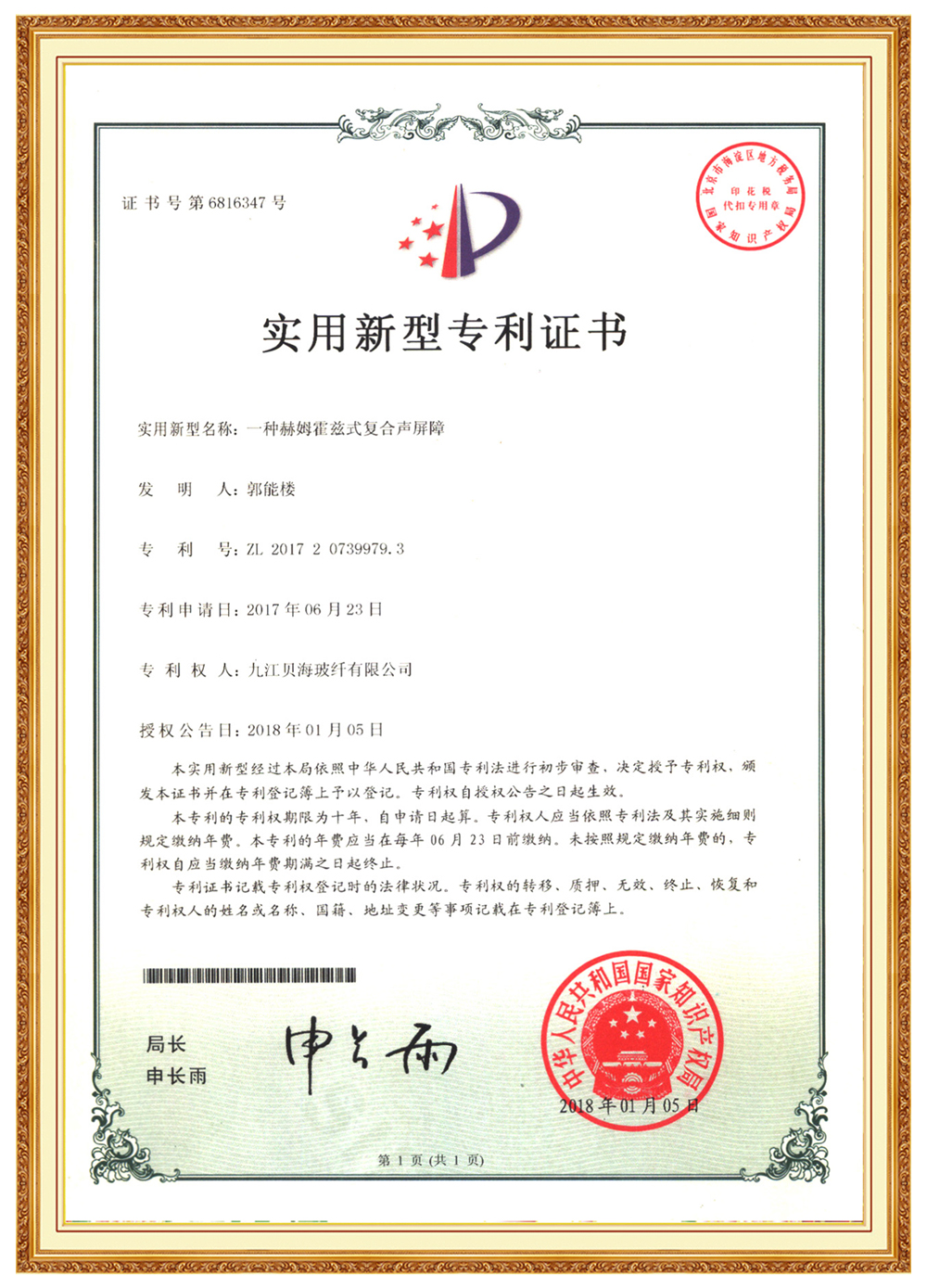
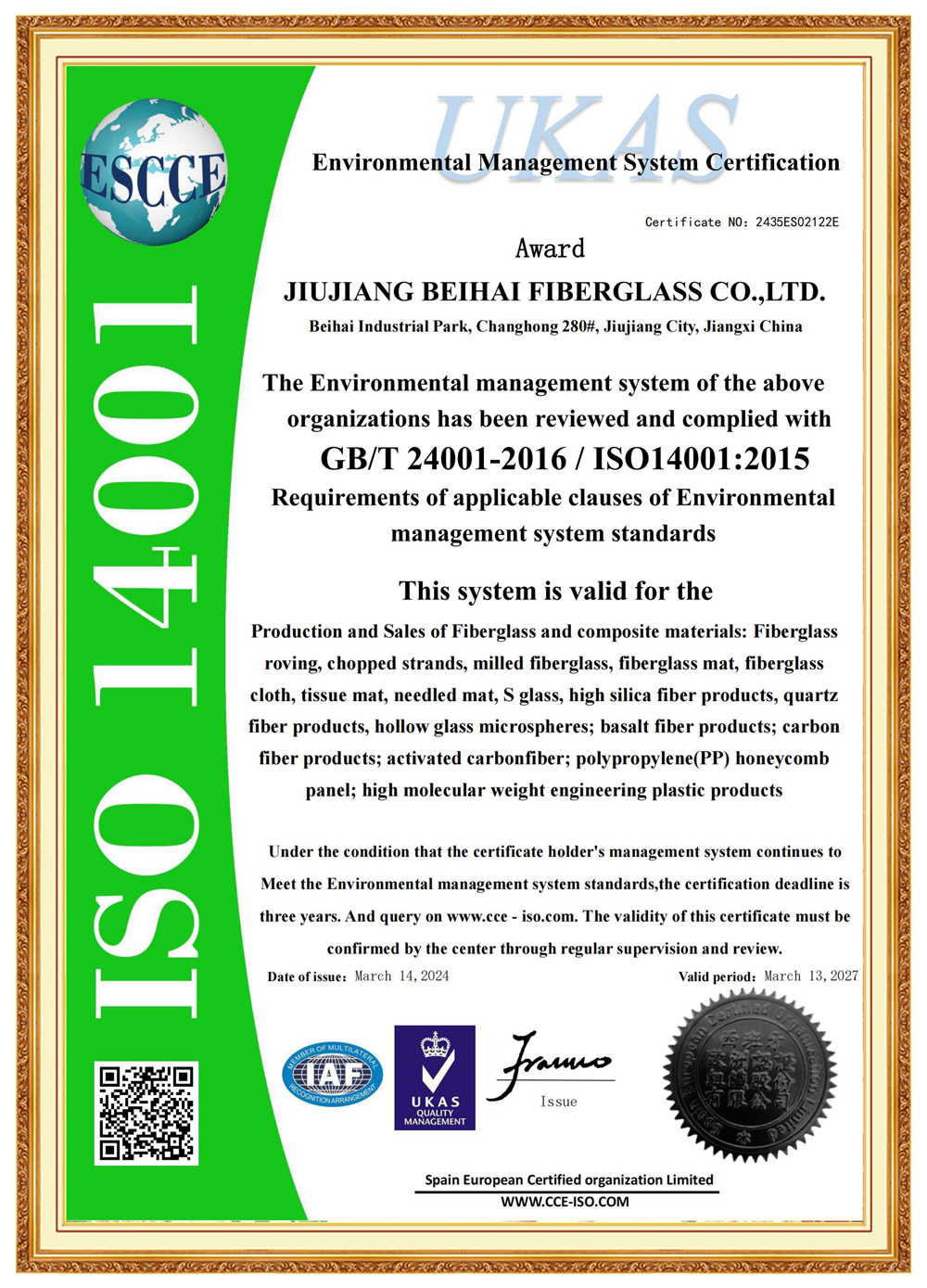
Analyze Matrix SpecOur global operations are backed by comprehensive testing protocols, material trackability, and international engineering certifications.

Stay informed on our continuous material research, engineering collaborations, and real-world project deployments across the globe.

As autonomous industrial drones monitor critical infrastructure and intelligent robotic arms perform precision tasks on automated factory floors, the reliable operation of these systems depends on heavy-duty material support. Our engineering teams have developed specialized continuous basalt fiber composite plates that deliver the ultra-low weight and high structural rigidity required to extend flight times and maximize precision across automation platforms.
Our corporate vision driving product innovation, automated furnace upgrades, and sustainable manufacturing standards through 2030.
Transitioning our core production to automated cold-top electric furnaces equipped with customized platinum-rhodium alloy bushing configurations. This upgrade will tighten structural variation to within <0.3µm, maximizing mechanical performance in critical aerospace applications.
Developing advanced sizing agents to improve compatibility with recycled thermoplastic matrices (including PP, PA66, and TPU). This initiative supports circular economy mandates across the automotive and consumer goods sectors.
Upgrading our energy infrastructure to use 100% renewable electricity for rock melting operations, building a verified zero-carbon supply chain for global construction partners.
Expert engineering answers addressing common technical inquiries regarding performance benchmarks, procurement standards, and continuous basalt fiber deployment.
Continuous basalt fiber provides significantly better mechanical performance and chemical resistance than standard E-glass. Basalt features a higher tensile elastic modulus (85-110 GPa vs. E-glass's 72 GPa), superior acid and alkali resistance, and a wider operating temperature range (-260°C to +700°C). Additionally, basalt is an eco-friendly, single-component material produced directly from natural rock without chemical additives, reducing its overall environmental impact.
Basalt Fiber Reinforced Polymer (BFRP) rebar is completely immune to chloride-induced corrosion and electrochemical degradation. Unlike steel rebar, it will not rust or expand when exposed to saltwater or moisture, eliminating concrete spalling and the need for ongoing structural repairs. This long-term stability extends the lifespan of marine and coastal infrastructure projects significantly.
Our continuous basalt fiber products are manufactured under strict quality management systems and comply with leading international test standards including ASTM D7957 for fluid exposure and mechanical properties, ISO 9001 for quality control, and various regional civil engineering mandates. Each production batch undergoes rigorous testing to verify filament diameter uniformity, tensile strength capacity, and sizing consistency before shipment.
Yes, our chopped basalt strands are treated with specialized water-dispersible sizing agents that ensure fast, uniform distribution throughout the concrete mix during automated batching. This integrated mixing creates a stable three-dimensional reinforcement matrix that intercepts micro-cracks as they form, maximizing concrete impact toughness and structural reliability.
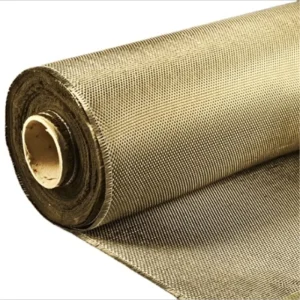
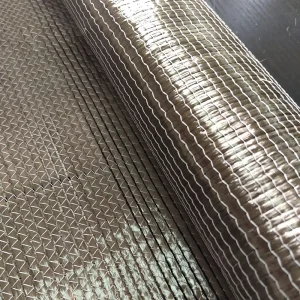
Complete secondary collection of high-performance continuous basalt fiber elements, woven fabrics, and industrial roving systems available for global freight dispatch.
 Beihai Fiberglass