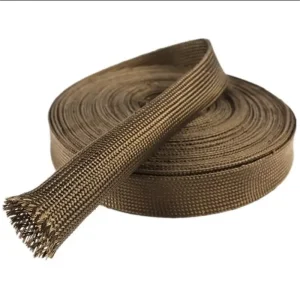
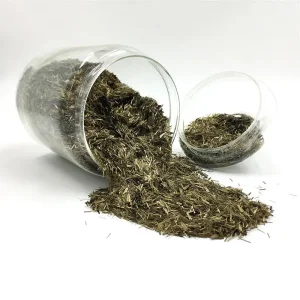
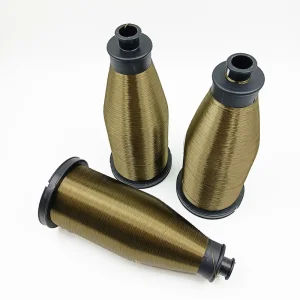
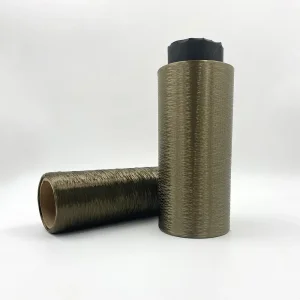
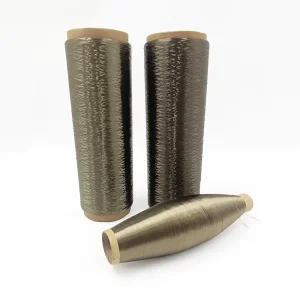
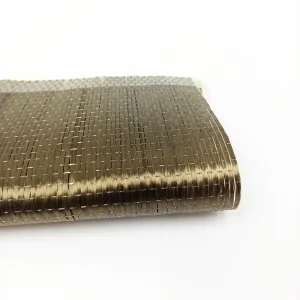
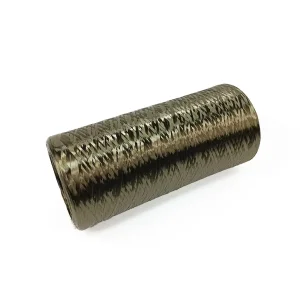
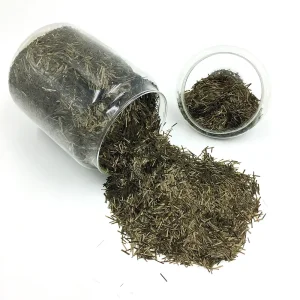
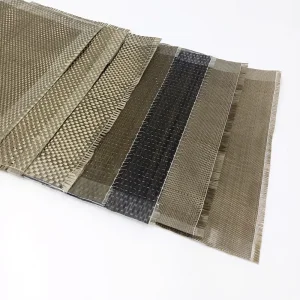
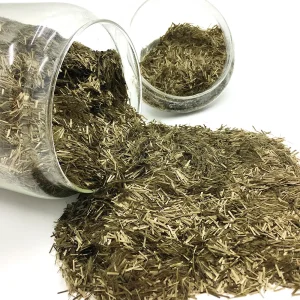
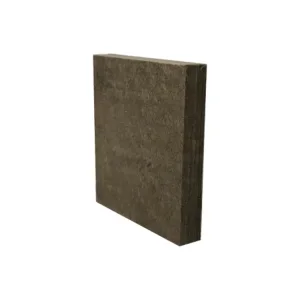
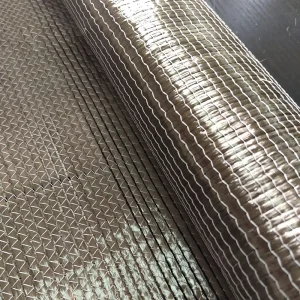
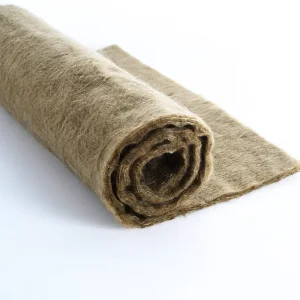
China Beihai, founded in 2015 and based in Jiujiang, Jiangxi, is a national high-tech enterprise. We lead the domestic industry in the research, development, and mass production of high-performance basalt continuous fiber and specialized production equipment.
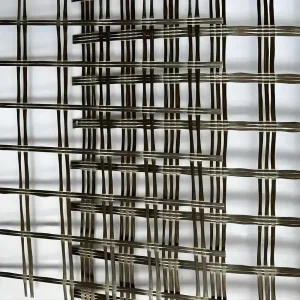
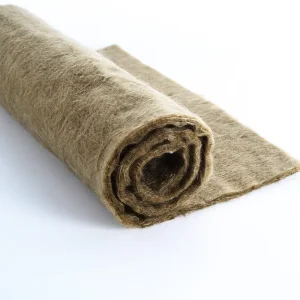
From basalt fiber tissue mats and roving to high-tensile rebar and custom mesh geogrids. Our ecosystem covers construction, geotechnical engineering, and advanced manufacturing with eco-friendly solutions.
Strategic reliability, innovation-driven R&D, and global sustainability standards. We are not just a supplier but a forward-thinking partner committed to extending structural life and reducing maintenance costs.
Technical White Paper: Efficiency, Durability, and the Future of Civil Engineering
For decades, steel wire mesh was the gold standard for concrete reinforcement. However, the industry is shifting. As a leading China Concrete Wire Mesh Manufacturer, we have observed a critical transition toward basalt fiber. Basalt, a volcanic rock, is transformed through a high-temperature melting process into continuous filaments. Unlike steel, basalt fiber is naturally resistant to alkaline environments, acids, and corrosion from salt water. This makes it the ultimate "Information Gain" for engineers working on coastal infrastructure or chemical processing plants.
Traditional steel mesh suffers from carbonization and oxidation, leading to "concrete cancer"—the internal expansion of rust that cracks structures from within. Basalt fiber mesh solves this through its inert chemical nature. With a tensile strength significantly higher than E-glass and carbon-steel, it provides a lightweight, non-conductive, and non-magnetic alternative that is reshaping modern building codes.
Global demand for basalt fiber products is surging, driven by three macro-trends: Sustainability (Green Building), Infrastructure Longevity, and Rapid Urbanization. International contractors are increasingly seeking suppliers who can provide localization support and compliance with standards like ASTM D7913 or ISO 9001.
In the EU and North America, the "Life Cycle Assessment" (LCA) of building materials is now a procurement requirement. Basalt fiber has a significantly lower carbon footprint compared to steel production, as it requires less energy and produces zero toxic waste during manufacturing. As a premier supplier, China Beihai integrates these sustainability metrics into our supply chain, ensuring our global partners meet their ESG (Environmental, Social, and Governance) goals.
Our basalt solutions are engineered for diverse high-stress environments:
Researching spacecraft shell materials and thermal protection systems using high-performance basalt filaments.
Replacing steel rebar in bridge decks to eliminate maintenance cycles and extend service life to 100+ years.
Corrosion-resistant fabric and roving used in hazardous chemical storage tanks and piping systems.
The next decade of basalt technology focuses on "Smart Fibers." We are currently developing basalt mesh integrated with fiber-optic sensors that can monitor concrete stress in real-time. This "Internet of Materials" approach allows for predictive maintenance of bridges and dams.
Furthermore, our R&D team in Jiujiang is optimizing the sizing (surface coating) of the fibers to enhance the mechanical bond between the basalt mesh and ultra-high-performance concrete (UHPC). This synergy will allow for thinner, more elegant architectural designs without sacrificing safety.
Choosing a China Concrete Wire Mesh Manufacturer means looking beyond the product. China Beihai provides comprehensive technical documentation, test reports, and engineering consultation. We understand that local building codes vary, which is why we offer custom specifications for mesh density, tensile modulus, and coating types to meet local regulatory hurdles.
Where Technology Meets Practical Engineering
Diverse applications in house construction and facade reinforcement.

Increased strength, durability, and crack resistance for large-scale projects.

Protecting structures from collisions, fire, and extreme environment corrosion.

Ideal for aircraft wings, engine components, and thermal protection.

Realizing the application of basalt fiber composites in next-gen vehicles.

Leveraging unique anti-corrosive advantages in harsh chemical environments.
Expert Insights into Basalt Fiber Integration
While the initial material cost may be slightly higher, the "Total Cost of Ownership" is significantly lower due to the elimination of maintenance, reduced transport costs (75% lighter), and extended structural life.
Yes. Basalt fiber maintains its integrity up to 700°C (1292°F) and can withstand short-term exposure to 1000°C, making it superior for fire-resistant concrete structures.
Absolutely. It is widely used in pre-cast panels to reduce weight and wall thickness while increasing impact resistance and reducing shipping costs.
No special heavy machinery is needed. It can be cut with standard tools and is much safer to handle than steel as it lacks sharp edges and doesn't conduct electricity.
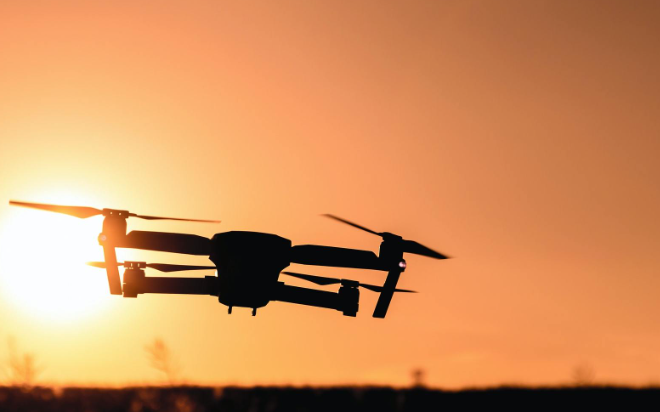
As drones slice through the sky to monitor wildfires and intelligent robots execute repetitive tasks with precision on the factory floor, the efficient operation of this smart equipment is often underpinned by a "hardcore support"—Advanced Materials. Basalt fiber is at the heart of this revolution, providing the structural integrity needed for the 21st century's most demanding engineering feats.
Our research team has successfully integrated fine process control and surface treatment technologies to make basalt fibers viable for spacecraft shell materials and high-temperature-resistant components of aircraft engines.
 Beihai Fiberglass