Industrial-Grade Continuous Basalt Fiber Rebar, Fabric, Roving, and Yarns Manufactured directly in China
An In-Depth Engineering Analysis of Continuous Basalt Fiber (CBF) in Global Infrastructure & Manufacturing
Continuous Basalt Fiber (CBF) exhibits an ultimate tensile strength exceeding 1100 to 4800 MPa depending on yarn sizing and pultrusion resin formulations. Unlike conventional structural steel, CBF maintains isotropic elastic performance under heavy dynamic load distributions without exhibiting yield degradation or permanent plastic strain under sub-critical stresses.
Basalt composites are completely non-conductive, non-magnetic, and chemically inert to aggressive chloride ion attacks, harsh alkaline concrete pore solutions (pH 12.5–13.5), and severe marine environments. This eliminates spalling, internal cracking, and catastrophic structural failures caused by traditional steel rebar oxidation.
With an operational threshold ranging from -260°C to +700°C, continuous basalt fiber structures retain structural integrity long after E-glass loses tensile strength and carbon fiber suffers thermal oxidation. They act as exceptional passive fire protection barriers for critical civil and aerospace assets.
| Performance Metric | Basalt Fiber Composite (CBF) | Carbon Fiber Composite (CFRP) | E-Glass Fiber Composite (GFRP) | Grade 60 Structural Steel |
|---|---|---|---|---|
| Tensile Strength (MPa) | 1100 - 1500 | 1600 - 2500 | 600 - 1000 | 400 - 550 |
| Elastic Modulus (GPa) | 50 - 65 | 120 - 240 | 35 - 45 | 200 |
| Density (g/cm³) | 1.9 - 2.1 | 1.5 - 1.6 | 1.9 - 2.0 | 7.85 |
| Chloride Ion Corrosion Resistance | Immune (100 Years+) | Immune | Moderate Degradation | Severe Oxidation |
| Cost-to-Performance Ratio | Optimal / High Value | High Capital Cost | Low Cost / Lower Strength | High Maintenance Cost |
| Operational Temp Range (°C) | -260°C to +700°C | -50°C to +300°C | -50°C to +380°C | -20°C to +450°C |
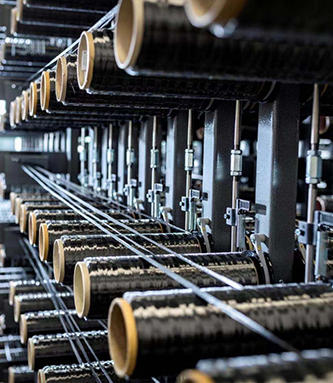
China Beihai was founded in 2015 and is located in Jiujiang, Jiangxi Province. As a premier national high-tech enterprise, China Beihai specializes in the research, development, continuous platinum-rhodium bushing furnace drawing manufacturing, and global distribution of high-performance basalt continuous fibers, structural composite reinforcement materials, and automated composite production equipment.
Recognized as a trailblazing enterprise within China's advanced basalt fiber sector, China Beihai operates multi-gigawatt continuous production lines engineered to transform raw volcanic basalt rock into high-tensile structural rovings, rebar, fabrics, chopped strands, and 3D architectural grids without ecological contamination.
At China Beihai Group, we specialize in the engineering and production of a broad spectrum of basalt fiber derivatives. Our core portfolio includes continuous basalt fiber roving, basalt fiber yarn, custom high-strength basalt rebar, basalt fiber tissue mats, chopped strand mats, woven unidirectional fabrics, 3D meshes, geogrids, as well as heat-shielding basalt fiber sleeves and high-temperature insulation tapes.
We supply turnkey structural reinforcement solutions designed to solve severe engineering challenges in ocean infrastructure, bridge deck rehabilitation, underground geotechnical stabilizing, petrochemical refining, high-speed rail transportation, automotive lightweighting, and aerospace thermal containment. Our focus is on delivering certified, eco-friendly, and durable composite innovations.
Choosing China Beihai grants structural engineers, distributors, and infrastructure developers direct access to one of Asia's most sophisticated basalt extrusion complexes. With strict ISO9001 quality controls, rigorous ASTM compliance testing, robust OEM custom manufacturing capabilities, and dedicated technical support, we ensure your infrastructure achieves maximum service life at optimal lifecycle cost.
Unveiling the Infinite Potential of Volcanic Basalt Fiber in Structural Engineering
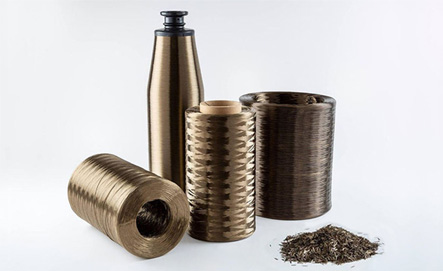
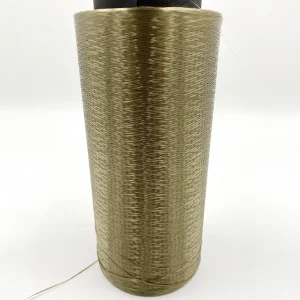
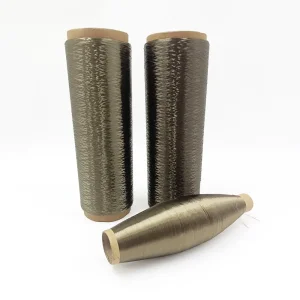
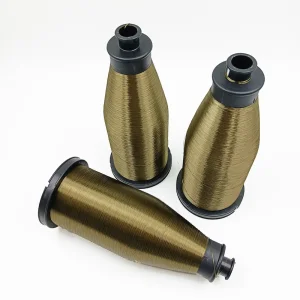
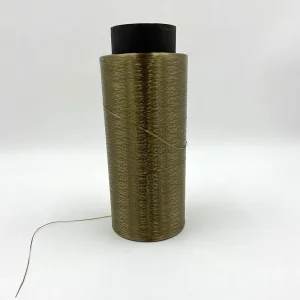
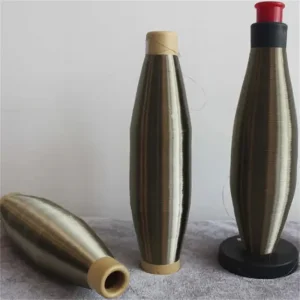
Direct continuous roving engineered for pultrusion, filament winding, and weaving processes. Features silane-based sizing agents for optimal resin matrix bonding (Epoxy, Polyester, Vinyl Ester).
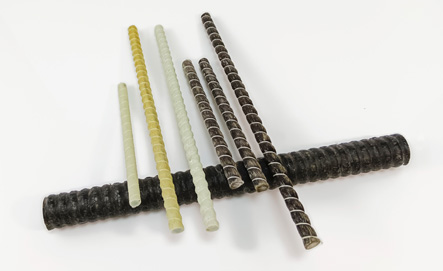
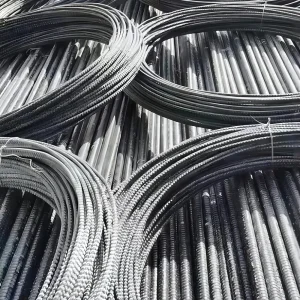
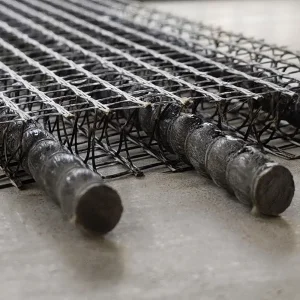
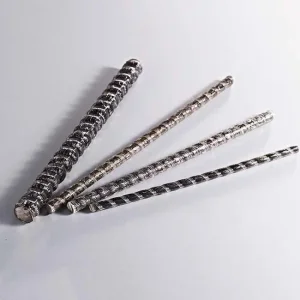
High-tensile, non-corrosive alternative to steel reinforcement bars. Engineered for concrete structures exposed to marine moisture, de-icing salts, and high electromagnetic radiation.
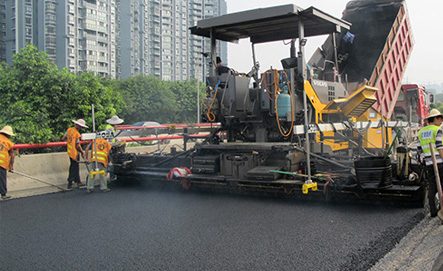
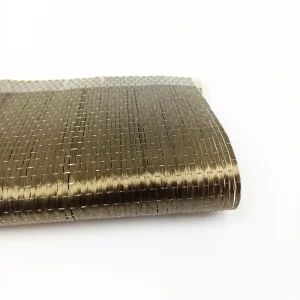
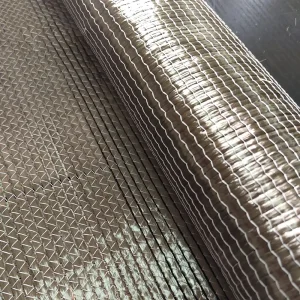
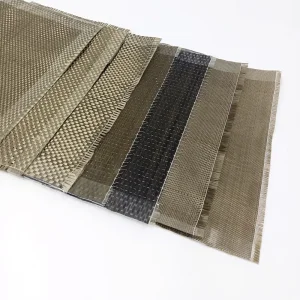
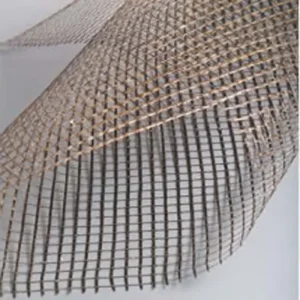
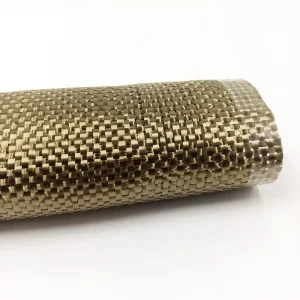
Heavy-duty 3D meshes and structural woven fabrics tailored for wall plaster strengthening, seismic retrofitting of concrete columns, and composite panel manufacturing.
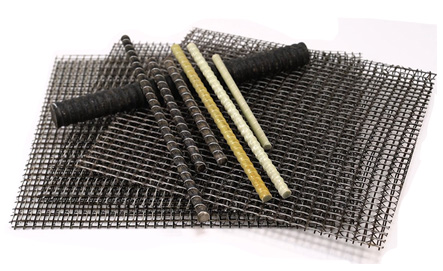
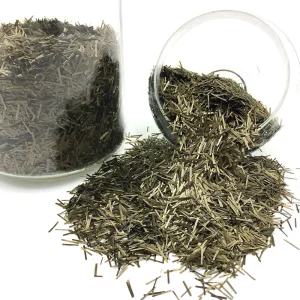
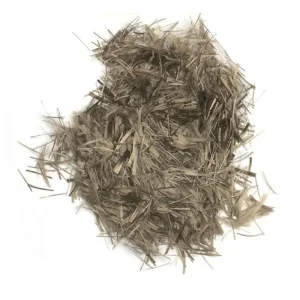
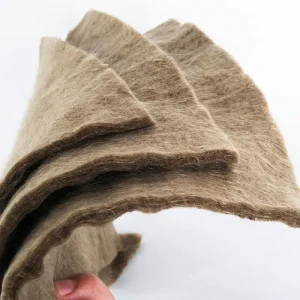
Uniformly dispersed chopped strands and non-woven mechanical needled mats for thermal insulation, fireproof acoustic barriers, and micro-crack concrete dispersion.
Engineering Impact Across Critical Infrastructure, Aerospace, Maritime, and Industrial Sectors

Improves floor slab tensile resistance, prevents thermal shrinkage cracking, and provides lifetime reinforcement for commercial, residential, and precast modular concrete elements.

Used in light aircraft wings, cargo compartment insulation liners, cabin noise-damping panels, and engine heat shields where fire resistance and low weight are critical parameters.

Enables ultra-high thermal resistance for rocket launch pad blast aprons, satellite battery thermal blankets, and high-temperature jet engine turbine duct insulation.

Basalt chopped strands and rebar increase flexural strength, dynamic impact toughness, freeze-thaw durability, and chemical resistance in heavy industrial flooring and road pavements.

Integrated into EV battery enclosures, brake pads, muffler thermal wraps, and lightweight chassis composite panels to boost vehicle energy efficiency and fire safety compliance.

Provides critical protection for bridge abutments, piers, and sea walls against vessel collision impacts, saltwater splash zone corrosion, and tidal erosion degradation.

Used to wrap high-pressure chemical transmission lines, underground storage tanks, offshore oil platform grating, and acid storage vault secondary containment systems.

Replaces heavy metallic structural parts in ship hulls, offshore wind turbine foundation jackets, floating dock pontoons, and harbor bulkheads without barnacle corrosion risk.
Pioneering Next-Generation Eco-Friendly Composites and Smart Structural Monitoring
China Beihai is actively integrating nano-silica and graphene oxide into basalt sizing agents. This advance enhances fiber-to-matrix interfacial shear strength (IFSS) by over 35%, ensuring unparalleled mechanical bond efficiency in thermo-set and thermoplastic pultrusion processes.
Basalt fiber production requires significantly less electrical energy per kilogram than carbon fiber carbonization and traditional steel melting. As a 100% natural mineral rock process with zero chemical additives during melting, basalt fiber represents the premier green building material for net-zero carbon infrastructure initiatives.
The future of civil infrastructure relies on self-monitoring smart materials. By co-weaving optical fiber sensors directly within continuous basalt rebar and geogrid meshes, China Beihai enables real-time structural health monitoring (SHM) for high-speed railway tunnels, dams, and sky-scraping towers.
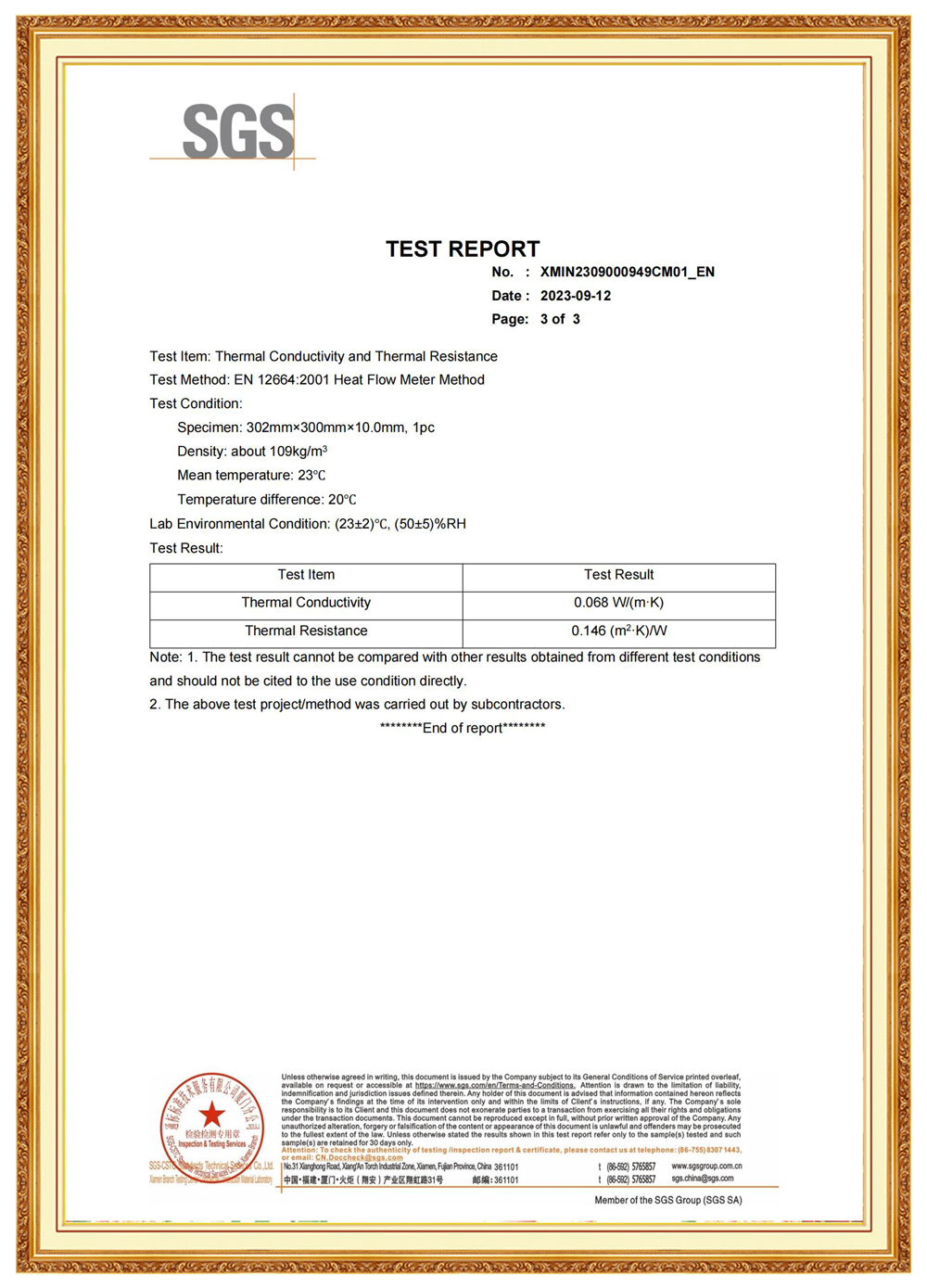
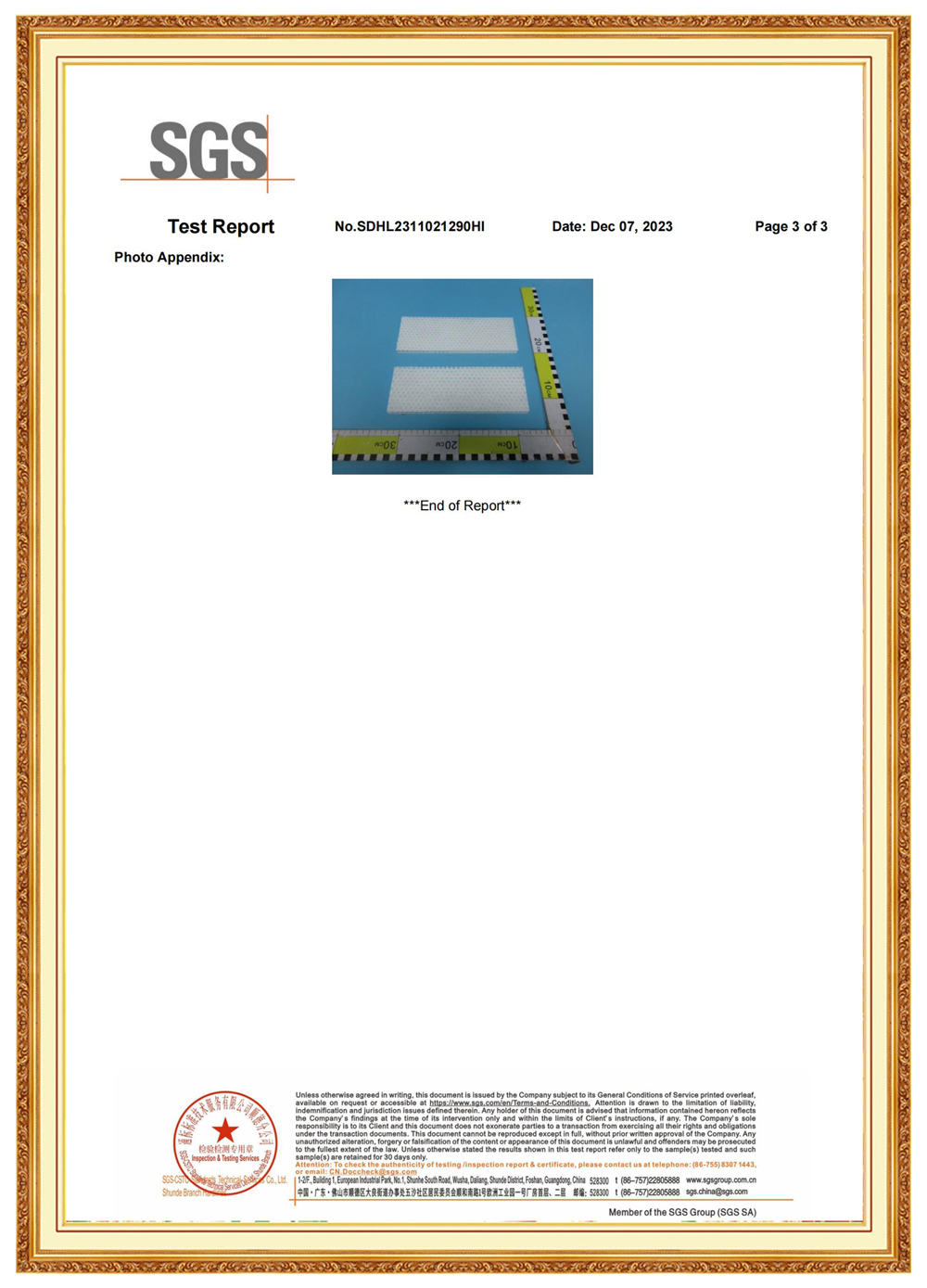
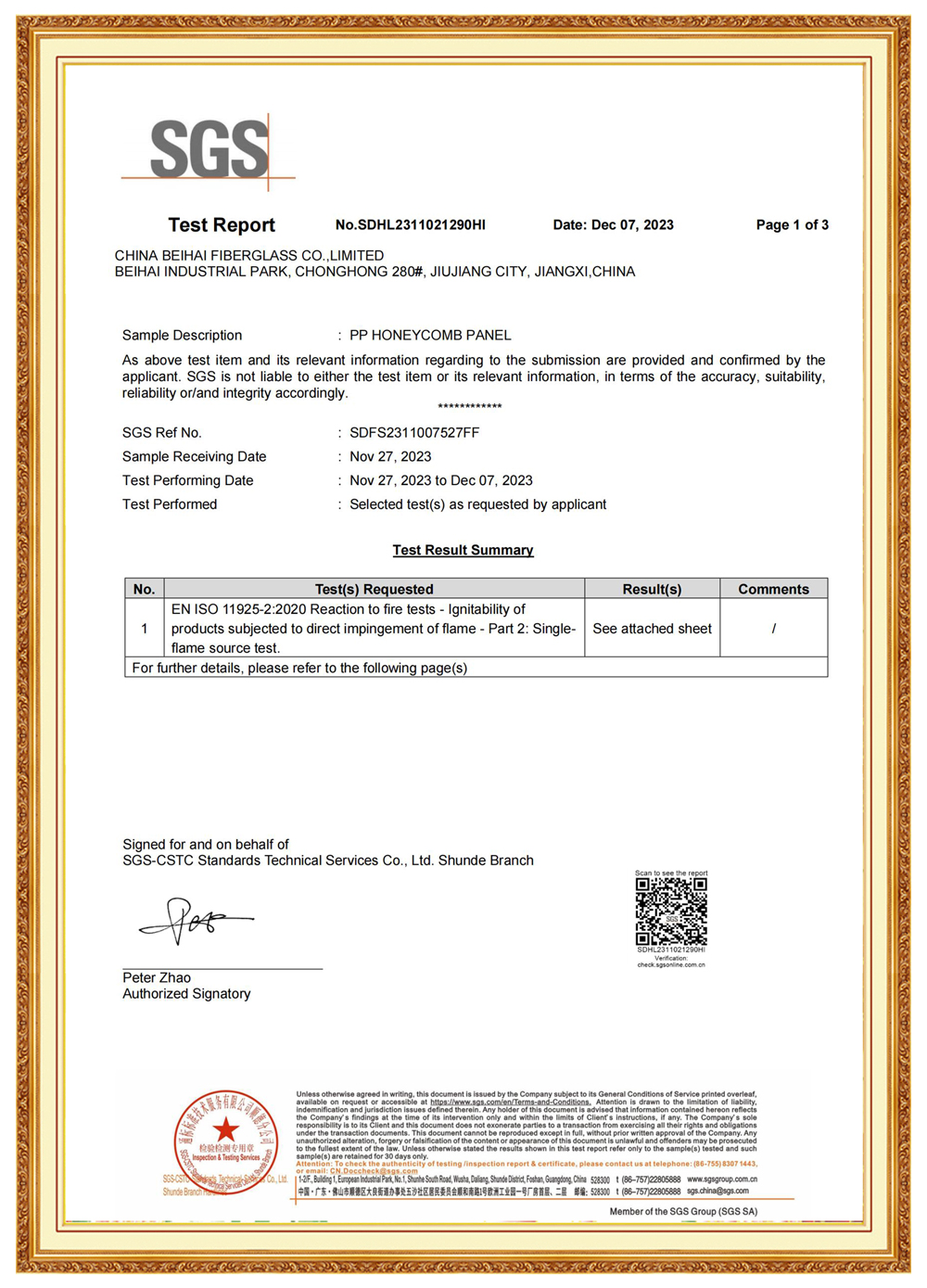
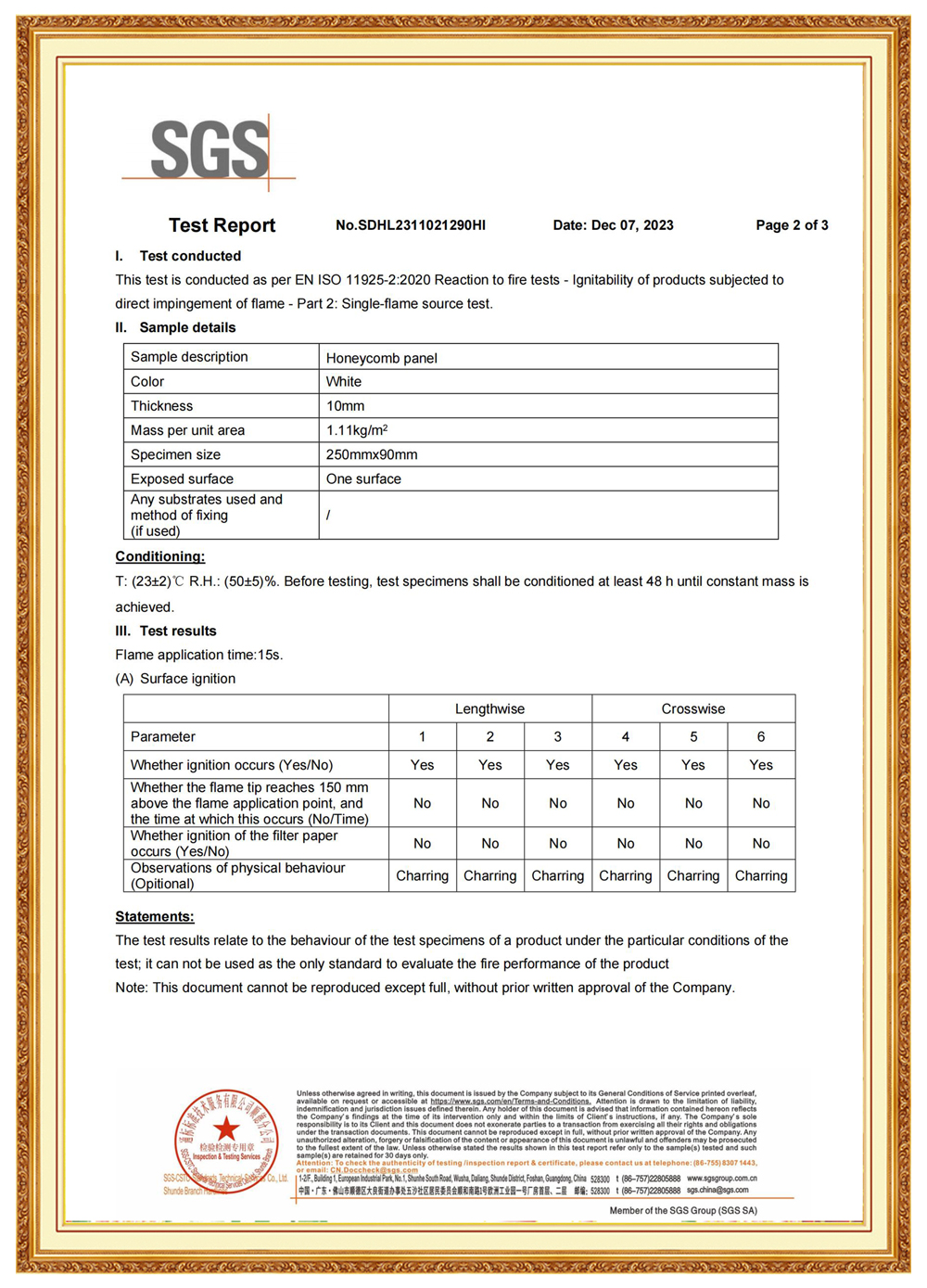
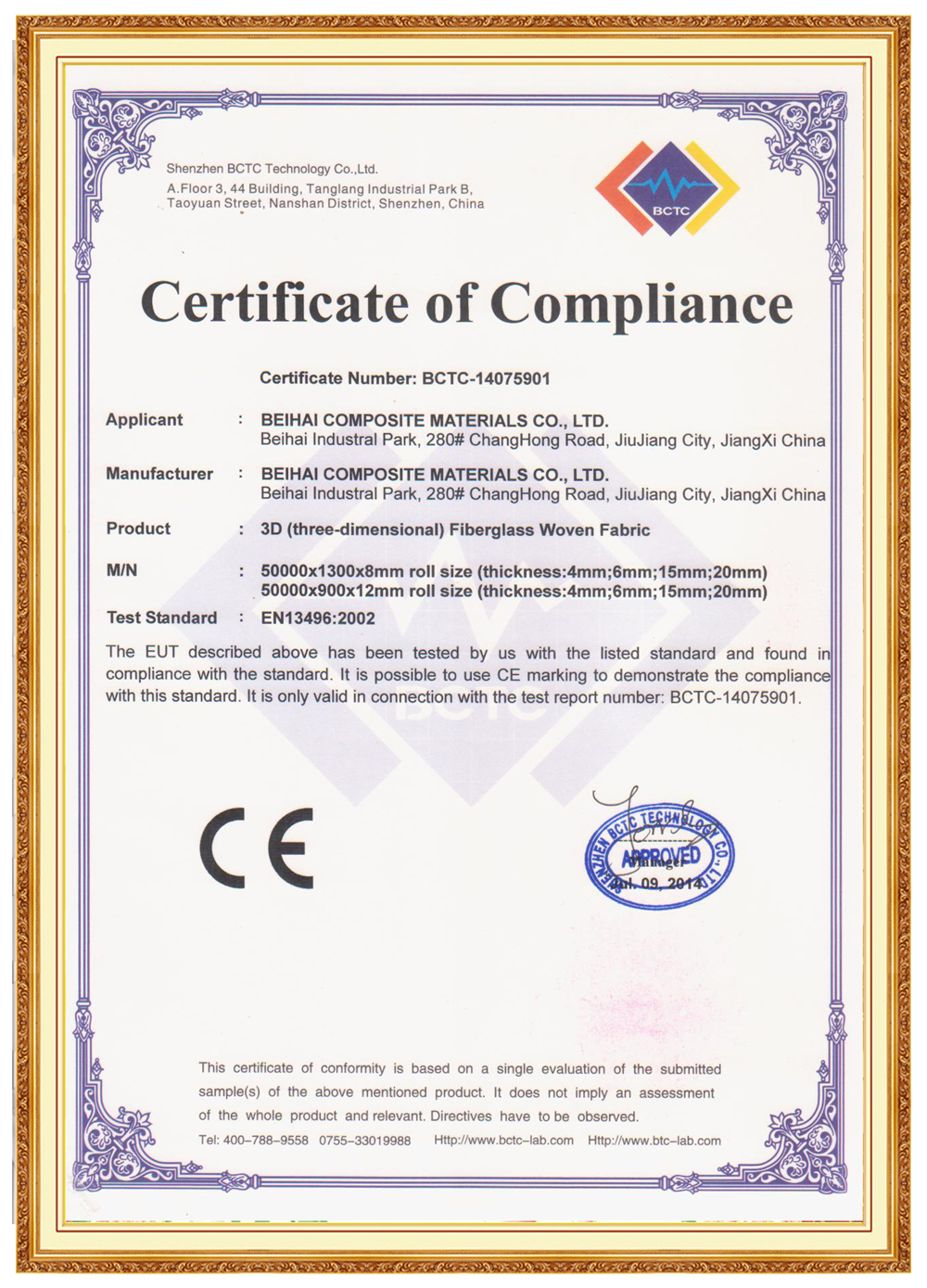
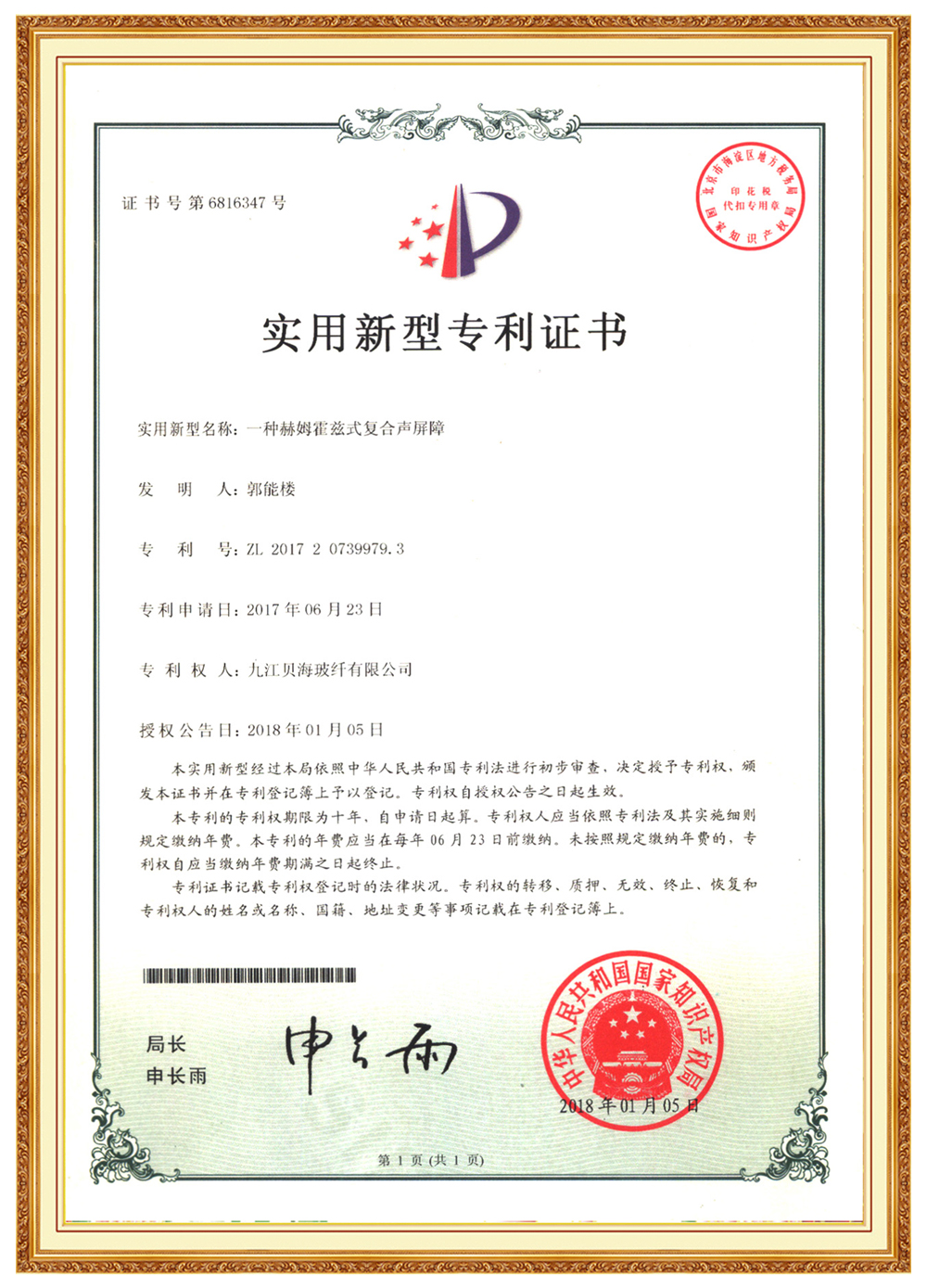
Rigorous Testing Standards Certified by Worldwide Regulatory Authorities
Stay Informed on Strategic Developments in Advanced Material Engineering

As drones slice through the sky to monitor wildfires, and intelligent robots execute repetitive tasks with precision on the factory floor, the efficient operation of this smart equipment is often underpinned by a "hardcore support"—high-performance basalt fiber composites. Discover how China Beihai is driving this transformational materials leap forward across international markets.
Technical and Commercial Clarifications for Structural Engineers, Buyers, and Contractors
Basalt Fiber Reinforced Polymer (BFRP) rebar delivers 2.5 times higher tensile strength than standard Grade 60 steel while weighing 75% less. Crucially, BFRP is completely impervious to chloride ion attacks, chemical corrosion, and moisture oxidation. This eliminates concrete spalling and structural deterioration, expanding the maintenance-free service lifespan of bridges, marine docks, and seawalls from 25–30 years to over 100 years.
Basalt fiber offers an optimal technical bridge between carbon fiber and E-glass fiber. It possesses higher tensile strength and elastic modulus than E-glass, significantly superior alkali and thermal resistance, and costs substantially less than carbon fiber. It is the most cost-effective continuous fiber option for heavy civil infrastructure, road reinforcement, and passive fireproofing.
Because BFRP rebar is a thermoset polymer composite material, it cannot be bent cold on-site after curing. Standard structural bends, stirrups, and custom corner angles are factory-pultruded and heat-cured at China Beihai according to project engineering drawings. Straight lengths can easily be cut on-site using standard diamond blade saws.
China Beihai's continuous basalt fiber fabrics and non-woven mats maintain structural stability across extreme temperature ranges from -260°C to +700°C. They do not melt, drop, or emit toxic fumes when exposed to open flame, making them superior for fireproofing shields, furnace insulation, and aerospace heat protection barriers.
When uniformly mixed into wet concrete matrices at recommended dosage rates, microscopic basalt chopped strands create a 3D structural network. This matrix arrests early-stage micro-shrinkage cracks, increases flexural toughness, enhances energy absorption under dynamic impact loads, and dramatically improves freeze-thaw spalling durability.
Our manufacturing facilities operate under strict ISO9001 quality management systems. China Beihai basalt rebar, rovings, and fabrics comply fully with international standards including ASTM D7957 (for FRP rebar), ASTM D3039 (for tensile properties), CE structural requirements, and relevant GB national standards for composite reinforcements.
Discover Full Product Series Direct from China Beihai Manufacturing Hub
 Beihai Fiberglass