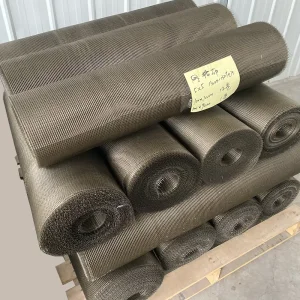
High-tensile reinforcement for alkali environments.
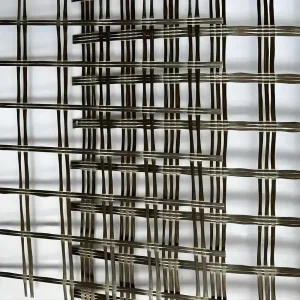
Structural earthwork and road stabilization.
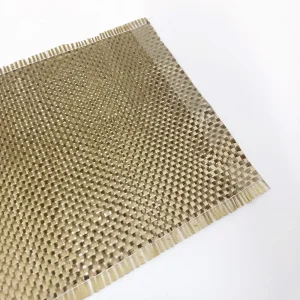
Repair and reinforcement for masonry structures.
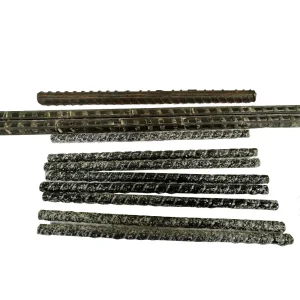
The ultimate anti-corrosion alternative to steel.
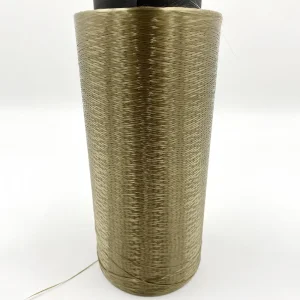
Continuous filaments for pultrusion and filament winding.
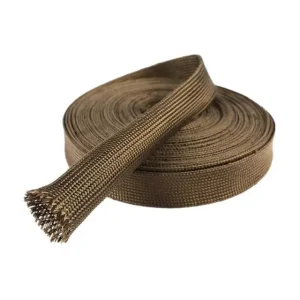
Protection for wires in high-temperature zones.
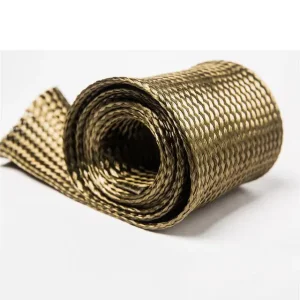
Engineered for thermal management up to 700°C.
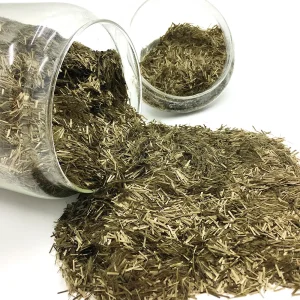
Crack-resistance for concrete and mortars.
In the era of the Global Energy Transition and Net-Zero Carbon targets, the material science industry is shifting away from carbon-intensive steel and energy-heavy carbon fiber. Volcanic Fiber Tubes (commonly known as Basalt Fiber Tubes) represent the pinnacle of this transformation. Derived from natural volcanic rock through high-temperature melting and extrusion, this material offers an 80% lower carbon footprint than traditional high-performance alloys.
Globally, the market for volcanic fiber composites is projected to grow at a CAGR of 12.5% through 2030, driven by the demand for light-weighting in EVs and corrosion-free civil infrastructure in coastal regions.
Solving the "Silent Crisis" of concrete cancer. Volcanic fiber reinforcement does not rust, extending the lifespan of bridges and piers by over 50 years compared to carbon steel.
High thermal stability and vibration damping properties make volcanic fiber tubes ideal for structural frames and protective ducting in high-altitude environments.
In acidic or saline environments, volcanic fiber tubes maintain structural integrity where PVC or steel would fail due to chemical erosion or oxidation.
Choosing a Volcanic Fiber Tube factory requires an understanding of the molecular superiority of Basalt. Unlike E-glass, volcanic fiber contains complex oxides (Fe2O3, TiO2) that provide natural resistance to ultraviolet radiation and biological degradation.
Our manufacturing process adheres to global standards including ASTM D7913 for bond strength and ISO 9001:2015 for quality management. For our partners in Europe and North America, we provide full REACH and RoHS compliance documentation, ensuring that our volcanic fiber products meet the strictest environmental and safety regulations.
China Beihai was founded in 2015 and is located in Jiujiang, Jiangxi Province. We are a high-tech enterprise focusing on the research, development, production, and sales of high-performance basalt continuous fiber and its production equipment manufacturing. As a leading enterprise in the domestic basalt fiber industry, we are dedicated to bridging the gap between natural resources and advanced industrial applications.

At China Beihai group, we specialize in the production of a wide range of products including basalt fiber mat (Basalt fiber chopped strand mat, Basalt fiber cloth), basalt fiber roving, basalt fiber yarn, basalt fiber chopped strands, and basalt fiber products (Basalt Fiber rebar, basalt fiber sleeves, and tape). Our products are designed to meet the diverse needs of various industries, providing high-quality solutions for our customers.

We are dedicated to delivering sustainable solutions for industries such as construction, geotechnical engineering, and manufacturing. With a commitment to innovation and excellence, we strive to cater to the unique requirements of our clients by offering a comprehensive selection of basalt-derived products.

Choosing to work with China Beihai means working with a leading manufacturer. Our commitment to quality, innovation, and sustainability sets us apart. When you partner with us, you can trust that you are working with a reliable and forward-thinking partner. A thought supplier for all your basalt product needs.
Our R&D team is currently pioneering the "Nano-Enriched Volcanic Fiber" project, which aims to integrate graphene into the basalt melting process to increase electrical conductivity and further enhance structural strength by 25%. By 2026, China Beihai intends to launch a fully automated, AI-driven pultrusion line that will reduce Volcanic Fiber Tube pricelists by 15% through operational efficiency.
Key milestones:
Volcanic fiber offers approximately 80-90% of the performance of carbon fiber at only 30-40% of the cost, making it the most cost-effective solution for large-scale industrial projects.
Yes. It is made from 100% natural volcanic rock. There are no chemicals added during the melting process, and the energy consumption is significantly lower than that of steel or glass fiber production.
Absolutely. Their natural resistance to acids, alkalis, and salts makes them superior for piping and ducting in petrochemical plants and wastewater treatment facilities.
Standard quotes are provided within 24 hours. Custom specifications for Volcanic Fiber Tubes usually take 3-5 business days for a comprehensive technical and commercial proposal.
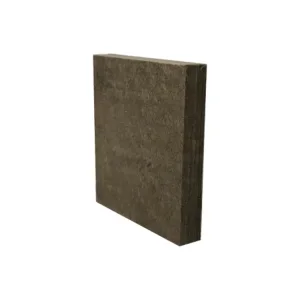
Rigid panels for thermal and acoustic insulation.
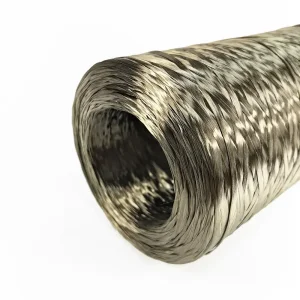
Heavy-duty filaments for building infrastructure.
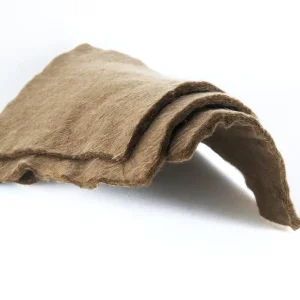
Mechanically bonded non-woven for high heat shielding.
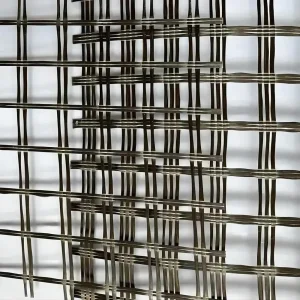
Optimized for road reinforcement and crack prevention.
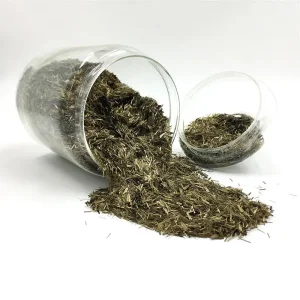
Improving ductility and impact resistance of precast products.
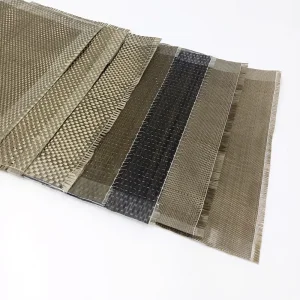
Industrial grade fabric for safety curtains and composites.
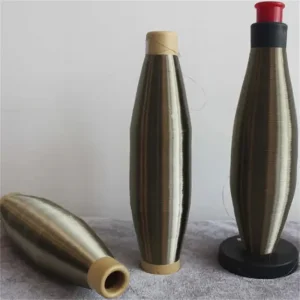
Reinforcement yarn for weaving and insulation purposes.
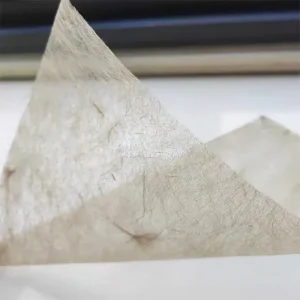
Corrosion protection and composite surface enhancement.
 Beihai Fiberglass