At a mineralogical level, basalt is a fine-grained, dark-colored igneous rock formed from the rapid cooling of low-viscosity basaltic lava rich in iron and magnesium. To transform this raw volcanic resource into high-performance industrial fiber, raw basalt is thoroughly washed, crushed, and transferred into specialized gas-fired or electric blast furnaces. Unlike E-glass or S-glass, which rely on compound chemical formulations requiring synthetic additions of silica, boron, and fluorides, Continuous Basalt Fiber (CBF) is produced via a single-component extrusion pathway. The raw volcanic stone is melted at a high-temperature zone exceeding 1,450°C (2,642°F). Once homogenous, the molten lava flows through platinum-rhodium alloy bushing tips containing hundreds of micro-orifices, drawing continuous filaments measuring between 9 to 22 micrometers in diameter.
The atomic structure of basalt fiber is highly stable, consisting of interconnected silicon-oxygen tetrahedra modified by network modifiers including iron (FeO and Fe2O3), magnesium (MgO), and calcium (CaO). The presence of divalent and trivalent iron cations distinguishes basalt from traditional glass matrices, providing unparalleled ultraviolet degradation resistance and superior chemical durability under acidic and alkaline environments.
| Chemical Oxide Component | Typical Weight Percentage (%) | Mechanical Benefit Contribution |
|---|---|---|
| Silica (SiO2) | 51.5% - 53.0% | Forms the fundamental glass-like network, ensuring high tensile strength and structural integrity. |
| Alumina (Al2O3) | 16.2% - 17.5% | Improves chemical resistance, hardness, and high thermal stress durability. |
| Iron Oxides (FeO + Fe2O3) | 9.0% - 11.5% | Provides key resistance to UV radiation, distinct dark hue, and inhibits heat absorption. |
| Calcium Oxide (CaO) | 7.8% - 9.2% | Aids in decreasing melt viscosity for micro-drawing and optimizes high temperature resilience. |
| Magnesium Oxide (MgO) | 4.5% - 5.5% | Prevents crystallization within drawing bushings, keeping fiber diameter uniform. |
The thermodynamic characteristics of this single-component melt make basalt fibers extremely stable. While other synthetic composites experience rapid delamination and physical breakdown above 250°C, custom-formulated continuous basalt operates consistently across an extreme temperature spectrum ranging from -260°C up to +820°C.
Analyzing procurement parameters reveals that Basalt Fiber sits on a highly attractive matrix, marrying the high mechanical characteristics of expensive Carbon/Aramid options with the volume economics of E-Glass.
Traditional structural steel reinforcement is prone to chemical oxidation and rust expansion. Basalt composite materials boast zero-rust characteristics, driving down infrastructure restoration overhead by up to 85% over a 100-year lifecycle.
Weighing only 2.65 g/cm³, basalt reinforcement delivers structural strength equal to steel at 25% of its dead weight, drastically reducing marine transport emissions, structural loading, and manual lifting costs on-site.
Exhibiting stellar resistance to high-alkali cement matrices, severe coastal marine salt environments, and acid-heavy industrial soil conditions, basalt functions reliably where E-glass fibers fail.
For global procurement directors at Tier-1 EPC companies, basalt fiber represents a vital strategic asset. Carbon fiber, while extremely stiff, remains cost-prohibitive for large-scale municipal roadbeds, soil stabilizers, and retaining walls. Glass fiber is relatively cheap but degrades when exposed to the high alkaline environments found in curing Portland cement (pH > 12.5). Basalt fiber provides the ideal structural bridge. It resists alkaline attack by preserving its internal silica skeleton, offering a massive reduction in dead weight while ensuring zero susceptibility to chloride ion penetration.
From marine retaining walls to advanced thermal shielding in high-altitude aerospace, basalt fiber's physical limits make it the ideal structural matrix across multiple major markets.
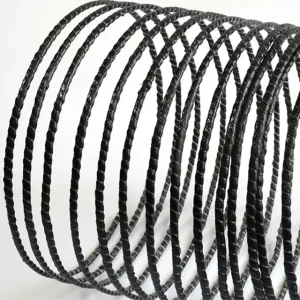
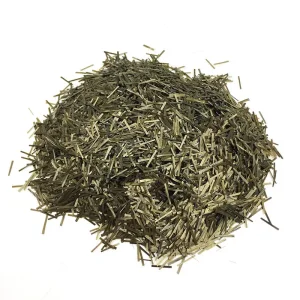
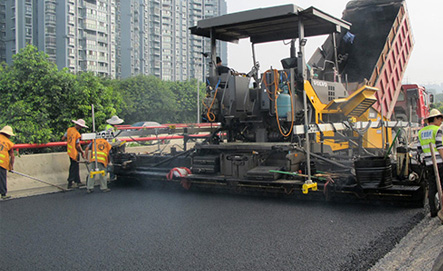
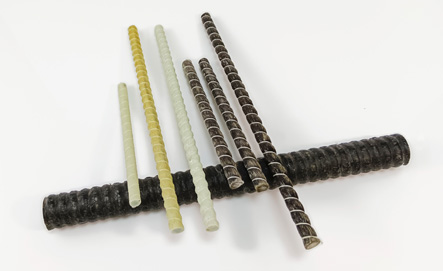
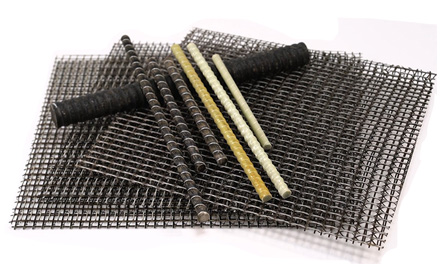
Traditional steel rebars are vulnerable to internal concrete carbonation and salt damage. Custom basalt fiber reinforcement rebars (BFRP) provide a permanent, rustproof solution. Basalt chopped fibers control thermal shrinkage cracking in complex slabs, while geogrid meshes stabilize high-traffic asphalt pavements.




Our factories leverage state-of-the-art multi-end continuous assembly winding, allowing for the precise control of filament sizing and yarn tex ratings. Whether your application requires direct rovings for filament winding of anti-corrosion pipelines, or assembled rovings for high-pressure pultrusion profiles, our advanced melt-spinning facility maintains strict fiber diameter tolerances.
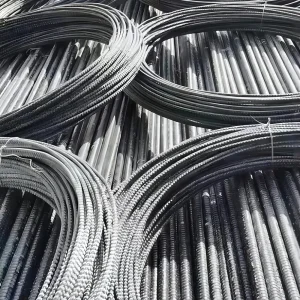
Our Custom High-Strength Basalt Rebar utilizes a vinyl ester resin matrix, chemically cross-linked with treated basalt fibers to ensure a strong mechanical bond. With a tensile strength exceeding 1,100 MPa, our rebars offer over double the load-bearing capacity of regular grade-60 steel reinforcement, all at a fraction of the structural weight.
As manufacturing lines move toward sustainable smart grids and zero-carbon practices, China Beihai Group is leading the charge in deep material innovations.
Developing next-gen organosilane sizing treatments to optimize basalt-to-matrix interfacial shear strength (IFSS). This ensures advanced resin wet-out, minimizing micro-void creation during composite curing phases.
By blending ultra-high modulus carbon fibers with highly ductile continuous basalt fibers, we've developed hybrid laminates that deliver stellar impact energy absorption alongside immense load stiffness.
Converting traditional gas furnaces into clean, high-intensity electric-arc induction systems. This strategic change significantly reduces direct factory emissions, aligning with global net-zero supply chain mandates.
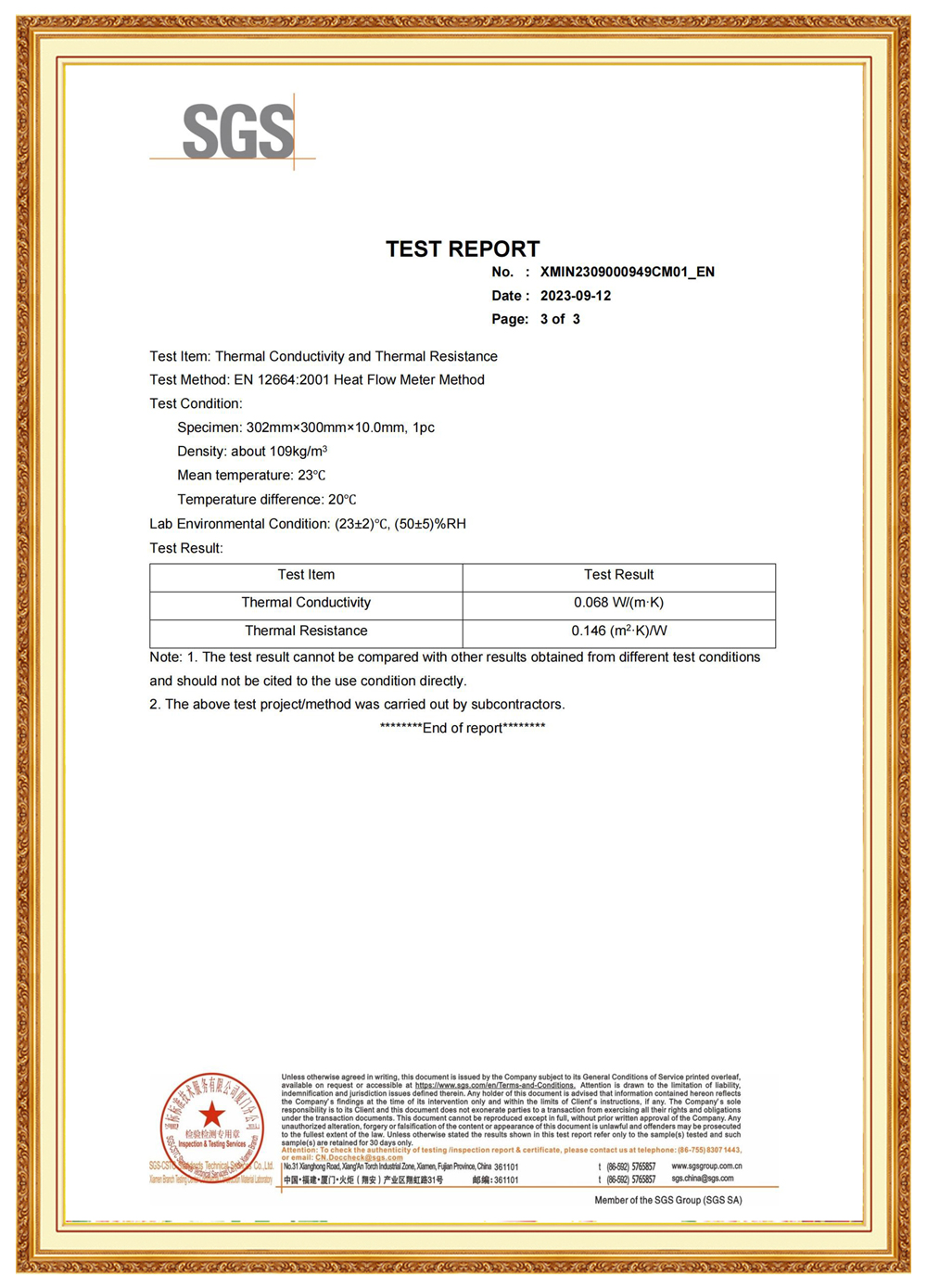
Procuring structural fibers for highly regulated projects requires solid independent verification. Our production lines in Jiujiang, Jiangxi operate under tight ISO 9001:2015 quality control systems. We constantly test every batch for filament diameter consistency, linear density (Tex), moisture content, and ultimate tensile strength.
For US civil works projects, our Basalt Fiber Reinforcement Rebars are designed in strict accordance with ACI 440.1R guidelines. Additionally, our materials undergo independent chemical checks to guarantee full compliance with REACH and RoHS regulations. This ensures zero outgassing and toxic environmental leaching over long operational lifetimes.
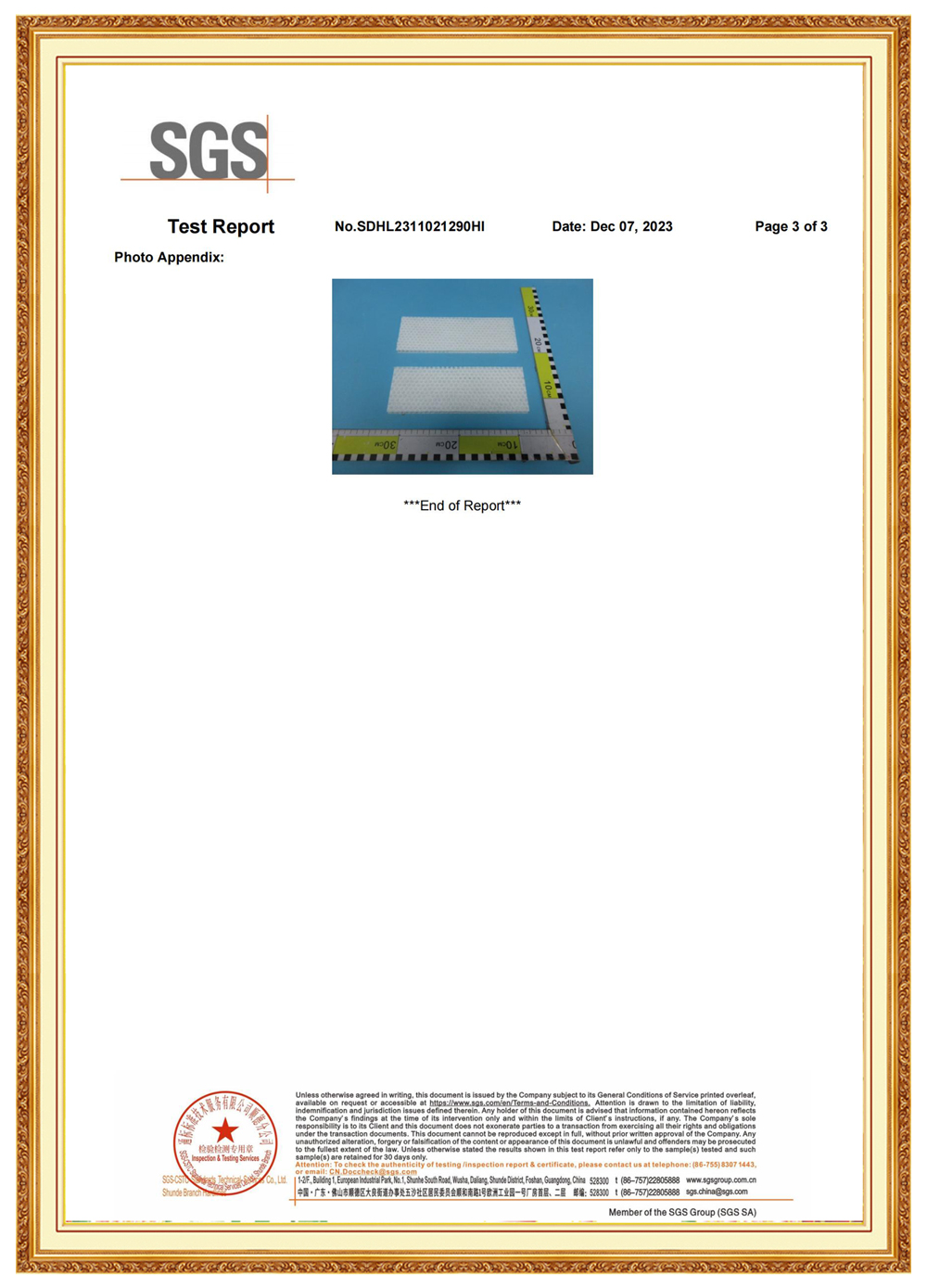
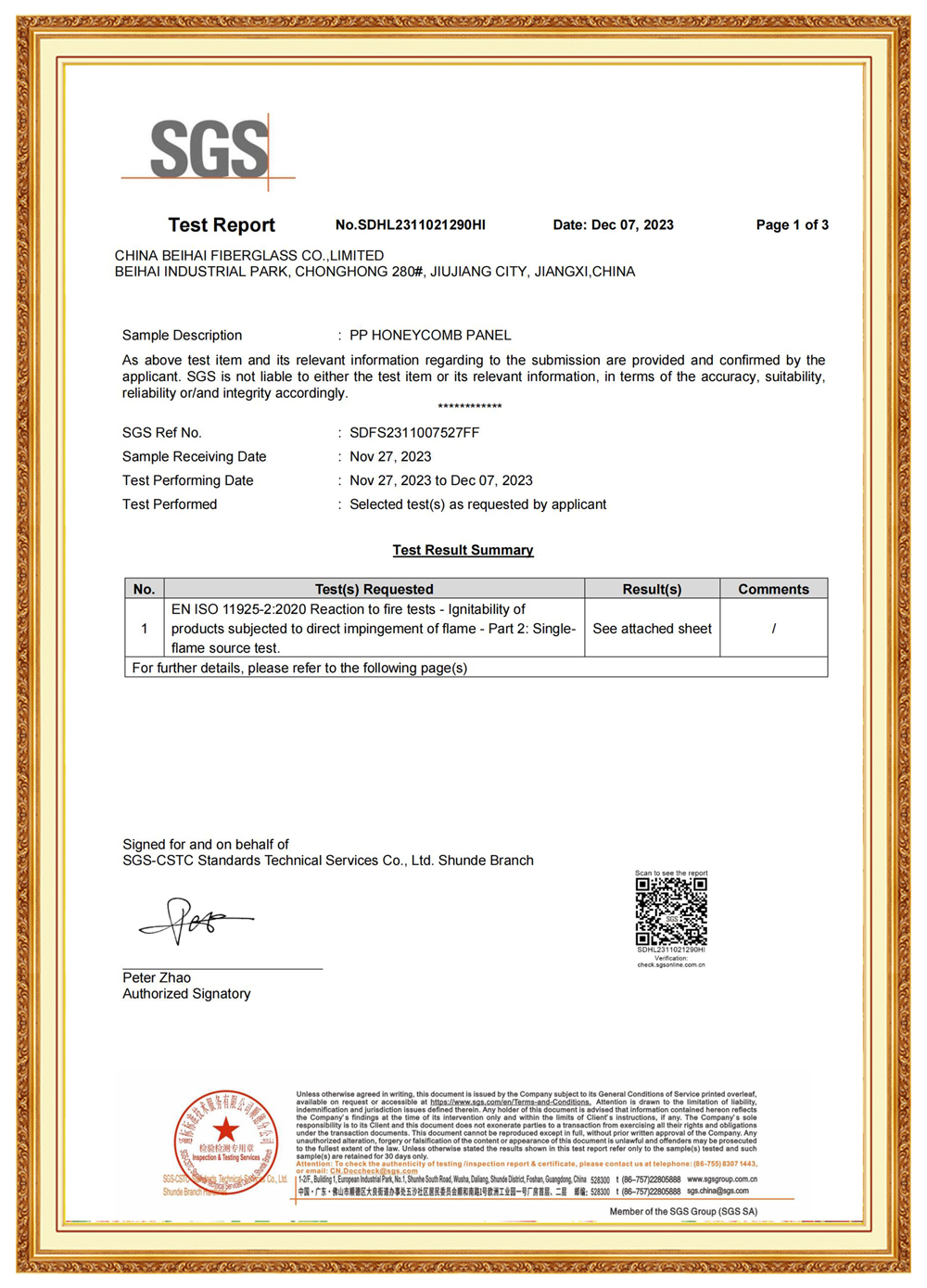
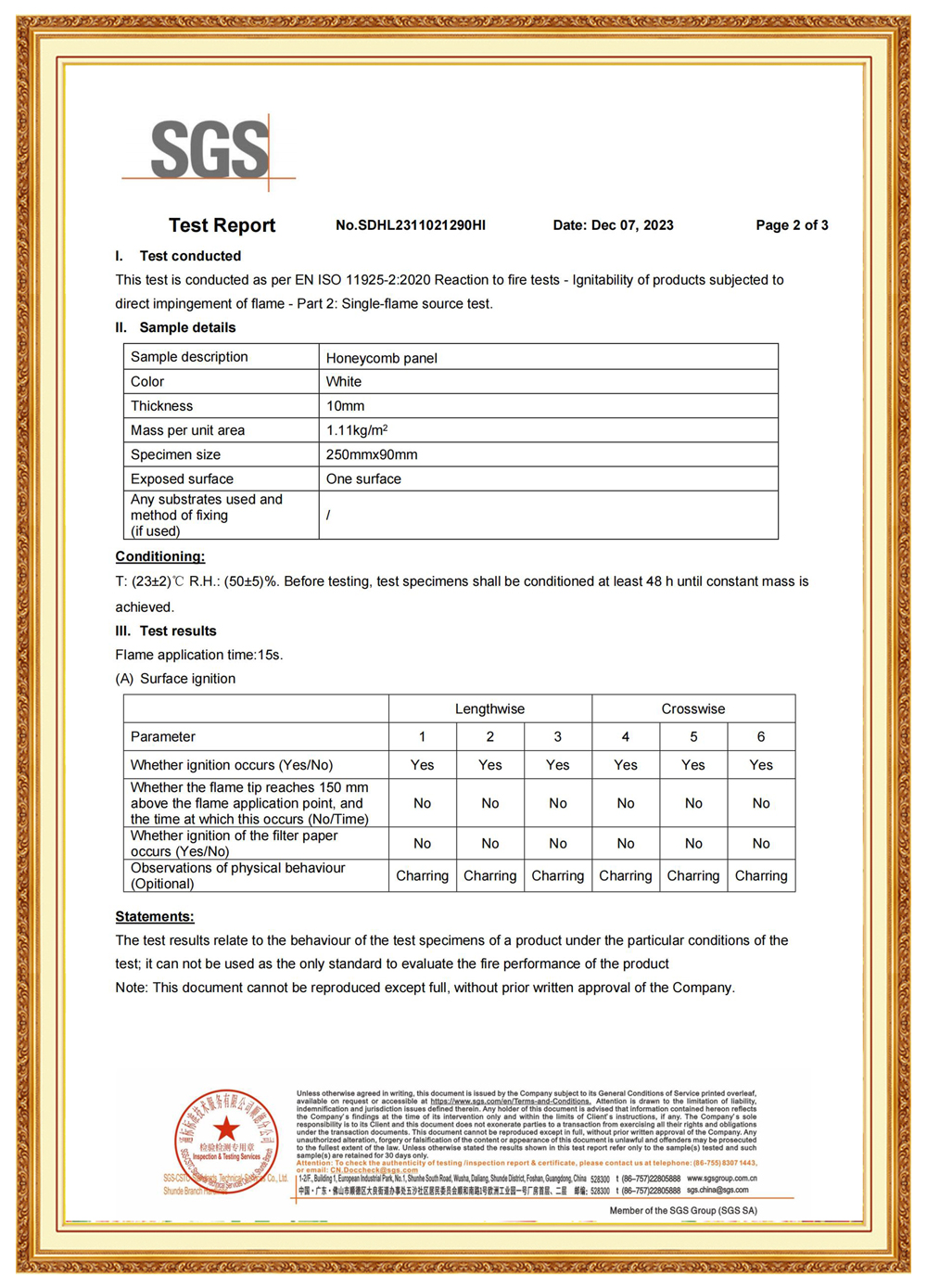
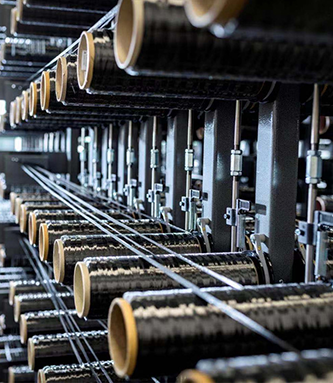
Founded in 2015 and headquartered in the high-tech development zone of Jiujiang, Jiangxi Province, China Beihai Group has grown to become a global leader in high-performance Continuous Basalt Fiber (CBF) technology. We integrate material research, advanced processing machinery design, and large-scale yarn and rebar extrusion lines.
With an annual output capacity scaling in the tens of thousands of metric tons, we provide reliable material pipelines for critical projects in Europe, the Americas, and the Asia-Pacific region.

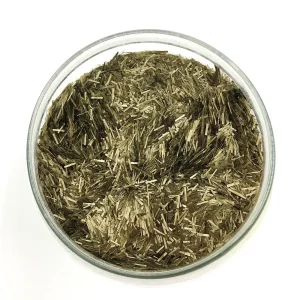
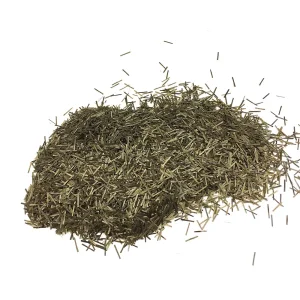
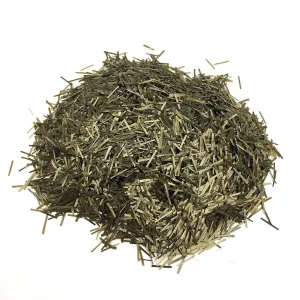
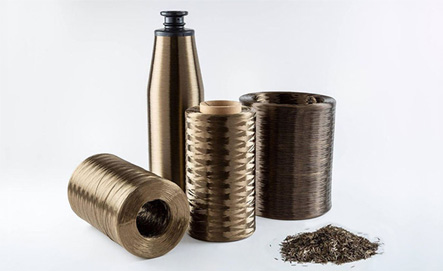
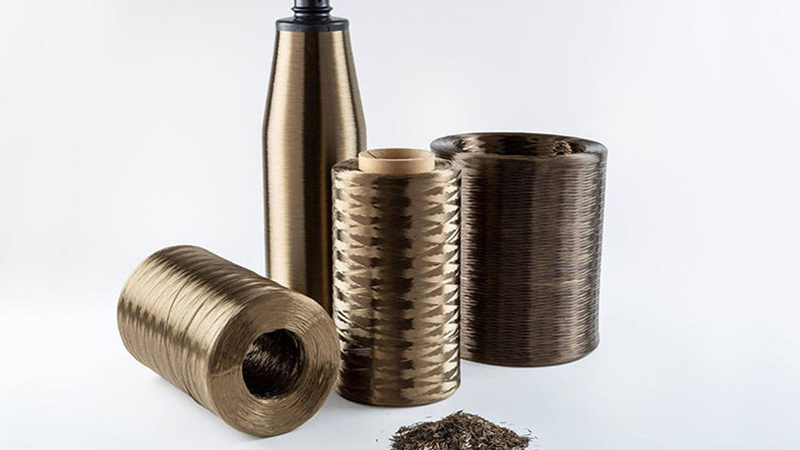
A comprehensive, high-quality catalog including direct rovings, chopped strands, heat-resistant needled mats, geogrids, and composite rebar systems.

We engineer eco-friendly volcanic minerals into robust structural fibers, providing tailored composite solutions for marine, aerospace, and energy infrastructure.

Our highly reliable supply chains, strict quality control procedures, and comprehensive custom sizing options make us a leading choice for OEMs worldwide.
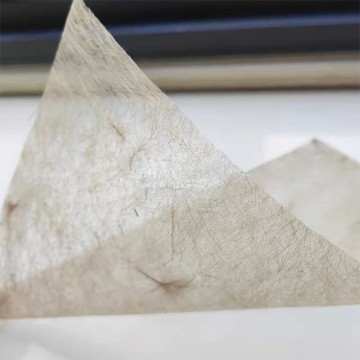
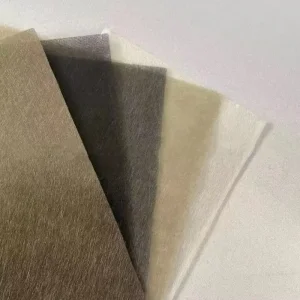
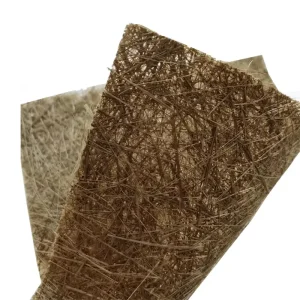
Engineered non-woven thin sheet designed to create smooth, resin-rich corrosion barriers on fiber-reinforced polymer matrices.
Learn More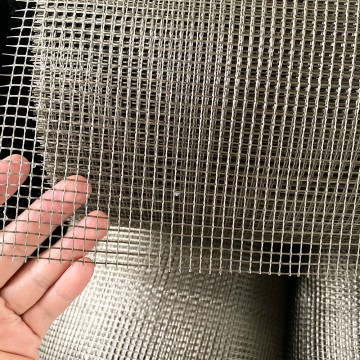
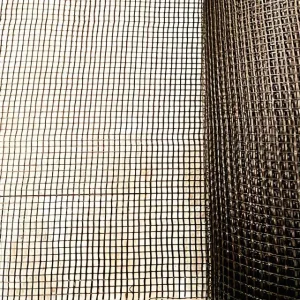
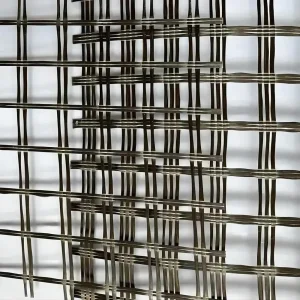
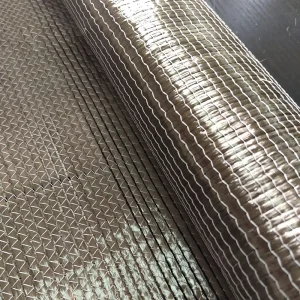
High-performance structural reinforcement grid optimized for high-pH concrete and external wall plastering applications.
Learn More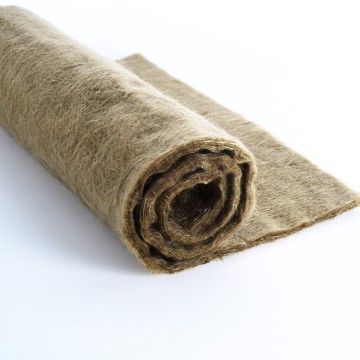
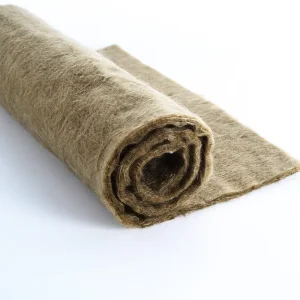
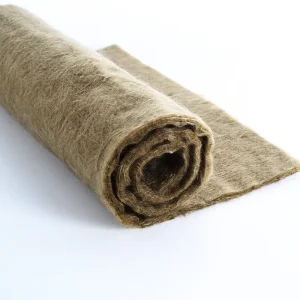
Mechanically bonded needle-punched structural insulation mat built to handle persistent thermal environments up to 820°C.
Learn More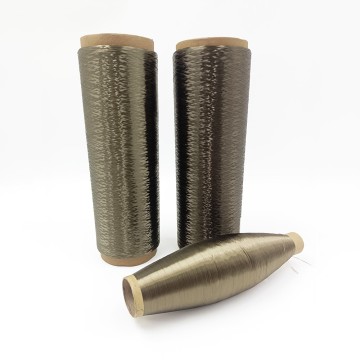
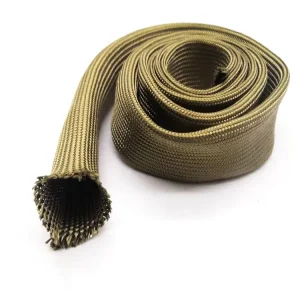
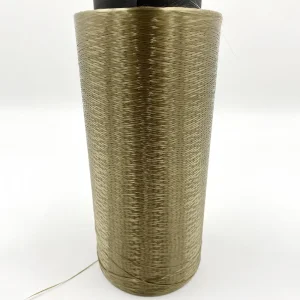
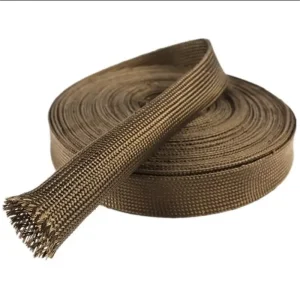
Multiple continuous basalt micro-filaments twisted together to enhance mechanical processing strength for weaving and braiding.
Learn MoreWe answer the most common technical questions asked by consulting engineers, materials specialists, and procurement departments regarding basalt fiber performance and integration.
Unlike E-glass, which is synthesized from mixed raw ingredients (including boron and complex synthetic oxides), continuous basalt fiber is drawn from a 100% natural, single-component molten volcanic stone. This preserves its high volcanic integrity. Chemically, the presence of network-modifying iron oxides (FeO and Fe2O3) gives basalt excellent resistance to alkaline concrete matrices, deep UV exposure, and thermal shock—allowing it to operate reliably in environments where glass fibers quickly degrade.
Our high-strength basalt rebars deliver an ultimate tensile strength exceeding 1,100 MPa—roughly double the capacity of grade-60 steel rebars. The elastic modulus sits between 45 to 55 GPa. While it is more elastic than steel (which is highly beneficial for preventing sudden, catastrophic concrete cracking), it is only 25% of steel's total weight. This offers significant advantages by reducing structural loading and lowering transport and handling costs.
Yes. Our custom assembled and direct rovings are designed with specialized silane sizing packages. This makes them fully compatible with epoxy, vinyl ester, polyester, and phenolic resins. They are widely used in automatic pultrusion for structural profiles, filament winding of oil and gas pipes, and high-speed multi-end weaving processes.
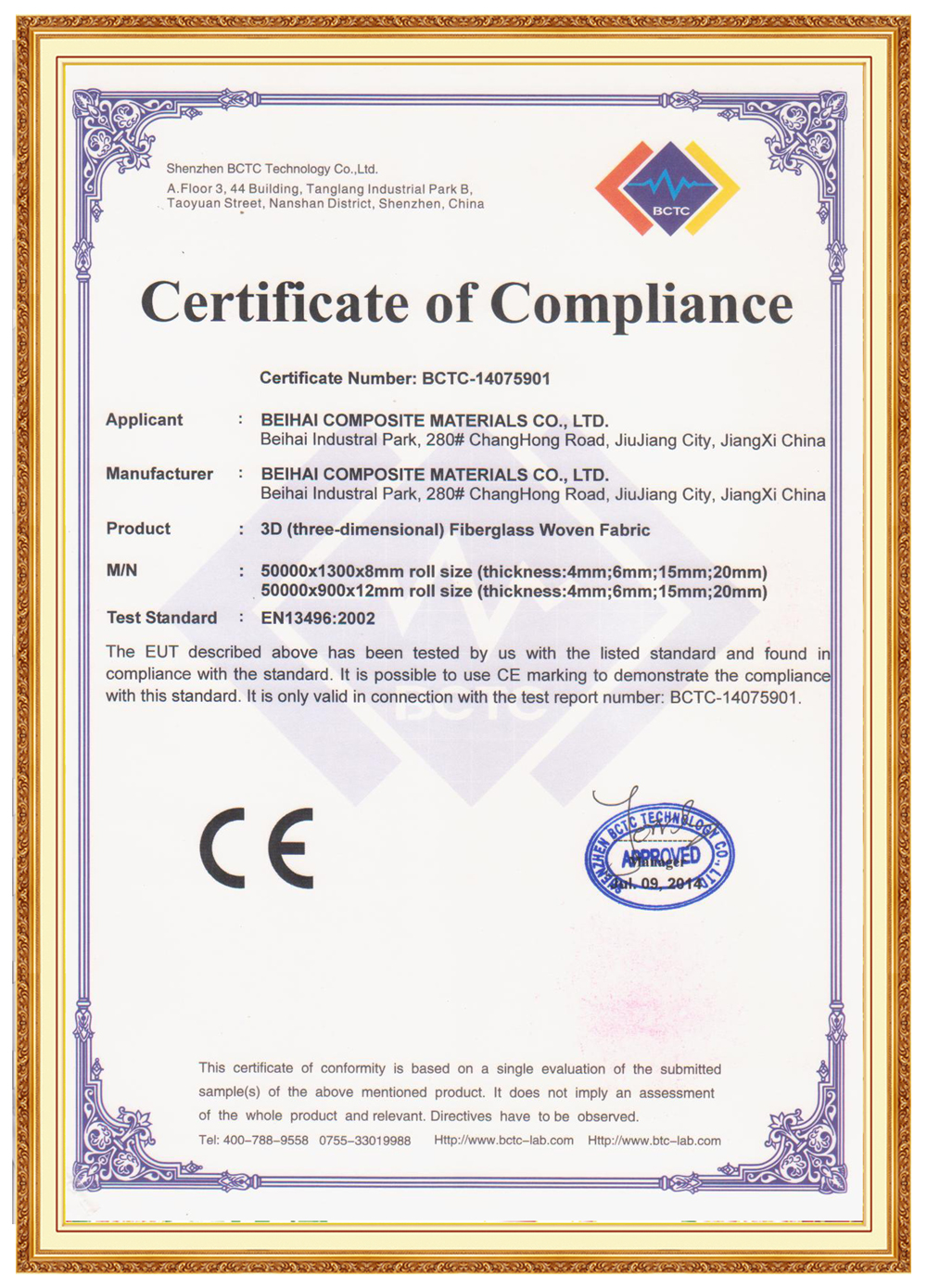
All our manufacturing operations run under strict ISO 9001:2015 quality management systems. Our structural basalt products are tested to meet key global standards, including ASTM D7913 (for bond strength), ACI 440.1R structural design codes, CE markings for European engineering projects, and full REACH/RoHS compliance for chemical safety.

As advanced drone fleets monitor extreme forest fire zones and heavy industrial robots take on high-temperature manufacturing tasks, the demand for lightweight, fireproof protective materials has surged. Our high-performance continuous basalt fiber provides critical thermal shields, electromagnetic protection, and high impact damping. This reliable structural backing ensures smart, high-stress equipment can operate safely in the most demanding conditions.
 Beihai Fiberglass