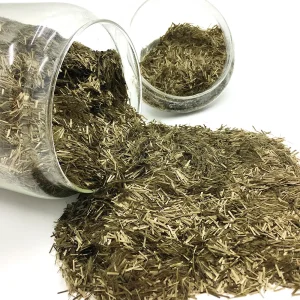
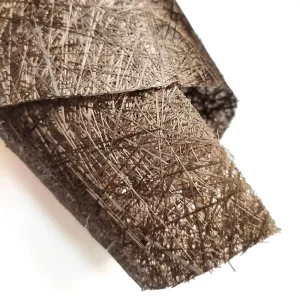
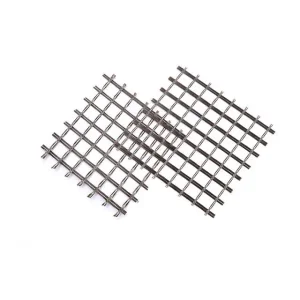
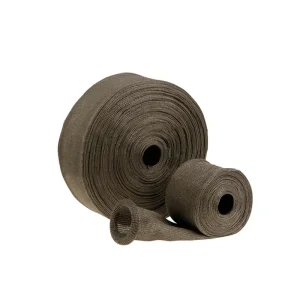
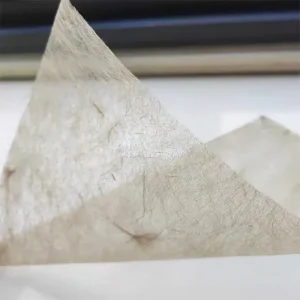
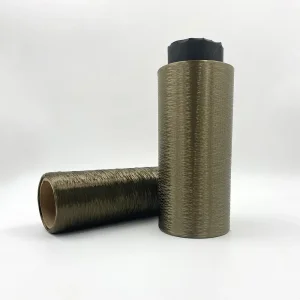
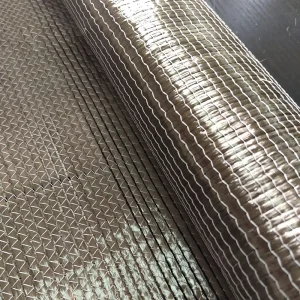
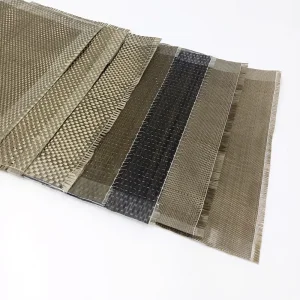
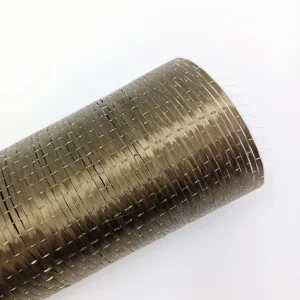
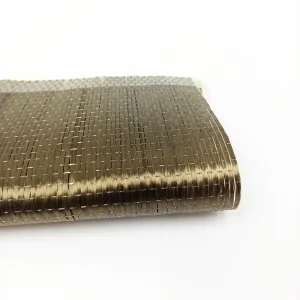
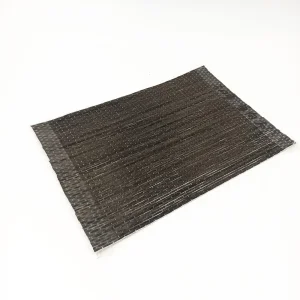
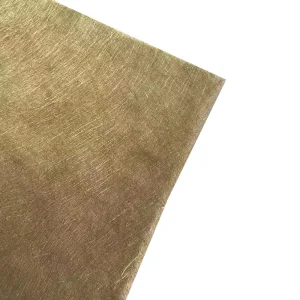
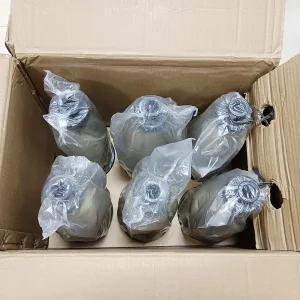
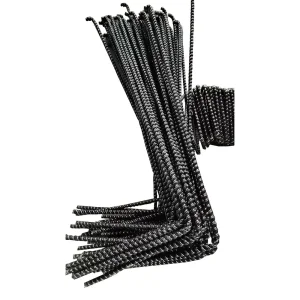
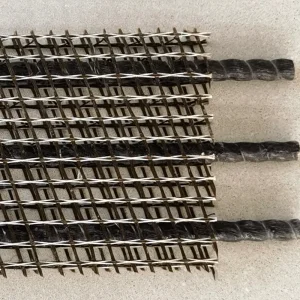
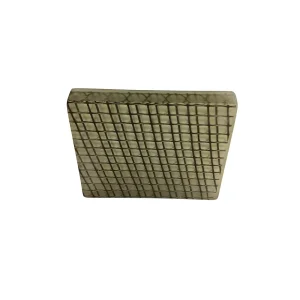
In the landscape of modern material science, basalt fiber has emerged as a cornerstone technology. Derived from volcanic rock, its chemical inertness, thermal stability, and mechanical strength position it as a superior alternative to carbon and glass fibers in specific industrial applications. As global infrastructure faces the dual challenge of environmental harshness and the need for sustainability, basalt fiber mats and reinforcements are no longer niche—they are essential.
The global demand for high-performance materials is shifting. Procurement officers and engineers are now prioritizing "Life-Cycle Cost" over initial investment. Basalt fiber mats, due to their inherent resistance to corrosion, alkalis, and extreme temperatures, provide significant savings in maintenance-intensive sectors such as bridge construction, chemical plant flooring, and marine engineering. The trend is moving towards Green Architecture—basalt is an eco-friendly material that requires no chemical additives to achieve its superior properties, aligning with global carbon reduction targets.
The Chinese manufacturing sector has undergone a profound transformation. Modern "Factory 4.0" initiatives in the basalt fiber industry leverage automation, IoT-driven quality control, and advanced melt-spinning technologies. This shift has eliminated the variability traditionally associated with natural rock-based materials. When you partner with high-tier Chinese suppliers, you are engaging with a production ecosystem that offers:
For international buyers, the search for "Custom Basalt Fiber Mat Suppliers" requires a rigorous vetting process based on E-E-A-T (Experience, Expertise, Authoritativeness, Trustworthiness):
China Beihai, founded in 2015, is a high-tech leader in the basalt fiber industry. We specialize in research, development, and high-performance continuous fiber production.
A: Basalt fiber offers superior chemical resistance, higher thermal stability, and better tensile strength than traditional fiberglass, making it ideal for harsh, corrosive environments where longevity is critical.
A: Yes. As a leading manufacturer, we have the technical capacity to customize mat density, fiber diameter, and binder types to suit your specific engineering requirements.
A: Utilizing our automated 4.0 production lines, we offer industry-leading lead times. Exact timelines depend on the volume and customization complexity, typically ranging from 15-30 days.
 Beihai Fiberglass