Our premier selection of high-tensile basalt fibers, reinforcing meshes, insulating wraps, and chopped matrices engineered for demanding structural conditions.
In modern material engineering, achieving a perfect balance between structural capacity and surface protection is a persistent challenge. Under harsh environments, mechanical stresses, chemical attack, and thermal gradients continuously threaten the integrity of fiber reinforced polymer (FRP) installations.
A primary failure mode in composite laminate systems is the propagation of micro-cracks resulting from environmental stress cracking, UV exposure, and moisture ingress. Traditional surfacing veils often fail to provide adequate shielding against aggressive chemical solutions or extreme ambient temperatures.
Our **Custom Composite Surfacing Mats**, engineered primarily with advanced continuous basalt fibers, act as a defense boundary. These non-woven surfacing layers yield a highly uniform, resin-rich outer profile. They prevent the exposure of reinforcing structural fibers, block capillary moisture penetration, and deliver a smooth surface finish.
Through precise control of binder formulations and filament orientation, we supply customized surfacing tissue mats designed for diverse manufacturing methods including pulltrusion, filament winding, hand lay-up, and continuous laminating systems.
Established in 2015 in Jiujiang, Jiangxi Province, China Beihai is a specialized high-tech enterprise dedicated to advanced continuous basalt fiber research, product manufacturing, and processing system innovation.
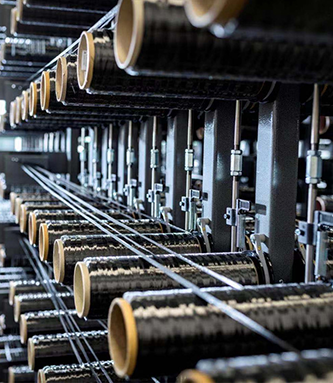
We operate as a key industrial supplier in the domestic and global basalt fiber space. Our plant relies on automated furnace melting systems to process raw basalt rock at temperatures reaching 1450°C. This converts volatile rock into uniform continuous filaments without synthetic chemical additives.
By focusing heavily on vertical integration—from raw material selection to fiber sizing, weaving, needle-bonding, and sizing applications—we guarantee consistent mechanical and chemical properties. This approach ensures our basalt-derived product lines meet global infrastructure and aerospace standards.

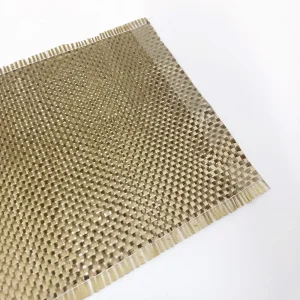
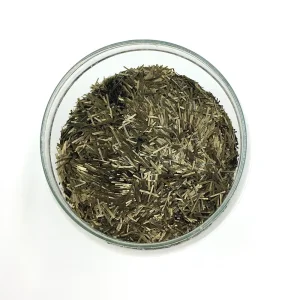
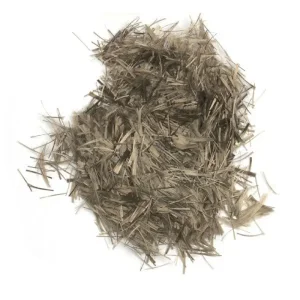
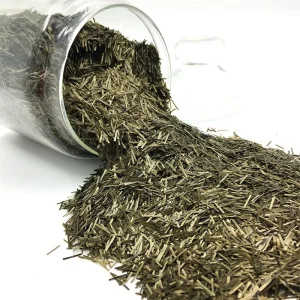
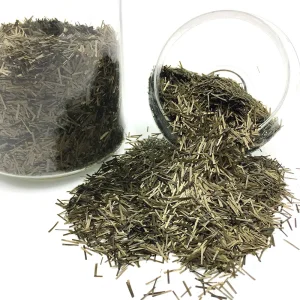
We develop, manufacture, and distribute a highly targeted catalog of basalt-derived materials. These include advanced continuous basalt fiber chopped strand mats, woven plain-weave fabrics, high-temperature insulating needle mats, basalt fiber multi-end and single-end rovings, high-tenile reinforcement meshes, corrosion-proof rebars, and high-stability tapes and sleeves.

We deliver customized material formulations to meet client specifications in civil engineering, road and bridge rehabilitation, heavy chemical containment, automotive component production, and aerospace shielding. Our engineering department designs continuous basalt fiber products to deliver long-term protection, low lifecycle maintenance costs, and high durability under mechanical strain.

Partnering with China Beihai Group ensures access to certified manufacturing facilities, custom tailoring support, and large-scale delivery capabilities. Our green production footprint, strict QA/QC testing regimens, and technical customer service teams make us a trusted partner for material distributors and infrastructure contractors worldwide.
Basalt continuous fiber represents a key evolution in inorganic mineral materials, combining the chemical inertia of silicate stone with high mechanical processing properties.
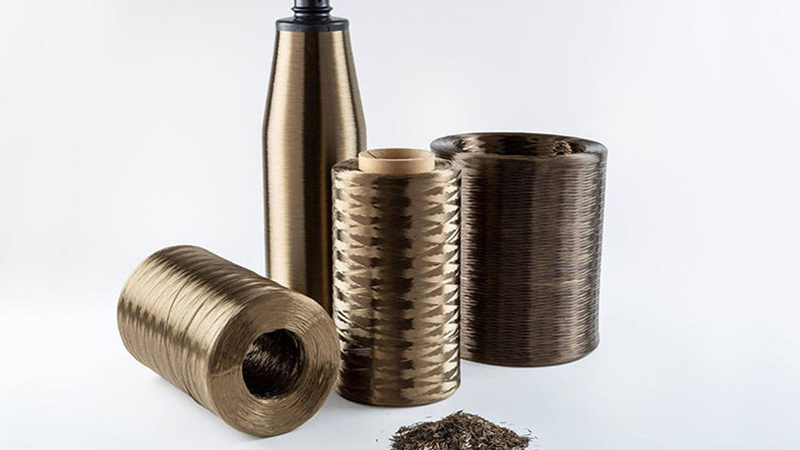
Derived directly from high-purity basalt rock through precise melt drawing, our fibers have zero chemical additives. This results in a material with excellent thermal stability, high chemical protection, and good tensile performance.
Compared to standard E-glass fibers, continuous basalt fiber exhibits up to **30% higher tensile strength** and **25% higher modulus of elasticity**. When compared to carbon fiber composites, basalt offers cost benefits, high impact resistance, and is completely free from electrical conductivity concerns. This makes it an ideal option for radar-transparent structures and high-voltage electrical installations.
Key Parameter Advantage: Basalt fiber performs exceptionally well in highly alkaline concrete matrices and wet marine environments where traditional glass fibers experience rapid degradation due to silica leaching.
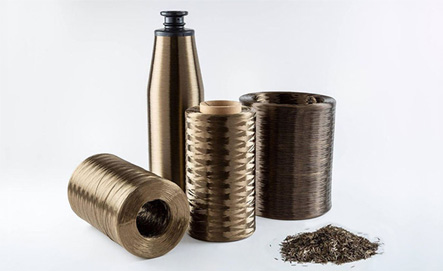
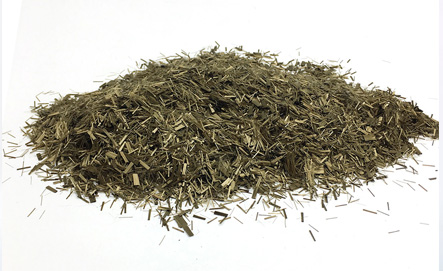
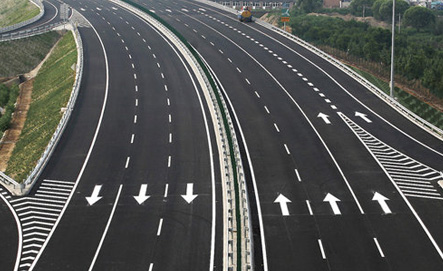
Our engineering team specializes in non-woven surfacing veils, needled mats, alkali-resistant grids, and multi-end yarns engineered for industrial applications.
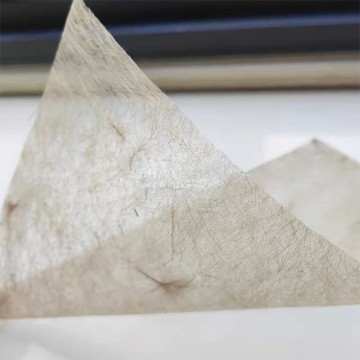
A thin, non-woven sheet engineered to establish a smooth, resin-rich layer that prevents fiber print-through in FRP laminates.
Request Technical TDS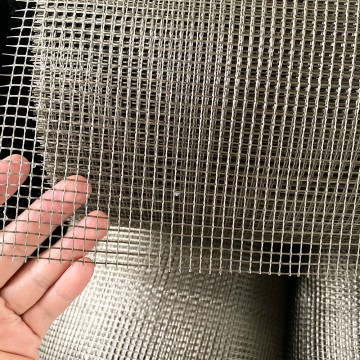
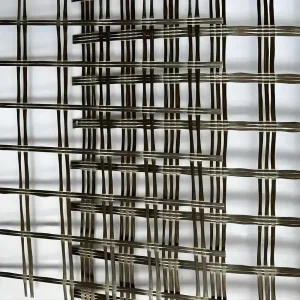
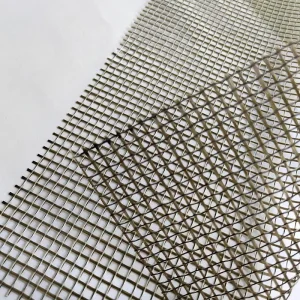
High-stability grid structure optimized for structural render reinforcing and plaster binding in alkaline concrete environments.
Request Technical TDS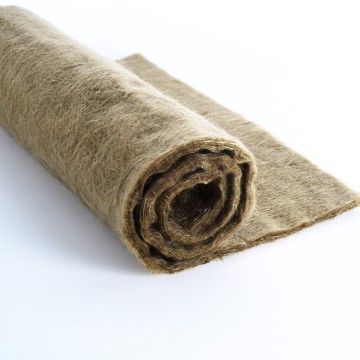
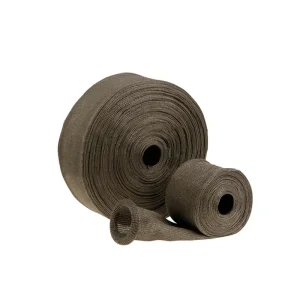
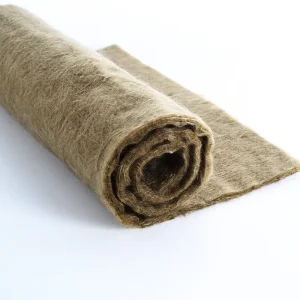
A dense binder-free mat manufactured via mechanical fiber interlocking, designed for sustained high-temperature thermal barriers.
Request Technical TDS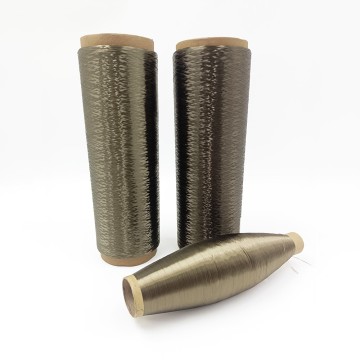
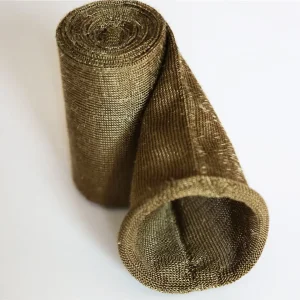
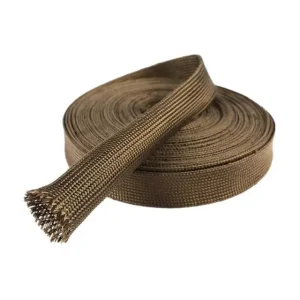
Engineered by twisting multiple continuous basalt filaments, optimized for braiding, custom wrapping tapes, and electrical sleeving.
Request Technical TDS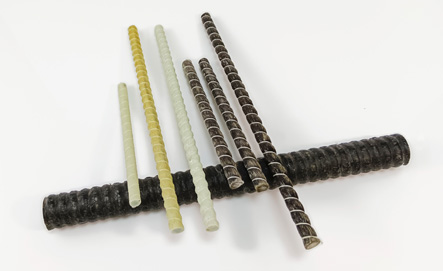
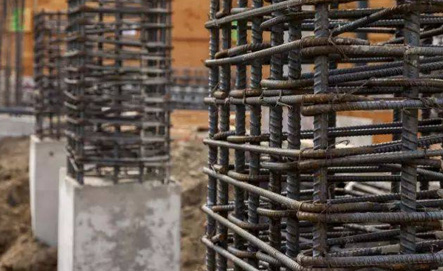
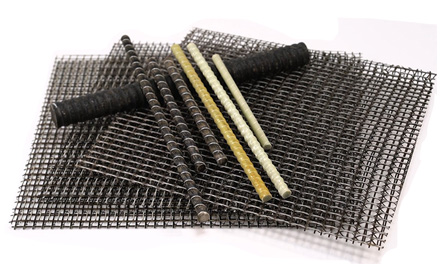
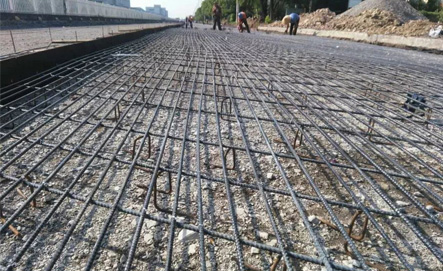
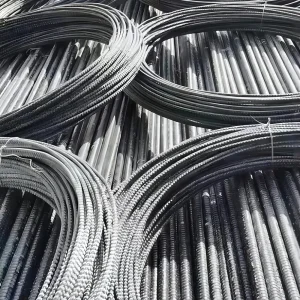
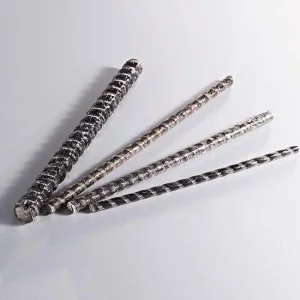
In modern civil infrastructure, reinforcing steel is highly vulnerable to chloride ion attack, which leads to concrete spalling and structural decay. Our **Basalt Fiber Rebars** provide a high-tensile, corrosion-proof alternative to both conventional and epoxy-coated steel reinforcing elements.
With a density that is approximately **one-fourth that of steel**, basalt rebar reduces logistical costs and simplifies material handling on-site. It has a thermal expansion coefficient similar to concrete, reducing structural micro-cracking during seasonal temperature cycles.
These performance characteristics make basalt rebar suitable for bridge decks, highway slabs, marine harbor structures, subways, and chemical processing facilities where steel corrosion presents long-term durability risks.
Download Rebar Engineering ManualOur continuous basalt fiber surfacing mats and composite systems provide targeted solutions across highly demanding industrial environments.
Our surfacing tissue mats and mesh reinforcements improve civil plaster installations, minimize shrinkage cracks, and boost fire rating limits in commercial facilities.

Provides flame retardancy, low smoke toxicity, and high vibration damping for commercial aircraft cabin panels and structural details.

Applied in engine casing insulation, high-temperature thermal barriers, and composite backing systems that endure extreme friction heat and thermal shock.

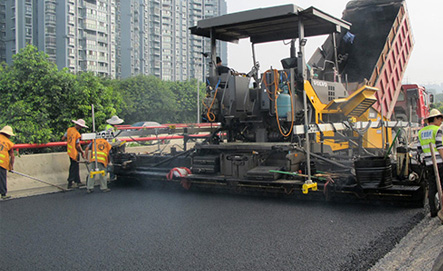
Basalt fiber reinforcement increases dynamic crack resistance, limits environmental stress-cracking, and improves freeze-thaw durability.

Used in lightweight exterior body panels, brake pad reinforcement formulations, exhaust insulation wraps, and under-hood structural parts.

Engineered structural jackets protect critical column concrete from high-energy vehicle impacts, severe de-icing salt corrosion, and weathering.

Protects pipeline casings, subterranean chemical storage tanks, and industrial scrubbers from high concentrations of acidic and alkaline fluids.

Resists continuous saltwater exposure, bio-fouling degradation, and physical wave-impact stresses in boat hulls and marine platforms.
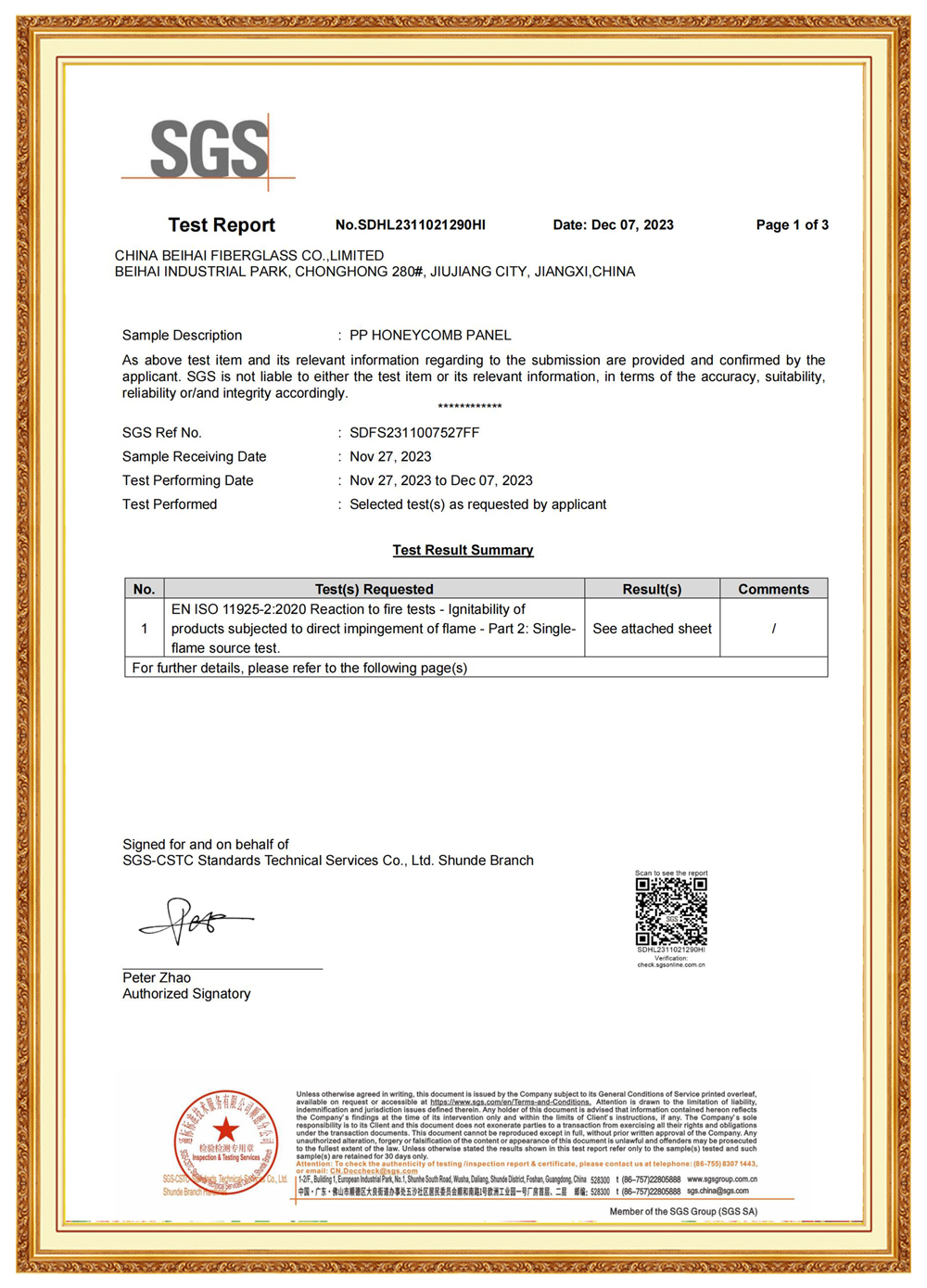
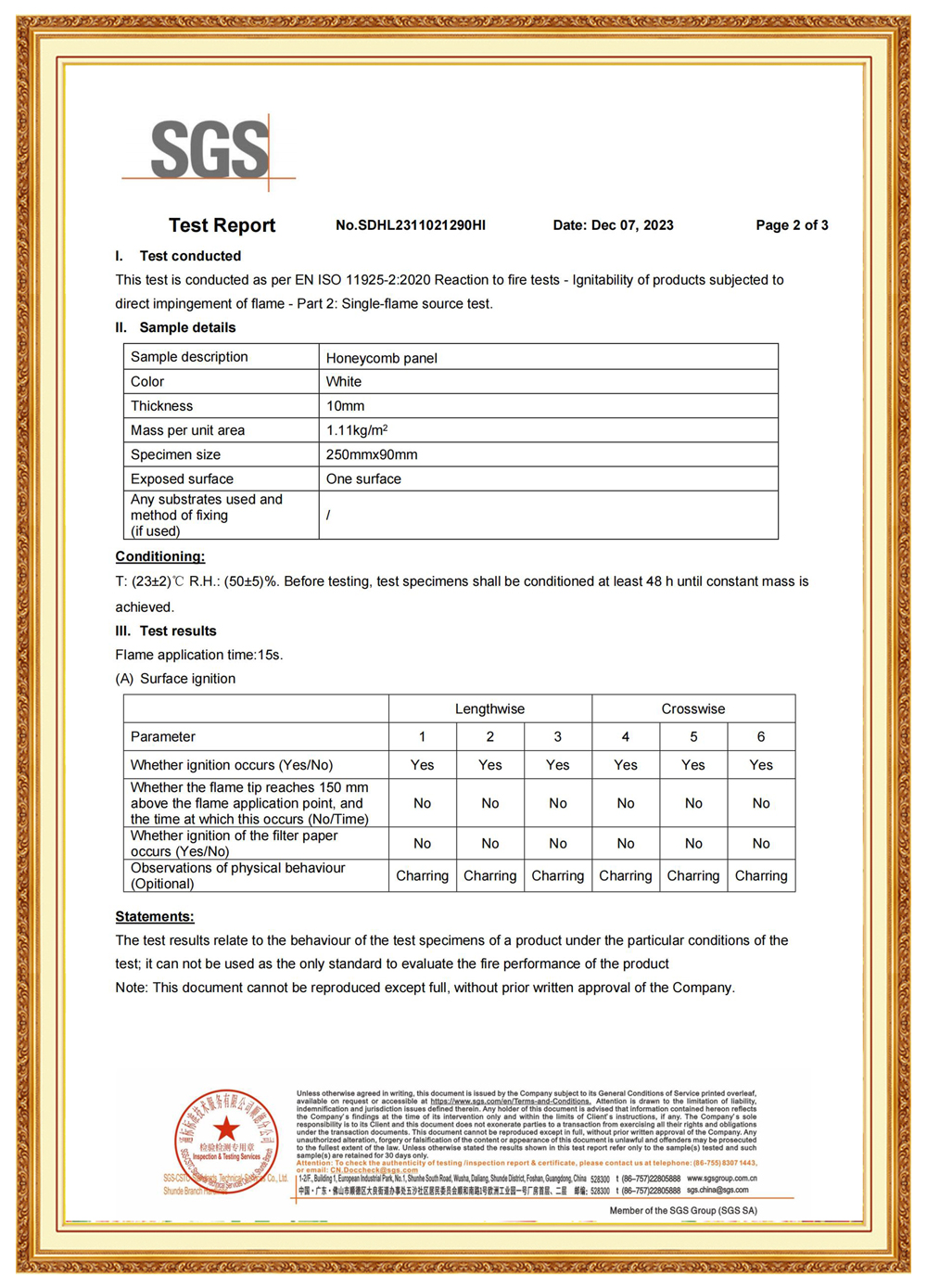
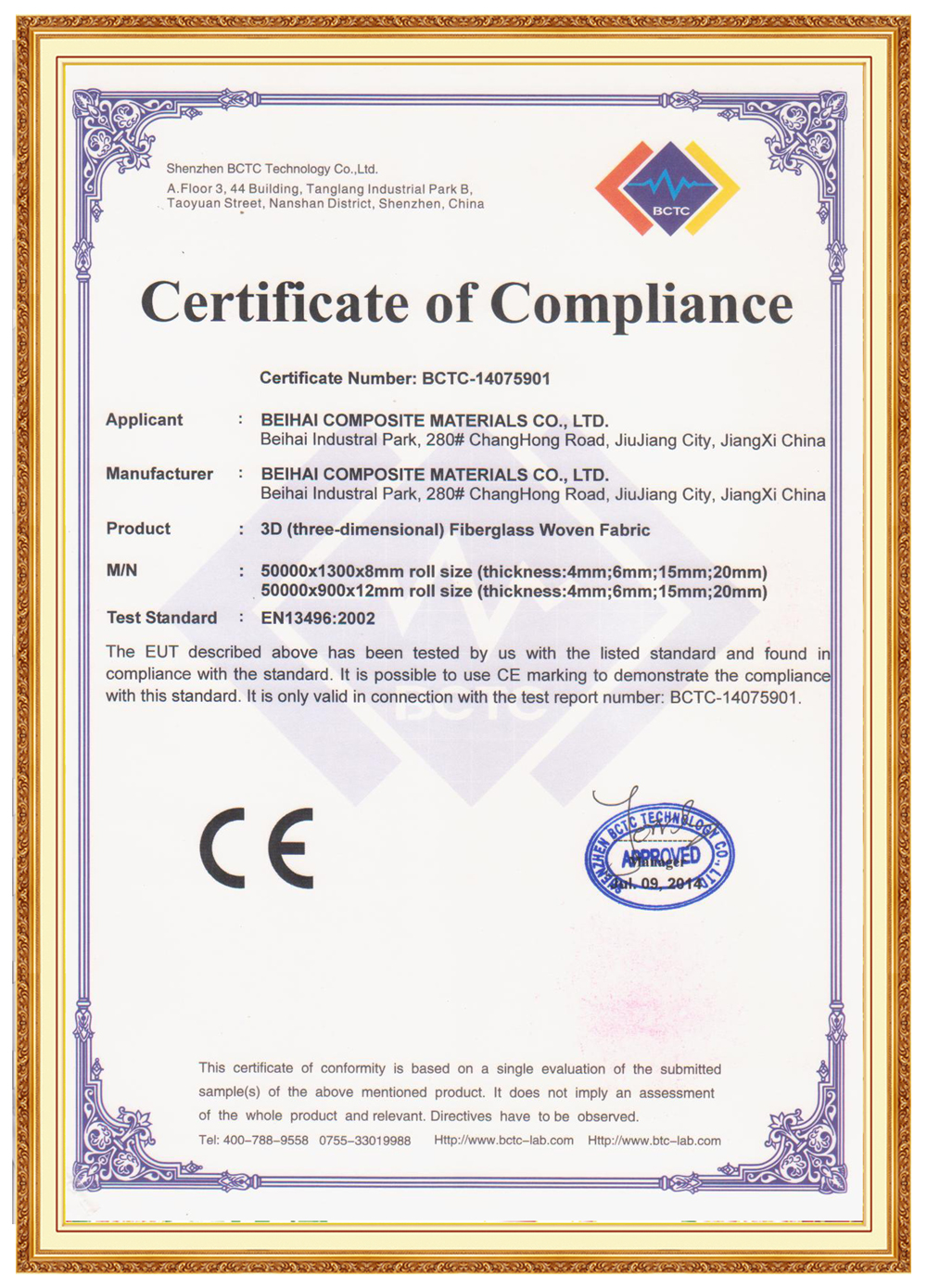
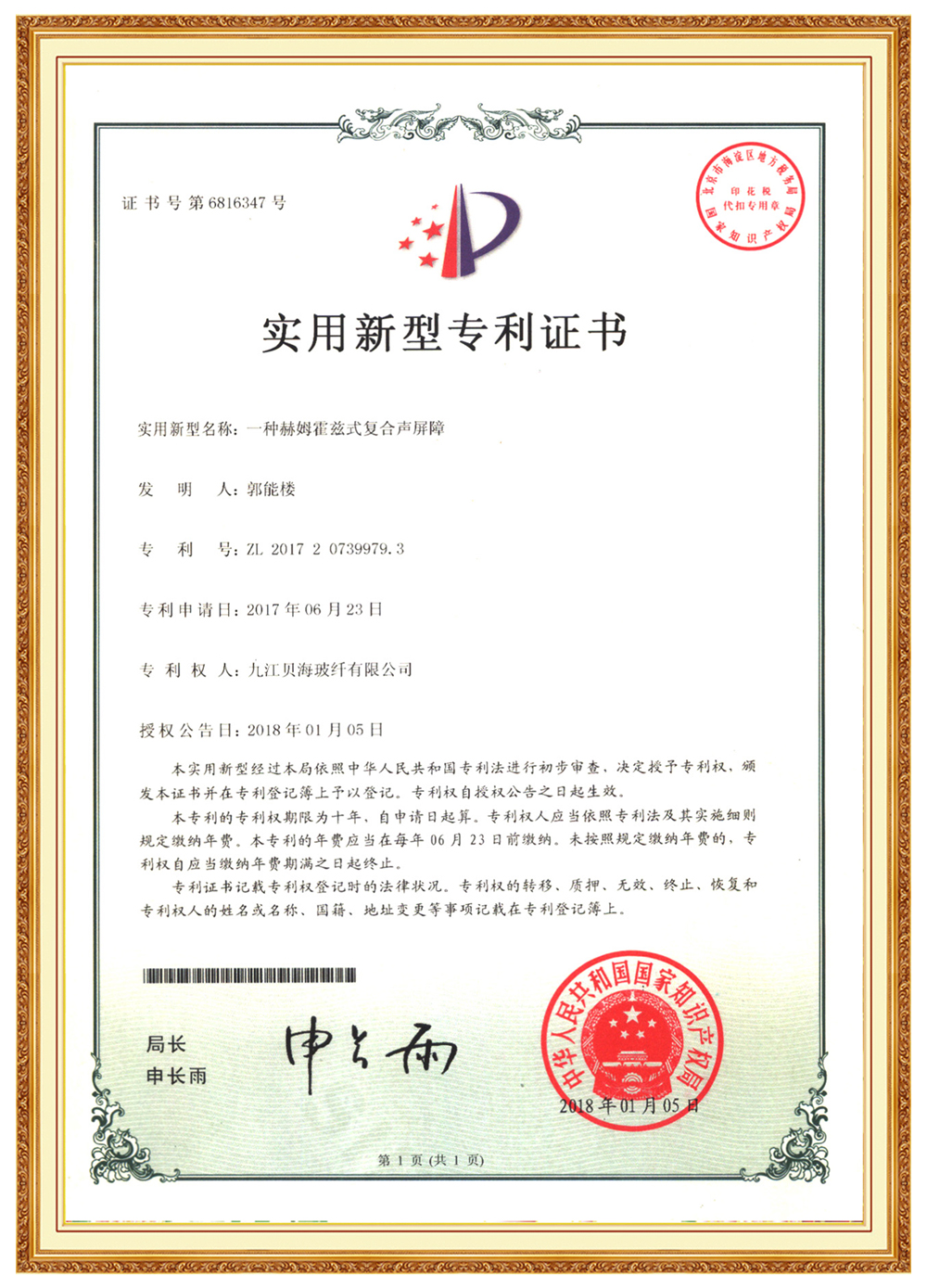
Our production systems maintain compliance with international regulatory bodies, offering fully traceable material properties for high-reliability applications.
Every production run at our Jiujiang plant undergoes strict quality control. From filament diameter checks during drawing to binder content evaluations in our surfacing mats, we verify that every batch matches our product technical datasheets.
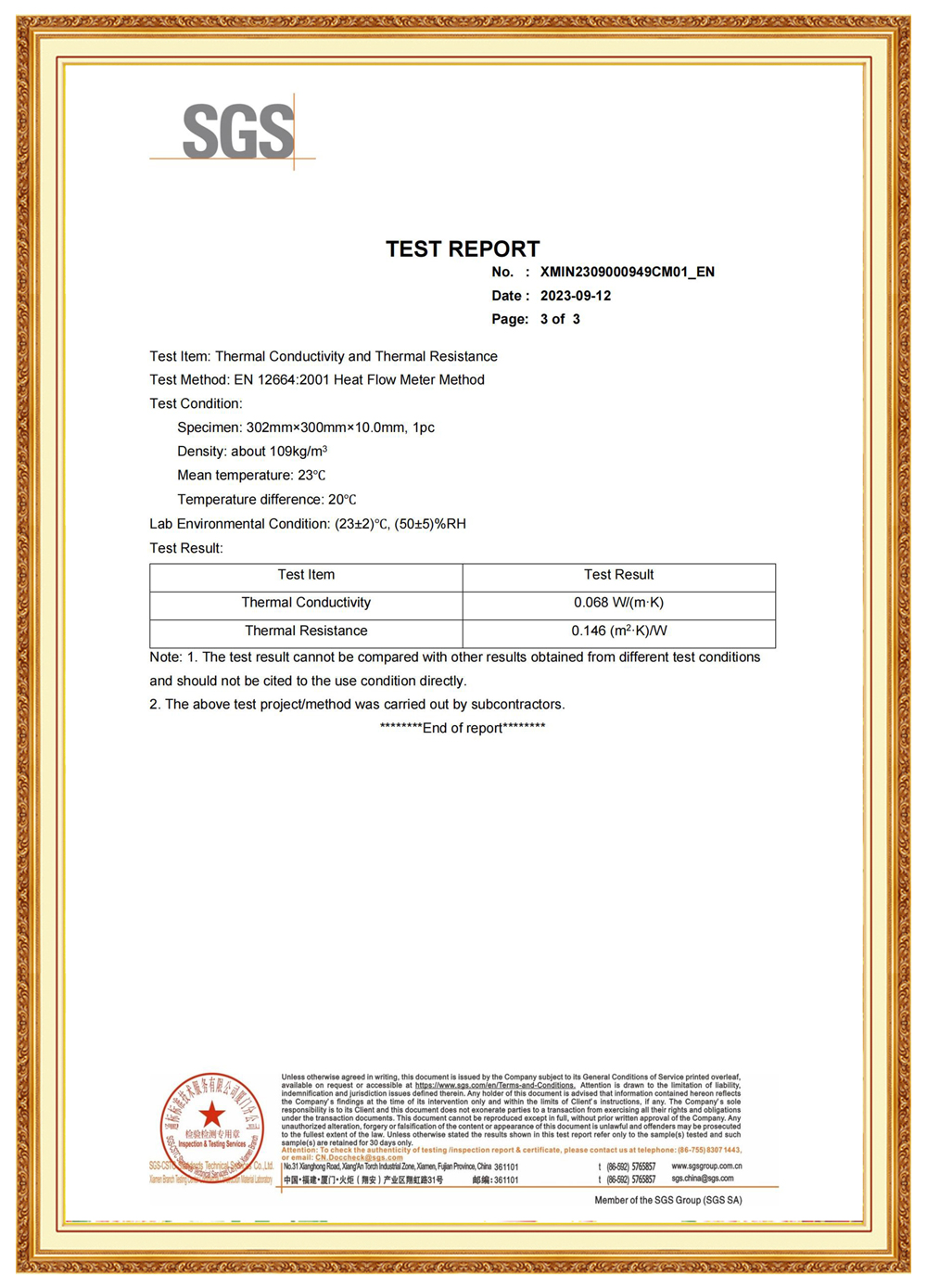
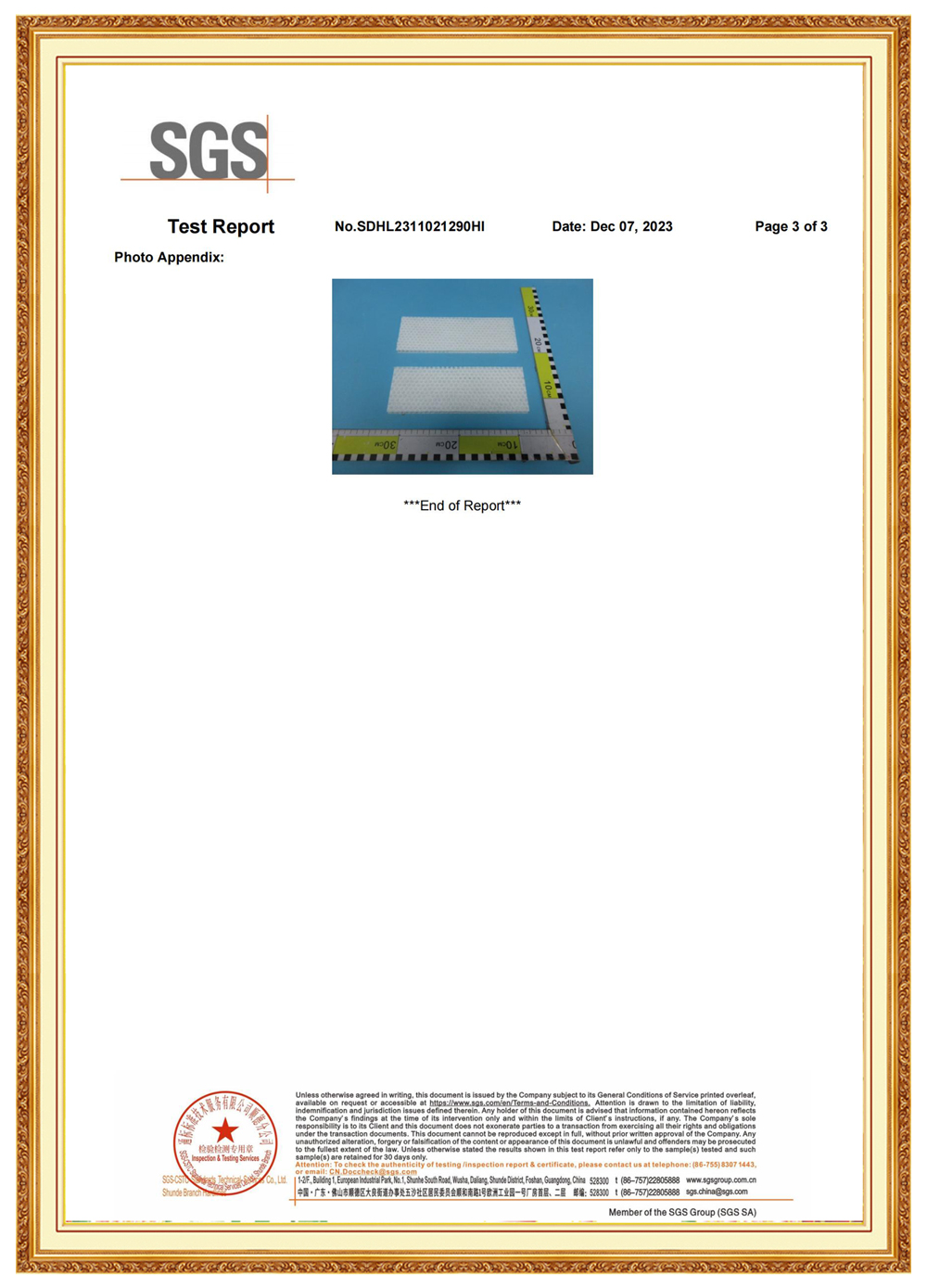
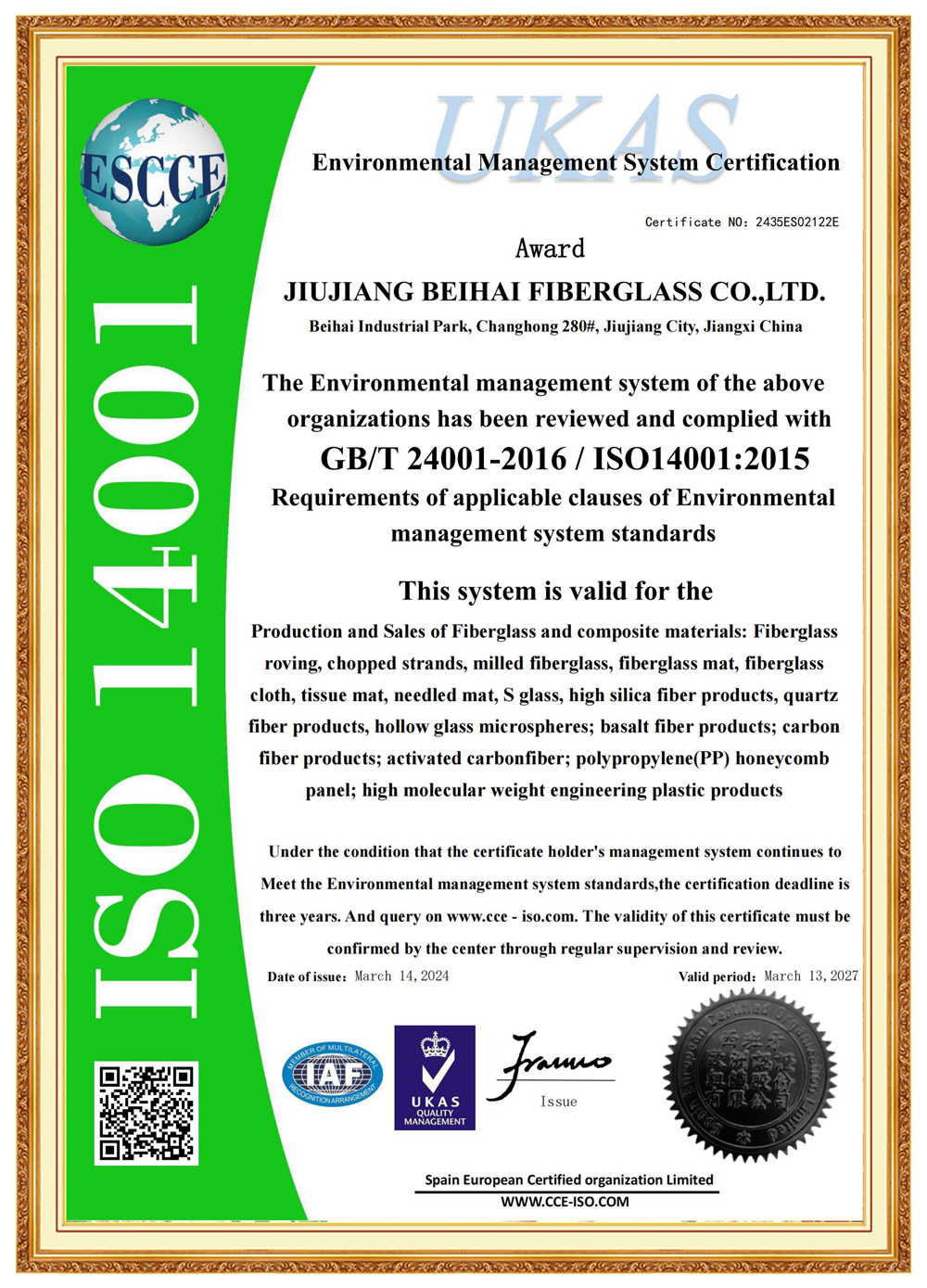
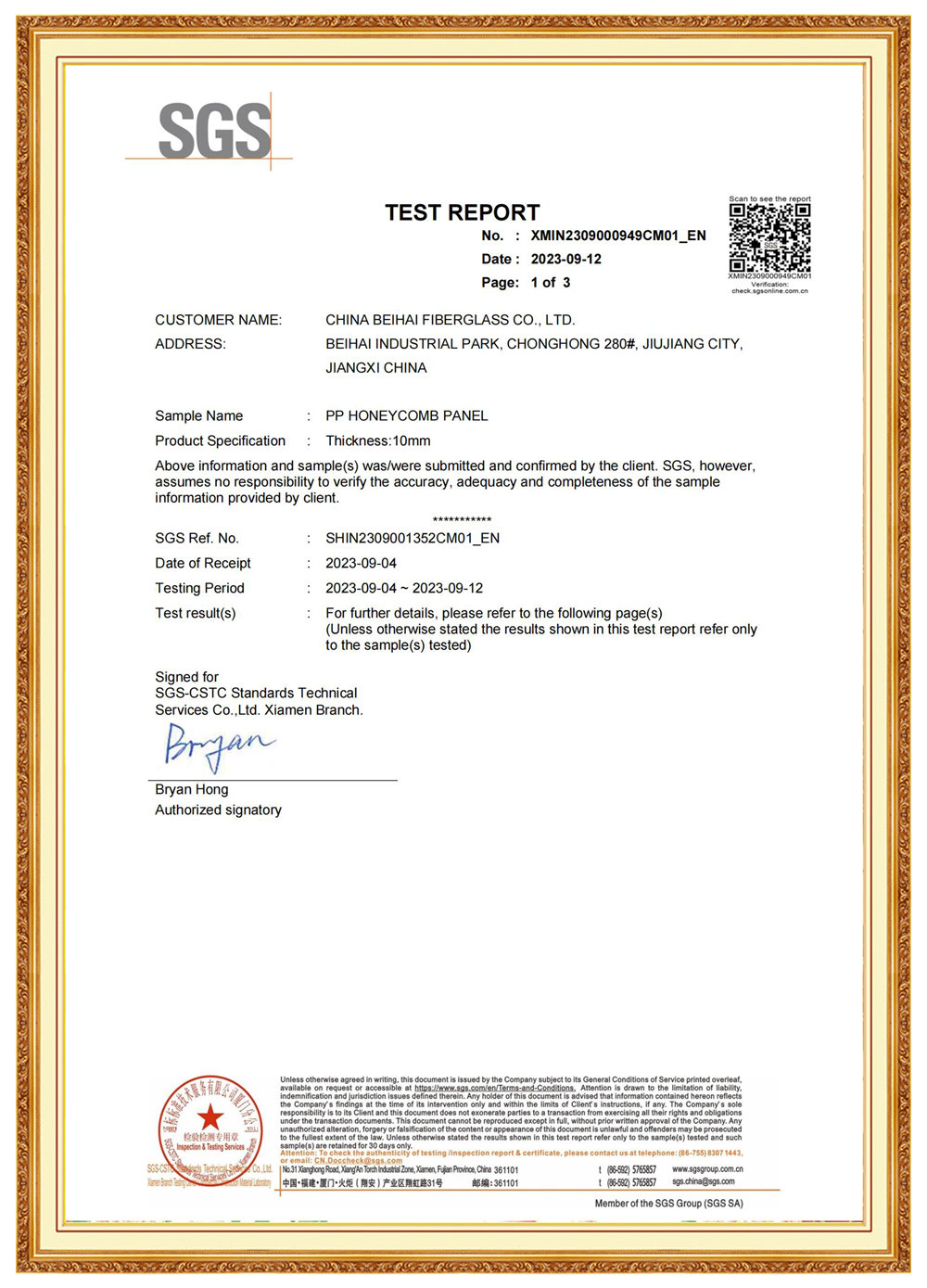
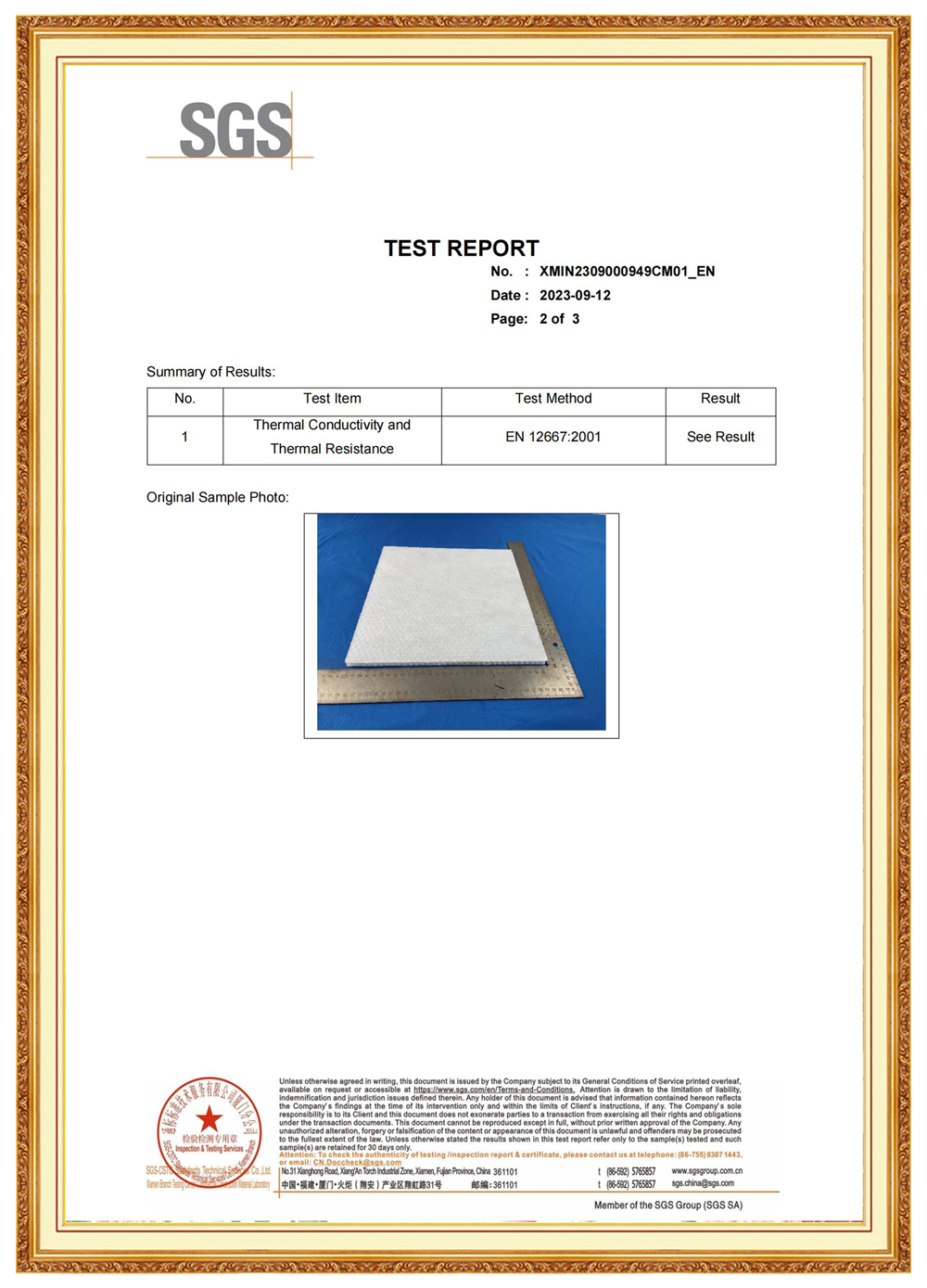
Our continuous basalt fiber materials maintain ISO 9001 quality management, ISO 14001 environmental safety compliance, and meet ASTM requirements. Additionally, our products carry necessary certifications for European construction markets and meet specific chemical safety standards for critical composite manufacturing.

As technology evolves, continuous basalt fibers are finding expanded use cases in autonomous systems, robotics, and advanced transportation infrastructure.

From monitoring drones mapping complex industrial zones to high-precision robotic arms operating on modern factory floors, structural composites require materials that are lightweight, strong, and highly stable. Basalt fiber systems provide a reliable foundation for these advanced technologies. Our research focuses on developing high-stability interfaces to optimize basalt's performance within robotic structures and aerial vehicles.
 Pioneering eco-friendly basalt solutions for robotics and automation structures.
Detailed answers to common engineering questions regarding the selection, application, and performance of continuous basalt fiber surfacing systems.
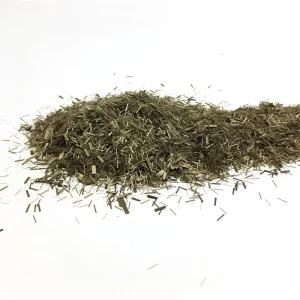
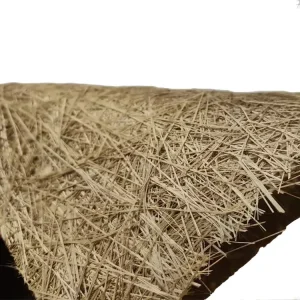
Our range of fireproof yarns, chopped strand mats, reinforced geogrids, structural wraps, and high-temp protective sleeves.
 Beihai Fiberglass