Direct factory wholesale engineered solutions for concrete reinforcement, thermal protection, and structural durability.
For more than a century, steel reinforcement has been the foundational element of civil engineering. However, modern concrete structures face a relentless adversary: corrosion. The degradation of steel-reinforced concrete caused by marine salt, moisture, and aggressive chemicals costs global economies billions of dollars annually in structural remediation and catastrophic repairs.
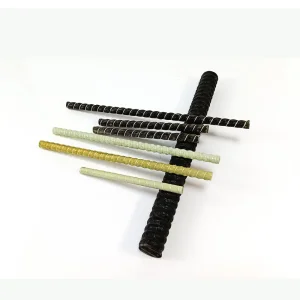
This is where Glass Fiber Reinforced Polymer (GFRP) / Fiberglass Reinforced Plastic (FRP) Rebar and its ultimate natural alternative, Basalt Fiber Reinforced Polymer (BFRP) Rebar, emerge as structural game-changers. Engineered from incredibly dense glass filaments or continuous basalt rovings bound together by custom-formulated structural resins, advanced composite rebar possesses zero metallic properties. It is naturally immune to chemical attacks, acids, and alkaline agents.
"By removing the vulnerability of corrosion from structural concrete design, architects and structural engineers can safely design for 100+ year service lives without structural decline."
The global demand for custom fiberglass and basalt reinforced plastic rebar has shifted from niche civil engineering projects to large-scale municipal, highway, and marine infrastructure developments. As continuous basalt and glass fiber production capabilities scale up, factories like China Beihai are leading the way by offering customizable tensile properties, specialized coatings, and variable modulus profiles to fit demanding engineering requirements globally.
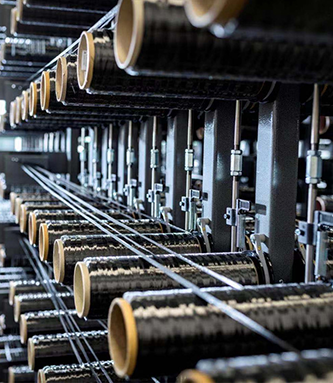
Founded in 2015 and strategically located in Jiujiang, Jiangxi Province, China Beihai is a premier state-level high-tech enterprise. Our core focus centers on the rigorous research, development, production, and global supply of high-performance basalt continuous fibers, advanced glass fiber polymers, and high-capacity equipment manufacturing.
As a leading domestic enterprise in the composite material reinforcement space, China Beihai operates ultra-modern production lines backed by scientific partnerships. We excel at bridging the gap between raw natural materials and highly specialized structural components. Our mission is to produce best-in-class solutions that address modern infrastructure's deepest issues.
Our comprehensive catalog spans various industrial segments, designed specifically to fit modern engineering requirements:
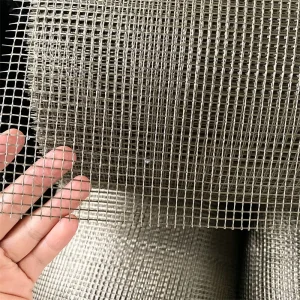
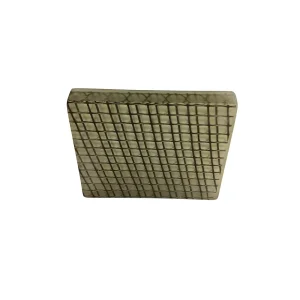
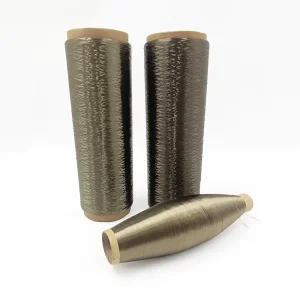
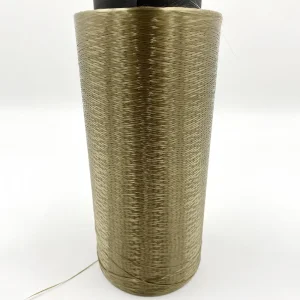
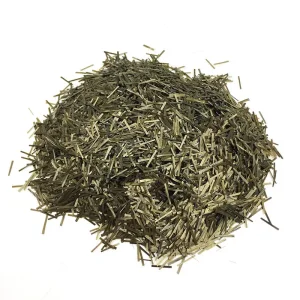
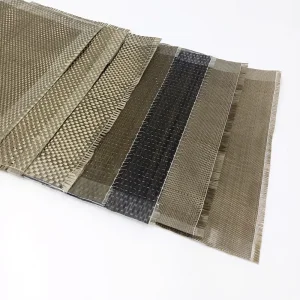
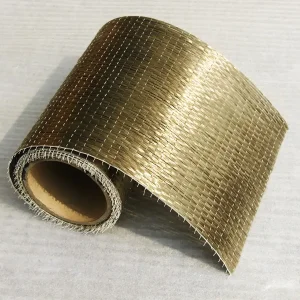
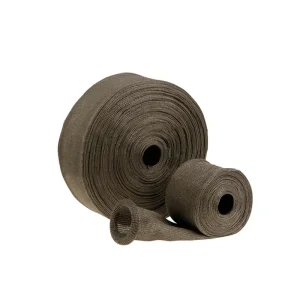
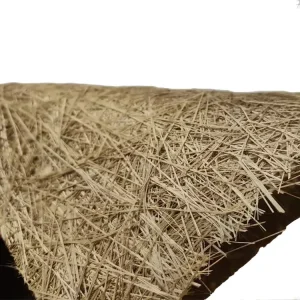
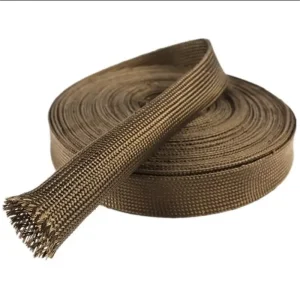
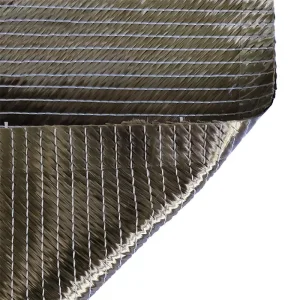
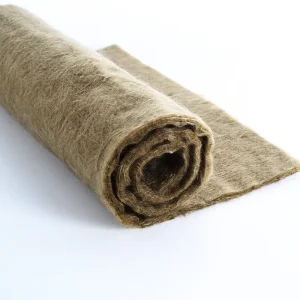
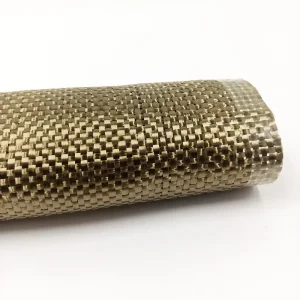
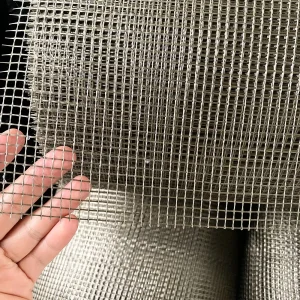
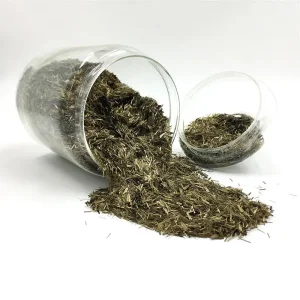
We specialize in engineering advanced basalt and glass fiber materials. Our catalog includes high-durability chopped strand mats, woven cloths, continuous rovings, twisted yarns, reinforcement rebars, high-temperature tapes, and protective sleeves designed to excel in challenging marine, thermal, and industrial environments.
China Beihai drives technical solutions for geotechnical, marine, petrochemical, and construction engineering. Through tight quality control over continuous basalt melting and pultrusion processes, we supply high-performance composite profiles that easily replace degrading steel rebar in chemical pools, highways, and seawalls.
Partnering with China Beihai ensures a direct relationship with a highly certified mega-manufacturer. Our advanced 4.0 pultrusion facilities secure robust supply chains, optimized cost efficiency, custom profile flexibility, and deep technical expertise, making us the preferred strategic partner for engineers worldwide.
How China Beihai mitigates global procurement risks and secures consistent material performance under strict ISO standards.
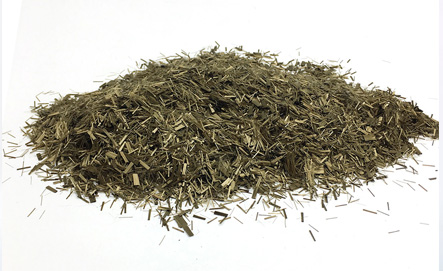
Global procurement teams face constant challenges: unstable energy costs, fluctuating raw material supplies, and unpredictable shipping lanes. China Beihai addresses these hurdles directly through our Factory 4.0 Continuous Production Framework in Jiangxi.
By owning the technology and equipment to manufacture continuous basalt fiber filaments directly from raw volcanic rock melting processes, we are immune to intermediate raw material shortages. This complete integration ensures consistent raw fiber quality and highly stable product costs.
Our rebar manufacturing uses automated continuous pultrusion machines. Fibers are pulled with precise tension through temperature-controlled resin baths and specialized dies to cure the composite evenly. This automated system ensures perfect circular dimensions, optimal fiber-to-resin ratios, and high mechanical consistency across millions of meters.
Unmatched physical properties: High tensile strength, corrosion immunity, lightweight handling, and complete electromagnetic neutrality.
Basalt fiber and Fiberglass (FRP) reinforced polymers represent the pinnacle of materials science for modern infrastructure. By offering high strength-to-weight ratios and complete corrosion resistance, these materials replace steel in challenging environmental settings, reducing long-term structural maintenance costs and extending overall lifespan.
Supplying custom GFRP and basalt rebar networks for foundation slabs, architectural facades, precast walls, and high-durability residential and commercial designs.
Leveraging lightweight composite profiles and high-temperature basalt fabrics to insulate aerospace structures and manufacture non-structural cabin fittings.
Our scientific R&D teams engineer thermal protection systems, spacecraft shielding components, and specialized structural fibers that withstand extreme temperature transitions.
Mitigating shrinkage cracks, boosting heavy load capacity, and defending concrete pours from road salt and chemical attacks in industrial floor slabs.
Developing custom basalt-reinforced polymers that reduce overall vehicle chassis weight, lower carbon footprint, and increase collision energy absorption.
Preventing catastrophic bridge collapses by wrapping foundations and piers in anti-corrosive, marine-grade composite barriers that resist tidal wear and impacts.
Reinforcing concrete containment basins and support framing inside oil refineries and gas processing facilities where aggressive acids degrade standard steel in years.
Partnering directly with engineering firms to supply high-spec basalt continuous fiber grids, tailored rods, and bespoke pultruded structures.
An objective, engineering-focused comparison of physical properties, installation efficiency, and environmental lifecycle impact.
| Property / Metric | Glass FRP (GFRP) Rebar | Basalt FRP (BFRP) Rebar | Standard Grade 60 Steel |
|---|---|---|---|
| Tensile Strength (MPa) | 600 - 1000 MPa | 1000 - 1400 MPa | 414 MPa (Yield) |
| Density (g/cm³) | 1.9 - 2.1 (1/4 weight of steel) | 1.9 - 2.2 (1/4 weight of steel) | 7.85 (Heavy / High labor cost) |
| Corrosion Immunity | 100% Immune | 100% Immune (Highly Acid Resistant) | Prone to Oxidation & Spalling |
| Electromagnetic Response | Non-Conductive / Neutral | Non-Conductive / Neutral | Highly Conductive / Inductive |
| Thermal Expansion Coefficient | Matches Concrete (Minimizes Stress) | Matches Concrete (Minimizes Stress) | Mismatches under extreme temperature cycles |
| Typical Application Life | 100+ Years | 100+ Years | 30 - 50 Years (Requires Maintenance) |
Note for Design Engineers: While composite rebars show much higher tensile strengths than Grade 60 structural steel, they have a lower modulus of elasticity (typically 40-60 GPa). Structural concrete calculations must account for this, using composite guidelines like ACI 440.1R to ensure optimal design limits are met.
Our composite reinforcement solutions undergo rigorous testing to comply with leading global engineering standards.
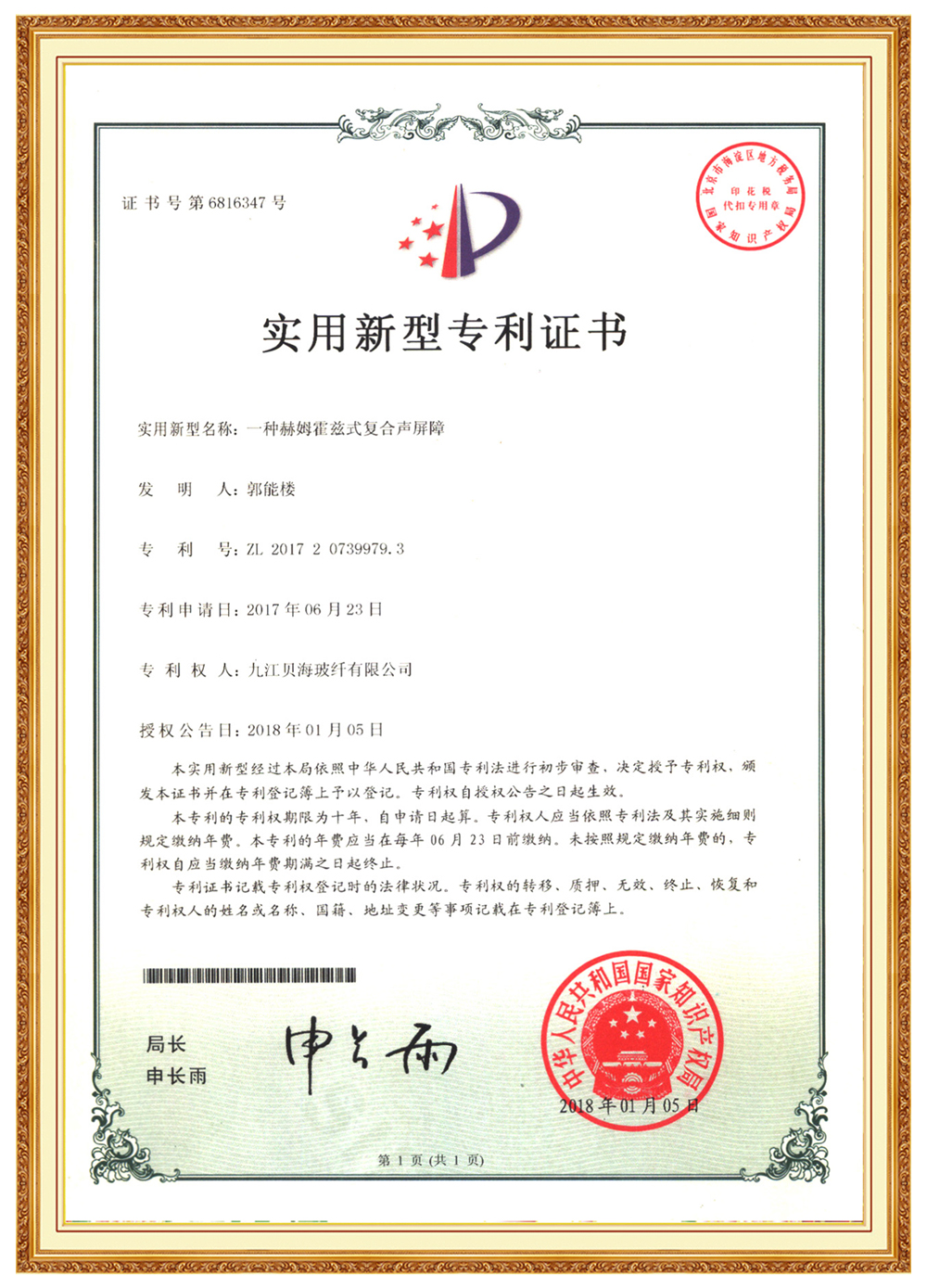
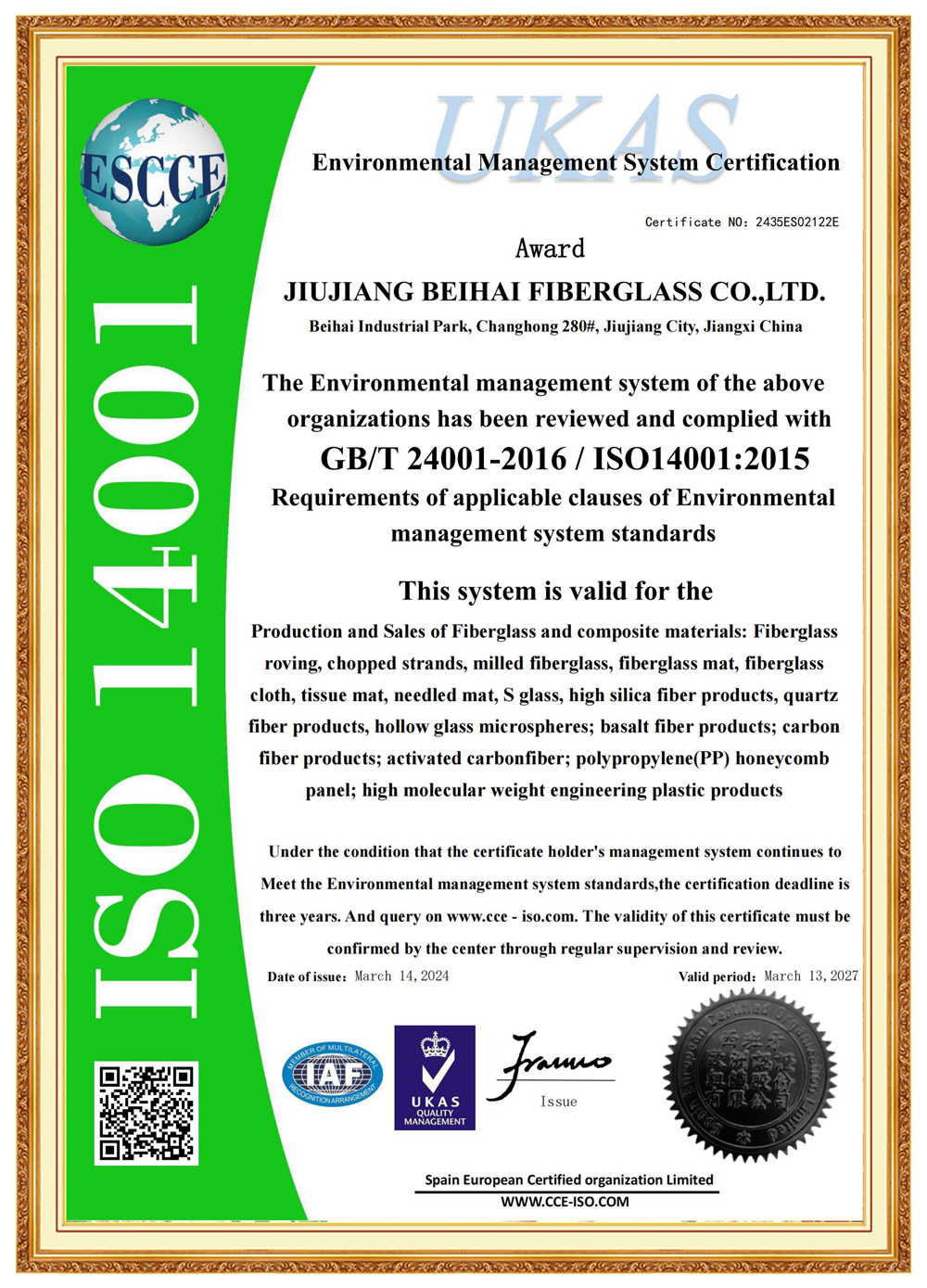
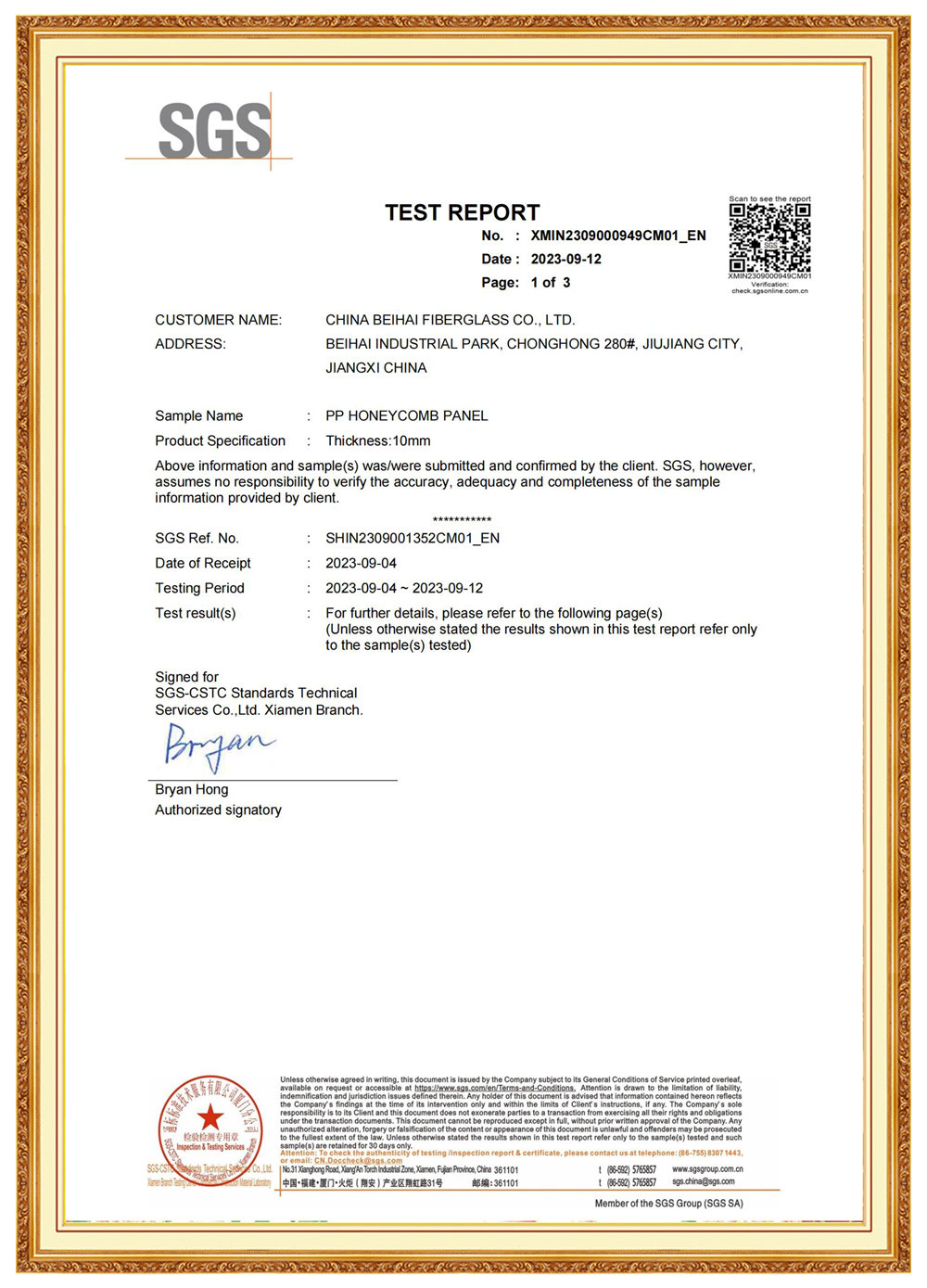
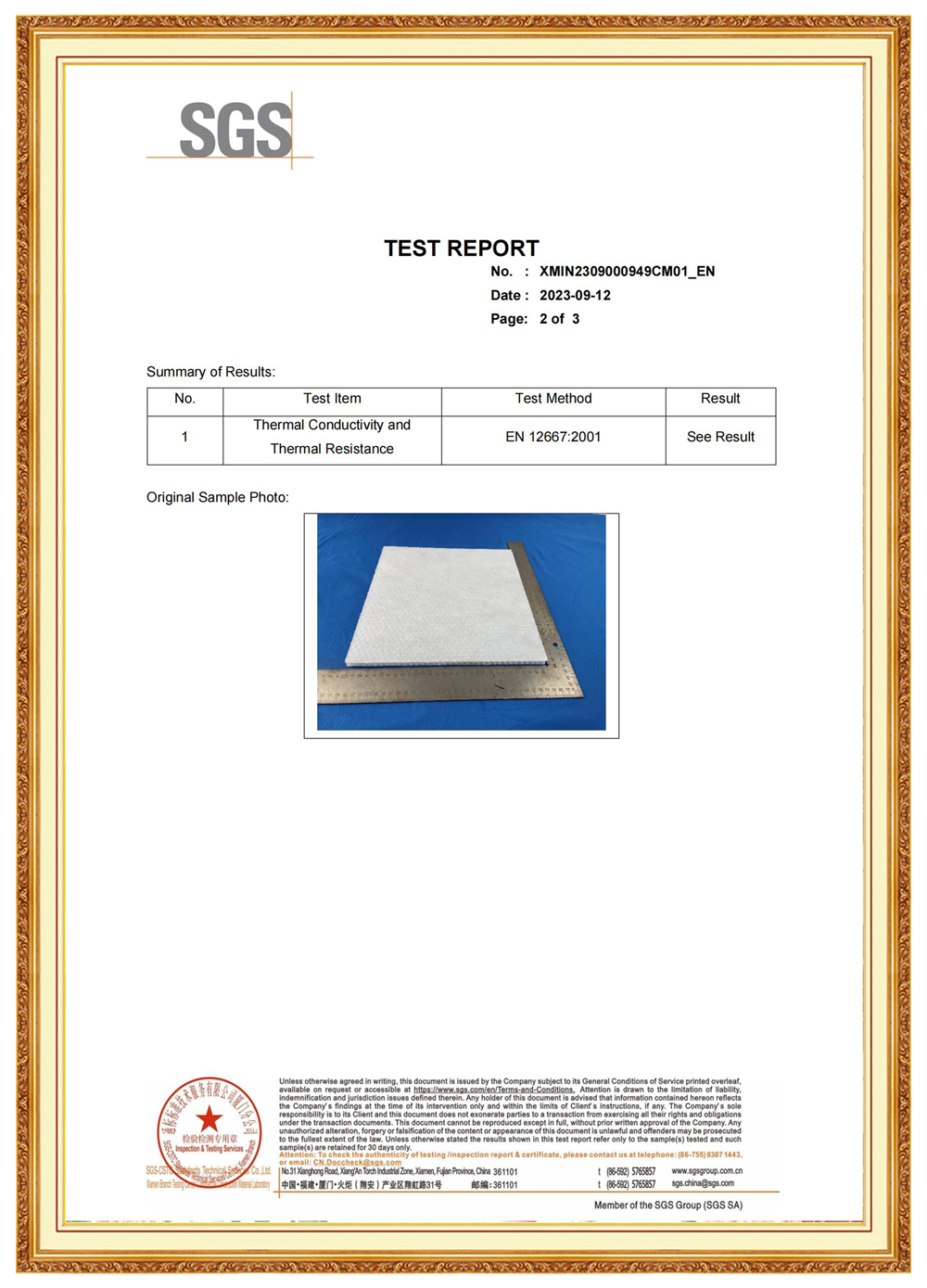
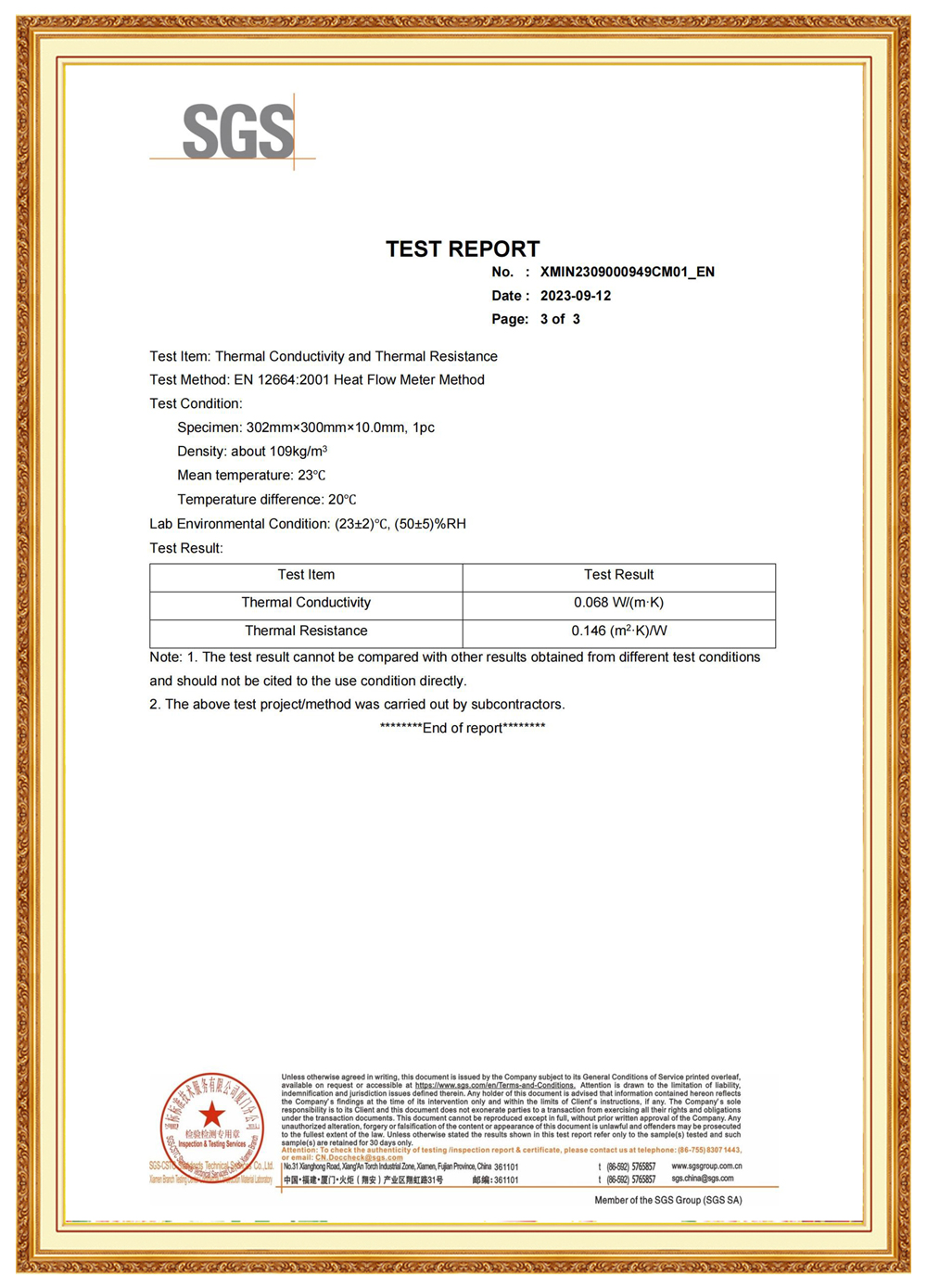
At China Beihai Group, we believe that authoritativeness and reliability are proven on the test bench, not just claimed in catalogs. All basalt and glass fiber reinforced plastic products undergo meticulous continuous sampling and testing. Our products meet demanding standards like ASTM D7957, ACI 440, and ISO 9001:2015 quality frameworks.
Our testing labs run daily checks on fiber tensile strength, resin cure consistency, density profiles, shear strength limits, and alkaline bath resistance. This systematic approach ensures that every batch shipped to global infrastructure projects performs exactly as specified.

Addressing core engineering questions, shear capacity, fire behavior, bending limits, and structural planning.
GFRP (Glass Fiber) rebar provides excellent, cost-effective corrosion resistance and high tensile strength for general structural applications. BFRP (Basalt Fiber) rebar is produced from natural volcanic basalt rock, which offers higher tensile strength, superior shear resistance, better thermal stability, and natural resistance to alkali environments without requiring chemical coatings. BFRP is often preferred for high-load coastal and chemical engineering projects due to its superior environmental resistance.
Composite rebars cannot be hot-bent or cold-bent on-site like steel because their cured polymer matrix is fixed during factory pultrusion. All bends, loops, and custom shapes must be specified during the ordering phase and fabricated at the factory. However, cutting is simple on-site: crew members can cut composite rods in seconds using standard diamond-blade saw wheels, saving labor compared to heavy steel rebar cutters.
The thermal expansion coefficient of glass and basalt composite rebar matches the thermal behavior of concrete closely. When concrete experiences extreme temperature swings, the internal composite rods expand and contract at nearly identical rates as the concrete. This minimizes internal stresses, preventing cracks and debonding that occur with materials that have mismatched thermal expansion rates.
FRP rebar consists of glass or basalt filaments bound in a polymer matrix. When exposed to temperatures exceeding the glass transition temperature (Tg) of the resin (typically 100°C to 150°C), the resin softens, which reduces its bond strength to concrete. However, because the rebar is embedded deep within concrete, the concrete cover acts as a natural thermal shield. In structural fire-rated designs, engineers increase concrete cover depth or use high-Tg vinyl ester resins to meet required fire ratings.
GFRP and BFRP rebars weigh roughly one-fourth (25%) of equivalent steel rebar. This significant weight reduction lowers transportation costs, allows crews to carry and place rods by hand without cranes or heavy machinery, accelerates installation times, and dramatically reduces on-site workplace fatigue and related injuries.
FRP composite rebar is completely non-conductive and electromagnetically neutral. This makes it ideal for specialized concrete structures that house sensitive diagnostic equipment, such as MRI rooms in hospitals, toll booths with automatic vehicle identification systems, high-speed rail track slabs, and military radar installations where metal reinforcement would cause signal interference.
Basalt is an abundant, naturally occurring volcanic rock. Processing basalt fiber requires no chemical additives during the melting stage, and the pultrusion manufacturing process consumes significantly less energy than steel smelting. Combined with their 100+ year service life and zero maintenance needs, basalt and glass composites have a substantially lower overall lifecycle carbon footprint than structural steel.
Structural designs must follow recognized international standards for composite reinforcement. The primary guides are ACI 440.1R (published by the American Concrete Institute), ASTM D7957 (material standard), and CSA S806 in Canada. These standards outline calculation methods for deflection, shear design, development length, and crack width limits specifically tailored for the physical properties of FRP rebars.
To resist concrete's naturally alkaline environment, high-quality GFRP rebar must use Alkali-Resistant (AR) glass fibers or be completely sealed in a high-grade vinyl ester resin matrix. At China Beihai, we formulate our composite rebars with advanced vinyl ester resins that wrap the glass and basalt filaments completely, ensuring long-term durability and resistance to alkaline attacks even under high sustained loads.
Yes. China Beihai is a custom factory. We manufacture rebars in standard and custom diameters ranging from 3mm to 32mm. Depending on project needs, we offer sand-coated surfaces to maximize mechanical bond with concrete, ribbed finishes, or smooth profiles, with custom cut-to-length options to minimize jobsite waste.
Explore hot updates on basalt composites and global material changes.
As drones slice through the sky to monitor wildfires, and intelligent robots execute repetitive tasks with precision on the factory floor, the efficient operation of this smart equipment is often underpinned by a "hardcore support" system. Advanced basalt continuous fiber and composite reinforcement elements are quietly driving the evolution of civil, maritime, and defense infrastructure globally.
Premium specialized basalt continuous fibers and glass-reinforced technical items direct from our ISO 9001 factory floor.
 Beihai Fiberglass