Explore our premium structural reinforcement composites engineered for structural integrity, acid/alkali resistance, and thermal durability.
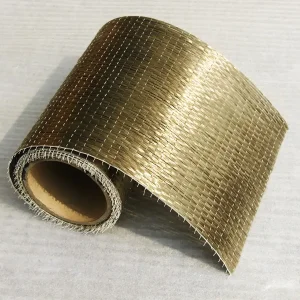
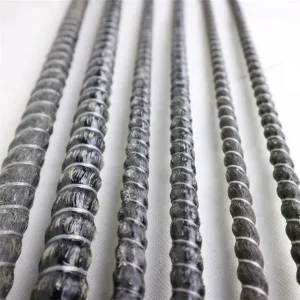
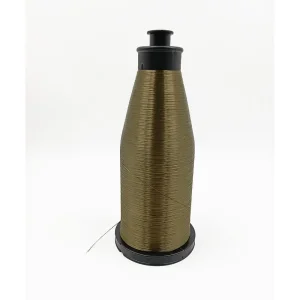
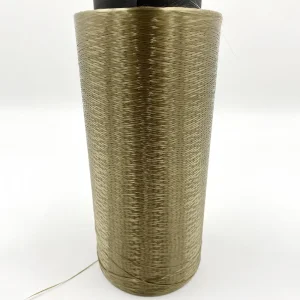
Founded in 2015 and headquartered in Jiujiang, Jiangxi Province, China Beihai is a premier high-tech enterprise dedicated to the scientific research, dynamic industrial design, manufacturing, and distribution of high-performance continuous basalt fiber products and processing technology.
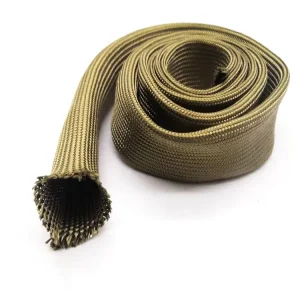
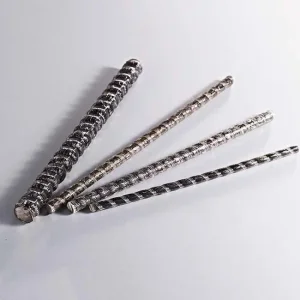
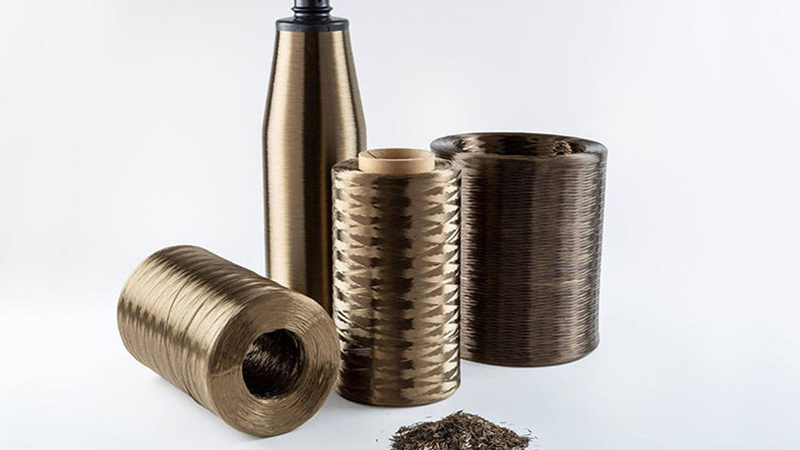
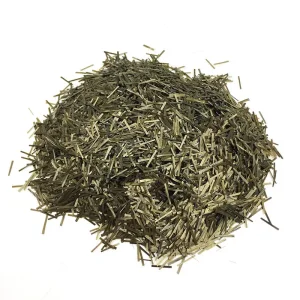
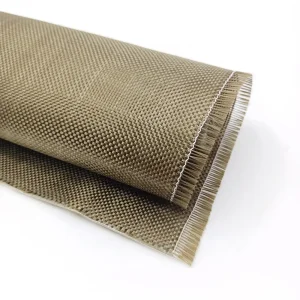
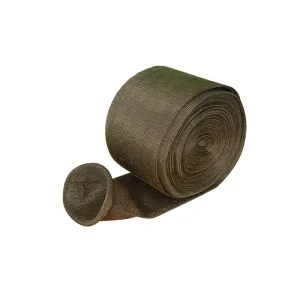
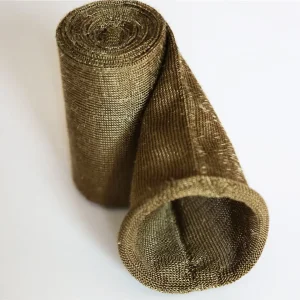
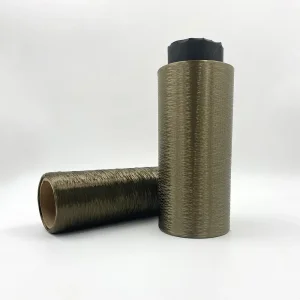
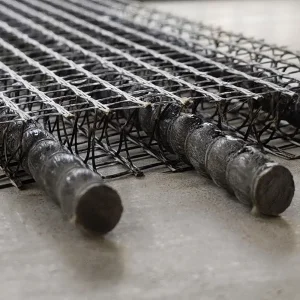
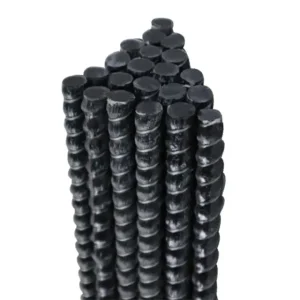
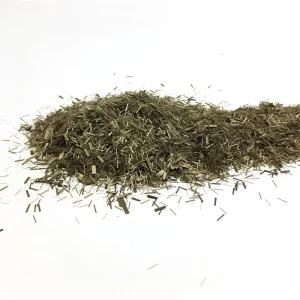
At China Beihai group, we specialize in the production of a wide range of products including basalt fiber mat (Basalt fiber chopped strand mat, Basalt fiber cloth), basalt fiber roving, basalt fiber yarn, basalt fiber chopped strands, and structural basalt fiber products (Basalt Fiber rebar, basalt fiber sleeves, and tape). Our products are designed to meet the diverse needs of various industries, providing high-quality solutions for our customers.
We are dedicated to the production of a wide array of basalt-based products, ranging from basalt fiber mat, fabric, and roving to chopped strand and specialized construction materials. Our focus is on delivering high-quality, sustainable solutions for industries such as construction, geotechnical engineering, and manufacturing. With a commitment to innovation and excellence, we strive to cater to the unique requirements of our clients by offering a comprehensive selection of basalt-derived products.
Choosing to work with China Beihai means partnering with a leading manufacturer of basalt products. Our commitment to quality, innovation, and sustainability sets us apart, ensuring our customers receive best-in-class solutions for their diverse needs. With reliability and customer satisfaction as our cornerstones, we offer a wide range of high-quality basalt materials and construction products, backed by our dedication to excellence and industry expertise. When you partner with China Beihai, you can trust that you are working with a reliable and forward-thinking supplier for all your basalt product needs.
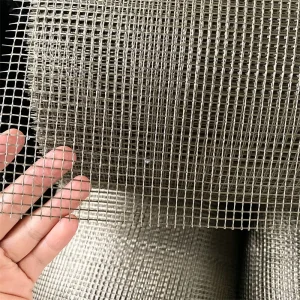
In modern civil engineering, geological stability, infrastructure lifespan extension, and carbon footprint reduction have transitioned from aspirational targets to strict regulatory requirements. As the global engineering community actively seeks robust alternatives to corrosive steel reinforcement and polymer-based carbon-heavy geotextiles, High Tensile Basalt Fiber Mesh Geogrids have emerged as the gold standard. Synthesized from pure, continuous geological basalt filaments, these geogrids offer an unparalleled intersection of mechanical performance, geochemical immunity, and thermodynamic stability.
Unlike synthetic polymers (such as polyester or polypropylene geogrids) that suffer from creeping under sustained mechanical load, or fiberglass which degrades rapidly in highly alkaline cementitious environments, basalt continuous fiber is formed from the single-component melt of volcanic basalt rock at temperatures reaching 1450°C to 1500°C. The resultant amorphous silicate structure is inherently rich in silicon dioxide (SiO₂) and aluminum oxide (Al₂O₃), coupled with reinforcing oxides of iron, magnesium, and calcium (Fe₂O₃, FeO, MgO, CaO).
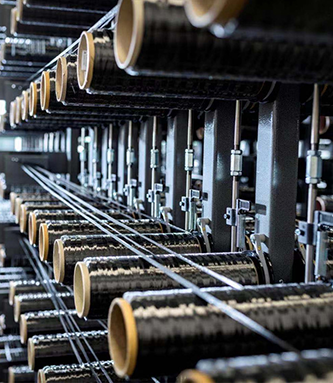
During the extrusion of continuous filaments (ranging from 9μm to 22μm in diameter), China Beihai applies proprietary silane-based coupling sizing agents. This nanotechnology coating provides two critical functions: it physically isolates the inorganic filaments from inter-fiber abrasion and establishes a highly reactive chemical bridge when integrated with epoxy resins, asphalt binders, or cementitious matrices. This molecular interface is what defines the superior interlaminar shear strength and load distribution properties of our custom mesh geogrids.
The thermal expansion coefficient of basalt continuous fiber is virtually identical to that of concrete and high-density asphalt pavement (approx. 8.0 x 10^-6 /K). This ensures that under extreme temperature swings (from -40°C winter conditions to 70°C summer road surface temperatures), no internal micro-stresses develop between the geogrid and the surrounding medium, permanently preventing delamination and reflective cracking.
Our custom basalt fiber mesh geogrids are engineered to address critical macro-industry failure points across multiple application fields:
Basalt fiber is ideal for your engineering projects. Its high strength, corrosion resistance, and lightweight properties allow it to easily solve a variety of challenges.
Our basalt products have diverse applications in the field of house construction, reinforcing drywall, plastering layers, and structural joints to avoid tension cracking.
In the aerospace and defense sectors, lightweight and high thermal capacity basalt fiber elements are ideal for manufacturing airframes, wing ribs, and thermal shields.
Through fine process control and surface treatment technologies, our basalt fibers are applied in manufacturing spacecraft shell materials, thermal protection systems, and engine components.
Basalt-added concrete offers increased mechanical strength, enhanced chemical resistance, and crack control, solving the core limits of standard cementitious materials.
Providing lightweight components, high structural integrity, and acoustic dampening properties to replace traditional steel and fiberglass automotive structural parts.
Basalt's high strength, durability, and high impact absorption properties make it ideal for protecting bridge abutments from severe vehicle collisions and sea wave erosion.
The superb resistance of basalt fiber products to chemical attack (organic solvents, hydrocarbons, highly concentrated acids) provides unique advantages in petrochemical pipelines and linings.
Our high-strength, non-corrosive, marine-grade basalt continuous fiber materials provide high strength, zero salt degradation, and fireproof security in shipbuilding and coastal defenses.
In 2024 and beyond, procurement protocols for international infrastructure development (including EPC contracts in Europe, North America, and Southeast Asia) enforce stringent sustainability audits. Standard polymer geogrids derived from petroleum processing present unstable long-term pricing tied to volatile fossil fuel markets. In contrast, China Beihai's Basalt Fiber Mesh Geogrids offer a predictable, high-value cost structure.
Our custom basalt mesh pricing relies on several core parameters designed for engineering transparent procurement:
While the upfront acquisition cost of premium basalt fiber geogrids can slightly exceed conventional low-end polypropylene meshes, the lifecycle extension of civil structures is substantial. Over a 50-year design window, roads reinforced with basalt mesh geogrids show a 45% reduction in crack frequency and a 60% reduction in patch maintenance costs, yielding a high return on investment (ROI) within the first decade.
As part of China Beihai’s dedication to technological innovation, our research laboratory is pioneering the next phase of basalt composite evolution. Our technical roadmap focuses heavily on two breakthroughs:
We are engineering eco-friendly bio-resins extracted from plant materials to replace standard petroleum-based epoxy coatings. This breakthrough will result in a 100% natural, fully carbon-neutral structural grid with zero micro-plastic leaching risk in agricultural and environmentally sensitive marsh zones.
By interweaving micro-scale fiber-optic sensor lines directly into the high-tensile basalt mesh grids during the warp-knitting process, our future geogrids will serve a dual purpose: structural reinforcement and real-time stress monitoring. Under stress shifts, landslides, or bridge pier deformation, the smart geogrid will send digital telemetry signals to monitoring platforms, enabling preventative infrastructure maintenance.
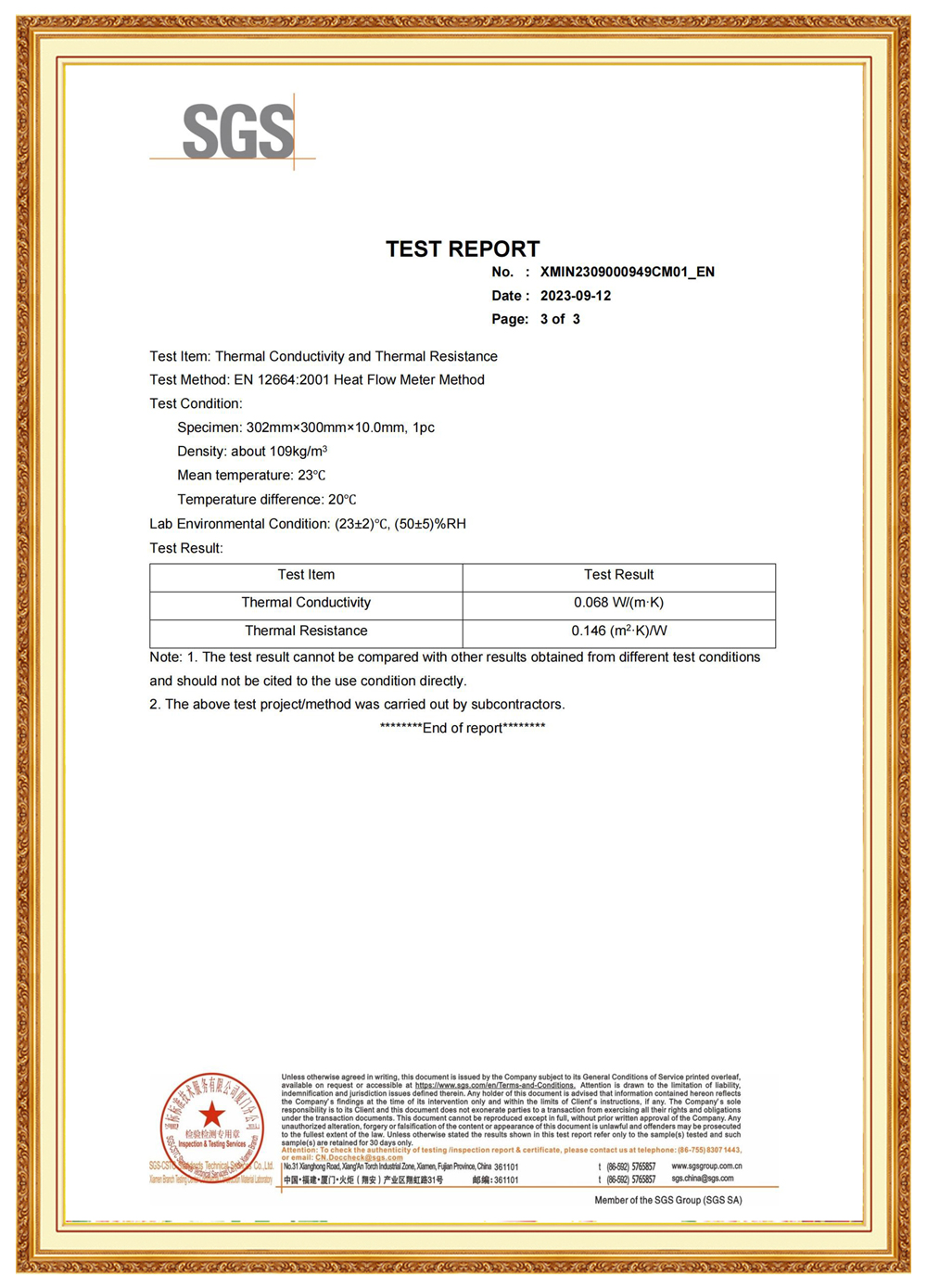
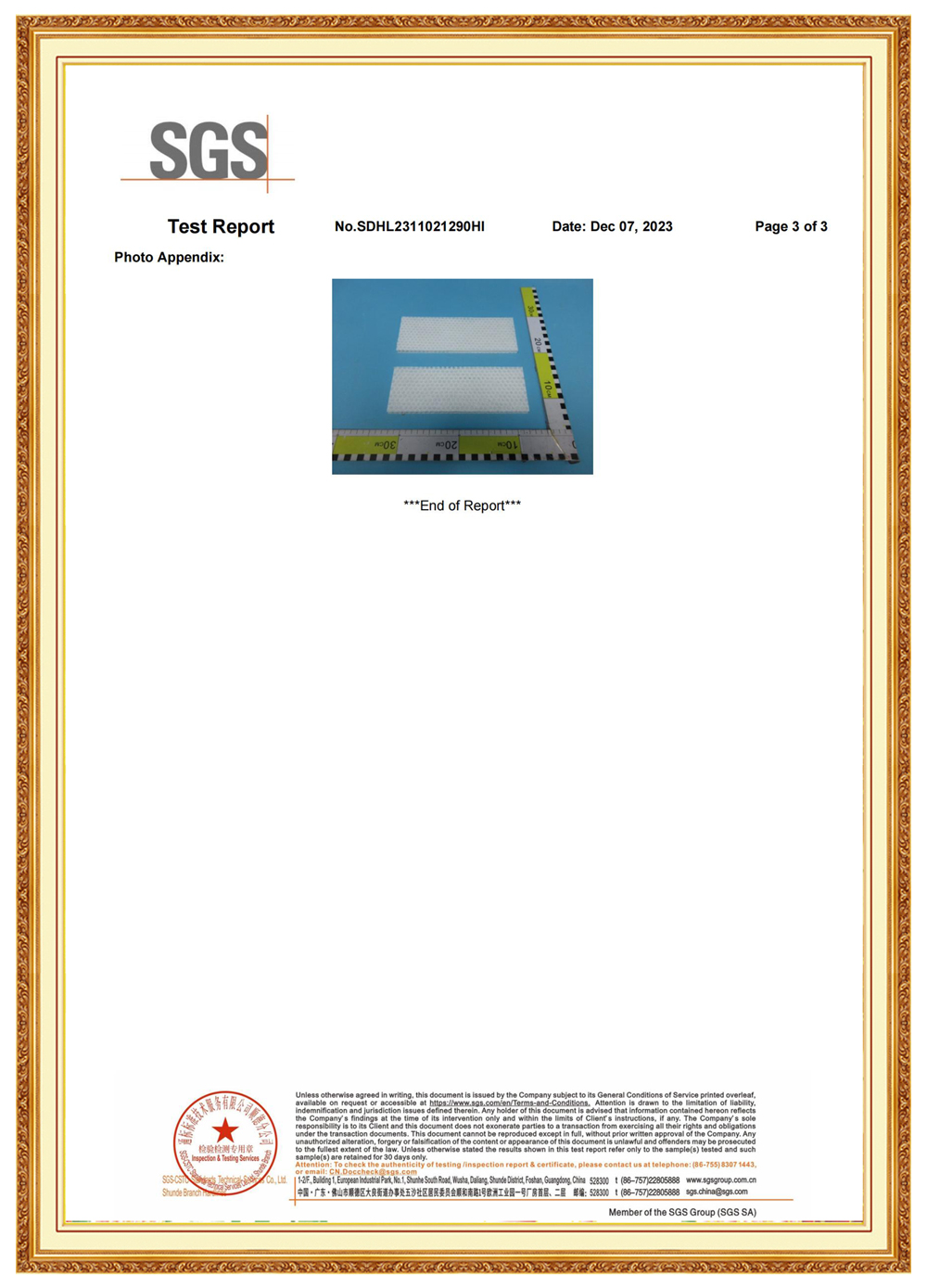
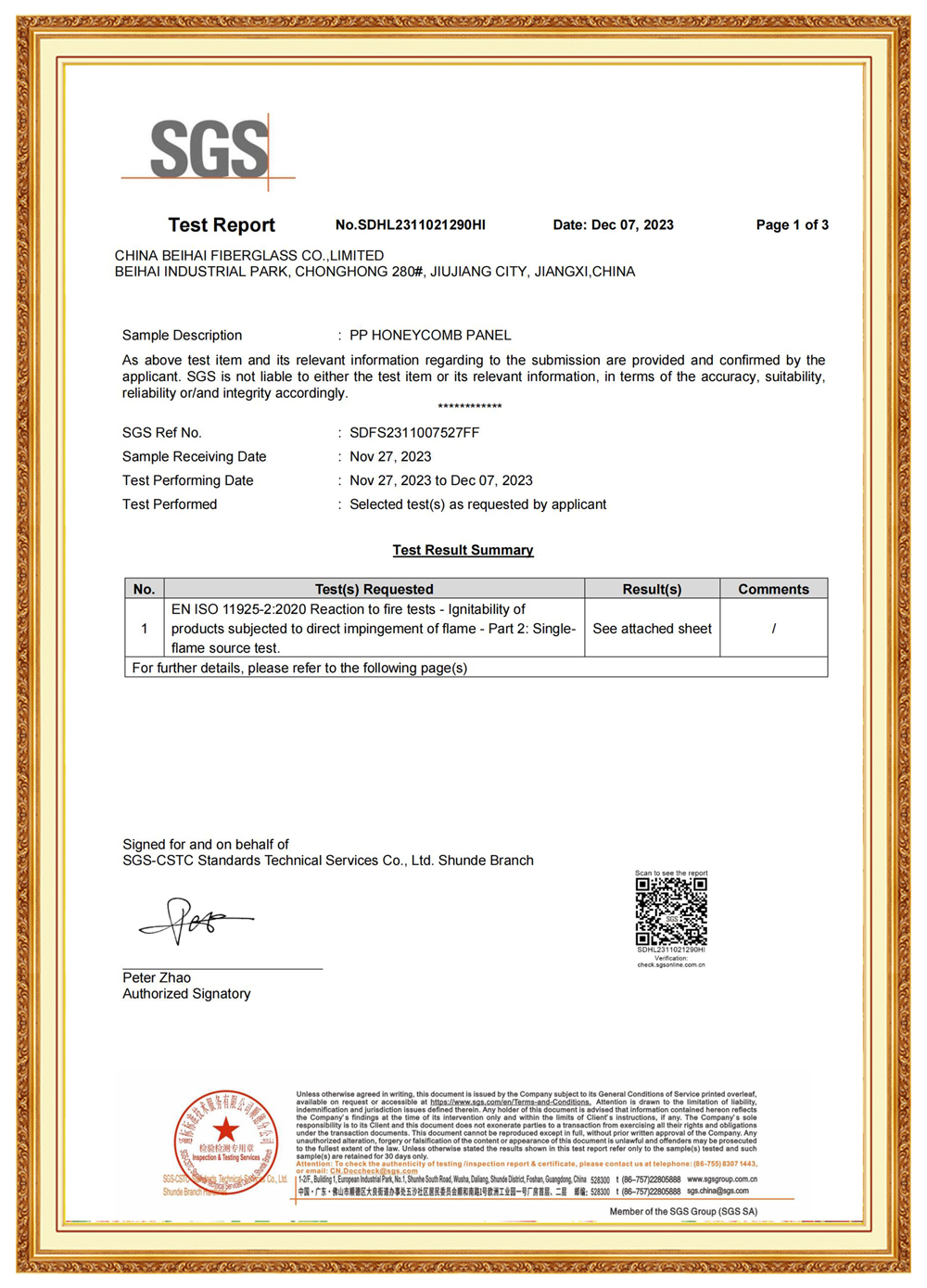
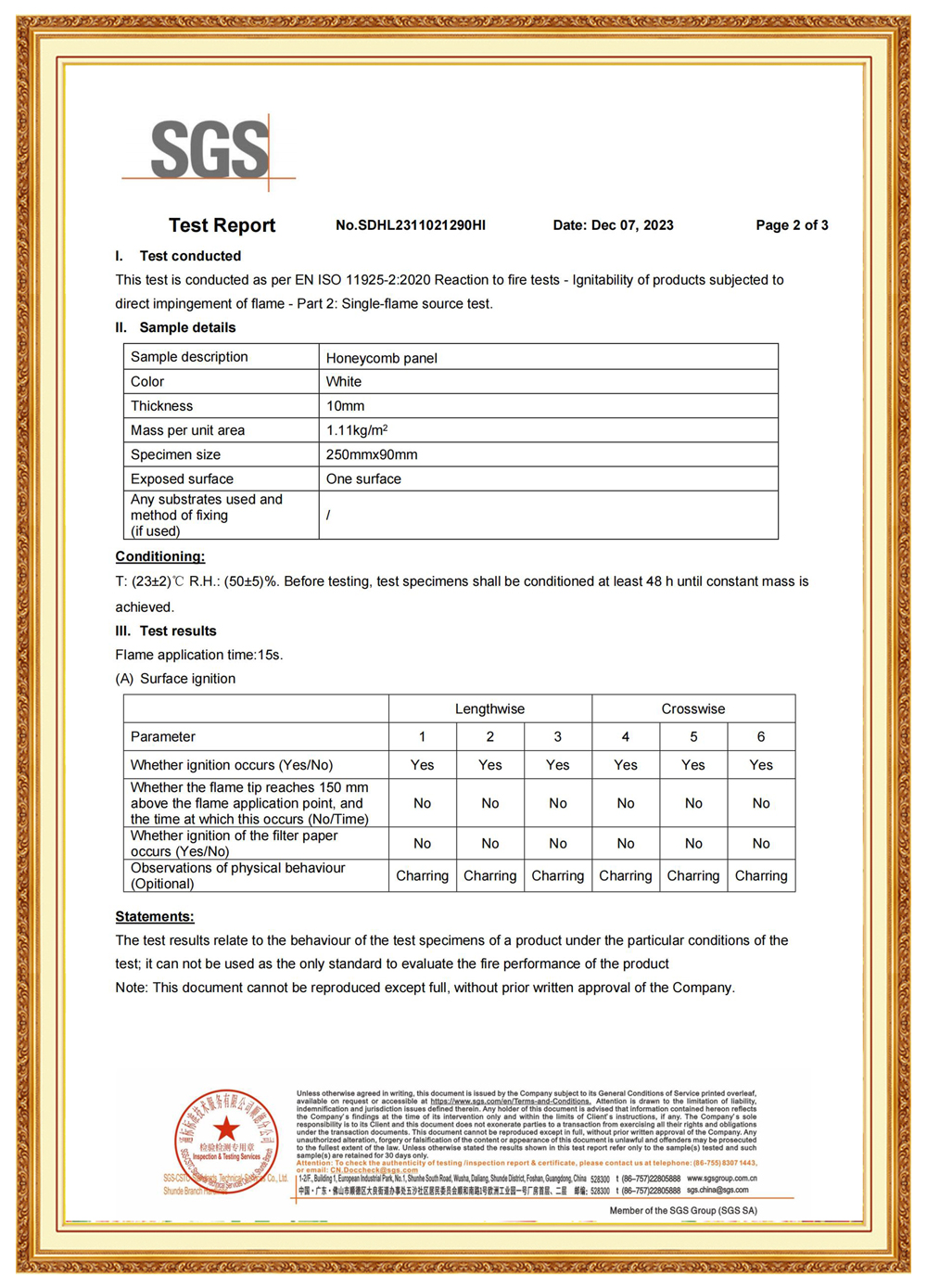
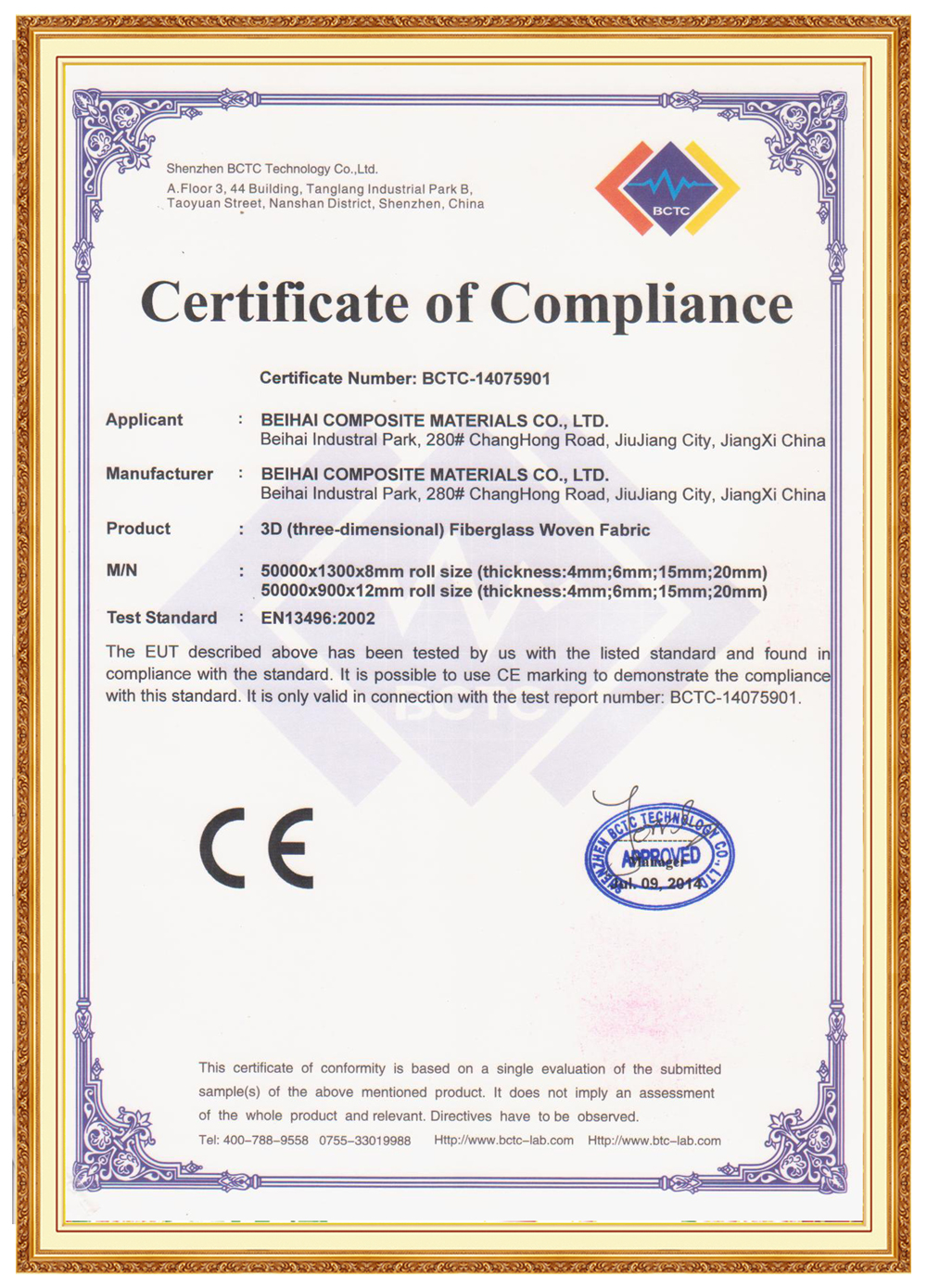
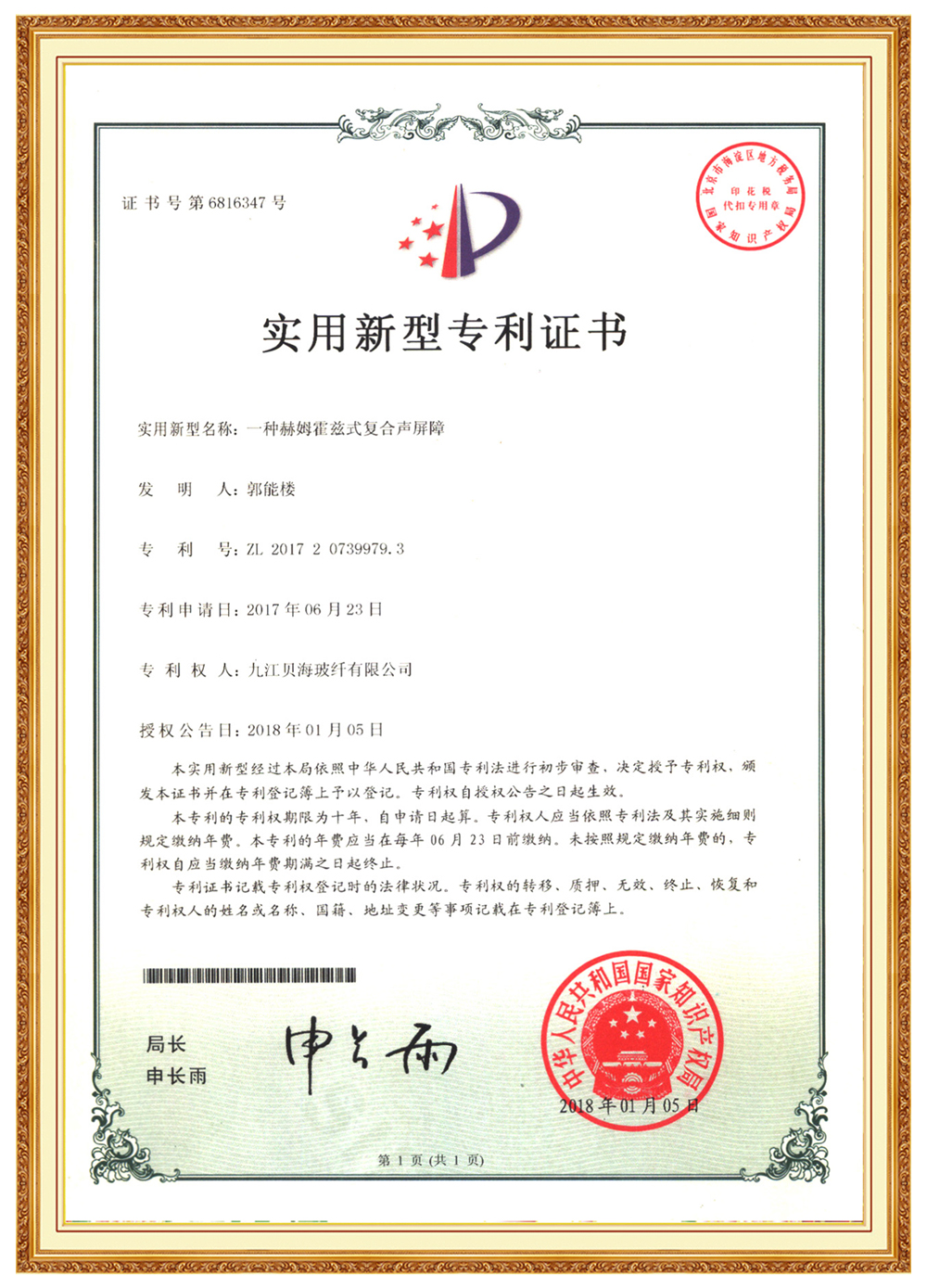
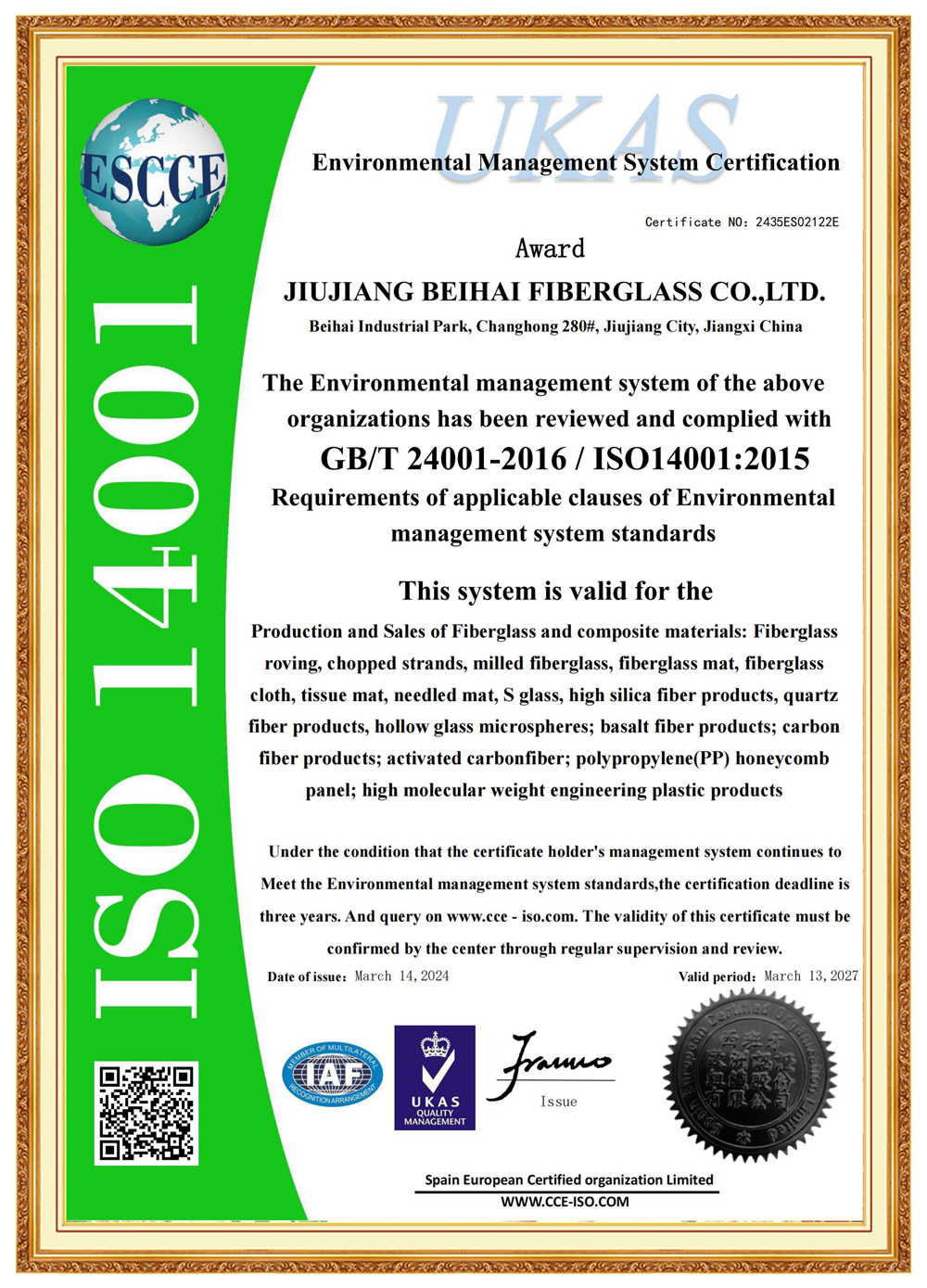
China Beihai Group complies with international quality, safety, and performance standards. Every batch of continuous basalt fiber is rigorously tested prior to global logistics delivery.

Stay up to date with ongoing transformations in continuous geological fiber and green civil engineering materials.
As advanced drone technology monitors dense wildland boundaries, and autonomous robotics manage complex automated processes on modern industrial factory floors, the stable, safe running of these complex devices relies extensively on advanced lightweight hardware structures. High continuous basalt fiber stands as the ultimate, rustproof backbone for this advanced industrial revolution, replacing metal components while decreasing carbon footprint.
Read Full Scientific ArticleAddressing the core technical, chemical, and logistical queries of global engineers, structural designers, and material procurement officers.
Due to the chemical stability of geological silicate structures, basalt continuous fiber mesh geogrids installed in non-exposed geotechnical applications (such as embedded in road foundations or deep soil sub-layers) have a calculated operational life exceeding 100 years. Unlike polymer geogrids, basalt does not display high creep stress strain, ensuring permanent support under constant operational loads.
We provide a transparent, scale-sensitive pricing schedule. Custom grid aperture specifications, bespoke protective resin coatings (epoxy vs. bitumen), and specific roll widths require detailed engineering evaluation. High-volume commercial orders qualify for wholesale price breaks, and quotes are prepared within 24 hours of receiving design specifications.
Yes. Untreated basalt fiber is exceptionally stable in acidic and mildly alkaline environments. When deployed inside highly alkaline concrete (pH > 12), the natural concrete environment can challenge raw fibers. Therefore, China Beihai coats our structural basalt concrete meshes with a high-integrity, alkali-resistant polymer or epoxy protective layer. This shield stops direct concrete pore chemistry contact, guaranteeing long-term mechanical strength.
Our manufacturing processes in Jiujiang are ISO 9001:2015 certified. Our geogrid products comply with ASTM (American Society for Testing and Materials) standards for tensile strength, elongation at break, and aperture size consistency, and support EN European standards for road and runway construction. Full third-party lab testing sheets (SGS, TUV) are available upon request.
Browse our extensive selection of specialized industrial solutions. Select any product link below to view individual price schedules, specifications, and test data.
 Beihai Fiberglass