Understanding the transition from traditional composites to sustainable, high-performance volcanic fiber technology.
The global industrial landscape is undergoing a paradigm shift towards materials that offer both extreme performance and environmental sustainability. Custom Needled Basalt Fiber, derived from volcanic rock, stands at the forefront of this evolution. Unlike glass fiber or carbon fiber, basalt fiber is a 100% natural, inorganic material that provides a unique bridge between high-end performance and cost-effectiveness.
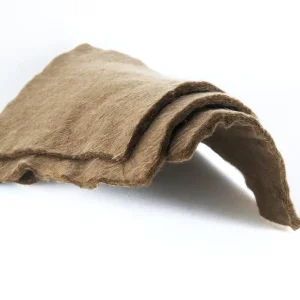
In 2024, the demand for needled basalt mats has surged due to their exceptional thermal stability (up to 700°C) and acoustic insulation properties. Industries ranging from automotive thermal management to aerospace heat shielding are moving away from chemical-heavy resins toward mechanical needle-punching technology. This process ensures that the fibers are interlocked without the need for additional binders, preventing toxic off-gassing at high temperatures.
Founded in 2015 and located in Jiujiang, China Beihai is a high-tech enterprise focusing on the R&D, production, and sale of high-performance basalt continuous fiber. As a leading domestic factory, we provide specialized equipment manufacturing alongside a comprehensive suite of basalt-derived products.
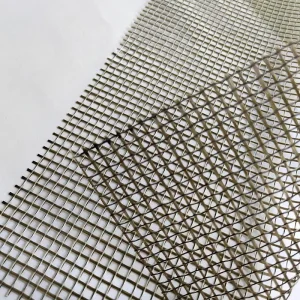
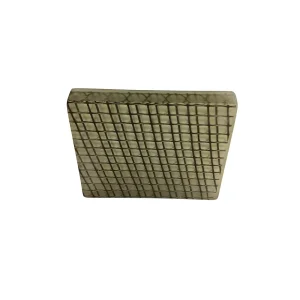
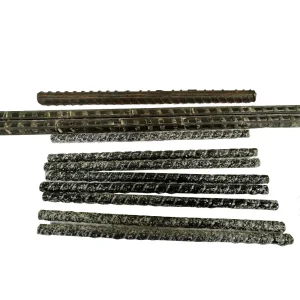
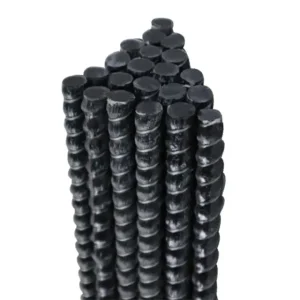
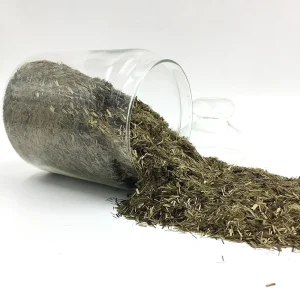
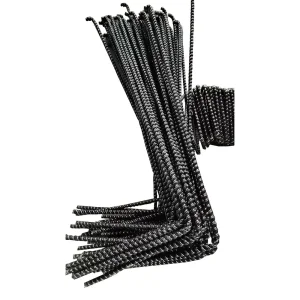
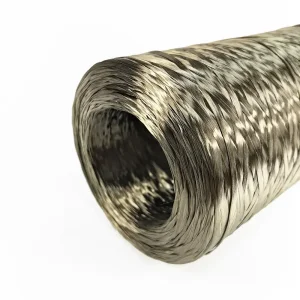
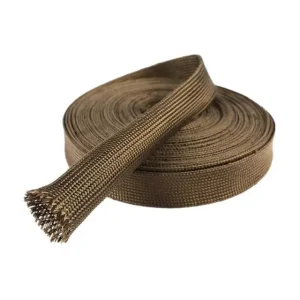
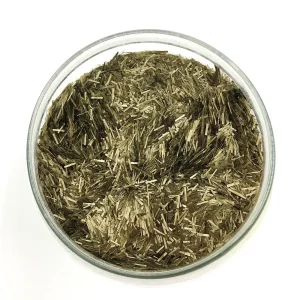
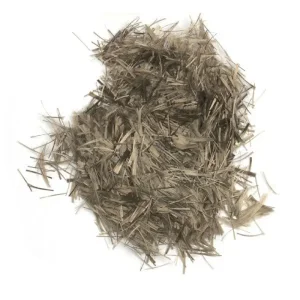
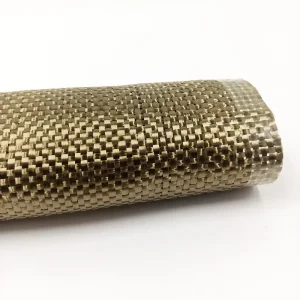
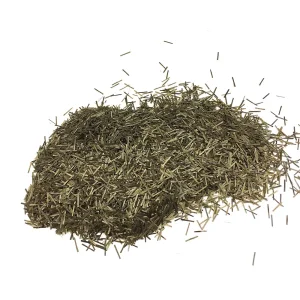
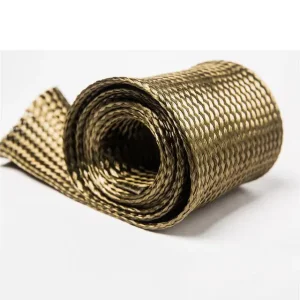
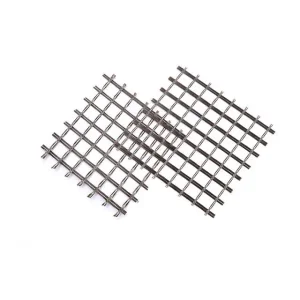
We specialize in the production of basalt fiber mats (chopped strand and cloth), roving, yarn, chopped strands, and specialized products like basalt fiber rebar, sleeves, and heat-resistant tapes. Our solutions are engineered for extreme chemical, thermal, and structural environments.
Working with China Beihai means collaborating with a forward-thinking manufacturer dedicated to innovation. Our commitment to sustainability and best-in-class quality control (ISO certified) ensures reliability for large-scale infrastructure and high-precision aerospace projects.
Modern needled basalt fiber products utilize high-density needle-punching machines that mechanically entangle continuous basalt filaments. This creates a dense, flexible mat with superior vibration damping. The future roadmap includes the integration of Aerogel-infused basalt mats, which aim to reduce thermal conductivity by another 30%, making them ideal for the next generation of Cryogenic insulation and EV battery firewalls.
We provide localized technical support and adhere to international standards including ASTM D2343 (for tensile properties) and ISO 9001:2015. Our products undergo rigorous alkali-resistance testing to ensure 100% reliability in concrete environments.
Ideal for spacecraft shell materials, thermal protection systems, and high-temperature engine components due to lightweight yet ultra-durable basalt properties.
Basalt-added concrete offers increased crack resistance and improved chemical durability, extending the lifespan of bridges and roads by decades.
Facing the trend of lightweight materials, our basalt composites are tested for impact resistance in car frames and insulation in exhaust systems.
Unmatched corrosion resistance makes basalt fiber the unique choice for high-pressure chemical piping and storage tanks in harsh environments.
Non-conductive and non-magnetic basalt rebar is the essential material for MRI rooms and high-voltage power stations where interference is prohibited.
Basalt fiber is ideal for your engineering projects. Its high strength, corrosion resistance, and lightweight properties allow it to easily solve a variety of challenges. In buildings, bridges, and other infrastructure, it extends structural life and reduces maintenance costs. Choose basalt fiber, choose reliability.
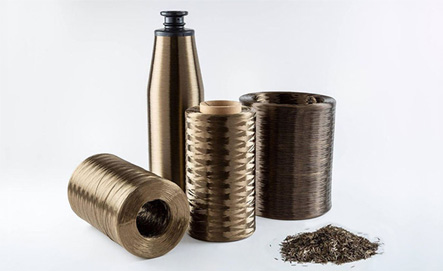
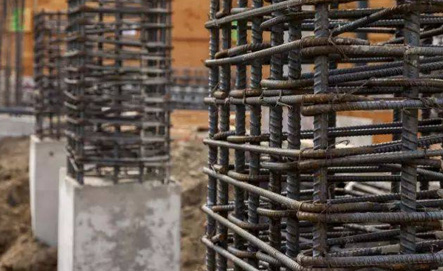
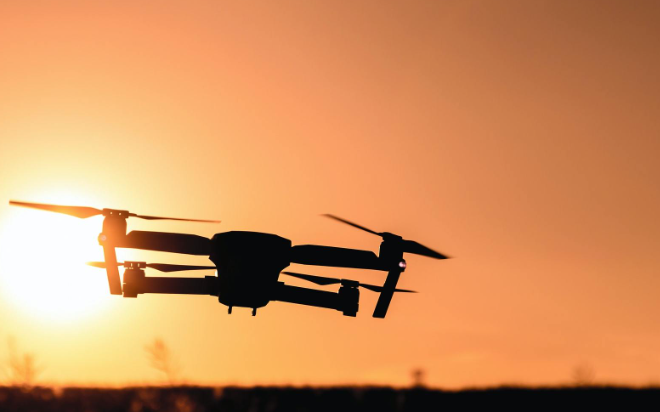
As drones monitor wildfires and robots execute precision tasks, the "hardcore support" of basalt fiber composites ensures these smart machines survive extreme heat and mechanical stress.
 Beihai Fiberglass