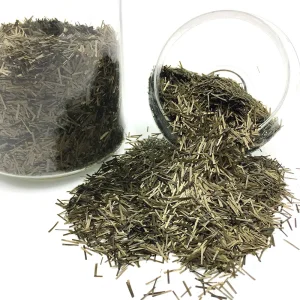
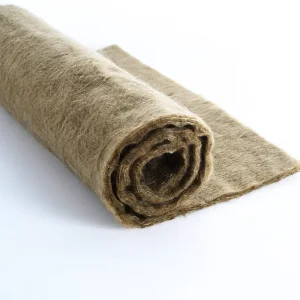
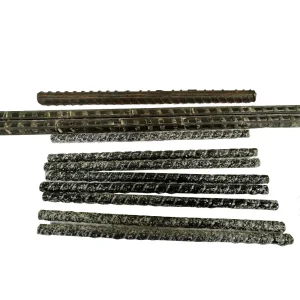
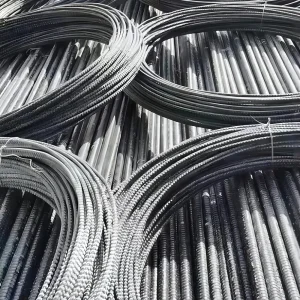
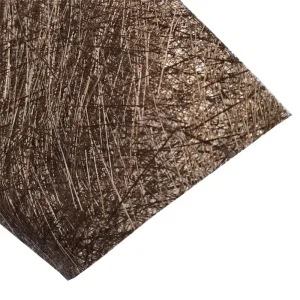
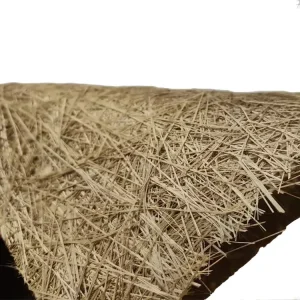
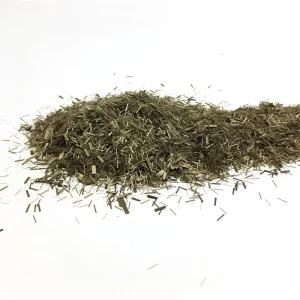
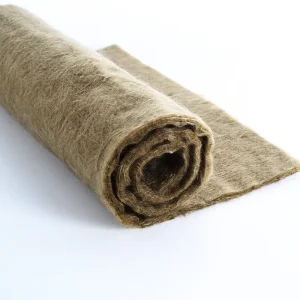
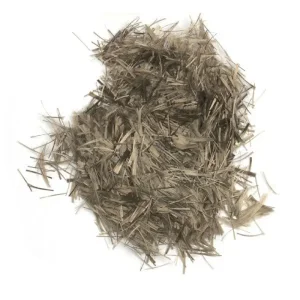
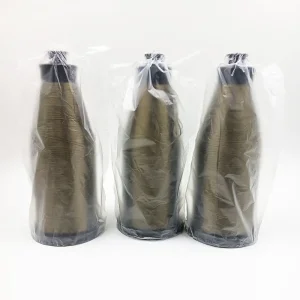
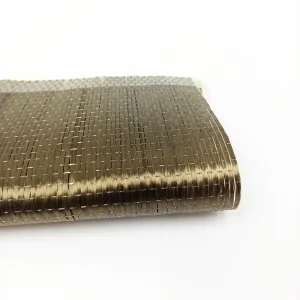
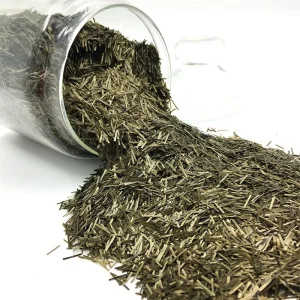
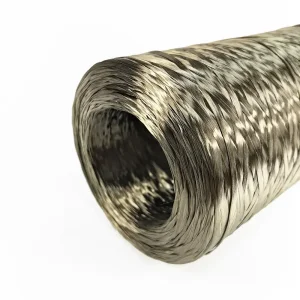
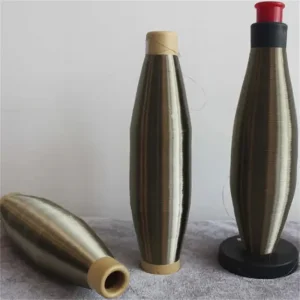
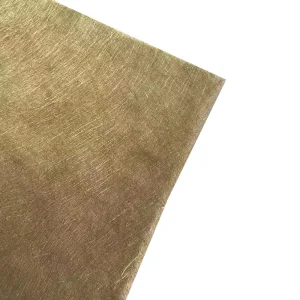
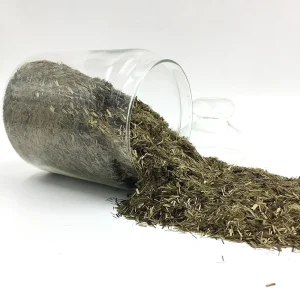
Basalt fiber is an inorganic, non-metallic, eco-friendly, and high-performance material produced from volcanic basalt rock. Unlike glass or carbon fiber, it offers a superior balance of thermal, chemical, and mechanical properties. Our manufacturing processes ensure that the integrity of the basalt rock is maintained, resulting in high-performance continuous filaments.
As a leading supplier based in China, we leverage the robust manufacturing ecosystem of Jiangxi province. Founded in 2015, China Beihai has evolved from a local producer into a global powerhouse. Why source from our factories?
1. Vertical Integration: We control the entire production line—from the melting of raw basalt rock to the final fabrication of finished materials (rebars, mats, yarns). This ensures strict quality control and competitive wholesale pricing.
2. R&D Capabilities: Our state-of-the-art labs focus on surface treatment technologies, enabling our basalt fibers to bond better with various resins, significantly improving the fatigue life of composite structures.
3. Supply Chain Reliability: With massive production capacity, we cater to both small-batch R&D needs and large-scale industrial infrastructure projects globally.
The global construction and automotive industries are rapidly shifting toward sustainable, high-performance reinforcement. Basalt fiber is replacing steel rebar in harsh environments (coastal projects, tunnels, bridge piers) due to its inherent immunity to chloride ion corrosion. Furthermore, in the aerospace and automotive sectors, the demand for lightweight, fire-resistant composites is driving the demand for our basalt fiber textiles.
Basalt fiber offers higher elastic modulus, better heat resistance, and superior chemical stability compared to standard E-glass fibers. It is effectively "stone fiber" and does not degrade like glass fibers, making it ideal for harsh, long-term environmental exposures.
As a specialized manufacturer, we offer direct factory pricing, consistent quality assurance with rigorous batch testing, and technical support to help you integrate basalt materials into your specific product formulations (e.g., BMC, SMC, or concrete mixtures).
Because we own our production facilities, we maintain stable inventory for standard products. For custom specifications (e.g., specific sizing or twist counts), we can typically fulfill production and shipping schedules within 2-4 weeks depending on the order volume.
Absolutely. Basalt Fiber Rebar (BFRP) provides equivalent or better structural integrity than steel while being 1/4th the weight and completely rust-proof, which is a game-changer for infrastructure longevity.
 Beihai Fiberglass