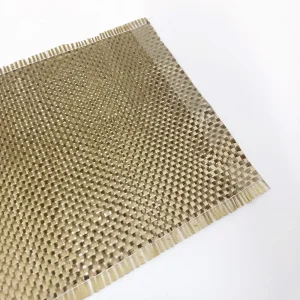
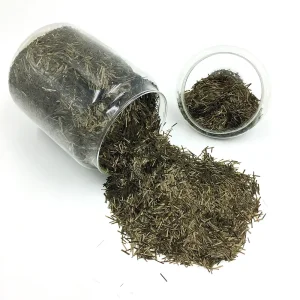
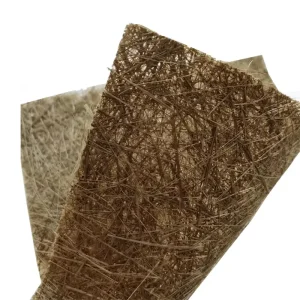
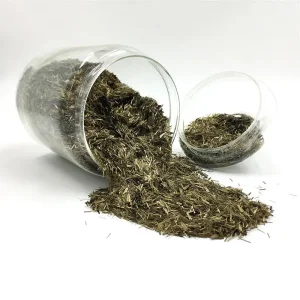
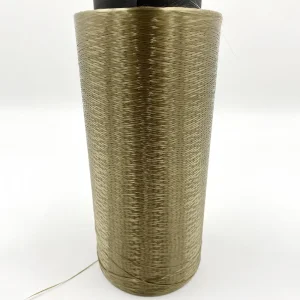
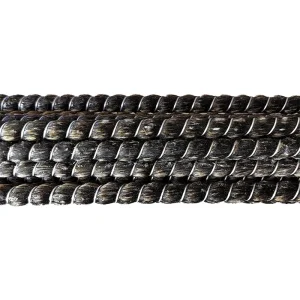
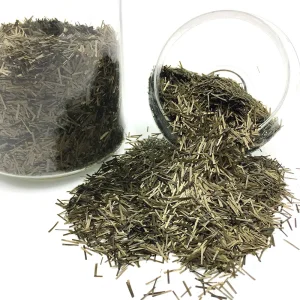
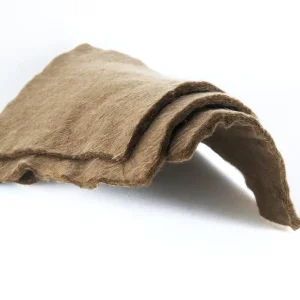
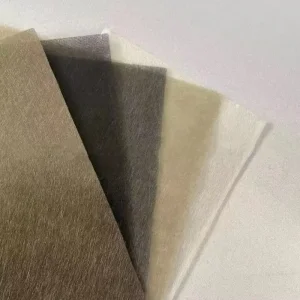
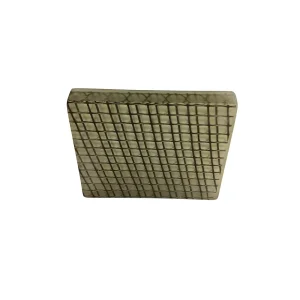
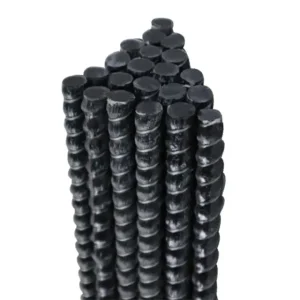
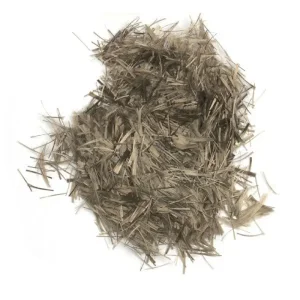
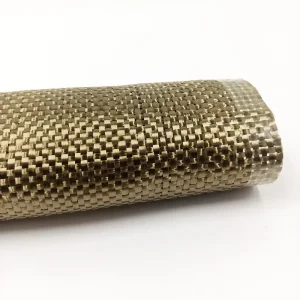
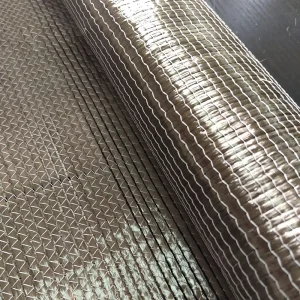
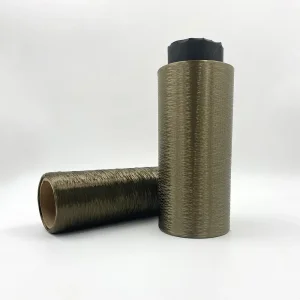
As the global industrial landscape pivots toward the Net-Zero 2050 mandate, the demand for sustainable, high-performance reinforcement materials has reached a critical inflection point. Basalt fiber, often hailed as the "Green Industrial Gold," is a 100% natural, inorganic fiber derived from volcanic rock. Unlike glass or carbon fiber, its production process involves no hazardous chemicals and requires significantly lower energy consumption, making it the premier choice for ESG-compliant manufacturing.
The global basalt fiber market is projected to experience a CAGR of over 12.5% through 2030. This growth is driven by massive infrastructure revitalizations in North America, the European Green Deal, and Asia’s rapid urbanization. As a leading Wholesale Basalt Fiber Products Manufacturer, China Beihai (founded in 2015) has integrated the entire value chain—from volcanic rock selection to advanced continuous filament spinning. Our factory in Jiujiang, Jiangxi, serves as a technological hub for 21st-century composite engineering.
Basalt fiber is replacing E-glass in marine and chemical environments due to its superior alkali and acid resistance.
Expansion into EV (Electric Vehicle) battery enclosures and aerospace thermal protection systems.
Shift from experimental usage to standard building codes in bridges, tunnels, and seismic reinforcements.
The next decade of basalt fiber innovation focuses on Sizing Agent Optimization and Hybrid Composites. At China Beihai, our R&D team is currently developing specialized sizing agents that enhance the interfacial bond between basalt filaments and thermoplastic resins. This breakthrough allows for faster cycle times in automotive injection molding and increased fatigue resistance in wind turbine blades.
Our roadmap includes the integration of AI-driven furnace control, which ensures the diameter consistency of our basalt continuous fibers within a ±0.5-micron tolerance. This level of precision is vital for high-end applications like 3D basalt fiber mesh and non-conductive rebar used in MRI rooms and high-voltage power stations.
Understanding the "User Intent" for basalt products reveals diverse localized needs:
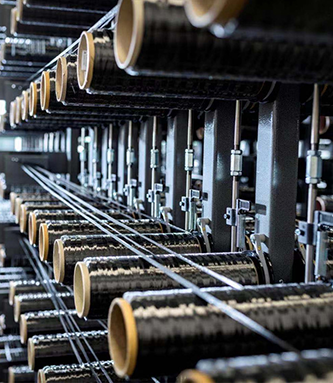
China Beihai is not just a manufacturer; we are a high-tech enterprise at the forefront of the basalt continuous fiber revolution. Founded in 2015, we have dedicated ourselves to solving the most complex engineering challenges through mineral-based science.
Full spectrum of basalt mats, fabrics, roving, chopped strands, and specialized rebar solutions.
Global logistics, ISO-certified production, and a legacy of innovation in geotechnical engineering.
Tailored basalt technology for critical global sectors
Corrosion-free reinforcement for bridges and highways, extending structural lifespan by 2x compared to traditional steel.
Lightweight thermal protection systems and fire-resistant interior panels for commercial and defense aircraft.
High-strength composite components for EVs, including battery covers and structural frames that reduce vehicle weight.
Non-conductive rebar and insulating chopped strands for power stations, substations, and MRI room construction.
Saltwater-resistant basalt fabrics for ship hulls and offshore platform reinforcement where durability is paramount.
Storage tank reinforcement and piping systems resistant to aggressive chemical erosion and high temperatures.
A: Basalt fiber offers 15-20% higher tensile strength and a significantly higher elastic modulus. It is inherently resistant to UV radiation and acidic/alkaline environments where glass fiber typically fails over time.
A: Yes. Basalt fiber is made from a single-component raw material (basalt rock) with no additives. It is 100% recyclable and has a carbon footprint that is roughly 80% lower than carbon fiber and 30% lower than glass fiber.
A: Absolutely. Basalt rebar has excellent energy absorption properties and does not suffer from the brittleness associated with some composite materials, making it ideal for earthquake-resistant infrastructure.
A: Basalt fiber maintains its structural integrity from -260°C up to +700°C. It has a much higher melting point than glass fiber, making it an elite fireproofing material.
 Beihai Fiberglass