Explore our premium structural reinforcement and high-performance basalt fibers engineered directly by China Beihai Group.
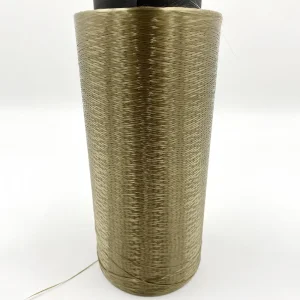
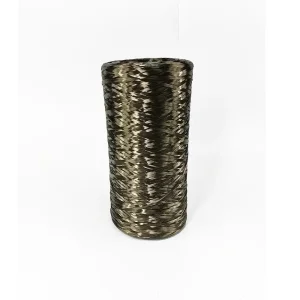
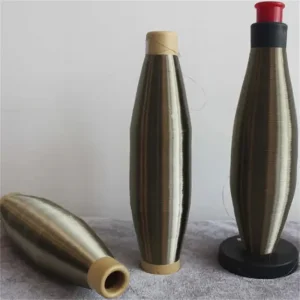
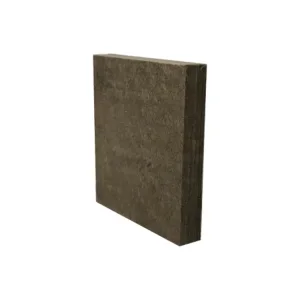
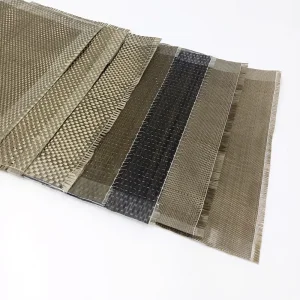
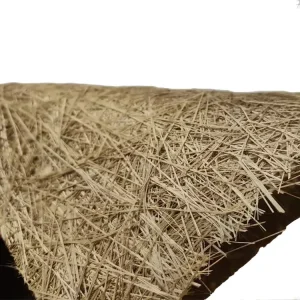
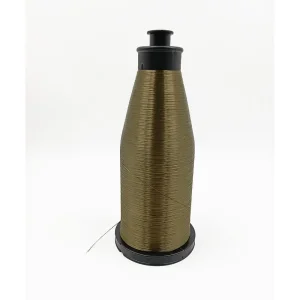
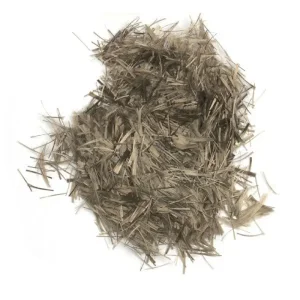
Continuous basalt fiber (CBF) represents a critical milestone in sustainable material engineering. Sourced from high-density basaltic rock quarries, CBF is fabricated through a single-stage, energy-conscious melt-spinning process. By melting pure volcanic basalt at extreme temperatures ranging from 1450°C to 1500°C and extruding the molten matrix through platinum-rhodium alloy bushing plates, we extract microscopic filaments with exceptional physical integrity.
Unlike traditional E-glass or carbon fibers, continuous basalt fiber roving has an inherently eco-friendly lifecycle, releasing zero hazardous chemical emissions during processing. Key basalt fiber roving properties include extreme tensile capacity, absolute non-corrosive performance, resistance to aggressive acidic and alkaline environments, and unparalleled thermal stability. As a premier global supplier, China Beihai Group ensures that our custom sizing agents bond optimally with epoxy, vinyl ester, polyester, and phenolic resin formulations.
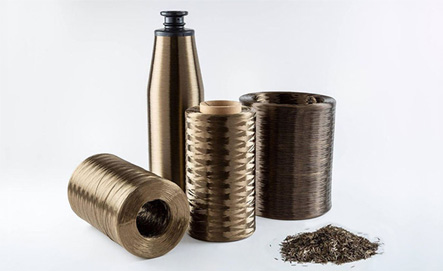
An exact empirical comparison of continuous basalt fiber roving properties against industrial-grade fiberglass, carbon fiber, and structural steel.
| Performance Metrics | Continuous Basalt Roving (Beihai Spec) | E-Glass Roving | Carbon Fiber (Standard Modulus) | Structural Carbon Steel |
|---|---|---|---|---|
| Tensile Strength (MPa) | 3,000 - 4,800 | 1,800 - 2,500 | 3,500 - 4,900 | 400 - 650 |
| Modulus of Elasticity (GPa) | 91 - 110 | 72 - 76 | 230 - 240 | 200 - 210 |
| Density (g/cm³) | 2.63 - 2.80 | 2.54 - 2.60 | 1.75 - 1.80 | 7.85 |
| Elongation at Break (%) | 3.1 - 3.2 | 4.5 - 4.8 | 1.5 - 2.0 | 15 - 25 |
| Operating Thermal Range (°C) | -260 to +700 | -60 to +380 | Up to +1000 (Inert gas) | Up to +450 |
| Chemical / Acid Resistance | Excellent (pH 1-7) | Moderate to Poor | Excellent | Extremely Poor |
| Alkali Hydroxide Resistance | Highly Stable (pH 12-14) | Severely Degraded | Excellent | Moderate |
*Note: The structural capabilities of China Beihai's continuous basalt fiber roving exceed standard E-glass by roughly 30-40% in absolute tensile performance and offer a vastly superior moisture resistance, making it an excellent alternative for structural reinforcement and coastal infrastructure designs.
Understanding the volcanic mineral makeup that gives basalt fiber roving its superior strength, toughness, and longevity.
Volcanic basalt is rich in SiO₂ (Silicon Dioxide, 48-52%) and Al₂O₃ (Aluminum Oxide, 14-18%). Together, they form a highly stable, tightly packed molecular glass network. The addition of iron oxides (Fe₂O₃ and FeO) provides basalt fiber roving with its characteristic rich brown color while enhancing UV and high-energy radiation resistance.
We apply specialized silane-based sizing agents directly during the drawing process. These custom chemical couplings are engineered explicitly to enhance interfacial shear strength (IFSS) with various resin matrices, including Epoxy, Vinyl Ester, and Polyurethane systems used in pultrusion and filament winding.
The high content of CaO (Calcium Oxide, 9-12%) and MgO (Magnesium Oxide, 5-8%) in Beihai's raw volcanic basalt helps it buffer against highly alkaline environments, such as Portland cement pore solutions. This ensures that concrete reinforced with basalt roving maintains its load-bearing capacity for decades without deterioration.
From deep-sea marine platforms to high-tech automotive composites, explore how engineers leverage continuous basalt fiber roving properties to overcome environmental challenges.

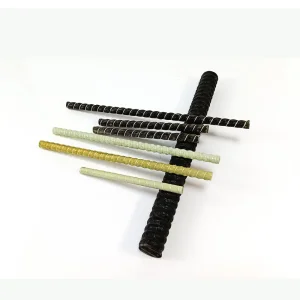
In coastal breakwaters, marine harbor walls, and bridge piers, salt-induced corrosion of steel reinforcement is a massive global issue. Basalt fiber roving, when pultruded into lightweight basalt fiber rebar, provides a non-corrosive alternative that does not degrade, rust, or crack the concrete shell. This increases the operational lifespan of sea walls and harbor piers from 30 years to well over 100 years.

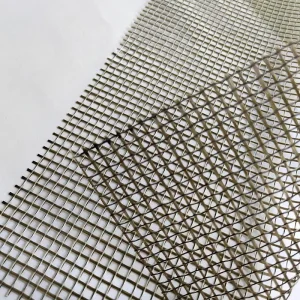
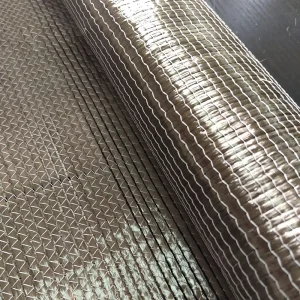
Urban structural upgrading in seismic zones requires lightweight, high-tensile strengthening wraps. Basalt fiber roving woven into high-temperature resistant uni-directional wraps and mesh fabrics is widely used as a structural jacket. Applied with structural epoxy to old masonry and reinforced concrete columns, it provides reliable confinement forces under earthquake loads, keeping historical structures stable.

In response to the demand for fuel efficiency and electric vehicle weight reductions, composite parts made of basalt continuous fiber roving are widely used. It replaces traditional glass fibers in bumper beams, engine soundproofing panels, and under-body protective shields, reducing vehicle weight while offering superior impact resistance and vibration damping.
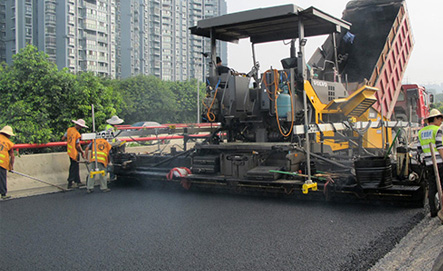
Founded in 2015 and strategically located in the industrial hub of Jiujiang, Jiangxi Province, China Beihai has emerged as a premier leader in high-performance basalt continuous fiber and advanced manufacturing technologies. Our production facility stands as a benchmark of efficiency, boasting high automation and advanced electric kiln melting systems.
Our manufacturing operations are vertically integrated, starting directly from quarry selection of highly uniform volcanic rock to processing the final basalt fibers. By sourcing and processing our raw mineral components within close geographical proximity, we eliminate unpredictable supply chains, shield our production lines from price spikes, and maintain consistent material characteristics.
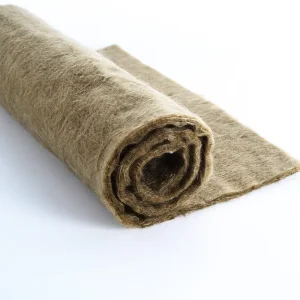
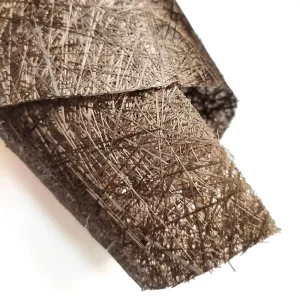
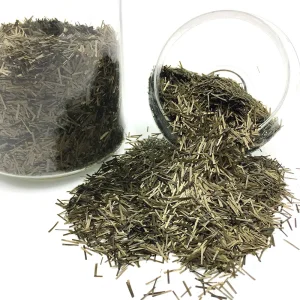
With modern quality management controls and an extensive inventory of continuous roving spools, assembled rovings, pultrusion roving, and chopped strand mats, China Beihai Group ensures reliable lead times, steady bulk pricing, and customized sizing solutions for global logistics, shipping to heavy industrial sectors worldwide.
How China Beihai Group is actively advancing manufacturing technologies and green sizing chemistries to redefine high-tech materials.
Our current engineering focus targets mass-producing ultra-fine filaments under 9 micrometers in diameter. These exceptionally small diameters yield a highly flexible and crack-resistant basalt roving, unlocking applications in advanced printed circuit boards (PCBs) and next-generation composite structures.
We are dedicated to moving away from volatile organic compound (VOC) solvents. By researching and implementing advanced water-based bio-sizing formulations, we ensure that our basalt roving properties comply with strict environmental requirements, making it a highly sustainable material.
By leveraging real-time AI sensors and neural-network temperature loops, we ensure that our electric basalt furnaces maintain stable temperatures with minimal fluctuation, resulting in consistent filament diameters and reliable strength parameters.
Our commitment to rigorous testing and international engineering standards establishes absolute trust and reliability for high-end applications.
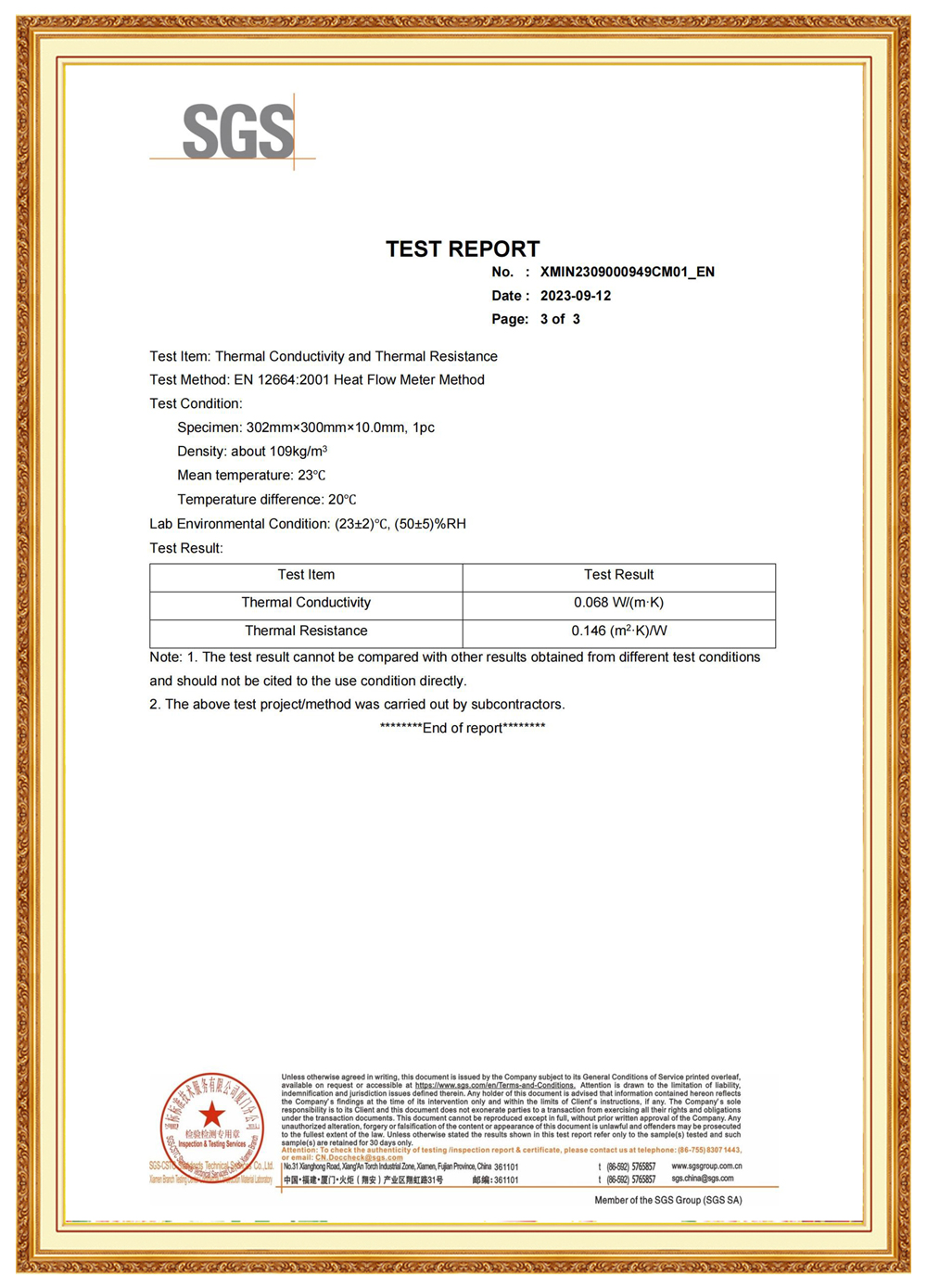
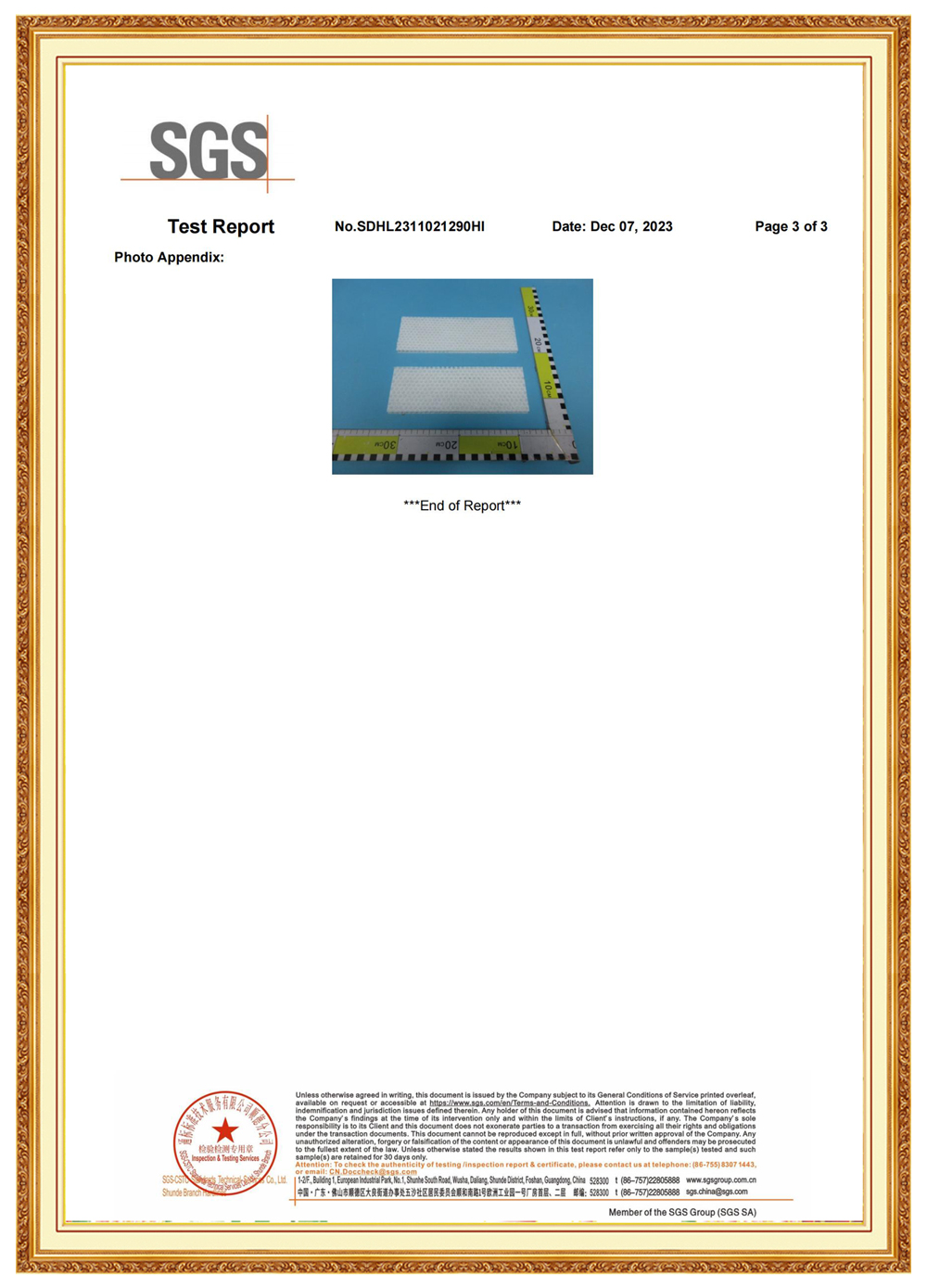
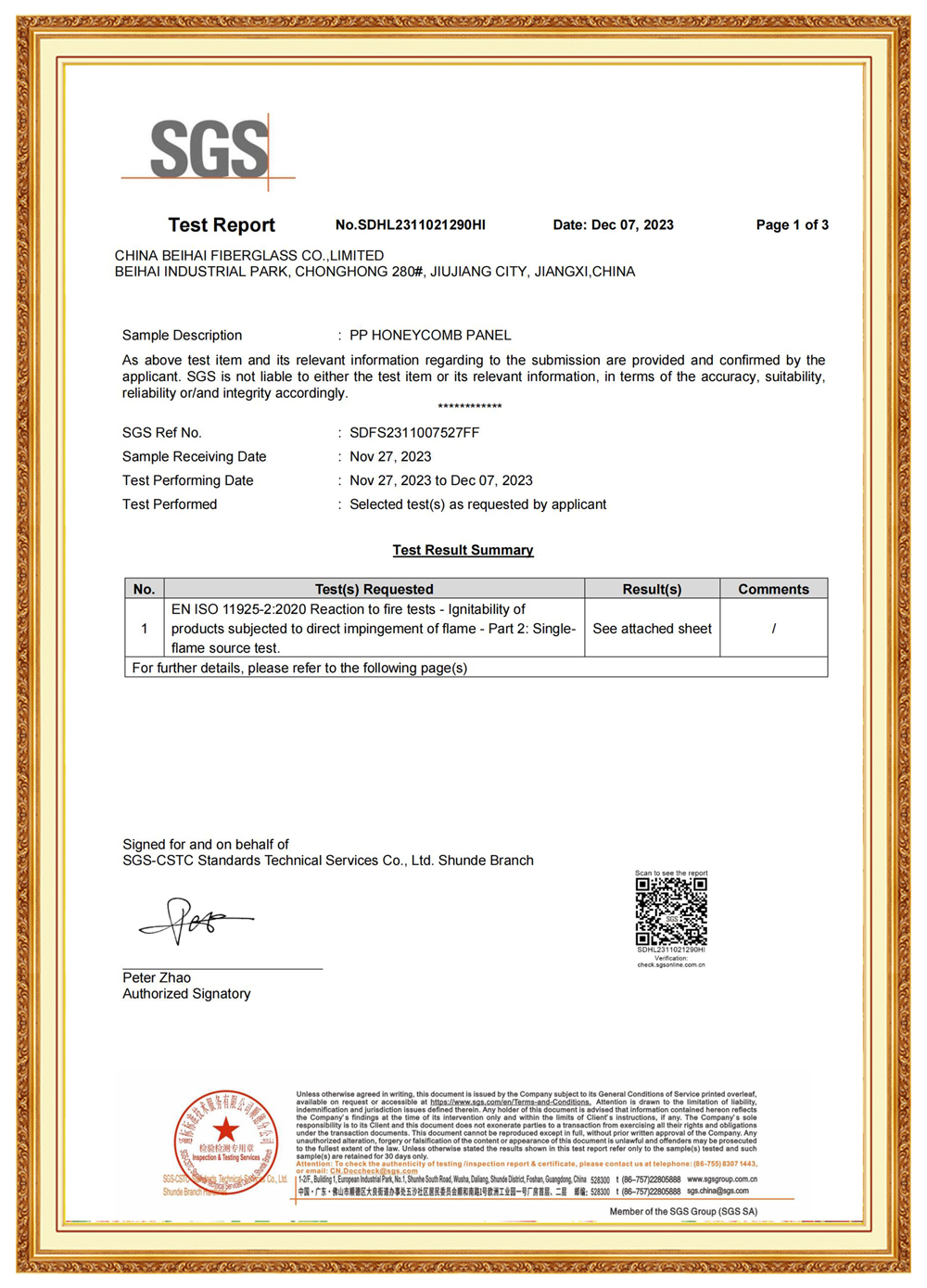
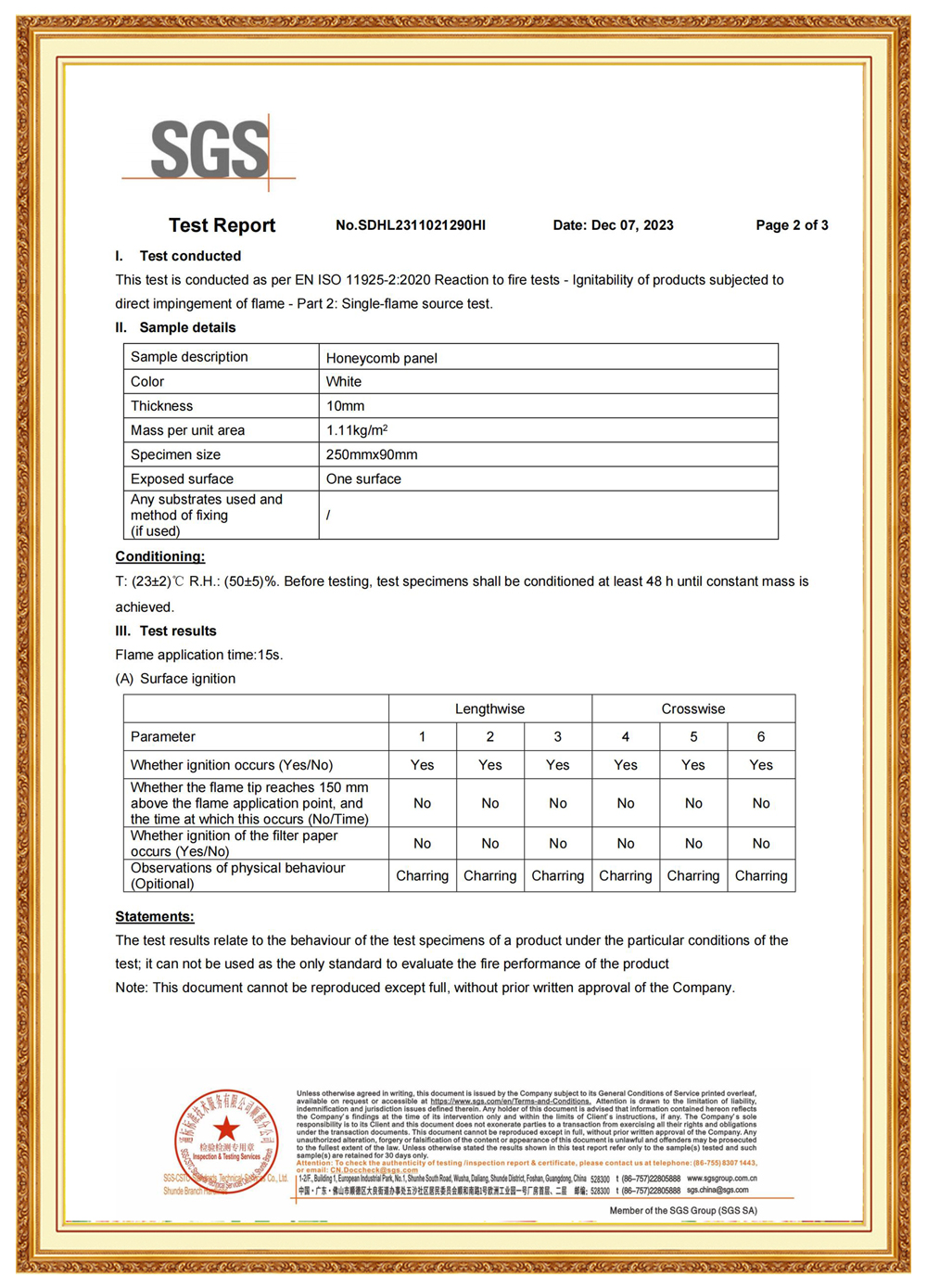
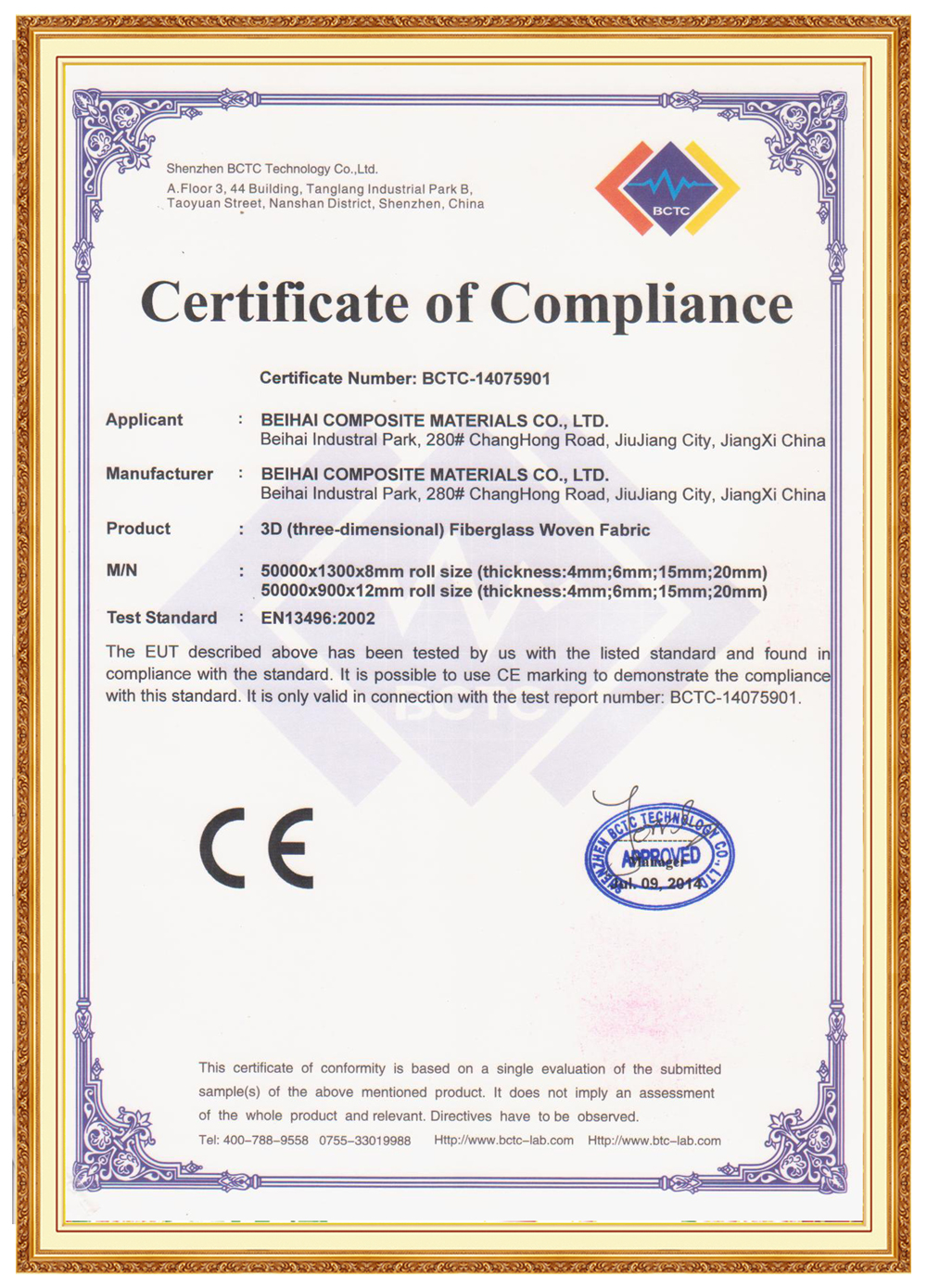
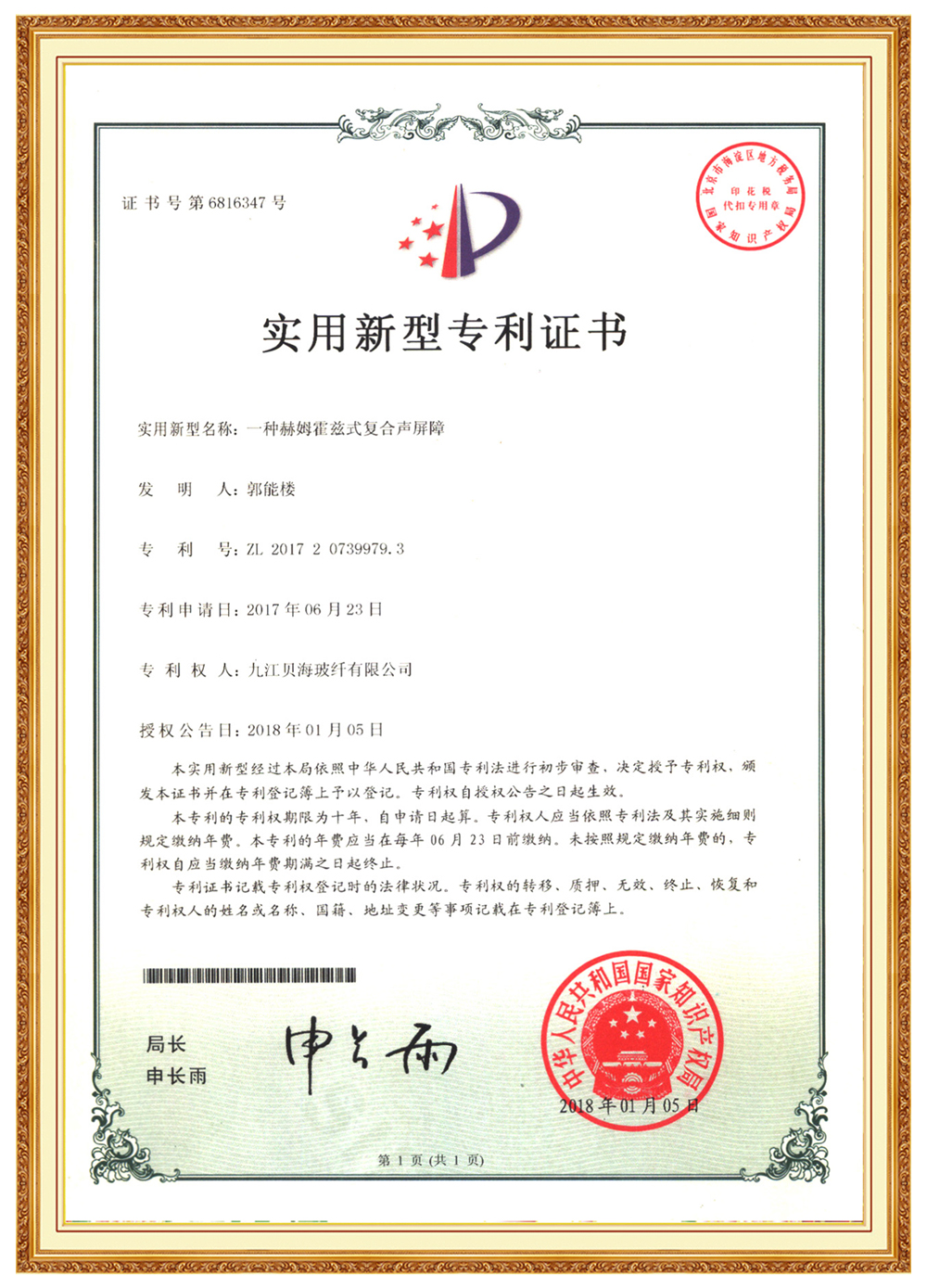
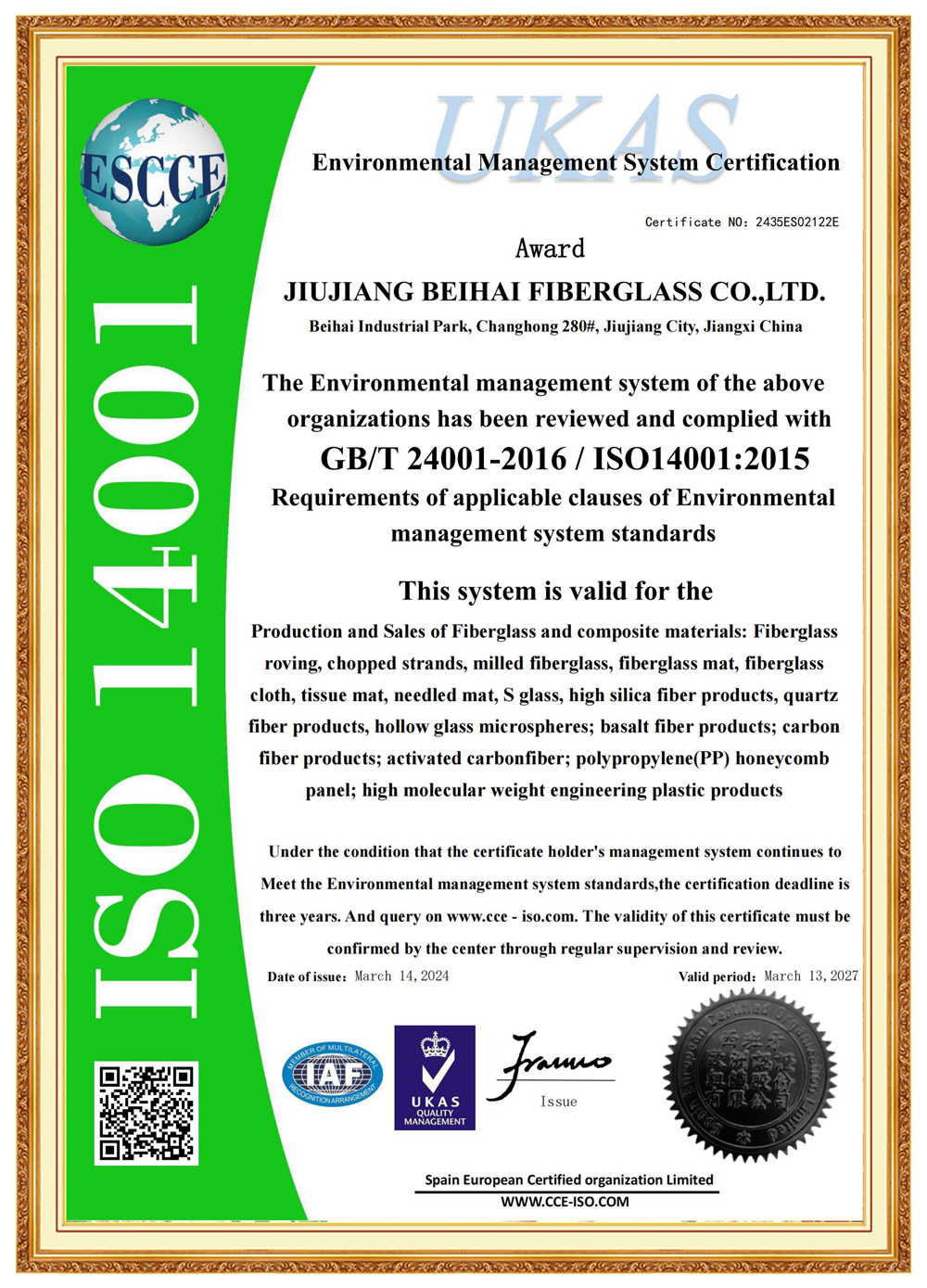
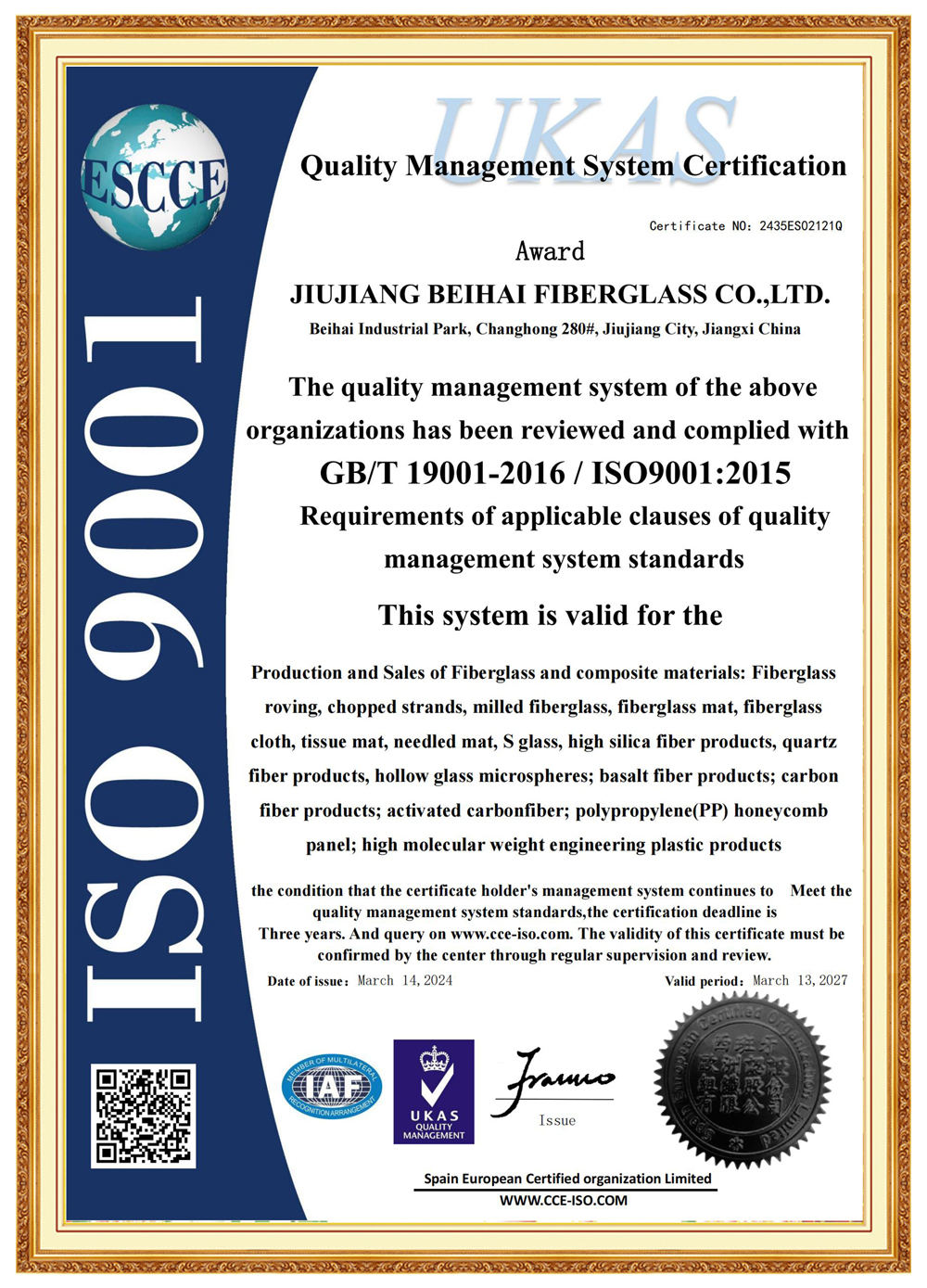
China Beihai Group strictly complies with ISO 9001:2015 Quality Management Systems and ISO 14001:2015 Environmental Management. Our continuous basalt fiber rovings undergo extensive testing in accordance with ASTM D578, ASTM D7913, and ACI 440.3R, ensuring seamless integration into public civil engineering, aerospace shields, and international military-grade composite applications.
Why modern specifications are shifting toward natural volcanic basalt fibers over legacy industrial materials.
Unlike glass and carbon fibers, continuous basalt fiber roving has a highly sustainable lifecycle. Melting natural basalt rock requires no chemical reagents, releases no harmful greenhouse gases during extrusion, and produces a highly recyclable end product.
Traditional structural concrete repairs cost global industries billions of dollars annually. Transitioning to non-corroding basalt roving for concrete reinforcement effectively eliminates structural cracking, spalling, and moisture ingress, significantly reducing long-term maintenance costs.
Basalt continuous fiber roving delivers high-end physical properties close to standard carbon fiber, but at a price point comparable to high-grade fiberglass. This makes it an ideal, cost-effective choice for demanding large-scale civil engineering projects.
Crucial physical, chemical, and logistics answers for composite engineers, structural specifiers, and procurement departments.
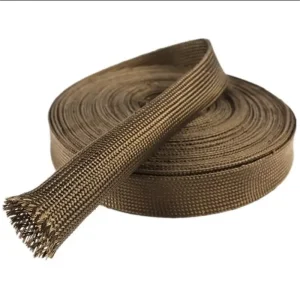
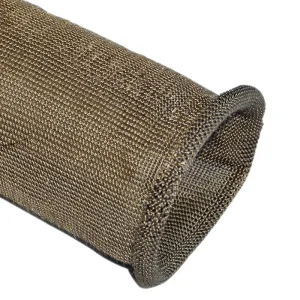
Examine our full selection of high-temperature resistant, structural-grade basalt fibers, sleeves, and rebars.
 Beihai Fiberglass