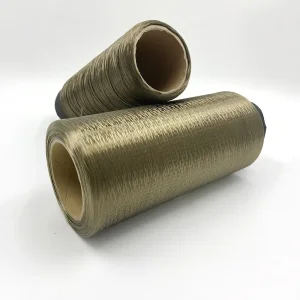
 Custom Basalt Fiber Roving For SMC Process Product, Quotes
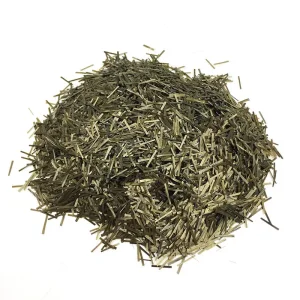 Custom Basalt Chopped Fiber For Asphalt Road Pricelist, Quotes
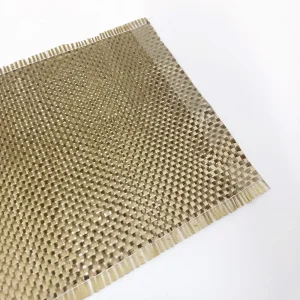 China Factory Wholesale Basalt Fiber Plain Weave Cloth for Repair and Reinforcement Product, Manufacturer
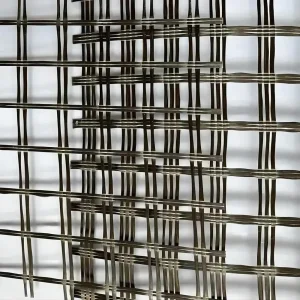 Wholesale High Strength Basalt Fiber Geogrid Mesh For Road Reinforcement Construction Manufacturer, Supplier
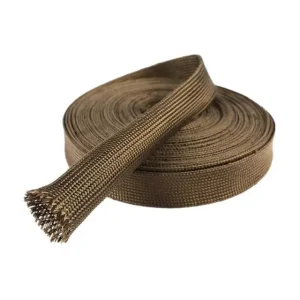 Wholesale High Temperature Wire Protector Braided Basalt Heat Insulation Sleeve Product, Factory
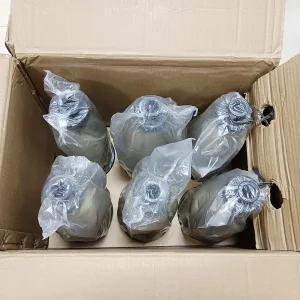 Wholesale Fireproof & Corrosion-Resistant Basalt Fiber Yarn for Extreme Environments Pricelist, Suppliers
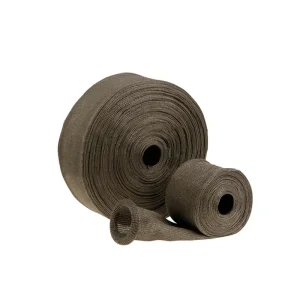 Custom Insulation Basalt Fiber Wrapping Tape and Sleeving Product, Manufacturers
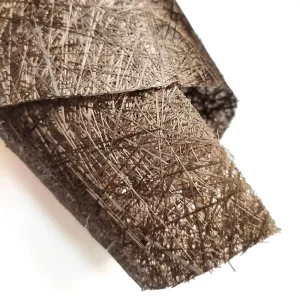 Wholesale Corrosion-resistant Basalt Fiber Chopped Strand Mat Manufacturer, Suppliers
Basalt, often referred to as "the 21st-century green material," has transitioned from a natural geological formation into a cornerstone of advanced material science. Historically valued for its durability in architecture, the modern basalt rock column and fiber industry is now a multibillion-dollar global sector. As of 2024, the demand for basalt fiber reinforced polymers (BFRP) and volcanic-based construction products has surged by over 12% annually.
Leading industrial economies, particularly in Asia-Pacific and Europe, are integrating basalt products into macro-infrastructure projects due to their unparalleled resistance to environmental degradation. Unlike steel, which succumbs to oxidation, basalt products maintain structural integrity in high-salinity marine environments and chemically aggressive petrochemical zones. China Beihai, founded in 2015, stands at the vanguard of this revolution, bridging the gap between raw volcanic raw materials and high-performance industrial components.
In the realm of structural reinforcement, engineers face a critical choice: Steel, Glass Fiber (GFRP), Carbon Fiber (CFRP), or Basalt Fiber (BFRP). Basalt offers a "sweet spot" of performance. It possesses the chemical inertness of glass but with significantly higher tensile strength, and it is far more cost-effective than carbon fiber for large-scale applications like bridge pier protection or highway reinforcement.
Our technical roadmap begins with the selection of volcanic rock with 14-18% Al2O3 content. We utilize advanced electric furnaces to melt basalt at 1450°C, ensuring a homogenized melt for continuous fiber drawing.
The interface between fiber and resin is critical. Our R&D team develops specialized silane-based sizing agents that optimize bonding for SMC, BMC, and pultrusion processes.
The future of basalt manufacturing lies in automated quality control. We are implementing AI vision systems to detect filament breakage in real-time, ensuring zero-defect output for aerospace clients.
As we look toward 2030, the Technical Roadmap of the basalt industry focuses on "Carbon Neutrality." Basalt fiber production consumes significantly less energy than carbon fiber and produces no toxic waste. The "Basalt Fiber: Sparking a Materials Revolution" is not just a slogan; it's a measurable shift towards sustainable heavy industry.




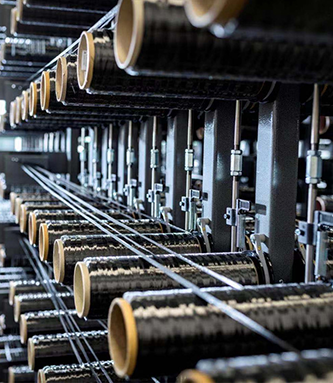
China Beihai was founded in 2015 and is located in Jiujiang, Jiangxi Province. As a high-tech enterprise, we focus on the research, development, production, and sales of high-performance basalt continuous fiber and specialized production equipment. We are recognized as a leading enterprise in the domestic basalt fiber industry.
Choosing to work with China Beihai means collaborating with a partner dedicated to excellence, innovation, and sustainability. We offer a comprehensive selection of basalt-derived products, from fabrics to rebar, backed by deep industry expertise and reliability.
Basalt fiber wraps provide a non-invasive solution for strengthening historical masonry. Their natural aesthetic and high tensile modulus allow for structural stabilization without the bulk of steel or the environmental toxicity of some synthetic composites.
In refineries, fire safety is paramount. Basalt fiber sleeves and tapes offer protection for high-temperature wiring and conduits, maintaining integrity at temperatures where glass fiber would soften and fail.
The integration of basalt geogrids into asphalt roads reduces reflective cracking and rutting. Because basalt's thermal expansion coefficient is similar to concrete, it minimizes internal stress during seasonal temperature swings.
Basalt fiber has significantly higher acid and alkali resistance, a wider thermal operating range (-260°C to +700°C), and roughly 15-20% higher tensile strength compared to standard E-glass.
Yes, in terms of corrosion resistance and tensile strength. While it has a lower modulus of elasticity than steel, it is 1/4 the weight, making it ideal for pre-cast concrete and coastal infrastructure where rust is the primary failure mode.
Basalt is a 100% natural, single-component material. Its production requires no chemical additives and has a much lower carbon footprint than steel or carbon fiber, contributing significantly to "Green Building" credits.
Absolutely. Short-cut basalt fibers are increasingly used as reinforcement in large-scale concrete 3D printing to provide structural stability and reduce shrinkage cracks.
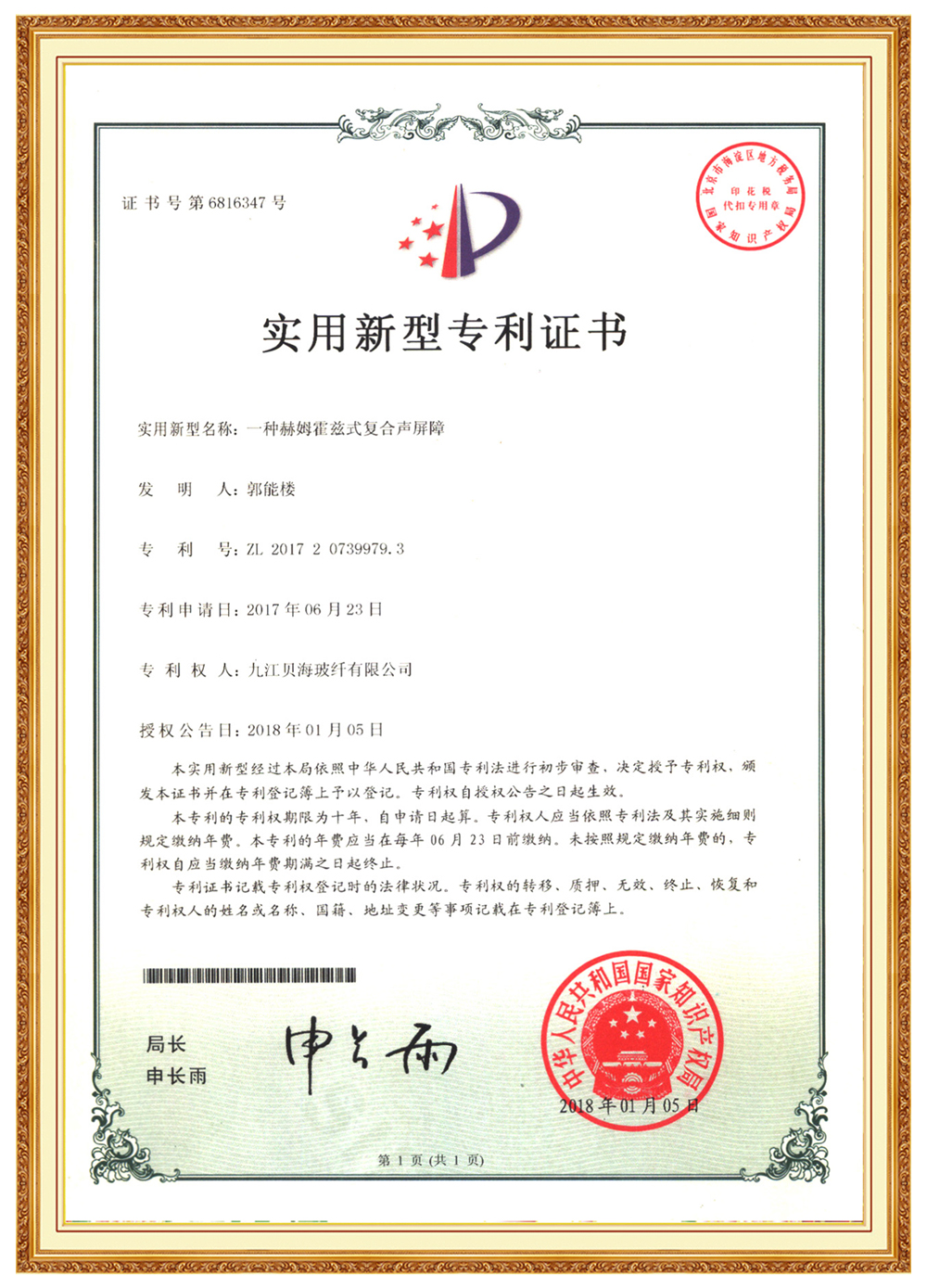
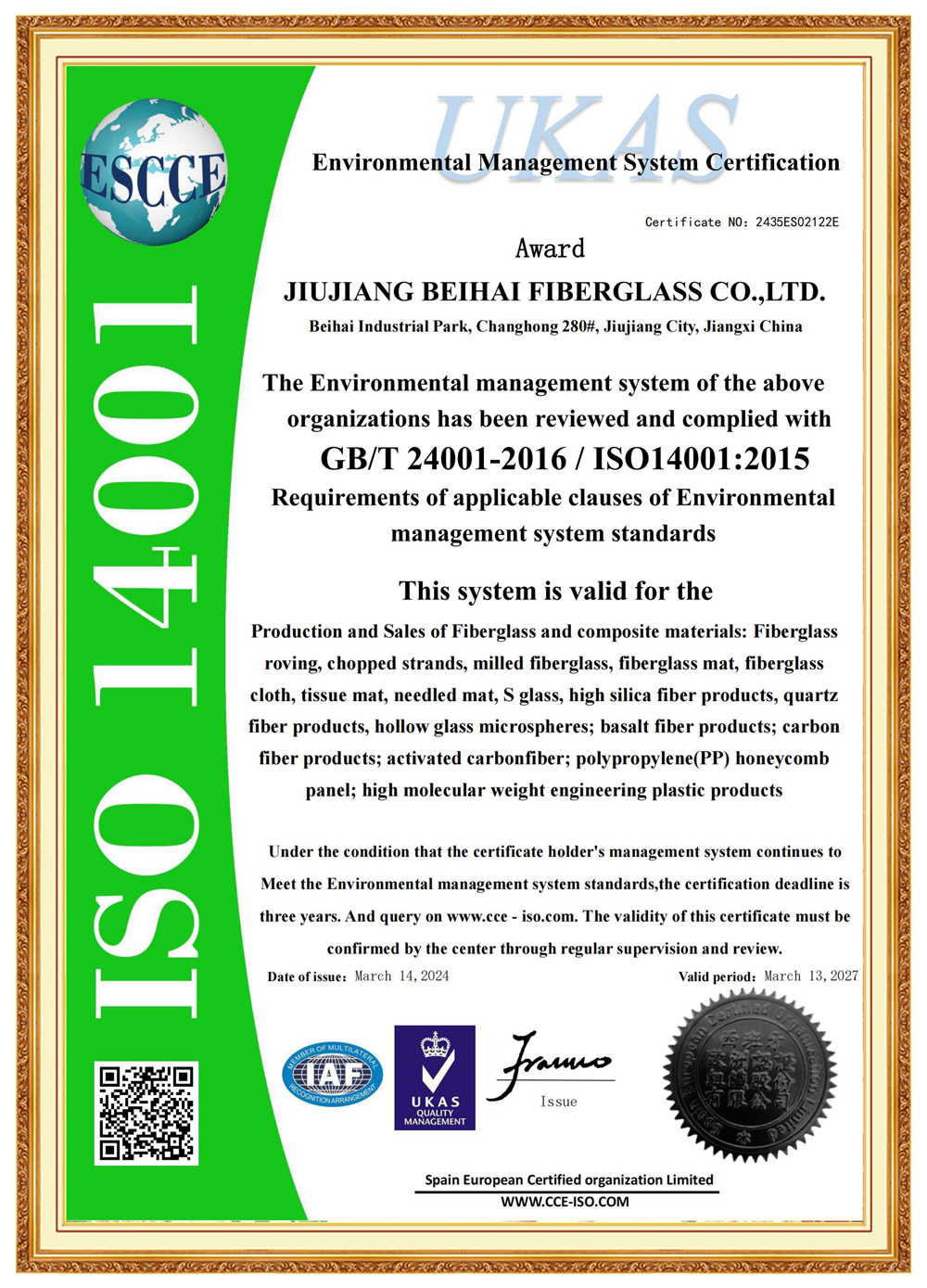

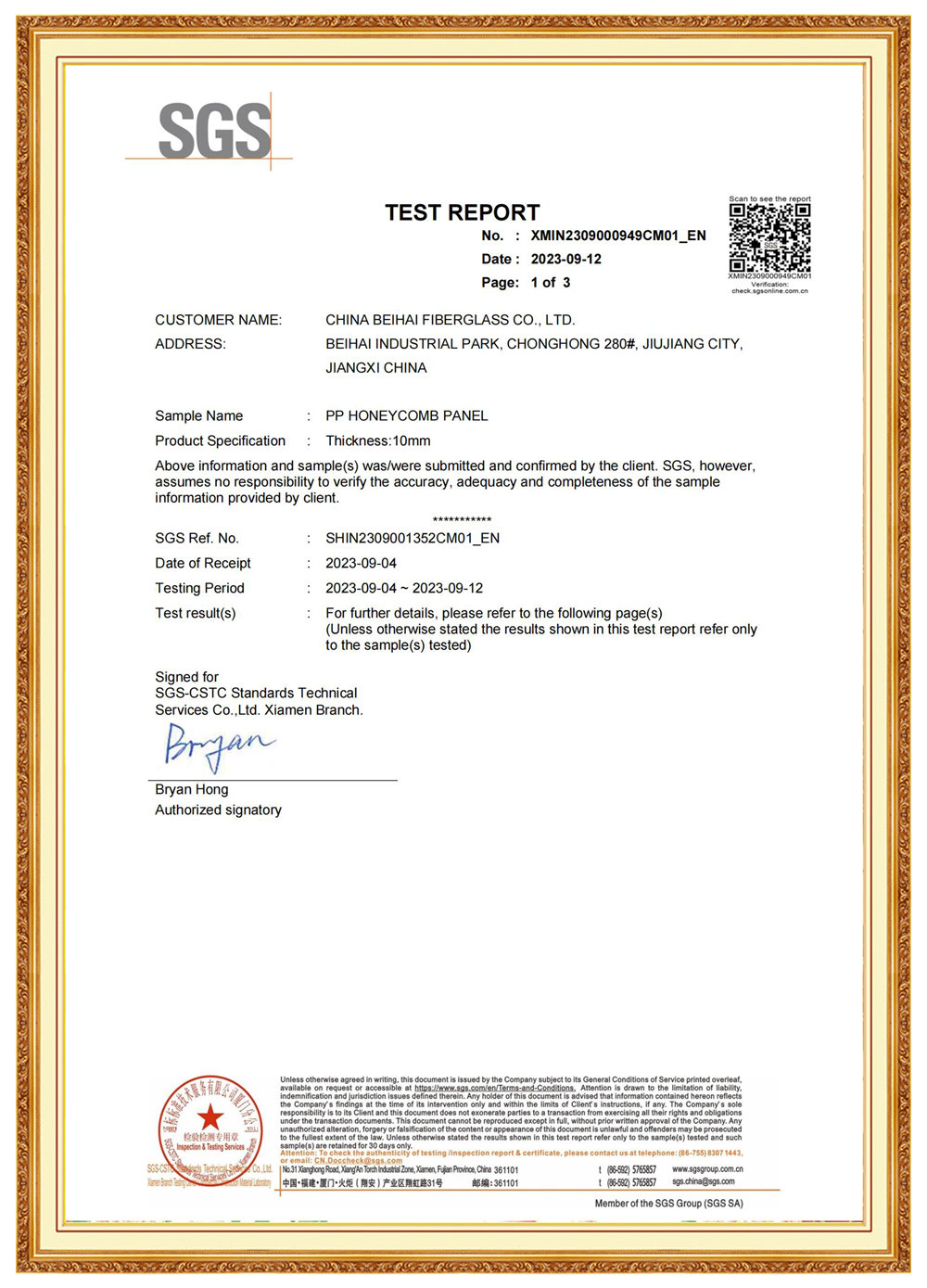
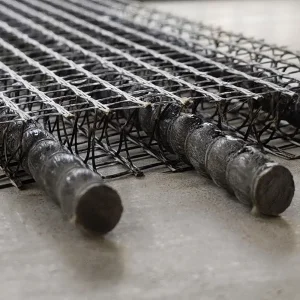 China Heavy-Duty 3D Basalt Fiber Mesh for Concrete Reinforcement & Plaster Strengthening Product, Quotes
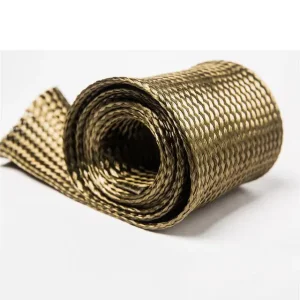 Custom High Temperature Heat Resistant Fireproof Basalt Fiber Braided Sleeve Products, Suppliers
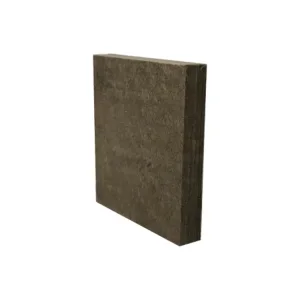 China Basalt Fiber Board Quotes, Suppliers
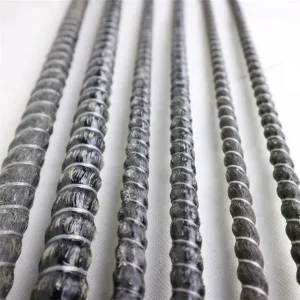 Custom Anti-corrosion Basalt Fiber Rebar With Epoxy Resin Composite Bar Supplier, Suppliers
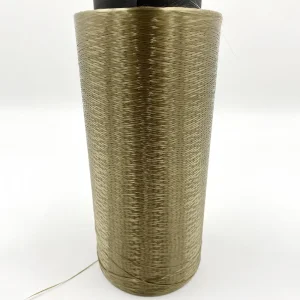 Wholesale High Quality Basalt Fiber Yarn Roving Product, Pricelist
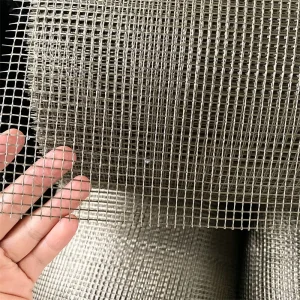 Wholesale Thermal Insulation Basalt Fiber Mesh Products, Suppliers
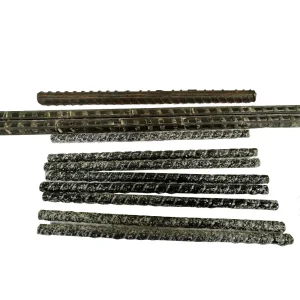 Custom High Tensile Strength Basalt Fiber Rebar for Structural Reinforcement Manufacturer, Suppliers
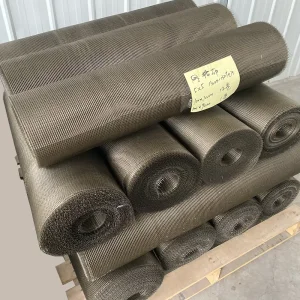 Wholesale Basalt Fiber Mesh Products, Quotes
 Beihai Fiberglass