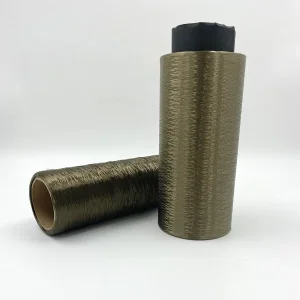
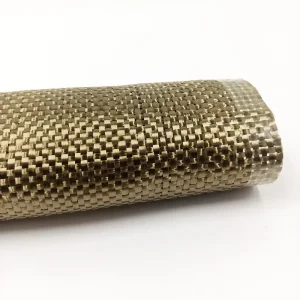
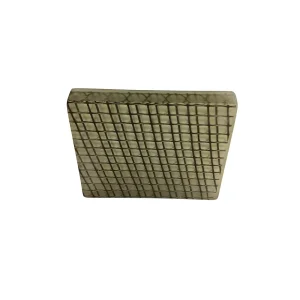
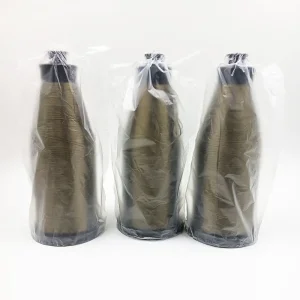
In the evolving landscape of high-performance materials, Basalt Roving has emerged as a superior alternative to traditional E-Glass and Carbon fibers. As a 100% natural, inorganic volcanic rock derivative, its production process is significantly more eco-friendly, aligning with the global "Carbon Neutral" and "Green Construction" mandates. Currently, the market is witnessing an 11.5% CAGR as industries transition toward sustainable durability.
From the North Sea's offshore wind farms to the high-salinity bridge decks in the Middle East, Basalt roving is the primary choice for non-corrosive reinforcement. Global engineering firms are prioritizing Basalt Fiber Reinforced Polymers (BFRP) due to their inherent resistance to acids, alkalis, and UV radiation, extending the lifecycle of public infrastructure by over 50 years compared to carbon steel.
Unlike glass fibers, basalt roving maintains its structural integrity at temperatures ranging from -260°C to +700°C. This makes it indispensable for aerospace thermal shielding, automotive exhaust insulation, and fire-resistant composite materials. Its tensile strength (up to 4800 MPa) surpasses typical steel, offering a high strength-to-weight ratio crucial for the next generation of transport vehicles.
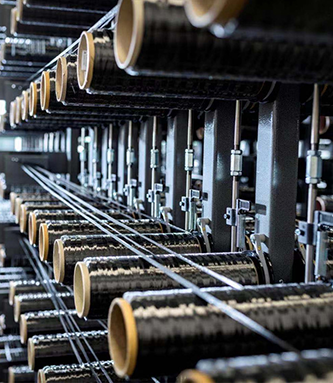
Founded in 2015 and based in Jiujiang, Jiangxi Province, China Beihai is a high-tech cornerstone enterprise. We are not just a manufacturer; we are a leading research hub dedicated to the entire lifecycle of high-performance basalt continuous fiber. Our facility integrates raw material melting, production equipment manufacturing, and multi-sector sales, ensuring a seamless supply chain for global industrial demands.
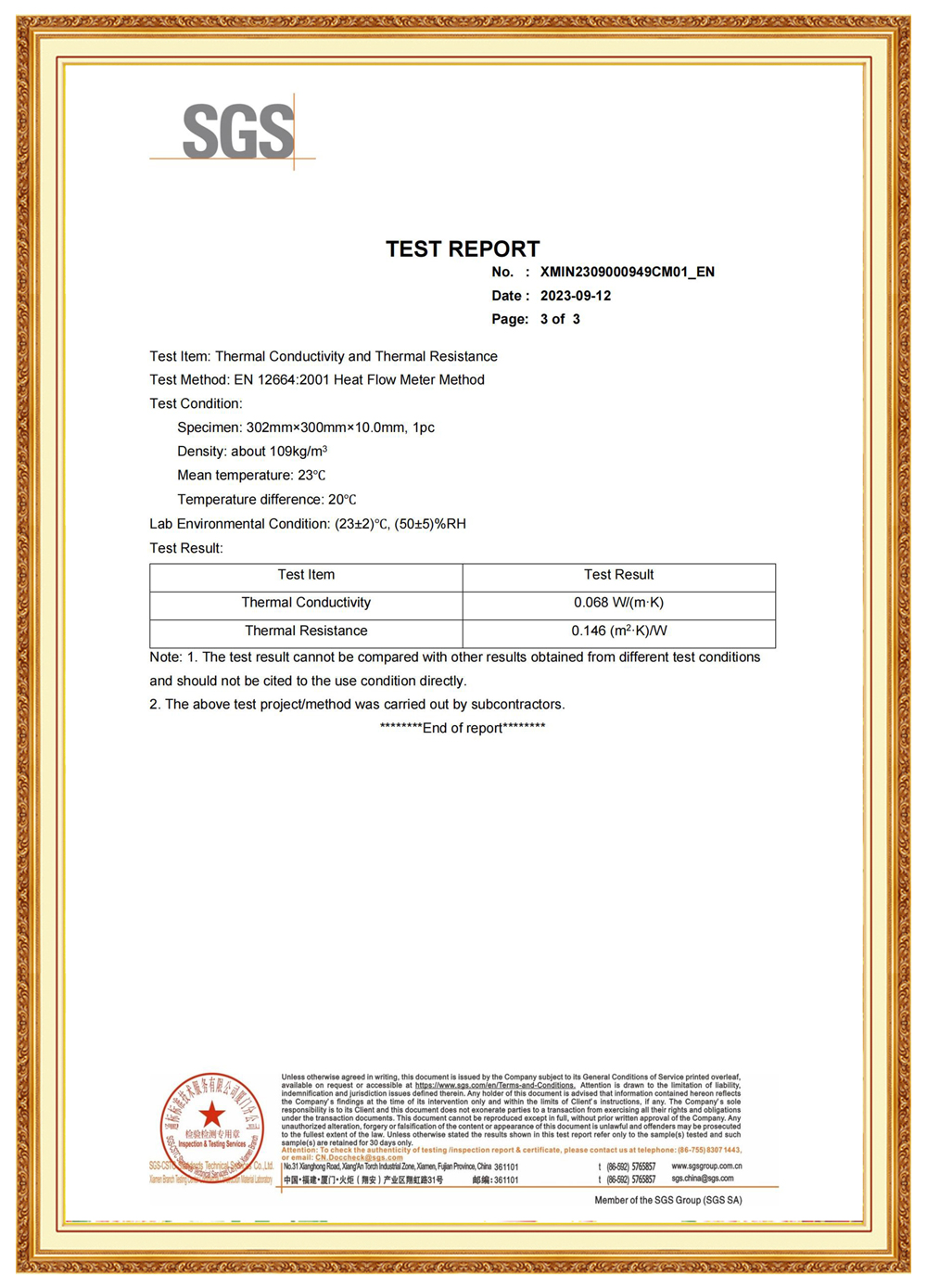
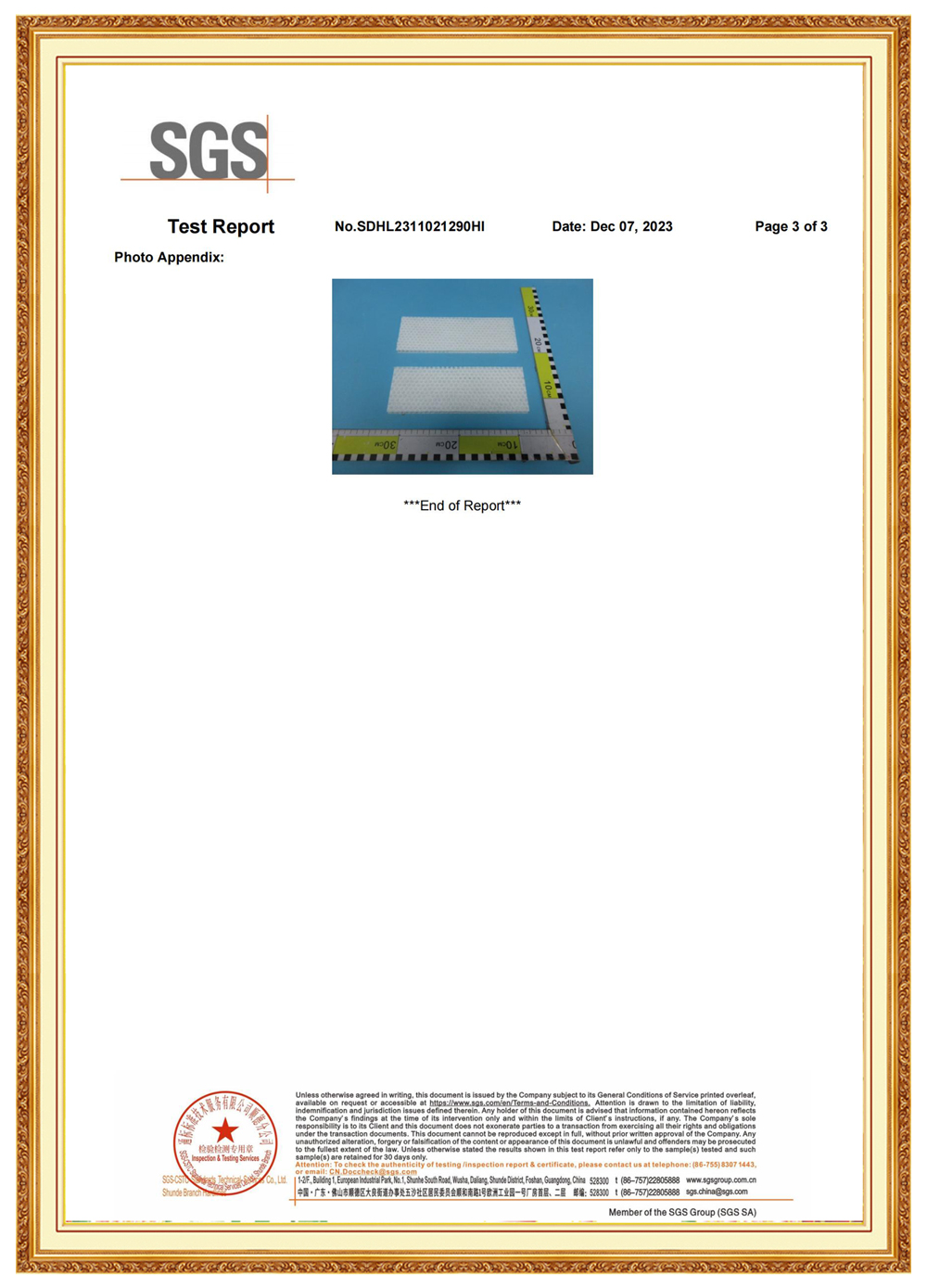
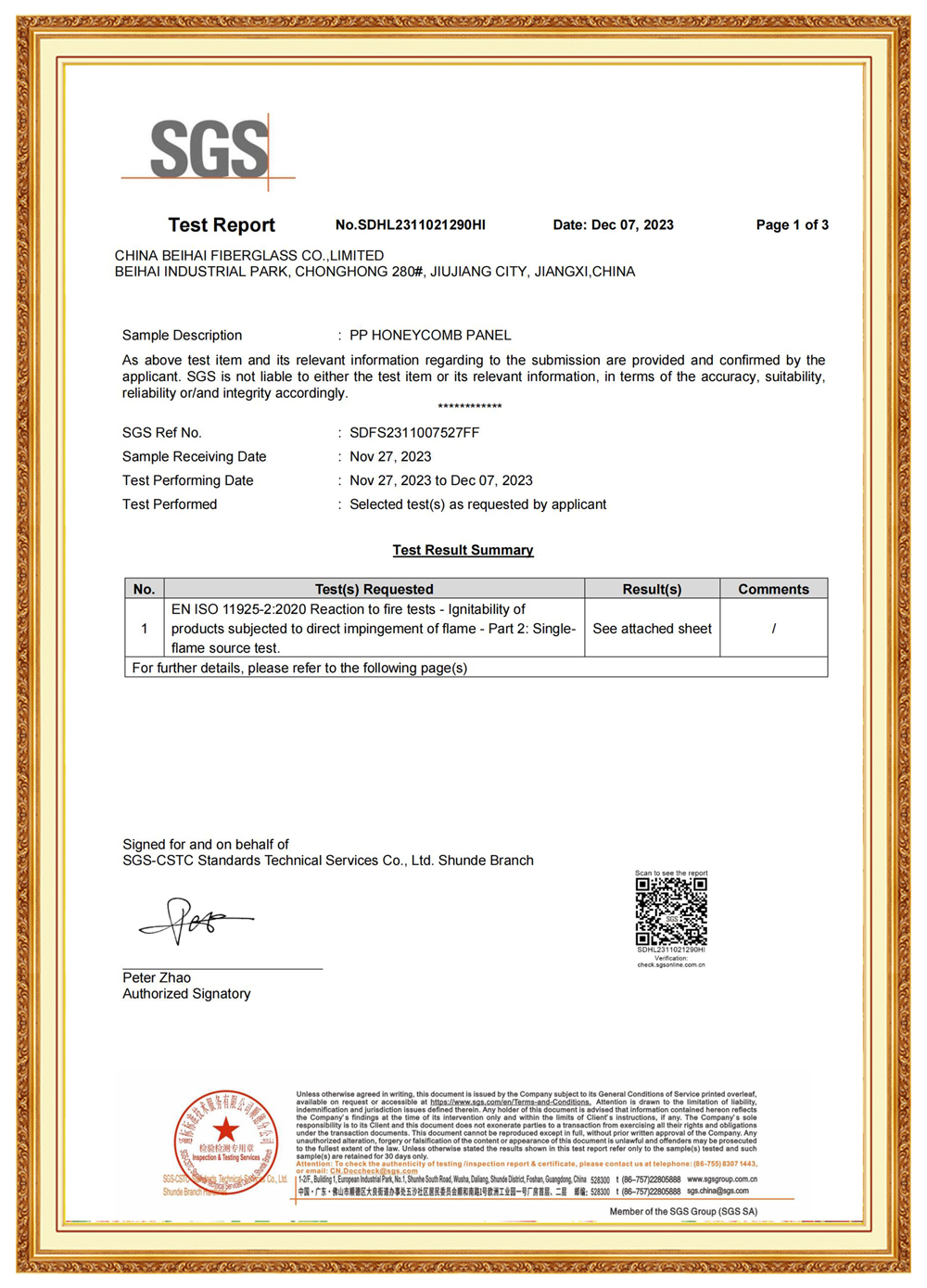
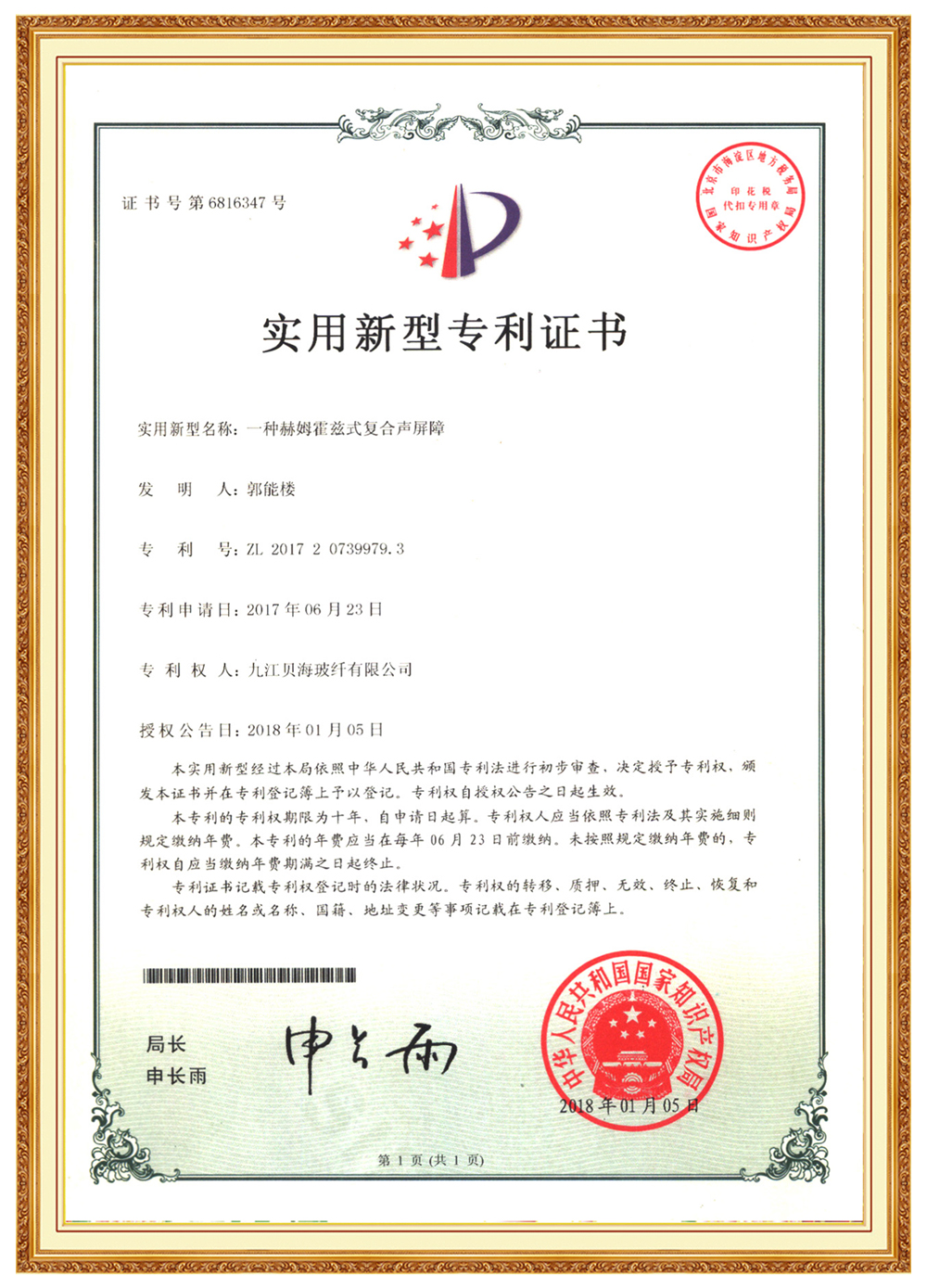
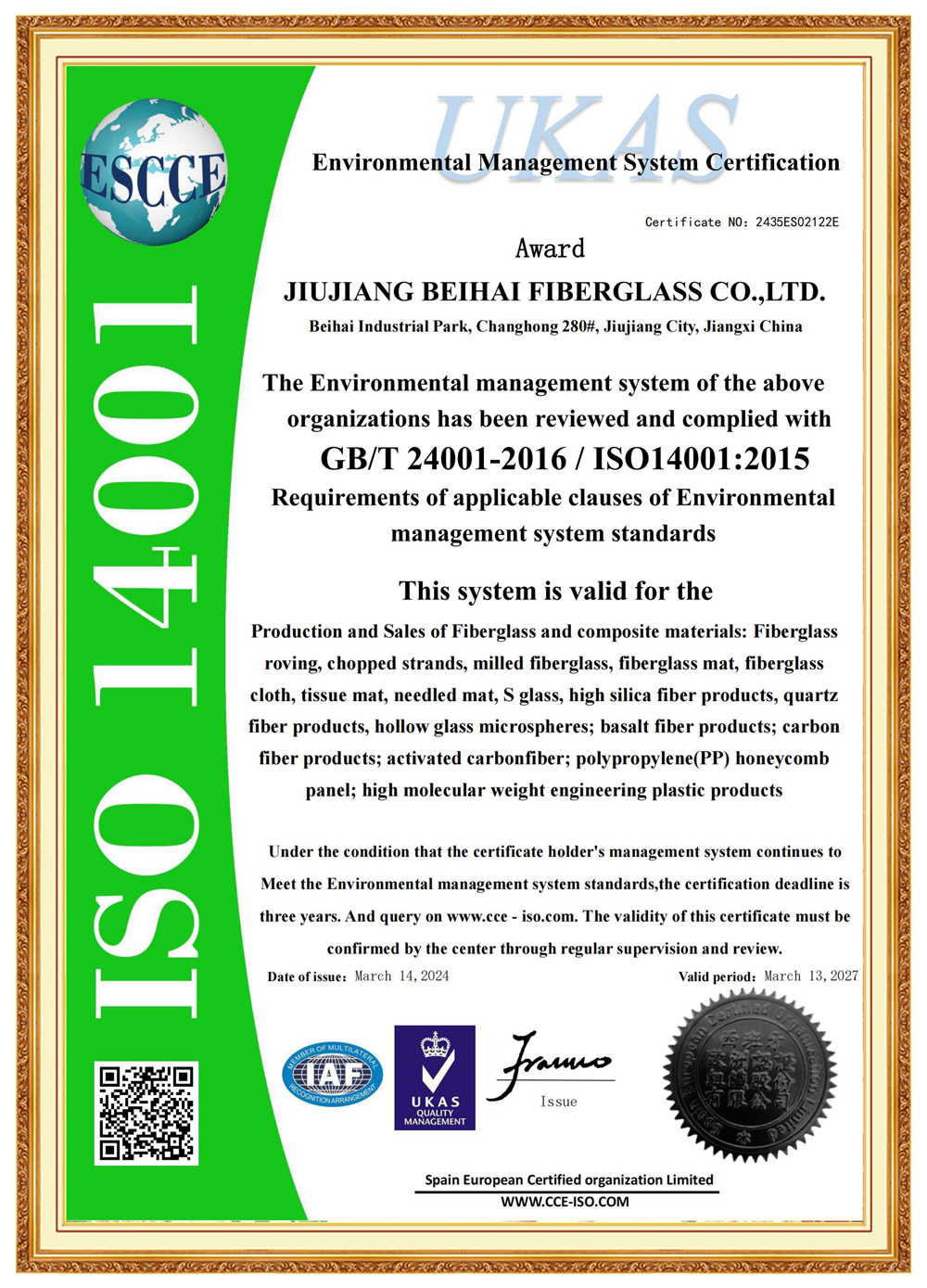
Our commitment to EEAT principles (Experience, Expertise, Authoritativeness, and Trustworthiness) is reflected in our ISO certifications and our active participation in drafting national standards for basalt fiber in composite applications.
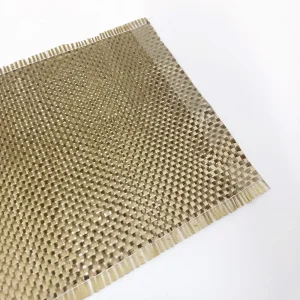
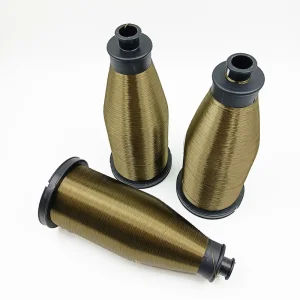
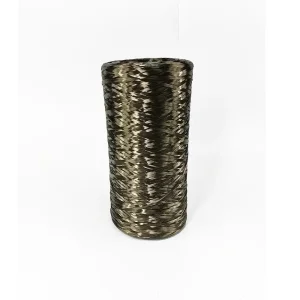
Our Jiangxi factory utilizes the Single-Tip Bushing technology alongside multi-position melting furnaces. This vertical integration allows us to produce roving, chopped strands, and fabrics under one roof, reducing logistics costs by 15% and ensuring 100% batch consistency for pultrusion and filament winding processes.
By optimizing the rock-to-fiber thermal conversion process, China Beihai offers wholesale pricing that is 20-30% more competitive than Western counterparts without sacrificing mechanical properties. This makes large-scale infrastructure projects (like basalt rebar for highways) economically viable for government tenders.
Our research team specializes in surface sizing chemistry. We customize the coupling agents on our basalt roving to ensure perfect adhesion with epoxy, vinyl ester, or phenolic resins, solving the common "delamination" issues found in inferior fiber products.
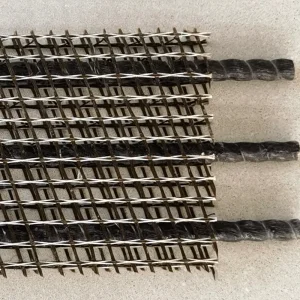
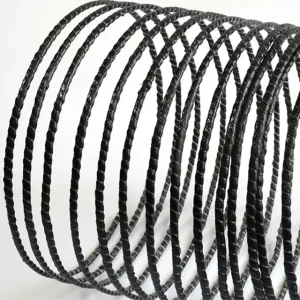
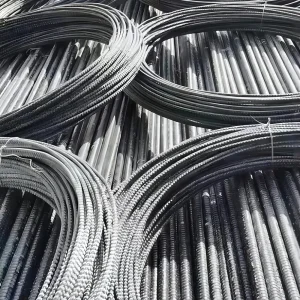
BFRP (Basalt Fiber Reinforced Polymer) rebar is replacing steel in coastal infrastructure, sea walls, and bridge decks where salt corrosion is a major threat. It is lightweight, non-conductive, and non-magnetic.
Used in CNG cylinder winding, brake pads, and interior body panels. Basalt fiber provides acoustic insulation and crash-resistance, aiding in the "lightweighting" of Electric Vehicles (EVs).
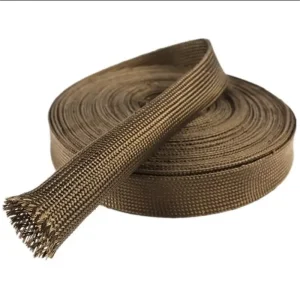
High-temperature sleeves and tapes are used for engine heat shielding and exhaust systems. Its dielectric properties make it ideal for radomes and electromagnetic transparency applications.
Basalt fiber pipes for chemical transport offer superior chemical resistance compared to traditional FRP, preventing leaks and environmental contamination in high-pressure oil fields.
The industry is moving towards Hybrid Composites, combining Basalt with Carbon Fiber to balance cost and performance. Additionally, the development of Thermoplastic Basalt Prepregs is set to revolutionize high-speed manufacturing in the electronics and sporting goods sectors. China Beihai is at the forefront of these innovations, investing in recycling technologies to ensure a circular economy for basalt composites.

As drones slice through the sky to monitor wildfires, and intelligent robots execute repetitive tasks with precision on the factory floor, the efficient operation of this smart equipment is often underpinned by a "hardcore support." Basalt fiber composites provide the lightweight rigidity required for high-frequency robotic movements and aerospace durability.
Read the Full Whitepaper →Ensuring Reliability and Professional Expertise in every fiber strand.
 Beihai Fiberglass