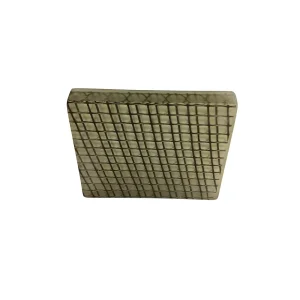
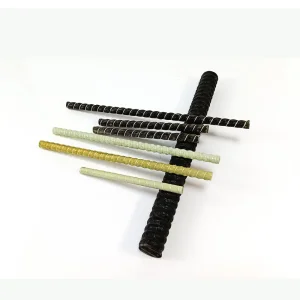
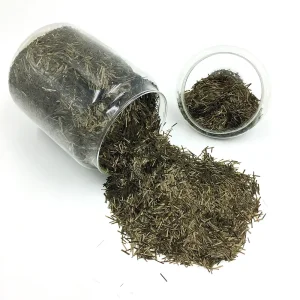
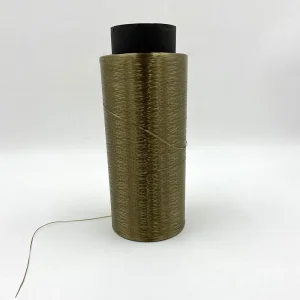
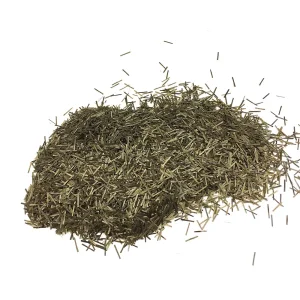
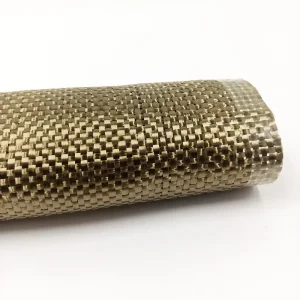
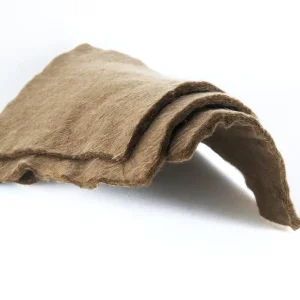
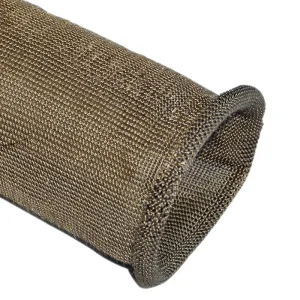
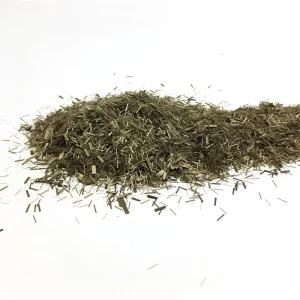
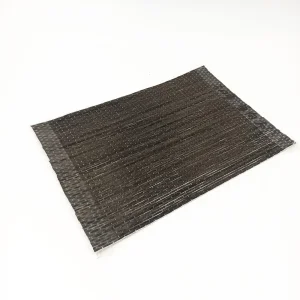
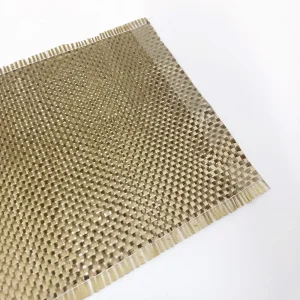
As the global construction industry shifts towards Carbon Neutrality, the demand for sustainable alternatives to traditional carbon-intensive steel rebar has reached a critical tipping point. Basalt Fiber Reinforced Polymer (BFRP) rebar, often termed "Green Steel," is derived from volcanic rock through a zero-chemical melting process, offering a lifecycle carbon footprint up to 60% lower than traditional steel reinforcement.
Currently, the global market for eco-friendly basalt rebar is expanding at a CAGR of 12.5%. From the hurricane-resistant coastal infrastructure in North America to the high-temperature industrial zones in the Middle East, Basalt fiber's innate resistance to corrosion, acids, and alkalis makes it the superior choice for high-durability engineering.
Lighter than Steel
Tensile Strength
Corrosion Proof
Conductive
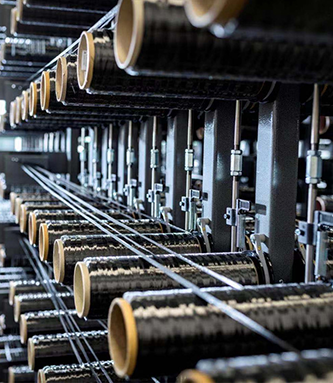
Founded in 2015 and headquartered in Jiujiang, Jiangxi Province, China Beihai has emerged as a high-tech titan in the high-performance basalt continuous fiber sector. Our facility integrates the entire value chain—from volcanic rock selection and equipment manufacturing to the mass production of specialized BFRP products.
Our efficiency advantage stems from proprietary pool kiln melting technology and automated pultrusion lines, which reduce energy consumption by 15% compared to industry standards while maintaining a consistent quality that meets ISO and ASTM international certifications. By sourcing from China Beihai, global partners benefit from wholesale economies of scale without compromising on the precision required for aerospace and civil engineering.

Perfect for bridge decks, sea walls, and parking garages where road salt and humidity typically cause steel rebar to rust and expand, leading to concrete spalling.

Utilized in drone frames, spacecraft shell materials, and thermal protection systems due to its incredible heat resistance and electromagnetic transparency.

Basalt fiber composites are used for interior panels, engine covers, and brake pads, reducing vehicle weight and improving fuel efficiency/EV range.

Basalt's chemical inertness makes it ideal for underground storage tanks and pipelines carrying corrosive chemicals or sewage.
The Basalt Fiber Revolution is driven by three main factors:
For global procurement officers, the focus has shifted from "lowest price" to "Supply Chain Resilience." China Beihai provides a stable, high-capacity source that mitigates the volatility of the global steel market.
Q1: Why is Basalt rebar considered more eco-friendly than steel?
A: Unlike steel, which requires high-heat iron ore smelting and releases massive amounts of CO2, basalt fiber is made from natural volcanic rock in a single-melt process. It is 100% recyclable, inert, and requires significantly less energy to transport due to its lightweight nature.
Q2: Can Basalt rebar completely replace steel in all construction projects?
A: While BFRP rebar has superior tensile strength and corrosion resistance, it has a different modulus of elasticity. It is an ideal replacement for steel in "service-life limited" environments like marine, bridge decks, and chemical plants. Design engineers typically follow ACI 440 guidelines for BFRP integration.
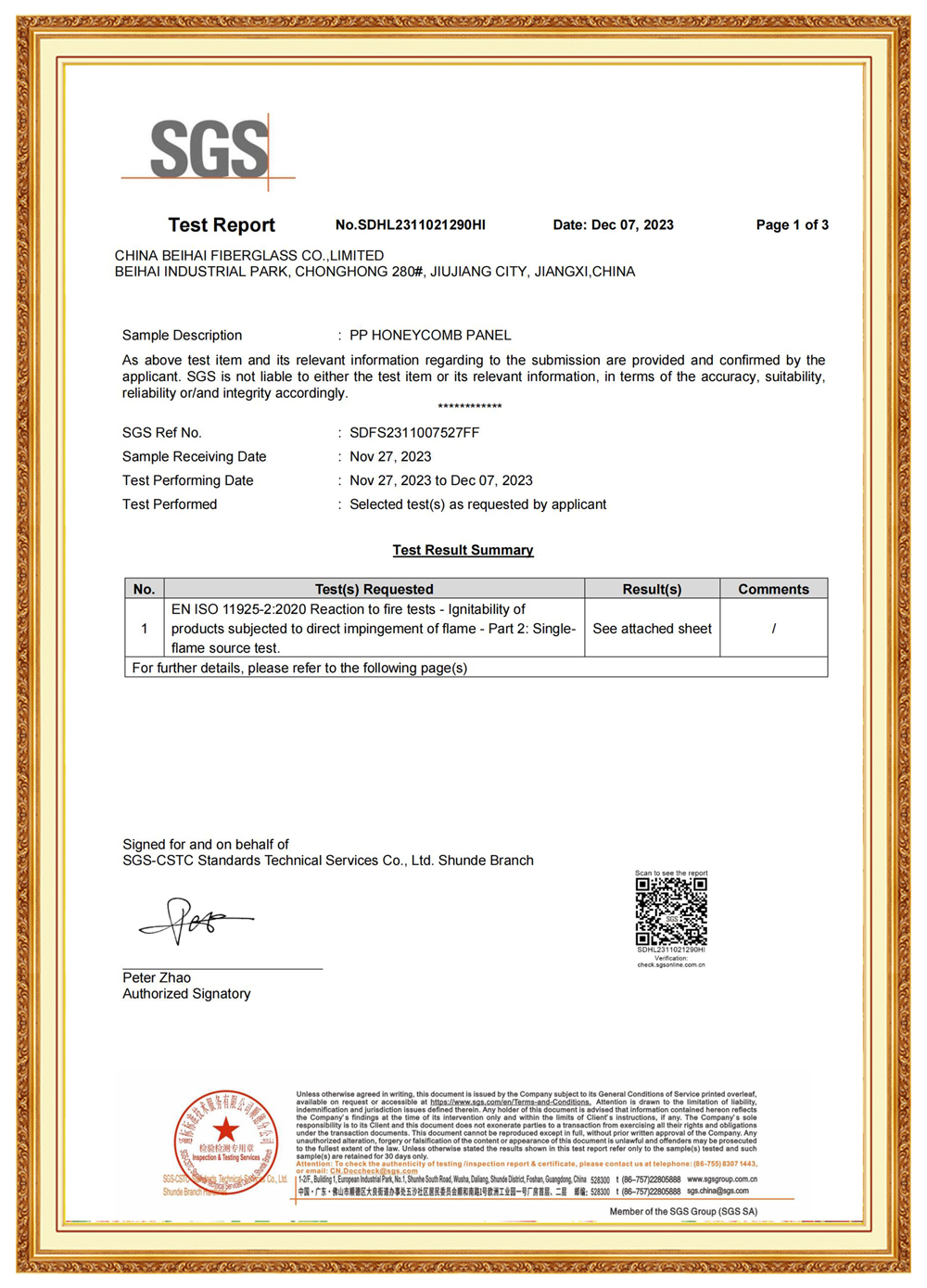
Q3: How does China Beihai ensure quality consistency for large wholesale orders?
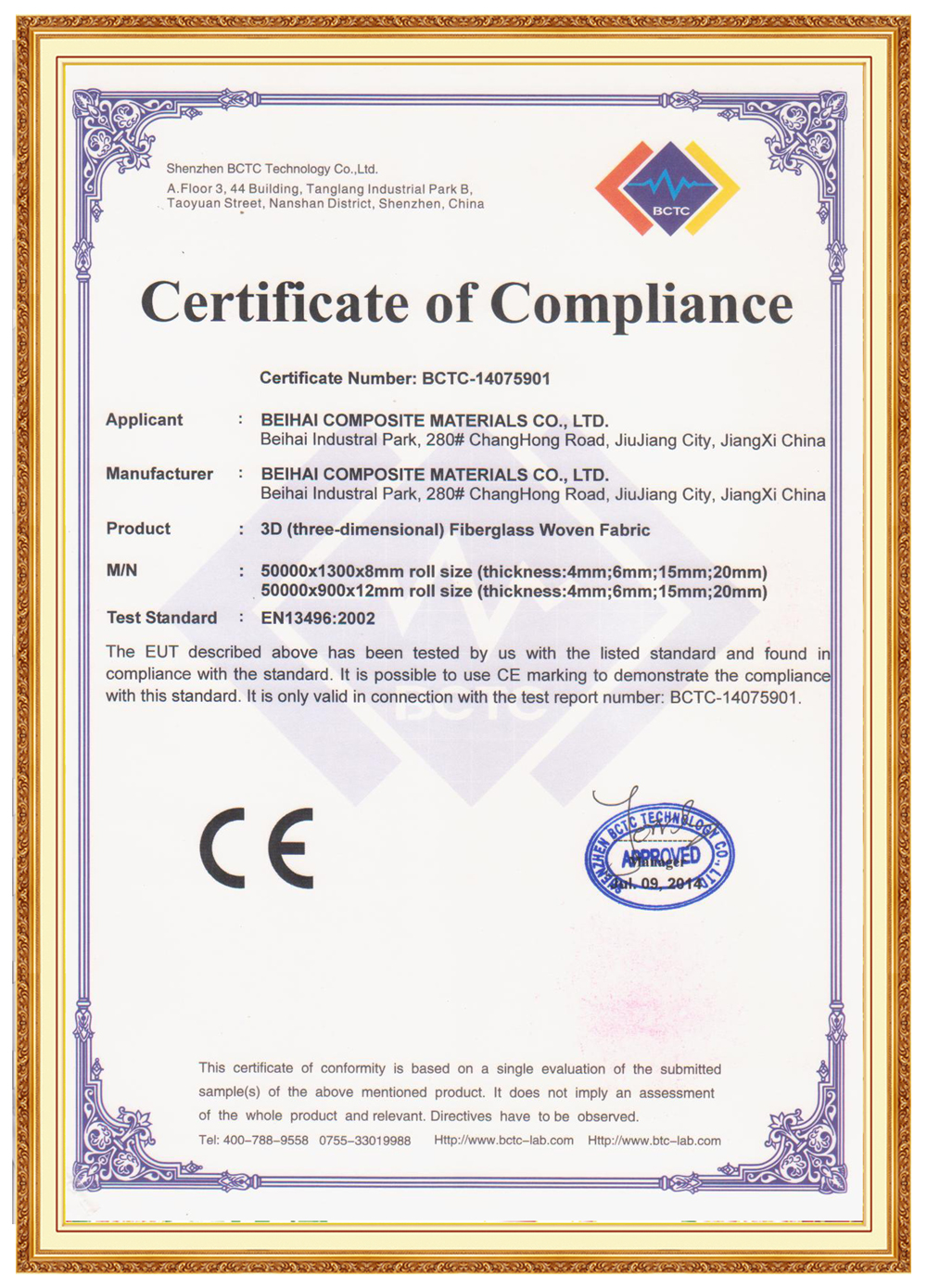
A: We utilize advanced pool kiln technology with real-time AI monitoring of fiber diameter and sizing application. Every batch undergoes rigorous tensile, thermal, and alkali-resistance testing in our Jiujiang R&D center before shipment.
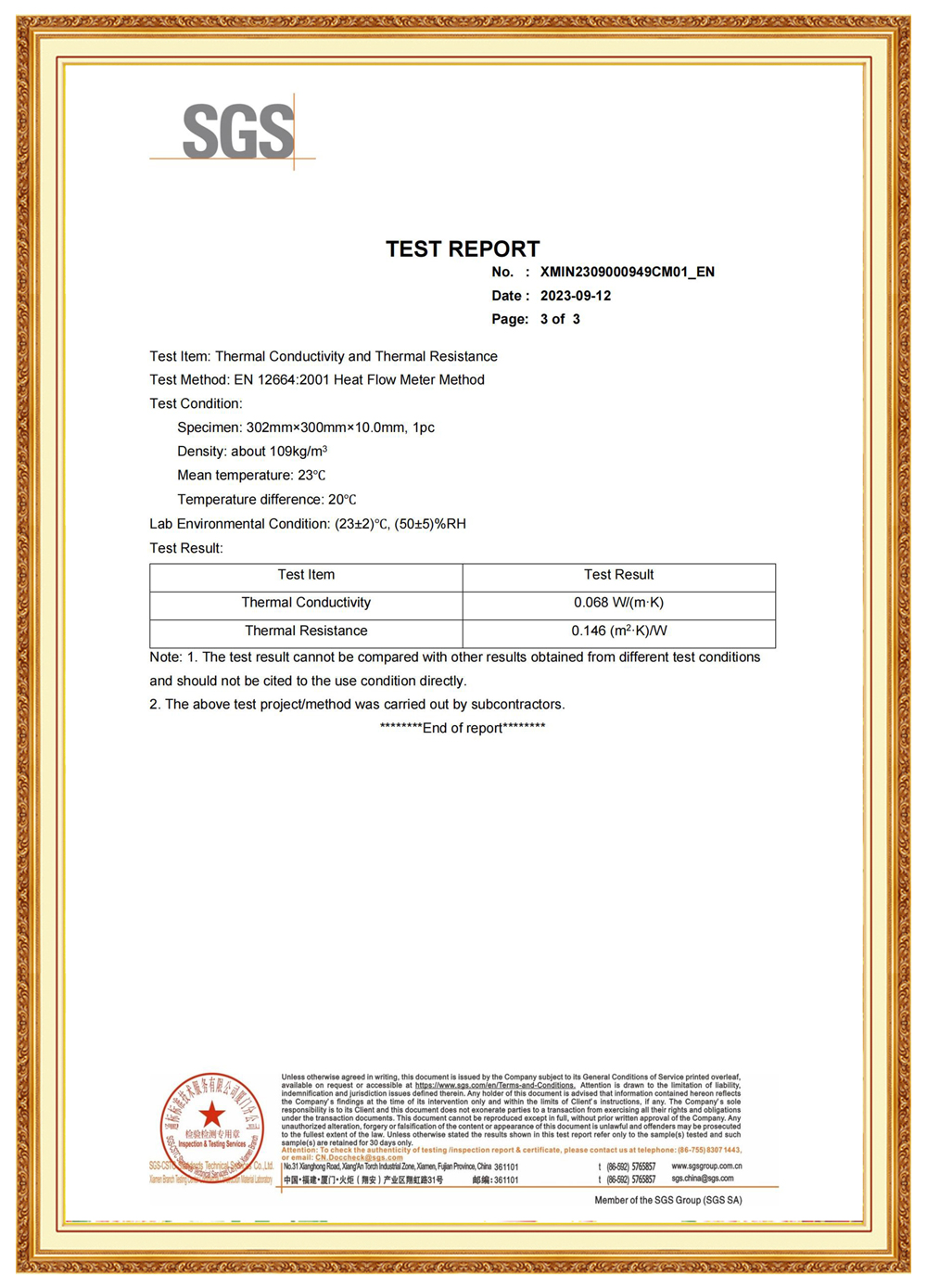
Q4: What is the thermal performance of Basalt fiber products?
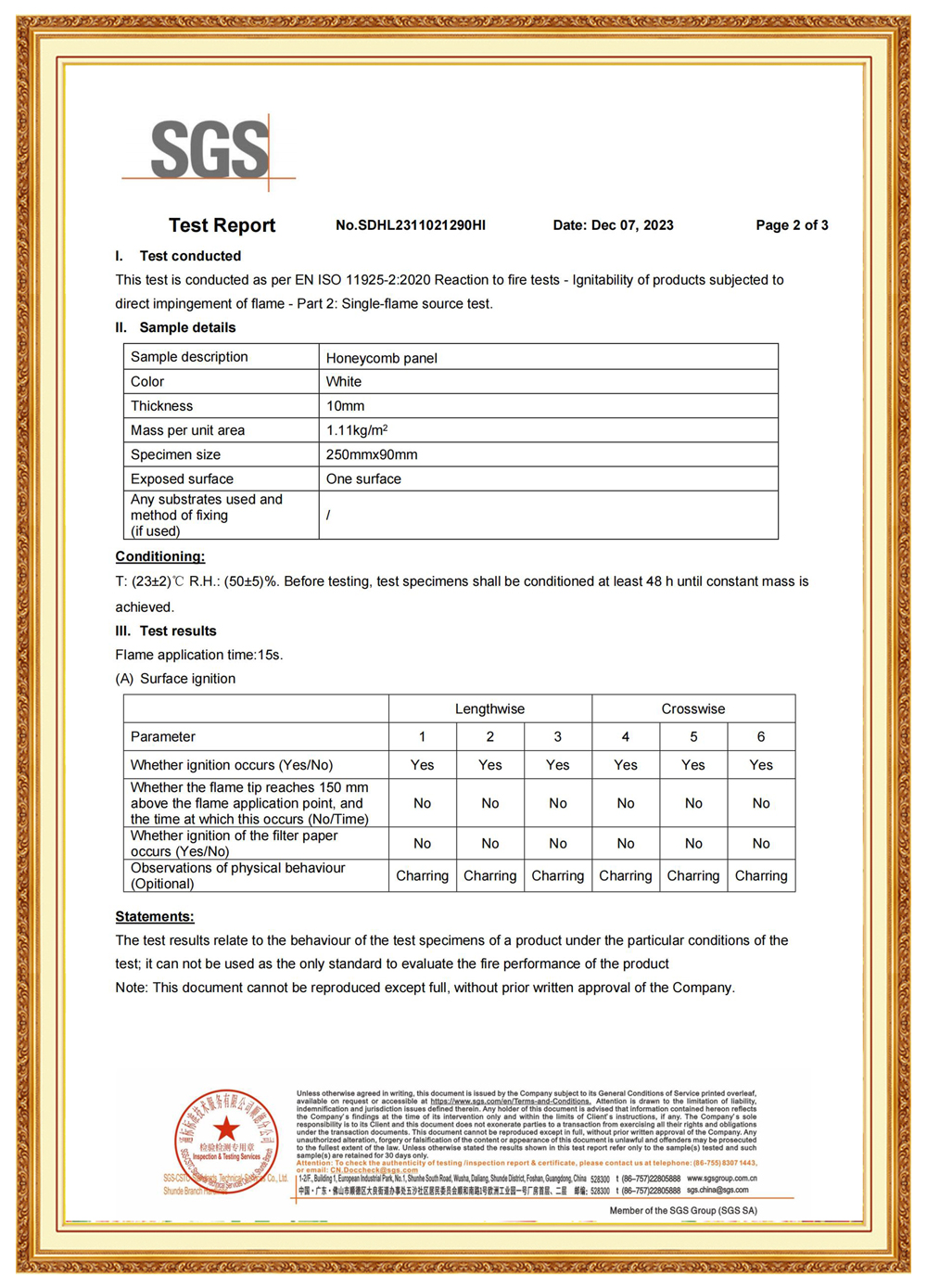
A: Basalt fiber products can withstand temperatures from -260°C to +700°C. This makes them significantly more stable than glass fiber (E-glass) and many polymers, ideal for fireproof fabrics and engine insulation.
 Beihai Fiberglass