 Beihai Fiberglass
The Scientific Blueprint: How is Basalt Fiber Made?
Continuous Basalt Fiber (CBF) is an inorganic material produced from volcanic rock. Unlike glass fiber, which requires complex chemical additives, basalt fiber is a "green" material made from a single component.
1. Raw Material Selection
The process begins with selecting specific volcanic basalt rocks with a silica (SiO2) content of 45-52%. The chemical stability and mechanical properties of the final fiber depend entirely on the mineralogical composition of the source ore.
2. High-Temperature Fusion
The crushed rock is fed into a recuperative furnace and heated to temperatures between 1450°C and 1500°C. At this stage, the rock liquefies into a molten state with precisely controlled viscosity.
3. Platinum-Rhodium Extrusion
The molten basalt flows through multi-hole bushings made of platinum-rhodium alloy. This expensive material is used to withstand the extreme corrosive nature of molten rock and ensure fiber diameter precision.
4. Cooling & Sizing
As the filaments emerge from the bushings, they are instantly cooled by air and water mists. A "sizing agent" (chemical coating) is applied to improve bonding with resins and protect the fiber during winding.
5. Winding & Processing
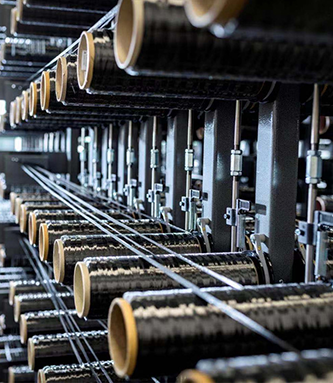
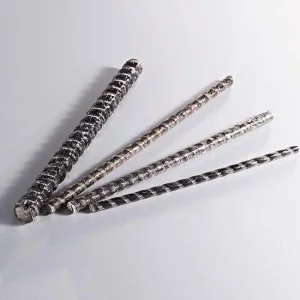
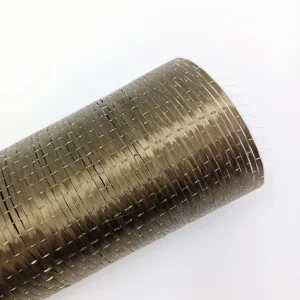
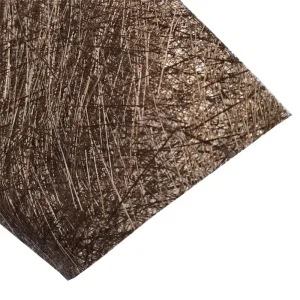
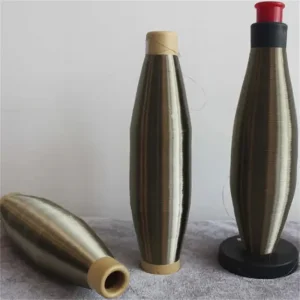
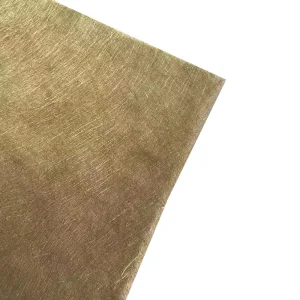
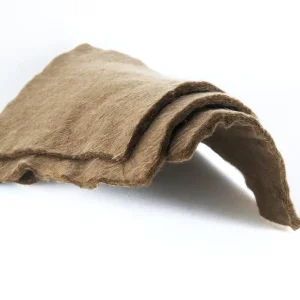
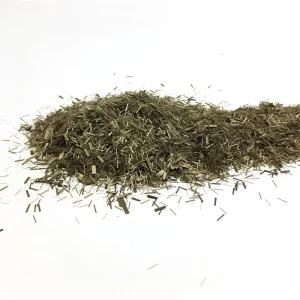
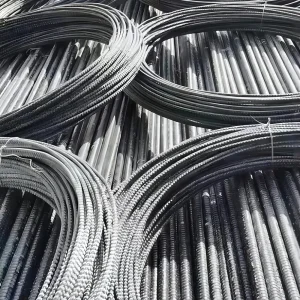
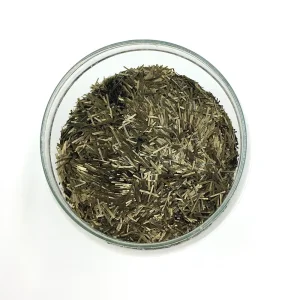
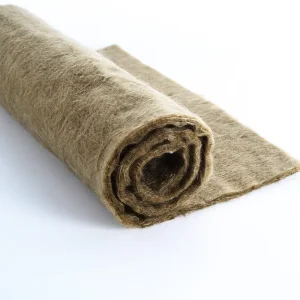
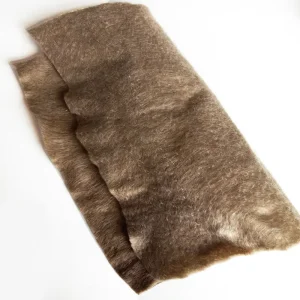
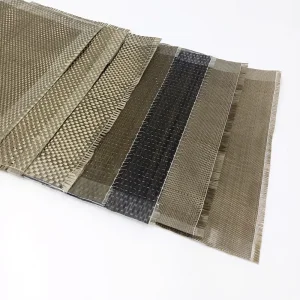
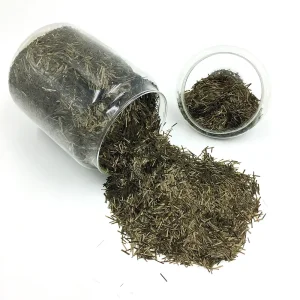
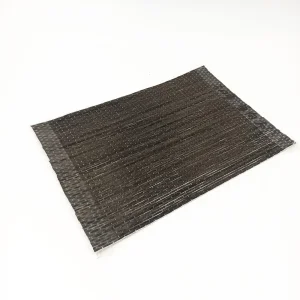
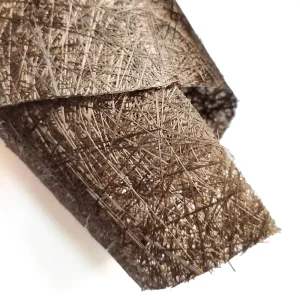
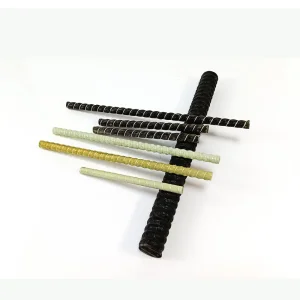
The fibers are gathered into strands and wound into bobbins (rovings). These rovings are then processed into mats, fabrics, rebar, or chopped strands based on the final industrial application.
6. Quality Assurance
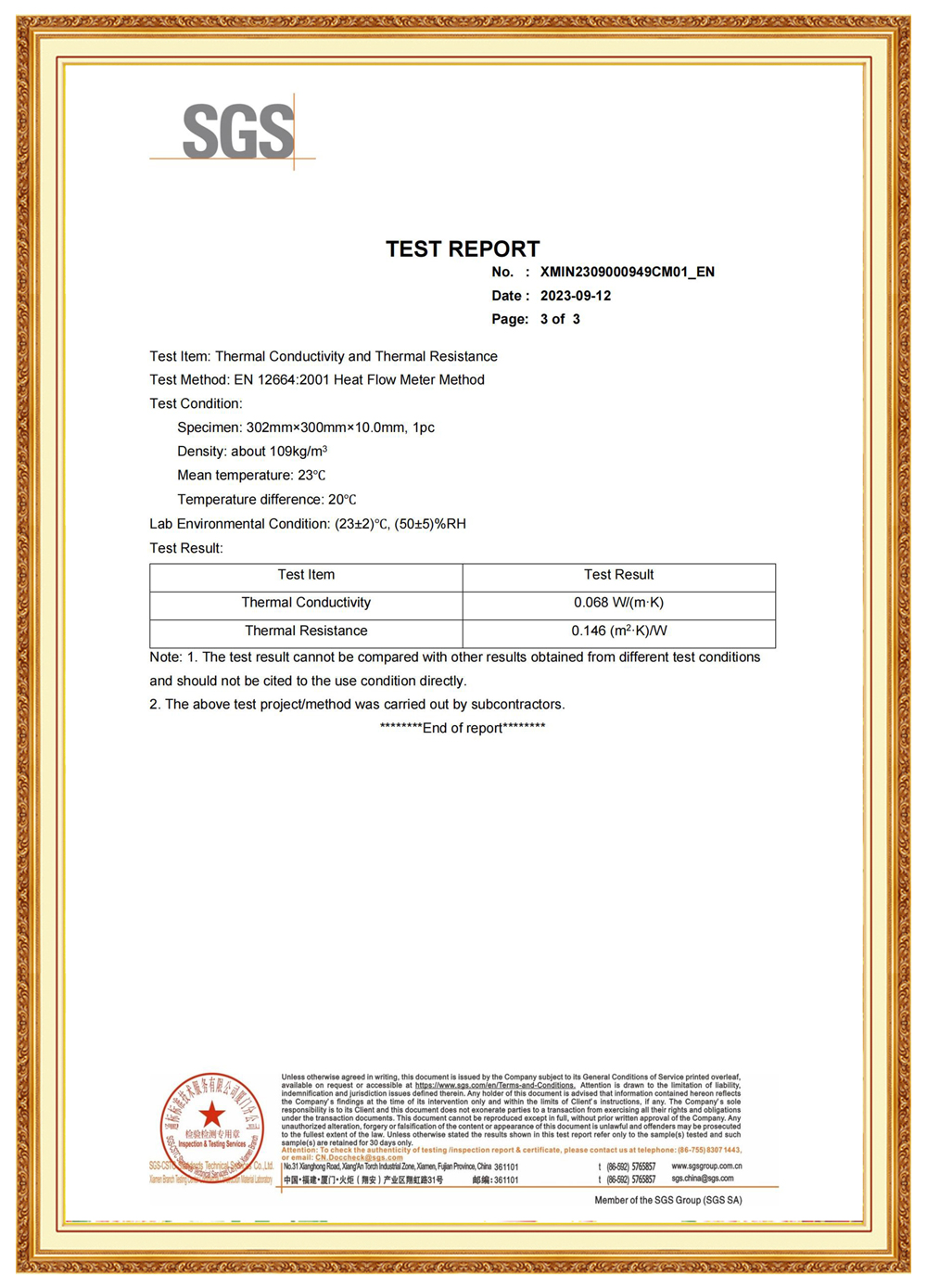
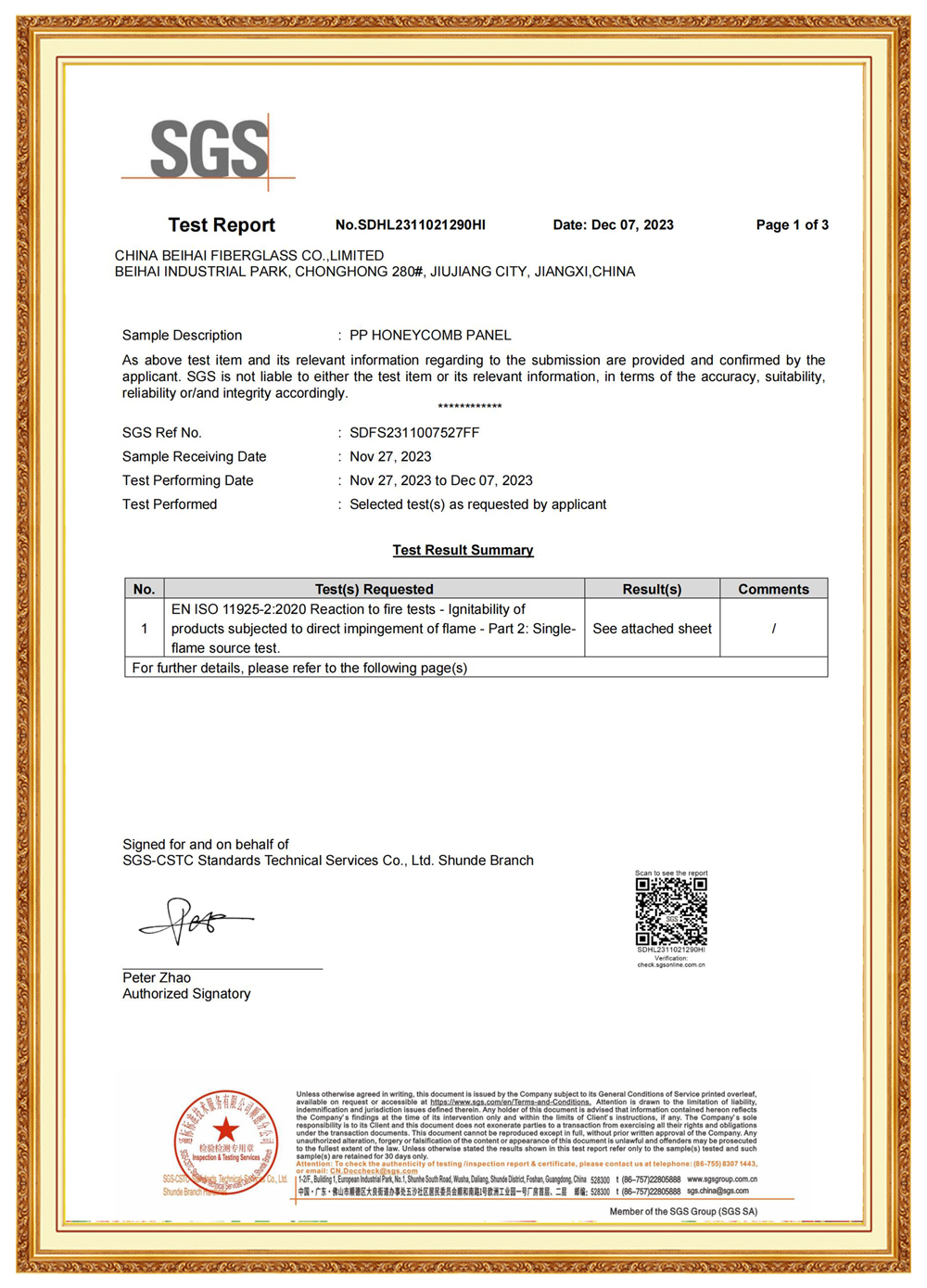
Every batch undergoes testing for alkali resistance, tensile strength, and thermal stability to meet ISO standards, ensuring E-E-A-T compliance for high-risk engineering projects.