Explore our premium selection of continuous basalt fiber products engineered for extreme environments, structural reinforcement, and composite manufacturing.
An in-depth analysis of Continuous Basalt Fiber (CBF) as a critical material for 21st-century engineering, infrastructure, and sustainable industrial growth.
Volcanic rock fiber, scientifically known as Continuous Basalt Fiber (CBF), represents a paradigm shift in high-performance materials science. Extruded directly from igneous basalt rock through advanced high-temperature melting processes, this 100% natural, inorganic fiber bridges the performance gap between traditional glass fibers (E-glass) and high-cost carbon fibers. As global industries face unprecedented pressure to decarbonize, reduce structural weight, and extend the service life of critical infrastructure, volcanic rock fiber has emerged as a premier ecological and structural solution.
From a mechanical standpoint, volcanic rock fiber exhibits exceptional tensile strength (ranging from 3000 to 4800 MPa), a high modulus of elasticity (85 to 110 GPa), and an operating temperature range that spans from extreme cryogenic conditions (-260°C) to intense thermal environments (+700°C). These intrinsic properties render it virtually immune to corrosion, acid attacks, and alkaline degradation, making it the ideal reinforcement candidate for harsh marine, petrochemical, and civil engineering applications.
Analyzing supply chain dynamics, manufacturing capacities, and the economic viability of volcanic rock fiber on a global scale.
The global market for volcanic rock fiber is experiencing exponential growth, driven by stringent green building mandates, the lightweighting of automotive and aerospace fleets, and the urgent need to replace corroding steel rebars in coastal infrastructure. Historically localized, the supply chain for high-quality basalt continuous fiber has consolidated around advanced manufacturing hubs capable of maintaining the precise thermal control required to melt and draw basalt rock without structural defects.
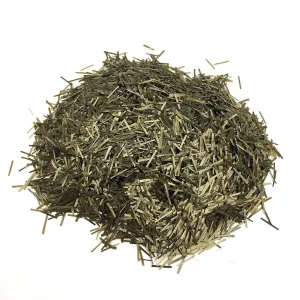
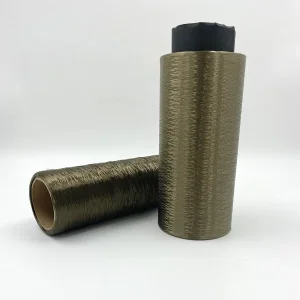
As a leading global supplier, China Beihai (founded in 2015 and located in Jiujiang, Jiangxi Province) has pioneered the commercialization of continuous basalt fiber. By integrating state-of-the-art electric furnaces with proprietary platinum-rhodium alloy bushing plates, China Beihai has stabilized the industrial-scale production of basalt roving, chopped strands, fabrics, and rebars. This vertical integration allows global procurement officers to bypass supply chain volatility and secure consistent, high-purity volcanic rock fiber at competitive wholesale price points.
| Material Property | Volcanic Rock Fiber (Basalt) | E-Glass Fiber | Carbon Fiber (Standard) | Structural Steel |
|---|---|---|---|---|
| Density (g/cm³) | 2.63 - 2.80 | 2.54 - 2.60 | 1.75 - 1.80 | 7.85 |
| Tensile Strength (MPa) | 3000 - 4800 | 2000 - 3500 | 3500 - 6000 | 450 - 550 |
| Elastic Modulus (GPa) | 85 - 110 | 72 - 76 | 230 - 240 | 200 - 210 |
| Elongation at Break (%) | 3.1 - 3.2 | 4.5 - 4.8 | 1.5 - 2.0 | 15 - 25 |
| Corrosion Resistance | Excellent (Alkali/Acid) | Moderate | Excellent | Poor (Prone to Rust) |
A premier high-tech enterprise dedicated to the research, development, and high-volume manufacturing of continuous basalt fiber solutions.
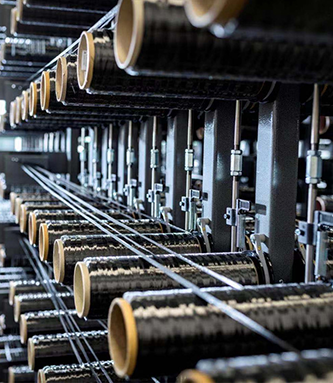
China Beihai was founded in 2015 and is strategically located in Jiujiang, Jiangxi Province. As a certified high-tech enterprise, we focus on the intensive research, development, production, and sales of high-performance basalt continuous fiber and its specialized production equipment. Today, we stand as a leading enterprise in the domestic and international basalt fiber industry, delivering reliable, sustainable solutions to global engineering projects.

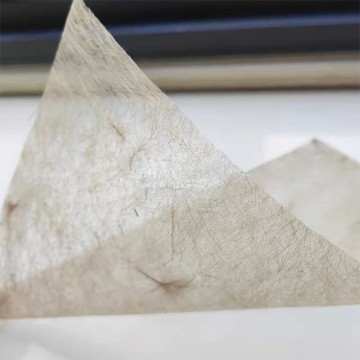
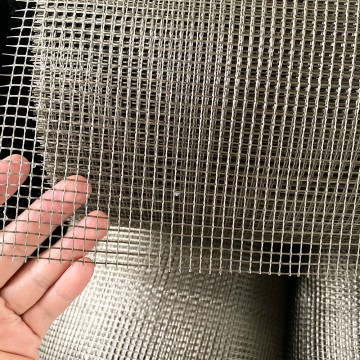
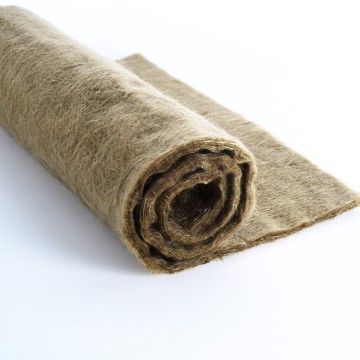
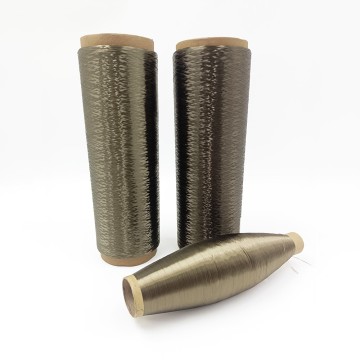
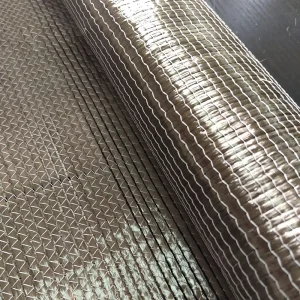
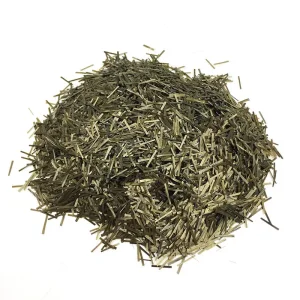
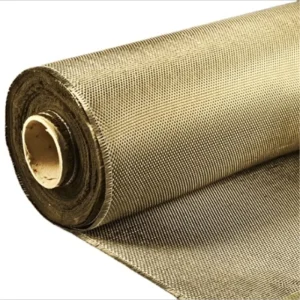
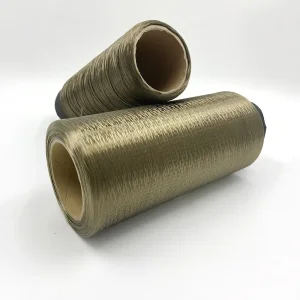
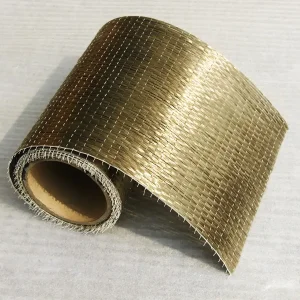
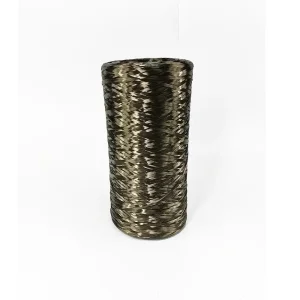
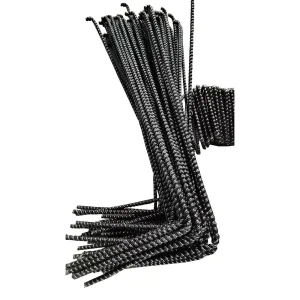
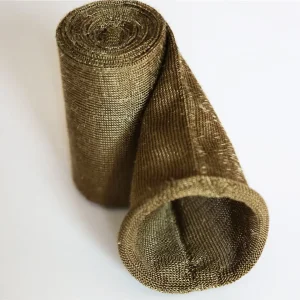
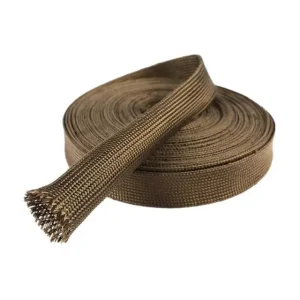
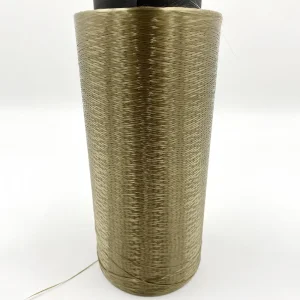
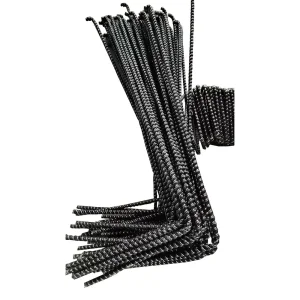
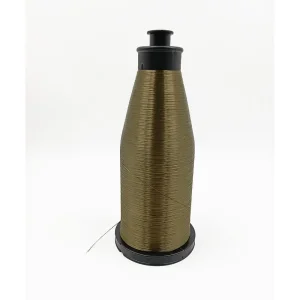
At China Beihai Group, we specialize in the production of a wide range of products including basalt fiber mat (Basalt fiber chopped strand mat, Basalt fiber cloth), basalt fiber roving, basalt fiber yarn, basalt fiber chopped strands, and finished basalt products (Basalt Fiber rebar, basalt fiber sleeves, and tape). Our products are designed to meet the diverse needs of various industries, providing high-quality, long-lasting solutions.

We are dedicated to the production of a wide array of basalt-based products, ranging from basalt fiber mat, fabric, and roving to chopped strand and specialized construction materials. Our focus is on delivering high-quality, sustainable solutions for industries such as construction, geotechnical engineering, and manufacturing. With a commitment to innovation and excellence, we strive to cater to the unique requirements of our clients.

Choosing China Beihai means partnering with a leading manufacturer of basalt products. Our commitment to quality, innovation, and sustainability sets us apart, ensuring our customers receive best-in-class solutions for their diverse needs. Backed by our dedication to excellence and industry expertise, we offer a wide range of high-quality basalt materials and construction products. When you partner with us, you can trust that you are working with a reliable, forward-thinking supplier.
Discover our highly sought-after basalt fiber products, engineered for superior tensile strength, thermal insulation, and chemical stability.
How volcanic rock fiber is addressing engineering bottlenecks across the world's most demanding sectors.

Basalt continuous fiber products have diverse applications in house construction, providing fireproof wallboards, thermal insulation layers, and seismic reinforcement meshes that exceed standard building codes.

In the aerospace field, basalt fibers are ideal for manufacturing aircraft wings, engine components, spacecraft shell materials, thermal protection systems, and high-temperature-resistant engine parts.

Basalt-added concrete offers increased tensile strength, durability, crack resistance, and improved chemical resistance. It completely eliminates the risk of concrete spalling caused by internal steel corrosion.

Facing the trend of lightweight automobile materials, basalt fiber composites are widely applied in manufacturing bumper brackets, engine covers, brake pads, and interior acoustic panels.

Basalt's high strength, durability, and protective properties make it ideal for protecting bridge abutment structures from vehicle collisions, fire, marine corrosion, and natural wear.

The supreme corrosion resistance of basalt fiber gives it a unique advantage in the petrochemical and marine engineering fields, particularly for offshore oil platforms and chemical transport pipelines.
How we guarantee seamless integration, regulatory compliance, and localized engineering support across international markets.
Deploying advanced composite materials like volcanic rock fiber in public infrastructure, aerospace, or automotive manufacturing requires strict adherence to regional regulatory frameworks and quality standards. Recognizing this, China Beihai has established a comprehensive global compliance program. Our basalt fiber products are fully certified under major international quality management systems, ensuring that our clients can confidently integrate our materials into municipal and commercial projects without regulatory friction.
Our localized support model extends beyond simple product delivery. We provide on-site engineering consultations, custom formulation of sizing agents to match specific local resin systems (such as epoxy, polyester, or vinyl ester), and comprehensive technical documentation. Whether you are navigating ASTM standards in North America, EN codes in Europe, or GB standards in Asia, our dedicated technical support team ensures that your design calculations, safety factors, and material characterizations are fully compliant.
With strategically located warehousing and partnerships with leading international freight forwarders, we guarantee reliable, on-time delivery. We handle all export documentation, customs clearance, and local compliance paperwork, providing a hassle-free, door-to-door wholesale procurement experience.
Every engineering project has unique demands. Our R&D center in Jiujiang collaborates directly with client engineering teams to develop custom fiber diameters, specialized weave patterns, custom-length chopped strands, and tailored sizing chemistry to optimize composite performance.
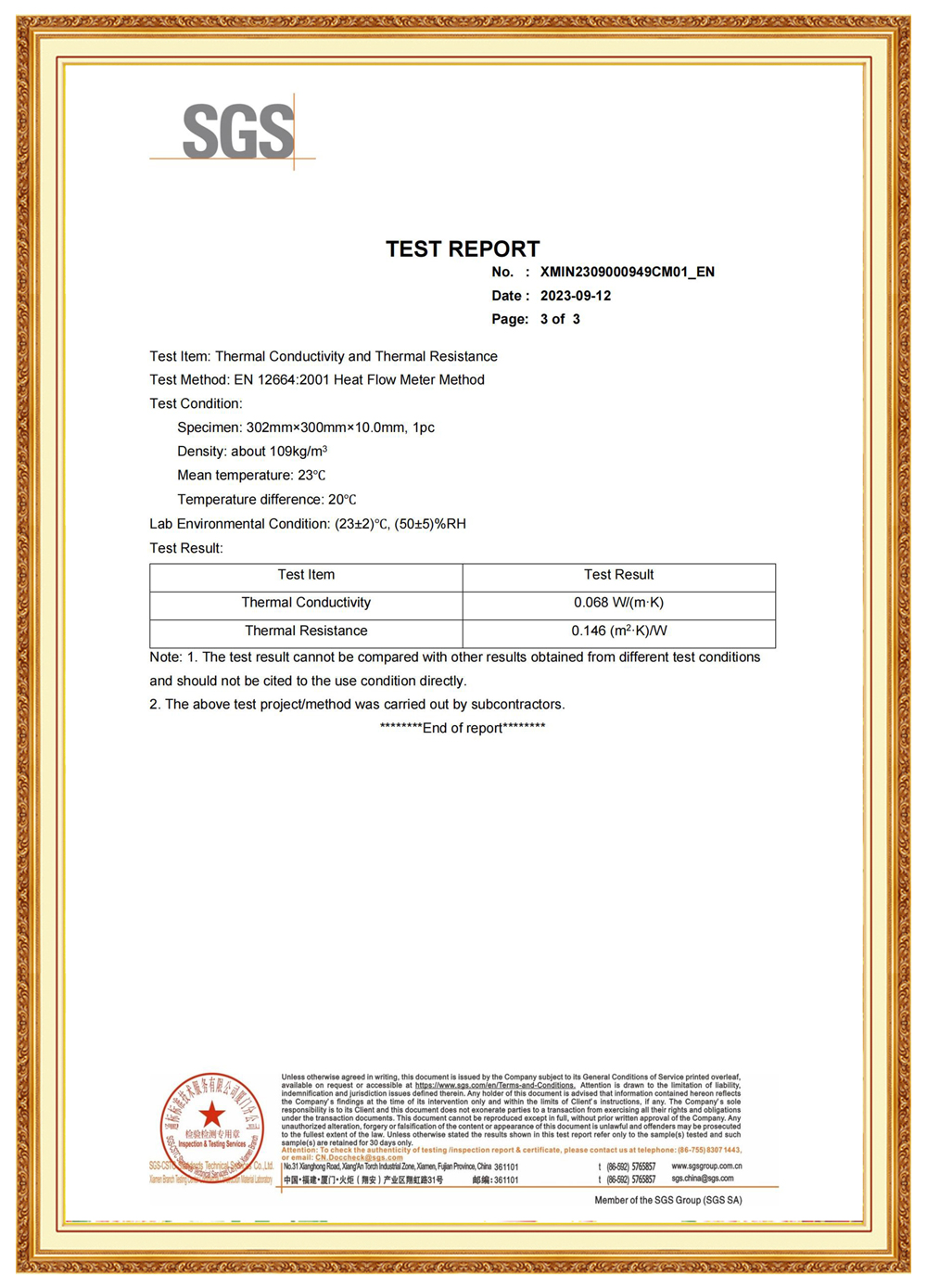
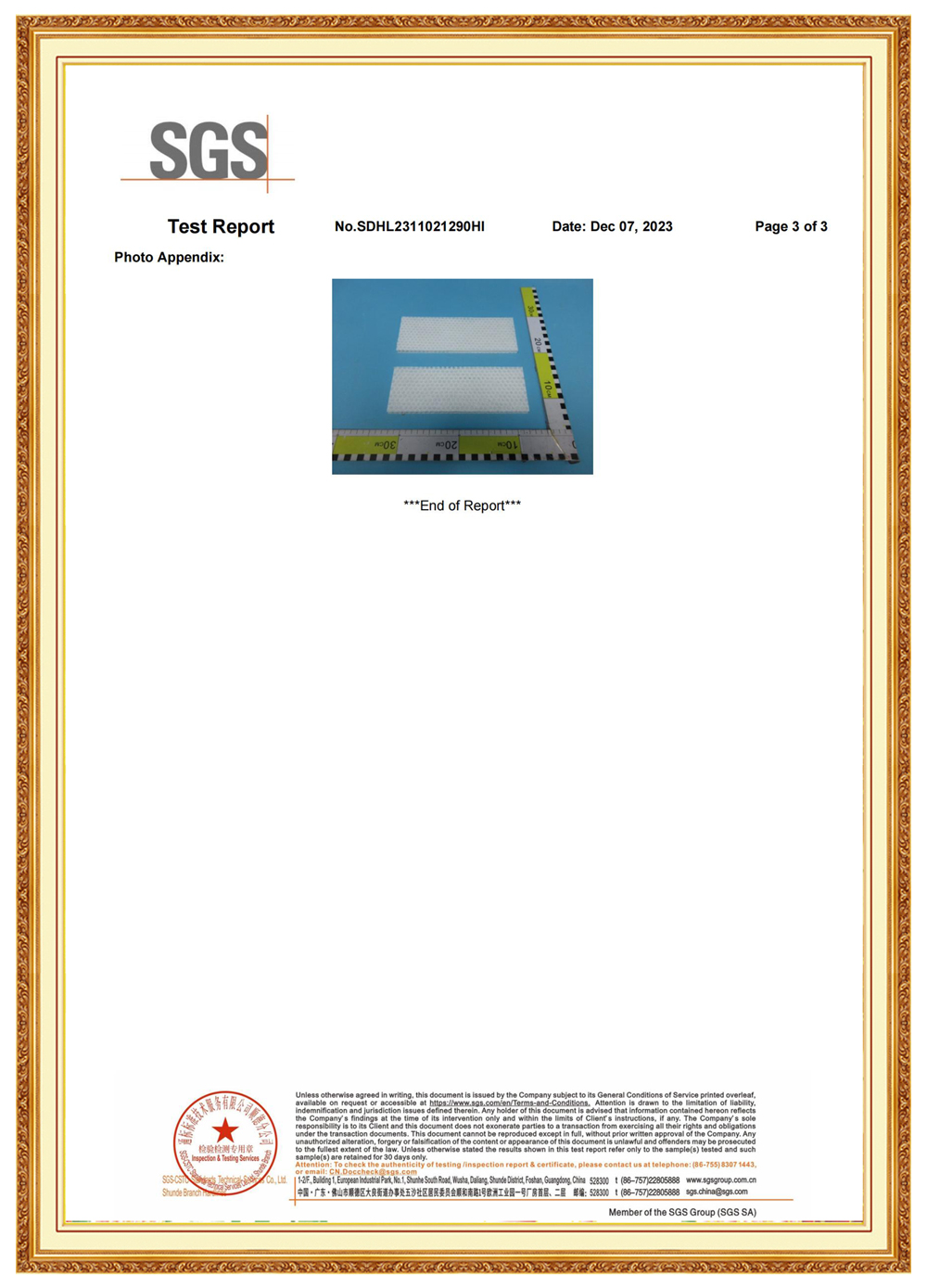
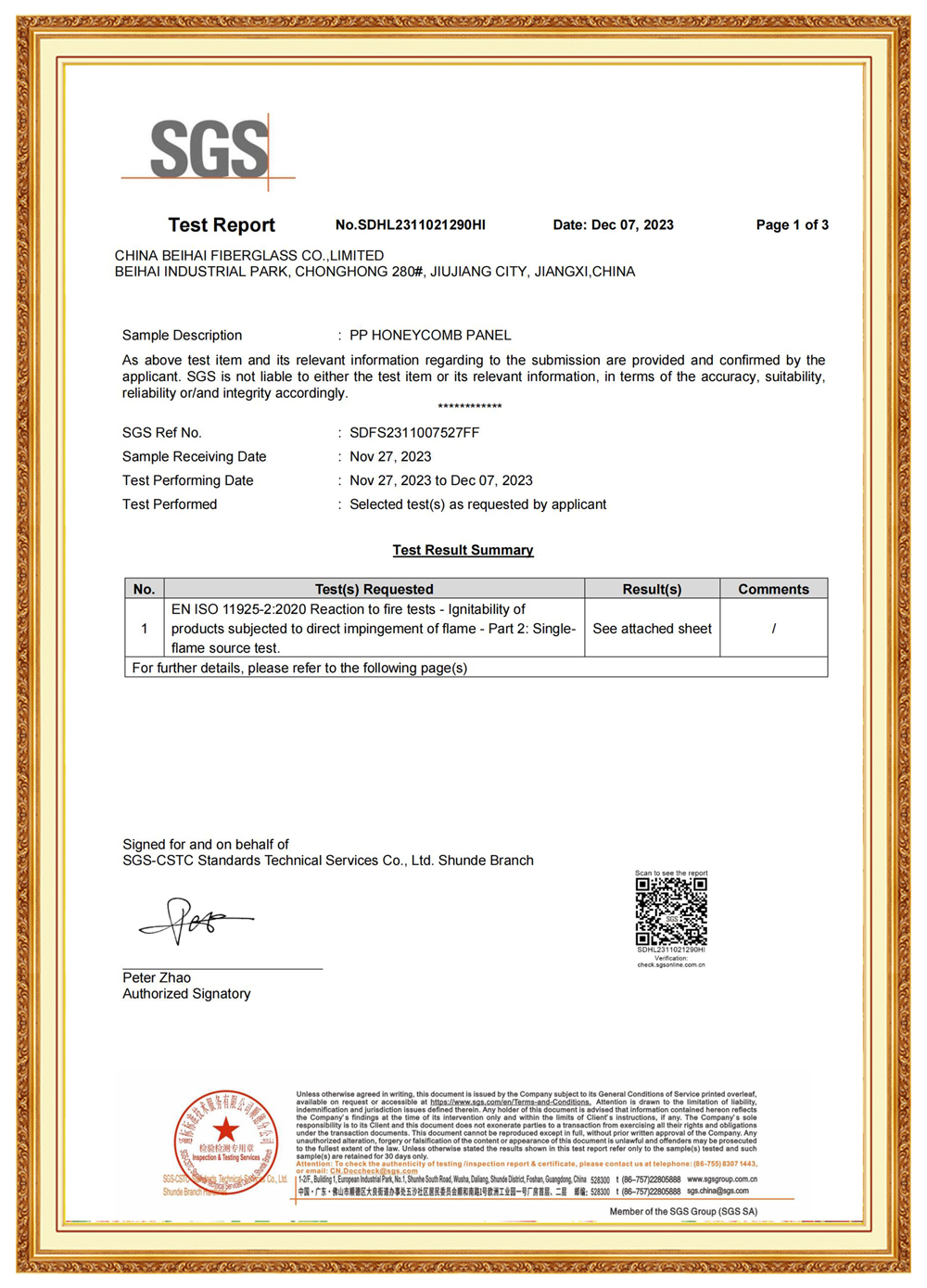
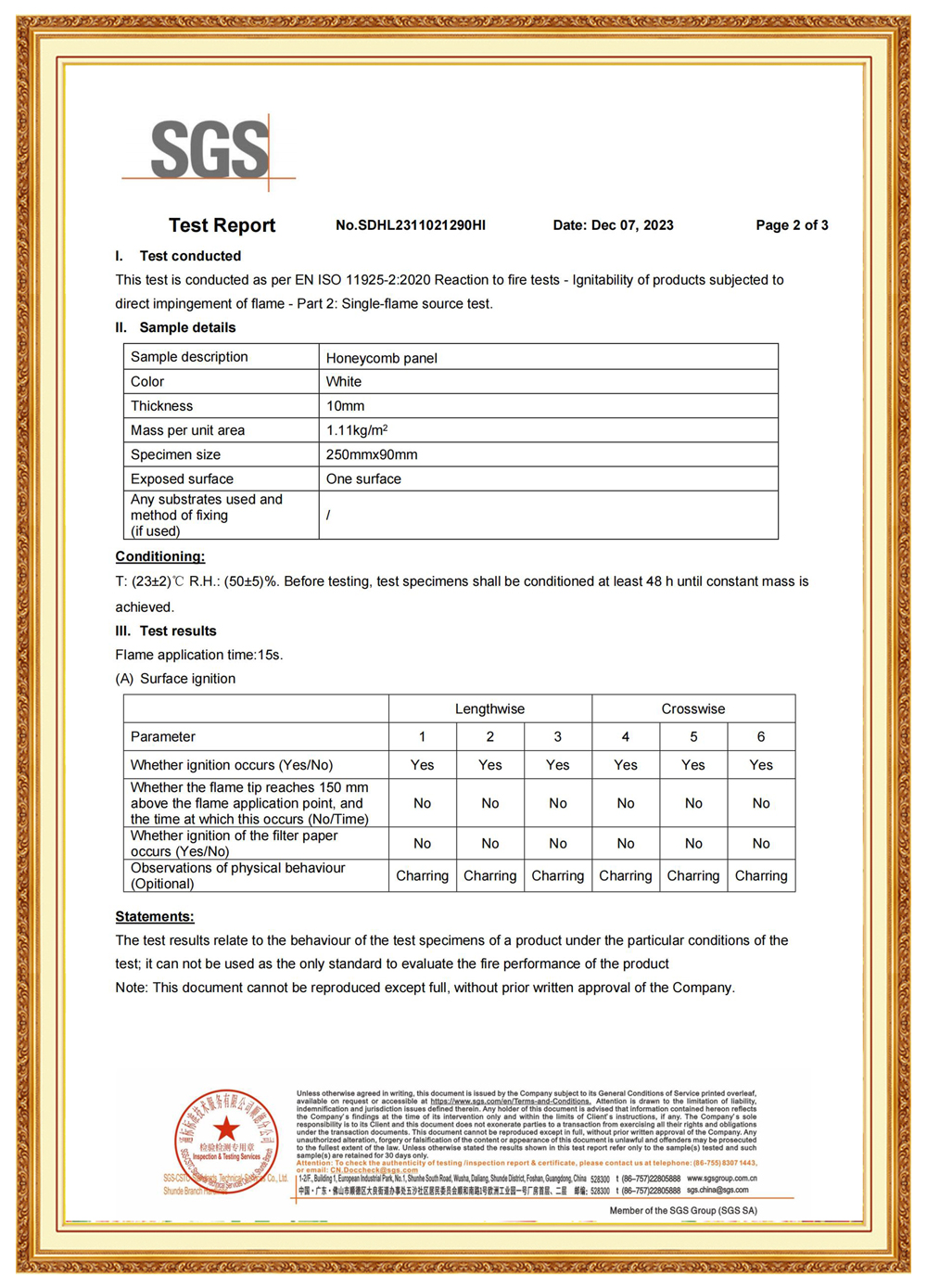
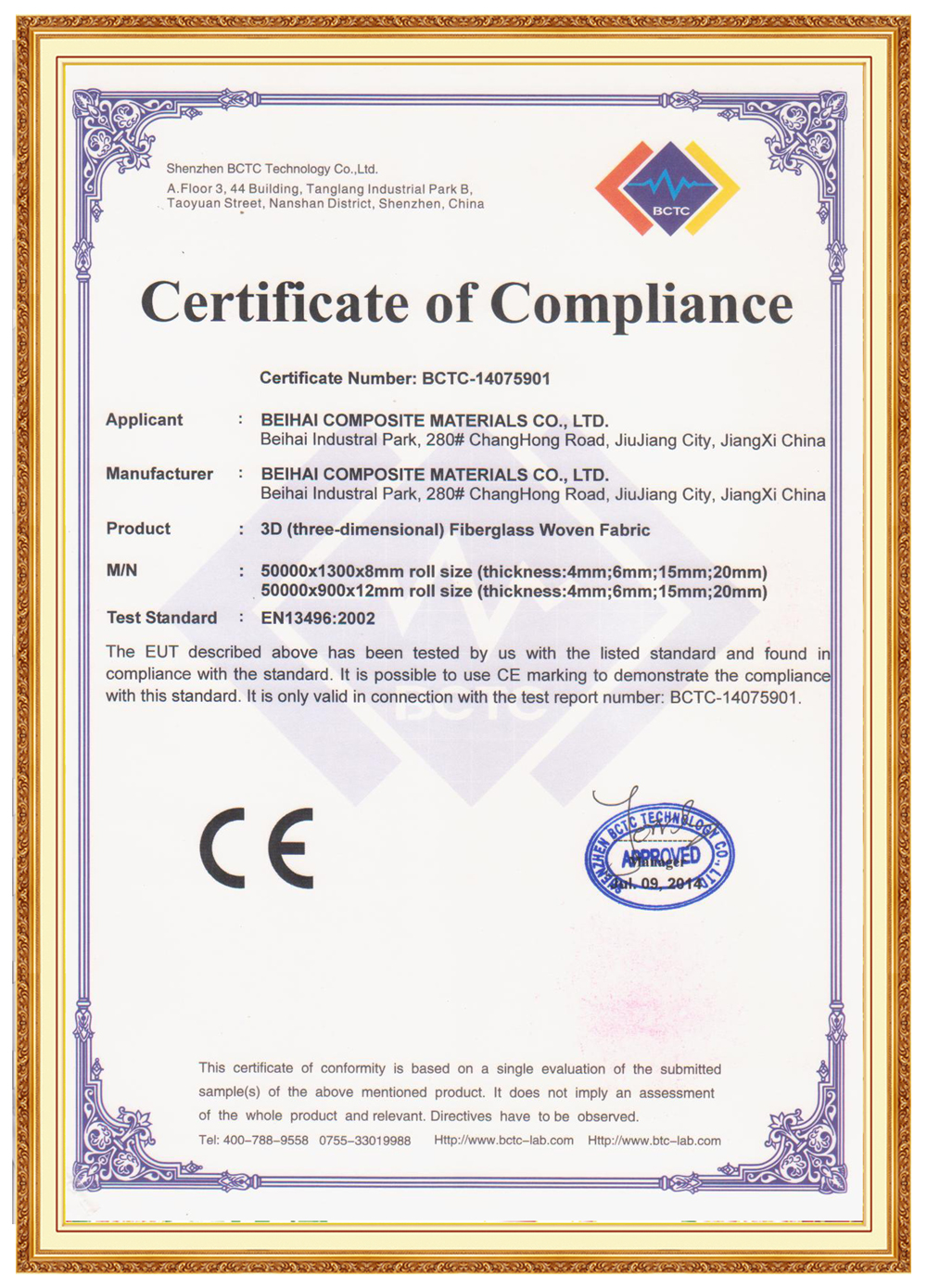
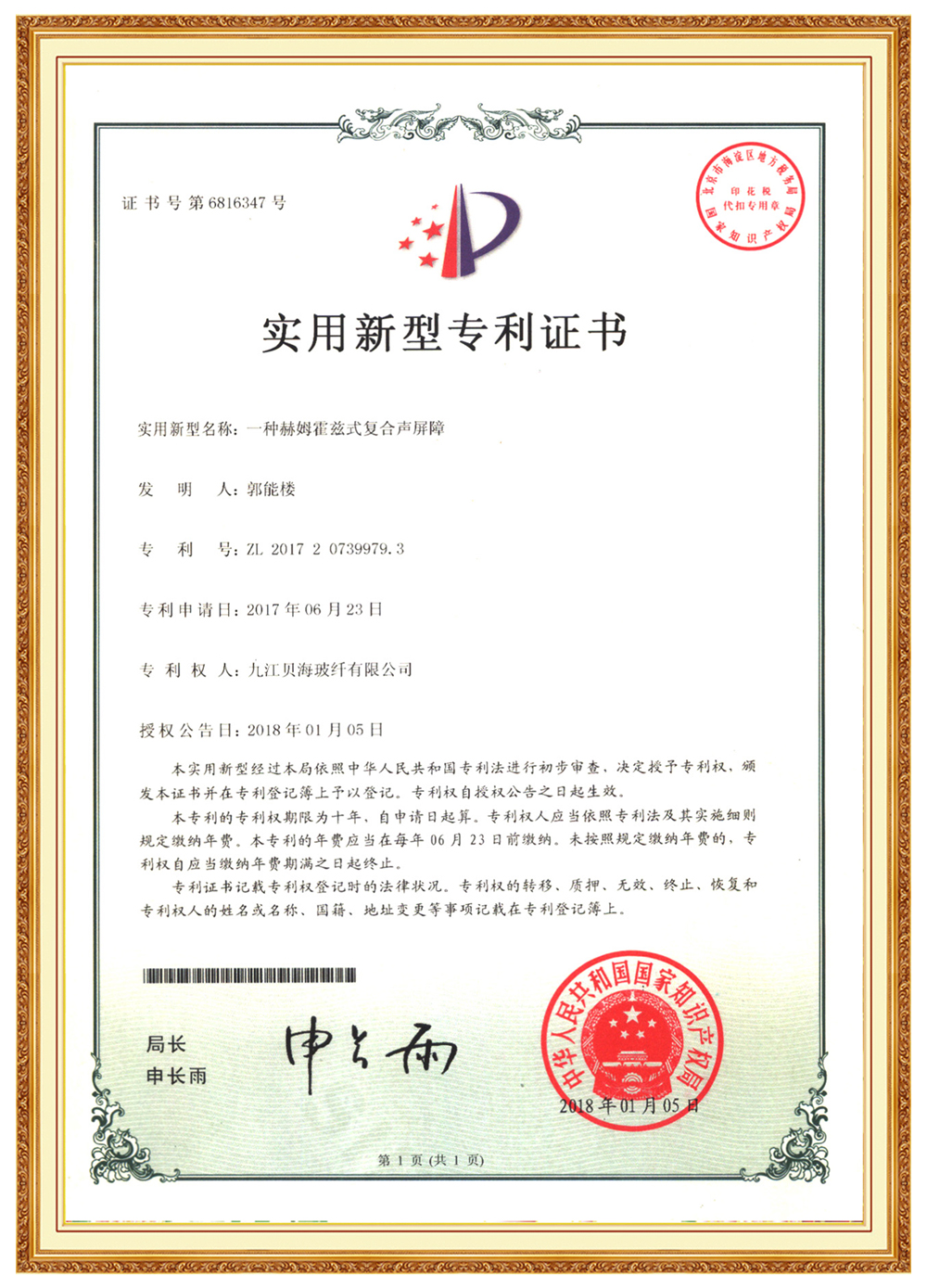
China Beihai maintains rigorous quality control systems, verified by leading global certification bodies.
Exploring the next frontier of volcanic rock fiber technology, including smart composites and carbon-neutral manufacturing.
As we look toward the next decade, the research and development roadmap for volcanic rock fiber is focused on three primary pillars: hybridization, smart integration, and ultra-efficient manufacturing. By combining basalt fibers with carbon or aramid fibers, material scientists are creating hybrid composites that offer tailored mechanical properties at a significantly reduced cost compared to pure carbon fiber composites.
Furthermore, the integration of sensor technologies directly into basalt fiber products is paving the way for "smart infrastructure." For instance, basalt fiber rebars embedded with fiber-optic sensors are currently being trialed in smart bridges. These sensors allow real-time monitoring of structural stress, temperature variations, and micro-crack propagation, enabling predictive maintenance and drastically reducing the risk of catastrophic structural failures.
Stay informed with the latest breakthroughs, case studies, and technological advancements in the basalt fiber industry.

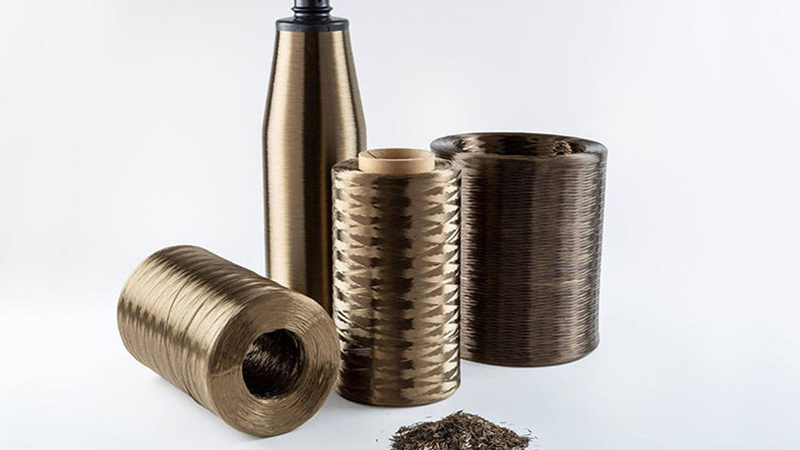
As drones slice through the sky to monitor wildfires, and intelligent robots execute repetitive tasks with precision on the factory floor, the efficient operation of this smart equipment is increasingly underpinned by a "hardcore support" system of advanced materials. Volcanic rock fiber is at the forefront of this revolution.
By replacing traditional heavy metal components with high-strength, lightweight basalt fiber composites, manufacturers of drones and industrial robots are achieving unprecedented energy efficiency, longer battery life, and superior structural durability. The electromagnetic transparency of basalt fiber also ensures zero interference with high-frequency communication signals, making it the ideal housing material for next-generation smart devices.
Read Full ArticleGet authoritative answers to the most common technical and commercial questions regarding volcanic rock fiber.
Volcanic rock fiber (basalt fiber) offers significantly higher tensile strength (up to 30% higher), a higher elastic modulus, and vastly superior chemical resistance—especially in highly alkaline environments—compared to standard E-glass fiber. Additionally, basalt fiber has a much wider operating temperature range (-260°C to +700°C) and is a 100% natural, eco-friendly material with a lower carbon footprint.
Yes, volcanic rock fiber is naturally inert and highly resistant to chemical corrosion, acid attacks, and alkaline degradation. This makes it an exceptional choice for reinforcing concrete structures exposed to marine environments, de-icing salts, or harsh industrial chemicals where traditional steel reinforcement would quickly rust and fail.
Absolutely. At China Beihai, we work closely with our clients to customize fiber diameters, sizing formulations (to ensure optimal compatibility with specific resin systems like epoxy, polyester, or polyurethane), weave styles, and chopped strand lengths to meet the precise mechanical and thermal requirements of your project.
Our manufacturing facilities and products are certified under international quality standards, including ISO 9001, CE, ASTM, and REACH. We maintain rigorous quality control protocols at every stage of production—from raw basalt rock selection to final winding and packaging—ensuring consistent, high-performance materials for global distribution.
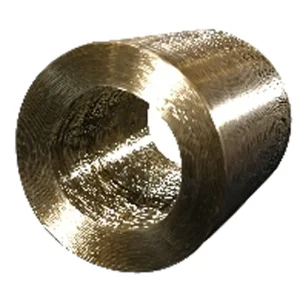
Browse our full range of structural rebars, high-temperature sleeves, roving, and woven fabrics designed for industrial-scale deployment.
 Beihai Fiberglass