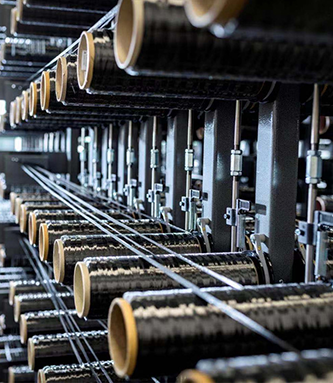
Premium basalt fiber chopped strands specifically engineered to survive aggressive seismic events and high marine corrosion environments across coastal and inland Peru.
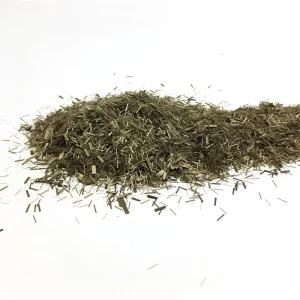
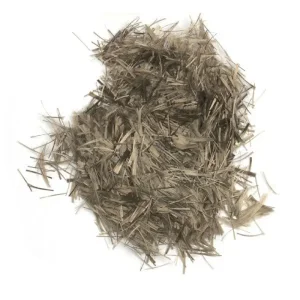
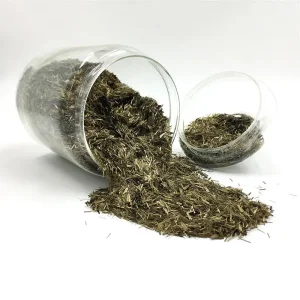
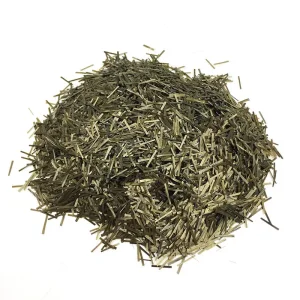
Founded in 2015 and situated in Jiujiang, Jiangxi Province, China Beihai is a premier high-tech enterprise dedicated to the research, advancement, and scaled manufacture of ultra-high-performance basalt continuous fibers. Our automated, zero-carbon electric furnace facility handles advanced processing at 1450°C to turn raw, carefully audited volcanic basalt into structural reinforcing composites.
As an industry-leading manufacturer, we control the entire lifecycle of production, supplying high-tensile basalt materials, including basalt fiber roving, rebar, structural chopped strands, and needled felts to civil engineering partners globally, specifically optimized for high-stress markets like Peru.
"We provide engineered basalt solutions that outperform steel in corrosive soils and outlast glass fibers in highly alkaline concrete matrices."
China Beihai is globally respected for three fundamental pillars: continuous innovation, zero chemical compromise, and rigid supply chain reliability.

We specialize in high-integrity basalt fiber mats (chopped strand mats, cloth), basalt continuous roving, basalt fiber yarns, premium cut chopped strands, and specialized reinforced rebars, sleeves, and heat insulation tapes tailored to the strict specifications of international contractors.

From smelting raw volcanic rocks to proprietary polymer sizing applications, we construct custom mechanical properties for reinforcement. Our solutions are explicitly aimed at structural concrete, high-traffic asphalt paving, marine docks, and complex subterranean geotech projects.

Partnering with China Beihai gives you direct manufacturer-level pricing, consistent quality certified by international standards, custom length configurations (3mm to 50mm chopped lengths), specialized sizing agents, and efficient shipping direct from China to Peru ports.
Peru presents highly unique engineering demands, requiring building materials capable of resisting seismic activity, marine mist, and extreme high-altitude temperature variations.
Underground mines in high-altitude zones like Arequipa, Cajamarca, and Pasco experience dangerous dynamic seismic shifts and high ground stress. Traditional steel-mesh reinforcement is incredibly labor-intensive and prone to oxidization inside wet rock faces.
By adding China Beihai Basalt Fiber Chopped Strands directly into the wet shotcrete mix, operators establish a 3D isotropic structural web. This limits localized rock bursts, reduces wet-mix rebound on excavation surfaces, and eliminates rust-induced support degradation.
Located on the high-activity boundary of the Nazca and South American plates, Peru's coastal infrastructure faces extreme seismic risk. Rigid concrete requires internal structural ductility to prevent brittle catastrophic failures under high sheer forces.
Our basalt chopped strands act as multi-level micro-rebars inside precast concrete panels, retaining structural coherence even after micro-fracturing. The alkali-resistant sizing prevents matrix decay over centuries of exposure.
Mega marine constructions like the newly established Chancay Port require marine-grade concrete materials. Seawater salinity induces quick corrosion of steel rebar, leading to concrete spalling and early structure failure.
Unlike glass fibers which dissolve in cement alkalis or steel that rusts, basalt fibers are 100% chemically inert to acids, alkalis, and chloride ions. Adding them to marine structural walls increases marine asset life expectancy by up to 2.5 times.
Highways running through Andean mountain passes suffer extreme diurnal thermal ranges—from blazing daytime sun to freezing night temperatures. This induces cyclic thermal stress, cracking conventional asphalt overlays.
Using custom basalt chopped fibers directly inside asphalt binders prevents rutting under heavy truck loads and stops the lateral propagation of thermal and reflective micro-cracks.
High-integrity data that underscores why structural engineers specify basalt over competitive reinforcement matrices.
| Performance Property | Continuous Basalt Fiber | E-Glass Fiber | Polypropylene (PP) | Carbon Fiber |
|---|---|---|---|---|
| Tensile Strength (MPa) | 4,100 – 4,800 | 3,100 – 3,800 | 300 – 700 | 3,500 – 6,000 |
| Elastic Modulus (GPa) | 91 – 110 | 72 – 76 | 3.5 – 9.0 | 230 – 600 |
| Density (g/cm³) | 2.63 – 2.80 | 2.54 – 2.60 | 0.91 | 1.75 – 2.00 |
| Working Temperature Range | -260°C to +700°C | -60°C to +380°C | -10°C to +100°C | Up to +1000°C |
| Alkali Resistance in Concrete | Outstanding (pH 12-14 Stable) | Poor (Prone to Degradation) | High (No structural reinforcement value) | Excellent |
| Environmental Carbon Footprint | Extremely Low (100% Natural Rock) | Medium (Synthetic Additives) | High (Petrochemical Origin) | Very High (Energy-Intensive) |
To achieve homogeneous matrix distribution and avoid structural "balling," concrete engineers across Peru (including Lima, Callao, Cusco, and Arequipa) must follow optimized batching techniques.
Standard Precast: 2.0 - 3.5 kg/m³ | Industrial Pavements: 3.0 - 5.0 kg/m³ | Heavy Shotcrete/Mining: 5.0 - 8.0 kg/m³.
Add aggregates and basalt chopped strands into the mixer first. Dry-mix for 90 seconds to split fibers through mechanical collision before adding water and chemical admixtures.
For ready-mix drum trucks, increase mix speed to maximum (14-18 RPM) and feed basalt strands slowly. Mix for an extra 5 minutes prior to discharge at the work site.
Synthetic fibers like polypropylene undergo significant creep under constant mechanical loading. This makes them unsuitable for long-term structural load-bearing projects, limiting their use strictly to primary plastic shrinkage control.
Continuous Basalt Fiber Chopped Strands have an elastic modulus comparable to aluminum (up to 110 GPa). When embedded inside a cementitious matrix, they bear heavy tensile loads, increasing the structure's toughness index and overall load capacity.
Our basalt continuous fiber range successfully handles complex material limitations in highly advanced global sectors.
Our primary high-integrity basalt fiber selections, fully certified for complex engineering applications in Latin America.
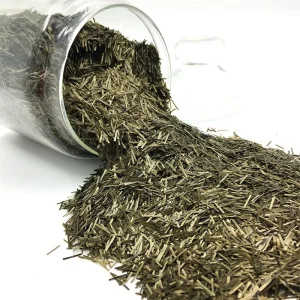
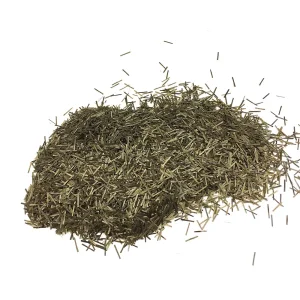
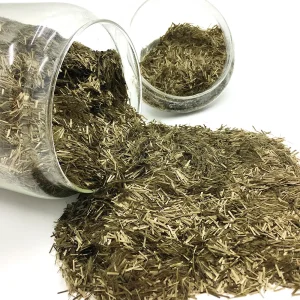
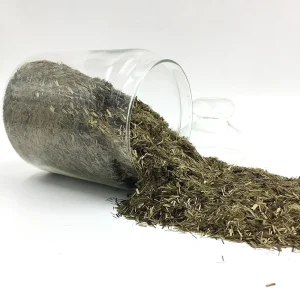
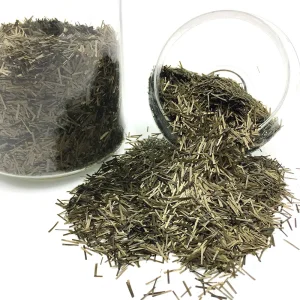
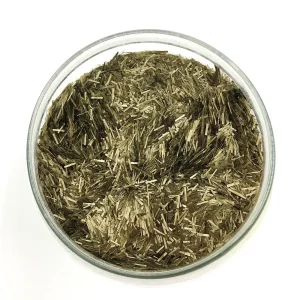
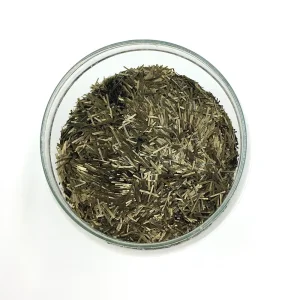
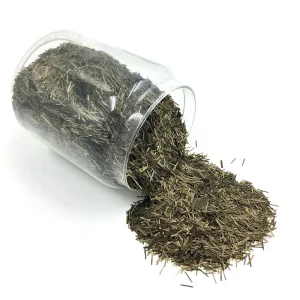
Our advanced manufacturing facility operates under strict ISO 9001:2015 frameworks, verifying chemical composition and physical properties for every batch shipped.
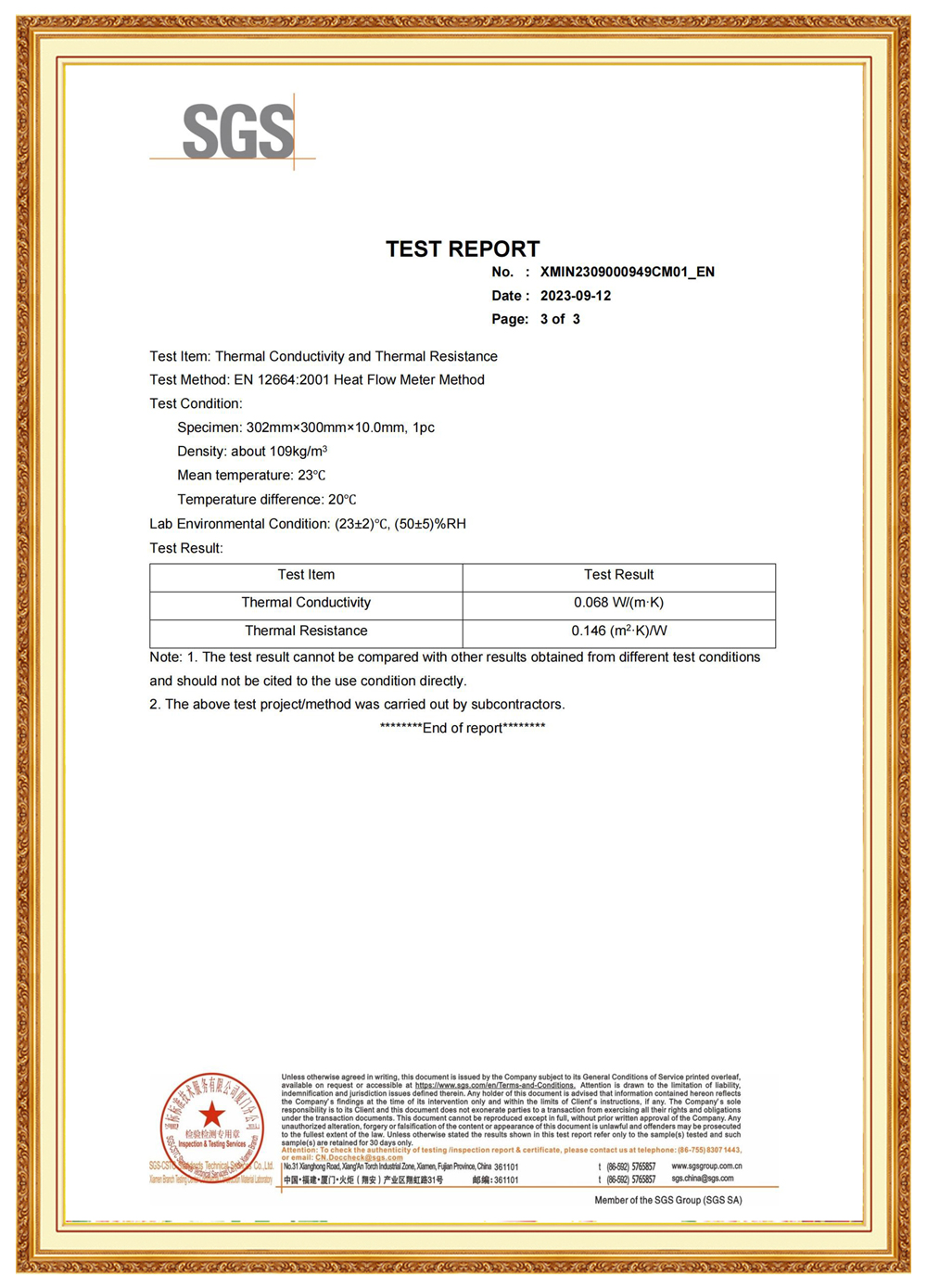
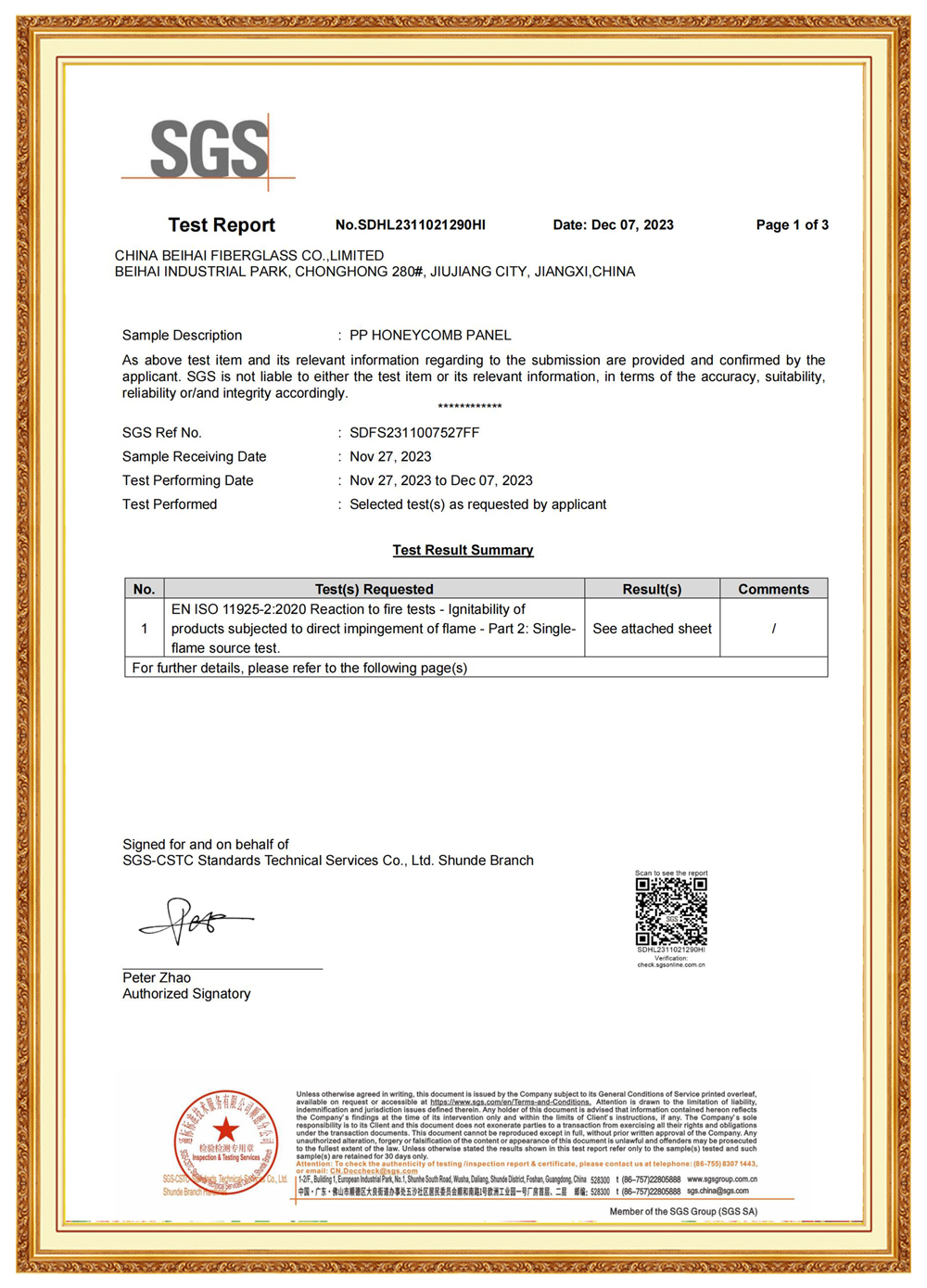
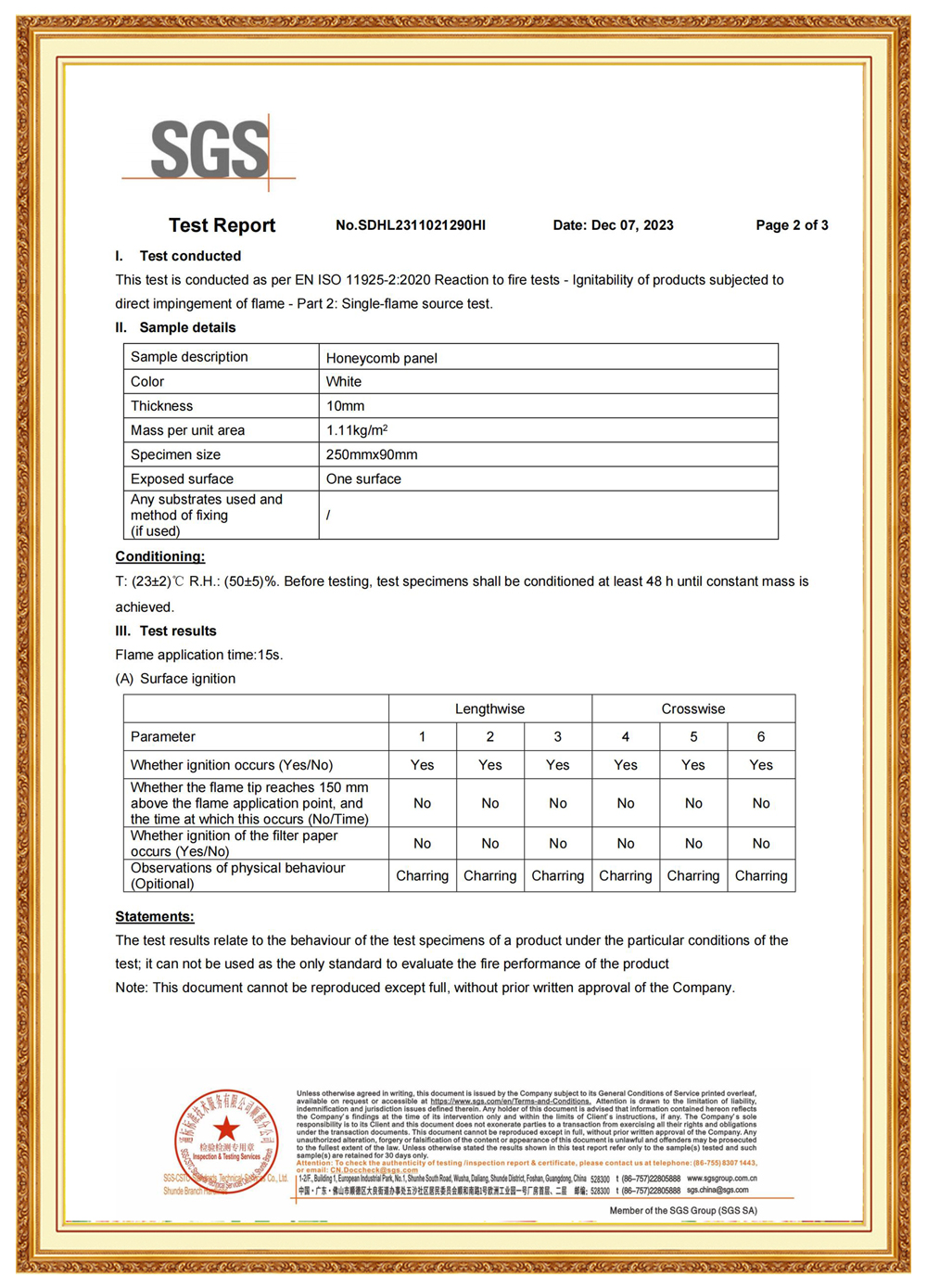
High-performance continuous reinforcement solutions developed for soundproofing, severe mechanical loads, and composite structures.
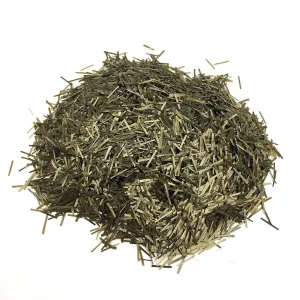
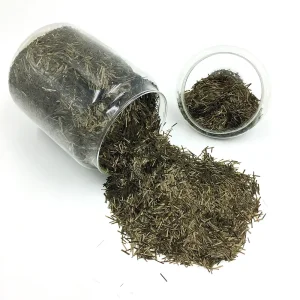
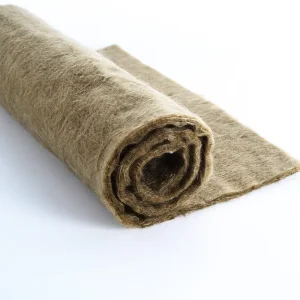
Discover how continuous basalt fibers are driving major advancements in high-end structural composites.

From structural aerospace shields to deep underground rock reinforcement, discover why international engineers are selecting green basalt fibers to replace legacy steel and carbon composites.
Read Detailed Analysis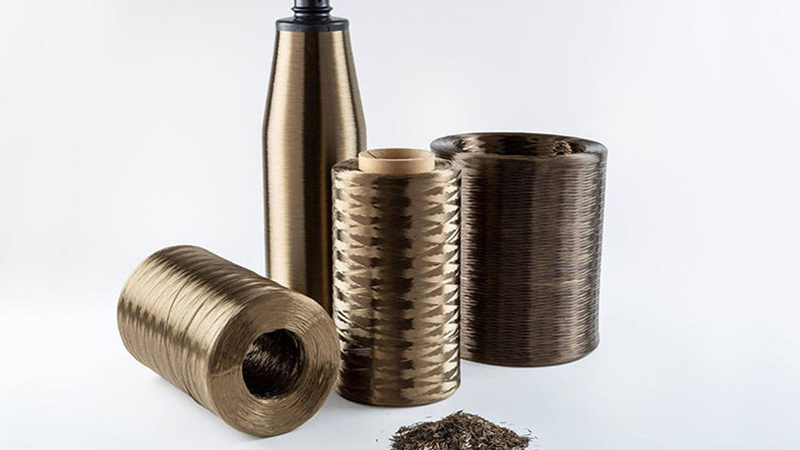
An inside look at our 2024 furnace modernization in Jiujiang, Jiangxi, achieving precise cooling profiles that increase structural fiber tensile capacity by up to 15%.
Read Technical Case StudyGet answers to critical technical questions regarding the use of basalt fiber chopped strands in complex civil engineering projects across Peru.
Concrete matrices have high alkalinity (pH 12-14). Over time, standard glass fibers dissolve in these environments, losing their structural integrity. Synthetic fibers like polypropylene suffer from high mechanical creep, meaning they deform continuously under constant load. Our basalt fiber chopped strands are 100% natural volcanic stone, chemically inert to acid and alkali attack, and possess a high tensile modulus of up to 110 GPa, providing robust long-term seismic reinforcing.
For standard dust reduction and rock reinforcement in underground mines, we recommend a dosage of 5.0 kg to 8.0 kg per cubic meter of shotcrete. This achieves optimal energy absorption and reduces wet-mix rebound by up to 60%, significantly improving safety and speed in mining shafts.
Port infrastructures are vulnerable to seawater corrosion, where chloride ions penetrate concrete and rust steel rebars, causing micro-fractures. Basalt chopped strands do not rust or conduct electricity, creating an impermeable barrier against seawater penetration and dramatically extending the lifetime of marine concrete assets.
Yes. We produce custom chopped strands from 3mm up to 50mm in length. Additionally, our chemical sizing agents can be tailored to ensure maximum compatibility with multiple polymers, including epoxy, vinyl ester, polyester, and various thermoplastic matrices.
We handle logistics directly from Jiujiang via major deepwater Chinese ports. The ocean transit time to Callao Port, Peru generally takes 30 to 35 days. We provide comprehensive tracking, custom packaging (such as vacuum-sealed moisture-proof bags), and full export documentation, ensuring smooth customs clearance.
 Beihai Fiberglass