 Beihai Fiberglass
White Paper: The Strategic Evolution of Basalt Fiber in Austria
As the European Union moves toward a climate-neutral economy by 2050, Austria’s construction and industrial sectors are undergoing a radical shift from carbon-intensive materials like steel to sustainable high-performance minerals. Basalt fiber mesh, derived from natural volcanic rock, has emerged as the "Green Material of the 21st Century." This report examines the technical necessity and economic advantages of adopting basalt fiber solutions in the DACH region.
1. Industrial Landscape in Austria
Austria’s unique geography—characterized by the Alpine range—demands infrastructure that can withstand extreme freeze-thaw cycles, chemical de-icing agents, and high seismic stability. Traditional steel reinforcement often fails due to corrosion, leading to maintenance costs exceeding €3 billion annually across the Austrian federal road network (ASFINAG).
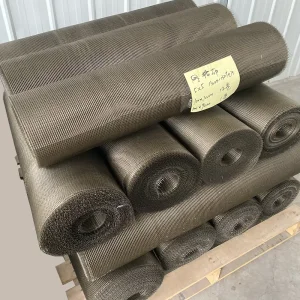
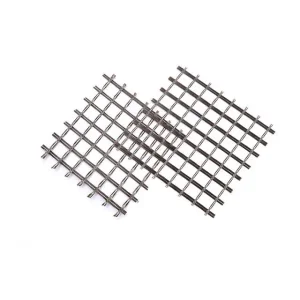
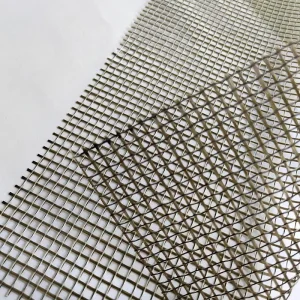
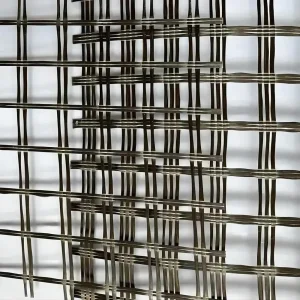
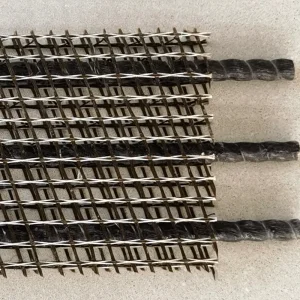
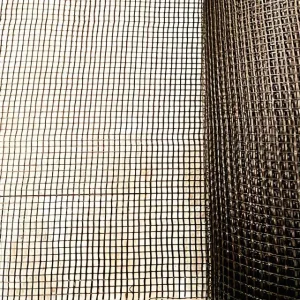
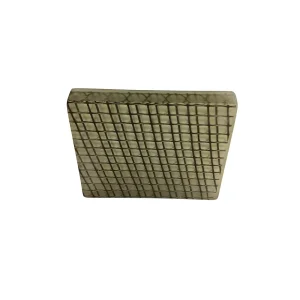
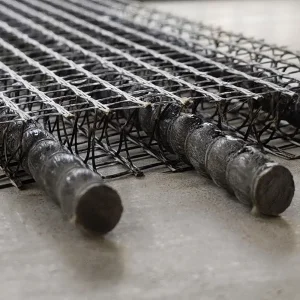
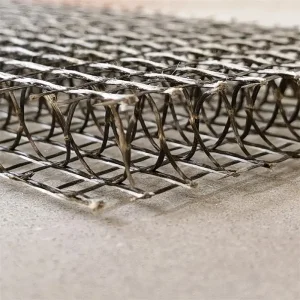
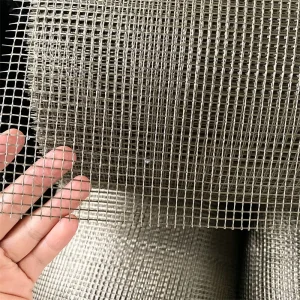
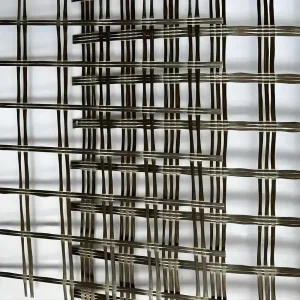
In the urban centers of Vienna, Salzburg, and Innsbruck, there is an increasing demand for "low-carbon" concrete reinforcements. Basalt Fiber Mesh offers a non-corrosive, lightweight alternative that reduces the concrete cover requirement by up to 40%, significantly decreasing the overall carbon footprint of tunnels and bridges.
Tensile Strength vs. Steel
Weight of Steel Mesh
Corrosion Resistant
CO2 Footprint Reduction
2. Global Market Dynamics & Supply Chain
The global basalt fiber market is projected to grow at a CAGR of 12.5% through 2030. While Russia and the US were early pioneers, China has revolutionized the production efficiency of continuous basalt fiber (CBF). This global shift has made Basalt Fiber Mesh economically competitive with E-glass and even carbon fiber in specific high-load applications.
3. The China Beihai Efficiency Advantage
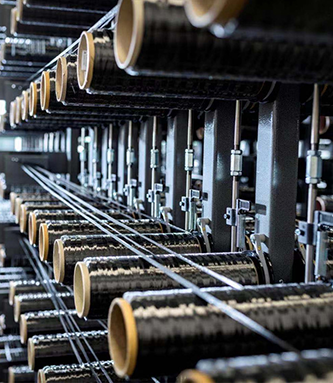
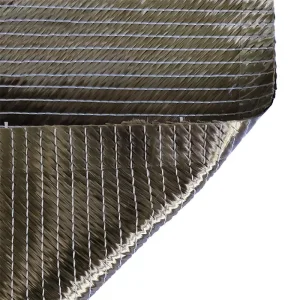
As a leading Chinese manufacturer, China Beihai integrates the entire value chain—from the selection of specific basalt volcanic ores in Jiangxi to the precision weaving of 3D meshes. Our advantage lies in:
- Proprietary Kiln Technology: Our energy-efficient melting process reduces cost by 25% compared to European counterparts.
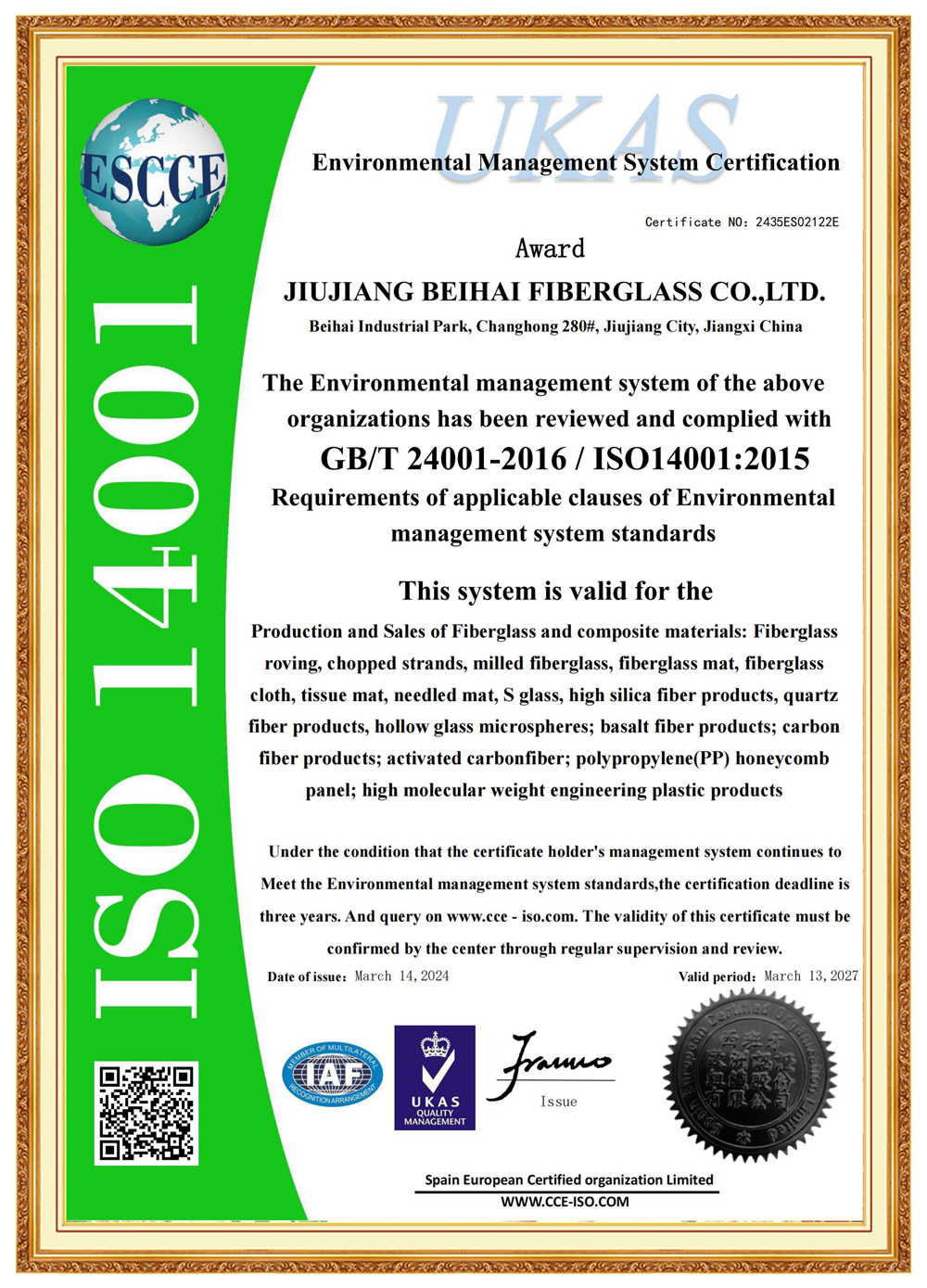
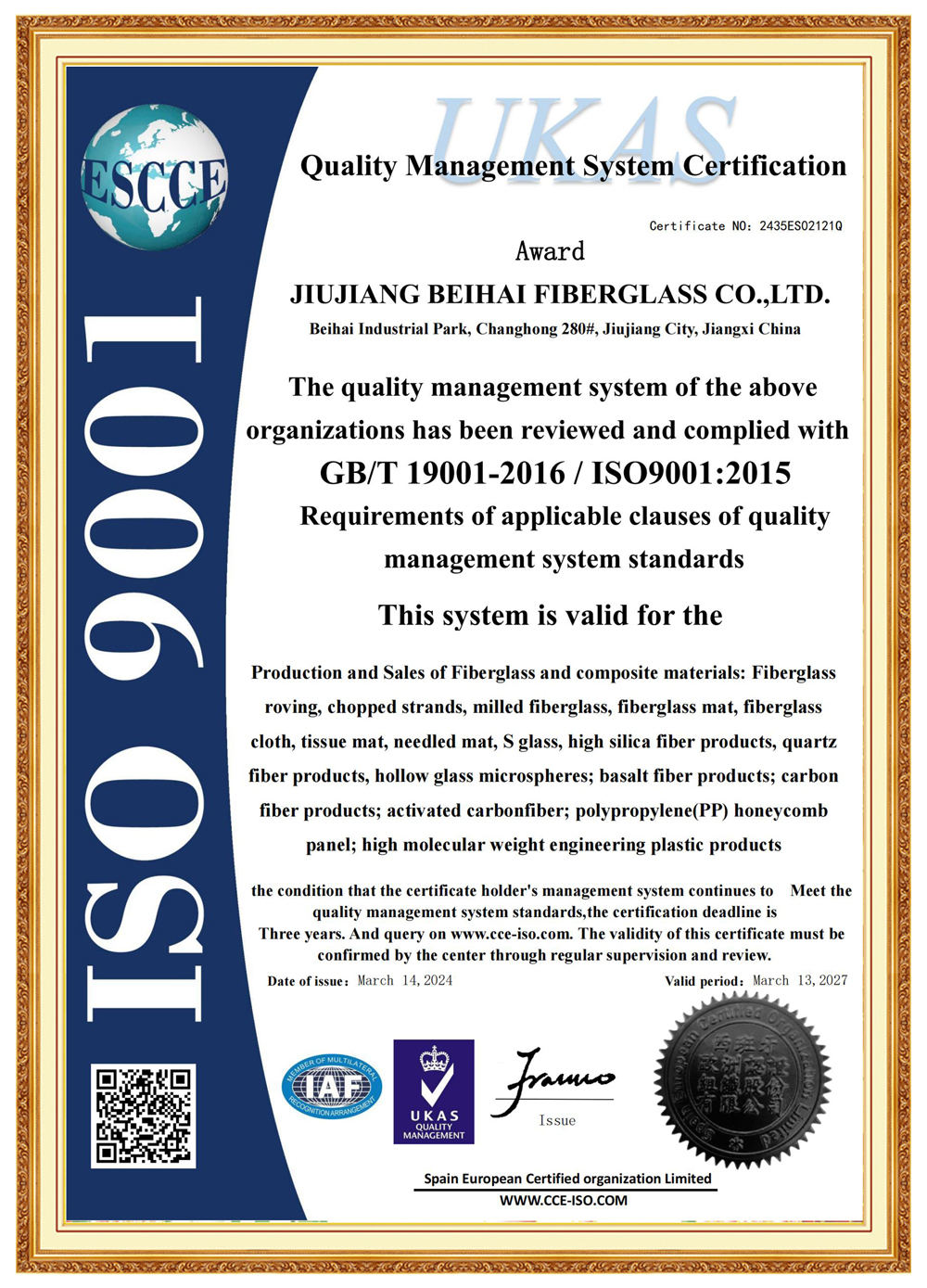
- Quality Consistency: Strict adherence to ISO 9001 and CE certifications ensures that mesh used in Austrian projects meets Eurocode 2 standards.
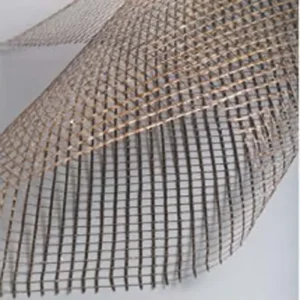
- R&D Innovation: We specialize in hybrid basalt-carbon weaving, providing a price-to-performance ratio that is currently unmatched in the local Austrian market.
4. Localized Application Scenarios in Austria
Tunnel Reinforcement (ASFINAG Projects): Replacing steel mesh in shotcrete applications for the Koralm Railway or the Brenner Base Tunnel. Basalt's high fire resistance (melting point >1450°C) is critical for safety.
Historic Building Restoration: Vienna’s heritage sites require non-intrusive, thin-profile reinforcement. Our 3D basalt mesh allows for ultra-high-performance concrete (UHPC) overlays as thin as 15mm.
Alpine Water Management: Reservoirs and hydro-power plants in the High Tauern region benefit from basalt’s total immunity to chemical erosion and moisture absorption.