Engineered specifically to survive Metro Manila's high-humidity, marine atmospheric zones and saline soil formations.
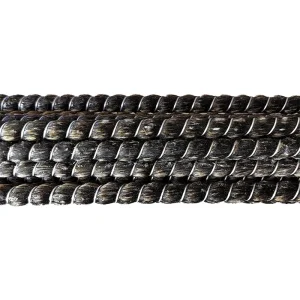
Premium structural basalt rebars, manufactured with dynamic diameter options ranging from 4mm to 30mm. Specifically formulated for the Philippines' heavy municipal building codes and complex seismic structural designs.
View Specifications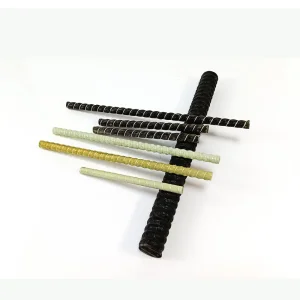
Custom-engineered high-friction wear-resistant composite profiles designed to maintain structural tensile strength in deep underground transit applications, preventing micro-crack expansion under cyclical load profiles.
View Specifications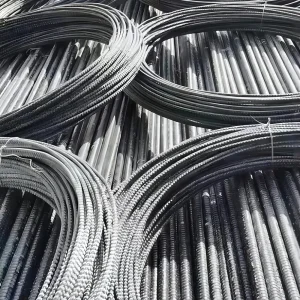
Designed specifically for coastal seawall reclamation, harbor reinforcement, and wastewater plant facilities across Manila Bay. Built with a high-resistance alkali protection layer.
View Specifications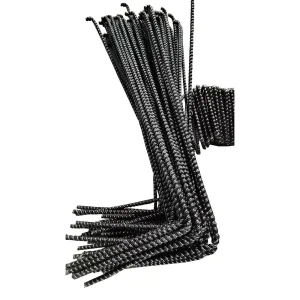
High-integrity basalt reinforcement with elevated glass transition temperature values. Perfect for heavy power grids, thermal generation structures, and complex electronic facilities near Quezon City.
View SpecificationsMetro Manila is currently undergoing one of the most transformative infrastructure booms in Southeast Asia. From complex highway expansions like the Skyway networks to the landmark Metro Manila Subway and the massive port reclamations along Manila Bay, local engineering is pushing absolute structural limits. However, the geographic reality of Manila presents an extremely hostile environment for reinforced concrete structures.
Constructing with standard carbon steel rebar in Manila means exposing elements to high relative humidity, elevated marine airborne chloride concentrations, and high soil salinity. This corrosive combination initiates the premature carbonation of concrete, driving massive volume expansion in traditional steel and resulting in catastrophic structural cracking, spalling, and early degradation.
Enter Basalt Fiber Reinforced Polymer (BFRP) Rebar. As an inorganic volcanic silicate compound, basalt is naturally impervious to corrosion, acids, and alkaline compounds. It does not react to chloride ions, making it the perfect reinforcement medium for marine seawalls, harbor pilings, and structural slabs throughout Manila, Pasay, and Cavite.
An authoritative structural engineering comparison based on international testing guidelines (ACI 440.11R-22 & ASTM D7957).
| Mechanical/Physical Property | High-Yield Carbon Steel | Glass FRP (GFRP) | Beihai Continuous BFRP Rebar |
|---|---|---|---|
| Tensile Strength (MPa) | 420 - 550 | 600 - 800 | 1,100 - 1,350 |
| Density (g/cm³) | 7.85 | 1.90 - 2.10 | 2.00 - 2.15 |
| Modulus of Elasticity (GPa) | 200 | 40 - 50 | 50 - 65 |
| Corrosion Resistance in Sea Water | Poor (Requires protection) | Excellent | Outstanding (Volcanic Inertness) |
| Electrical Conductivity | High (Conductive) | Insulative | Completely Non-Conductive |
| Alkali Resistance (pH > 12) | Subject to oxidation | Moderate (Sizing dependent) | Highly Resistant (Acid/Alkali) |
| Magnetic Interference | Yes (Strong) | None | None (Electromagnetically Inert) |
State-of-the-Art Continuous Basalt Fiber (CBF) Manufacturing for Global Distribution Channels
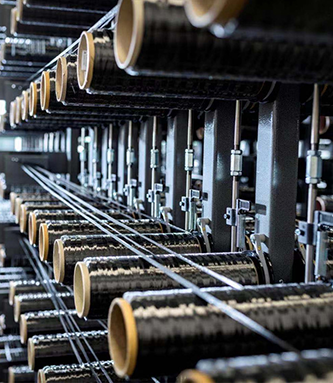
Founded in 2015 and based in Jiujiang, Jiangxi Province, China Beihai has grown to become a world leader in high-performance basalt continuous fiber and specialized composite manufacturing. By managing every stage of production—from the geological selection of uniform volcanic rock to continuous melting at 1450°C and drawing filaments through platinum-rhodium bushings—we guarantee exceptional material consistency.
Through our global supply chain, we deliver premium-grade basalt rebar, woven fabrics, direct rovings, and specialized construction mats to major ports and distribution centers in the Philippines, including Manila, Batangas, and Cebu. Partnering with China Beihai means securing an uninterrupted supply of innovative, high-performance basalt products.
Our continuous basalt fibers are treated with specialized organosilane sizing agents, ensuring high interfacial shear strength when paired with epoxy, vinyl ester, or polyester resins.
Our automated pultrusion manufacturing processes strictly comply with standard quality management guidelines, ensuring high consistency in fiber density, cross-sectional area, and tensile properties.
Engineered to retain high mechanical integrity and limit creep deformation under elevated temperatures, keeping structures safe from fire hazards.
Deploying advanced composite materials across critical civil engineering and utility projects.
Reclaimed land along Manila Bay and new coastal defense bulkheads face continuous exposure to saline marine conditions. Replacing steel with basalt rebar in marine piles, seawalls, and wave breakers prevents internal concrete degradation, significantly extending service life and lowering long-term maintenance costs.
Stray electric currents in modern subways and high-voltage rail systems can accelerate corrosion in standard steel rebars. Our non-magnetic, electromagnetic-transparent basalt rebar is the perfect reinforcement material for metro rail lines, LRT/MRT expansion corridors, and deep underground transit infrastructure.
Industrial MRI scanning environments, sub-station structures, and cleanrooms must remain free from magnetic field distortions. Using Beihai non-magnetic basalt reinforcing bars eliminates signal disruption in high-tech diagnostic and electrical complexes across Metro Manila.
Answers to essential technical questions regarding the design, installation, and performance of BFRP in structural concrete.
A complete selection of high-performance continuous basalt fiber products and composite profiles engineered for the Philippines.
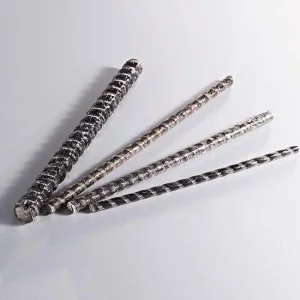
Premium structural composite bars engineered to resist heavy cyclical loading and extreme atmospheric corrosion on highway bridges.
Learn More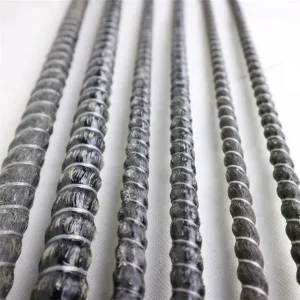
Specially formulated with an epoxy resin matrix to prevent moisture intrusion, making it ideal for marine bulkheads and piers.
Learn More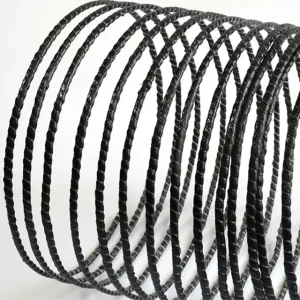
High-tensile reinforcement bars designed to meet standard road construction requirements, offering excellent crack resistance under heavy traffic.
Learn More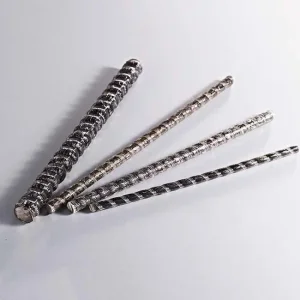
Designed to resist chemical attack in wastewater treatment environments, maintaining its mechanical integrity under high humidity.
Learn More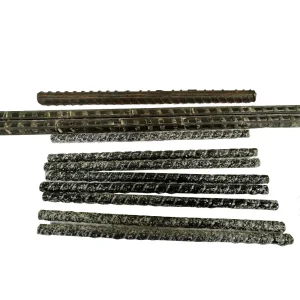
Engineered for extreme coastal applications, providing outstanding tensile capacity and chemical resistance in high-salinity zones.
Learn More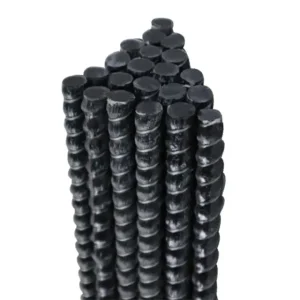
Completely non-conductive and alkali-resistant basalt composite bars designed to eliminate magnetic field interference in medical imaging rooms.
Learn More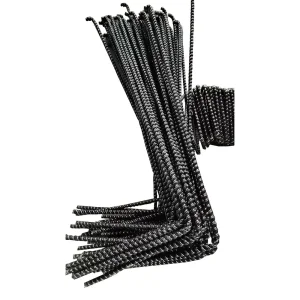
Electromagnetically transparent reinforcement solution designed for sensitive high-voltage power substations and industrial facilities.
Learn More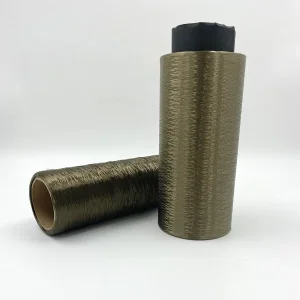
Premium direct roving formulated for filament winding and pultrusion, offering high resistance to chemical and alkali attack.
Learn MoreExploring the physical science behind green composite technology and its role in sustainable construction.
Our proprietary chemical sizing creates a strong physical bond between raw continuous basalt fibers and epoxy matrices, enhancing overall shear performance in concrete structures.
The chemical composition of volcanic basalt makes it highly resistant to aggressive saltwater spray, acidic environments, and alkaline concrete chemistry.
By eliminating the need for periodic corrosion treatments, protective epoxies, and concrete repairs, basalt composite reinforcement drastically reduces total project lifecycle costs.
Contact our specialized engineering team today to receive detailed technical specifications, project quotes, and professional guidance tailored to your structural requirements.
Send Inquiry Now Beihai Fiberglass