Sustainable Composite Reinforcement Solutions for Uruguay’s Coastal and Industrial Infrastructure
Request Technical Quote NowUruguay, strategically positioned between the Atlantic Ocean and the Rio de la Plata, faces unique civil engineering challenges. With a coastline stretching over 660 kilometers, the "Rambla de Montevideo" and key ports like Nueva Palmira are constantly subjected to high salinity and humidity. Traditional carbon steel reinforcement inevitably suffers from chloride-induced corrosion, leading to "concrete cancer" and massive maintenance costs.
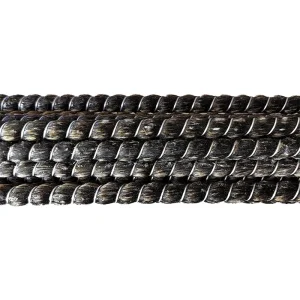
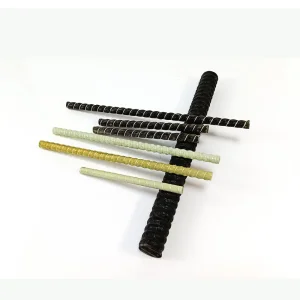
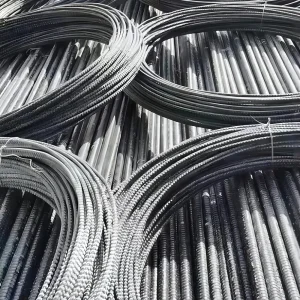
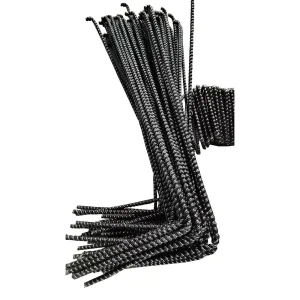
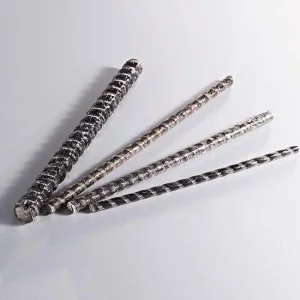
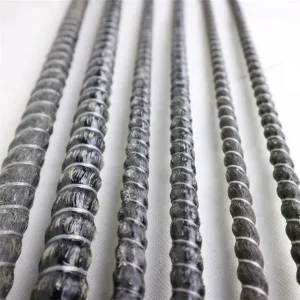
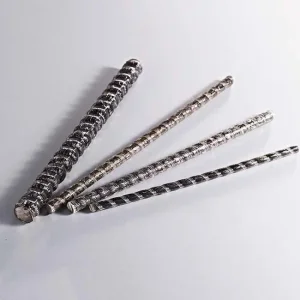
As a senior SEO Growth Director and specialist in Semantic Search, we recognize that the search intent for "Basalt Fiber Rebar Quotes in Uruguay" transcends mere pricing. It signifies a shift toward sustainable engineering. Basalt Fiber Reinforced Polymer (BFRP) offers a 100-year lifecycle, immune to rust, making it the superior choice for Uruguay's growing logistics hubs and coastal residential developments.
Founded in 2015 in Jiujiang, Jiangxi, we are a high-tech enterprise dedicated to high-performance basalt continuous fiber. Our technical expertise ensures that every meter of rebar supplied to Uruguay meets international ASTM and ISO standards.
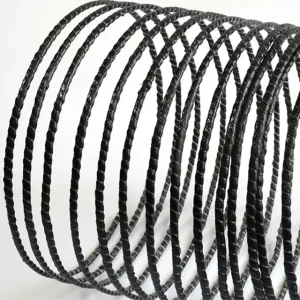
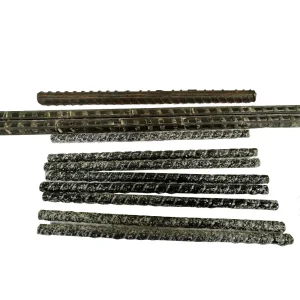
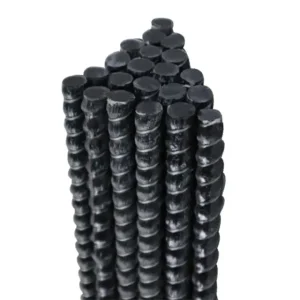
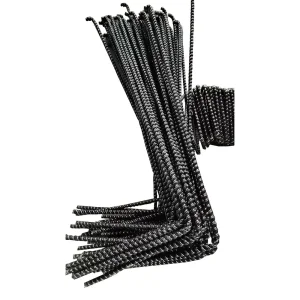
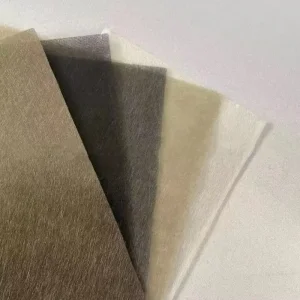
We specialize in basalt fiber mats, rovings, and specialized BFRP rebars designed for the most aggressive environments, from Uruguayan pulp mills to maritime piers.
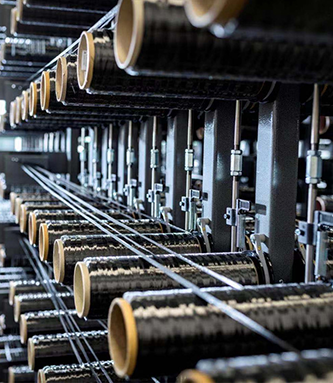
The global construction industry is pivoting towards ESG (Environmental, Social, and Governance) goals. Basalt rebar has a significantly lower carbon footprint compared to steel production. In Uruguay, where renewable energy is a national priority, adopting basalt composites aligns perfectly with the country’s green transition.
Replacing steel in highly corrosive environments like water treatment plants and bridge decks across the Southern Cone.
Integration of BFRP into Uruguay’s national building codes, allowing for thinner concrete covers and reduced material usage.
Developing sensor-embedded basalt rebar for real-time structural health monitoring in Montevideo's skyscrapers.
Maritime Construction: Port of Montevideo expansions benefit from non-corrosive BFRP for seawalls and docks.
Agricultural Infrastructure: Fertilizer storage silos in Colonia require chemical-resistant reinforcement provided by basalt.
Energy Sector: Non-magnetic rebar for power stations and MRI rooms in Uruguay's advanced medical centers.
Transportation: Reinforcing bridge decks and roads subjected to heavy freight traffic to Brazil and Argentina.
Q: Why is Basalt rebar more expensive than steel initially?
A: While the upfront cost is higher, the "Total Cost of Ownership" is significantly lower because it eliminates the need for maintenance, repairs, and anti-corrosion coatings over its 100-year life.
Q: Is Basalt rebar available for shipping to Uruguay?
A: Yes, China Beihai provides direct export services to the Port of Montevideo, ensuring full logistics support and certification compliance.
Q: Can it be used in seismic zones?
A: Yes, basalt rebar has excellent elastic properties, making it ideal for flexible structural responses in seismic-prone regions.
As Uruguay moves toward a circular economy model, basalt fiber represents the pinnacle of sustainable material science. Unlike glass fiber, which requires complex chemical additives, basalt is a single-component material derived from natural volcanic rock. This makes it 100% recyclable and inert.
Our commitment at China Beihai is to provide the Uruguay market with not just a product, but a comprehensive structural solution. By integrating our basalt rovings, chopped strands, and rebars, Uruguayan engineers can design lighter, stronger, and more durable structures that stand the test of time and tide.



Supporting Uruguay's Building, Concrete, and Bridge sectors with high-performance basalt fiber.
 Beihai Fiberglass