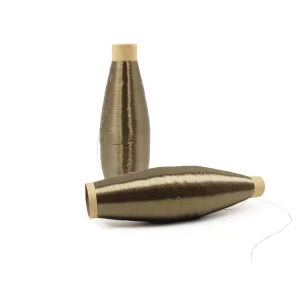
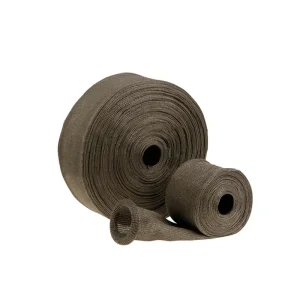
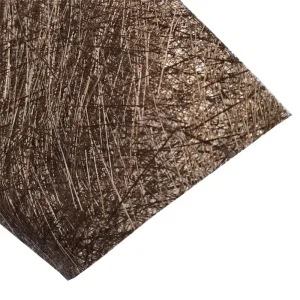
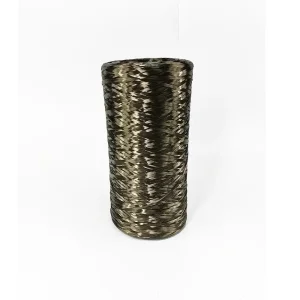
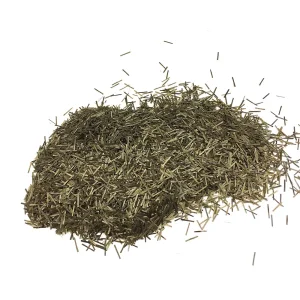
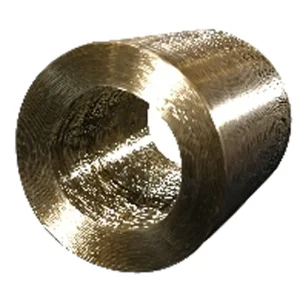
In the rapidly evolving landscape of high-performance materials, the Basalt Fiber Non-Woven Mat has emerged as a disruptive force, bridging the gap between traditional glass fiber and high-cost carbon fiber. Originating from volcanic rock, these mats represent the pinnacle of eco-friendly industrial innovation. Unlike synthetic alternatives, basalt fibers are 100% natural, offering a unique combination of thermal stability, chemical resistance, and mechanical strength.
Information Gain: Modern semantic search trends indicate that industrial buyers are no longer just looking for "cheap materials." There is a significant shift toward Carbon-Neutral Manufacturing. Basalt fiber's carbon footprint is approximately 80% lower than that of steel and significantly lower than glass fiber, making it the "Gold Standard" for green construction in EU and North American markets.
Global enterprises in the automotive, aerospace, and construction sectors are increasingly demanding Supply Chain Transparency. Procurement departments are shifting from spot-buying to long-term strategic partnerships with Chinese manufacturers like China Beihai. The demand is concentrated on mats that offer non-combustibility (Class A1), high sound absorption, and zero toxic off-gassing at high temperatures.
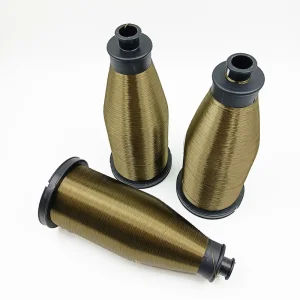
Founded in 2015 in Jiujiang, Jiangxi, China Beihai is a high-tech pioneer specializing in continuous basalt fiber production. We own the full lifecycle—from basalt ore selection to advanced non-woven mat fabrication.
We provide sustainable, high-durability solutions for infrastructure. Our basalt fibers are designed to solve corrosion challenges in bridges, highways, and marine environments where traditional steel fails.
Serving over 50 countries, we maintain rigorous quality standards (ISO 9001, CE) to ensure our basalt products meet the specific requirements of international engineering projects.
Established
Annual Tons
Patents
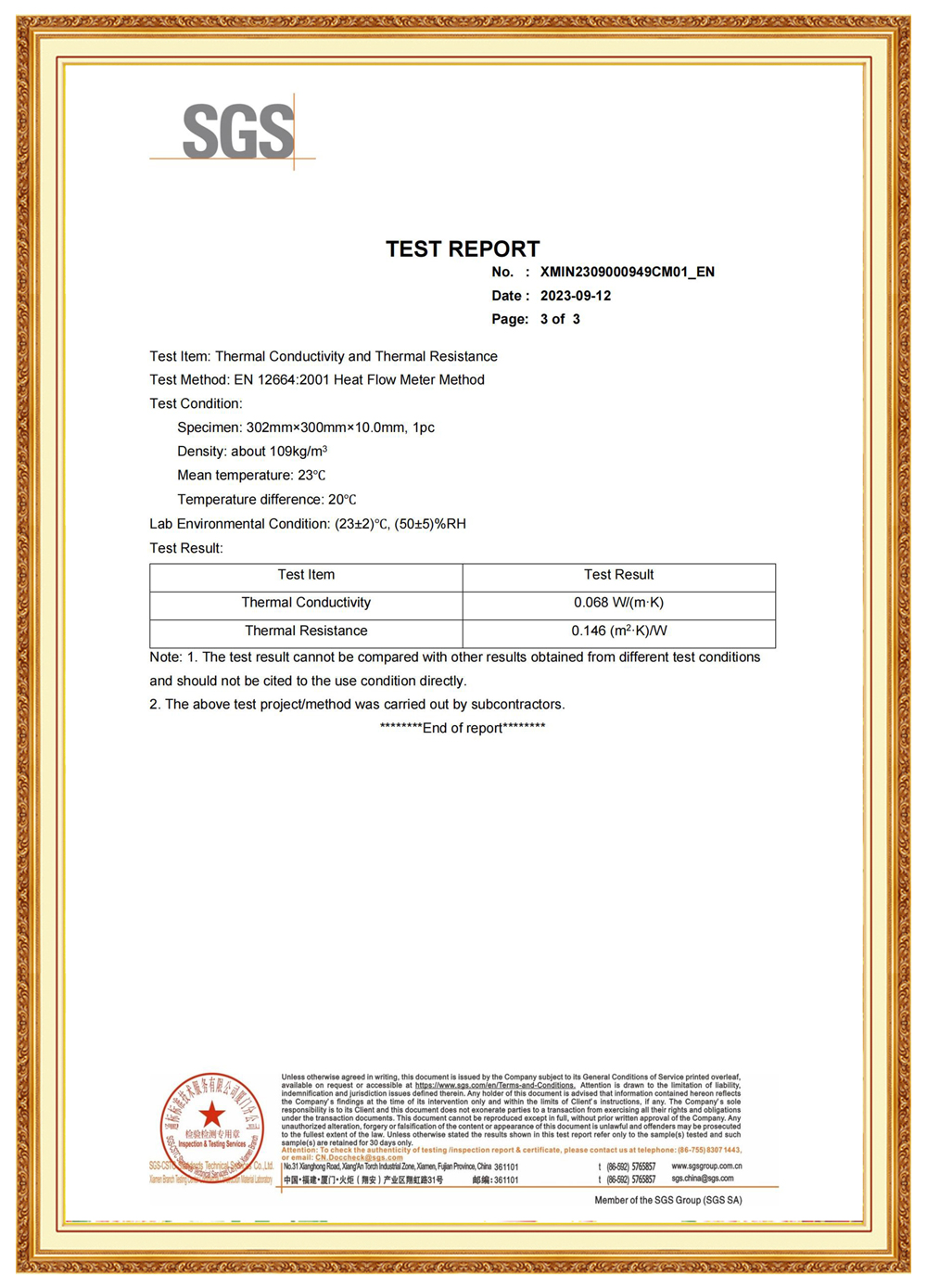
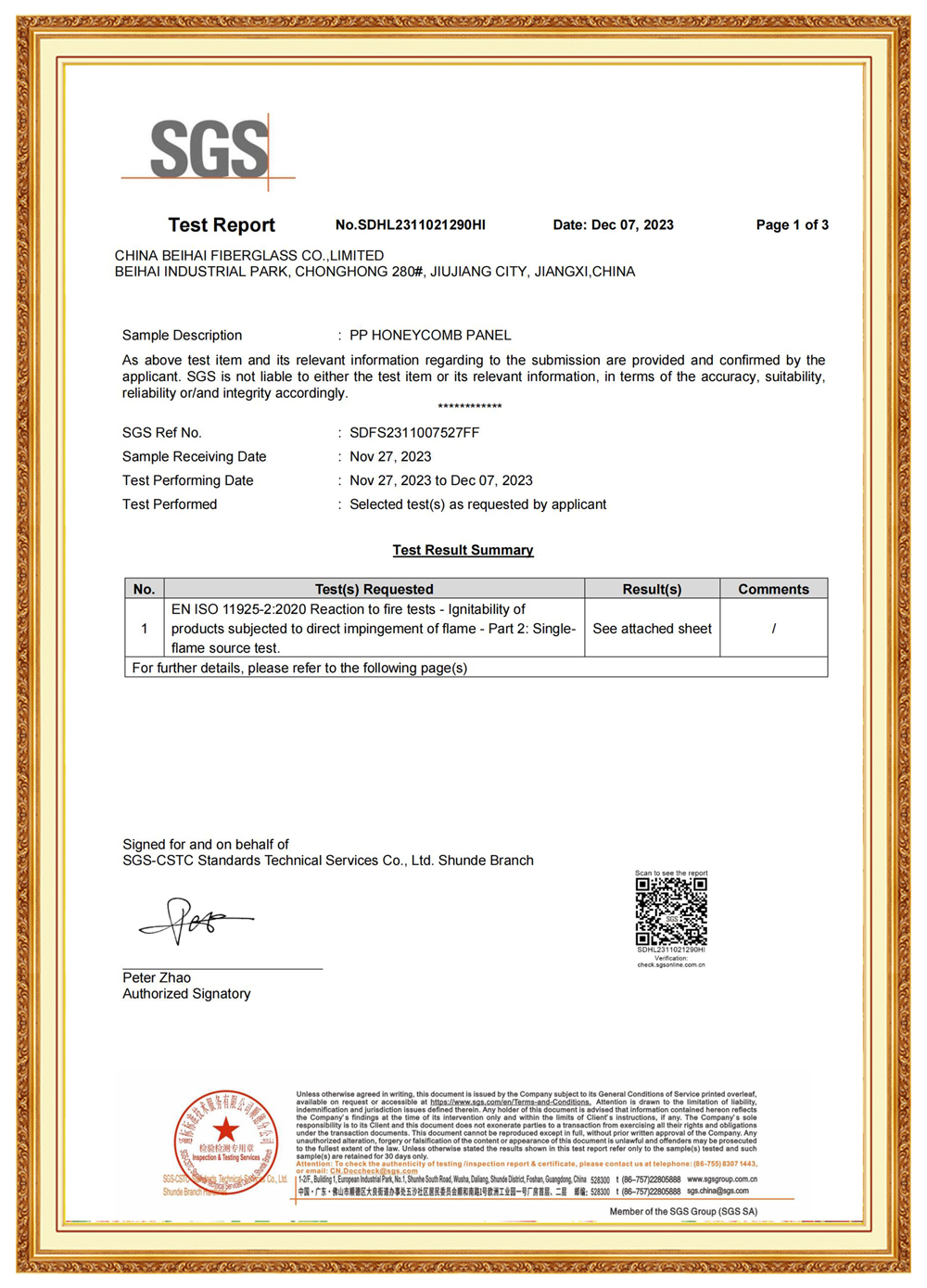
Fire Rating
The basalt fiber industry in China has transitioned into the Factory 4.0 era. At our Jiujiang facility, we integrate AI-driven thermal control systems to maintain the precise melting temperature (1450°C) required for optimal basalt extrusion. This level of automation ensures:
For international buyers, this means a reliable partner that can scale production from custom prototypes to massive infrastructure volumes within tight deadlines.
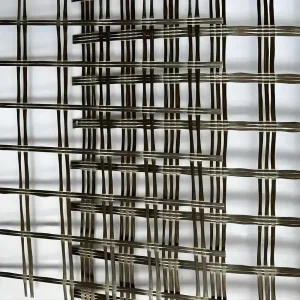
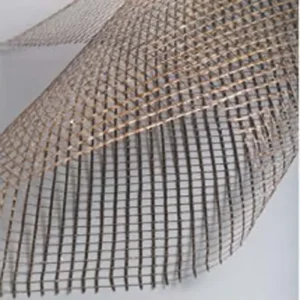
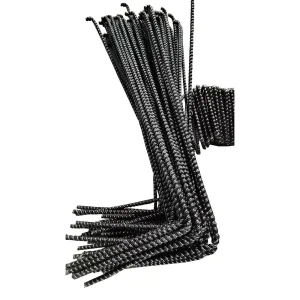
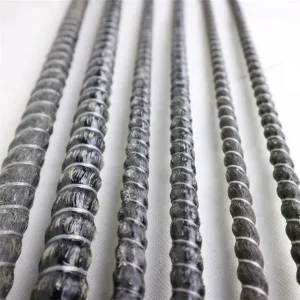
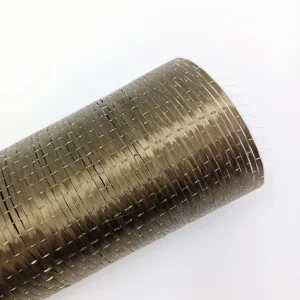
Reinforcing concrete with basalt mesh geogrids prevents cracking and alkalization. Basalt mats provide superior thermal insulation in "Passive House" designs.
Utilized in engine heat shields and brake linings. Basalt's vibration-damping properties make it ideal for aircraft cabin acoustics.
Unlike glass fiber, basalt is naturally resistant to saltwater corrosion. Essential for bridge pier protection and offshore platform components.
Used in high-temperature filtration and chemical tank insulation. The chemical inertness of basalt prevents reaction with aggressive acids or alkalis.
When analyzing Information Gain, we must look at the specific chemical composition. Basalt fibers contain a high percentage of Iron Oxide (Fe2O3) and Titanium Dioxide (TiO2), which contribute to their incredible UV resistance and thermal capacity.
| Property | Basalt Fiber | E-Glass Fiber |
|---|---|---|
| Max Working Temp | 700°C - 800°C | 450°C - 500°C |
| Tensile Strength | 3000-4800 MPa | 2400-3400 MPa |
| Elastic Modulus | 90-110 GPa | 70-75 GPa |
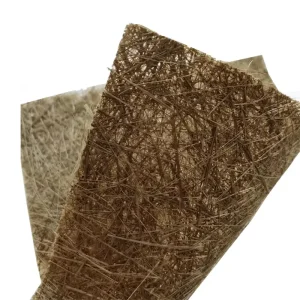
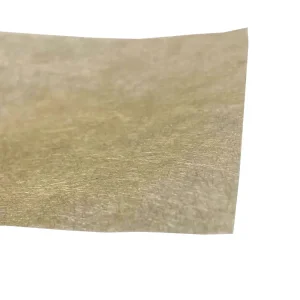
Our Basalt Fiber Tissue Mat and Needled Mat products utilize these properties to provide smooth resin-rich surfaces for FRP (Fiber Reinforced Plastic) manufacturing, ensuring no bubbles and a perfect finish for aerospace-grade components.
Basalt mats offer superior thermal resistance (up to 800°C), higher tensile strength, and better chemical resistance, especially in alkaline environments like concrete. They are also 100% natural and recyclable.
Yes. As a leading manufacturer, we can customize the GSM (Grams per Square Meter), thickness, and width of our non-woven mats to meet specific industrial insulation or reinforcement needs.
Due to its natural volcanic origin and low energy-intensive production process, using basalt fiber in building materials contributes to higher sustainability scores in green building certifications.
With our Factory 4.0 efficiency and strategic location, standard orders are processed within 15-20 days, with logistics support to major global ports including Shanghai and Ningbo.

As drones slice through the sky and intelligent robots execute tasks, basalt fiber provides the "hardcore support" for the smart equipment era.
 Beihai Fiberglass