Explore our industrial-grade high-strength basalt continuous fiber matrices, rebar solutions, and specialized construction materials
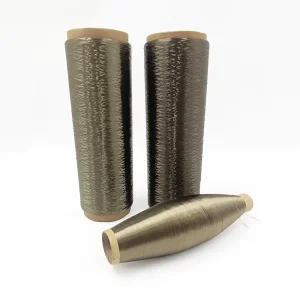
In modern structural and geotechnical engineering, the degradation of concrete structures due to internal reinforcement corrosion represents one of the most financially crippling and physically dangerous challenges globally. Traditional carbon steel rebar, while historically reliable, possesses an inherent weakness: susceptibility to oxidation when exposed to moisture, chlorides, marine salts, and aggressive chemical environments.
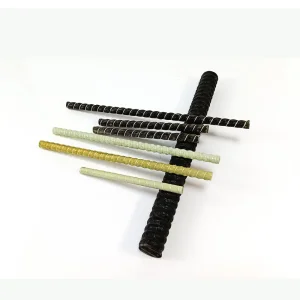
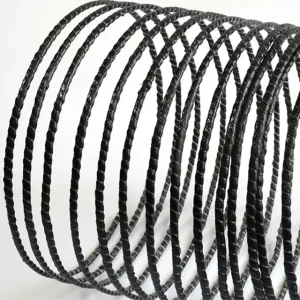
Enter **Basalt Fiber Reinforced Polymer (BFRP) Rebar** (commonly discussed globally under the transactional queries for Basalt Steel Bars). Manufactured by melting volcanic basalt rock at temperatures exceeding 1450°C and drawing it into high-performance continuous microscale filaments, these materials are then pultruded with advanced thermosetting resins (epoxies or vinyl esters) to form high-strength, chemically inert, non-corrosive reinforcing rods.
Unlike steel, BFRP bars do not experience electrochemical rust. Consequently, they eradicate the expansion forces that lead to concrete spalling and micro-cracking. Furthermore, their thermal expansion coefficient matches that of standard structural concrete almost perfectly, preventing internal shear stress during extreme thermal cycles.
From a mechanical perspective, China Beihai’s premium basalt steel bars deliver a tensile strength up to 3 times greater than traditional structural A-III grade steel, while weighing merely one-fourth as much. This translates directly into substantial transportation cost savings, lower labor requirements on-site, and a vastly reduced carbon footprint over the life cycle of public and private infrastructure.
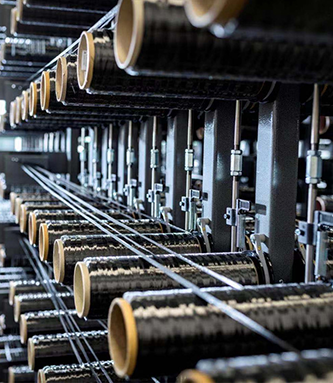
Founded in 2015 and strategically located in Jiujiang, Jiangxi Province, China Beihai is a premier national high-tech enterprise. We focus deeply on the research, development, custom formulation, continuous manufacturing, and global sales of premium-grade continuous basalt fiber products and state-of-the-art basalt composite production equipment.
We operate at the forefront of the green composites transition, providing global contractors, bridge developers, marine engineering firms, and industrial fabricators with high-performance alternatives to traditional steel. Through continuous refinement of our glass-melting furnace technologies and proprietary sizing chemistry, we stand as an authoritative, reliable leader in the domestic and international basalt fiber supply chain.
How BFRP Basalt Steel Bars dramatically outperform traditional Carbon Steel and Glass Fiber (GFRP)
| Performance Characteristic | China Beihai BFRP Rebar | Traditional Carbon Steel (A-III) | Fiberglass Rebar (GFRP) |
|---|---|---|---|
| Tensile Strength (MPa) | 1,100 – 1,350 MPa | 400 – 490 MPa | 600 – 800 MPa |
| Density (g/cm³) | 1.9 – 2.1 (Ultra-lightweight) | 7.8 (Extremely Heavy) | 1.8 – 2.0 |
| Corrosion & Acid Resistance | 100% Inert (Highly Resistant to Chlorides/Acids) | High susceptibility (Rusts & Explodes Concrete) | Susceptible to highly alkaline concrete pore waters |
| Thermal Conductivity (W/m·K) | 0.35 (Excellent thermal insulation) | 46.0 (High thermal bridging loss) | 0.30 |
| Electromagnetic Conductance | Fully Non-conductive & Non-magnetic | Highly conductive & Magnetic | Non-conductive |
| Lifespan in Concrete Structure | Up to 100+ Years (Zero structural degradation) | 15 – 30 Years (Subject to chloride corrosion) | 40 – 50 Years (Chemical degradation factor) |
Providing high-performance basalt products engineered to solve complex material challenges.

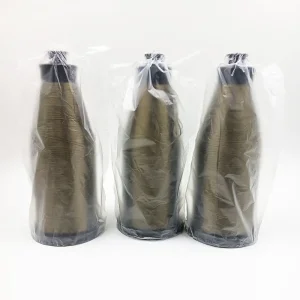
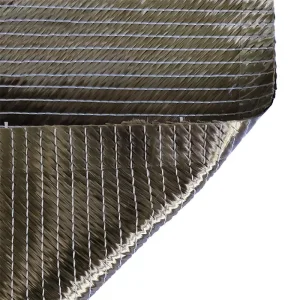
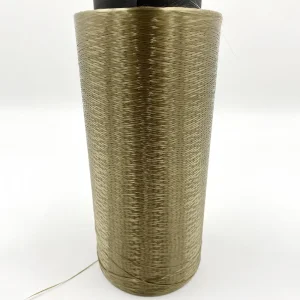
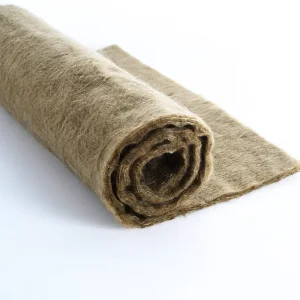
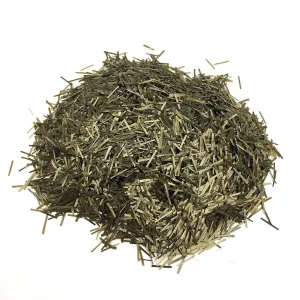
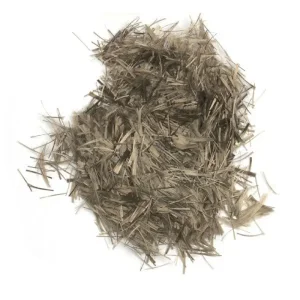
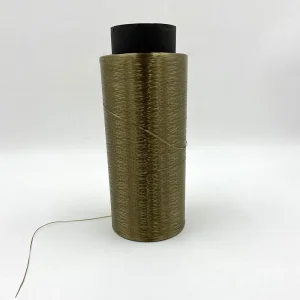
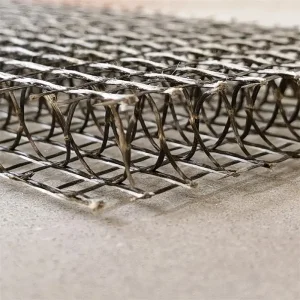
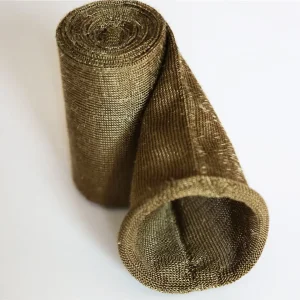
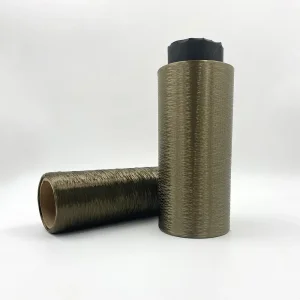
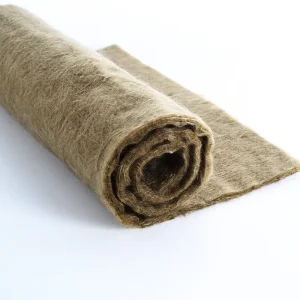
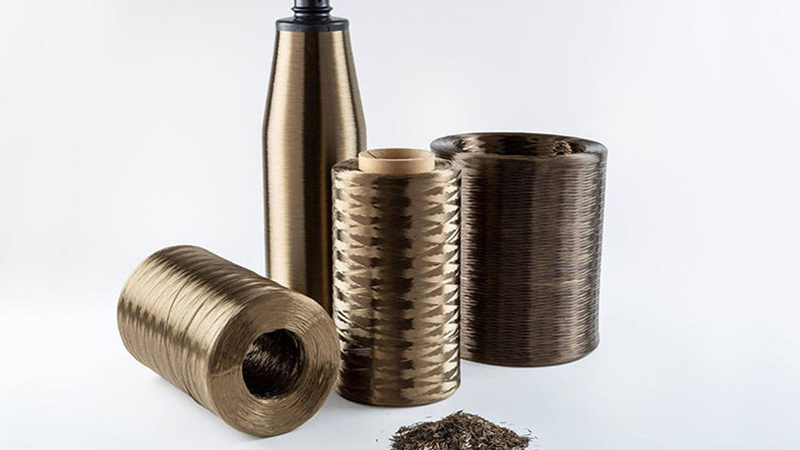
At China Beihai group, we specialize in the production of a wide range of products including basalt fiber mat (Basalt fiber chopped strand mat, Basalt fiber cloth), basalt fiber roving, basalt fiber yarn, basalt fiber chopped strands, and advanced basalt fiber products (Basalt Fiber rebar, basalt fiber sleeves, and tape). Our products are designed to meet the diverse needs of various industries, providing high-quality, customized solutions for our global customers.

We are dedicated to the manufacturing of a wide array of basalt-based products, ranging from standard basalt fiber mat, fabric, and roving to chopped strands and specialized construction reinforcements. Our focus is on delivering high-quality, sustainable solutions for civil infrastructure, geotechnical engineering, and high-temperature manufacturing. We strive to cater to unique requirements by offering customized cross-sections, tensile configurations, and sand-coated surfaces.

Choosing us means working with an ISO-certified, research-driven manufacturer of premium basalt products. Our commitment to strict quality control, material testing, and continuous innovation sets us apart, ensuring that your civil engineering and infrastructure projects are built to last. We back our supply agreements with verified lab reports, guaranteed delivery schedules, and technical support that guides you from project design to site delivery.
When purchasing Basalt Fiber Reinforced Polymer (BFRP) rebars and composite profiles, selecting a manufacturer from China offers distinct, competitive advantages for global procurement teams and structural developers:
Discover how our continuous basalt composites are applied across various global industries
Basalt fiber rebars and chopped strand concrete formulations eliminate structural cracking, improve fire resistance, and optimize building energy efficiency in commercial and residential walls.
In aerospace manufacturing, lightweight basalt fibers are utilized to produce high-strength aircraft wing panels, interior cabin insulation linings, and engine components that require heat resistance.
Advanced continuous basalt fibers are manufactured into spacecraft shells, heat shields, and thermal insulation mats capable of enduring extreme re-entry conditions.
Adding basalt steel bars and chopped fibers to concrete increases aggregate bonding, eliminates thermal expansion stresses, and resists freeze-thaw degradation cycles.
Basalt continuous fiber composite components are increasingly replacing heavy metal automotive brackets, floor panels, and sound insulation sheets to lower vehicle energy consumption.
Basalt rebars provide protection for marine bridge abutments, piers, and decks. They prevent corrosion caused by constant exposure to tidal cycles and aggressive road deicing salts.
The high chemical resistance of basalt composite pipes, tanks, and structural components makes them optimal for acidic, caustic, and hydrocarbon-heavy refinery environments.
Used extensively in seawalls, coastal docks, and boat hulls where constant saltwater contact quickly destroys traditional structural steel reinforcing bars.
For global procurement directors, purchasing basalt steel bars (BFRP rebar) involves aligning engineering design requirements with strict manufacturing Service Level Agreements (SLAs). China Beihai Group ensures a seamless supply chain experience through structural optimization and rigorous quality metrics:
1. Sand-Coated vs. Ribbed Surface Chemistry: Concrete bonding depends entirely on mechanical interlocking. We offer both ribbed profile pultruded rebars and sand-coated surface options. The sand-coated finish provides up to 85% higher bond strength with the concrete matrix compared to bare profiles, facilitating superior structural integration.
2. Cross-Sectional Dimension Customization: Standard diameter offerings range from 4mm up to 32mm. However, custom engineering requirements often demand specialized shapes, pre-bent stirrups, or non-standard profiles. We maintain a dedicated design department to pultrude custom-shaped BFRP structures according to custom drawings.
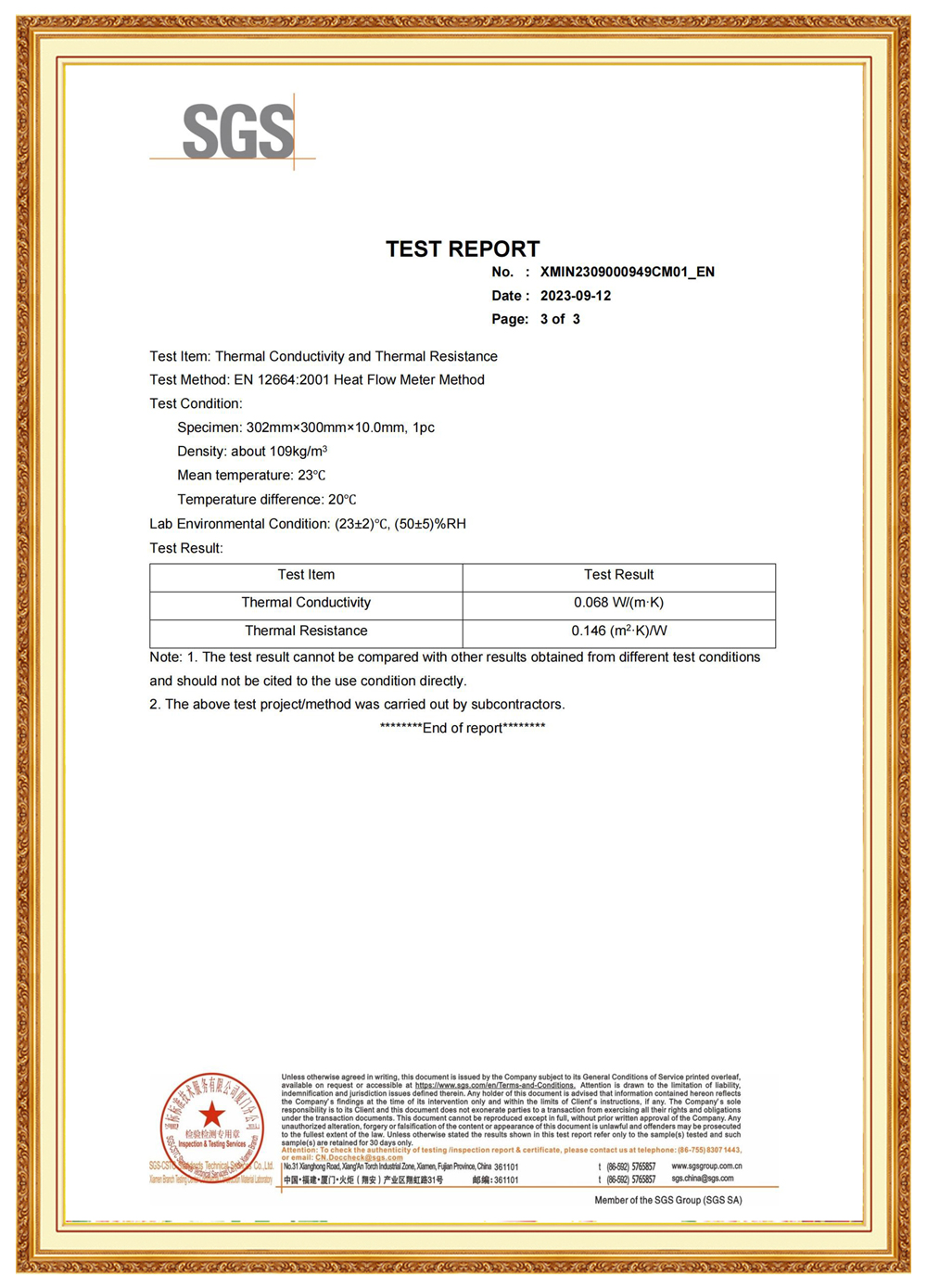
3. Rigorous Quality Verification & Delivery Logistics: Every manufacturing batch of basalt fiber continuous roving and rebars undergoes strict mechanical testing. Tensile strength, density, moisture absorption, and thermal transition properties (Tg) are logged and recorded in corresponding Quality Certificates.
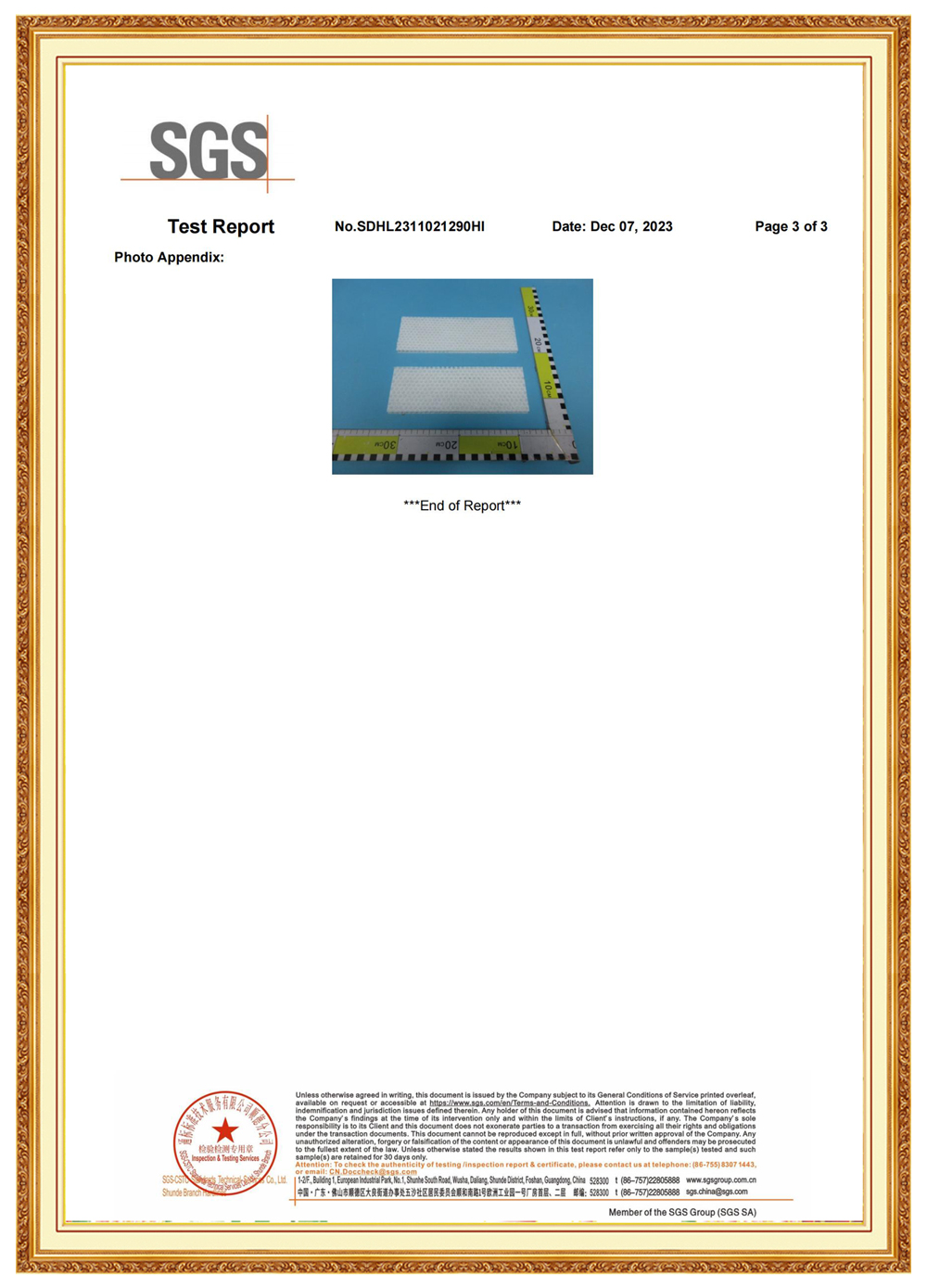
Engineered under international standards to guarantee long-term stability and reliability in demanding structural conditions
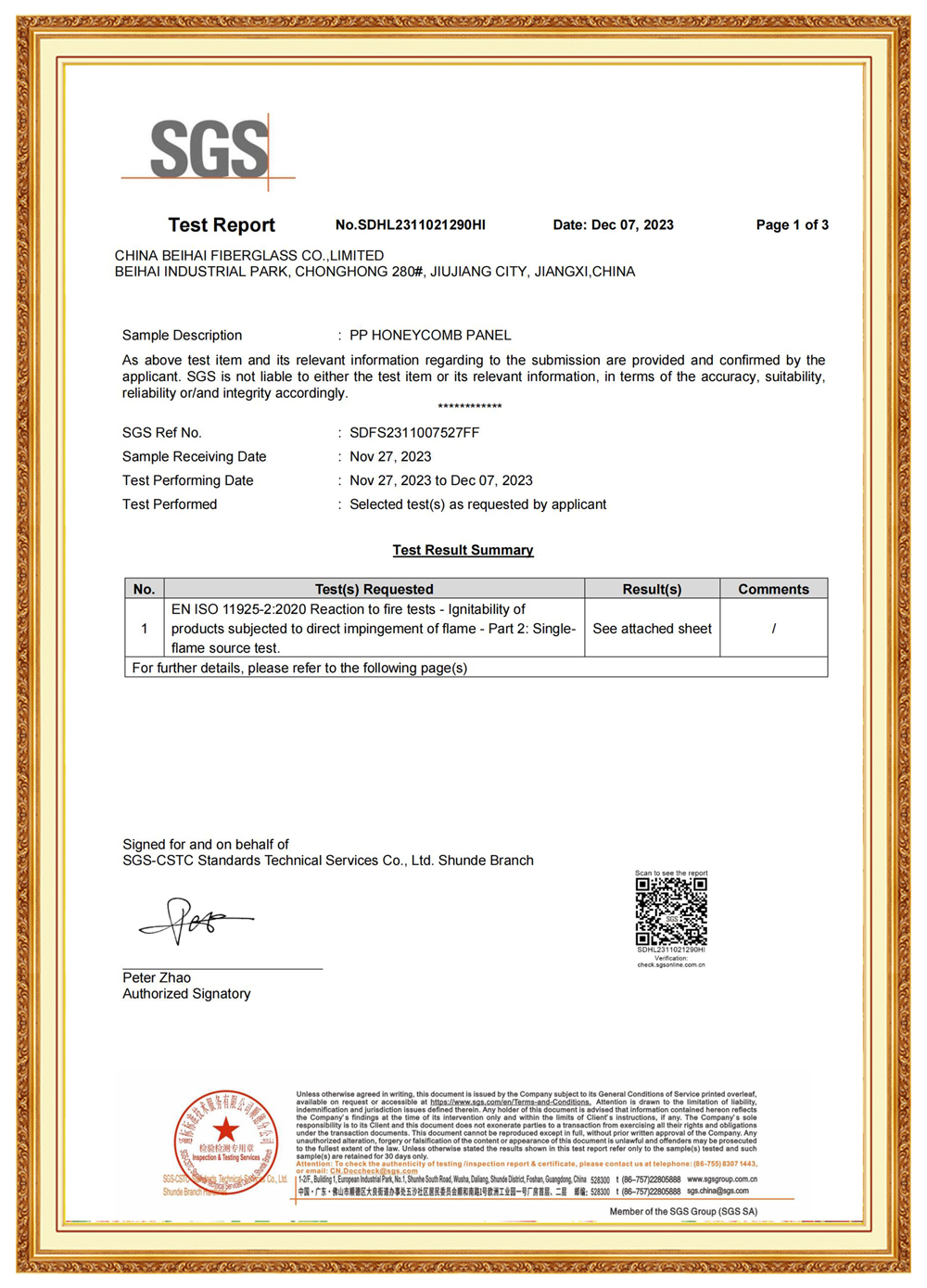
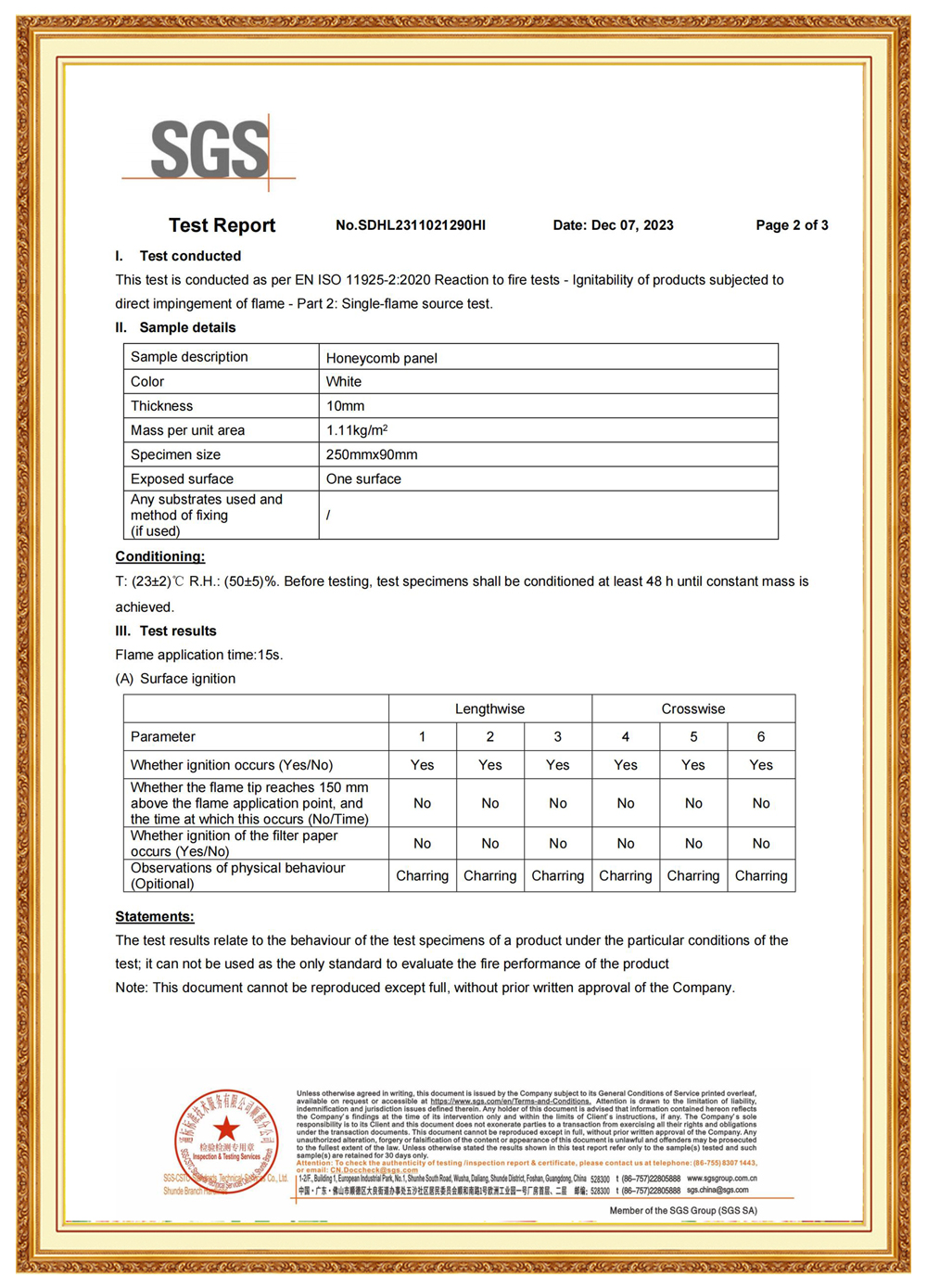
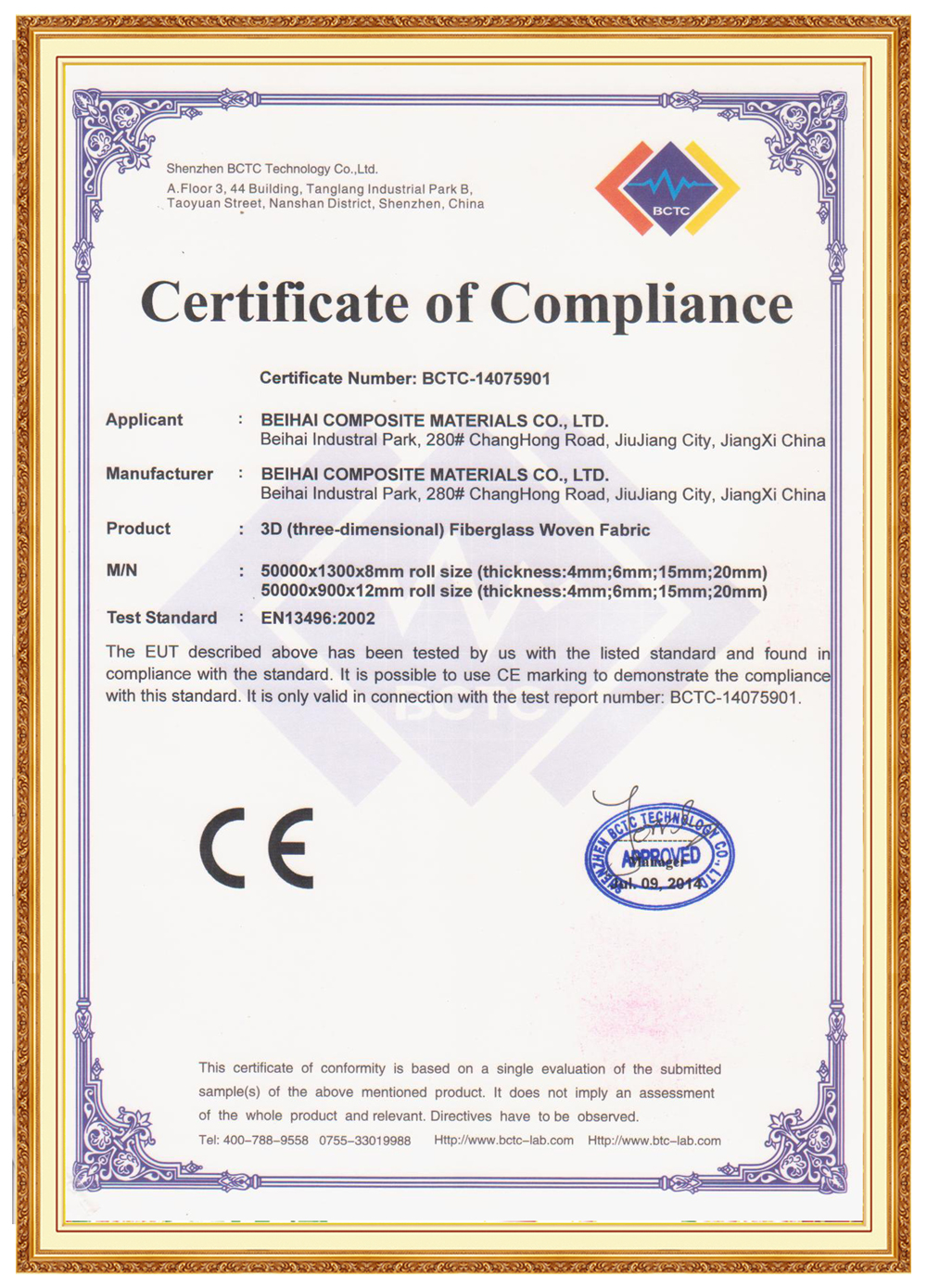
Authoritative, engineering-grade answers to the most frequently asked questions about Basalt Steel Bars (BFRP Rebar)
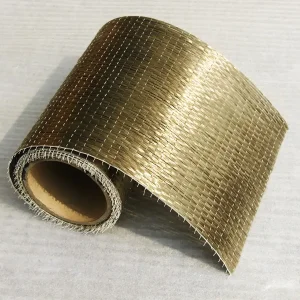
Explore our industrial high-temperature textiles, direct roving spools, unidirectional cloths, and specialty pultruded components
Stay up to date with updates from the global composite materials market and our latest technical achievements
As advanced autonomous drones navigate the skies to monitor environmental conditions, and robotic machinery executes complex operations across modern assembly lines, high-performance materials are required to provide reliable support.
Through precise continuous process control and specialized surface treatments, our R&D teams have successfully introduced continuous basalt fiber systems to spacecraft structural frames, protective covers, aerospace engines, and heavy infrastructure reinforcement. We continue to drive high structural stability and reduced carbon footprints globally.
Read Full Article Beihai Fiberglass