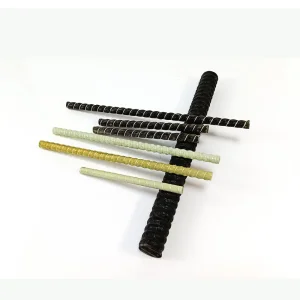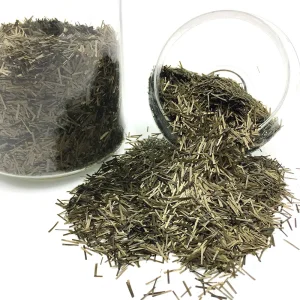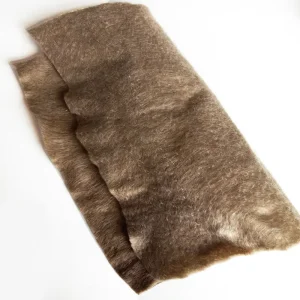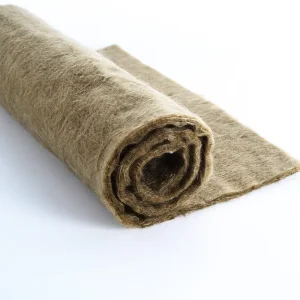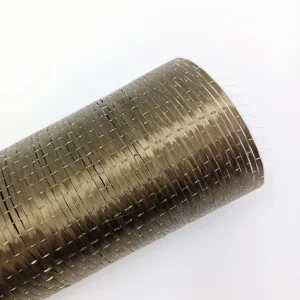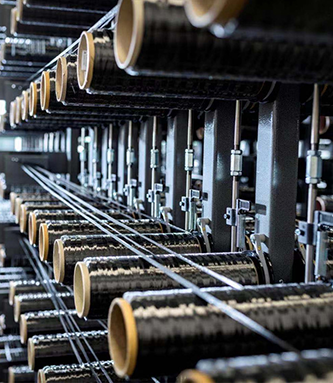
China Beihai is a high-tech enterprise focusing on the research, development, production and sales of high-performance basalt continuous fiber and its production equipment manufacturing. Based in Jiujiang, Jiangxi Province, we operate at the vanguard of the domestic basalt fiber industry. Our expertise lies in transforming raw volcanic rock into high-tensile, corrosion-resistant materials that define the future of green construction.
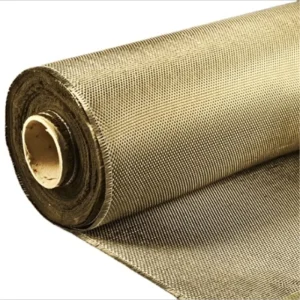
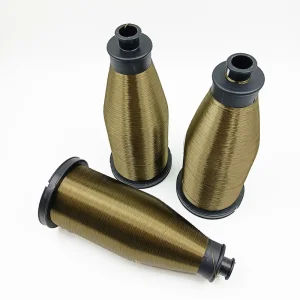
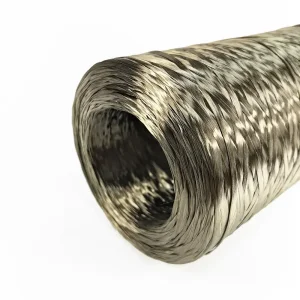
Unlike raw roving, Basalt Twisted Thread is engineered by applying specific turns-per-meter (TPM). This process increases the thread's structural integrity, allowing for better mechanical bonding in composite matrices. For China basalt twisted thread suppliers, precision in TPM ensures that the fiber doesn't fray during high-speed weaving or pultrusion.
Basalt thread retains its structural properties up to 700°C and has a melting point of approximately 1450°C. This makes it significantly superior to E-glass and Carbon fiber in fire-sensitive applications like aerospace bulkheads and petrochemical pipe insulation.
Basalt is naturally resistant to acids, alkalis, and salts. Our factories utilize advanced silane-based sizing agents to ensure that the twisted thread remains protected even in the harshest marine environments, preventing the "alkali-silica reaction" commonly seen in glass fiber reinforcements.
Founded Year
Annual Tons Capacity
Patents Owned
Countries Exported
China possesses world-class basalt reserves with the specific chemical composition (SiO2, Al2O3, CaO) required for high-quality continuous fiber. Our factory in Jiujiang leverages local proximity to reduce logistical carbon footprints and ensure raw material consistency.
At China Beihai, we don't just sell thread; we design the furnaces. Our ability to manufacture the production equipment itself allows us to offer customized thread diameters (from 9μm to 22μm) and specialized coatings that other "assembly-only" suppliers cannot provide.
We provide full localization support, ensuring our basalt products meet ISO 9001, CE, and REACH standards. For global procurement officers, we offer comprehensive compliance documentation, SGS testing reports, and optimized shipping routes to major ports like Shanghai and Ningbo.

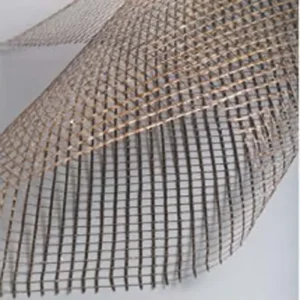
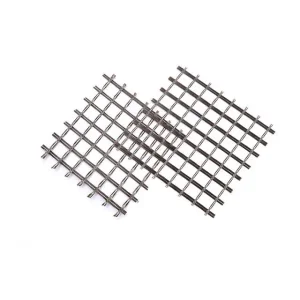
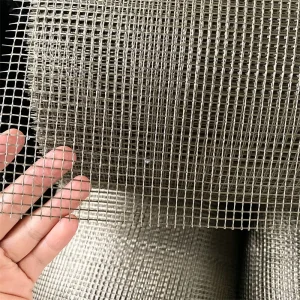
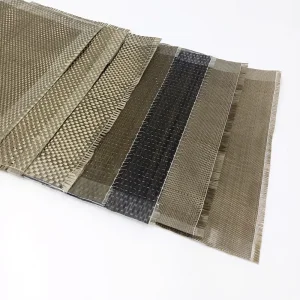
Basalt twisted thread is used to weave high-strength geogrids. These are essential for roadbed reinforcement and bridge pier protection, where high tensile strength and zero corrosion are mandatory for 50-year lifespans.

Replacing heavier metallic components with basalt fiber composites reduces fuel consumption. Our thread is used in aircraft wings, engine thermal protection systems, and lightweight car interior panels.

Due to its absolute resistance to salt-water corrosion, basalt thread is the preferred material for wrapping offshore pipelines and manufacturing FRP (Fiber Reinforced Plastic) pressure vessels.
Basalt fiber offers 15-20% higher tensile strength, significantly better chemical resistance (especially in alkaline environments), and a much higher operating temperature range. It is also an eco-friendly "one-component" material, whereas glass fiber requires complex chemical additives during melting.
Yes. As a direct factory, China Beihai can provide 'Z' or 'S' twist directions and adjust the turns-per-meter (TPM) based on your specific weaving or pultrusion machinery requirements.
We implement a 4-tier quality control process: Raw rock spectral analysis, filament diameter laser monitoring, thread tension testing, and final product batch certification. All exports are accompanied by a Certificate of Analysis (COA).
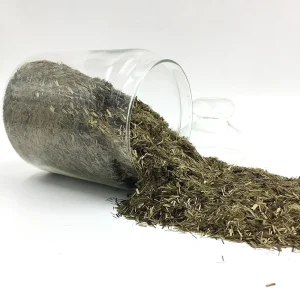
Yes, it is often called the "Green Material of the 21st Century." It is made from natural volcanic rock, requires less energy to produce than carbon fiber, and is 100% recyclable into short-fiber additives for concrete or asphalt.
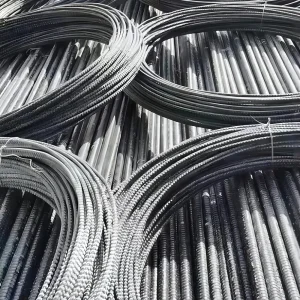
The global shift toward "Carbon Neutrality" is driving the demand for basalt-based solutions. As steel prices fluctuate and environmental regulations tighten, industries are pivoting toward basalt rebar and twisted thread. We anticipate a 12% CAGR in the basalt fiber market through 2030, with China remaining the primary hub for production innovation and cost-efficiency.
AI-monitored extrusion lines to ensure zero-defect filaments.
Combining Basalt with Carbon fiber to optimize cost vs. performance.
Expanding regional warehouses to provide JIT (Just-In-Time) delivery.
 Beihai Fiberglass