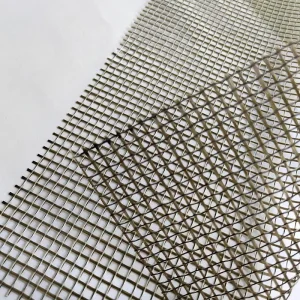
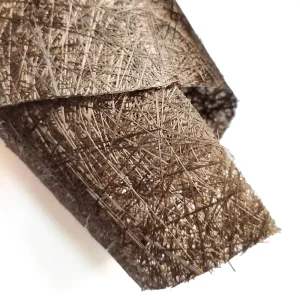
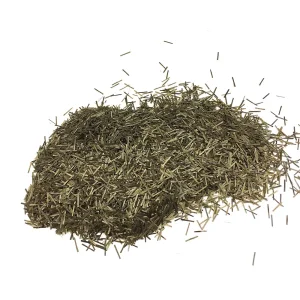
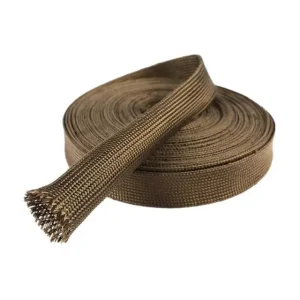
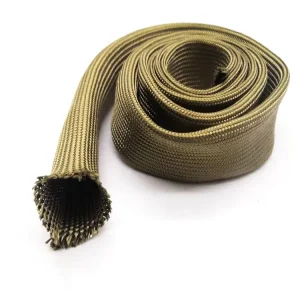
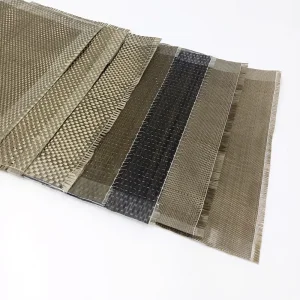
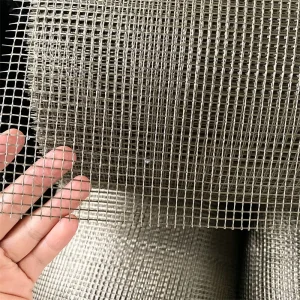
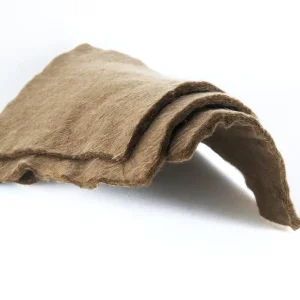
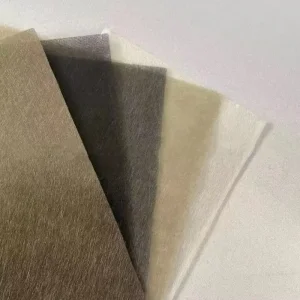
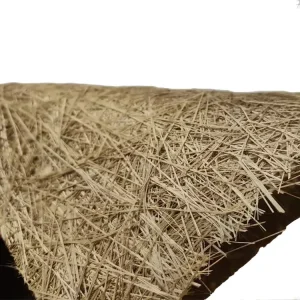
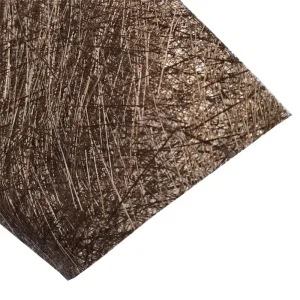
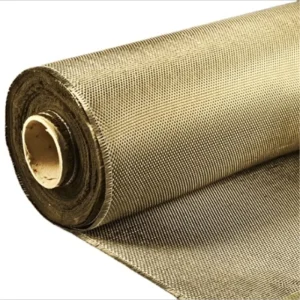
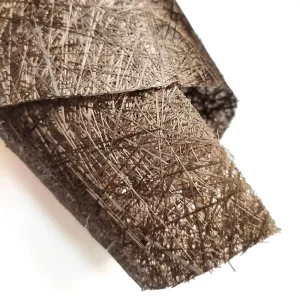
In the contemporary landscape of high-performance materials, the shift toward sustainability combined with extreme durability has led to the rise of Binder-Free Basalt Mats. Unlike traditional composite mats that rely on chemical resins or binders to maintain structural integrity, binder-free basalt mats utilize mechanical needling processes to interlock volcanic fibers. This innovation provides significant "Information Gain" for engineers seeking materials that can withstand temperatures up to 800°C without outgassing, smoke, or toxic degradation.
For international procurement managers, the choice of a binder-free basalt mat isn't just about heat resistance; it's about compliance and safety. Traditional mats with chemical binders often fail in vacuum environments or under direct flame because the binder ignites or evaporates.
Class A1 non-combustible material. Since there are no resins, there is zero fuel for fire spread.
100% natural basalt rock. Non-carcinogenic and fully recyclable at the end of its life cycle.
Highly resistant to acids and alkalis, making it superior to E-glass in marine and petrochemical environments.
As a leading China Basalt Mat Supplier, China Beihai has observed three major shifts in global user intent:
Basalt-added concrete offers a number of advantages in engineering projects, including increased strength, durability, and crack resistance. It extends structural life significantly in corrosive coastal regions.
In the aerospace field, basalt fibers are ideal for manufacturing aircraft wings, engine components, and thermal protection systems due to their lightweight and extreme heat tolerance.
Facing the trend of lightweight materials, basalt fiber composites are widely applied in car interiors, under-engine shields, and brake pads to reduce fuel consumption and enhance safety.
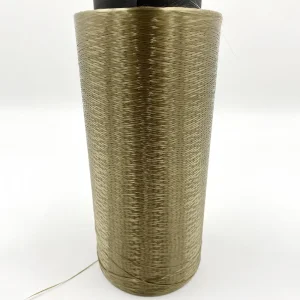
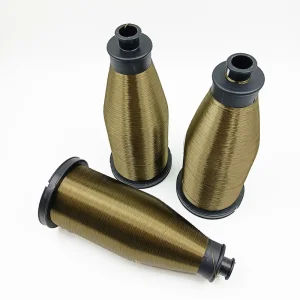
The next decade of basalt fiber technology focuses on Nano-Surface Modification. At China Beihai, our R&D team is working on coupling agents that enhance the bond between basalt fibers and thermoplastic resins at the molecular level.
Year Founded
Max Temp Stability
Strength vs Steel
Chemical Binders
Our roadmap includes the development of Hybrid Basalt-Carbon Mats, combining the cost-effectiveness and heat resistance of basalt with the ultra-high modulus of carbon fiber. This solution is targeted at the next generation of high-speed rail and drone frames.
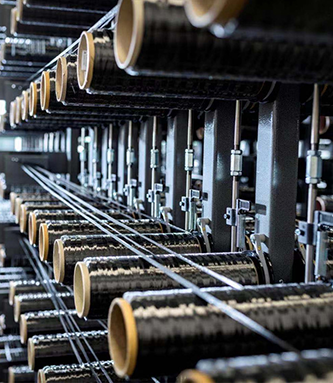
China Beihai was founded in 2015 and is located in Jiujiang, Jiangxi Province. As a high-tech enterprise, we focus on the research, development, production, and sales of high-performance basalt continuous fiber. We are a leading enterprise in the domestic basalt fiber industry, providing production equipment manufacturing alongside our wide range of fiber products.
Choosing to work with China Beihai means partnering with a forward-thinking manufacturer committed to quality, innovation, and sustainability. Our dedication to excellence ensures you receive best-in-class solutions for diverse industrial needs.
We provide DDP/CIF shipping terms to over 60 countries, ensuring smooth customs clearance and localized delivery support.
Our products meet ISO 9001:2015, CE, and SGS standards. We provide full Material Safety Data Sheets (MSDS) for all binder-free products.
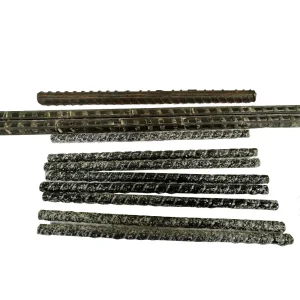
On-site technical support for large-scale infrastructure projects, including application guidance for basalt rebar in concrete.
Basalt mats offer higher thermal stability (800°C vs 450°C), better chemical resistance, and are naturally UV resistant. Unlike glass fiber, basalt is made from a single-component raw material (basalt rock), making it more eco-friendly and easier to recycle.
Yes. Because it contains no chemical resins or binders, it will not outgas or contaminate vacuum chambers, making it ideal for laboratory and aerospace equipment.
Absolutely. Basalt fiber rebar is 100% corrosion-resistant. It does not rust when exposed to salt water, which eliminates the risk of concrete spalling and significantly reduces maintenance costs over a 50-year lifecycle.
For standard specifications, lead times are typically 7-10 days. For custom widths or needle densities, our Jiujiang facility can deliver within 15-21 days depending on the volume.
 Beihai Fiberglass