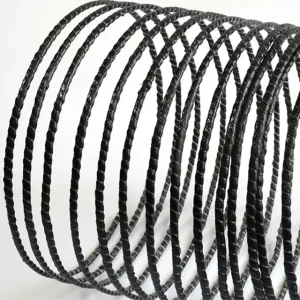
China Beihai: Continuous Basalt Fiber (CBF) Industry Leader
Founded in 2015 and strategically based in Jiujiang, Jiangxi Province, China, China Beihai has risen to become a premier high-tech enterprise. Our core focus lies at the intersection of material science engineering, advanced manufacturing, and commercial distribution of premium performance continuous basalt fibers (CBF) and advanced production apparatus.
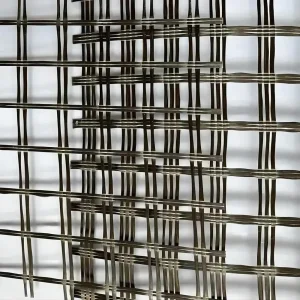
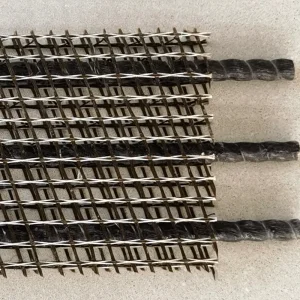
By integrating proprietary thermal-controlled tank furnace technologies, we satisfy demanding global requirements for sustainable, high-strength concrete reinforcement systems. As structural engineers seek structural longevity, our innovative geogrids and basalt rebars offer unmatched security across critical infrastructure worldwide.
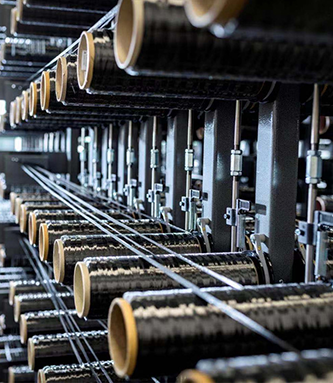

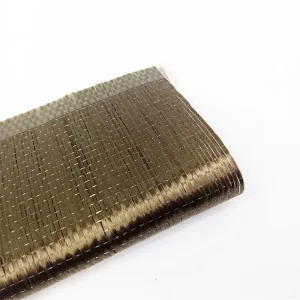
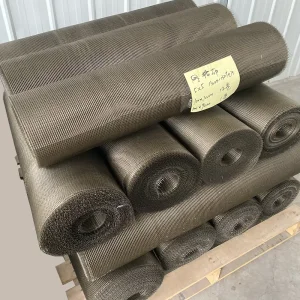
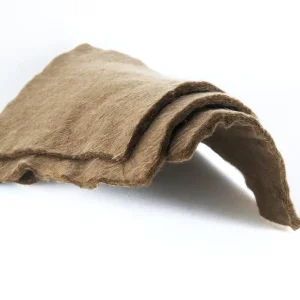
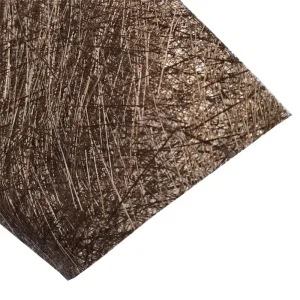
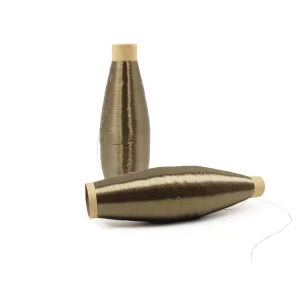
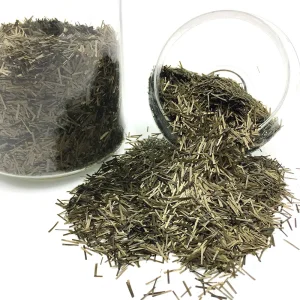
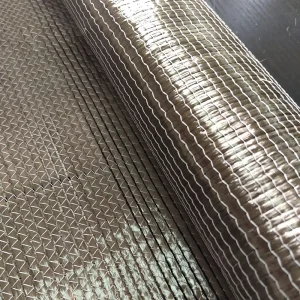
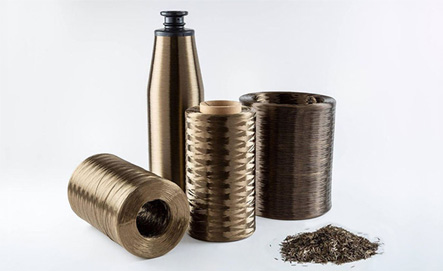
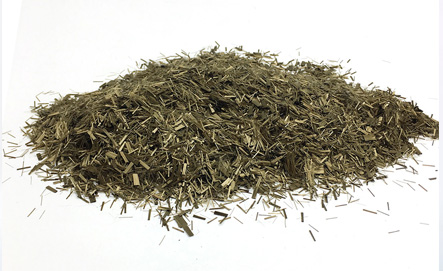
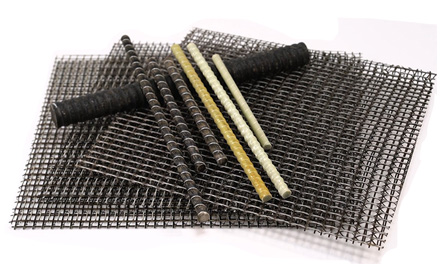
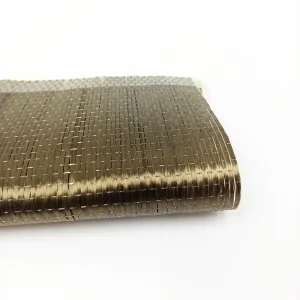
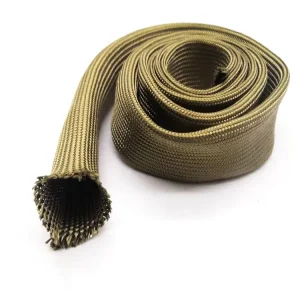
We manufacture continuous structural solutions: Basalt fiber mats (chopped strand mats, structural cloth), specialized roving, continuous yarn, chopped strands for cement modification, reinforcement rebars, sleeves, and heat-reflective tapes.

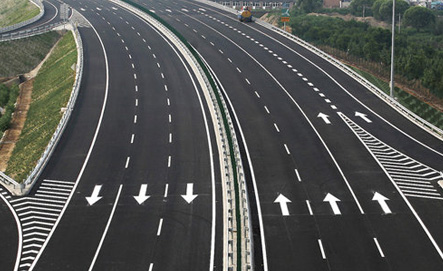
Leveraging sustainable geologic materials, we convert raw natural volcanic rock into high-tensile fiber networks. Our specialized composites optimize structural integrity across highway pavements, bridge systems, and geotechnical installations.

Our partners gain the distinct advantage of working with a vertically integrated manufacturer. We provide strict quality controls, continuous engineering R&D, certifications, and reliable structural solutions to safeguard concrete longevity.
Unlocking structural resilience and high-alkali protection with Basalt Fiber Composite Grids
In modern civil engineering, concrete remains the baseline material for primary building constructions, highways, bridges, and municipal infrastructure. However, traditional concrete exhibits inherent limits under tension and is susceptible to internal chemical deterioration when reinforced with conventional carbon steel. The penetration of moisture, chlorides, and oxygen leads to carbonation and rust, expanding the steel internally and creating concrete spalling.
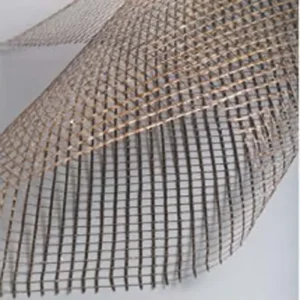
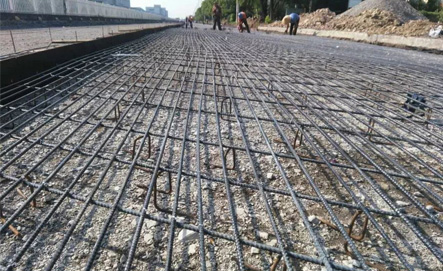
To bypass these destructive cycles, engineering design frameworks have turned towards high-performance composite structural grids. Continuous Basalt Fiber (CBF) grids, often termed Basalt Geogrids or Concrete Reinforcement Grids, have emerged as the industry standard due to their outstanding material characteristics. Made from natural volcanic rock melted at extreme temperatures (above 1450°C), continuous basalt fiber possesses high tensile strength, alignment in thermal expansion coefficient with concrete, and absolute chemical passivity in high-alkali environments.
As the epicenter of global infrastructure material procurement, Chinese manufacturers leverage deep structural advantages to deliver top-tier continuous basalt fiber solutions. The China factory advantage is founded upon three key factors:
To substantiate the structural benefits of basalt fiber reinforcement grids, the engineering matrix below lists key parameters contrasting basalt against structural carbon steel, E-glass fiber, and carbon fiber reinforcement variants:
| Physical/Mechanical Property | Structural Carbon Steel | E-Glass Fiber Grid (GFRP) | Basalt Fiber Grid (BFRP) | Carbon Fiber Grid (CFRP) |
|---|---|---|---|---|
| Density (g/cm³) | 7.85 | 2.54 | 2.65 - 2.80 | 1.75 - 1.85 |
| Tensile Strength (MPa) | 400 - 550 | 1800 - 2400 | 2800 - 4800 | 3500 - 6000 |
| Elastic Modulus (GPa) | 200 | 72 | 89 - 110 | 230 - 600 |
| Corrosion Resistance | Very Poor (Rusts) | Moderate (Alkali Attack) | Excellent (Chemical Inert) | Exceptional |
| Thermal Expansion (10⁻⁶/K) | 12.0 | 5.4 | 8.0 - 8.5 (Matches Concrete) | -0.5 to 1.0 |
| Relative Procurement Cost | Medium-Low | Low | Medium-Competitive | Extremely High |
The global construction paradigm is shifting rapidly toward carbon neutrality, sustainable raw materials, and extended infrastructure lifespan. In this context, three principal trends shape the future of concrete reinforcement grids:
Basalt reinforcement grids excel in specialized structural scenarios where environmental factors challenge traditional steel reinforcement:
High-performance continuous extrusion products designed for heavy civil engineering
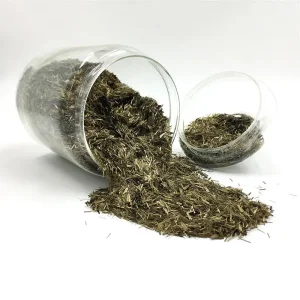
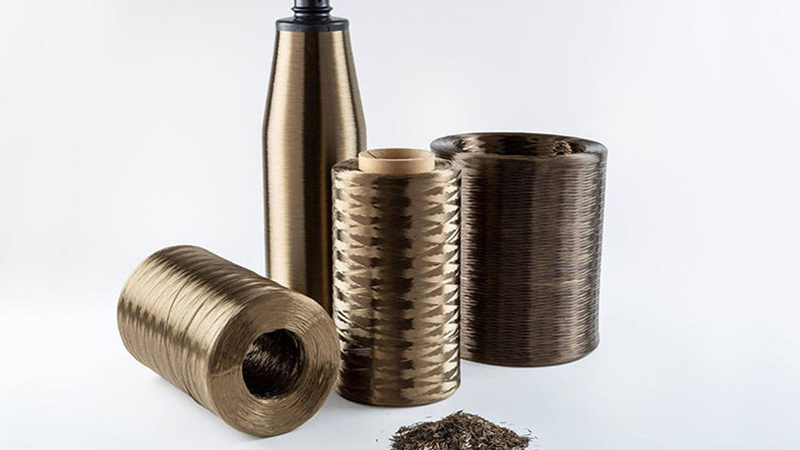
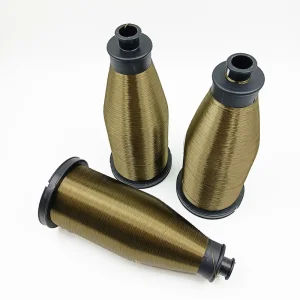
Basalt fiber roving forms the fundamental building block of all reinforcement grids and geogrids. Composed of multiple continuous parallel filaments, our roving provides high tensile strength, excellent wet-out properties with epoxy or vinyl resins, and high heat resistance. It is ideal for winding high-pressure pipes, pultruding structural profiles, and weaving high-tensile reinforcement textiles.
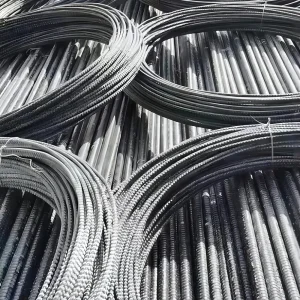
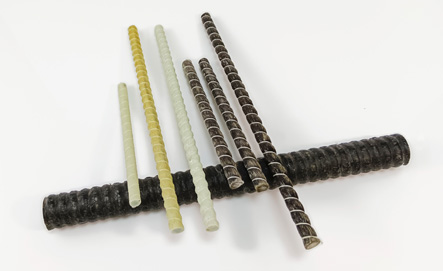
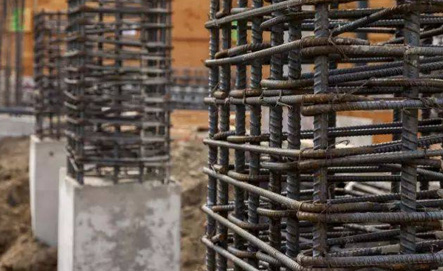
Engineered as a direct, high-strength alternative to traditional steel bars, basalt fiber rebar is designed for concrete reinforcement in highly aggressive environments. It is extremely light—about a quarter of the weight of steel—which simplifies on-site handling, reduces transportation costs, and eliminates the risk of internal concrete corrosion.
Where continuous basalt fiber outperforms traditional materials

Increases load-bearing capacity and provides structural cracking resistance across building foundations and thin-walled concrete panels.

Provides lightweight strength and impact resistance, making it ideal for cabin paneling and structural parts.

High-precision surface treatment allows basalt fibers to be utilized in spacecraft structural shells and thermal protection shields.

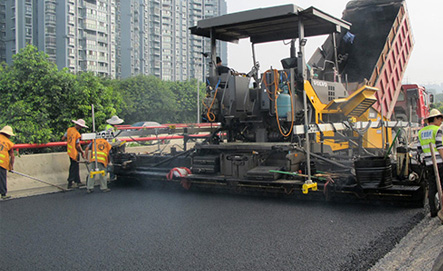
Improves crack resistance, structural durability, and chemical protection in high-performance concrete slabs.

Supports vehicle light-weighting initiatives through high-strength, recyclable composite parts and structural panels.

Protects critical bridge support structures against vehicle collisions, high-temperature fire hazards, and salt corrosion.

Excellent chemical inertness makes basalt grids ideal for reinforced concrete foundations in chemical processing environments.

Resists aggressive marine salt corrosion, making it perfect for boat hulls, structural bulkheads, and port seawalls.
Rigorous quality control processes tested to international engineering standards
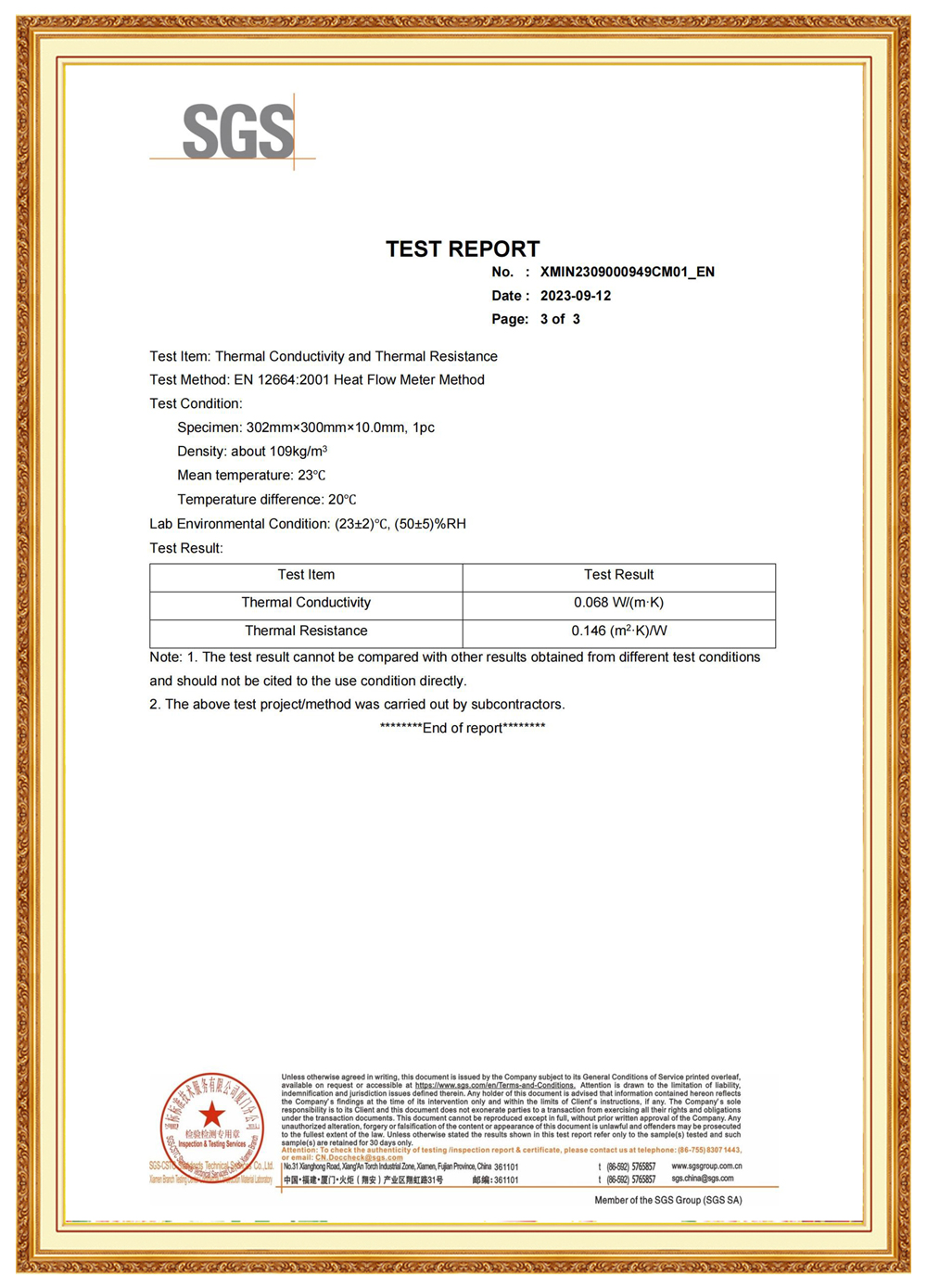
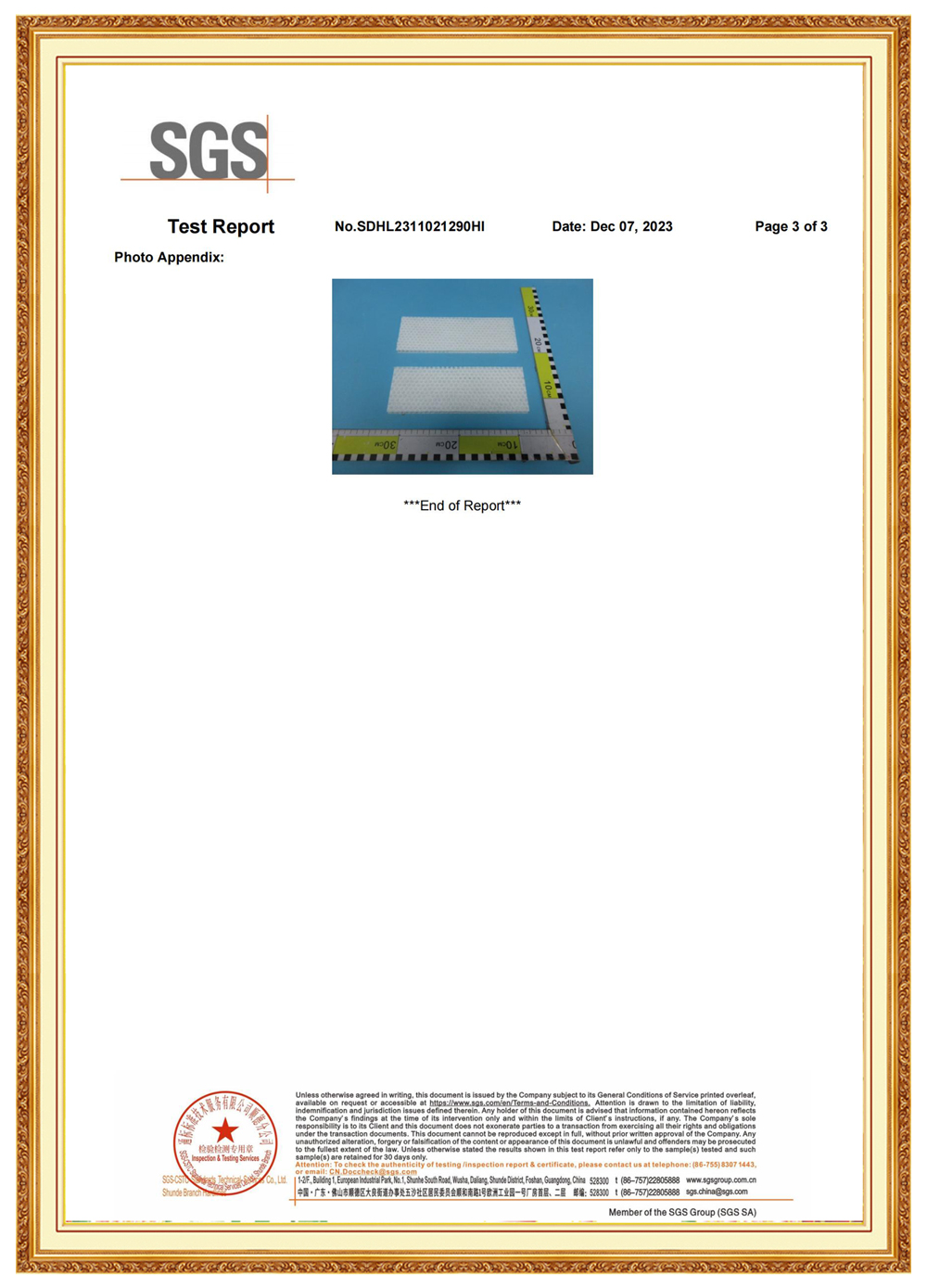
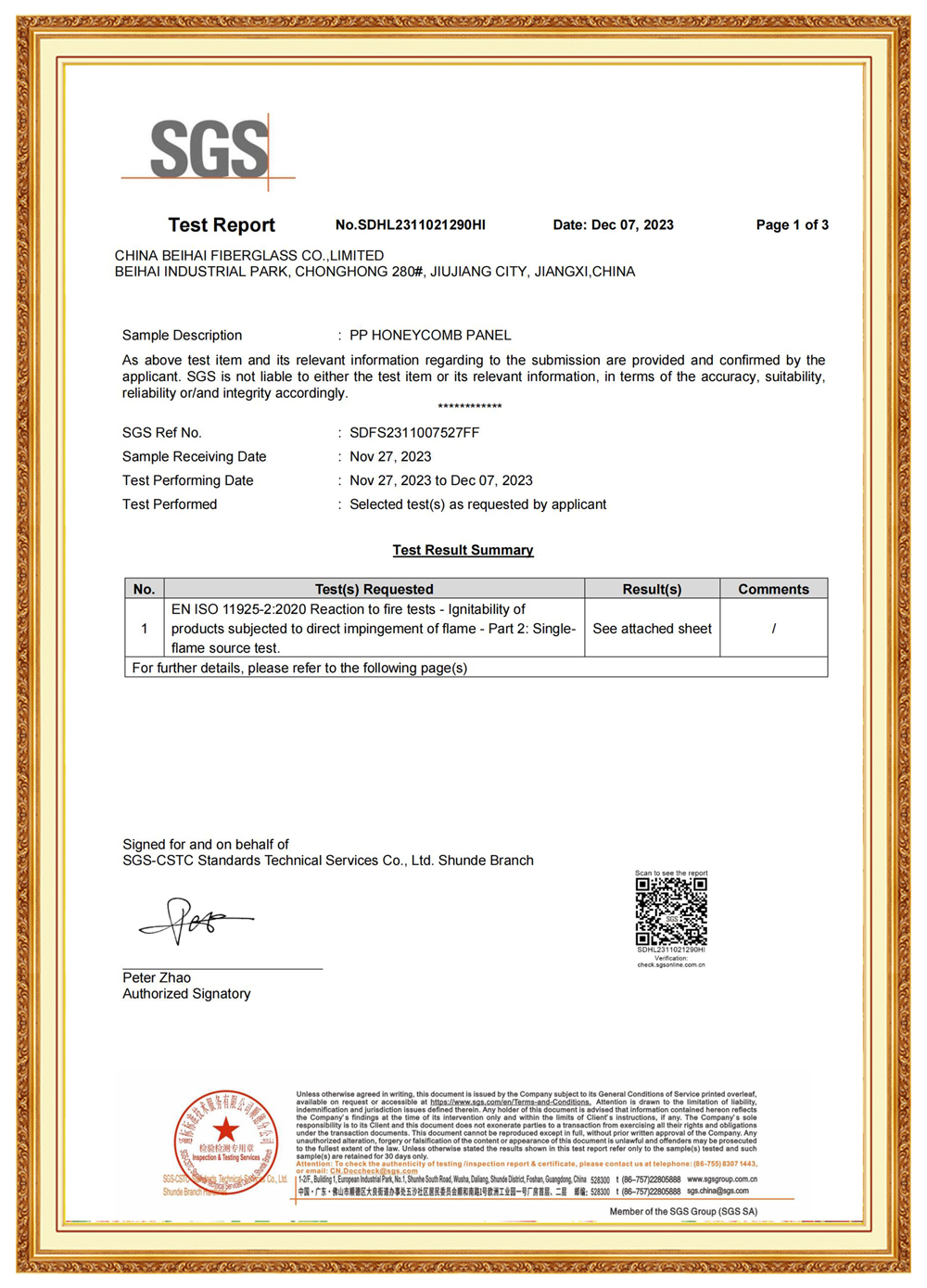
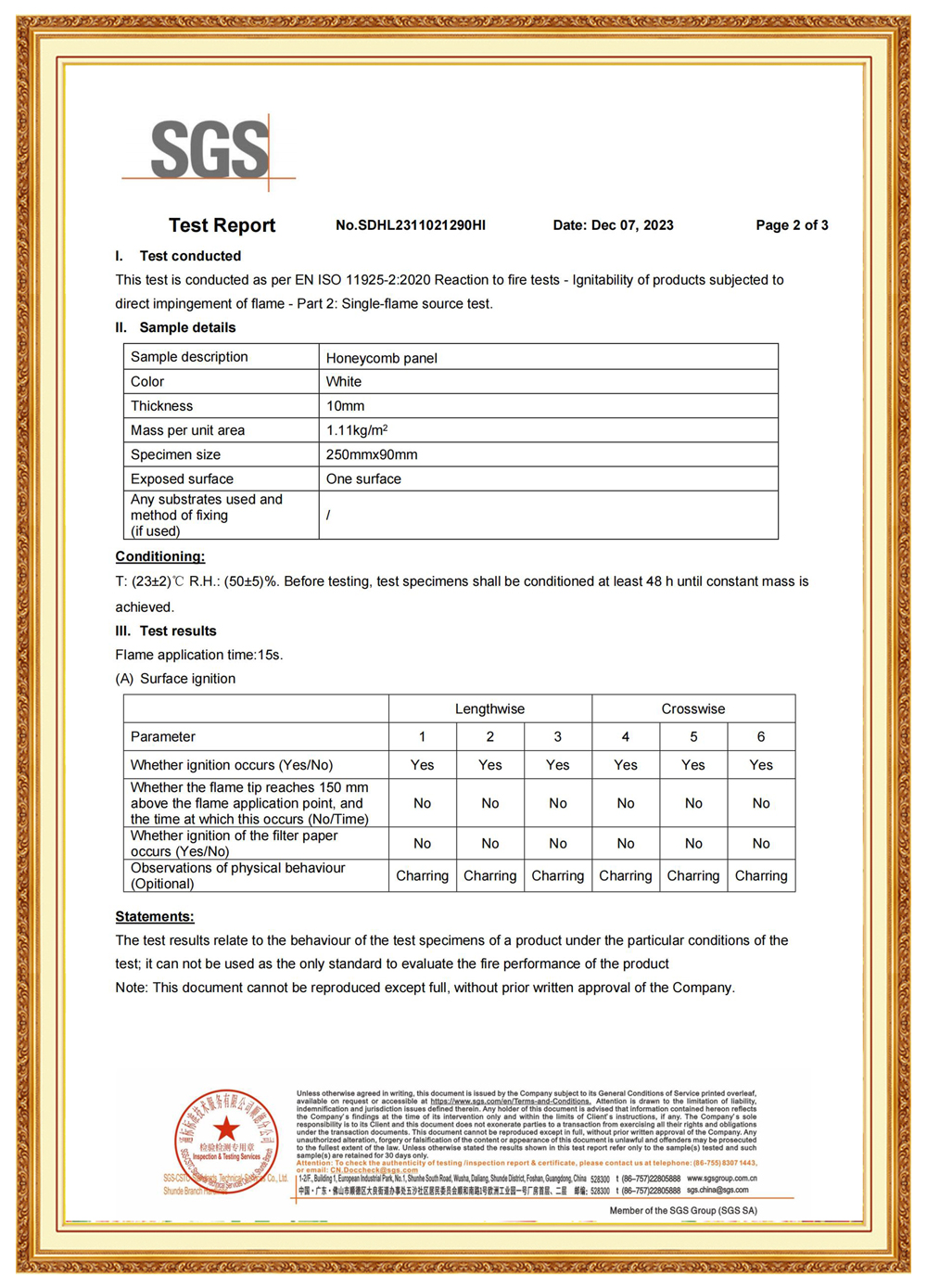
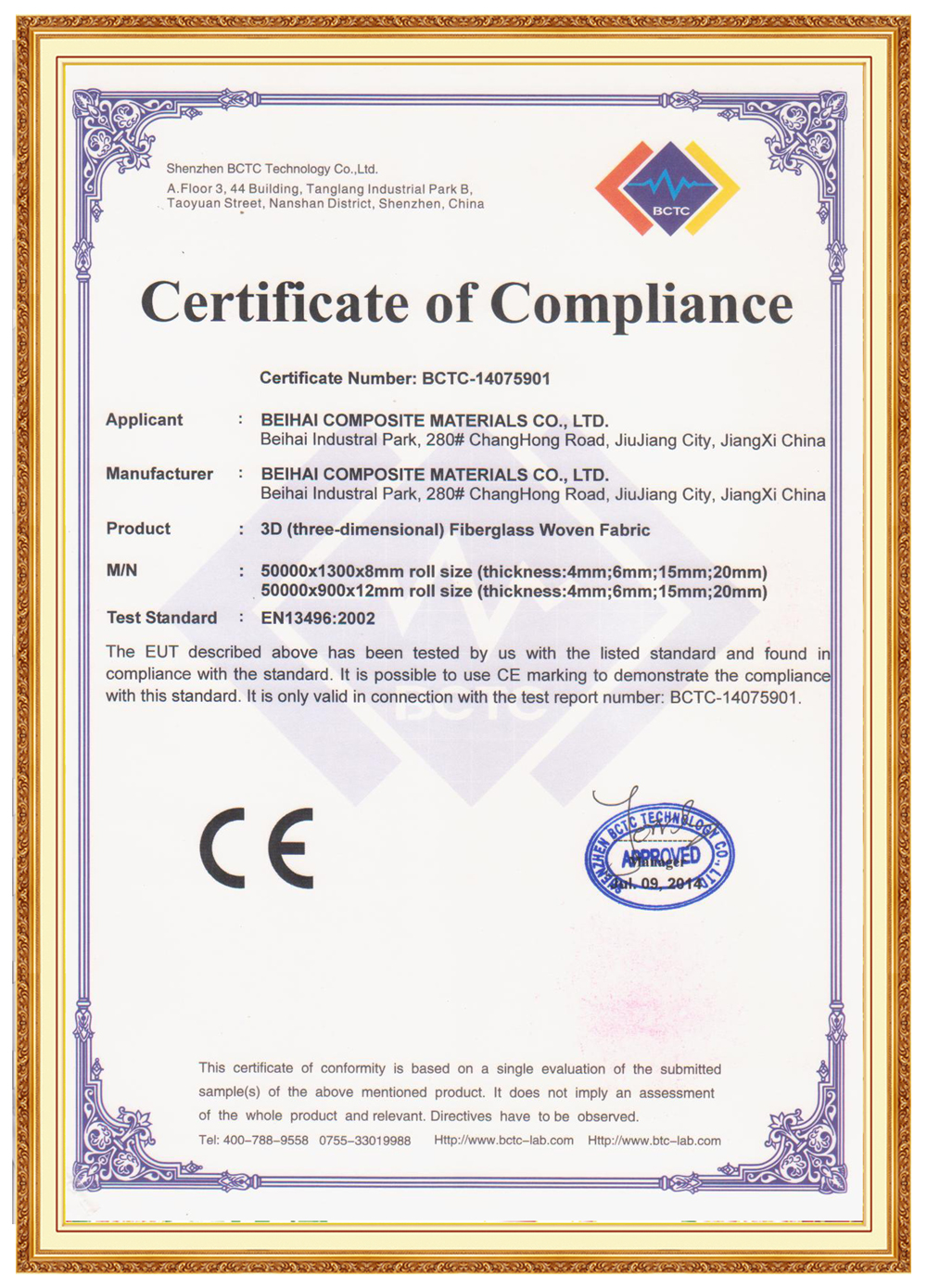
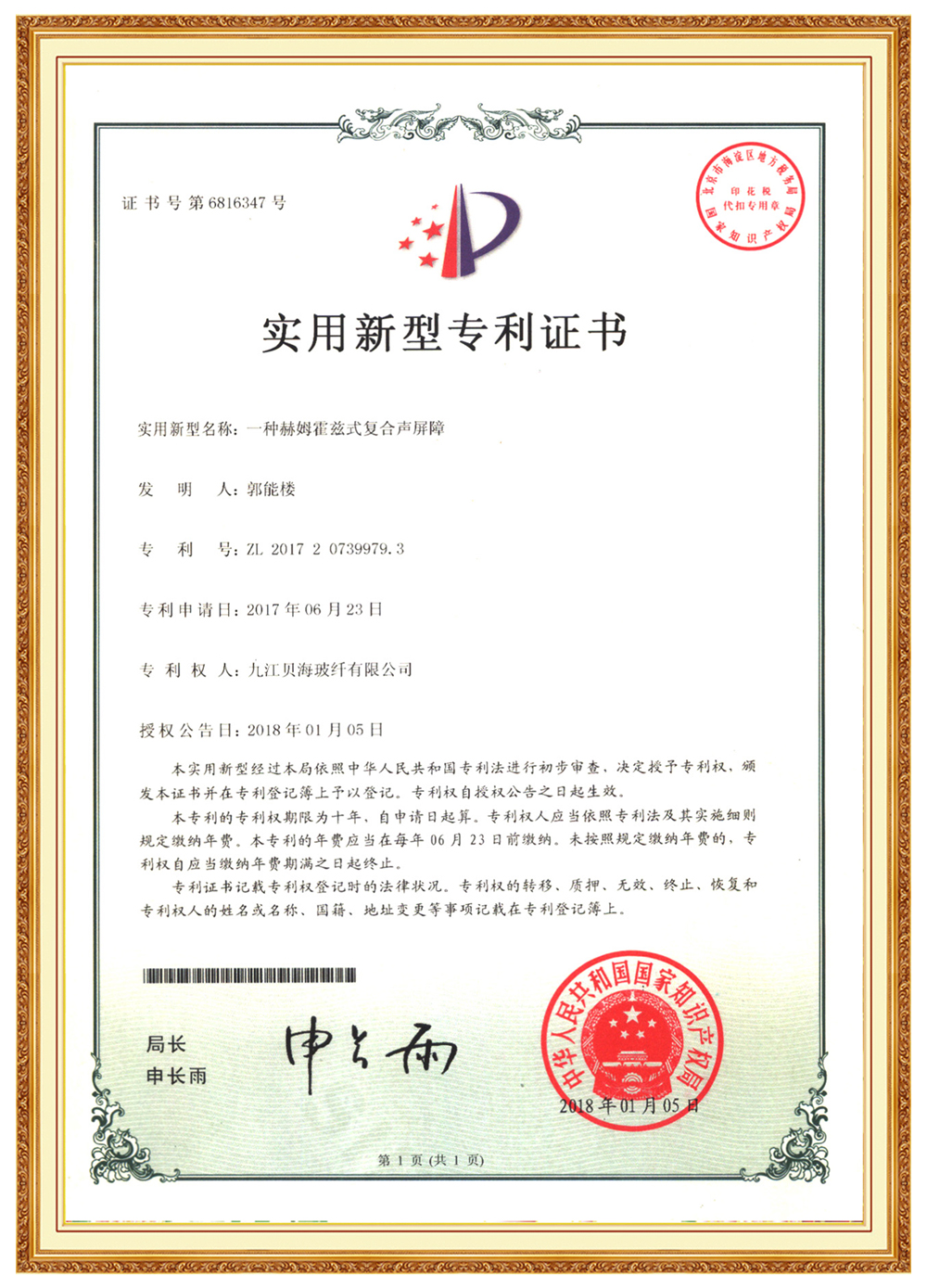
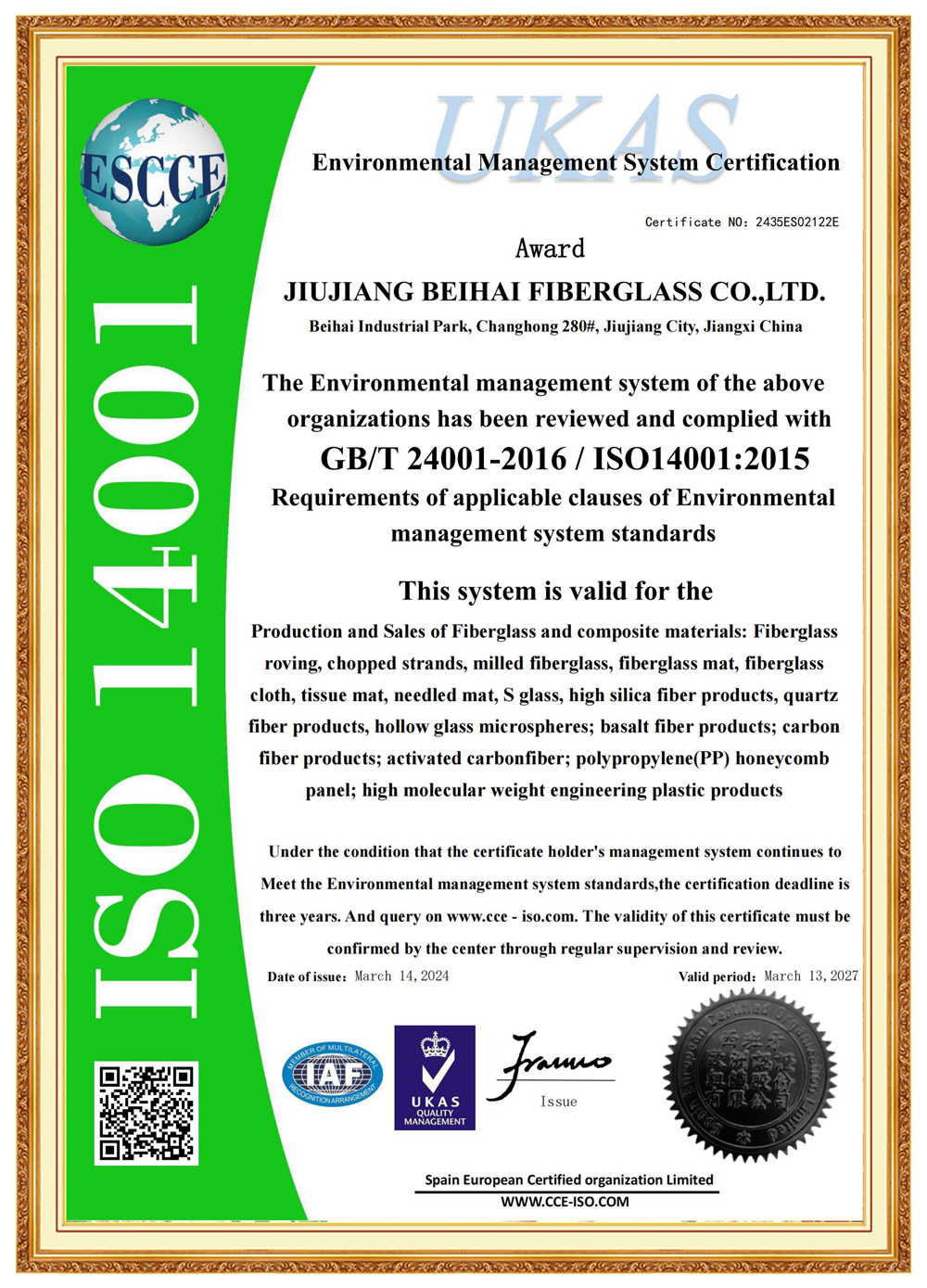
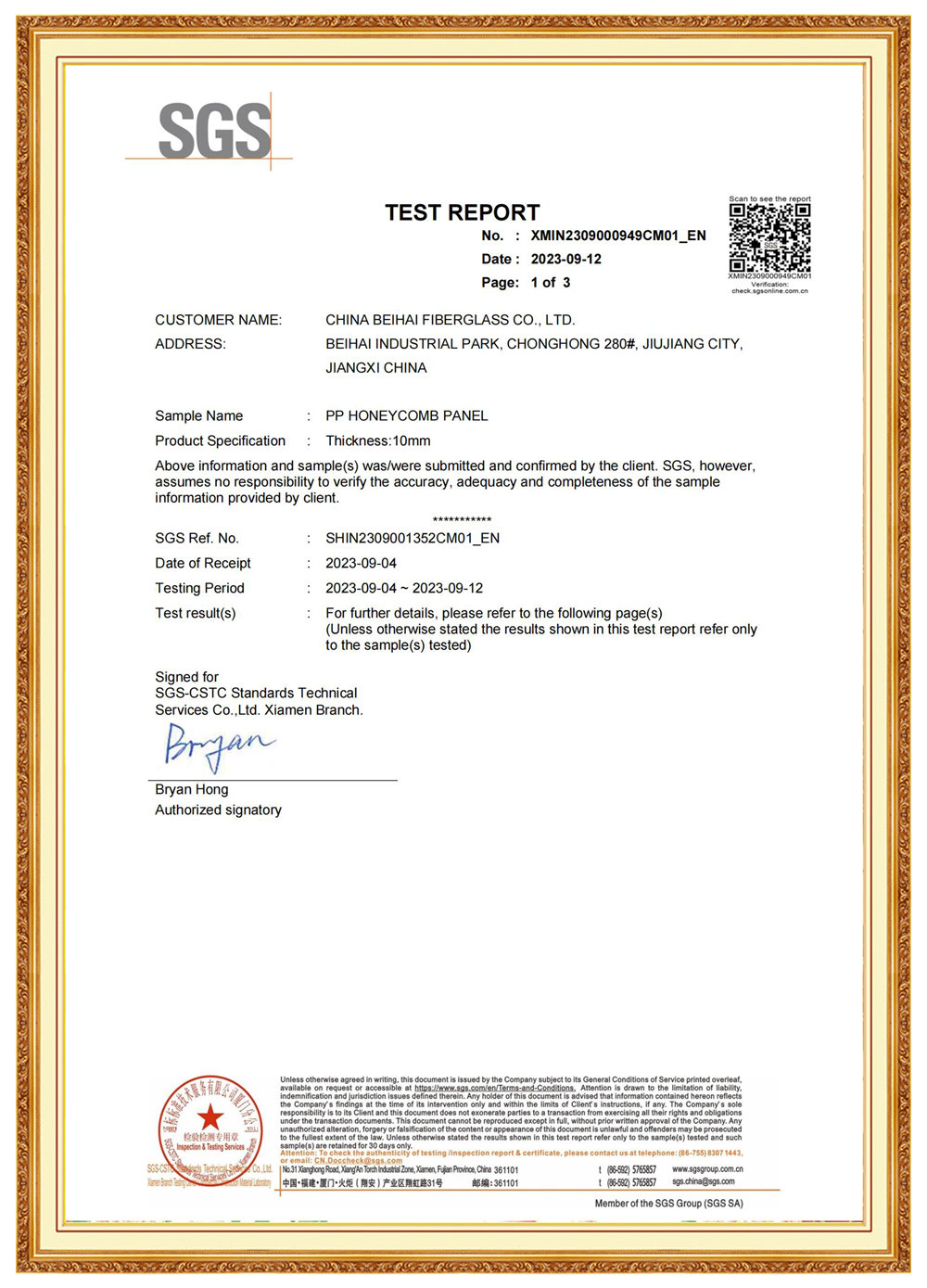
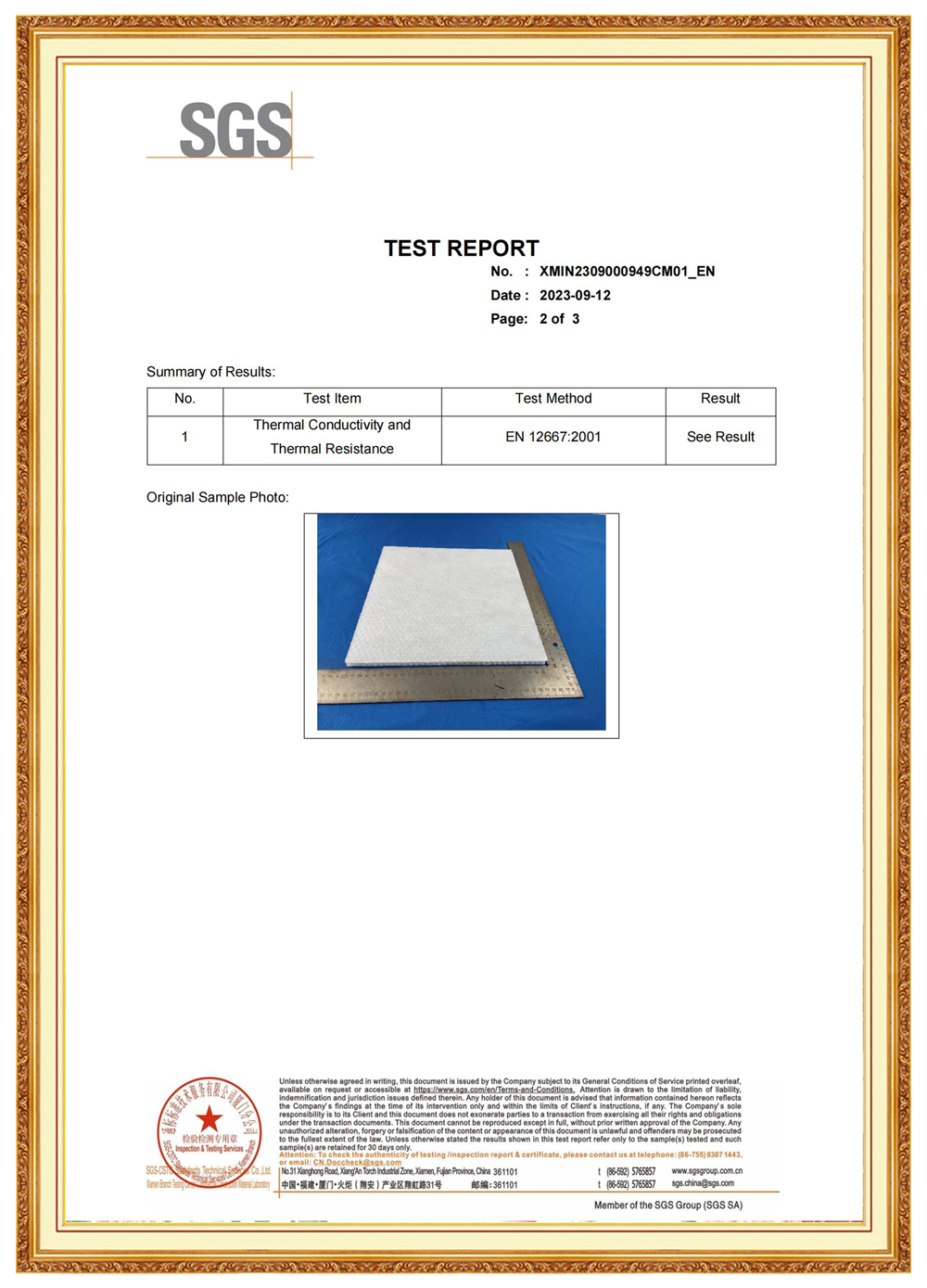
At China Beihai, our production operations are certified under strict international testing protocols. We maintain absolute transparency in physical verification tests, including ASTM, ISO, and EN compliance, ensuring that every batch of concrete reinforcement grid meets structural engineering requirements.

Highlighting new developments in continuous basalt fiber composite materials

As drones monitor construction sites and robotic systems automate concrete precasting in smart factories, structural components require reliable physical materials to back their design. Our high-performance continuous basalt fiber products provide this "hardcore support."
By introducing basalt geogrids and alkali-resistant meshes into standard concrete precasts, engineering firms can reduce structural thickness while enhancing impact resistance. This combination of structural strength and material longevity makes basalt composites a key driver in modern, high-tech infrastructure projects.
Read Full Research ArticleDirect engineering answers to procurement, structural, and installation queries
 Beihai Fiberglass