Explore our high-performance continuous basalt fiber product line, fully customizable to serve high-temp insulation, roadbed reinforcement, and composite manufacturing.
A trusted global manufacturer focusing on continuous volcanic rock processing technology and comprehensive advanced composite systems.
Founded & Pioneering
Continuous Basalt Filament
Continuous Temp Rating
Certificated Quality System
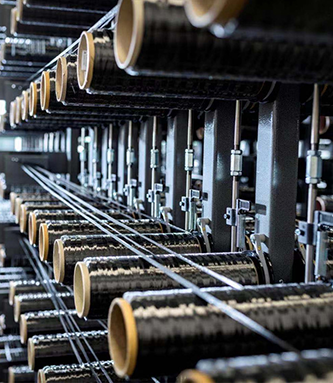
China Beihai was founded in 2015 in the high-tech development hubs of Jiujiang, Jiangxi Province. We have established ourselves as a premier national enterprise specialized in researching, developing, manufacturing, and deploying high-performance basalt continuous fibers and advanced proprietary production equipment.
Our core competency centers on processing naturally occurring volcanic basalt rock under extremely controlled conditions, reaching thermal extrusion stages at 1450°C. By transforming natural mineral compounds into micro-fine continuous filaments, we provide an environmentally safe, chemical-resistant alternative to synthetic fiber glass and carbon fibers.
Choosing to collaborate with China Beihai Group ensures that industrial buyers get direct-from-factory pricing, certified raw materials, and robust technical support from experienced polymer chemists and thermal engineers.
Unveiling high-quality, sustainable solutions optimized for mechanical, thermal, and geogrid applications.
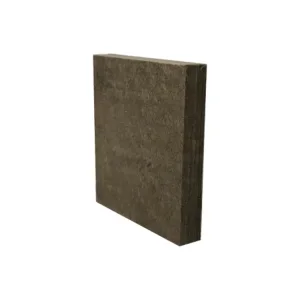
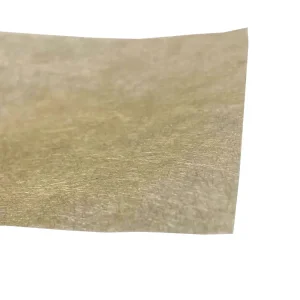
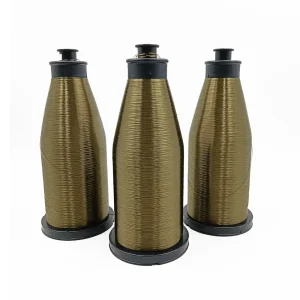
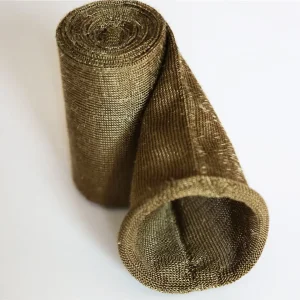
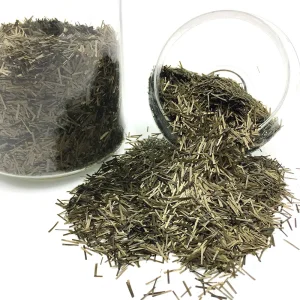
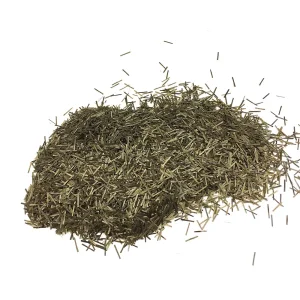
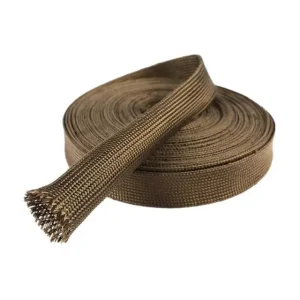
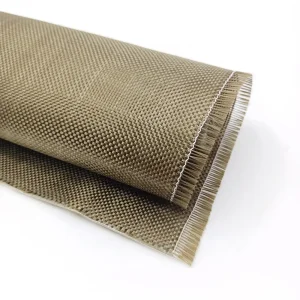
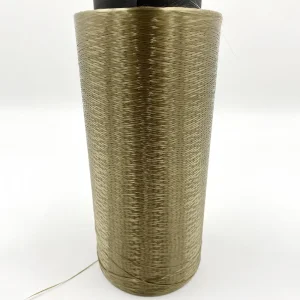
At China Beihai Group, we specialize in manufacturing a comprehensive range of premium basalt products, including chopped strand mats, high-tensile basalt fabric, continuous roving, twisted yarns, reinforcement rebars, and heat-treated protective sleeving. Our catalog is systematically engineered to withstand hostile environments.
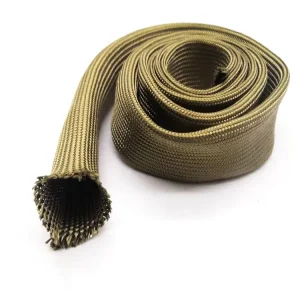
We supply massive infrastructure projects and global supply chains with advanced composite components. By continuously developing heat treatment methodologies, organic binders are entirely removed from our braided sleeves, preventing thermal off-gassing and delivering unmatched purity and stability to automotive exhaust and aerospace systems.
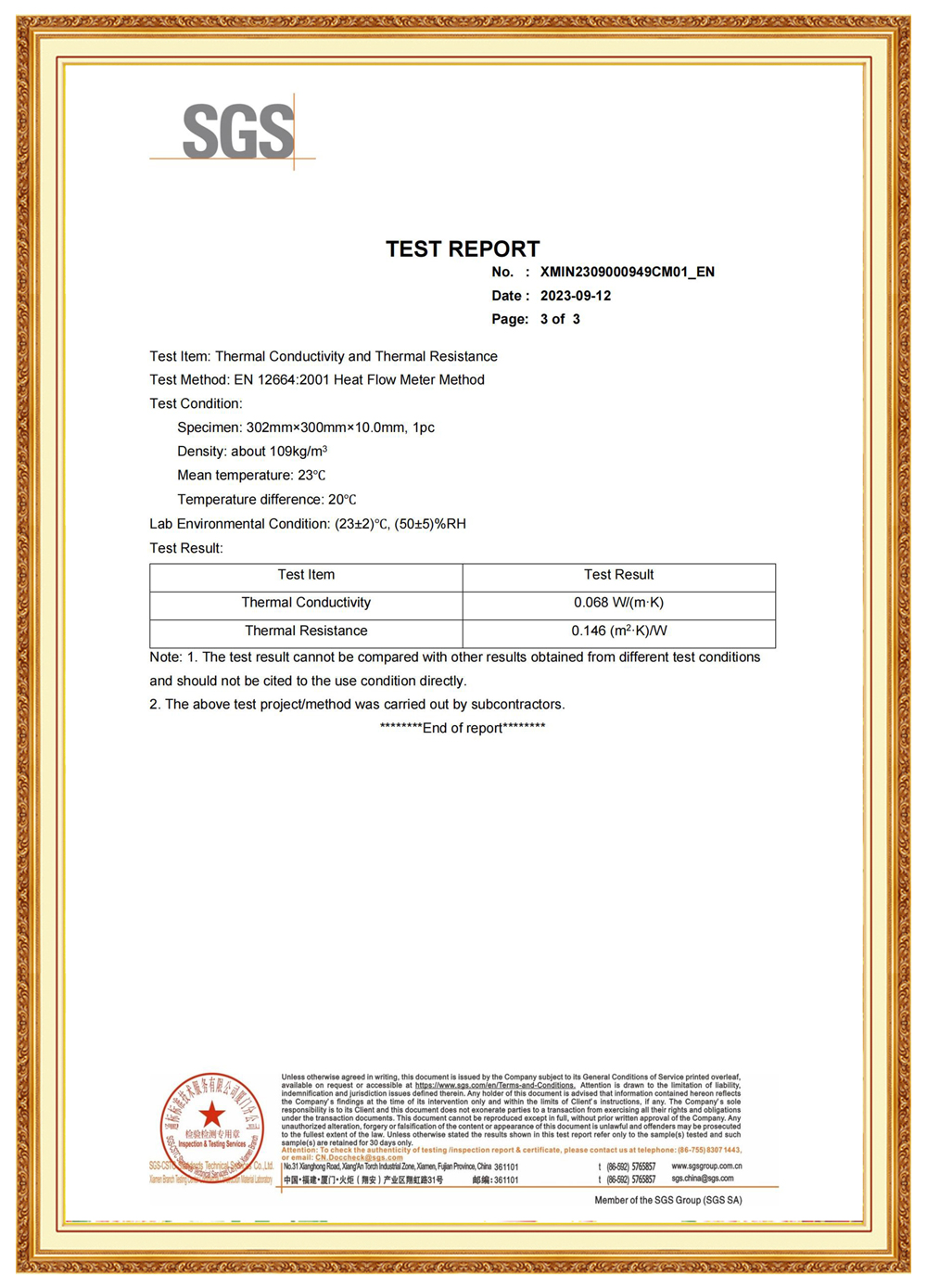
Choosing China Beihai Group means working alongside an industry pioneer. Our unwavering commitment to E-E-A-T principles guarantees that you receive raw materials with complete batch traceabilities, verified ASTM/ISO test certifications, and tailored high-temperature customized solutions designed to lower lifecycle costs.
A comprehensive analysis of thermal cleaning engineering, molecular stability, and environmental safety parameters.
Standard braided basalt sleeves utilize temporary chemical sizing (organic binders and starches) during the high-speed weaving process. These starches prevent individual basalt filaments—which are typically 9 to 15 microns in diameter—from fraying or fracturing. However, when standard sleeves are installed onto hot engines or piping systems, these organic binders undergo thermal degradation. This results in heavy smoke, toxic fumes, and temporary loss of insulating efficiency.
China Beihai Heat-Treated Basalt Fiber Sleeving undergoes a rigorous secondary thermal cleansing process. The sleeves are passed through continuous high-precision ovens operating between 450°C and 550°C. Under these monitored parameters, all organic sizing agents are thermally oxidized and burned off without compromising the high tensile strength of the core basalt filaments. The resulting product is completely odor-free, non-smoking, and chemically pure.
Derived from natural volcanic minerals, basalt fiber possesses inherent mechanical properties superior to typical fiberglass and even competitive silica sleeves at a lower price point:
With modern environmental protocols restricting hazardous materials like asbestos and refractory ceramic fibers (RCF), the global industrial sector has shifted rapidly toward mineral-based basalt fibers. In Europe and North America, stringent workplace safety regulations (such as OSHA and REACH) have accelerated the adoption of heat-treated basalt sleeves. Because they are non-respirable (filament diameters exceed 9 microns) and produce zero toxic emissions during commissioning, they are the preferred standard for municipal power grids, high-speed rail lines, and marine vessels.
How our heat-cleaned volcanic rock sleeves resolve critical high-temperature challenges across industries.
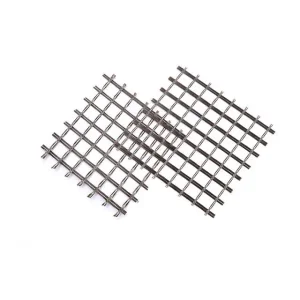
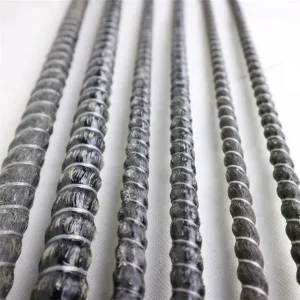
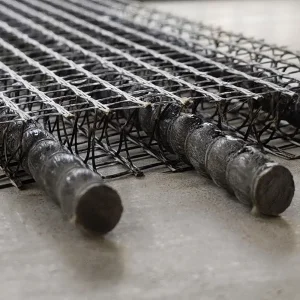
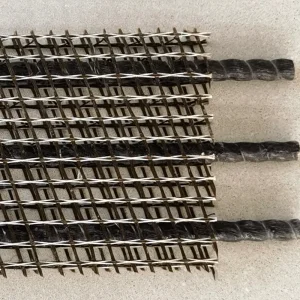
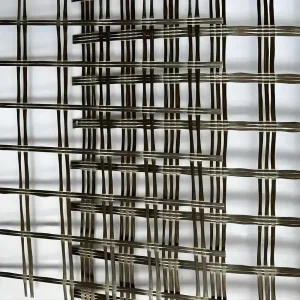
Our robust basalt reinforcement range including Basalt Fiber Rebar, concrete meshes, and chopped strands provides structural integrity to tunnels, highways, and ocean retaining walls. With natural alkali and corrosion resistance, they guarantee long-term concrete lifetimes.
Leveraging high weight-to-strength ratios, spacecraft shell insulation wraps, jet engine wiring harness protection, and high-temp fuel line systems depend directly on basalt thermal sleeving to survive cosmic conditions and excessive thermal friction.
Under-hood temperatures in modern turbocharged engines are extreme. Braided basalt sleeves and thermal wrap tapes insulate exhaust headers and catalytic converters, dramatically lowering intake temperatures while protecting delicate surrounding electrical sensors.
In highly corrosive petroleum processing environments, chemical acids and caustic salts deteriorate glass fiber structures. Basalt sleeves resist chemical degradation and insulate steam pipelines, hot valve junctions, and hydraulic control circuits.
Developing next-generation surface treatments and automated heat cleaning processes.
As a premier engineering group, China Beihai is investing aggressively in R&D. We are mapping out the next decade of advanced thermal shielding solutions:
Developing eco-friendly water-soluble sizing polymers that leave zero chemical ash behind during heat treatment, maintaining the original tensile strength of the volcanic fibers.
Upgrading Jiangxi factories with automated tension-controlled electric ovens. This real-time quality control system ensures uniform sizing burn-off across high-volume production lines.
Integrating basalt braid bases with high-performance silicone elastomers, fluoropolymers, and aerogel coatings to optimize chemical resistance and impact insulation.
Providing global engineering procurement teams with end-to-end custom configuration services.
From 1.5mm thin-wall sleeves to heavy industrial multi-ply barriers, we dynamically adjust braided densities, stitch geometries, and nominal diameters to match extreme technical specifications.
Our in-house laboratories run comprehensive thermodynamic evaluations, assessing heat retention, hot-pipe contact temperatures, and chemical degradation profiles under simulation conditions.
Operating directly from Jiujiang, Jiangxi, we ship globally. We optimize container shipping configurations for sea, air, and land transit, ensuring high product integrity upon arrival.
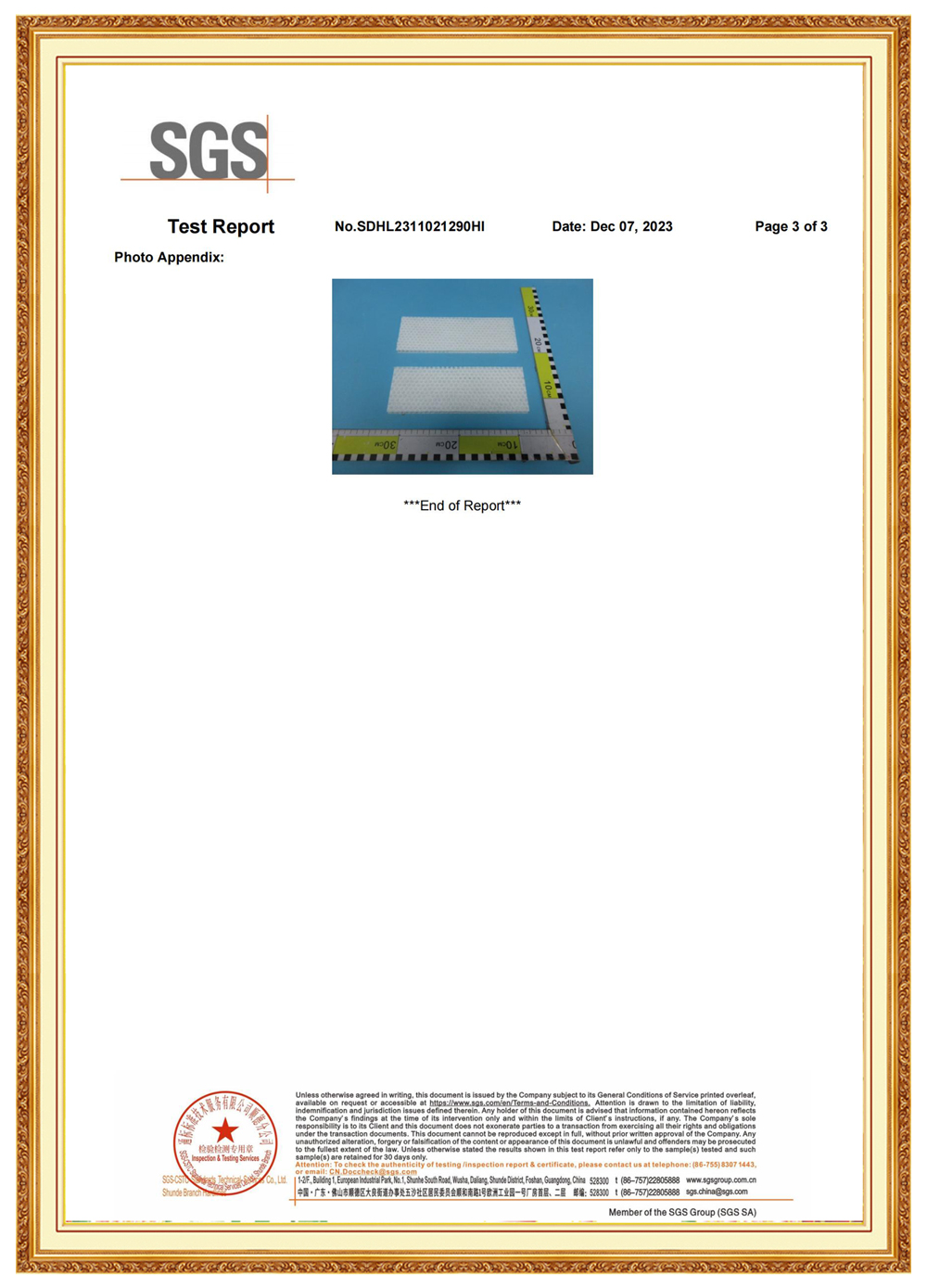
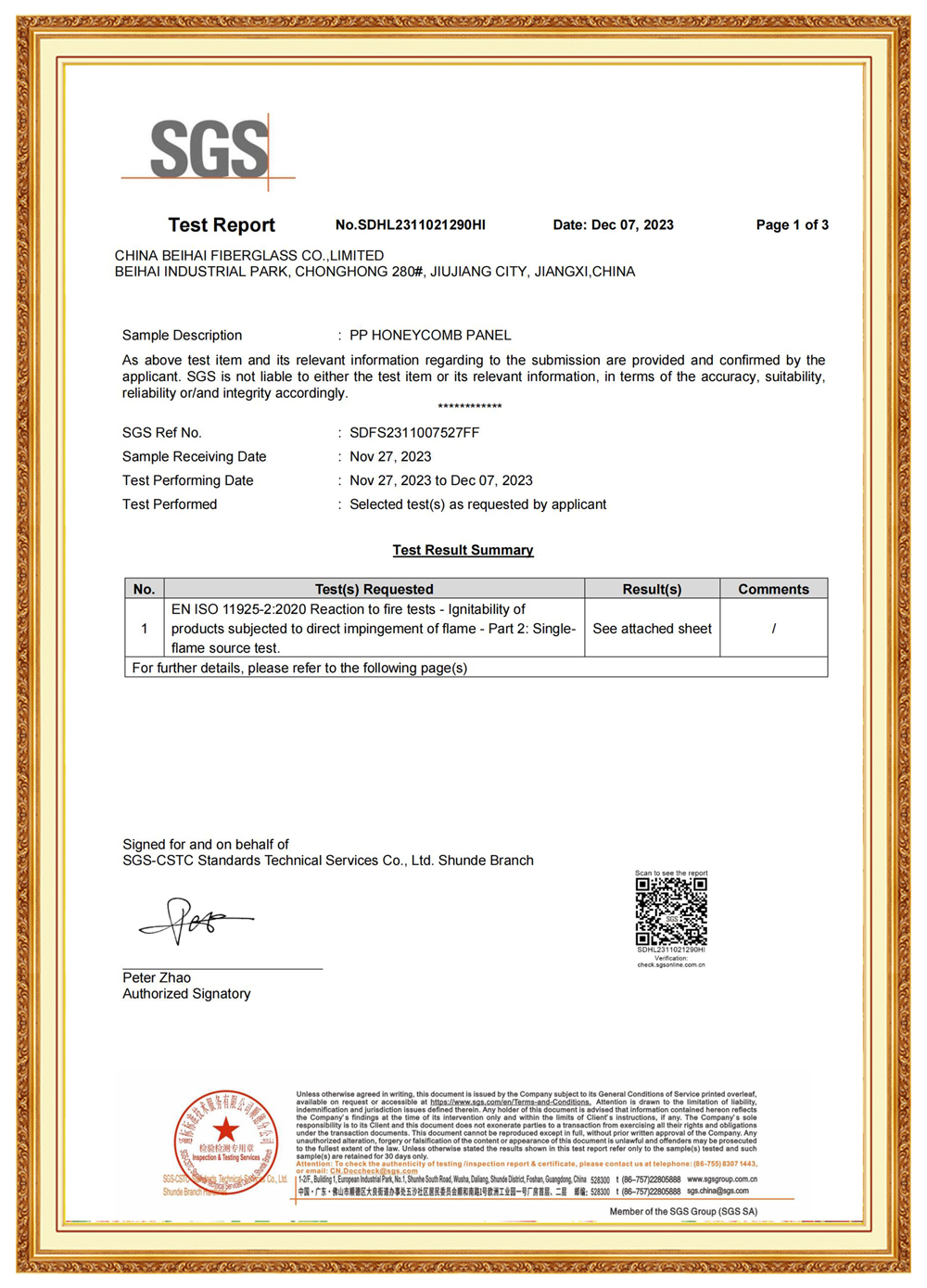
Ensuring that our production standards meet international engineering protocols.
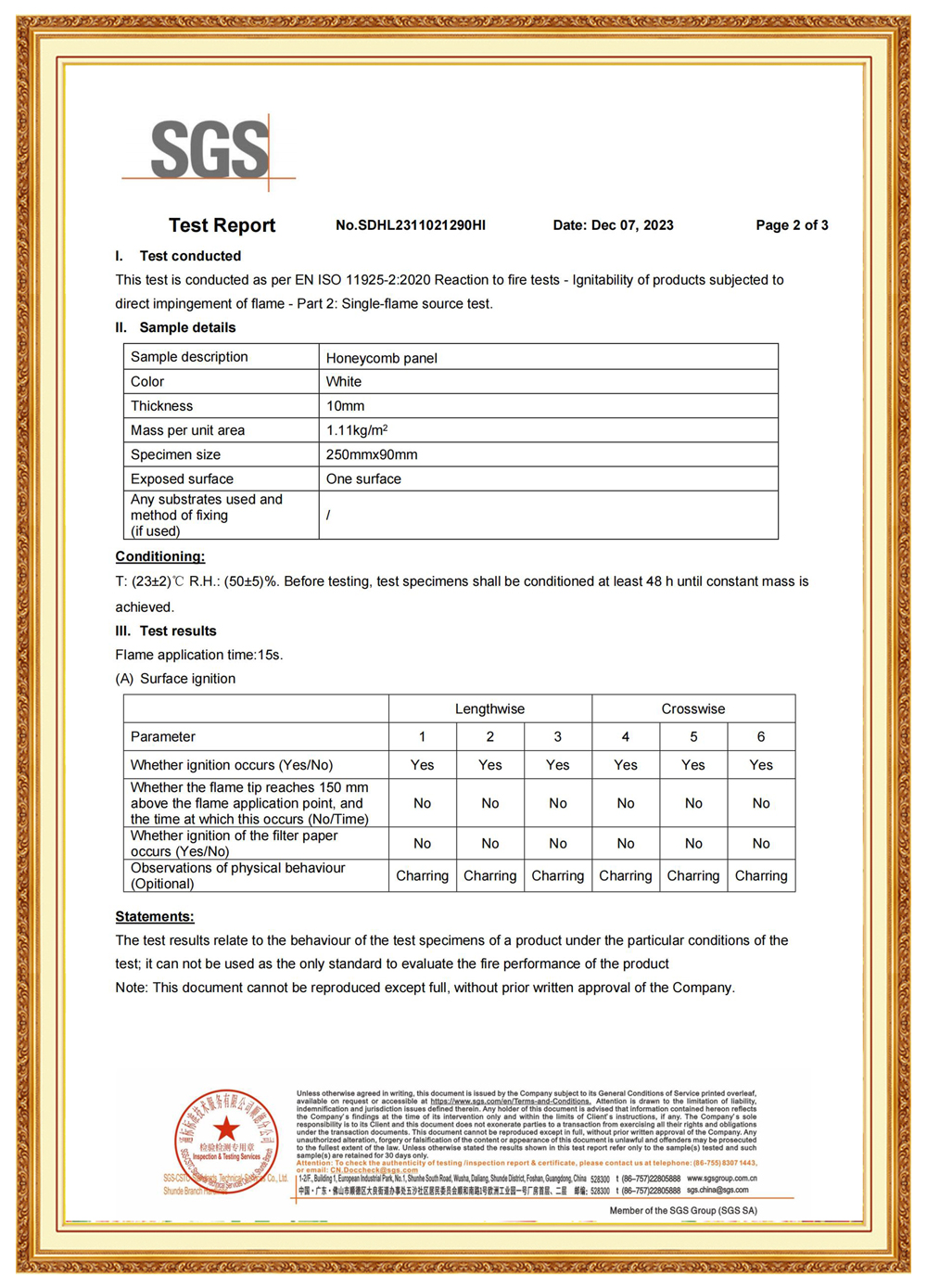
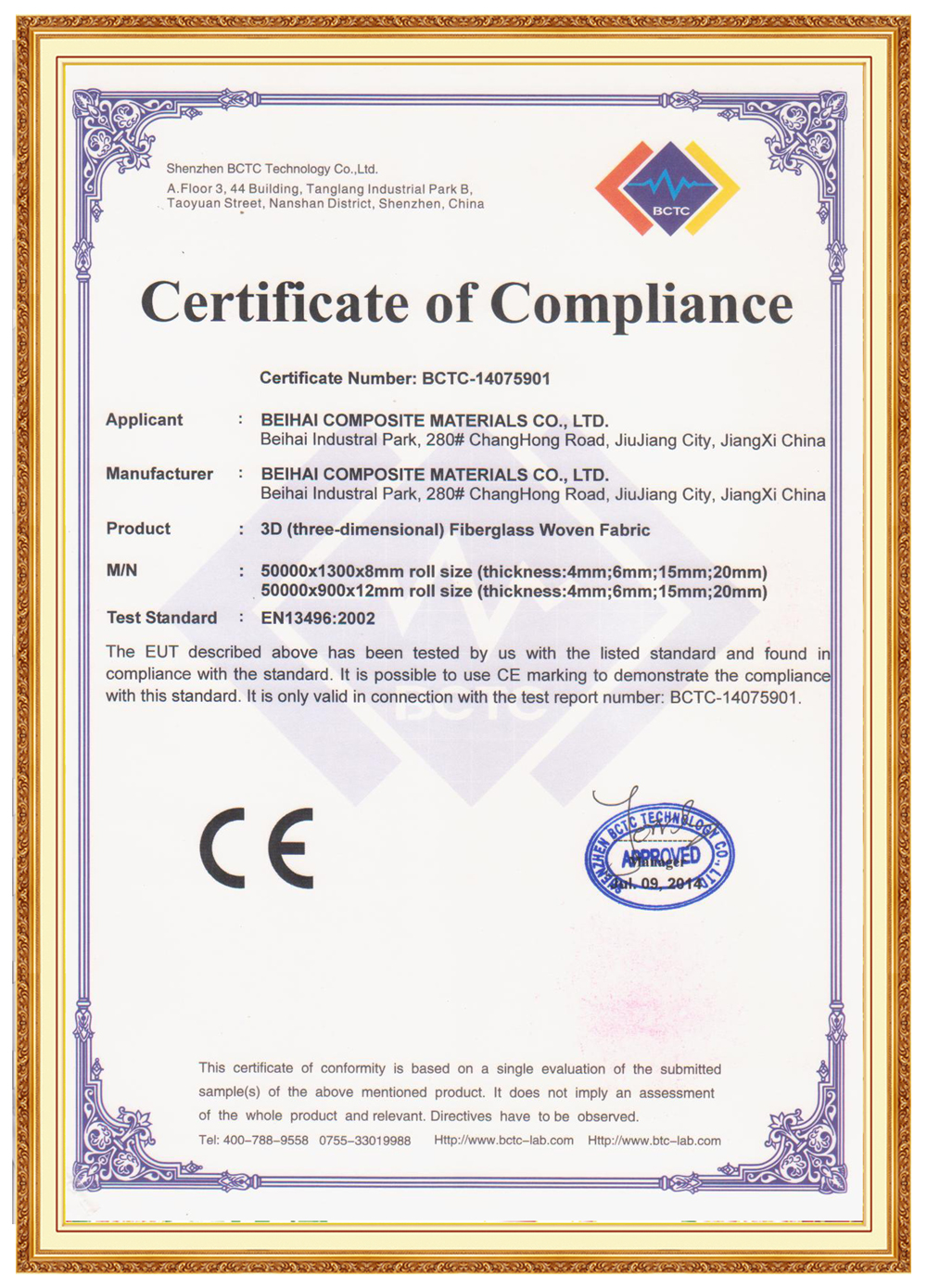
Staying ahead of composite materials engineering and emerging high-temp technologies.

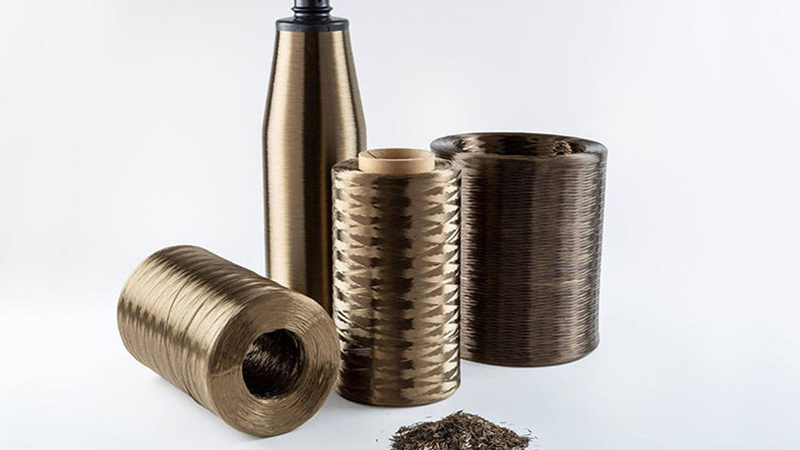
As intelligent drones slice through hostile skies monitoring active wildfires, and automated robots execute highly repetitive welds in metallurgy bays, industrial designers face a critical challenge: component wiring heat exposure. Traditional polymer coatings fail under ambient radiant heat, resulting in signal errors or electrical shorts.
By adopting China Beihai Heat-Treated Basalt Fiber Sleeving, manufacturers gain a critical advantage. Completely devoid of dynamic smoke off-gassing and delivering a persistent thermal barrier, these volcanic sleeves provide the robust physical protection that modern smart factories need. Our research teams have repeatedly achieved continuous operational success, stabilizing microelectronic wires in hostile high-heat testing chambers.
Answering high-intent technical questions from engineers, buyers, and plant operators.
Review the second part of our advanced basalt catalog, featuring custom rebar products, structural mesh, and high-temp sleeves.
 Beihai Fiberglass