Engineered continuous volcanic filament structures designed for maximum tensile strength, extreme thermal endurance, and permanent alkali resistance.
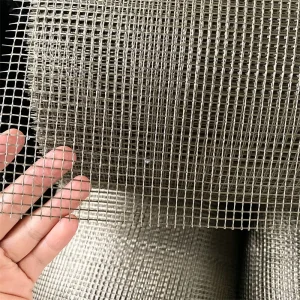
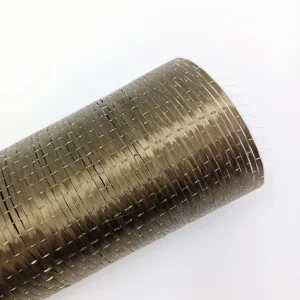
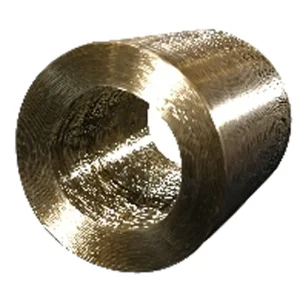
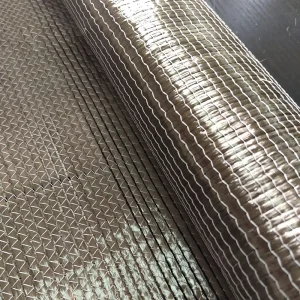
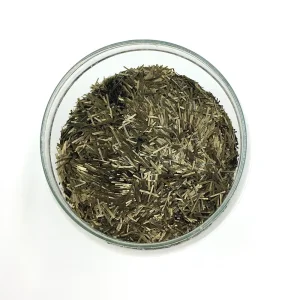
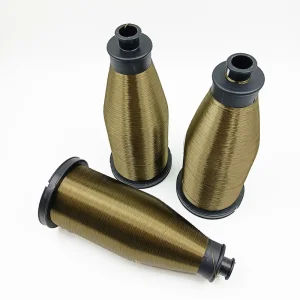
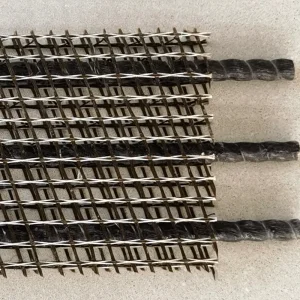
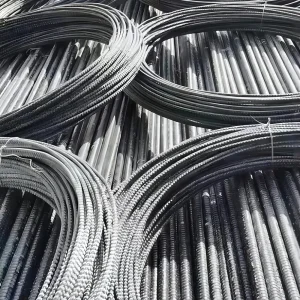
In the field of high-performance structural reinforcement materials, global infrastructure developers, aerospace engineers, and automotive designers are undergoing a profound paradigm shift. The historical reliance on traditional E-glass fibers, which face chemical degradation in highly alkaline concrete environments, and carbon fibers, which present prohibitive cost-benefit barriers for large-scale municipal projects, has driven the demand for high-performance alternatives. Continuous Basalt Fiber (CBF), manufactured by melting pure, single-component volcanic basalt rock at extreme temperatures, stands as the premier sustainable, high-tensile material solution of the 21st century.
Unlike composite configurations requiring synthetic chemical compositions, basalt continuous fiber is a 100% natural, green, inorganic material. When basalt raw stone is processed through high-precision platinum-rhodium alloy bushing drawing technology, it yields filaments characterized by exceptionally high elastic modulus, high thermal resistance (operational from -260°C to +820°C), absolute corrosion immunity, and innate resistance to acids and alkalis. As a leading high-tech manufacturer, China Beihai Group (founded in 2015, based in Jiujiang, Jiangxi) stands at the forefront of this industrial transformation, supplying global markets with bespoke, structural-grade custom basalt fiber applications.
From an ecological standpoint, basalt fiber production possesses an incredibly low carbon footprint. Because the manufacturing process requires no toxic chemical additions or volatile organic solvents, the material lifecycle conforms to the strictest ESG mandates, such as the EU Green Deal and local structural decarbonization codes. For procurement directors seeking long-term structural integrity and competitive material performance, continuous basalt fiber offers an unparalleled return on investment by practically eliminating post-installation maintenance overheads.
To accurately capture the material superiority of continuous basalt fiber, engineers must evaluate the compound's chemical structure and mechanical characteristics. The basalt raw mineral mined from selected volcanic quarries consists mainly of plagioclase, pyroxene, and olivine. Its structural characteristics are determined by the network-forming oxide content, primarily Silicon Dioxide ($SiO_2$) and Aluminum Oxide ($Al_2O_3$), which provide the underlying polymeric network of the drawn fiber.
| Physical property parameter | Continuous Basalt Fiber (CBF) | E-Glass Fiber | Carbon Fiber (Standard Pan) |
|---|---|---|---|
| Density ($g/cm^3$) | 2.63 - 2.80 | 2.54 - 2.60 | 1.75 - 1.80 |
| Tensile Strength (MPa) | 3,200 - 4,800 | 2,000 - 3,400 | 3,500 - 4,900 |
| Elastic Modulus (GPa) | 85 - 95 | 72 - 76 | 230 - 240 |
| Elongation at Break (%) | 3.1 - 3.2 | 4.5 - 4.8 | 1.5 - 2.0 |
| Thermal Conductivity (W/m·K) | 0.031 - 0.038 | 0.034 - 0.040 | 8.0 - 70.0 |
| Service Temperature Limit (°C) | -260 to +820 | -60 to +650 | -50 to +500 (in oxygen) |
| Dielectric Loss Tangent (at 1MHz) | 0.0015 - 0.0050 | 0.0040 - 0.0070 | High (Conductive) |
This technical superiority translates to direct engineering benefits across diverse scenarios. The extremely low dielectric loss tangent renders basalt fiber composites non-conductive and invisible to electromagnetic interference, making them the industry standard for constructing high-voltage electrical transmission grids, power stations, and MRI medical facilities. Furthermore, the acoustic attenuation properties of basalt fiber needle mats are highly optimized compared to synthetic glass wool, providing superior sound-dampening indices in high-speed rail cabins and automotive engine compartments.
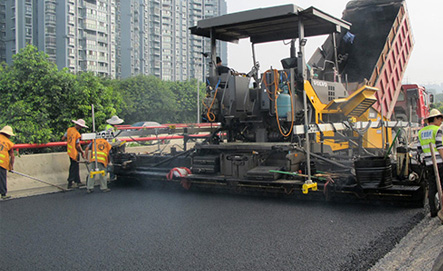
Currently, the international industrial demand for basalt fiber is experiencing exponential growth. Geographically, structural engineering codes in North America and Western Europe have officially integrated fiber-reinforced polymer (FRP) standards, specifically designating basalt-based reinforcement rebars for civil engineering structures. Bridge decks, seawalls, high-speed toll pavements, and structural foundations exposed to high-salinity de-icing salts or marine air are rapidly replacing traditional steel rebar with basalt fiber rebar.
However, the global supply of premium-grade continuous basalt fiber faces severe capacity constraints due to the complex thermal balance required in production. Designing and operating a stable, 100-ton capacity volcanic melt furnace requires massive capital investment and profound engineering expertise. Many localized Western fabricators fail to achieve consistent thermal homogenization during high-velocity extrusion, leading to micro-voids and tensile instability within the single filaments.
Access to pristine volcanic basalt deposits in the region enables high chemical consistency, minimizing structural variance within raw rocks before they enter the processing line.
Advanced gas-induction hybrid multi-zone furnaces keep the volcanic magma at exactly 1450°C to guarantee smooth draw speeds and dynamic control of fiber cross-sections.
Advanced chemical sizing technologies ensure excellent interface compatibility with specific polymer formulations including epoxy, polyester, and vinyl ester matrices.
This is where China Beihai Group provides an irreplaceable supply chain buffer. By executing extreme quality-control structures at our Jiujiang factory corridor, we bridge the gap between heavy primary mineral extraction and precision micro-chemical surface sizing. This technical integration ensures that the raw composite properties are preserved from the volcanic melt all the way to final structural applications.
Understanding why China Beihai Group can consistently deliver high-performance continuous basalt fiber at globally competitive price points requires an analysis of our integrated manufacturing ecosystem in Jiujiang, Jiangxi. Since our founding in 2015, we have committed ourselves to building a vertically integrated enterprise that controls everything from basalt furnace design and machinery patent engineering to high-performance fiber winding and final custom rebar fabrication.
Many global suppliers operate purely as down-stream textile weavers, importing basalt roving from secondary manufacturers. China Beihai Group, conversely, designs and manufactures its own basalt fiber continuous production lines. This internal capability reduces capital equipment costs, enables rapid software integration for furnace flame monitoring, and allows us to customize continuous filament dimensions on demand. Our facility handles raw rock crushing, chemical pre-washing, multi-stage induction melting, high-speed drawing, sizing application, and rewinding in a single, continuous, highly automated workflow.
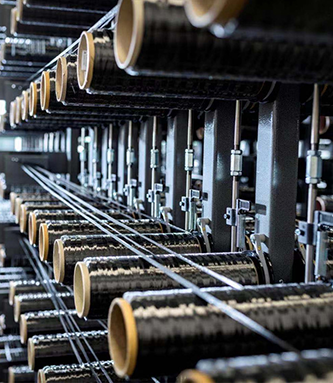
Melting basalt requires sustaining an operating environment above 1450°C. By leveraging China’s highly integrated industrial energy networks, our Jiujiang plant utilizes advanced multi-channel recuperative gas-firing technology coupled with oxygen-enriched combustion. This reduces our fuel consumption ratios by up to 28% compared to traditional single-unit reverberatory furnaces. Our automated closed-loop cooling water system recycles 98.5% of process water, keeping operations highly efficient and aligned with international environmental standards.
Located on the banks of the Yangtze River, Jiujiang serves as a major logistical hub, linking directly to the deep-water ocean ports of Shanghai and Ningbo. This allows us to offer bulk basalt fiber shipments with low inland transit costs, rapid custom clearance pathways, and short shipping lead times. Whether shipping containerized roving to North America, customized fireproof textiles to the European Union, or high-tensile basalt rebars to infrastructure projects in Southeast Asia, our logistics network ensures timely and secure deliveries.
To successfully integrate basalt continuous fiber products, engineering and design teams must map the material's properties to their specific geographic and regulatory landscapes. Continuous basalt fiber is not a one-size-fits-all product; it is a highly custom-engineered substrate tailored to local challenges.
Providing high-strength basalt rebar and mesh solutions to substitute corrosive steel structures in civil engineering projects globally.
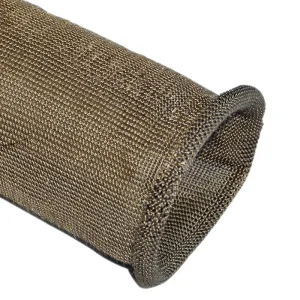
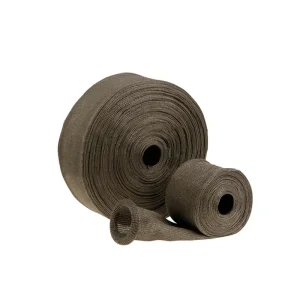
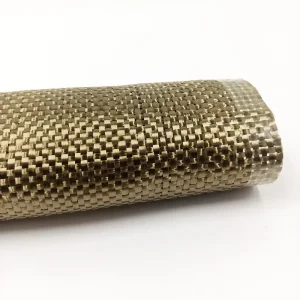
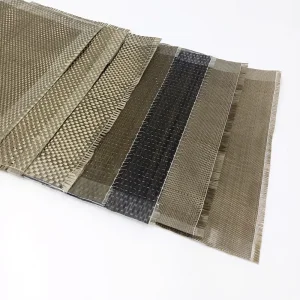
Tailored woven and needle-punched fabrics for advanced fireproofing, automotive exhaust shields, and thermal barriers.
Co-developing specialized sizing chemistry to ensure seamless integration with modern thermoplastic and thermoset resin systems.
Traditional structural steel exposed to salt-water environments rapidly expands due to rust, cracking the surrounding concrete. E-glass fiber reinforcement is also prone to degradation from the highly alkaline concrete pore solution. Basalt continuous fiber rebar is completely inert to sodium chloride, sulfate attacks, and alkaline environments. Coastal seawalls and harbor docks constructed using China Beihai's custom non-conductive, corrosion-resistant basalt rebar have a projected maintenance-free lifespan exceeding 100 years, outperforming steel-reinforced alternatives.
In electric vehicles (EVs), passenger cell safety and structural weight are critical design factors. Basalt fiber woven fabric, when impregnated with high-performance epoxy resins, provides exceptional impact protection and high-temperature flame barriers. EV battery enclosures lined with Basalt Fiber Needle Mats prevent thermal runaway propagation, containing fires up to 1000°C while reducing the assembly's overall structural weight compared to steel or aluminum panels.
Petrochemical plants handle highly aggressive acidic and alkaline compounds that degrade stainless steel and E-glass pipelines. By using continuous filament winding with China Beihai Basalt Fiber Roving and specialized resin systems, engineers produce chemical transport lines with outstanding mechanical strength and chemical resistance. This reduces maintenance shutdowns and prevents leaks in critical operations.
China Beihai Group is actively pushing the boundaries of continuous basalt fiber technology. Our research team has established a comprehensive technology roadmap designed to further improve structural performance, reduce processing energy costs, and expand industrial application scopes.
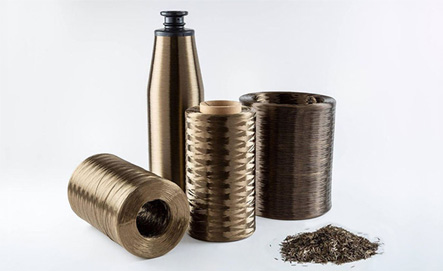
Optimized for high-speed filament winding and pultrusion lines, presenting zero fuzzing, high tension consistency, and rapid resin wet-out characteristics.
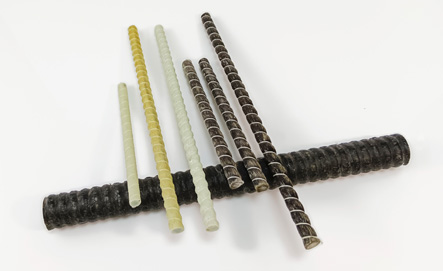
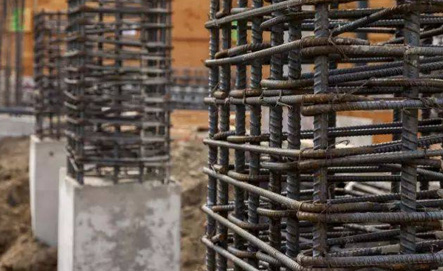
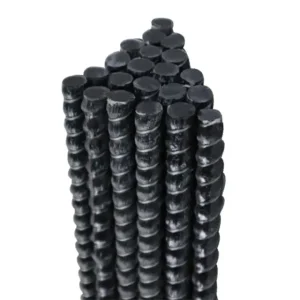
Sand-coated and ribbed profiles ensuring excellent physical grip and mechanical interlocking within concrete structures, providing permanent rust protection.
To ensure seamless integration with international building and engineering standards, China Beihai Group has obtained comprehensive certifications across our product lines. We recognize that engineers require structural validation and documented proof of compliance before specifying basalt composites in municipal or private projects.
Our quality management systems are certified to ISO 9001:2015, with our composite rebars and fabrics rigorously tested to meet global standards including ASTM D7205 (Standard Test Method for Tensile Properties of Fiber Reinforced Polymer Matrix Composite Bars), ACI 440.1R-15 (Guide for the Design and Construction of Structural Concrete Reinforced with FRP Bars), and CE Marking for EU structural products.
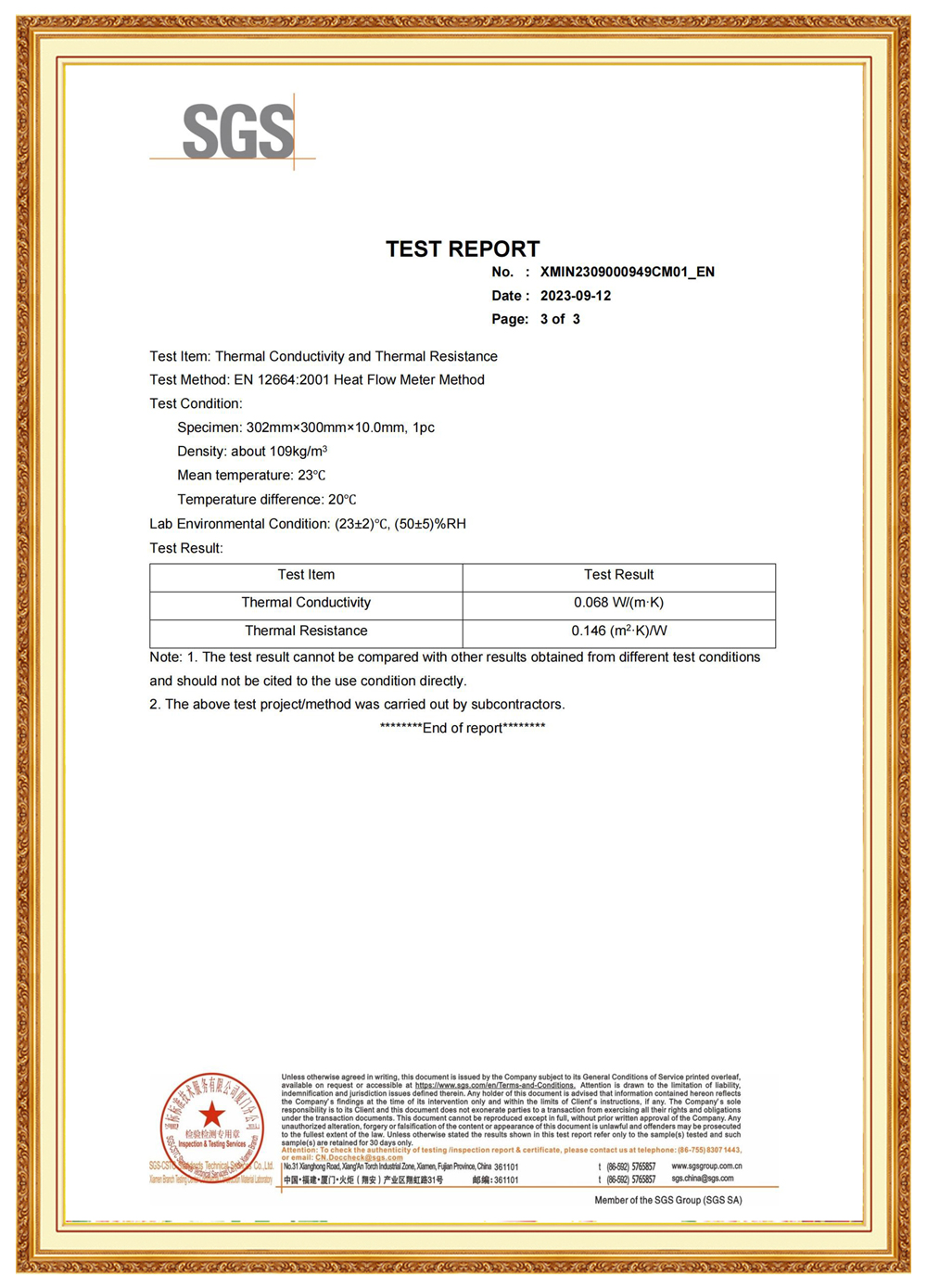
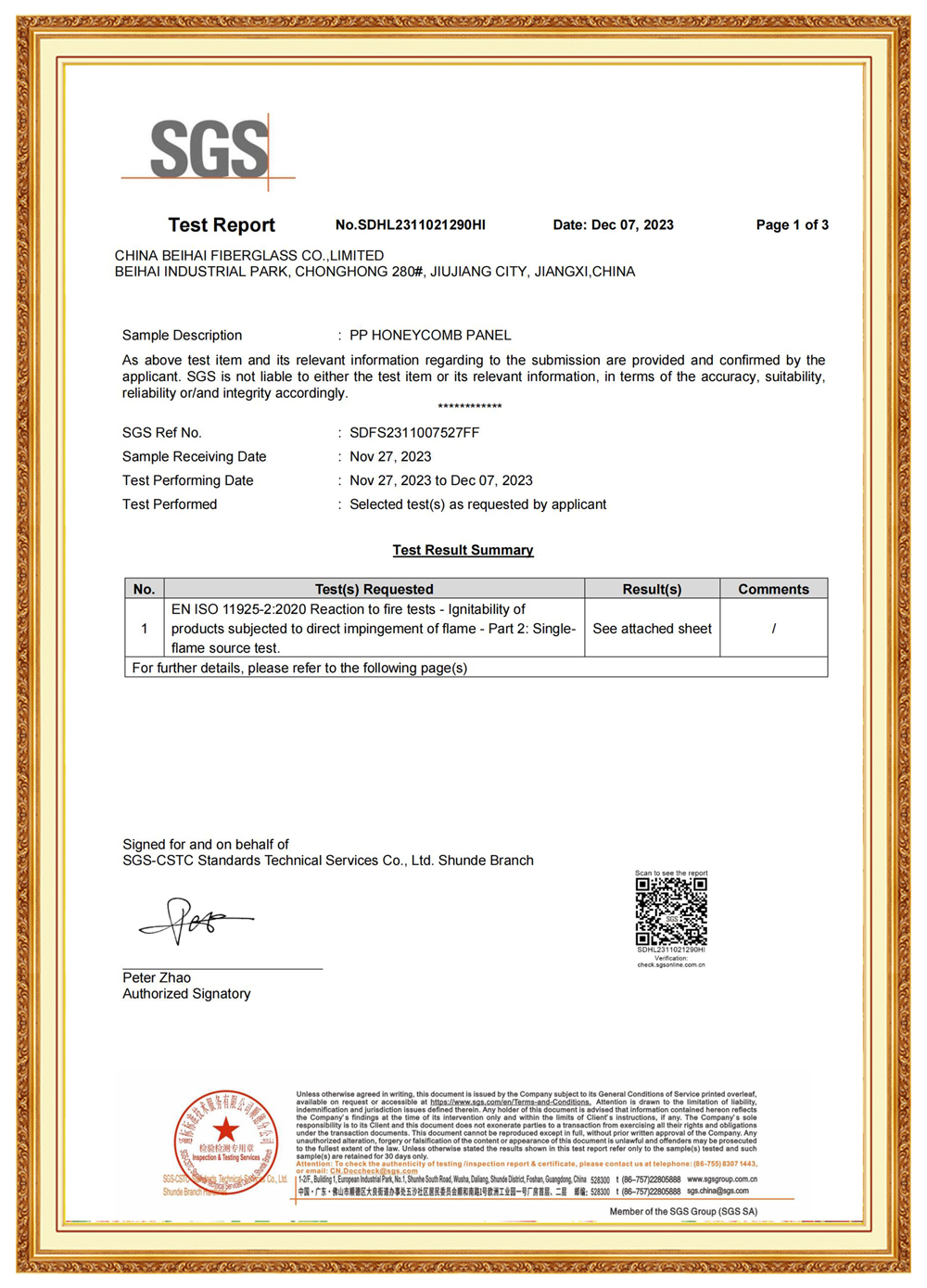
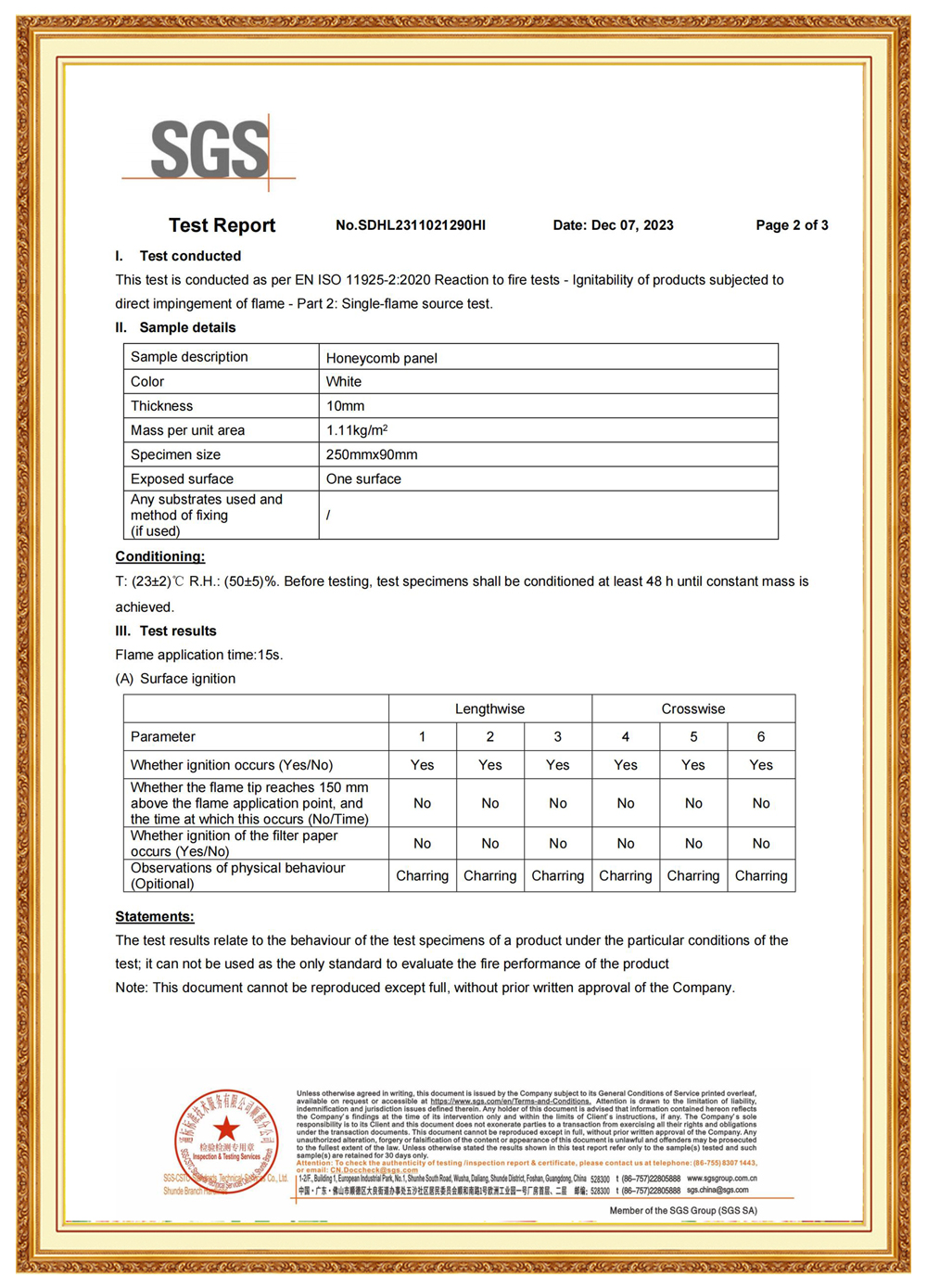
In addition, China Beihai Group provides customized technical support. Our engineers can simulate structural loads, design bespoke textile weaves, and match specialized silane sizing chemistry to ensure compatibility with your localized resin matrix system.
Our engineering support team answers the most common technical questions regarding continuous basalt fiber design, processing, and application.
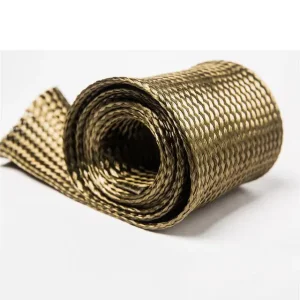
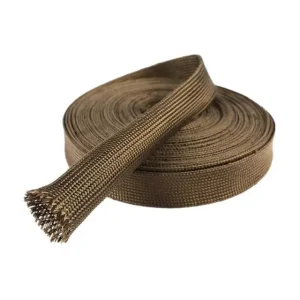
Highly specialized composite materials, protective sleeves, and precision tapes designed for extreme environments and industrial insulation projects.
 Beihai Fiberglass


