Global Manufacturer & Supplier of Next-Generation BFRP Reinforcement Solutions
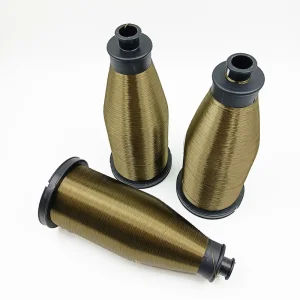
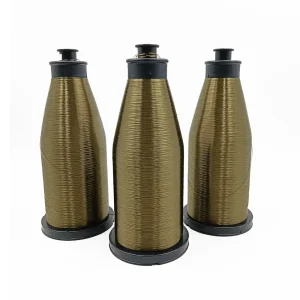
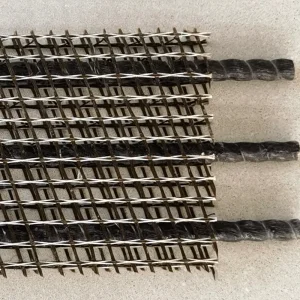
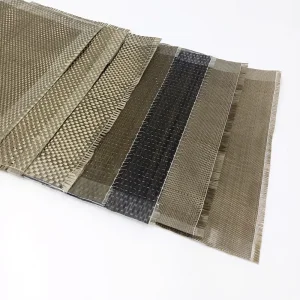
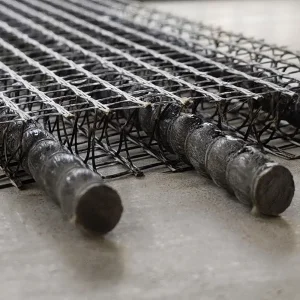
In the realm of modern civil engineering, the limitations of traditional carbon steel reinforcement—primarily susceptibility to corrosion and electrolytic degradation—have spurred a global search for sustainable alternatives. Enter the "Basalt Steel Bar" (more technically known as Basalt Fiber Reinforced Polymer, or BFRP rebar). As a premier manufacturer, China Beihai is at the forefront of this material revolution.
The custom durability of basalt bars stems from their unique molecular structure. Unlike steel, which requires heavy cathodic protection, BFRP is inert. It provides an exceptional strength-to-weight ratio, effectively three times the tensile strength of steel at one-quarter of the weight. This isn't just a replacement; it’s an evolution in infrastructure longevity.
Our R&D team continuously optimizes the resin-to-fiber ratio to ensure each batch meets rigorous international standards. By manipulating the pultrusion process, we tailor the "custom durability" of our bars, ensuring specific chemical resistance for acidic environments (like wastewater treatment plants) versus high-thermal resistance for aerospace applications.
The global infrastructure market is pivoting toward green construction. With carbon emission regulations tightening, the carbon footprint of steel production—an energy-intensive process—has made BFRP an attractive, sustainable procurement choice.
Q1: Why is basalt fiber rebar considered more durable than traditional steel?
A: Basalt is a volcanic rock. When converted into fiber and bonded with high-grade resins, it becomes chemically inert. It does not react with chlorides, alkalis, or sulfates, eliminating the primary cause of concrete failure—internal rebar corrosion.
Q2: Can I get custom durability ratings?
A: Yes. As a leading manufacturer, we can alter the fiber diameter, sizing agents, and resin matrices to suit specific environmental demands, whether that's extreme fire resistance or superior elasticity.
Q3: How does the cost compare over a 20-year lifecycle?
A: While initial material costs might vary, the total cost of ownership is significantly lower due to zero maintenance, reduced transportation costs (thanks to the lightweight nature), and longer service intervals.
 Beihai Fiberglass