Engineered continuous basalt fiber solutions designed to increase component lifespan, reinforce asphalt matrices, and provide superior chemical resilience in civil engineering projects.
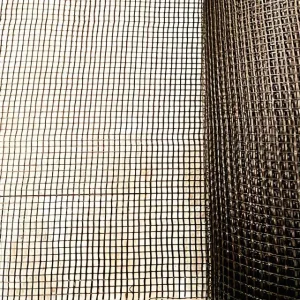
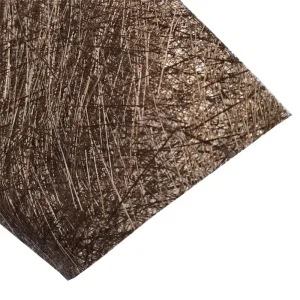
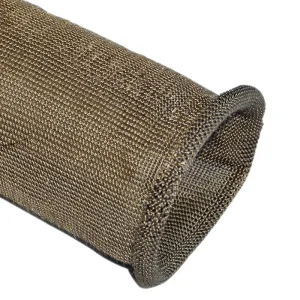
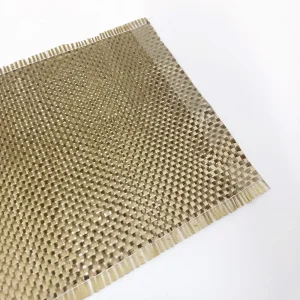
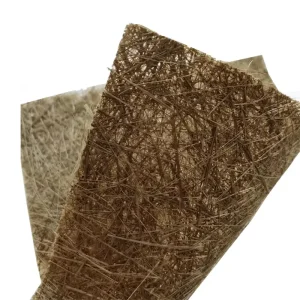
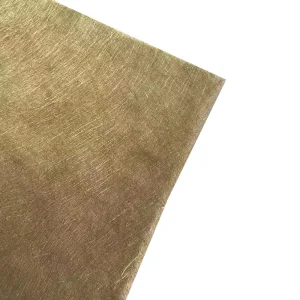
In modern high-performance materials manufacturing, the surface interface of composite materials represents the first line of defense against structural degradation. Basalt Fiber Surfacing Tissue Mat is a highly specialized, non-woven ultra-thin sheet composed of uniformly dispersed continuous basalt monofilaments, bound together by cutting-edge chemical sizing systems. Designed specifically as a resin-rich finishing layer, this lightweight surface protective tissue mat serves to dramatically improve surface aesthetics and mitigate the risks of fiber print-through, interlaminar micro-cracking, and physical water ingress.
Unlike standard E-glass or synthetic polyester veils, continuous basalt fiber (CBF) possesses inherent geological advantages. Extruded directly from volcanic basalt rock at melt temperatures exceeding 1450°C without auxiliary chemicals, these fibers exhibit an exceptional combination of tensile strength, thermal stability, and chemical neutrality. When consolidated into a surfacing mat, the randomly oriented non-woven network ensures fully isotropic reinforcement across the three-dimensional boundary layer of pultruded profiles, filament-wound storage vessels, and vacuum-infused marine structures.
| Physical/Chemical Parameter | Continuous Basalt Fiber (CBF) | High-Quality E-Glass Fiber | Aramid/Synthetic Polyester Veils | Structural Advantage Highlight |
|---|---|---|---|---|
| Tensile Strength (MPa) | 3,000 – 4,500 | 2,400 – 3,400 | 2,800 – 3,600 | +30% Over E-Glass |
| Elastic Modulus (GPa) | 85 – 110 | 72 – 76 | 110 – 125 | Superior impact resistance |
| Maximum Working Temp (°C) | 700°C (Melt > 1450°C) | 600°C (Melt 1200°C) | 250°C (Melts easily) | Inherent fireproofing |
| Acid Resistance (10% HCl) | > 92% retention | < 50% degradation | Highly variable | Excellent for chemical containment |
| Alkali Resistance (Saturated Ca(OH)₂) | Outstanding (modified sizing) | Severely degrades | Good but limited structural strength | Perfect for concrete encapsulation |
| Eco-Footprint & LCA | 100% natural volcanic ore | High energy synthetic mix | Petrochemical derived | Carbon-Neutral Compatible |
Unveiling tomorrow's material chemistry: how continuous basalt fiber surfacing tissue mats are evolving to meet the intense demands of high-performance composite engineering.
By employing ultra-fine basalt monofilament distributions (ranging down to 9 microns), our surfacing mats form an incredibly dense, capillary-controlled interface. When resin wet-out occurs, the tissue maintains a perfect structural binder-to-fiber ratio, guaranteeing a dense resin barrier. This prevents micro-fissures and standard resin-starved voids that compromise polymer matrices.
The core of our innovation lies in continuous chemical sizing adjustments. China Beihai applies functionalized organosilanes that chemically link with Epoxy, Vinyl Ester, and Polyurethane resin matrices. This molecular bridging significantly increases the Interlaminar Shear Strength (ILSS) of the outermost composite layer, rendering it immune to standard osmotic blistering.
Looking ahead, China Beihai is actively testing hybrid carbon-basalt sensing veils. By introducing microscopically distributed conductive carbon elements within the non-woven basalt sheet, we provide a dual-purpose layer that acts as both a corrosion-resistant protective shield and a baseline pathway for in-situ structural health monitoring via impedance testing.
How global enterprises deploy basalt surfacing tissues to safeguard critical infrastructure, from deep aerospace hulls to corrosive chemical pipelines.
Continuous basalt fibers withstand constant thermal cycling without undergoing microstructural creep or glass-transition degradation. As aircraft internal acoustic linings or outer composite skins, basalt surfacing tissue protects secondary resin systems from heat shock, preventing catastrophic localized delamination.
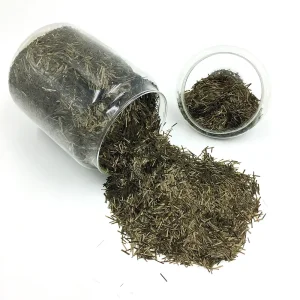
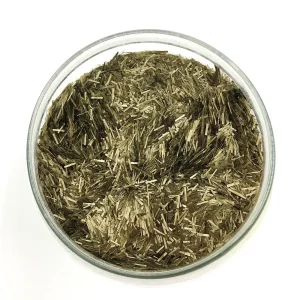
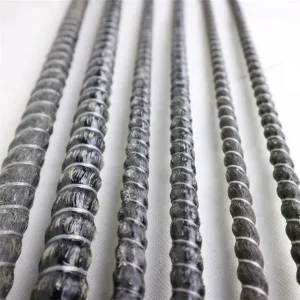
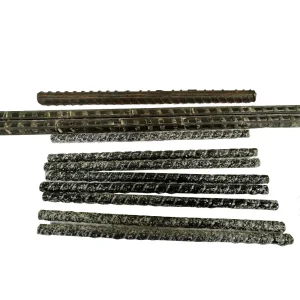
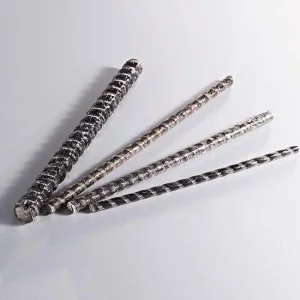
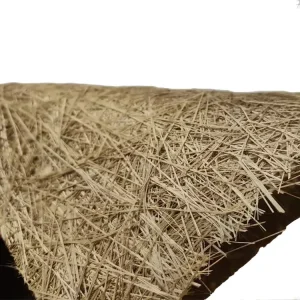
Concrete structures are highly vulnerable to aggressive alkaline pore solutions. When structural basalt rebars or basalt concrete chopped strands are combined with protective basalt surfacing mats on structural elements (like bridge piers), the entire concrete matrix is isolated from moisture and sulfate attack, reducing lifecycle maintenance costs.
Offshore oil rigs and oil-water separating vessels run in highly corrosive environments. Using custom basalt tissue mats as the internal liner for FRP composite tanks guarantees high chemical barrier properties, ensuring zero leakage of acidic hydrocarbons and preventing external marine corrosion.
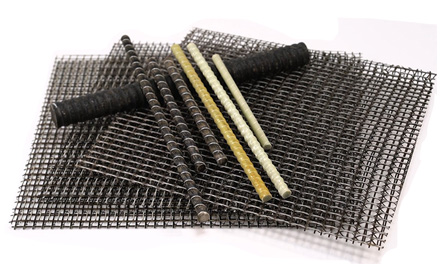
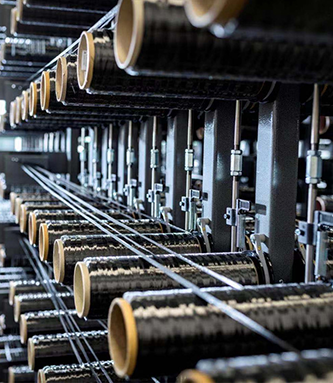
Founded in 2015 and strategically located in Jiujiang, Jiangxi Province, China Beihai has grown into a premiere high-tech enterprise focusing on the research, development, production, and high-precision processing of continuous basalt fiber. As an industry pioneer, we run highly automated vertical basalt melt furnaces equipped with multi-axis platinum-rhodium alloy bushing plate assemblies. This guarantees absolute consistency in filament diameters and eliminates bulk defects that compromise structural performance.
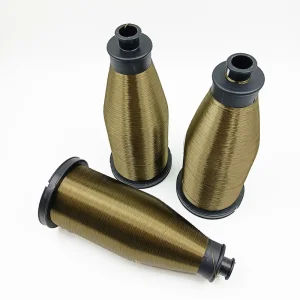
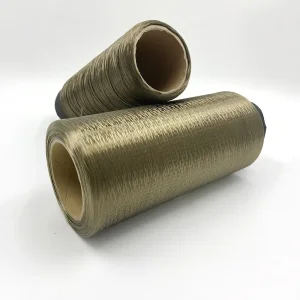
Our Factory 4.0 model leverages fully computerized real-time feedback loops. This system monitors raw volcanic ore crushing, thermal furnace optimization at 1450°C, micro-sizing applications, and precision mechanical winding. By eliminating human error at every stage, we provide global clients with basalt products (including mats, continuous roving, chopped strand mats, and high-tensile rebars) that consistently pass international QA standards, while keeping raw-material lead times exceptionally short.
A comprehensive guide for global procurement managers, engineering leads, and supply chain directors to successfully specify and secure custom basalt surfacing tissue mats.
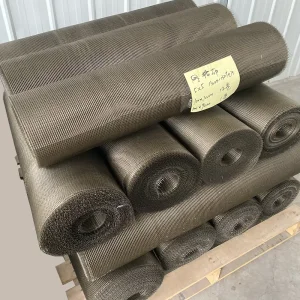
For custom surfacing tissue mat quotes, procurement officers should specify: areal weight (typically 20 g/m² to 100 g/m²), structural width, binder chemistry compatibility (acrylic, starch, or polyurethane emulsion), and roll-length dynamics. Our Jiujiang engineers quickly formulate custom sizing adjustments to match specific resin curing curves.
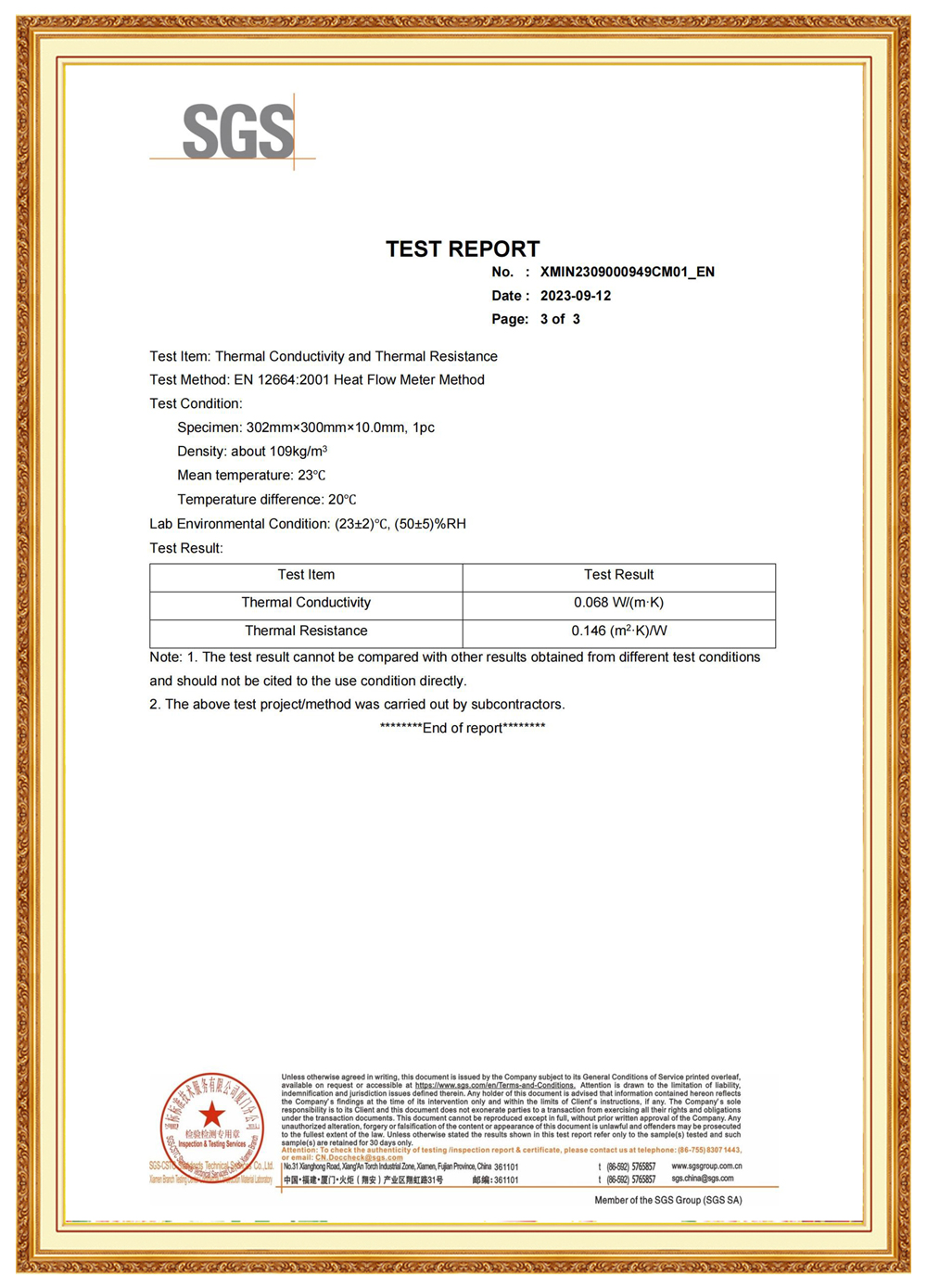
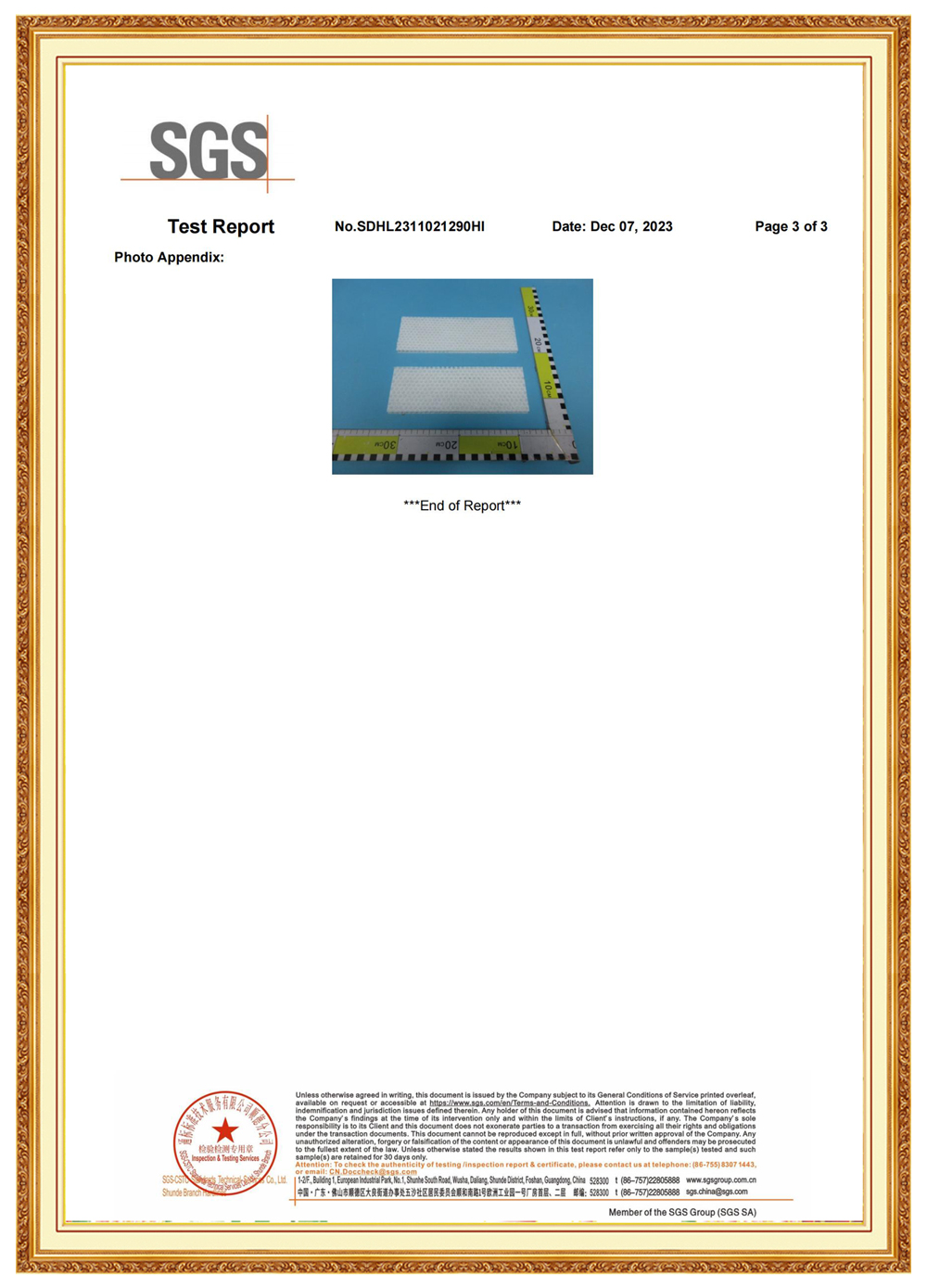
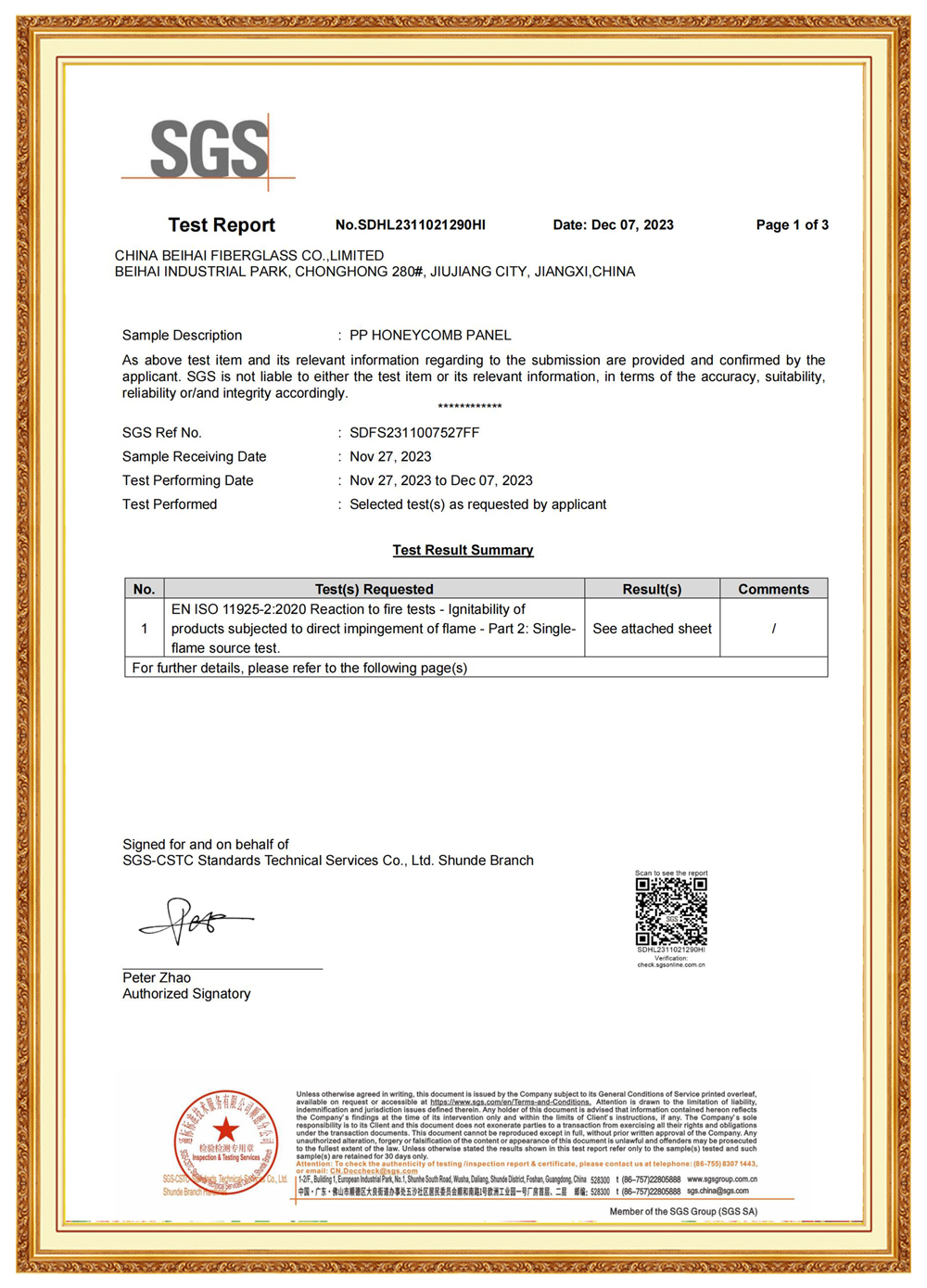
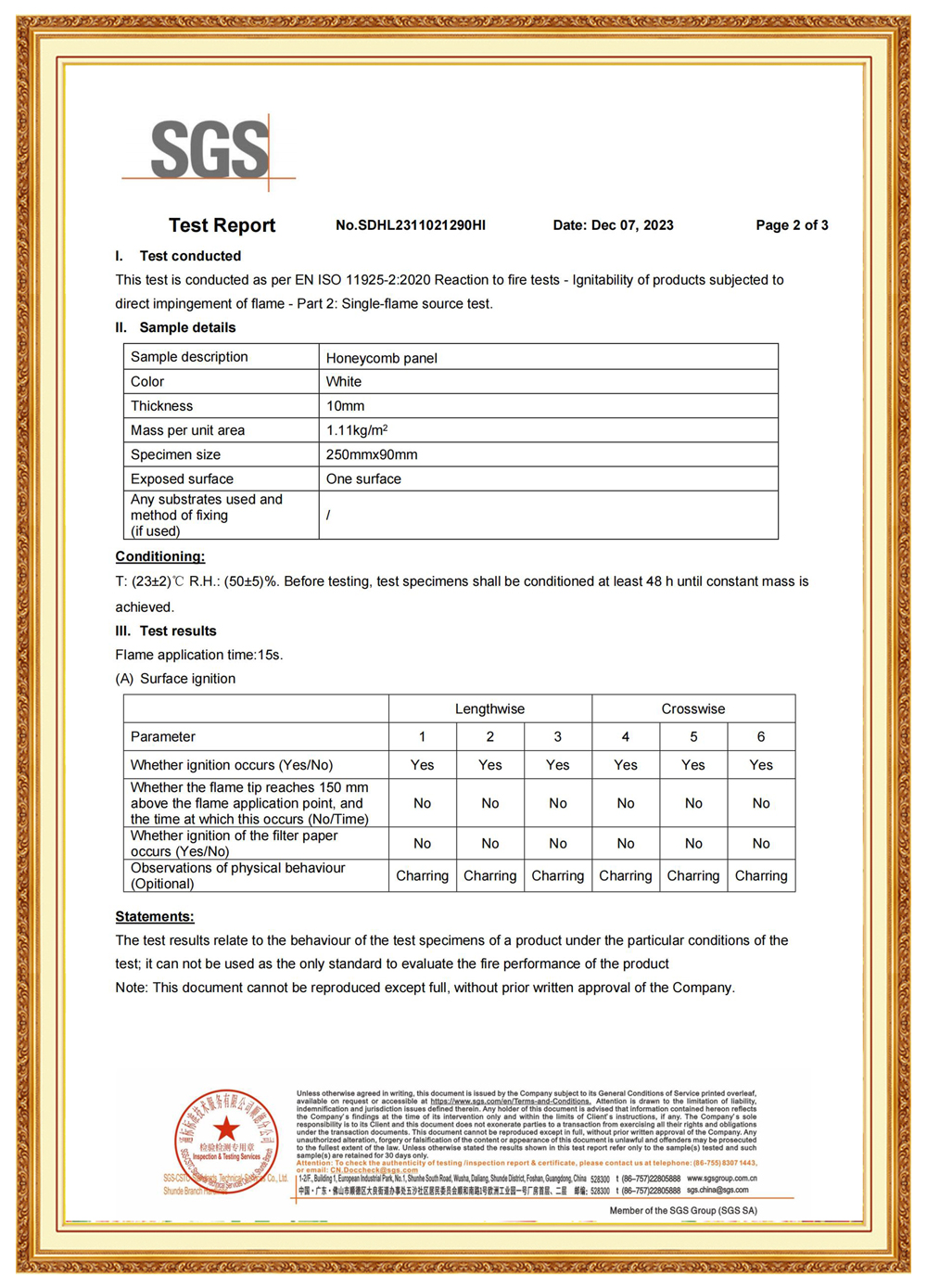
Quality assurance is our top priority. China Beihai’s manufacturing facility holds ISO 9001, ISO 14001, and CE certifications. All basalt surfacing tissues and composites strictly adhere to ASTM, REACH, and RoHS environmental guidelines. We provide testing certificates with every delivery to verify batch consistency.
With ocean and overland rail networks nearby in Jiangxi, China Beihai provides robust door-to-port delivery paths. Our logistics systems protect non-woven basalt products inside moisture-controlled, heavy-duty barrier packaging. This guarantees that your materials arrive free of creases, edge wear, and atmospheric humidity degradation.
Direct answers from China Beihai's lead chemical and mechanical engineers regarding parameters, design rules, and performance specs.
Our manufacturing systems, located in Jiujiang, Jiangxi, adhere to the highest international quality regulations. We constantly update and verify our raw materials and end-products against globally recognized testing frameworks to guarantee your supply chain remains completely secure and compliant.

As advanced automated machinery and structural drones scale globally, lightweight composites require resilient surface protection. China Beihai’s continuous basalt fiber research delivers key performance upgrades for severe service conditions.
Read Full WhitepaperPremium specialized surfacing veils, custom roving configurations, and basalt needle mats designed to withstand severe working conditions.
 Beihai Fiberglass