Direct wholesale source for structural engineering reinforcers, geotechnical meshes, high-tensile rebars, and thermodynamic needle felts from China Beihai.
A deep dive into the technical metrics, macro economics, environmental sustainability, and thermodynamic characteristics of vulcanic basalt rock technology.
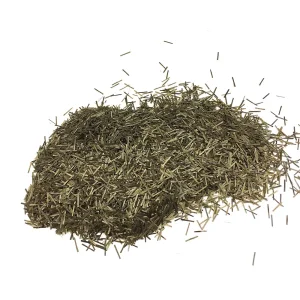
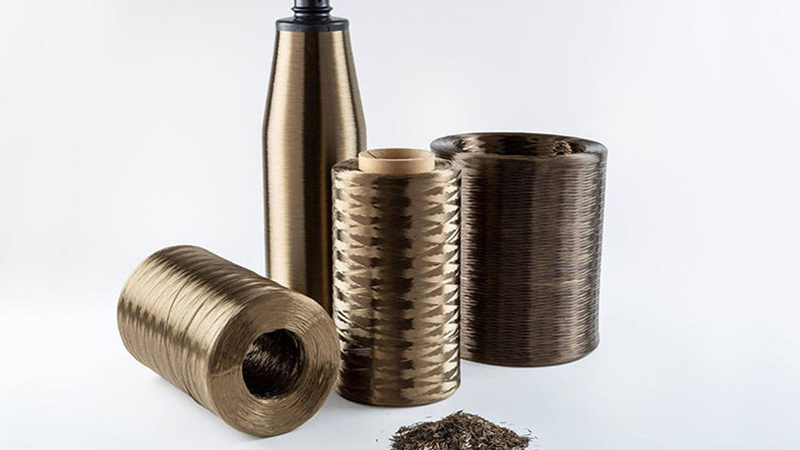
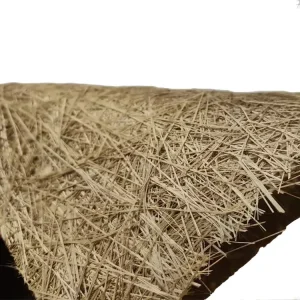
In modern structural composites and advanced construction engineering, the demand for raw materials with unparalleled thermodynamic properties and supreme environmental resilience is growing. Basalt fiber chopped strands represent the cutting edge of this evolution. Sourced directly from pure volcanic rock melt (specifically basalt quarries characterized by high aluminosilicate profiles), these continuous filaments are precision-chopped to lengths ranging from 3mm to 50mm. Unlike synthetic organic polymers, basalt is entirely inorganic, offering extreme chemical resistance, zero-corrosion performance, and high thermal stability up to 700°C continuous operation.
From an engineering and metallurgical standpoint, chopped strands offer crucial performance characteristics. When embedded within a composite matrix (such as cementitious mortar, concrete, epoxy resin, or thermoplastic polymers like polypropylene and nylon), they form a dense, three-dimensional reinforcement grid. This structural network prevents micro-fissures from propagating into structural failures. By upgrading from E-glass or standard steel rebar reinforcements to premium basalt chopped fibers, civil engineers and industrial designers secure superior structural durability and reduce life-cycle maintenance costs to virtually zero.
"Unlike carbon fiber, which demands energy-intensive production cycles, basalt fiber is drawn from a single-ingredient melt process. The volcanic basalt is melted at approximately 1450°C and directly extruded through platinum-rhodium alloy bushings. This results in an eco-footprint that is orders of magnitude lower than steel or synthetic matrices, positioning it as the ultimate green engineering material of the 21st century."
Understanding the mineral compositions of basalt continuous fibers is vital for assessing structural performance. The volcanic raw materials utilized by China Beihai consist of complex minerals rich in Silica (SiO2), Alumina (Al2o3), Iron oxides (Fe2O3 and FeO), Calcium oxide (CaO), and Magnesium oxide (MgO). The careful balance of these oxide components determines the fiber’s resilience when subjected to highly alkaline environments, such as within curing concrete systems.
Compared to conventional glass fibers (E-glass), basalt showcases superior tensile strength (ranging from 3000 to 4800 MPa, vastly outperforming steel rebar at a fraction of the weight) and an elastic modulus that matches S-glass. Furthermore, basalt fibers exhibit naturally low moisture absorption and are completely impervious to electromagnetic interference, making them the default structural choice for high-frequency infrastructure, medical MRI facilities, radar arrays, and petrochemical pipelines.
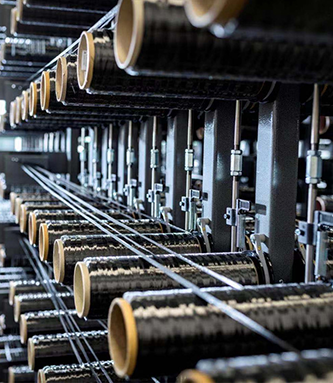
China Beihai was founded in 2015 and is located in Jiujiang, Jiangxi Province. As a state-of-the-art, high-tech enterprise, we focus deeply on the research, development, production, and worldwide sales of high-performance continuous basalt fiber, advanced manufacturing equipment, and bespoke downstream structural composites. Over the last decade, we have scaled our production infrastructure to emerge as a prominent player in the global basalt fiber industry.
By leveraging advanced quality assurance workflows and state-of-the-art furnace designs, we ensure our global distributors, wholesale buyers, and commercial builders receive structural products of absolute reliability. Our facilities maintain strict conformance to ISO quality metrics, guaranteeing every batch of chopped strand meets demanding chemical, geometric, and physical tolerance profiles.
Discover how China Beihai combines engineering rigor with raw material purity to deliver high-performance basalt products.

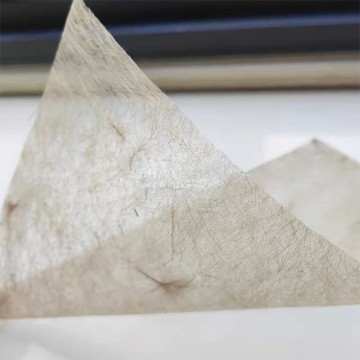
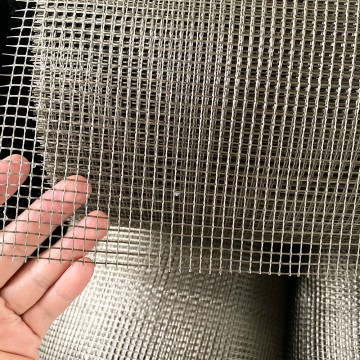
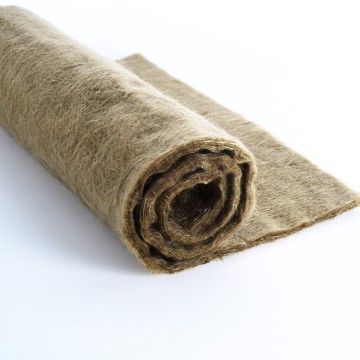
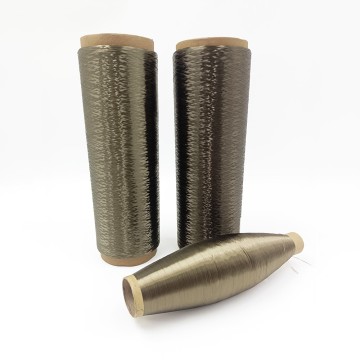
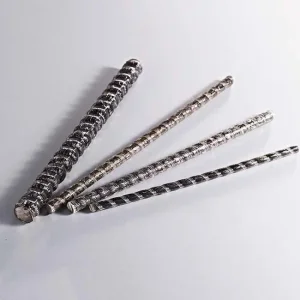
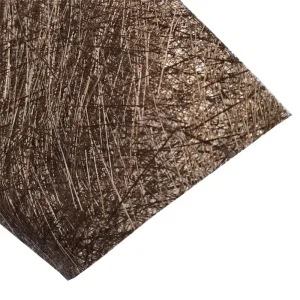
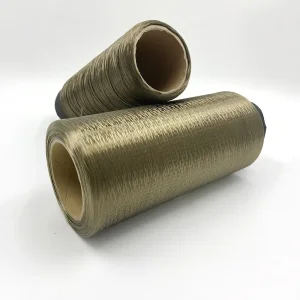
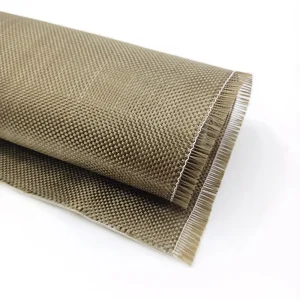
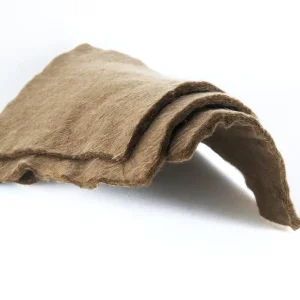
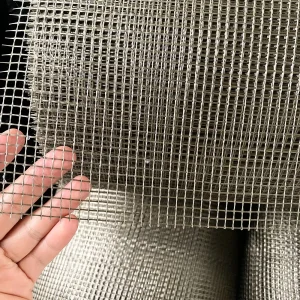
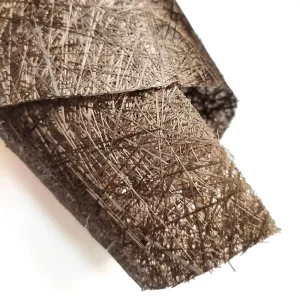
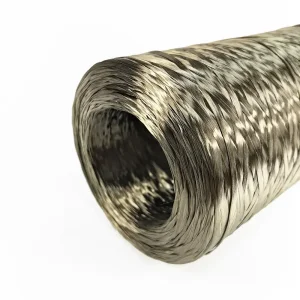
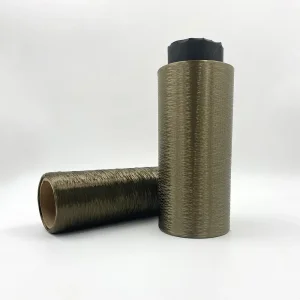
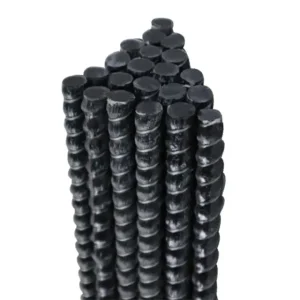
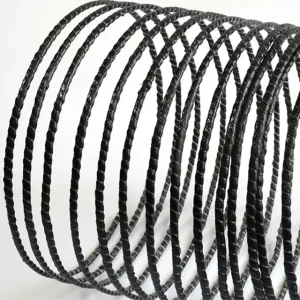
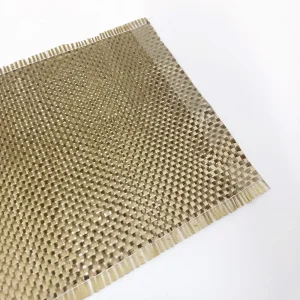
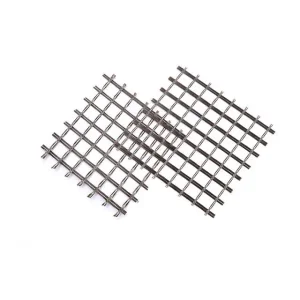
At China Beihai Group, we specialize in the engineering and production of a comprehensive basalt portfolio. This includes basalt fiber chopped strand mats, high-tensile plain weave cloths, continuous roving bundles, highly specialized structural rebar, insulative protective sleeves, and high-performance needled felts. All products are tailored to meet rigorous global standards.

We optimize thermal and mechanical properties through mineral extraction, proprietary sizing chemistry, and highly controlled extrusion thermal profiles. Our engineered solutions empower builders and composite manufacturers across the automotive, geotechnical, marine engineering, and chemical processing sectors to build more durable infrastructure.

Partnering with China Beihai grants direct access to a stable, large-scale supply of basalt fiber materials. Our deep dedication to technical innovation, low-carbon manufacturing footprint, and end-to-end quality control makes us a highly reliable supply chain partner for engineering projects around the globe.
An in-depth analysis of worldwide market penetration, manufacturing output, and critical green supply chains.
The global basalt fiber market has entered an era of rapid expansion. Industrialized nations in Europe, North America, and the Asia-Pacific region are adopting strict carbon neutrality metrics and circular economy frameworks. This regulatory shift has driven major infrastructure projects to move away from energy-intensive synthetic reinforcements and towards natural, zero-carbon options. Currently, continuous basalt fiber chopped strands are recognized as a premier sustainable reinforcement for modern infrastructure.
Commercial development has transitioned from experimental testing to large-scale industrial use. The primary market drivers include:
China Beihai remains at the forefront of this industrial shift. Our strategically located manufacturing facilities in Jiujiang leverage Jiangxi's abundant, high-quality volcanic basalt reserves. By applying advanced vertical-integration supply chains, we shield our wholesale buyers from raw material volatility. This ensures consistent pricing and reliable delivery, even during periods of global logistics challenges.
How high-tensile basalt materials solve performance challenges in extreme real-world engineering environments.

Provides critical crack-mitigation, high fireproof ratings, and structural load reinforcement for concrete buildings and modern architectural facades.

Utilized for reinforcing non-structural interior cabins, engine enclosures, and heat shields due to its exceptional thermal and acoustic insulation profiles.

Advanced surface-treated fibers are engineered to withstand extreme thermal fluctuations in orbital shells and space vehicle subsystems.

Enhances flexural toughness, limits thermal shrinkage cracks, and eliminates corrosion risks in heavy-duty highways and structural foundations.

Replaces heavy metals and expensive synthetic carbon matrices in muffler shielding, brake pads, and lightweight chassis components.

Shields massive concrete structures from vehicle impact, freeze-thaw cycles, marine corrosion, and environmental degradation.

Withstands exposure to strong mineral acids, hydrocarbon mixtures, and high-pressure environments in refining and storage tanks.

Ideal for saltwater environments, protecting vessel hulls and offshore drilling platforms against relentless moisture and chemical degradation.
Premium specialized products designed to meet demanding structural, mechanical, and insulation specifications.
A data-backed look at material evolution, sizing system developments, and sustainable application pathways.
The performance of basalt fiber chopped strands depends heavily on the interface between the inorganic fiber surface and the surrounding polymer or cement matrix. China Beihai’s R&D department is focused on designing specialized coupling agents (specifically silane-based sizing solutions) that bond chemical structures together. This technology ensures excellent mechanical load transfer across the boundary between materials.
Our comprehensive technology roadmap focuses on three primary areas:
"Future construction specifications will require infrastructure materials to be completely recyclable. Because basalt is composed entirely of volcanic minerals, basalt-reinforced composites can be melted down and recycled at the end of their service life without producing toxic fumes or complex chemical waste. This makes basalt a highly sustainable, circular-economy-friendly engineering material."
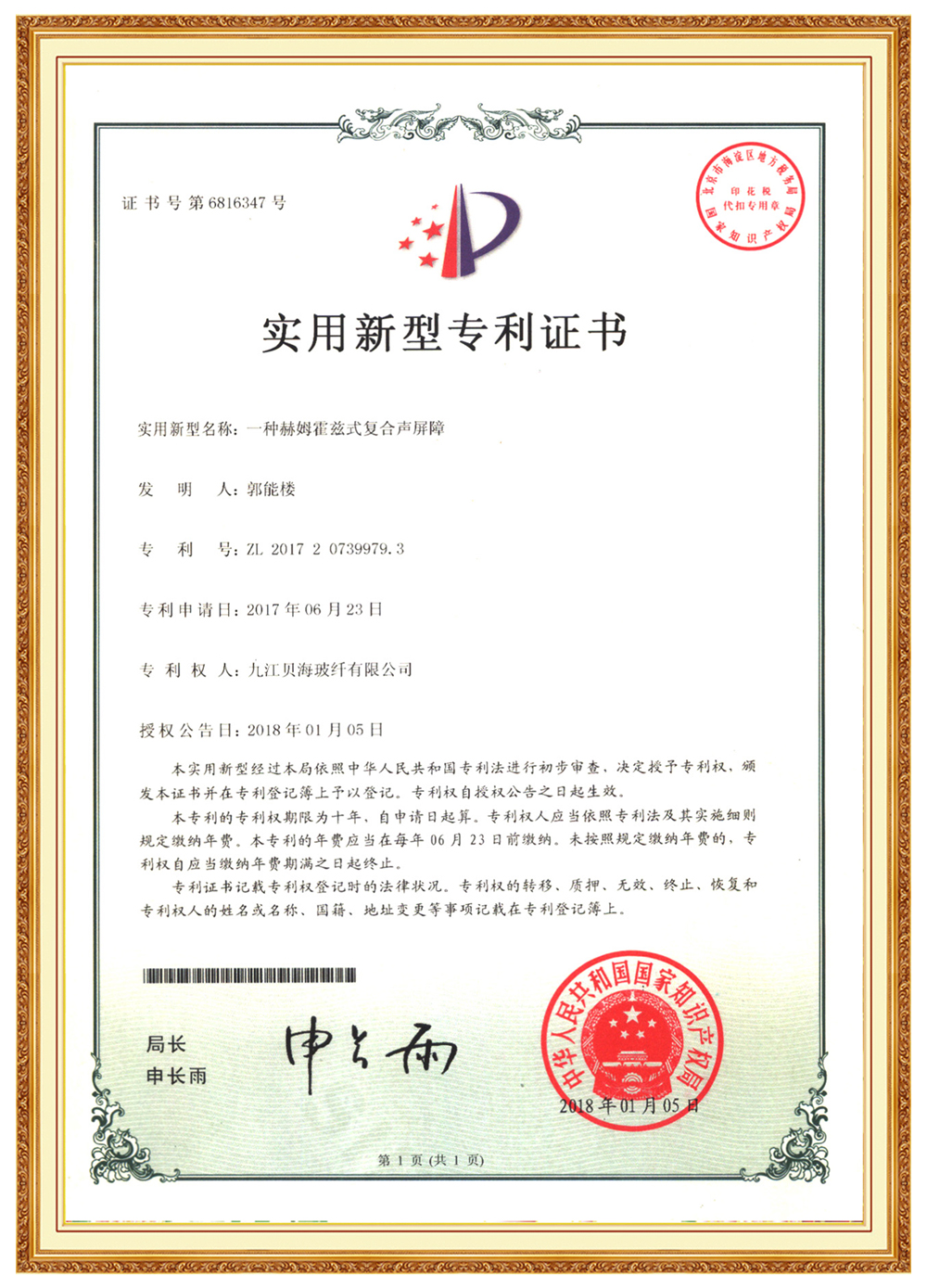
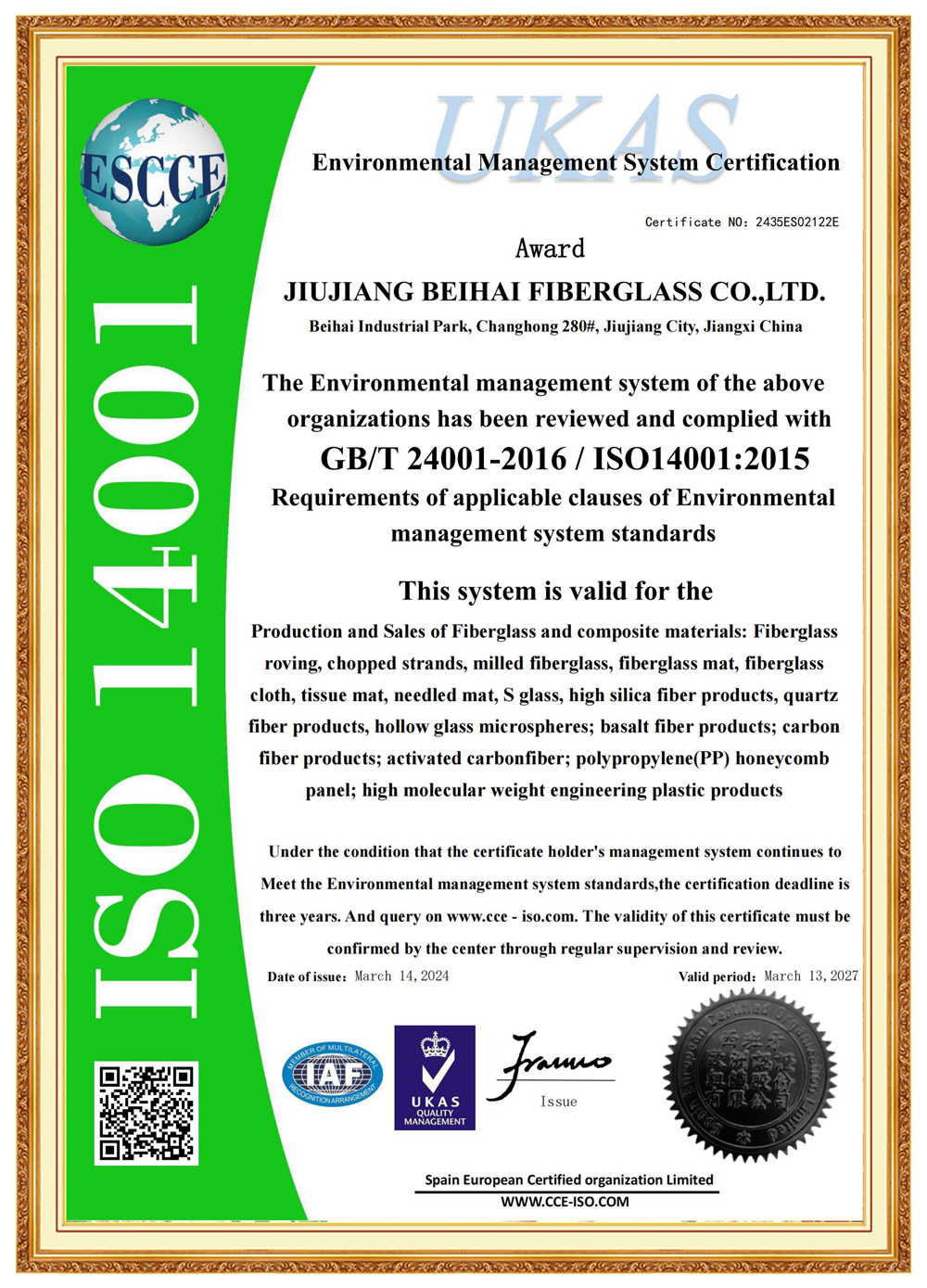
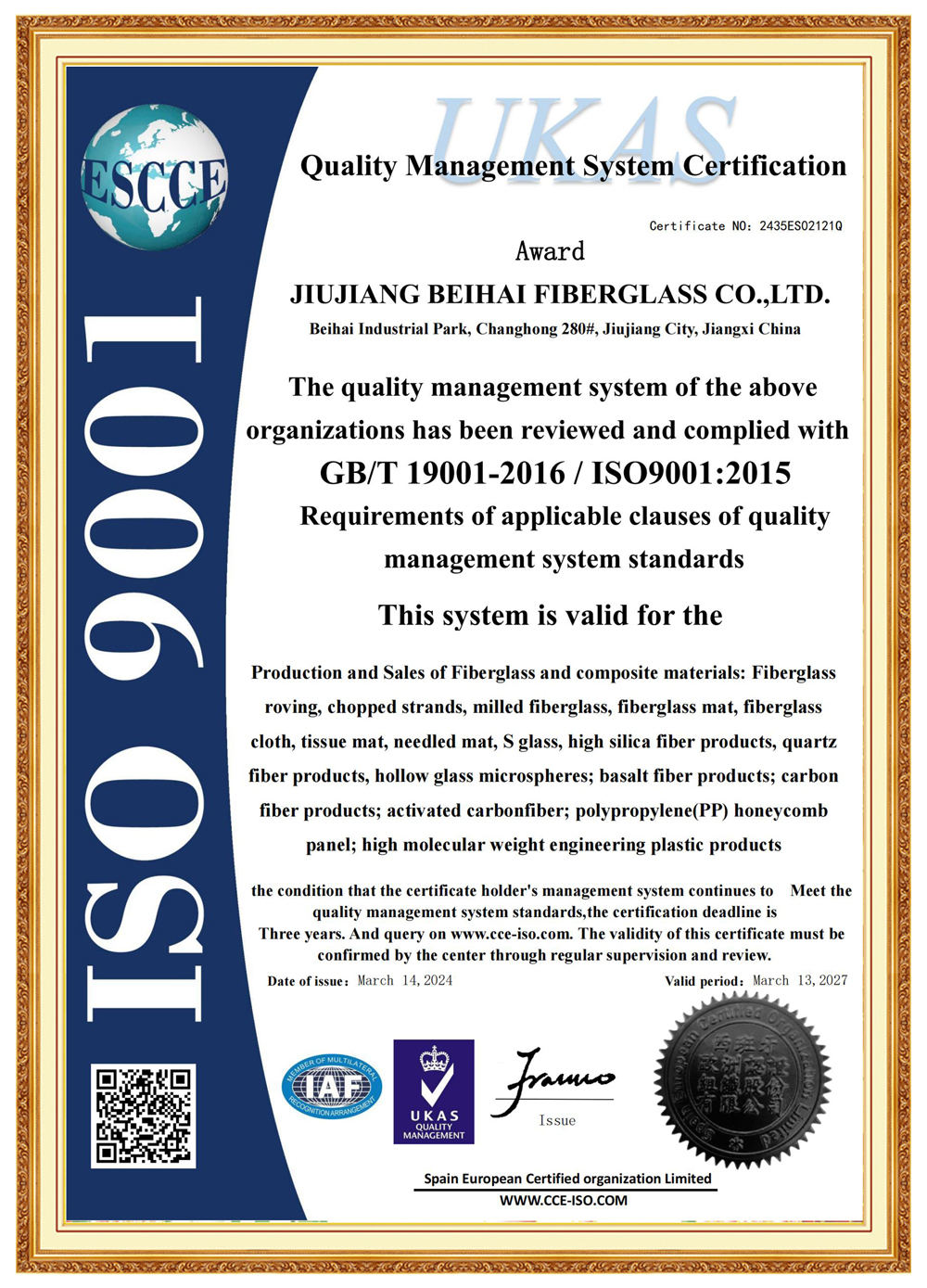
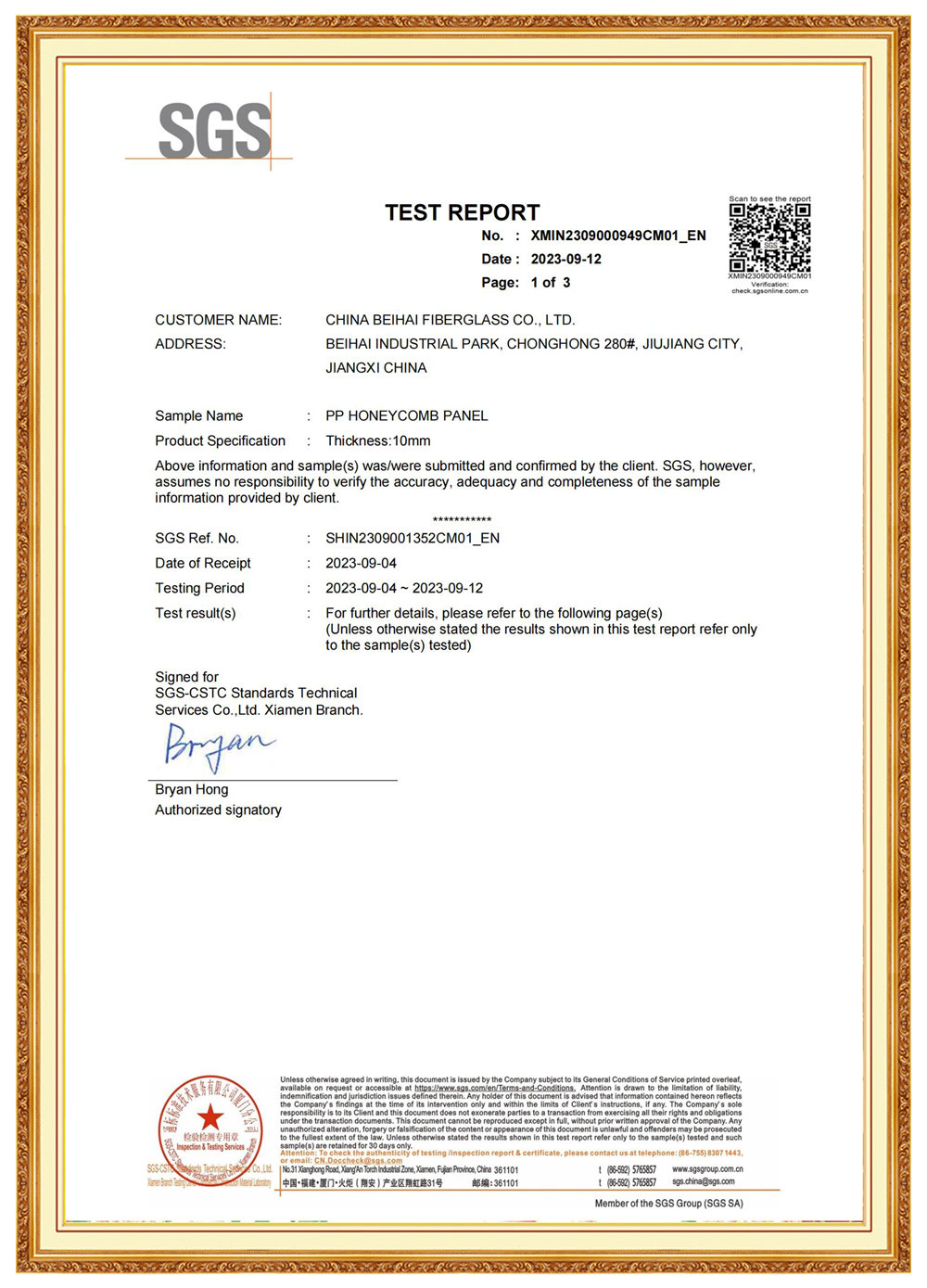
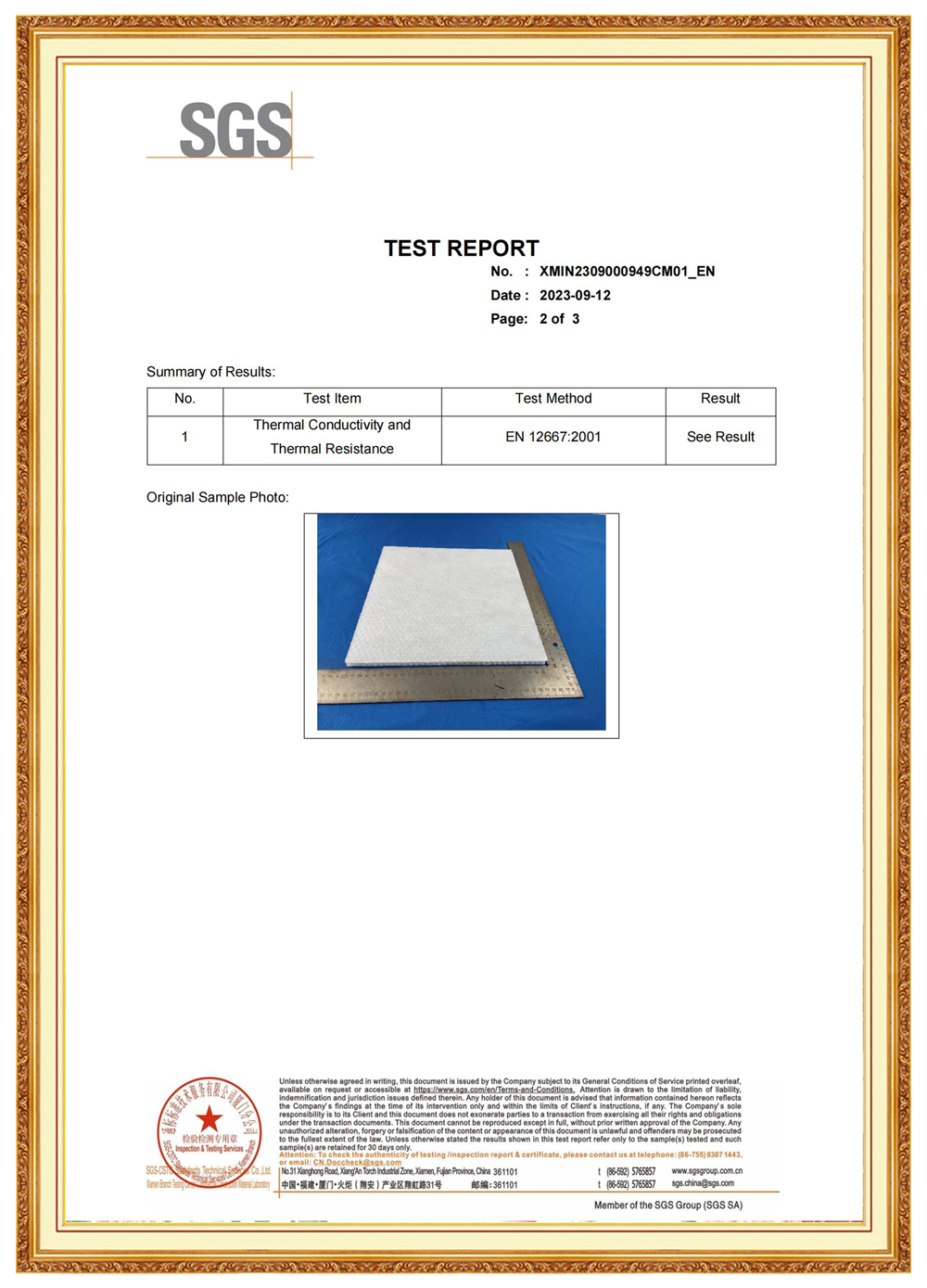
China Beihai maintains strict quality control systems. Our basalt products are certified by leading global verification institutions.
Stay up to date with the latest technological developments and materials-science applications of continuous basalt fibers.

As drones monitor ecosystems and smart robots streamline factory floors, high-performance materials are essential to support this advanced equipment. Continuous basalt fiber is emerging as a critical, high-strength solution. Combining lightweight durability, heat resistance, and structural stability, it provides key reinforcement for next-generation robotic components and aerospace systems.
Get professional answers to common questions about chemical compatibility, sizing options, physical performance, and wholesale procurement.
Basalt fiber chopped strands have excellent natural resistance to highly alkaline environments, such as curing concrete. Traditional E-glass fibers degrade over time in alkaline solutions unless treated with expensive specialty coatings. Basalt also provides significantly higher tensile strength (up to 4.8 GPa) and a higher modulus of elasticity, resulting in superior crack resistance and long-term structural durability.
We formulate and apply advanced silane-based sizing chemistry to our continuous fibers during the extrusion process. Depending on the target application, we offer specialized sizing agents compatible with thermosetting polymers (such as epoxy and vinyl ester), thermoplastic resins (including PP, PE, and Polyamides), and cementitious binder matrices.
Basalt is a purely inorganic material derived from volcanic rock, giving it an exceptionally high melting point of around 1450°C. It performs reliably in continuous-use environments up to 700°C without losing structural integrity or releasing toxic fumes. This outstanding thermal stability makes it an ideal reinforcement for industrial firewalls, high-temperature insulation felts, and aerospace heat shields.
For standard crack-mitigation and shrinkage prevention in flatwork and industrial slabs, a dosage rate of 2.0 to 5.0 kg of basalt chopped strands per cubic meter of concrete is typical. For heavy-duty engineering applications, marine structures, or blast-resistant panels, dosages can be optimized up to 10.0 kg/m³ based on specific structural requirements.
Yes. All our manufacturing processes are ISO 9001 certified. Our basalt fiber products undergo regular testing to meet global standards (including ASTM, EN, and GB/T). They are approved for use in critical infrastructure projects, including high-speed railways, highway bridge reinforcements, offshore marine structures, and municipal utility systems.
Explore our targeted product range designed to solve complex structural, corrosion, and high-temperature challenges.
 Beihai Fiberglass