 Beihai Fiberglass
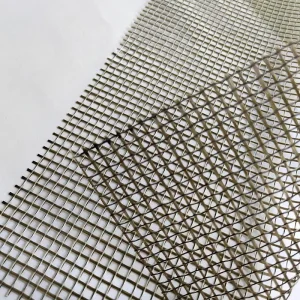
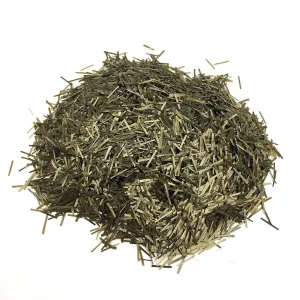
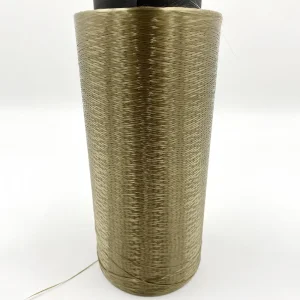
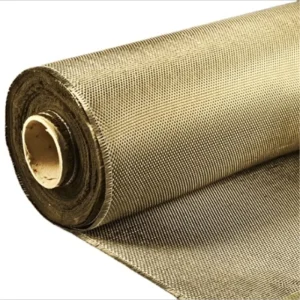
1. The Evolution of Basalt Fiber Insulation Mat: High-Tech Thermal Barriers
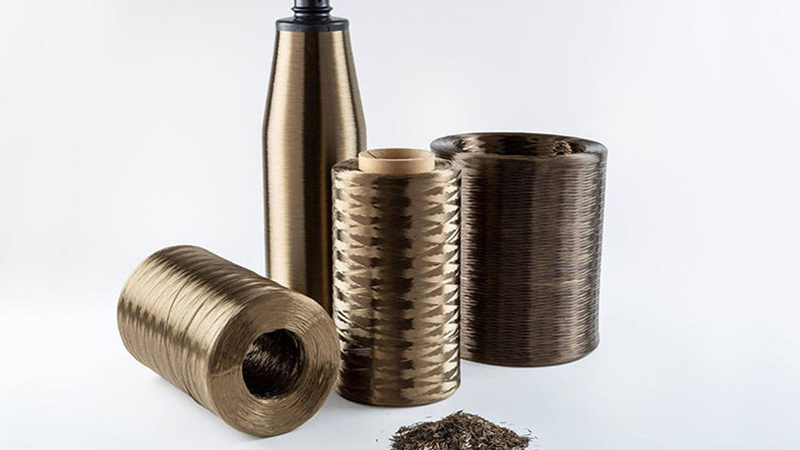
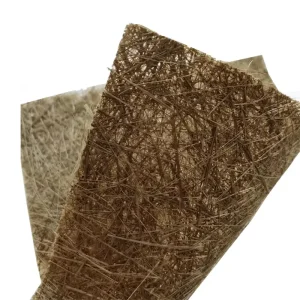
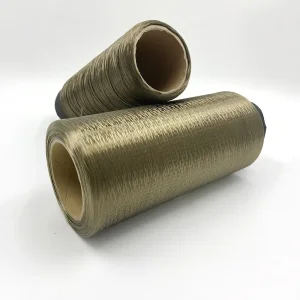
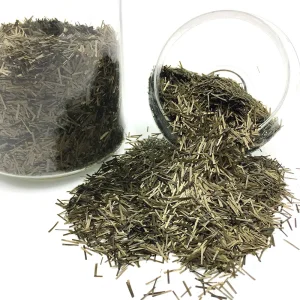
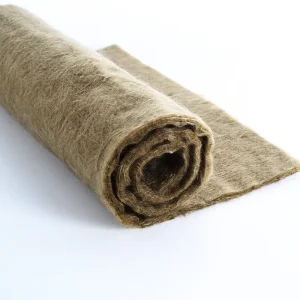
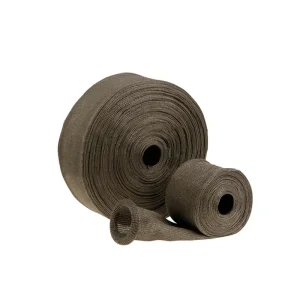
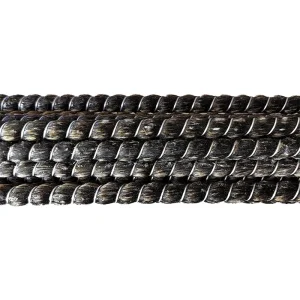
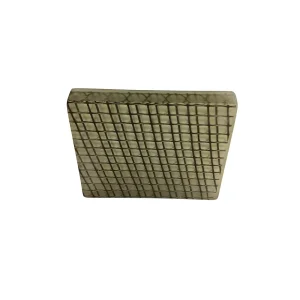
Basalt Fiber Insulation Mat (commonly manufactured as needled mats or surfacing tissues) represents a quantum leap in composite material engineering. Originally derived from the strategic military-industrial space, where extreme thermal insulation and chemical inertia are paramount, basalt fiber is manufactured through the single-component extrusion of molten volcanic basalt rock at temperatures exceeding 1450°C. Unlike glass fibers, which are formulated from a mix of raw ingredients, basalt continuous fibers represent a pure, green ecological mineral material.
Over the last decade, high-temperature basalt needled mats have emerged as the primary alternative to hazardous asbestos, carcinogenic ceramic fibers, and standard fiberglass. In an era increasingly dictated by Environmental Health and Safety (EHS) frameworks, basalt is globally prized for being 100% inert, bio-soluble, and utterly non-toxic during both processing and extreme fire exposure.
Thermal Dynamics & Mechanical Matrix
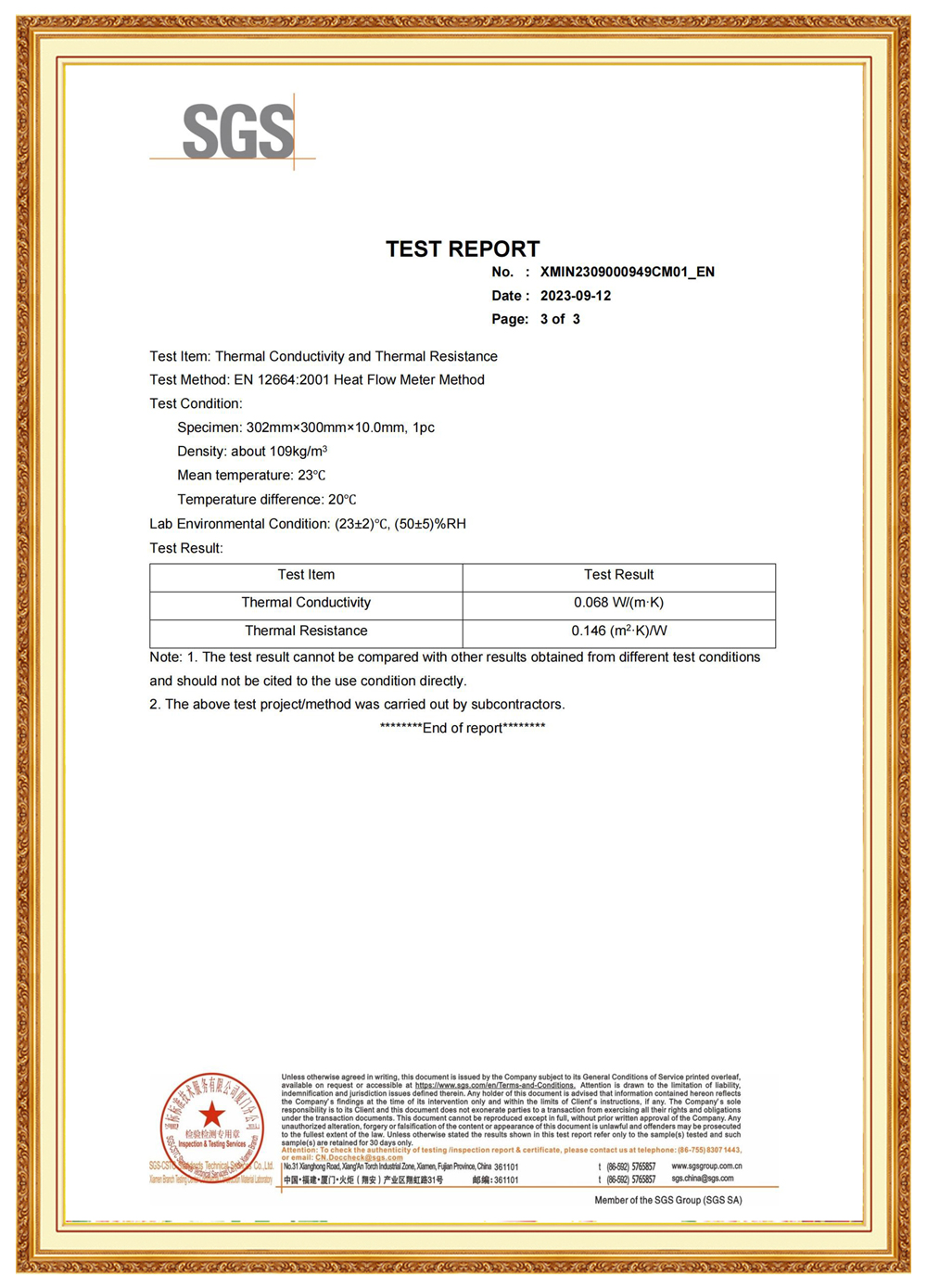
Our standard basalt fiber needled mat demonstrates outstanding thermal insulation parameters (thermal conductivity λ ≤ 0.035 W/m·K at room temperature) and retains structural integrity at continuous operating temperatures ranging from -260°C up to +820°C. Additionally, the high mechanical interlocking generated via our computerized needle-punching process eliminates the need for chemical organic binders. This ensures that when exposed to heat, the material emits zero smoke, toxic gas, or volatile organic compounds (VOCs).
2. High-Value Procurement Analysis: Deciphering the Global Wholesale Pricelist Matrix
To institutional purchasing directors and EPC contractors, evaluating the wholesale pricelist of basalt fiber mats requires analyzing structural specifications over surface-level metrics. The price variance of wholesale basalt needled mats is largely driven by three fundamental parameters:
- Filament Diameter (Microns): Standard performance mats utilize 9μm to 15μm continuous fibers. Finer filaments (9μm) offer superior flexural toughness and thermal density but require lower extrusion speeds, slightly increasing the cost basis.
- Area Weight & Density: Commercially supplied mats range from light surfacing tissues (30 g/m² to 100 g/m²) used in composite skins, to dense structural needled felt (300 g/m² up to 2000 g/m²) optimized for acoustic barriers and industrial furnace wraps.
- Needle-Punching Complexity: High-density mats require a higher needle stroke density per square centimeter, improving tensile shear strength while maintaining consistent loft and thickness tolerances.
By establishing long-term agreements directly with primary factories in China, global procurers avoid third-party trading markups and secure structured supply line guarantees. At China Beihai Group, we leverage automated continuous smelting processes to balance the rising costs of industrial energy, ensuring our wholesale partners receive the most stable price-to-performance matrix in the industry.
3. China Factory 4.0: Supply Chain Resilience, Automation, & Cost Efficiency
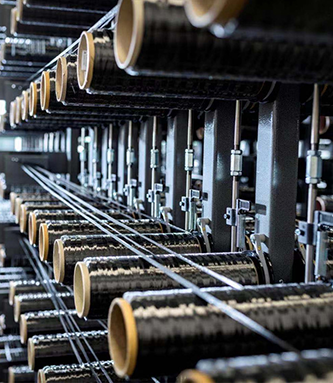
The manufacturing of basalt fibers demands rigorous control of raw materials and complex thermal processing parameters. At China Beihai Group’s production site in Jiujiang, Jiangxi, we have integrated a comprehensive "Factory 4.0" automation platform designed to deliver massive product consistency while shielding customers from supply chain interruptions.
Our facility features automatic continuous multi-bushing furnaces, automated sizing dispensers, and digital laser detectors that monitor yarn diameter in real-time. By optimizing the raw basalt melt rheology, our automated systems reduce fuel consumption by 18% compared to legacy modular furnaces, passing these direct cost advantages to our global procurement partners. Furthermore, by maintaining close logistics connections with Jiujiang Port and key maritime hubs, we guarantee dynamic shipping timelines and minimal transshipment delays for heavy cargo containers.
4. Global Commercial Application Scenarios: Industrial Performance Matrix
The applications for basalt continuous fibers span the spectrum of modern high-tech engineering. Due to their outstanding resistance to chemical attacks, alkaline exposure, and thermal shock, they have replaced standard reinforcements in key domains:
Aerospace & Space Technology
In aerospace applications, basalt needled mats act as superior structural insulation barriers and vibration dampening pads. When integrated into aircraft cabin linings and rocket thruster proximity shields, the material withstands intense acoustic waves and high thermal pressure, providing passive fire protection without adding unnecessary weight to the aircraft.
Automotive Exhaust and Shielding Systems
With global automobile manufacturers shifting toward lightweight composites and strict emissions control, our high-density basalt needle mats have become crucial for mufflers, exhaust system heat wraps, and under-hood firewall insulation. The material prevents structural degradation caused by road salt, moisture, and high exhaust fumes.
Petrochemical & Industrial Pipelines
In oil refineries and chemical plants, basalt wrapping tapes, sleevings, and needled mats are wrapped around cryogenic or superheated piping systems. Their inherent resistance to sulfuric acid, hydrochloric acid, and highly alkaline compounds ensures reliable piping insulation, preventing stress corrosion cracking (SCC) under insulation.