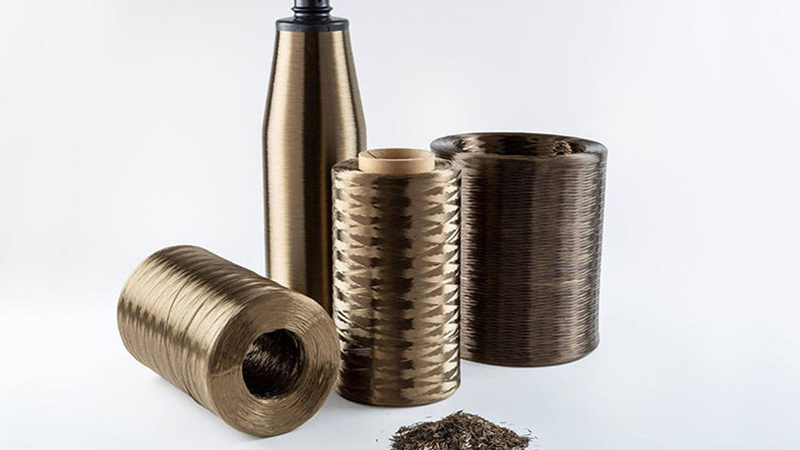
High-strength, chemically inert, and exceptionally thermally stable basalt fiber configurations engineered for advanced performance.
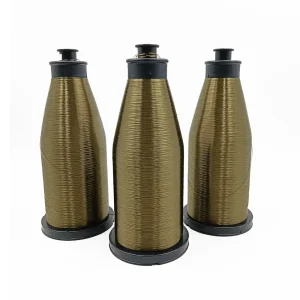
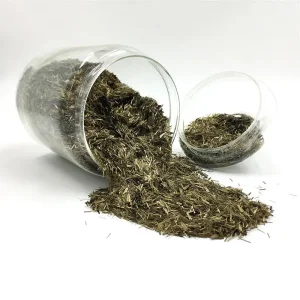
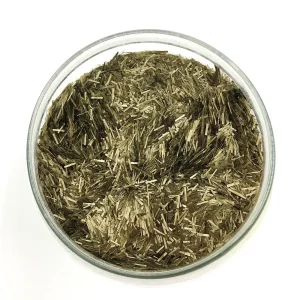
Continuous Basalt Fiber (CBF) represents a paradigm shift in industrial materials science. Derived from pure volcanic igneous rock, this 100% natural, single-component inorganic material is manufactured by melting quarried basalt at extreme temperatures reaching 1450°C to 1500°C. The molten basalt is then extruded through platinum-rhodium alloy bushing tips into ultra-fine filaments ranging from 9µm to 22µm in diameter.
Unlike glass fiber or synthetic polymers, basalt fiber inherently possesses an isotropic microstructure without the introduction of secondary chemical stabilizers. The chemical composition is dominated by silicate oxides ($SiO_2$), alumina ($Al_2O_3$), and iron oxides ($FeO$ and $Fe_2O_3$), which render the fiber remarkably resilient to chemical decay, strong alkaline concrete environments, and extreme temperatures ranging from -260°C to 700°C.
As global carbon regulations become increasingly stringent, industrial supply chains are moving away from energy-intensive carbon fiber composites and high-liability glass fiber products. According to recent market analysis, the global market for basalt fiber materials is experiencing a compound annual growth rate (CAGR) of 12.4%, driven by major infrastructure rehabilitation, lightweight automotive body components, and specialized aerospace thermal protection shields.
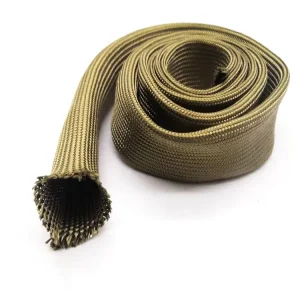
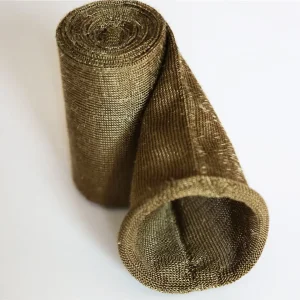
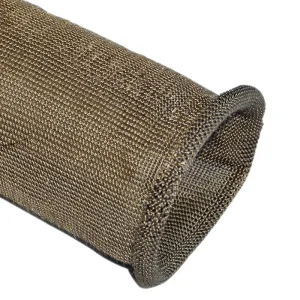
In Europe and North America, structural engineers are facing aging infrastructure challenges. Steel-reinforced concrete bridges exposed to de-icing salts degrade prematurely. By replacing steel with Basalt Fiber Reinforced Polymers (BFRP) rebars, engineers can design structures with a maintenance-free lifespan exceeding 100 years. Similarly, the petrochemical sector relies on basalt sleeves and chemically inert tapes to wrap pipeline corridors, preventing costly environmental leaks and pipe structural failure.
Founded in 2015 and located in the technological manufacturing corridor of Jiujiang, Jiangxi Province, China Beihai Group has emerged as an authoritative leader in the research, development, and high-volume production of continuous basalt fiber. Our state-of-the-art facilities are built on Industry 4.0 architectures, featuring fully automated electric furnace arrays that optimize thermal distribution and minimize energy consumption.
Operating in a complex global market demands more than just material excellence—it requires unmatched supply chain resilience. Through comprehensive raw material sourcing, automated filament drawing systems, and integrated downstream conversion (including basalt fiber mat fabrication, roving weaving, rebar pultrusion, and specialized tape knitting), China Beihai ensures price stability and consistent production capacity. We handle high-volume institutional procurement contracts with short lead times, and each batch undergoes strict mechanical testing to meet and exceed ISO 9001 and international performance standards.
| Performance Property | Continuous Basalt Fiber (CBF) | E-Glass Fiber | Structural Carbon Fiber |
|---|---|---|---|
| Density (g/cm³) | 2.63 - 2.80 | 2.54 - 2.60 | 1.75 - 1.80 |
| Tensile Strength (MPa) | 3000 - 4800 | 2000 - 3500 | 3500 - 6000 |
| Elastic Modulus (GPa) | 85 - 110 | 72 - 76 | 230 - 600 |
| Working Temp Range (°C) | -260 to +700 | -60 to +480 | -50 to +500 |
| Alkali Resistance (%) | High (Chemically Inert) | Low (Rapid Decay) | Excellent |
| Carbon Footprint Index | Low (Minimal Processing) | Medium | Extremely High |
Each product category below represents a distinct engineering solution developed to address extreme mechanical, environmental, and thermal challenges.
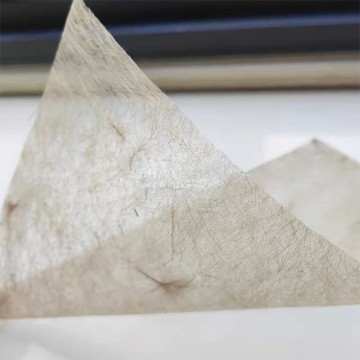
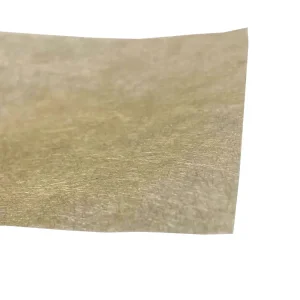
Our ultra-thin, non-woven surfacing tissue mat is engineered to provide a smooth, resin-rich outer layer for fiber-reinforced plastics (FRP), significantly enhancing surface durability and chemical resistance.
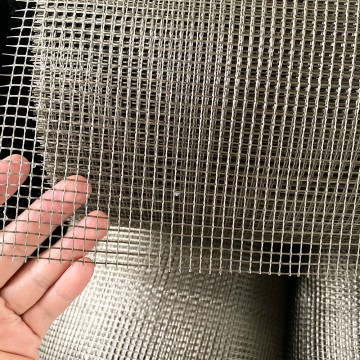
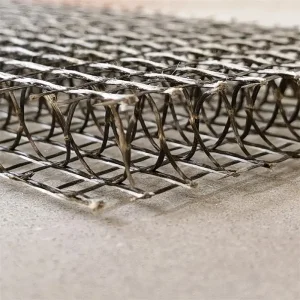
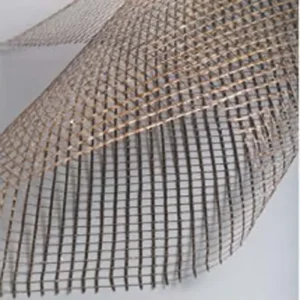
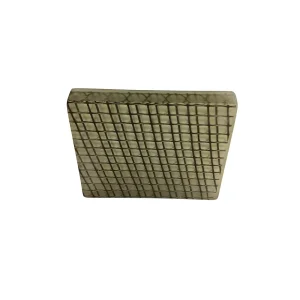
Specifically designed for architectural stucco and concrete reinforcement, our alkali-resistant mesh prevents structural cracking while remaining completely unaffected by highly alkaline cement chemistry.
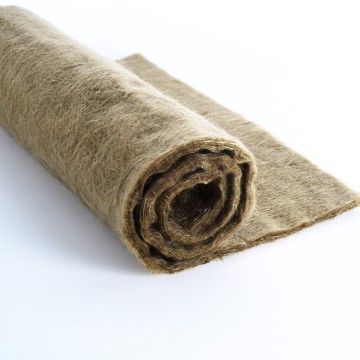
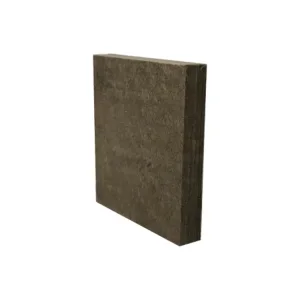
Manufactured by mechanically bonding continuous basalt fibers without chemical binders, this high-density mat provides superior acoustic absorption and high-temperature thermal protection.
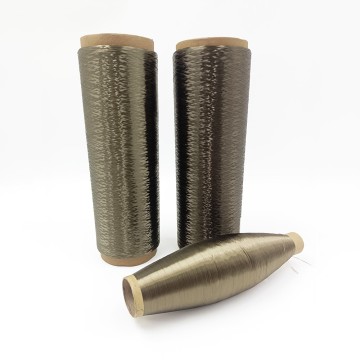
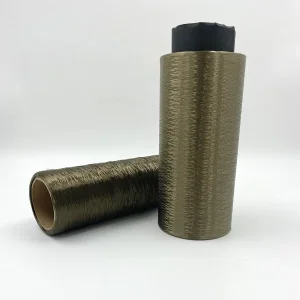
Engineered by precision twisting multiple high-performance continuous filaments, this yarn delivers unmatched mechanical strength and processing stability for textile weaving and braiding.
From aerospace high-velocity shields to structural foundations in saltwater marine zones, basalt continuous fibers offer unmatched structural integrity.
Widely deployed in structural elements, wall panels, and high-insulation plaster systems to reduce building energy loads while ensuring structural fire resistance.
Used to manufacture structural fuselage composites, acoustic panels, and critical wing assemblies where lightweight strength is key.
Withstands the atmospheric re-entry conditions, serving as high-performance heat shields, engine insulation wraps, and rocket motor nozzle components.
Basalt rebars provide a completely non-corrosive alternative to steel rebars, eliminating spalling risks in marine structures, bridges, and sea defense walls.
Integrated into mufflers, brake pads, engine thermal wraps, and chassis panels to reduce vehicle curb weight and improve overall thermal management.
Shields bridge abutments, marine piles, and under-deck structures from constant road salt spray, chemical runoff, and high-impact structural loads.
Non-reactive properties prevent high-pressure structural failure in chemical delivery pipelines, secondary storage containments, and aggressive chemical processing plants.
Provides deep sea structures, cargo vessels, and offshore drilling platforms with exceptional salt-spray resilience and structural fatigue resistance.
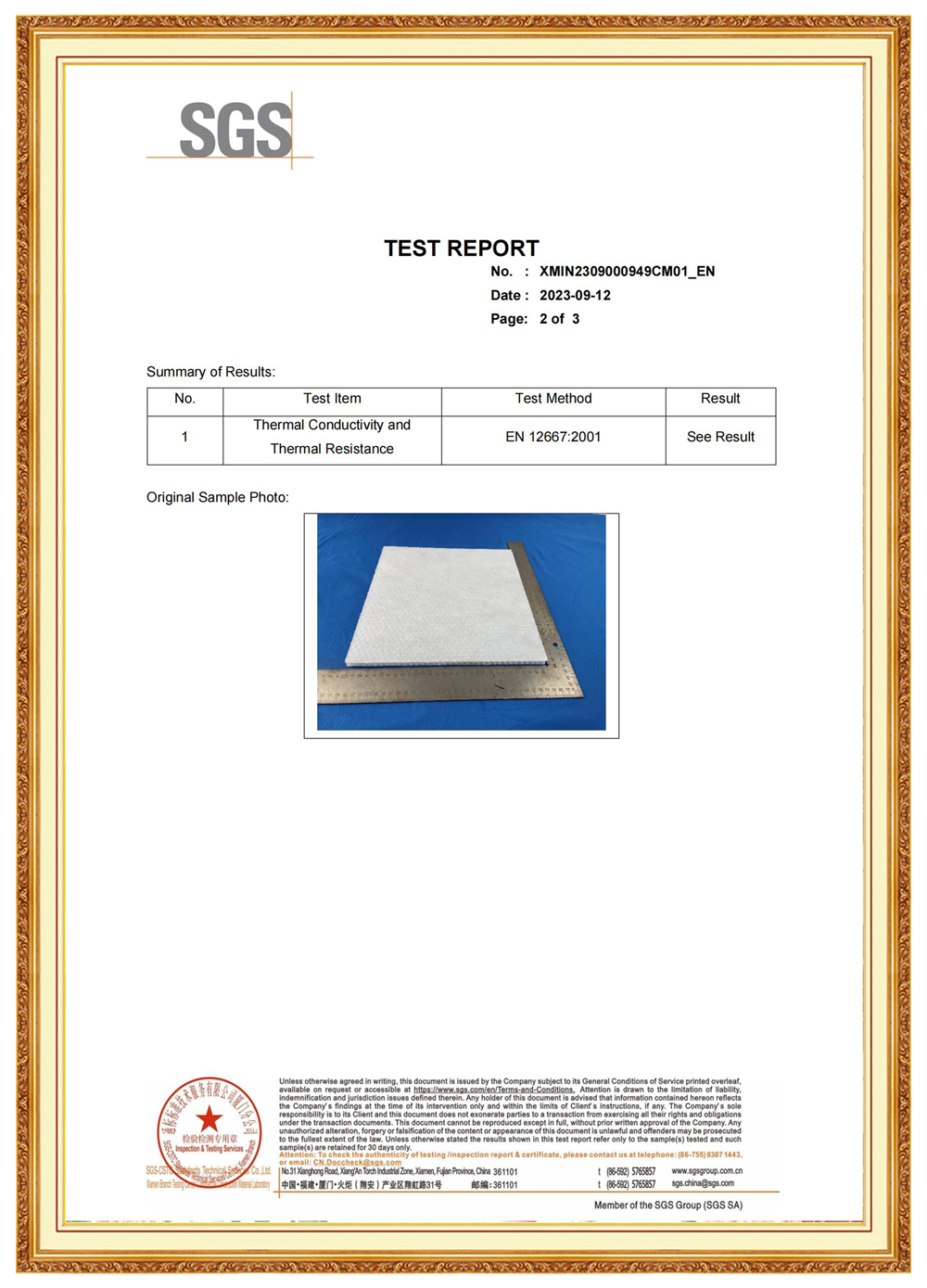
For international procurement departments, ensuring product quality and technical consistency is vital. The continuous basalt fiber manufactured by China Beihai Group undergoes strict physical, mechanical, and chemical testing throughout the production process. Every stage, from raw rock evaluation and thermal melting indices to filament diameter consistency and binder sizing, is thoroughly monitored.
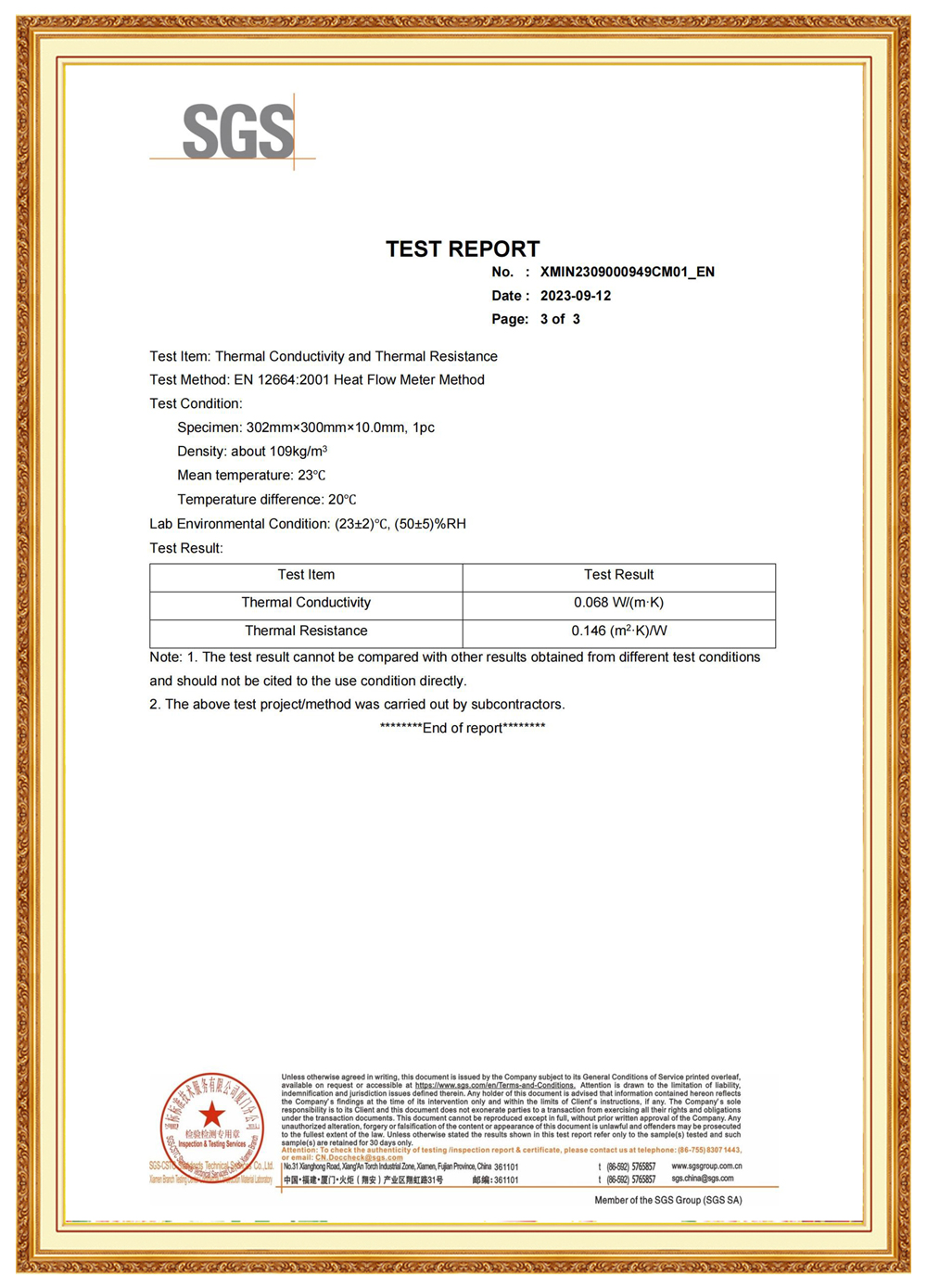
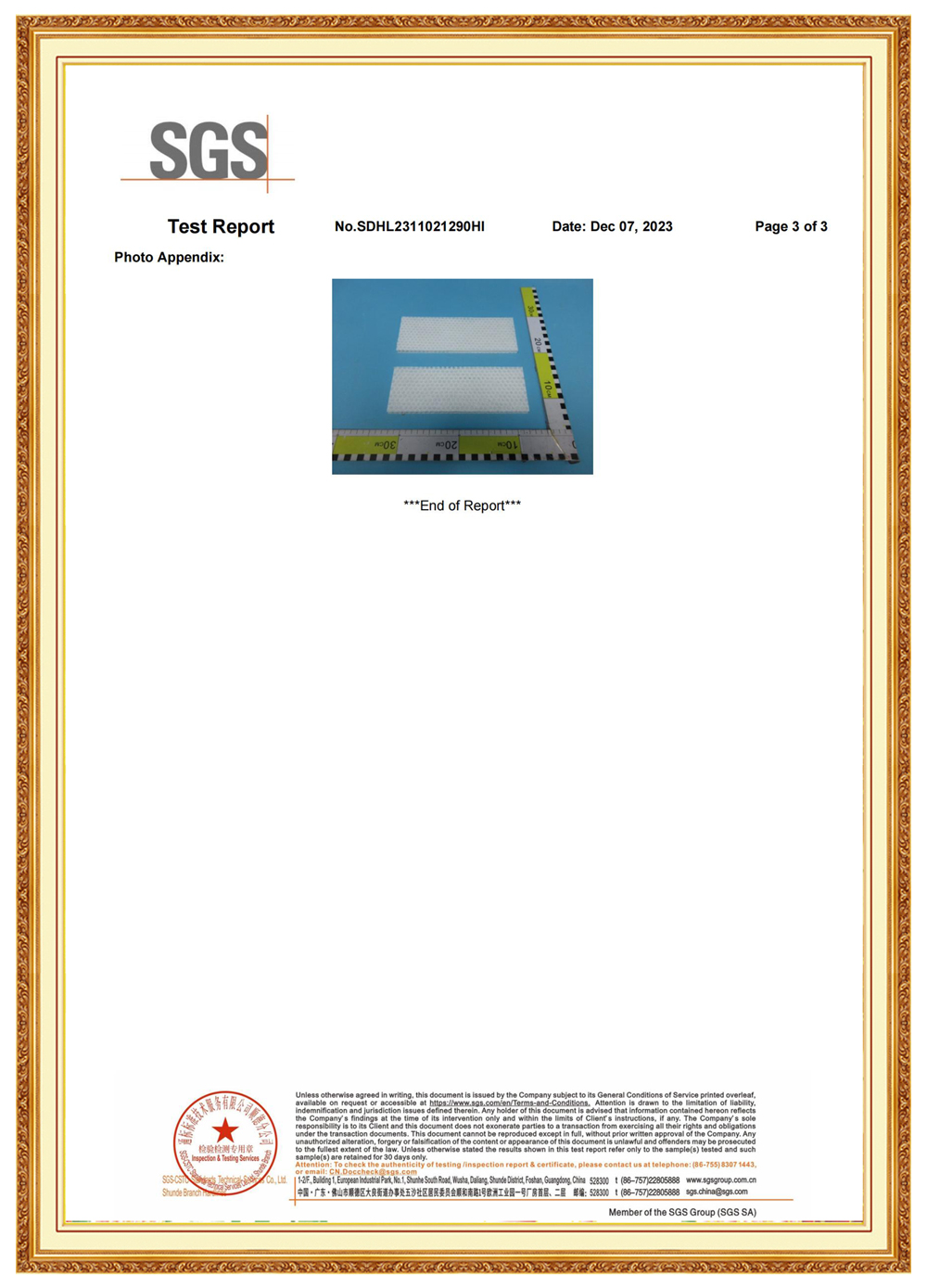
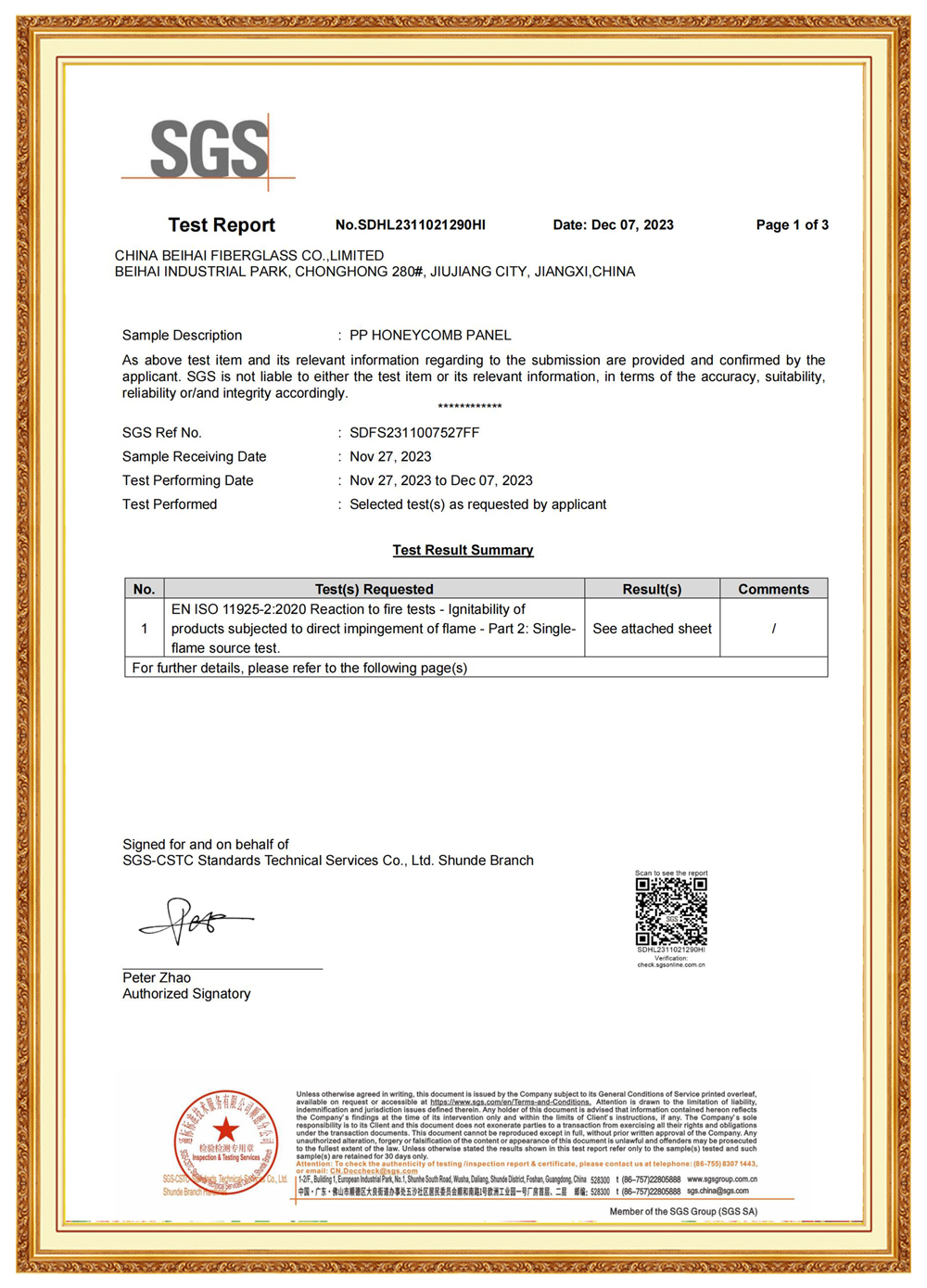
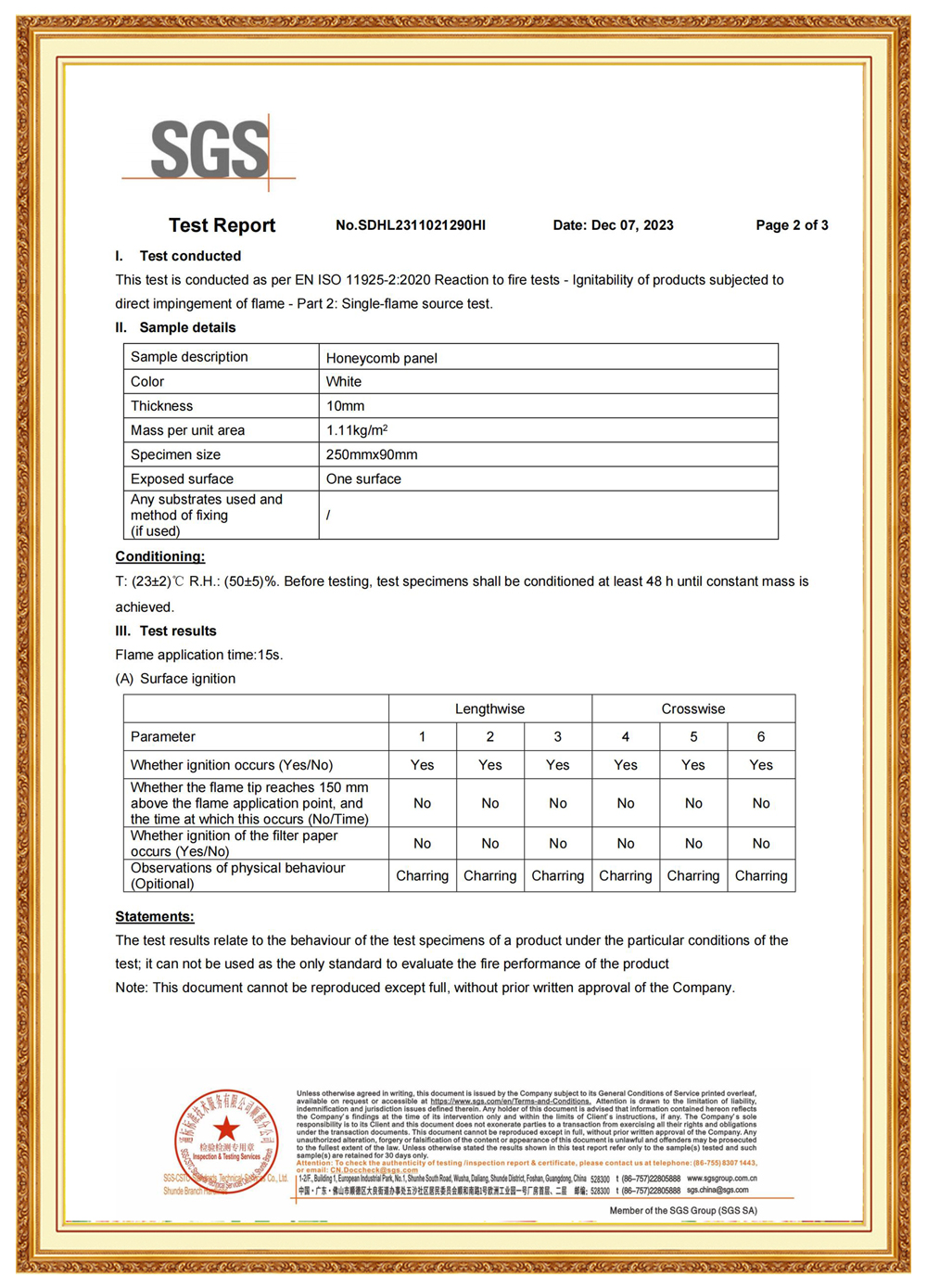
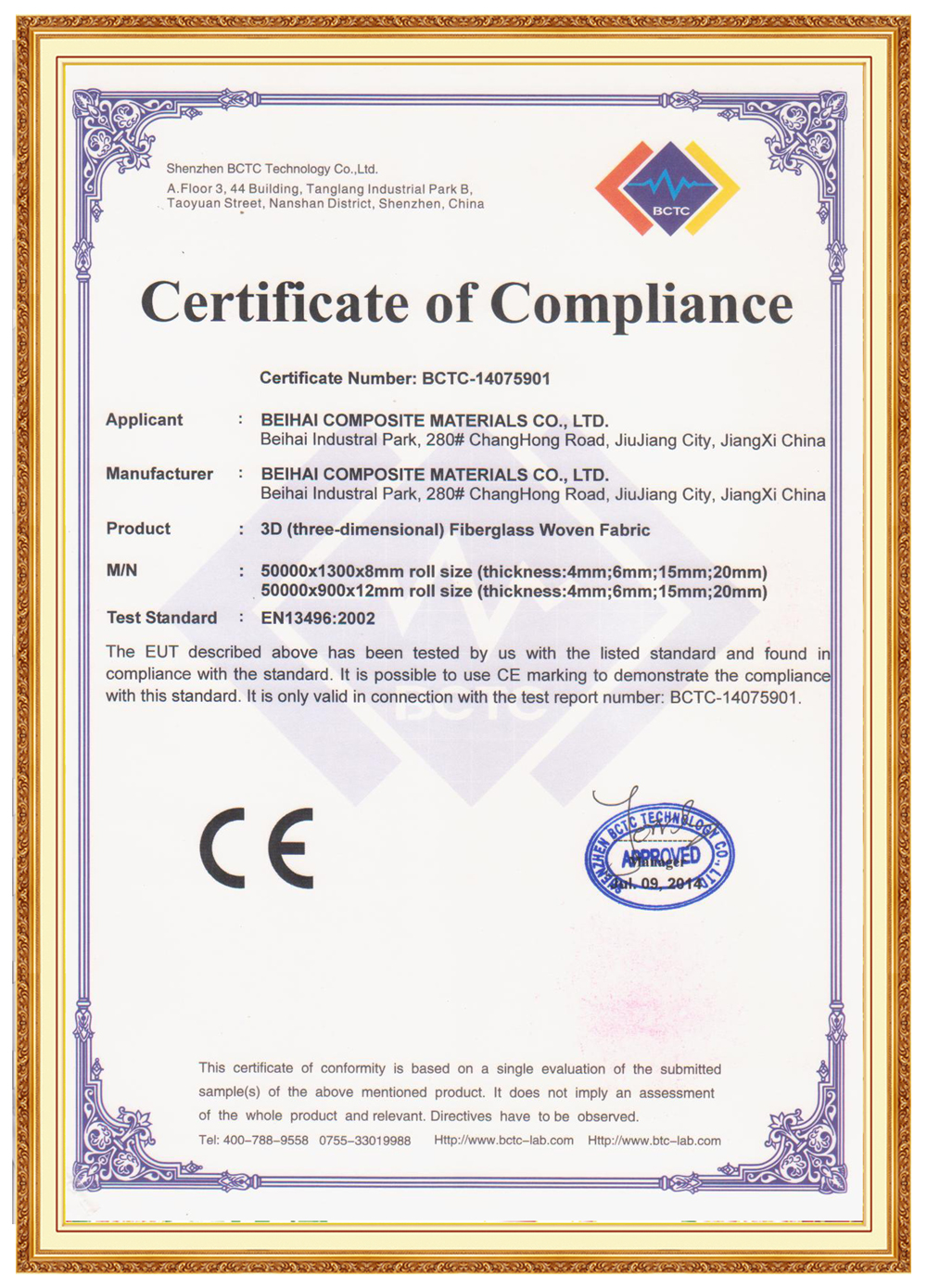
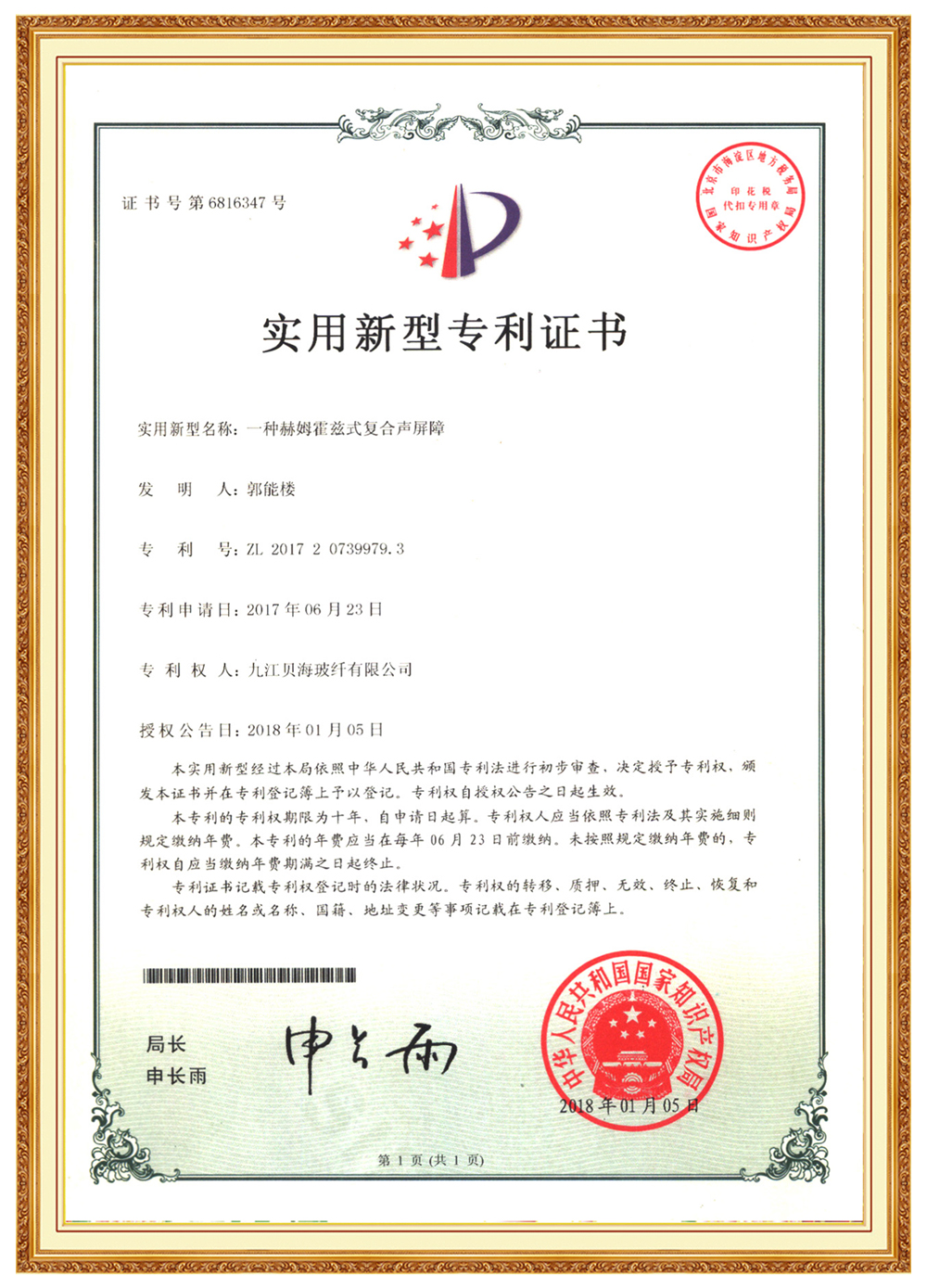
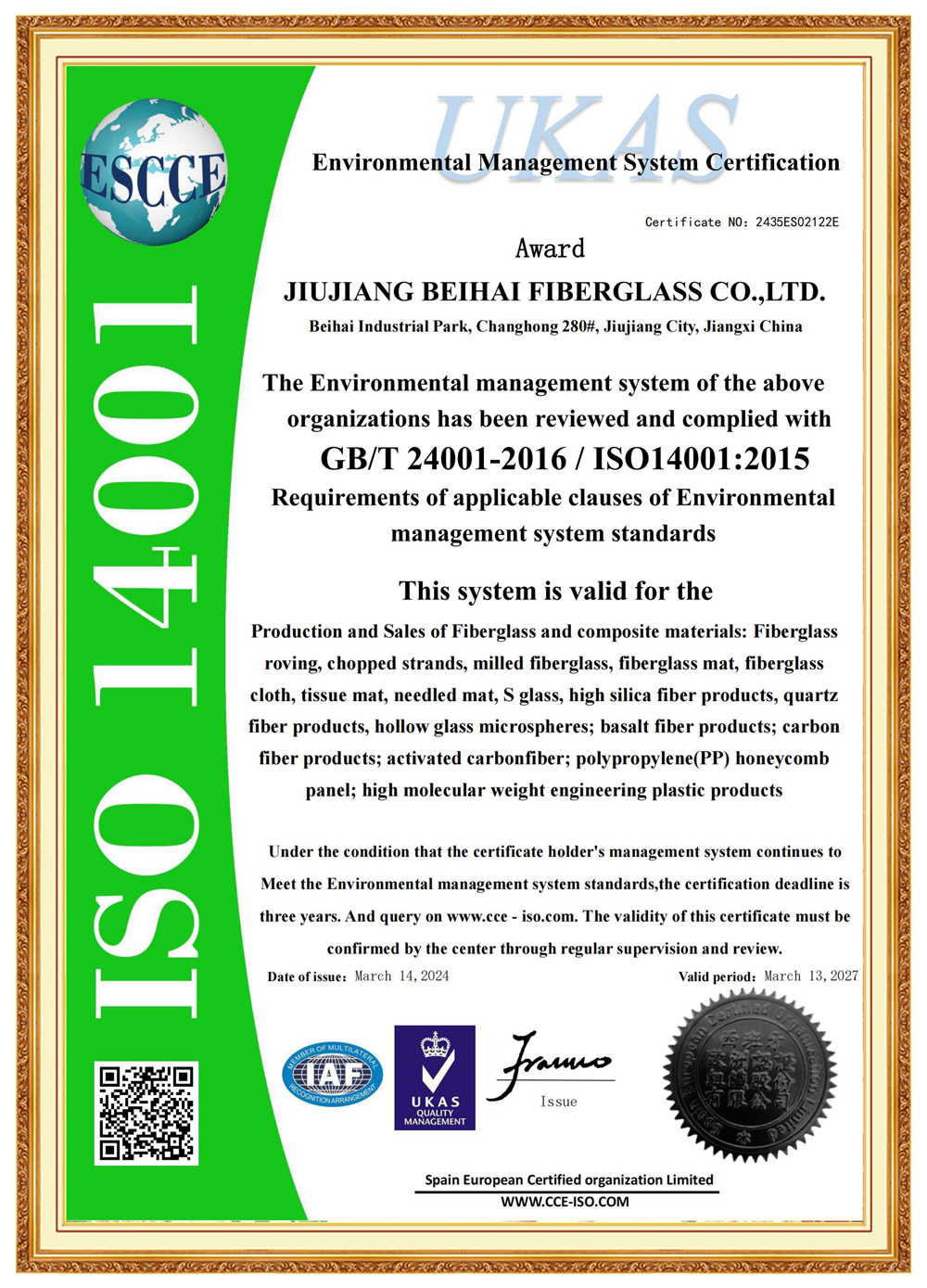
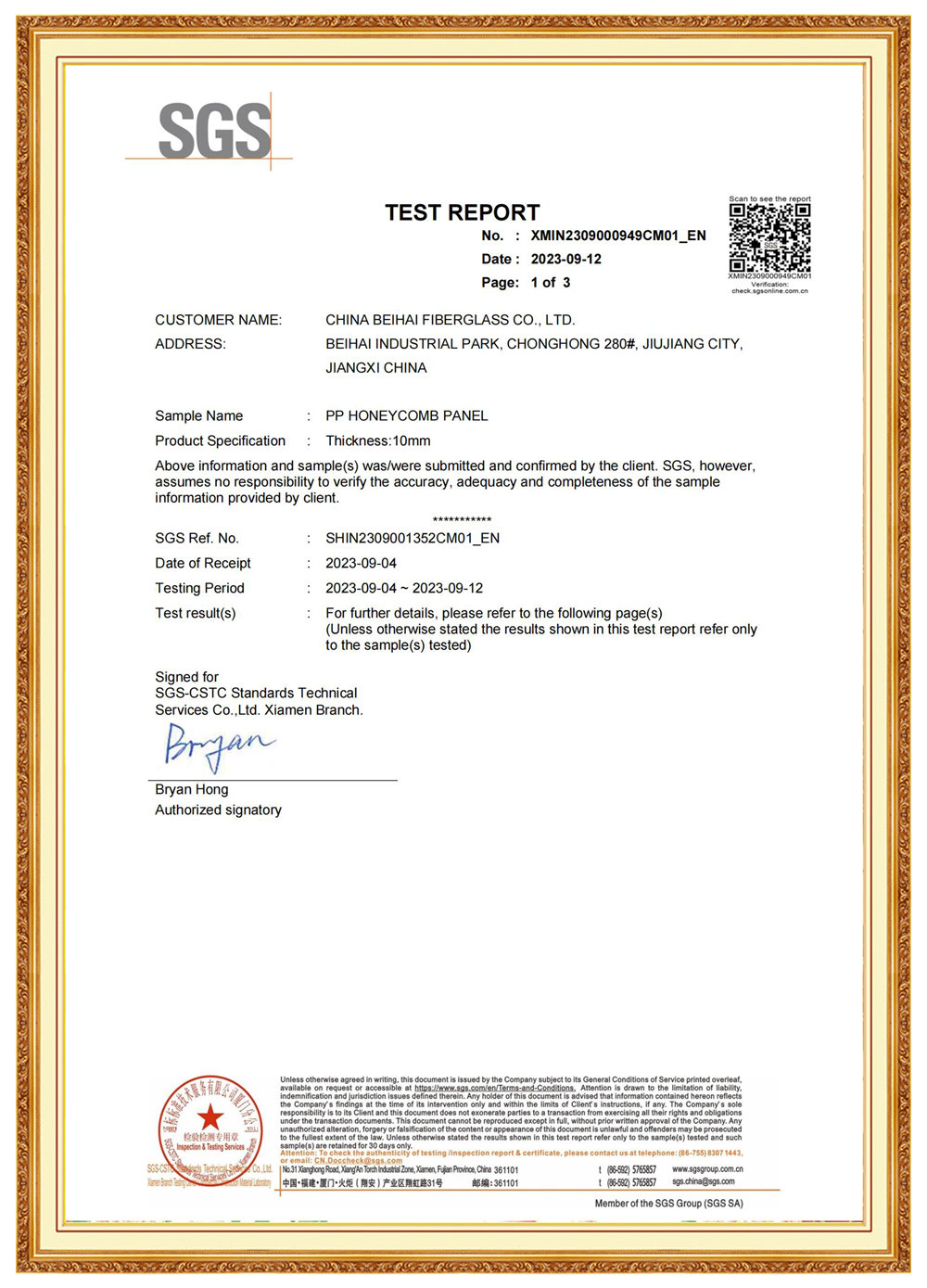
Our international quality management systems are fully certified under ISO 9001 and CE benchmarks, guaranteeing that each batch shipped to our global partners meets rigorous technical specifications. Below are our international quality control and manufacturing standard certificates.

Get answers to critical technical questions regarding the structural, chemical, and economic performance of basalt fiber materials.
Basalt fiber offers significantly higher mechanical performance compared to E-glass, providing 15-20% higher tensile strength and up to 30% higher modulus of elasticity. Additionally, basalt fiber is naturally resistant to highly alkaline environments, making it ideal for reinforcing concrete, whereas standard E-glass degrades quickly in those conditions.
Our continuous basalt fiber materials operate reliably in environments ranging from -260°C to +700°C. They do not undergo structural phase shifts or lose mechanical integrity at high temperatures, and have a high melting point exceeding 1450°C.
Yes, continuous basalt fiber is a 100% natural, single-component inorganic material made entirely from volcanic igneous rock. Its manufacturing process uses no toxic chemical additives, generates no hazardous industrial waste, and produces a significantly lower carbon footprint than carbon fiber or synthetic polymers.
Absolutely. Basalt Fiber Reinforced Polymer (BFRP) rebar is completely immune to rust, chloride-ion attack, and acidic environments. It is four times lighter than steel and offers three times the tensile strength, making it the perfect choice for coastal structures, bridges, and highways.
We formulate customized silane-based sizing agents designed to optimize compatibility with various polymer matrices, including epoxy, polyester, vinyl ester, and phenolic resins, ensuring excellent fiber-to-resin interfacial bonding.
Through our state-of-the-art Industry 4.0 production facilities in Jiujiang, we utilize automated raw material sorting and digital control systems that continuously regulate melt temperatures and winding speeds. This ensures uniform filament diameters and highly consistent physical properties across every production run.
Discover how continuous basalt fiber is sparking a materials revolution across emerging technologies.

As drones slice through the sky to monitor wildfires and intelligent robots execute highly repetitive, precise tasks on automated factory floors, the efficient operation of this next-generation equipment is increasingly supported by advanced composites.
By offering an optimal balance of lightweight design, high structural strength, electrical insulation, and superior heat resistance, continuous basalt fiber is becoming a critical resource. It enables major technology firms to design highly durable components that operate reliably in demanding environments.
Explore our complete range of specialized basalt fiber products engineered for demanding industrial applications.
 Beihai Fiberglass