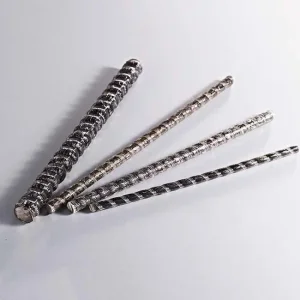
In the evolving landscape of civil engineering, the transition from corrosive traditional materials to sustainable, high-performance composites is no longer a luxury but a necessity. Basalt Fiber Reinforced Polymer (BFRP) rebar represents the pinnacle of this shift. Derived from volcanic rock through a high-tech melting process, basalt rebar offers a combination of mechanical strength and chemical stability that traditional steel simply cannot match.
Modern concrete structures face severe threats from chloride penetration, freeze-thaw cycles, and chemical carbonation. When steel rebar corrodes, it expands, causing concrete spalling and structural failure. Basalt rebar solves this at the molecular level. It is naturally resistant to alkalis, acids, and salts, making it the primary choice for marine engineering, bridge decks, and underground tunnels.
China Beihai was founded in 2015 and is located in Jiujiang, Jiangxi Province. As a high-tech enterprise, we focus on the research, development, and production of high-performance basalt continuous fiber. We are a leading enterprise in the domestic basalt fiber industry, specializing in everything from raw material processing to finished composite products.
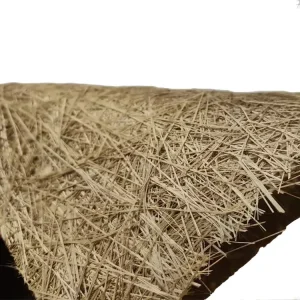
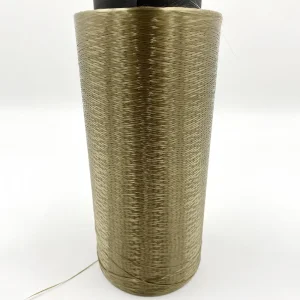
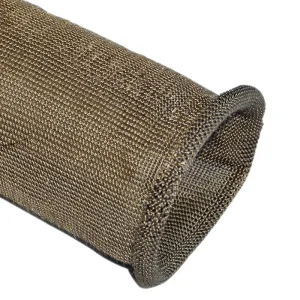
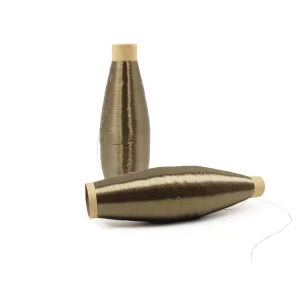
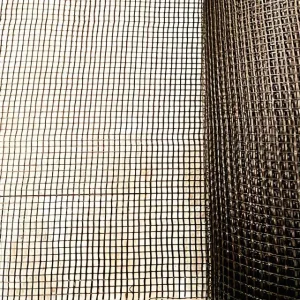
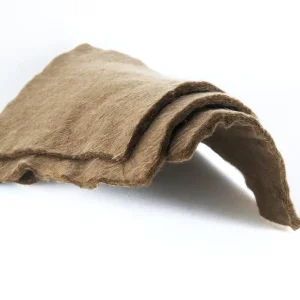
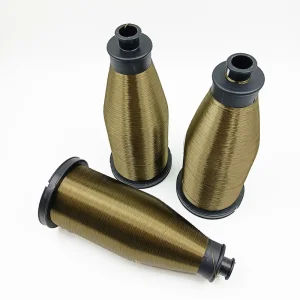
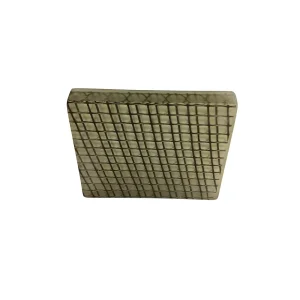
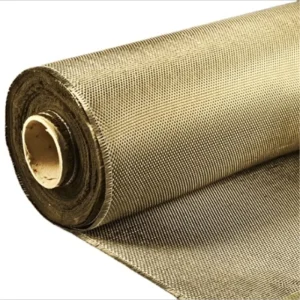
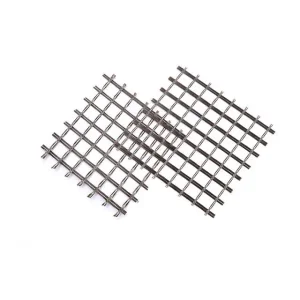
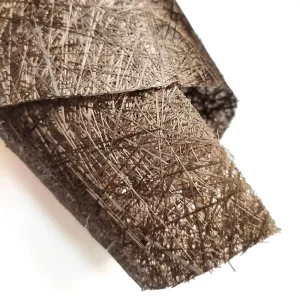
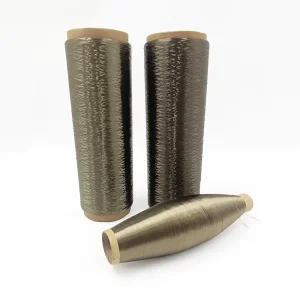
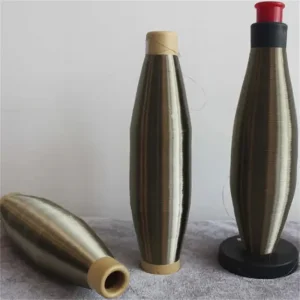
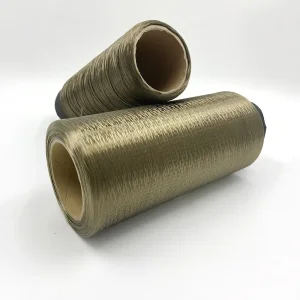
At China Beihai Group, we specialize in a wide range of products including basalt fiber mat, roving, yarn, and our flagship Basalt Fiber Rebar. Our commitment to innovation ensures that our clients receive best-in-class solutions for geotechnical engineering and manufacturing.
Choosing China Beihai means reliability and customer satisfaction. We provide high-quality basalt materials backed by industry expertise. When you partner with us, you are working with a forward-thinking supplier dedicated to global sustainability goals.
China has emerged as the global powerhouse for Basalt Fiber production due to several strategic factors that provide direct benefits to international buyers:
China possesses vast basalt rock deposits with the specific chemical composition (Silicon Dioxide levels) required for high-tensile fiber extraction.
Our Jiujiang facility utilizes advanced furnace technology, allowing for continuous production runs that reduce cost-per-unit while maintaining ISO-standard quality.
Unlike simple traders, Chinese factories like Beihai integrate university-level research into our manufacturing, focusing on improving the resin-to-fiber bond strength.
Basalt rebar is not just a product; it is a solution for long-term structural integrity. Here is how it is applied globally:
| Industry Sector | Critical Challenge | Basalt Rebar Solution |
|---|---|---|
| Marine Construction | Saltwater corrosion and rust-induced cracking. | Basalt rebar is inert to chlorides, extending lifespan to 100+ years. |
| Road & Bridge | Heavy loading and de-icing salt exposure. | High tensile strength and resistance to chemical degradation. |
| Smart Cities | Magnetic interference in hospitals (MRI) and labs. | Electromagnetically neutral; does not conduct electricity or interfere with signals. |
| Underground Mining | Acidic groundwater and heavy support needs. | Lightweight for easy manual handling in tight spaces + high durability. |
As a leading supplier, we cater to procurement officers from Europe, North America, and Southeast Asia. Understanding the Basalt Rebar Pricelist requires looking at the "Total Cost of Ownership."
While the initial purchase price of basalt rebar might be slightly higher than raw steel, the removal of maintenance costs and the extension of structure life by 50-70% creates a massive return on investment (ROI).
We supply rebar meeting ASTM D7913, ACI 440.1R, and European EC2 standards to ensure seamless integration into your local building regulations.
*Contact our sales department for the latest 2024 Wholesale Pricelist, including shipping quotes to your specific port.*

As drones and intelligent robots redefine modern life, the demand for lightweight, high-strength support materials like basalt fiber is reaching an all-time high.
Basalt fibers are ideal for aircraft wings and engine components due to their thermal protection properties and high strength-to-weight ratio.
The transition to EVs demands lighter chassis. Basalt fiber composites offer a sustainable alternative to carbon fiber at a fraction of the cost.
Basalt's unique corrosion resistance gives it a massive advantage in chemical storage tanks and hazardous piping systems.
 Beihai Fiberglass